
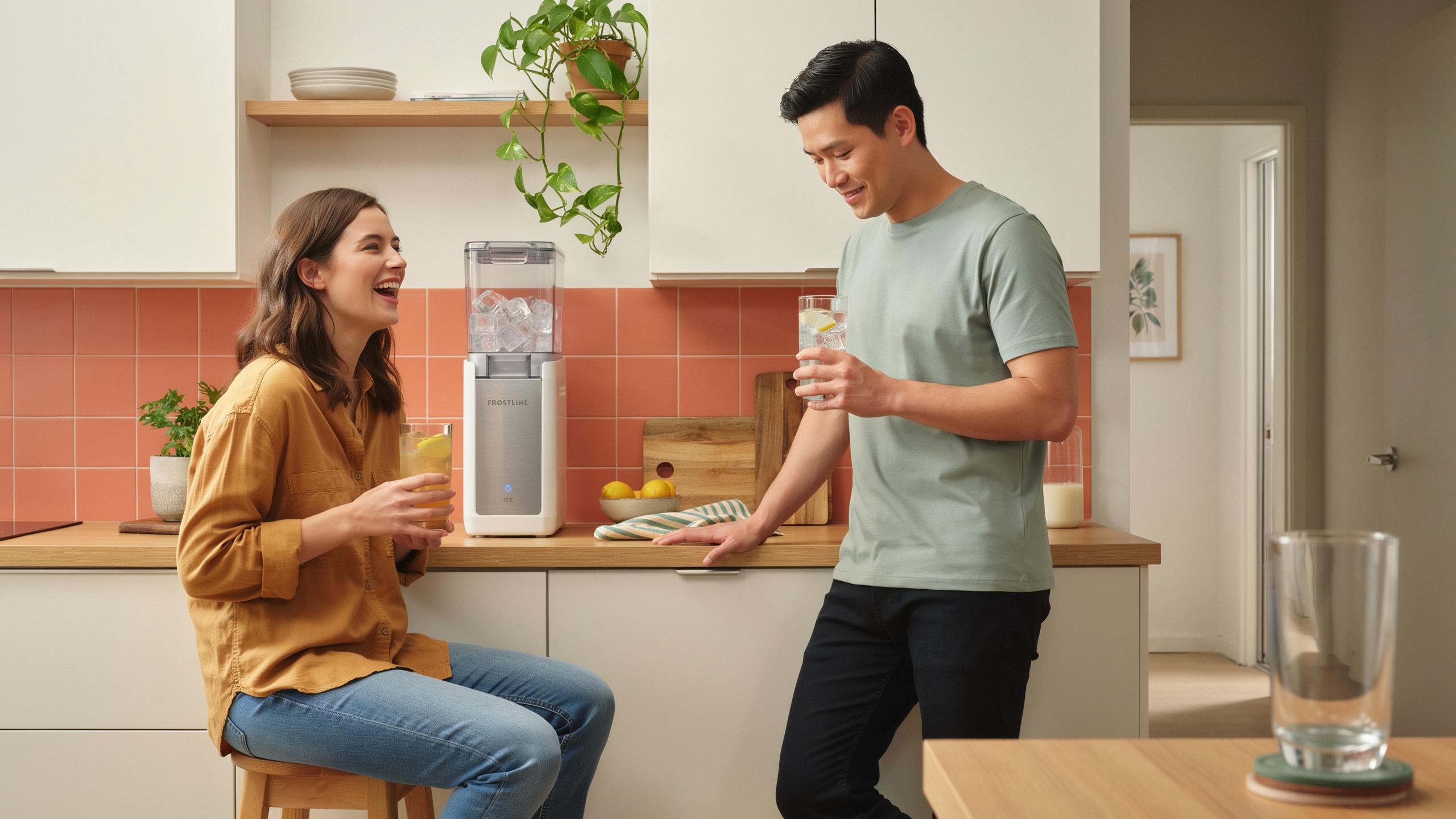
Why A Countertop Ice Maker Is A Game Changer For Small Kitchens
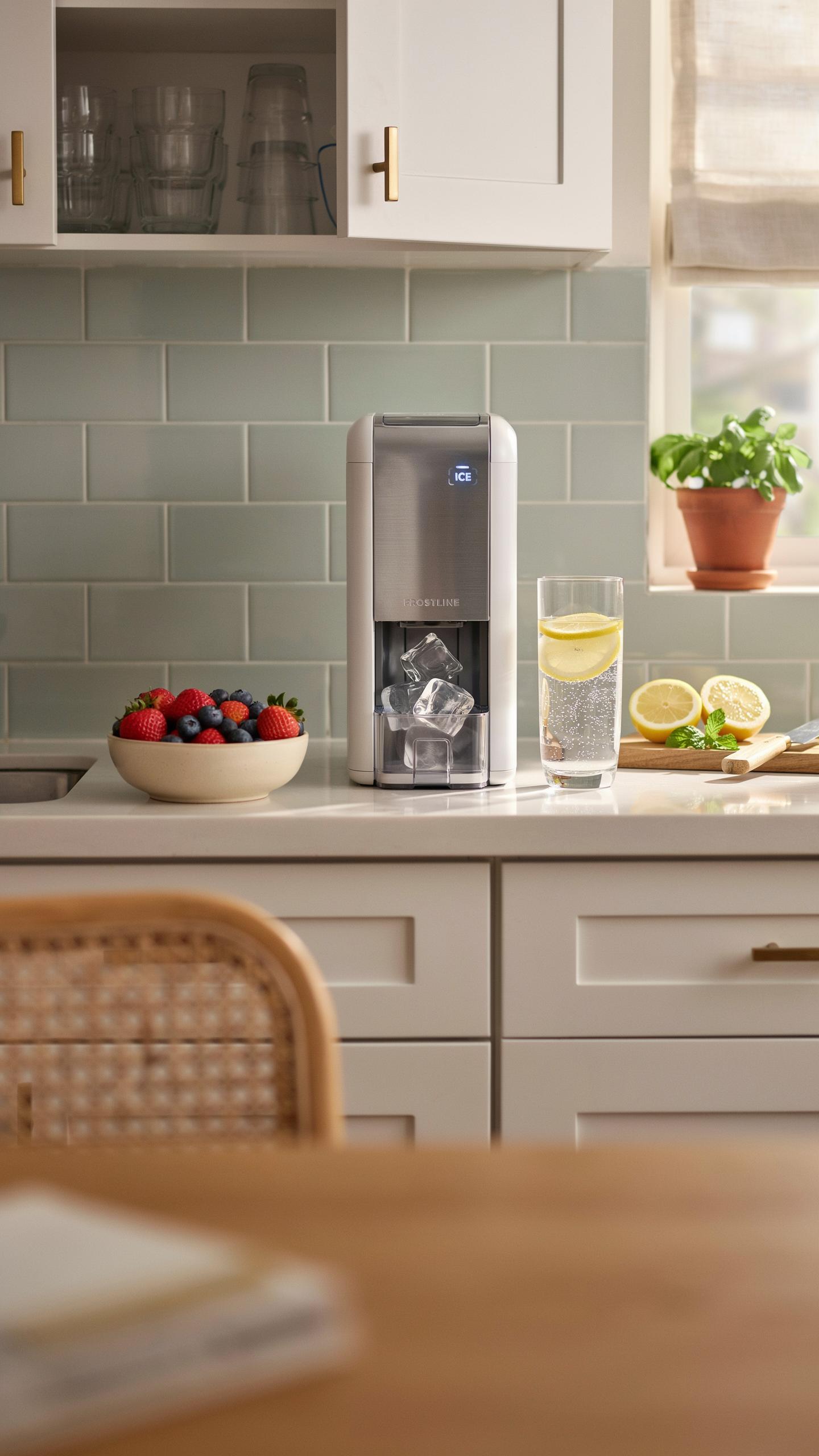
Space Saving Solutions
Countertop ice makers occupy roughly 12 to 18 inches of counter space. They eliminate the need to dedicate freezer real estate to ice trays or storage bins. Most models measure under 10 inches deep and fit standard countertops without structural modification. You regain usable freezer capacity for food storage instead of frozen water.
Built-in freezer ice dispensers require permanent installation and take up interior freezer volume. Standalone countertop units sidestep both problems. You position them where you need them and move them if kitchen layouts change. This flexibility matters in rental apartments where permanent modifications are prohibited or impossible.
Convenience At Your Fingertips
Countertop ice makers produce ice on demand without plumbing connections. You fill the water reservoir and press start. Most units generate 25 to 40 pounds of ice per day, depending on model capacity and ambient temperature. You access fresh ice within minutes rather than waiting for tray freezing cycles.
No plumbing requirement means zero installation complexity. You plug in the unit and operate it immediately. This eliminates contractor costs and avoids drilling holes through walls or cabinets. The self contained design works in any kitchen configuration, whether you rent or own.

Understanding Different Types Of Ice Beyond The Cube
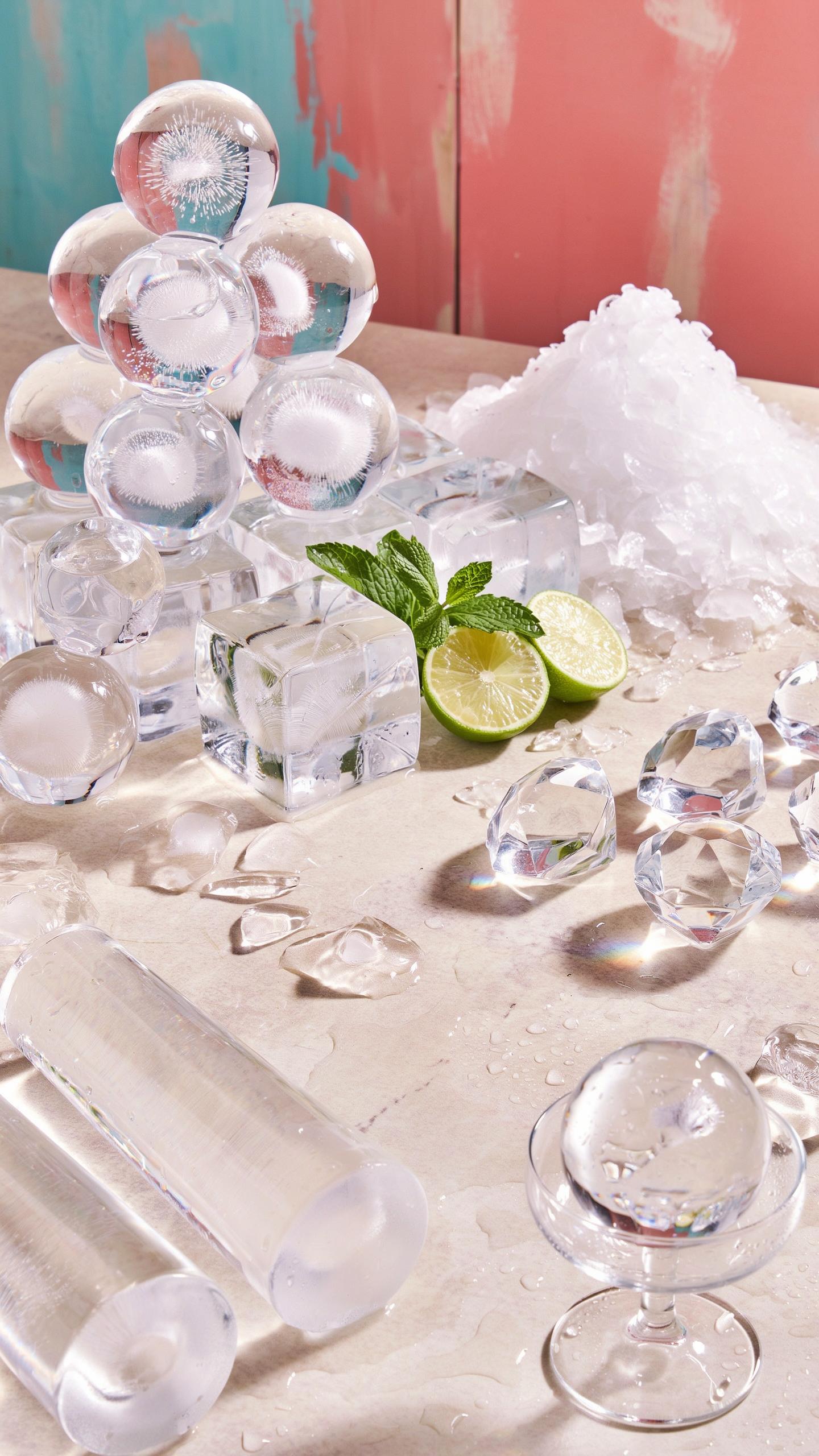
Nugget Ice Maker: The Chewable Experience
Nugget ice, commonly called Sonic Ice after the fast-food chain popularized it, consists of small, compressed ice pellets. This ice type forms by freezing water partially, then compressing the slush into pellets. The result is softer than traditional cubes but denser than flake ice. Nugget ice cools drinks without diluting them as quickly as other types. Small kitchen ice makers that produce nugget ice appeal to users who want faster cooling with less watering down of beverages.
Nugget ice works well in soft drinks, smoothies, and iced coffee. The pellets pack tightly together, maximizing surface area for heat transfer. This design means your drink gets cold faster than with cube ice. For apartment dwellers with limited counter space, nugget ice makers deliver efficiency in a compact footprint. The chewable texture also drives repeat purchases, making these machines popular for daily use.
Flake And Cube Ice Varieties
Cube ice remains the standard because it melts slowly and works for any drink. Traditional cubes measure roughly one inch on each side. They stack efficiently and last longer in drinks compared to flake ice. Flake ice, produced by freezing water on a drum then scraping it off, creates smaller, thinner pieces. Flake ice cools beverages rapidly but melts faster, making it better for short-term chilling rather than sustained coldness.

For small kitchens, cube ice makers offer versatility across cocktails, water glasses, and food preservation tasks. Flake ice machines occupy similar counter space but serve specialized purposes like keeping seafood cold during display or rapid chilling needs. Most compact countertop models produce either cubes or nugget ice rather than flake, since flake requires different mechanical systems. Choose based on your primary drink type: cubes for mixed drinks and standard use, nugget for daily soft beverages.
Key Features To Look For In A Portable Ice Maker
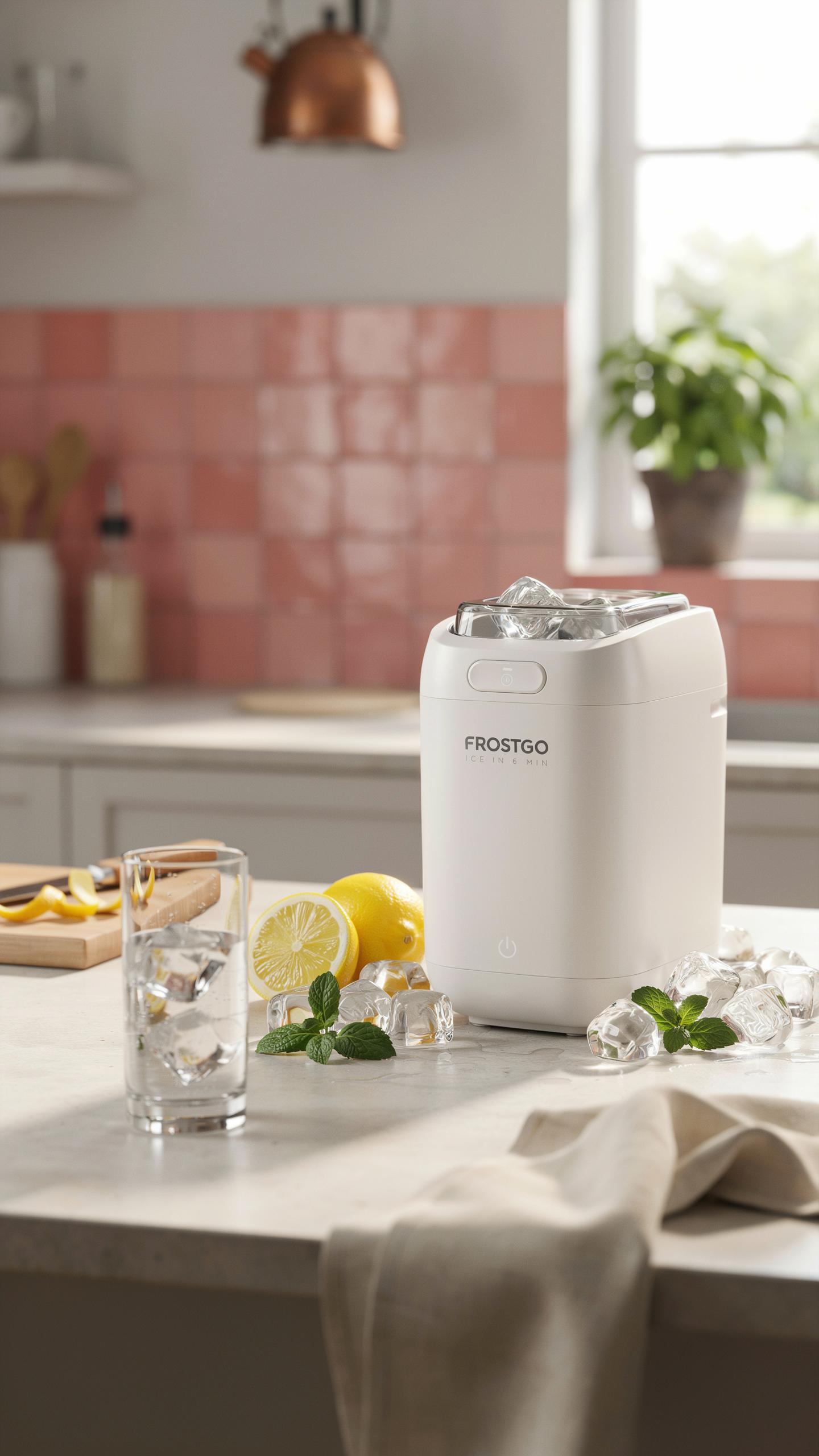
Production Speed And Capacity
Most countertop ice makers produce between 26 to 40 pounds of ice daily. Smaller units generate ice in 7 to 15 minute cycles, though quality varies. Capacity ranges from 1.5 to 3 pounds per cycle. For apartments, a machine producing 26 to 28 pounds daily works for typical household use. Check the cycle time and storage bin size against your actual ice consumption.
Storage capacity determines how long you wait between refills. Bins hold between 0.5 and 2 pounds of finished ice. Larger bins mean fewer trips to retrieve ice but require more counter space. Production speed matters less if you plan ahead. Match capacity to your kitchen dimensions and usage patterns.
Ease Of Use And Maintenance
Simple water refilling reduces friction in daily operation. Machines with top-loading reservoirs require minimal bending. Most units hold 1.5 to 2 liters of water per fill. Check if the water tank removes easily for cleaning. Intuitive controls mean fewer buttons and clearer labeling on the panel.
Self-cleaning cycles run automatically or on-demand to prevent mineral buildup. Cycles typically take 15 to 30 minutes and use no additional chemicals. Regular cleaning extends machine lifespan and prevents ice quality degradation. Manual cleaning of the bin takes under five minutes. Maintenance requirements directly impact long-term reliability in small spaces.
Top Countertop Ice Maker Models For Small Apartments
Compact Designs With High Output
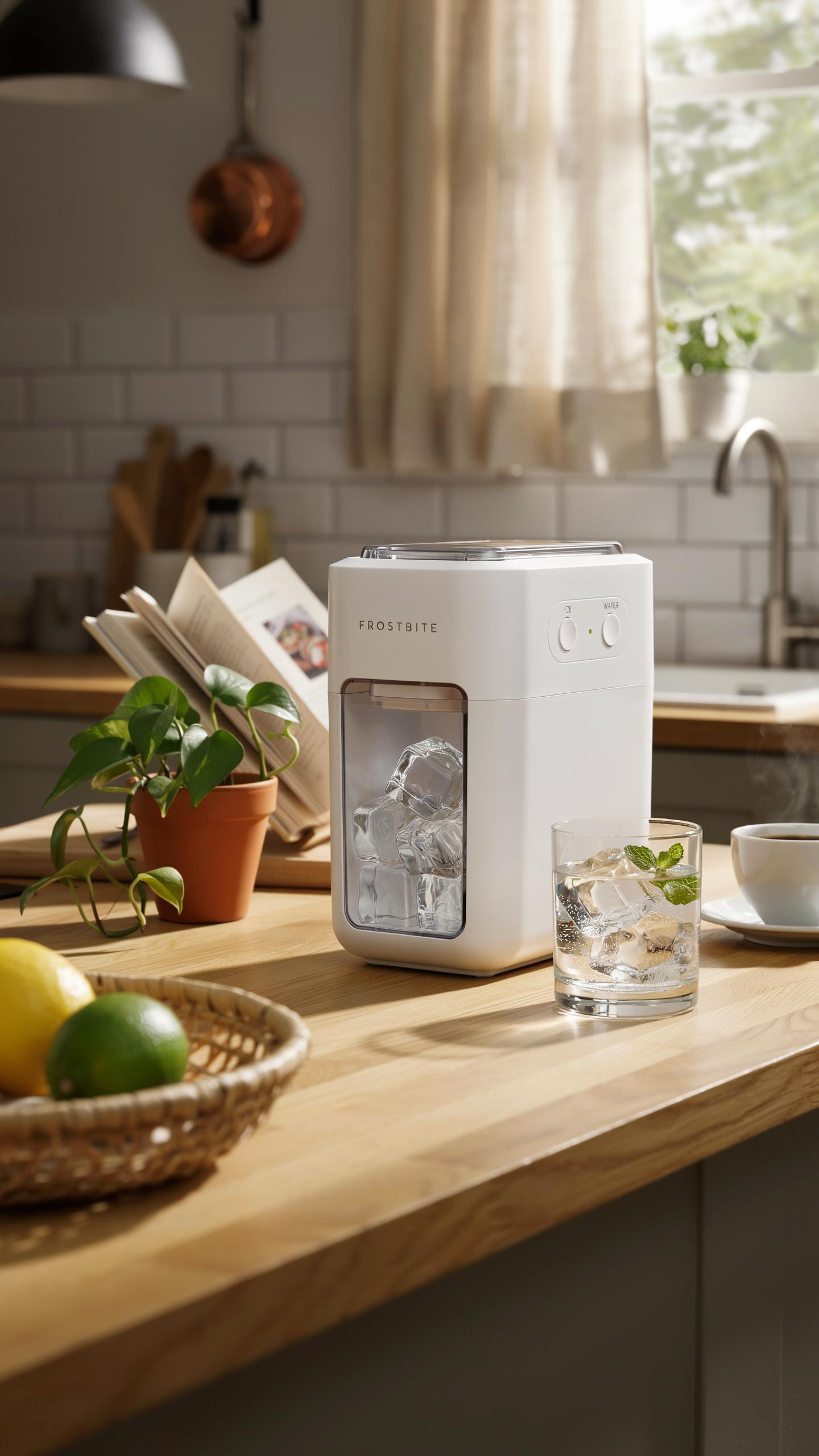
The Nugget ice maker from Opal produces 1 pound of ice per hour within a 19-inch width footprint. This machine delivers pellet ice, which many users prefer for beverages because it cools drinks faster than traditional cubes. The compact size fits standard apartment countertops without requiring dedicated space.
The GE Profile Opal 2.0 maintains similar dimensions while producing nugget ice at comparable rates. These models prioritize vertical design to minimize counter real estate while maintaining production capacity. Both machines eliminate the need for under-counter installation, making them practical for renters and small kitchen layouts.
Energy Efficiency And Quiet Operation
Portable ice makers using thermoelectric cooling consume less power than traditional compressor models. These units draw between 100 to 200 watts during operation, compared to 400 to 600 watts for full-size refrigerator ice makers. Thermoelectric models operate at noise levels between 40 to 50 decibels, roughly equivalent to normal conversation volume.
Compressor-based portable ice makers achieve higher output but consume more electricity and generate noise between 50 to 65 decibels. Nugget ice machines like the Opal operate more quietly than standard cube makers due to their ice production mechanism. Apartment dwellers balancing ice output with noise concerns should test units before purchasing, as performance varies by model and manufacturing year.
Integrating Your Ice Maker In Kitchen Decor And Functionality
Optimizing Countertops Space
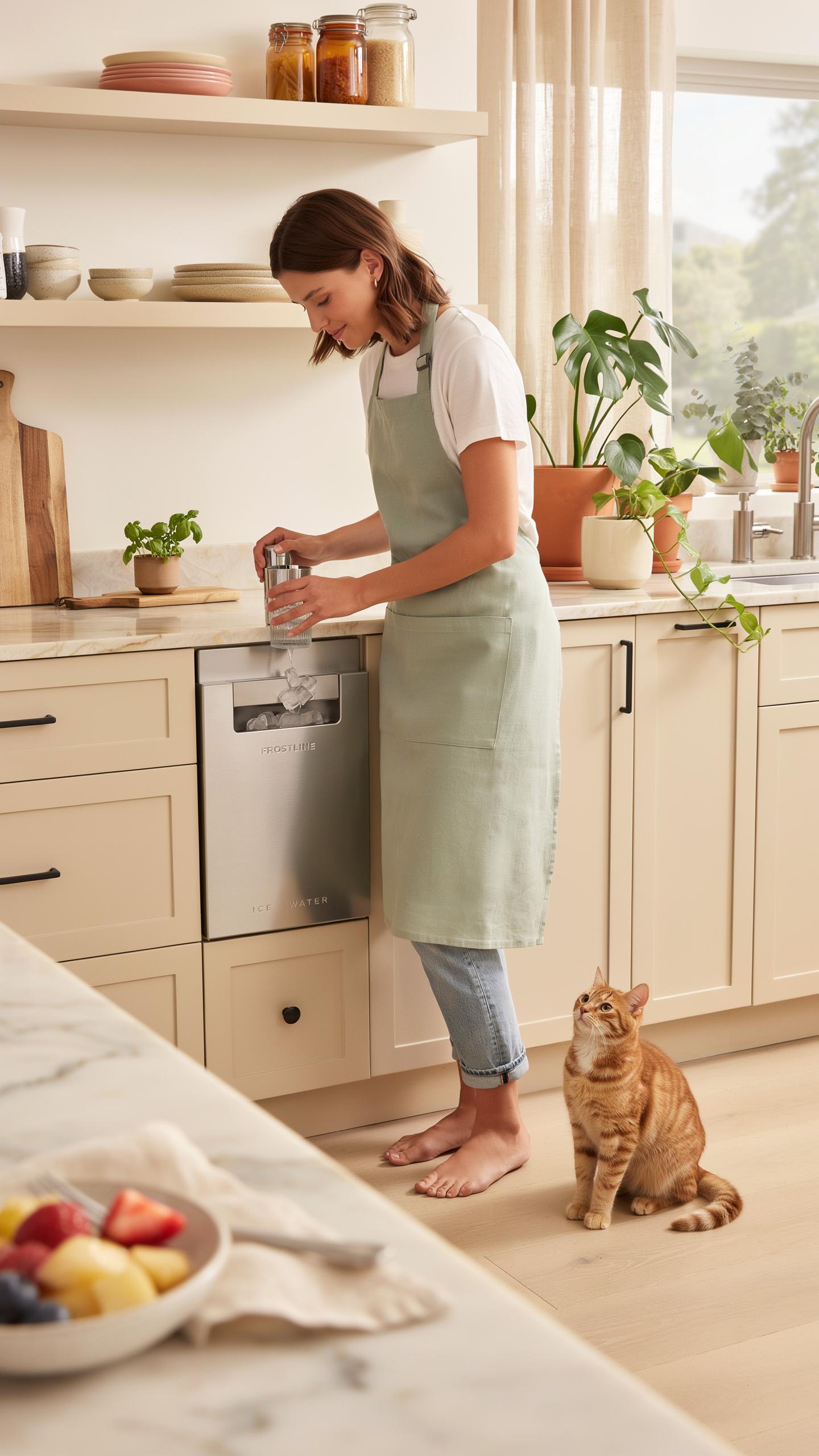
Place your ice maker near the refrigerator or beverage station. This reduces walking distance and keeps water connections minimal. Position it away from heat sources like stoves or direct sunlight. Heat reduces ice production efficiency and shortens the machine’s lifespan. Corner placement works well for apartment kitchens where counter real estate is tight.
Ensure you have 6 inches of clearance on all sides for proper ventilation. Your ice maker pulls warm air through its condenser and exhausts it outward. Blocked vents force the machine to work harder and produce less ice. Check your specific model’s manual for exact clearance requirements. Poor ventilation is the primary reason compact ice makers underperform in small spaces.
Stylish And Modern Appliances
Modern countertop ice makers use stainless steel finishes that match refrigerators and dishwashers. Compact models measure 15 to 17 inches wide, fitting standard kitchen aesthetics without dominating space. Manufacturers design these machines with clean lines and minimal visual clutter. They integrate into kitchen layouts without demanding attention or disrupting your design scheme.

Select models with handles and front access panels that align with your cabinetry style. Stainless steel resists fingerprints better than plastic housing and maintains appearance longer. Many units include LED displays that provide functional feedback without adding visual noise. Your ice maker becomes part of the kitchen infrastructure, not an eyesore requiring concealment or apology.
Maintenance Tips For Longevity And Optimal Ice Quality
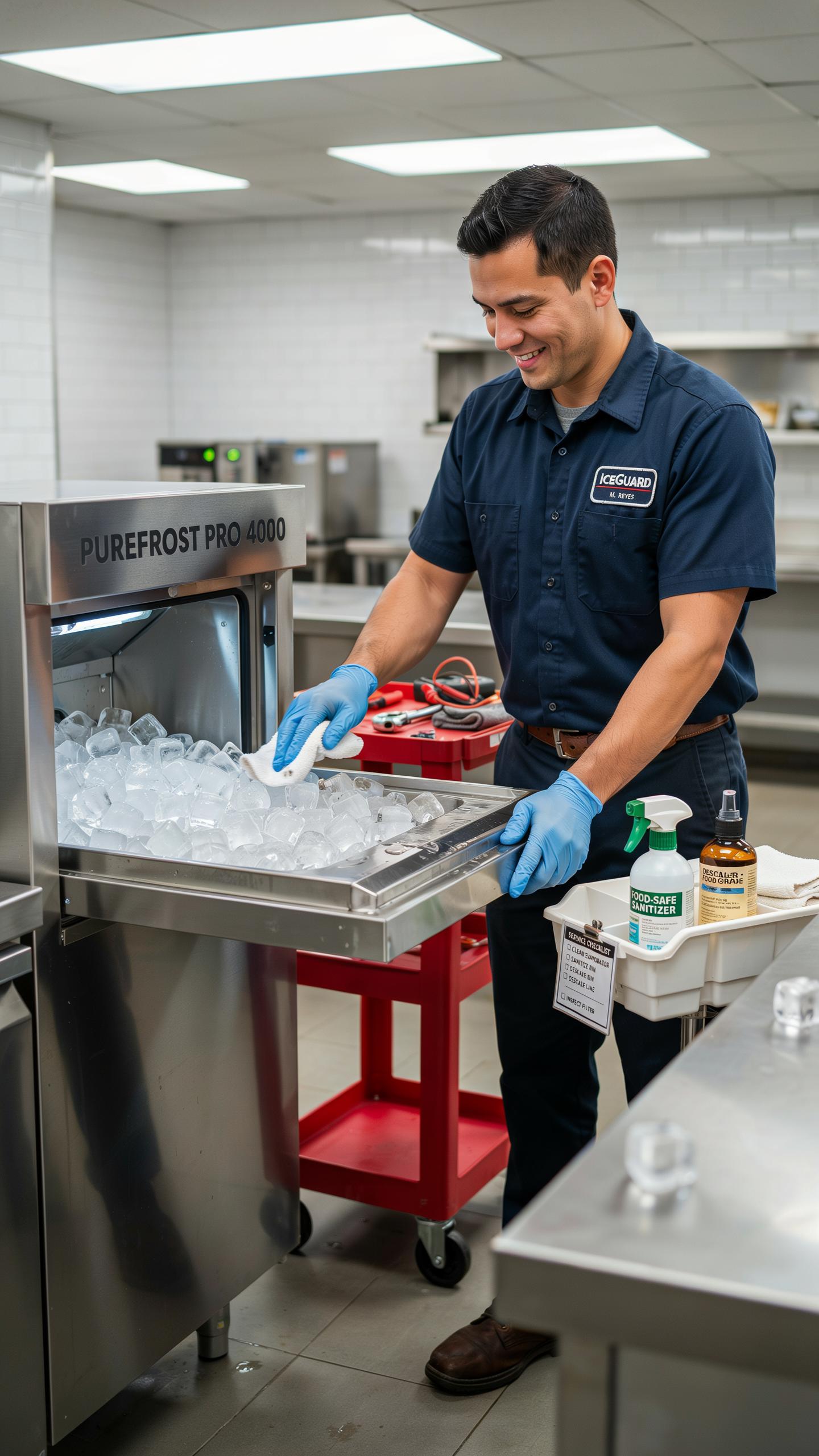
Regular Cleaning And Descaling
Mineral deposits from water accumulate inside ice makers. These deposits reduce cooling efficiency and degrade ice quality. You must clean your machine regularly to prevent buildup that forces the compressor to work harder and shortens the unit’s lifespan. Descaling removes calcium and magnesium compounds that damage internal components.
- Empty the ice bin: Remove all ice before cleaning to prevent contamination and ensure thorough access to internal surfaces and water lines.
- Run a cleaning cycle: Most models include a cleaning mode that circulates vinegar or commercial cleaner through the system to dissolve mineral deposits.
- Use white vinegar: Pour undiluted white vinegar into the water reservoir and run the cleaning cycle monthly for effective descaling without harsh chemicals.
- Wipe exterior surfaces: Clean the outside casing with a damp cloth to remove dust and prevent debris from entering ventilation areas.
- Replace water filters: Change filters every 3 to 6 months depending on water hardness to reduce mineral content entering the machine.
- Flush the system: Run 2 to 3 cycles of fresh water through the machine after cleaning to clear remaining vinegar or cleaner residue.
Frequency matters. Perform basic cleaning monthly and deep descaling every 3 months in areas with hard water. Soft water regions need less frequent descaling. Check your manufacturer’s manual for specific intervals. Skipping maintenance increases ice production costs and risks component failure that requires expensive repairs or replacement.
Water Quality And Filtration
Unfiltered tap water contains chlorine, sediment, and minerals that affect ice taste and machine performance. Filters capture these contaminants before water reaches the ice maker, extending component life and producing cleaner ice. Filtered water reduces mineral scale formation by 60 to 80 percent depending on source water quality and filter type.

Install a point-of-use water filter before the ice maker’s water line. Activated carbon filters remove chlorine and improve taste. Sediment filters trap particles. Some machines have built-in filters you replace regularly. Others connect to external filtration systems. Either approach protects internal components from corrosion and buildup. Your ice maker performs better and produces better ice when you use quality water from the start rather than relying on descaling alone to fix problems caused by poor water quality.
Beyond Beverages Creative Uses For Your Countertop Ice Machine
Quick Chilling Food And Drinks
Ice serves functional purposes beyond filling glasses. Use it to rapidly cool hot food by placing bowls over ice baths. This method works for soups, sauces, and prepared dishes that need fast temperature drops. For lunch packing, ice keeps perishables safe during transport. Fill coolers or insulated bags with ice to maintain food safety standards throughout the day.
Cold compresses rely on ice for pain relief and swelling reduction. Wrap ice in cloth to apply directly to minor injuries or sore muscles. A countertop maker ensures you never run short when medical needs arise. Having on-demand ice means you address discomfort immediately without planning ahead.
In the smallest spaces, we find the sweetest joys, like a perfectly chilled drink on a warm evening.
Entertaining Made Easy
Hosts face constant ice demands during gatherings. A countertop maker produces fresh supply without freezer space constraints. Guests expect cold beverages, and running out signals poor planning. On-demand production keeps drinks chilled throughout events of any duration. Small kitchen setups benefit most since traditional freezers lack capacity for party quantities.
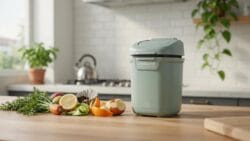
Everyday refreshment improves with reliable ice access. Morning smoothies, afternoon cold brews, and evening cocktails all demand consistent supply. Family members grab ice freely without depleting freezer reserves. This accessibility encourages hydration and beverage variety. Small apartments see real quality-of-life improvements when ice availability matches actual household consumption patterns.
Understanding Ice Maker Accessories And Enhancements
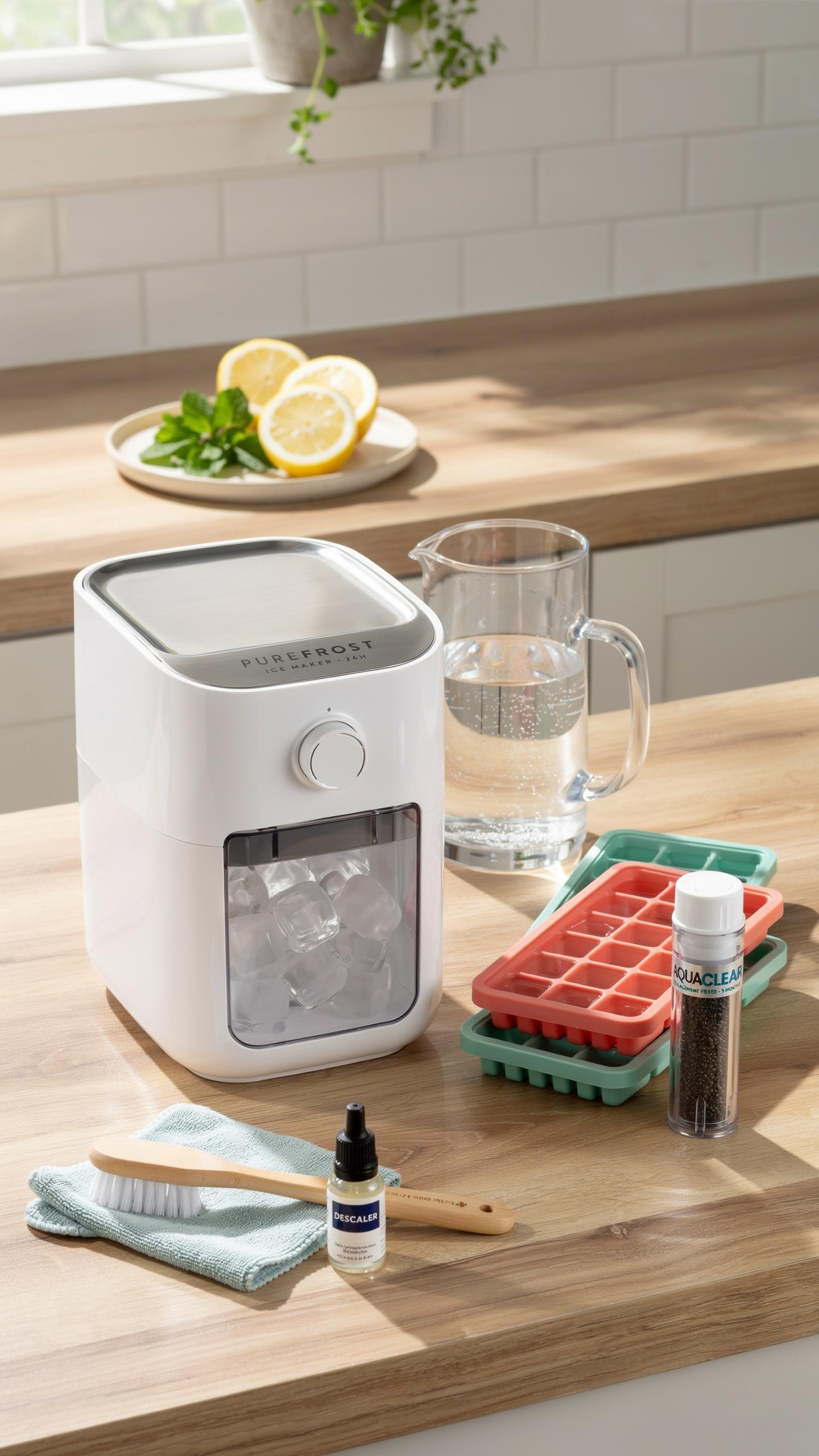
The Essential Ice Scoop And Storage Solutions
An ice scoop comes standard with most countertop ice makers, but replacement scoops matter for hygiene. You use it repeatedly throughout the day, and bacteria accumulate on worn plastic or metal surfaces. A dedicated scoop prevents hand contact with ice, which reduces contamination and extends ice freshness in the bin.
Storage solutions depend on your ice maker’s bin capacity and usage patterns. Small kitchen units typically hold 26 to 35 pounds of ice. If you consume ice faster than the machine produces it, you need a separate freezer-safe container to stock overflow. Airtight containers prevent ice from absorbing odors and freezer burn, keeping ice usable for weeks.
Cleaning Kits And Water Filters
Cleaning kits remove mineral buildup inside the machine’s water lines and ice-making components. Hard water deposits accumulate over time and reduce production speed and ice quality. Manufacturers recommend descaling every three to six months depending on local water hardness. Most kits include citric acid packets and detailed instructions for safe internal cleaning procedures.
Water filters installed before the inlet line trap sediment, chlorine, and minerals before they enter the machine. Filtered water produces cleaner ice with better taste and reduces internal scaling significantly. Filter replacement costs between 15 and 50 dollars annually, depending on the brand and water quality in your area. This preventive maintenance extends your ice maker’s lifespan by two to four years.
Troubleshooting Common Issues With Your Countertop Ice Maker
Resolving Production Problems
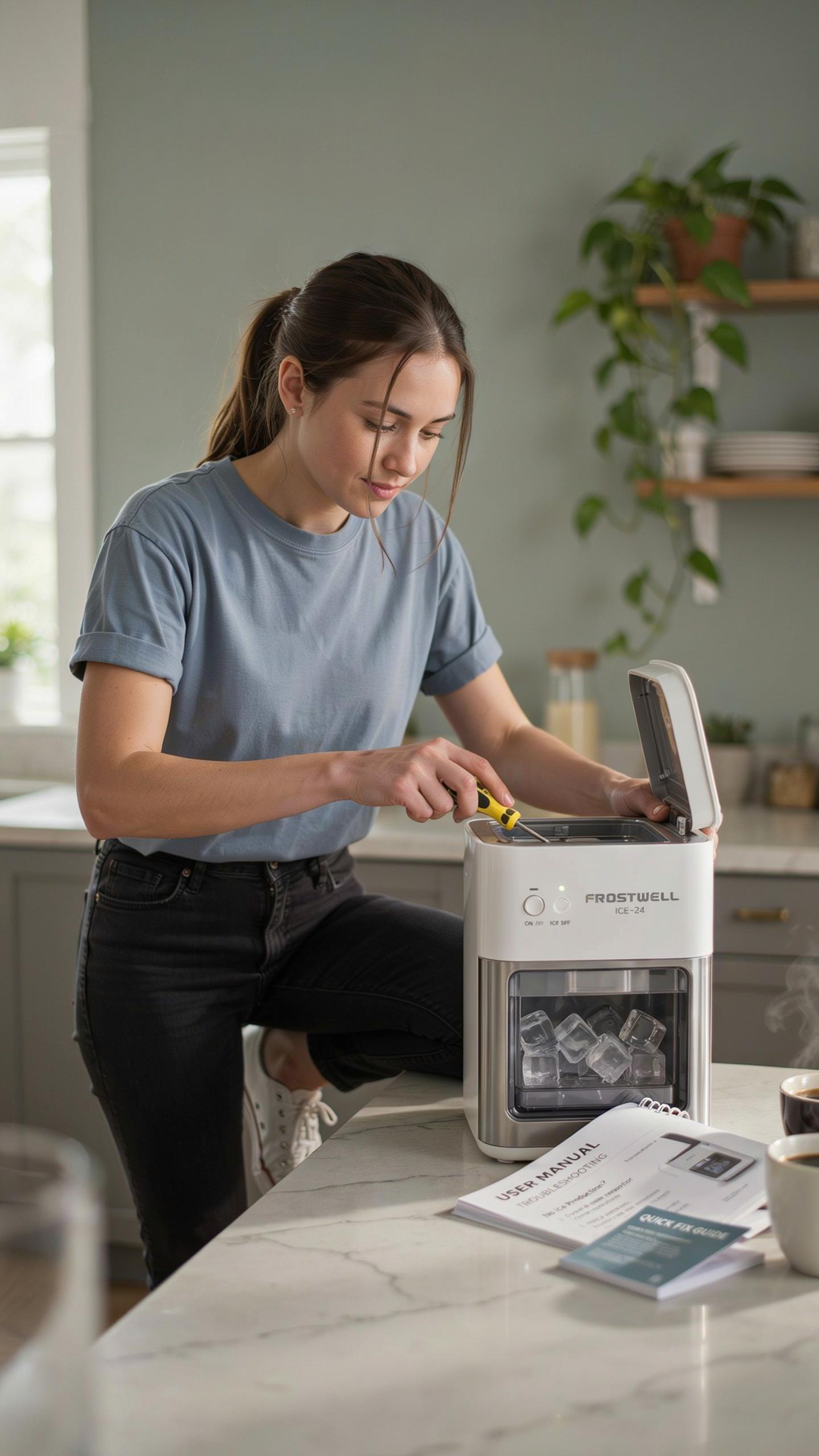
Slow ice production stems from three core causes: water inlet valve blockage, low water pressure, or incorrect ambient temperature. Check your water line first. Disconnect the inlet hose and run water through it into a sink. If flow is weak, mineral buildup clogs the valve. Flush the line with vinegar or replace the inlet valve. Low water pressure below 20 PSI prevents the machine from cycling properly. Contact your water supplier or plumber to verify pressure levels.
Ambient temperature matters more than most users realize. Countertop ice makers require room temperatures between 50 and 90 degrees Fahrenheit to operate efficiently. Below 50 degrees, the compressor struggles to freeze water. Above 90 degrees, the condenser cannot release heat fast enough. If your machine produces no ice at all, verify the power connection first, then check that the water reservoir fills completely. Empty reservoirs trigger automatic shutdowns on most models.
Noise And Leakage Concerns
Unusual noises indicate mechanical stress or air in the system. A grinding sound means the compressor works too hard, often from mineral deposits on the evaporator. Run a cleaning cycle using a commercial ice maker cleaner monthly to prevent this. Rattling or vibration typically comes from loose internal components or inadequate counter support. Place rubber pads under the machine feet to dampen vibration and protect your countertop from damage.
Water leakage requires immediate diagnosis to prevent damage to cabinets or flooring. Check the drain outlet first. Most leaks occur when the drain hose kinks or clogs with mineral deposits. Straighten the hose and flush it with warm water. If water pools inside the machine, the seal around the water inlet valve has failed. Replace the inlet valve assembly rather than attempting repairs. Purchase replacement parts directly from the manufacturer to ensure compatibility with your specific model.
Is A Countertop Ice Maker Worth The Investment For You
Cost Benefit Analysis
A countertop ice maker costs between 300 and 2000 dollars depending on capacity and features. Most models produce 26 to 50 pounds of ice daily. Calculate your actual ice consumption first. If you buy bagged ice monthly, a machine pays for itself within one to three years through elimination of repeated purchases and delivery fees.
Beyond cost recovery, measure the value of convenience against your kitchen space. Small kitchens sacrifice 12 to 18 inches of counter or cabinet depth. Compare this trade off against the time saved from store trips and the reliability of always having ice available. For apartment dwellers, this eliminates dependency on freezer space dedicated to ice trays or bags.
Environmental Considerations
Countertop ice makers consume 350 to 600 watts during operation cycles. A typical unit running four to six hours daily uses roughly 0.5 to 1 kilowatt hour daily, adding 15 to 30 dollars annually to electricity bills depending on your local rates. This consumption rivals most kitchen appliances. Choose models with energy efficient compressors and insulated bins to reduce waste heat and lower your operating cost.
Operate your machine during off peak electricity hours if your utility offers time based rates. Empty and clean the bin regularly to maintain compressor efficiency. Bagged ice production involves transportation emissions and plastic waste that countertop machines eliminate entirely. The environmental advantage grows over time as you redirect your consumption away from commercial ice production chains and their associated carbon footprint.
Frequently Asked Questions

What exactly is a countertop ice maker, and why would I need one for my small kitchen?
A countertop ice maker is a compact, portable appliance that produces ice cubes quickly without a freezer connection. It’s perfect for small kitchens and apartments because it saves precious freezer space, ensures you always have fresh ice for drinks, and offers convenience for entertaining or everyday use without plumbing.
How do I maintain and clean my countertop ice maker to ensure it lasts?
Regular maintenance is key! Unplug your countertop ice maker, drain any leftover water, and wipe down the interior with a soft cloth and mild soap. Periodically, use a vinegar-water solution to descale mineral buildup. Rinse thoroughly afterward to ensure fresh, clean ice every time.
Are there affordable countertop ice maker options that don’t compromise on quality or features?
Absolutely! Many reputable brands offer excellent and affordable countertop ice maker models that are ideal for small kitchens. Look for features like fast ice production, compact design, and ease of cleaning. You can often find great value without breaking the bank, ensuring you get quality ice on a budget.