
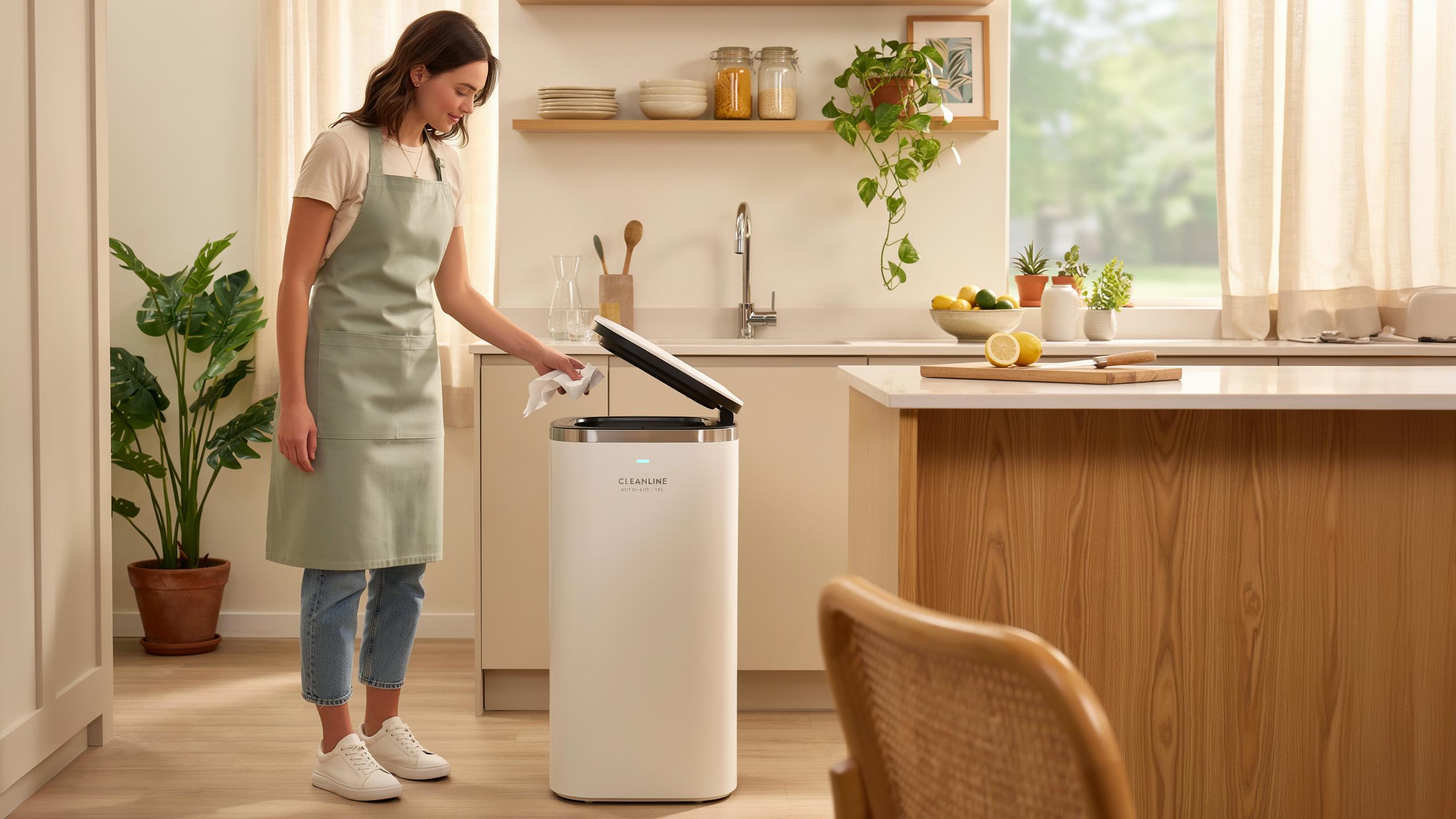
The Evolution Of Waste Disposal From Basic Bins To Smart Trash Cans

A Brief History Of Garbage Cans
Garbage cans emerged as a practical necessity in urban centers during the late 1800s and early 1900s. Before standardized containers, waste accumulated in streets and alleys. Municipalities needed containment solutions to manage sanitation problems. Metal bins replaced loose piles of refuse. This shift reduced disease spread and improved public health outcomes significantly.
Design evolved from simple metal drums to galvanized steel containers with lids. The lid served one purpose: keep pests out and odors contained. Materials changed over decades as manufacturing improved. Plastic bins arrived in the mid-20th century, offering lighter weight and lower costs. These basic designs remained functionally unchanged for generations, prioritizing durability over innovation.
The Arrival Of Smart Home Gadgets In The Kitchen
Kitchen technology accelerated starting in the 1980s and 1990s with microwave ovens and dishwashers. Smart home devices expanded rapidly after 2010 with WiFi connectivity and mobile app control. Refrigerators gained sensors to track inventory. Ovens connected to smartphones for remote monitoring. The kitchen became a space where automation and convenience merged with daily routines.
Smart trash cans with sensor lids represent the logical extension of this kitchen automation trend. Infrared and motion sensors detect hand proximity and trigger lid opening automatically. This technology eliminates direct contact with waste containers, addressing hygiene concerns in food preparation areas. Sensor lids now integrate with broader smart home ecosystems through WiFi and companion apps for full automation.

What Is A Smart Trash Can With Sensor Lid
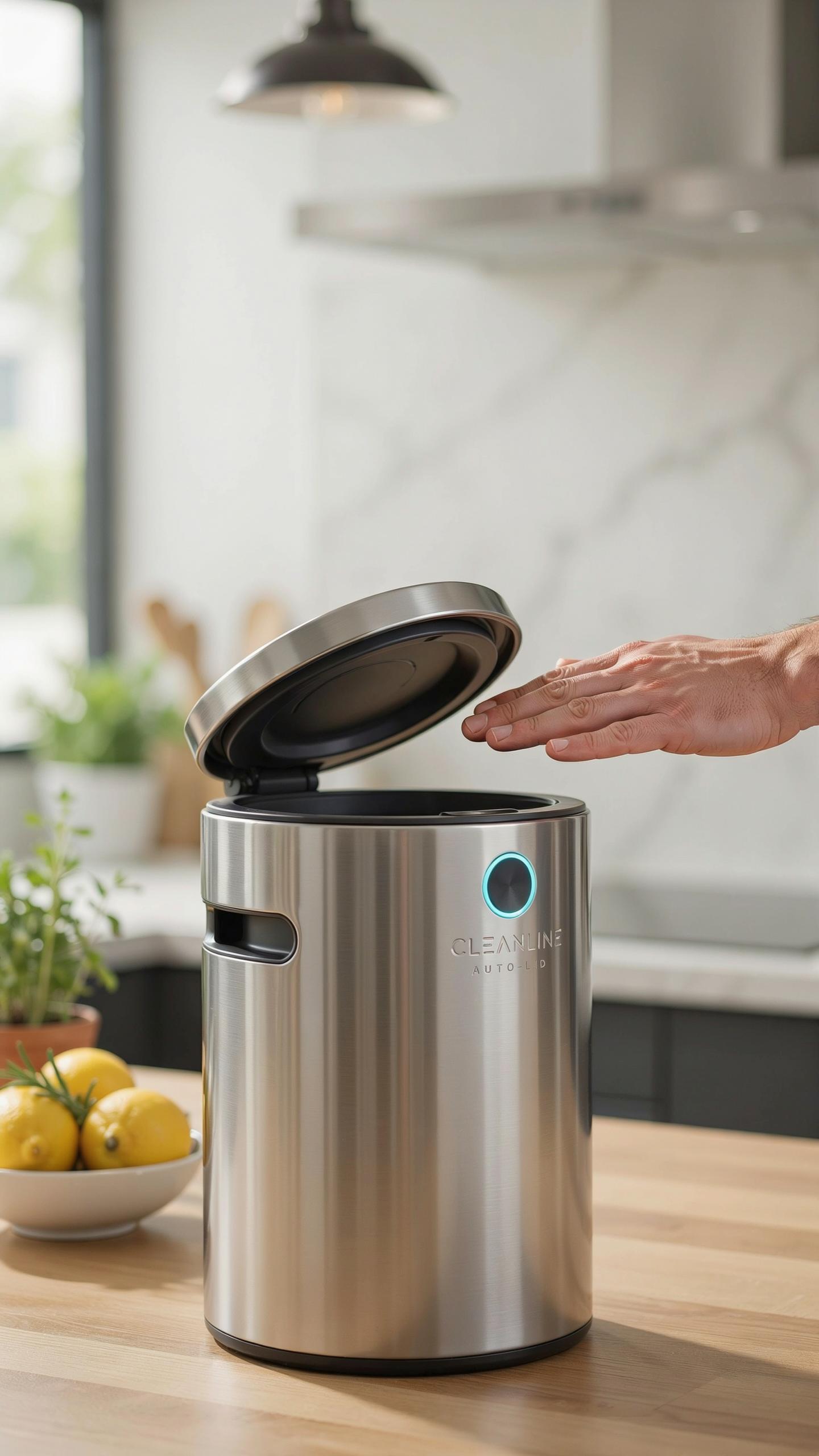
Defining The Technology Motion Sensor And Touch Free Operation
A smart trash can with sensor lid uses infrared or motion detection technology to open and close automatically without physical contact. The sensor detects hand or object movement within a specified range, typically 4 to 8 inches from the lid. When motion triggers the sensor, the lid opens via an electric motor or solenoid mechanism. The lid closes after a preset delay, usually between 1 and 5 seconds, once motion stops.
This touch-free design eliminates the need to press or step on the can to open it. Traditional trash cans require hand contact with the lid or foot pedal, which spreads bacteria and germs. Smart sensor lids reduce cross-contamination in kitchens, bathrooms, and commercial spaces. The technology works in most lighting conditions and adjusts sensitivity to prevent false triggers from passing shadows or pets.
Key Components Of A Modern Smart Sensor Trash Can
The motor or actuator drives the lid open and closed with consistent force and speed. A rechargeable battery or replaceable battery pack powers the sensor and motor. The battery typically lasts between 3 and 6 months depending on usage frequency and model specifications. Users charge lithium-ion batteries via USB ports or replace alkaline batteries through a battery compartment.

The housing material determines durability and aesthetics. Most sensor cans use stainless steel, plastic, or hybrid materials that resist corrosion and impact damage. The lid seals tightly to contain odors and prevent spills during automatic operation. Interior dimensions vary from 5 gallons to 20 gallons to accommodate different household and commercial needs.
Benefits Of A Motion Sensor Garbage Can In Your Kitchen
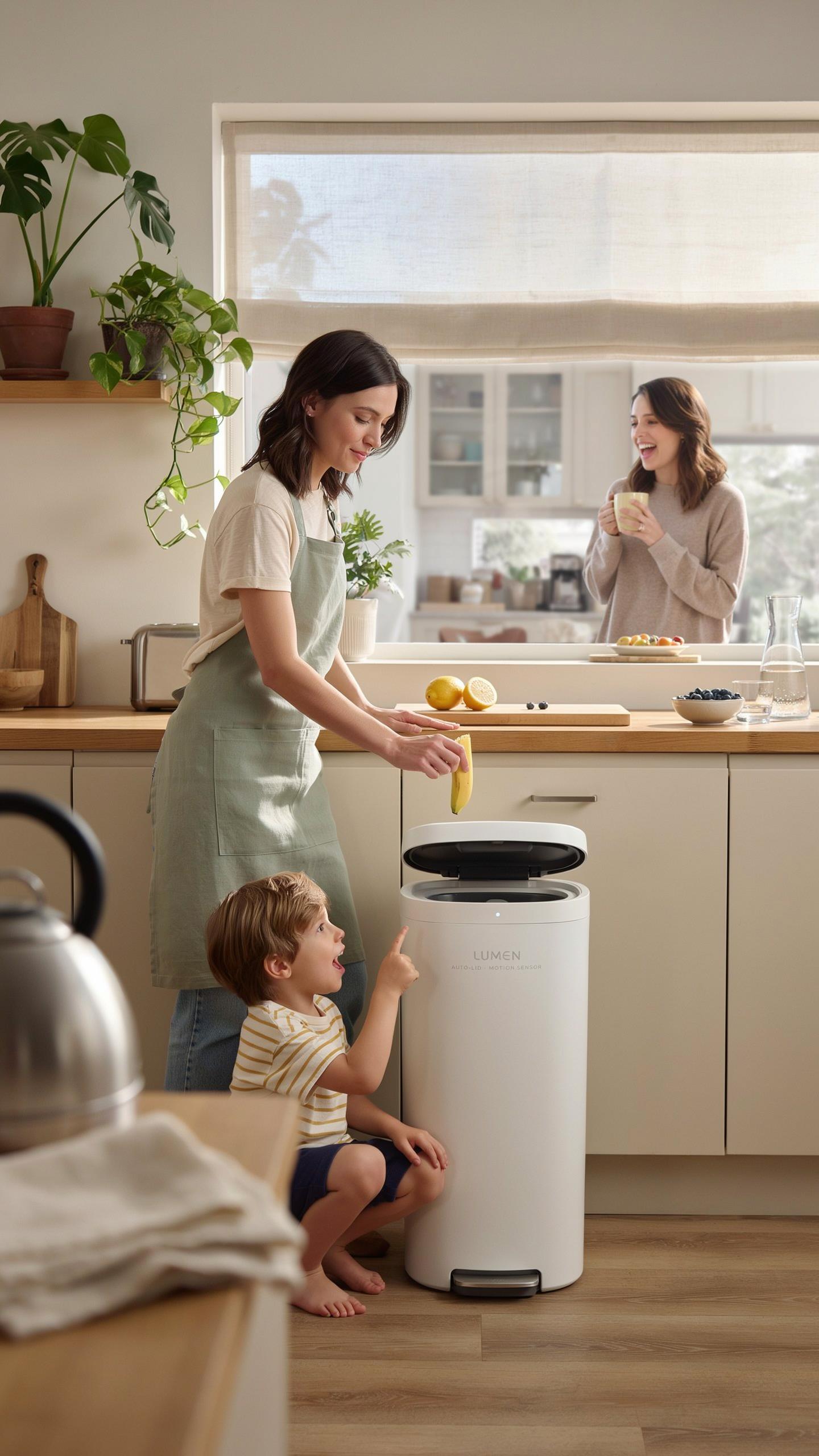
Enhanced Hygiene And Germ Prevention
Motion sensor lids eliminate hand contact with trash cans. You no longer touch the lid to open or close it. This removes a primary vector for transferring bacteria and germs from your hands to the can. The automatic opening and closing cycle reduces cross contamination in your kitchen environment significantly.
Sensor technology keeps the lid sealed when not in use. Closed lids contain odors and prevent bacteria from escaping into your kitchen air. Studies show that open trash cans harbor more airborne pathogens than sealed containers. A motion sensor can maintains a barrier against pest access and limits bacterial growth on food waste surfaces.
Convenience And Efficiency In Waste Disposal
Hands free operation saves time during meal prep and cleanup. You dispose of waste without interrupting your workflow or putting down tools. Motion sensors activate instantly when you approach with trash, eliminating the delay of manually opening the lid. This streamlines kitchen tasks and reduces overall disposal time per use.

The automatic lid closes after waste enters the can. You do not need to remember to shut it manually. Sensor cans work in high traffic kitchens where multiple people generate waste simultaneously. The consistent operation removes friction from daily routines and reduces mental load associated with trash management.
Finding The Perfect Smart Sensor Trash Can For Your Home
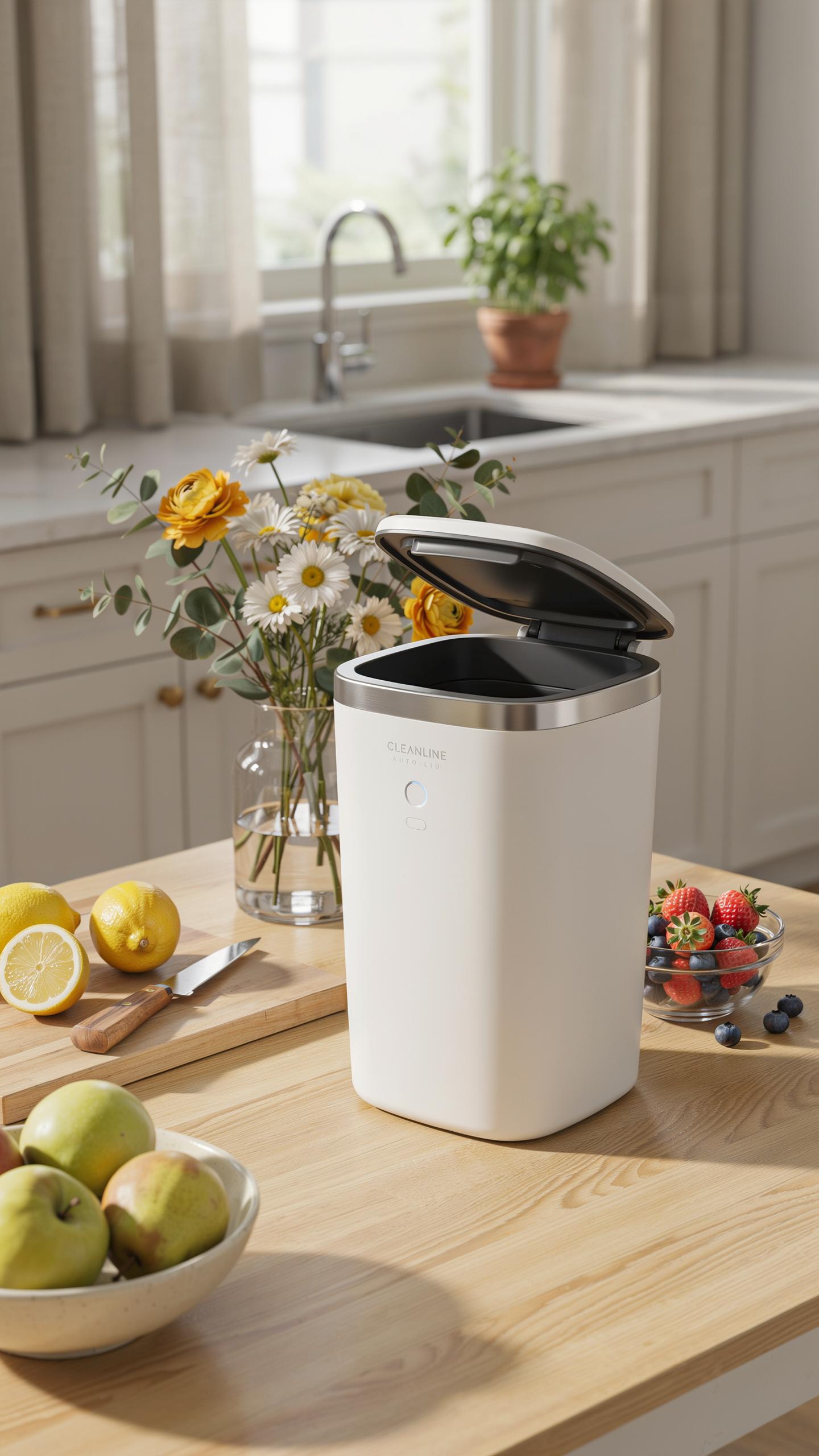
Factors To Consider Size Material And Power Source
Capacity determines how often you empty the can. A 13-liter model works for bathrooms and small kitchens. A 50-liter model handles family kitchens and high-traffic areas. Measure your space first. Most sensor cans fit under standard cabinet openings of 17 inches wide. Choose based on your household’s actual waste volume, not assumptions.
Material affects durability and maintenance. Stainless steel resists fingerprints and corrosion. Plastic costs less and weighs less but scratches easier. Aluminum offers middle ground performance. Check if the material matches your kitchen finish. Verify the lid mechanism uses durable hinges rated for frequent motion cycles.
In a world of innovation, even the simplest acts, like disposing of a memory, can be touched by the future’s gentle hand. It’s truly a marvel how seamlessly technology can enhance our everyday comforts.

Power source determines convenience and operating costs. Battery-powered models use four AA or C batteries, lasting three to six months depending on usage frequency. Plug-in models eliminate battery replacement but require outlet access near the can. Rechargeable models need weekly charging but reduce battery waste. Calculate total cost of ownership over five years when comparing options.
Smart Features To Look For Beyond The Basic Motion Sensor
Motion sensors alone trigger the lid opening. Better models add adjustable sensitivity to prevent false triggers from air currents or pets. Some cans open when your hand approaches within six inches. Others require closer proximity. Test sensitivity settings if possible. Delayed closing prevents pinching hands and lets trash settle before the lid seals shut.
Odor control and waste tracking separate premium models from basic ones. Carbon filters neutralize smells automatically in some units. App connectivity lets you monitor fill levels from your phone and receive notifications when the can needs emptying. Some models track weight or volume of waste over time. Soft-close mechanisms prevent slamming and noise pollution in kitchens. These features reduce guesswork about maintenance schedules and improve daily convenience.
Smart Trash Cans Vs Traditional Kitchen Trash Cans
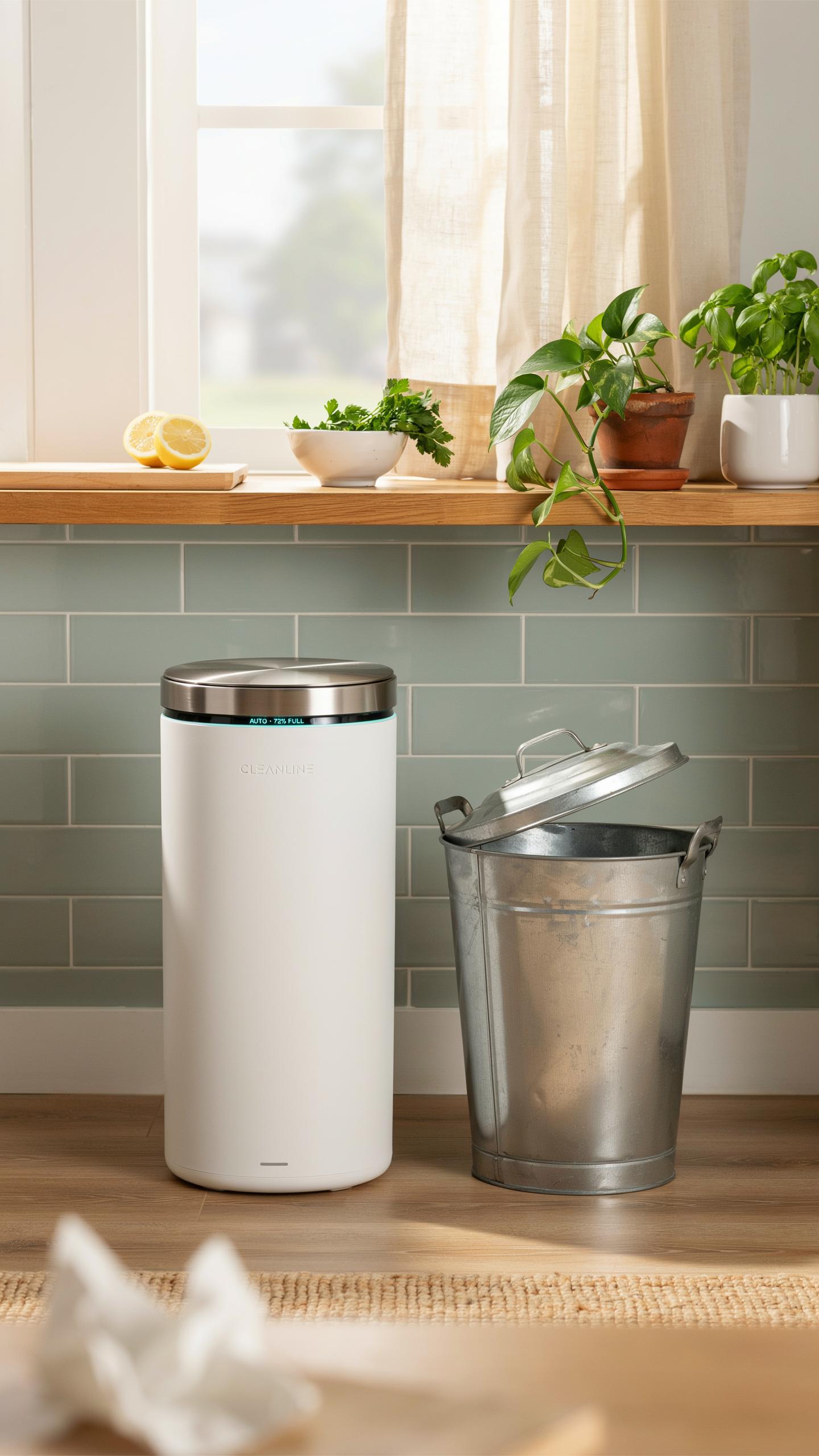
A Cost Benefit Analysis For The Modern Home
Smart trash cans with sensor lids cost between $100 and $500 depending on capacity and features. Traditional cans cost $20 to $80. The price gap reflects sensor technology, motor components, and battery systems. Evaluate your household’s actual need before spending extra. Convenience matters only if you use it consistently.

Smart cans reduce contact with germs and eliminate manual lid opening. They work well for families with young children or multiple users. Battery replacements cost $10 to $30 annually. Repairs for broken sensors run $50 to $150. Traditional cans require no batteries or repairs but demand hand contact and manual operation every time you dispose of waste.
Environmental Impact And Sustainability
Smart trash cans encourage waste sorting through separate compartments in premium models. Organized sorting improves recycling accuracy and reduces landfill burden. Battery production creates environmental cost upfront, but efficient sensors last five to ten years. The manufacturing footprint offsets within two years if the device prevents unnecessary waste contamination that would otherwise require disposal.
Traditional cans generate no manufacturing waste or battery concerns. They last indefinitely with minimal maintenance. However, they provide no guidance for proper sorting or waste reduction. Smart cans use less energy than other smart home devices. Choose based on whether your household actively recycles and sorts waste properly today.
Installation And Maintenance Of Your New Garbage Can
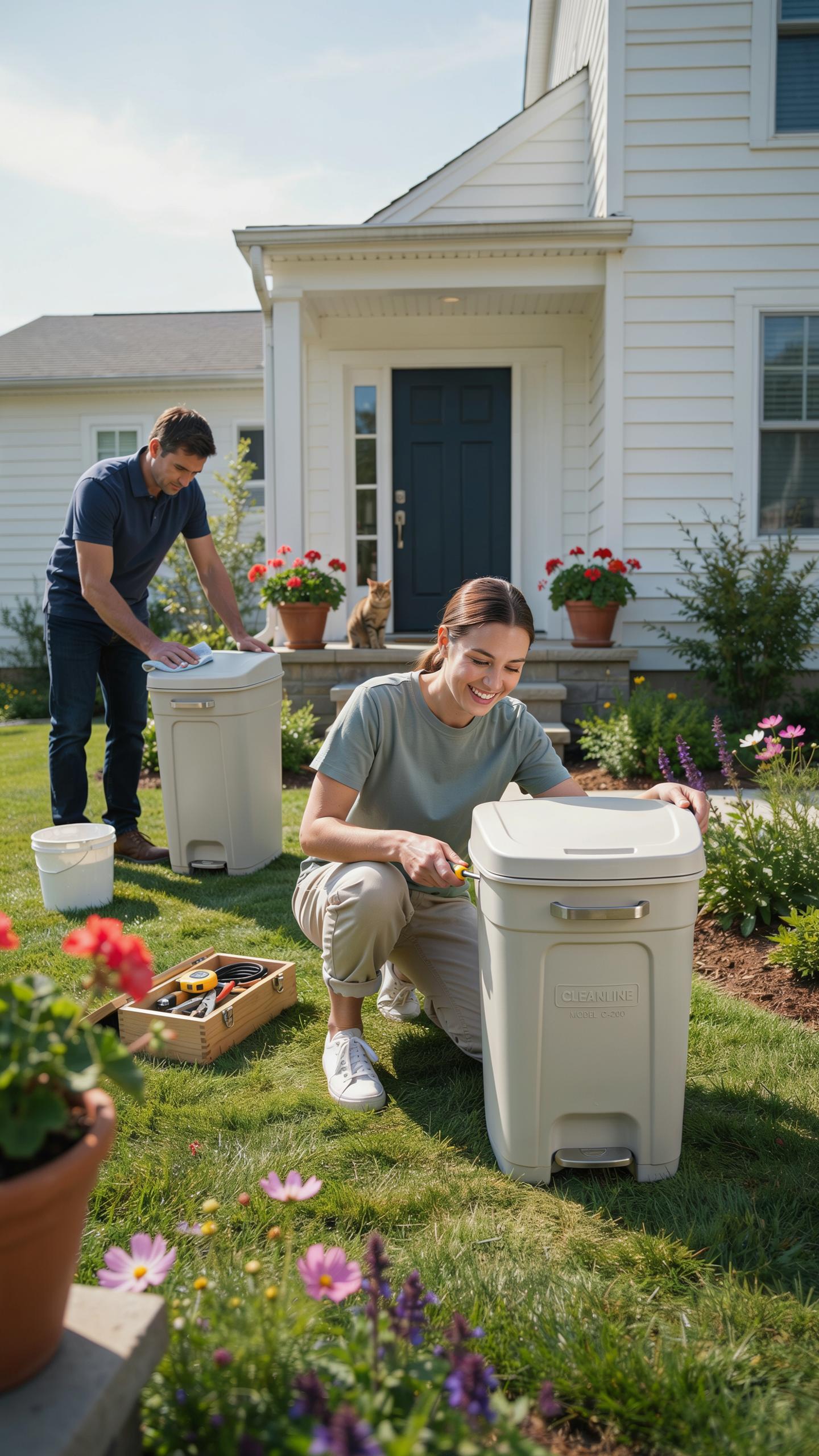
Setting Up Your Smart Trash Bin For Optimal Performance
Position your smart trash can on a flat, stable surface away from direct water sources and heat. Most models require placement within six feet of a power outlet or within Bluetooth range of your home network hub. Check your manual for specific voltage requirements. Ensure the sensor lid has clearance above it so the lid opens fully without obstruction.

Charge the battery fully before first use if your model includes a rechargeable battery. Download the manufacturer’s app and complete the initial pairing process with your home network. Test the sensor by waving your hand over the lid from various distances to confirm proper activation. Calibrate sensitivity settings in the app if your model offers this feature.
Cleaning And Troubleshooting Common Issues
Empty the trash regularly to prevent odor and maintain sensor responsiveness. Wipe the exterior casing with a dry cloth weekly. Clean the sensor lens with a soft, lint-free cloth monthly to remove dust that blocks detection. Never submerge electronic components in water.
If the lid fails to open, check battery level first. Replace batteries if they are low or dead. Clean the sensor lens if the lid responds slowly. Restart the device by disconnecting power for thirty seconds, then reconnecting. If problems persist, consult your manual for factory reset instructions or contact manufacturer support.
Beyond The Kitchen Smart Trash Bins For Every Room
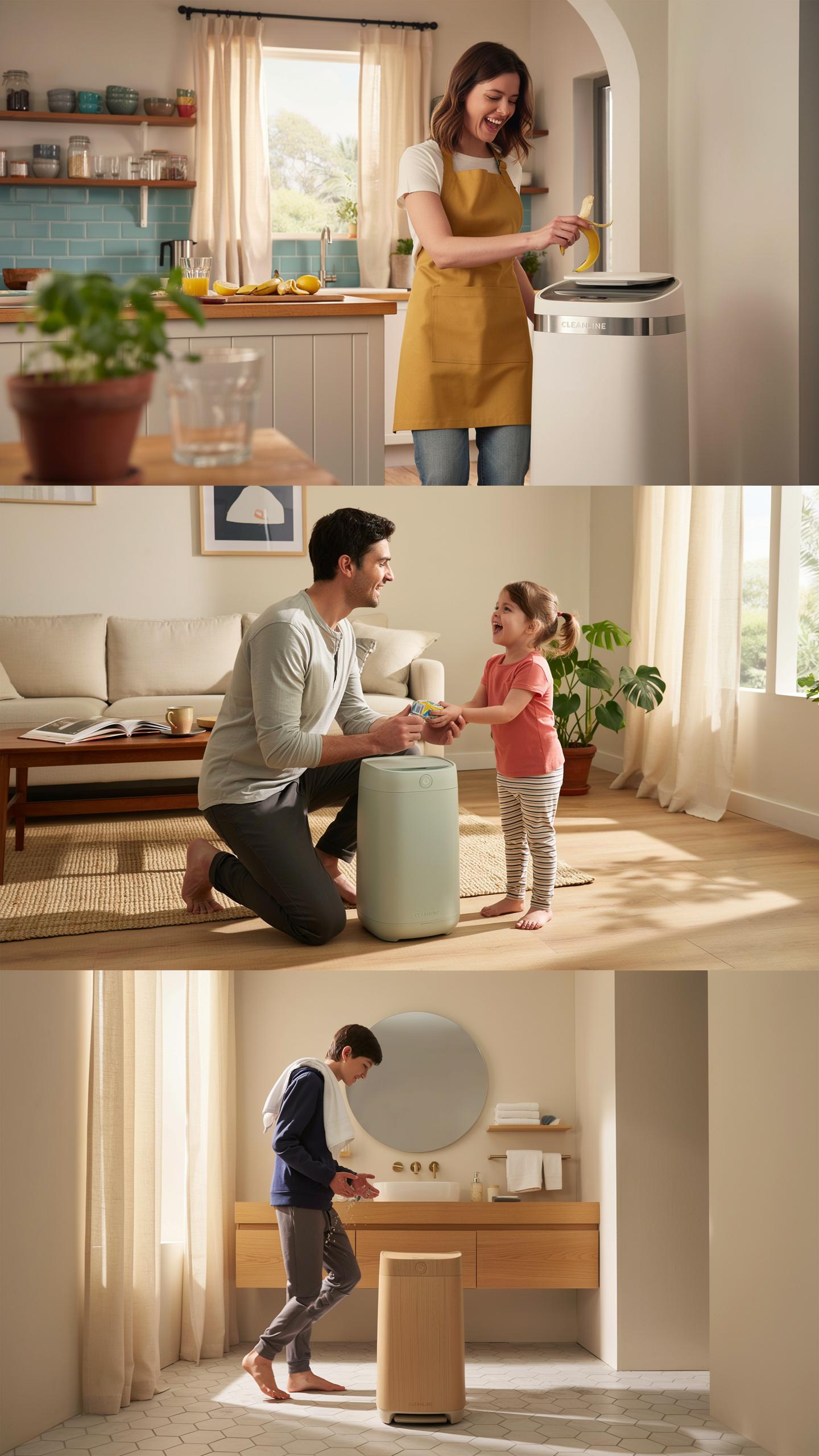
Bathroom Trash Can: A Small Upgrade, Big Impact
Bathroom waste differs from kitchen waste. You generate smaller volumes of trash, but moisture and odor control matter more. A sensor lid prevents the spread of bacteria and reduces smell by keeping the bin sealed until needed. Bathrooms have limited counter space, so compact smart models fit better than larger kitchen versions without sacrificing functionality or sensor performance.

Motion sensors in bathrooms solve a real problem. Users handle wet items, cosmetics, and hygiene products without touching the lid. The lid opens automatically when hands approach within a few inches. This reduces cross-contamination and keeps your bathroom cleaner. Battery life extends longer in bathrooms because the lid opens less frequently than in kitchens.
Office And Bedroom: Integrating Smart Waste Disposal Everywhere
Offices generate paper, packaging, and small waste daily. A smart trash can with sensor lid reduces the need to touch communal bins, lowering disease transmission in shared workspaces. Quiet operation matters in offices. Most sensor models produce minimal sound during opening and closing, which prevents disruption during calls or focused work. Compact designs fit under desks or in corners without taking up valuable workspace.
Bedrooms benefit from hands-free waste management during illness or when carrying items. Sensor lids keep odors contained in small spaces where air circulation is limited. Nightstands or bedroom corners work well for placement. The automatic closure prevents pets from accessing trash, and motion sensors eliminate the need to bend down or use your hands when throwing away tissues or packaging late at night.
The Future Of Waste Disposal Innovations In Smart Garbage Cans
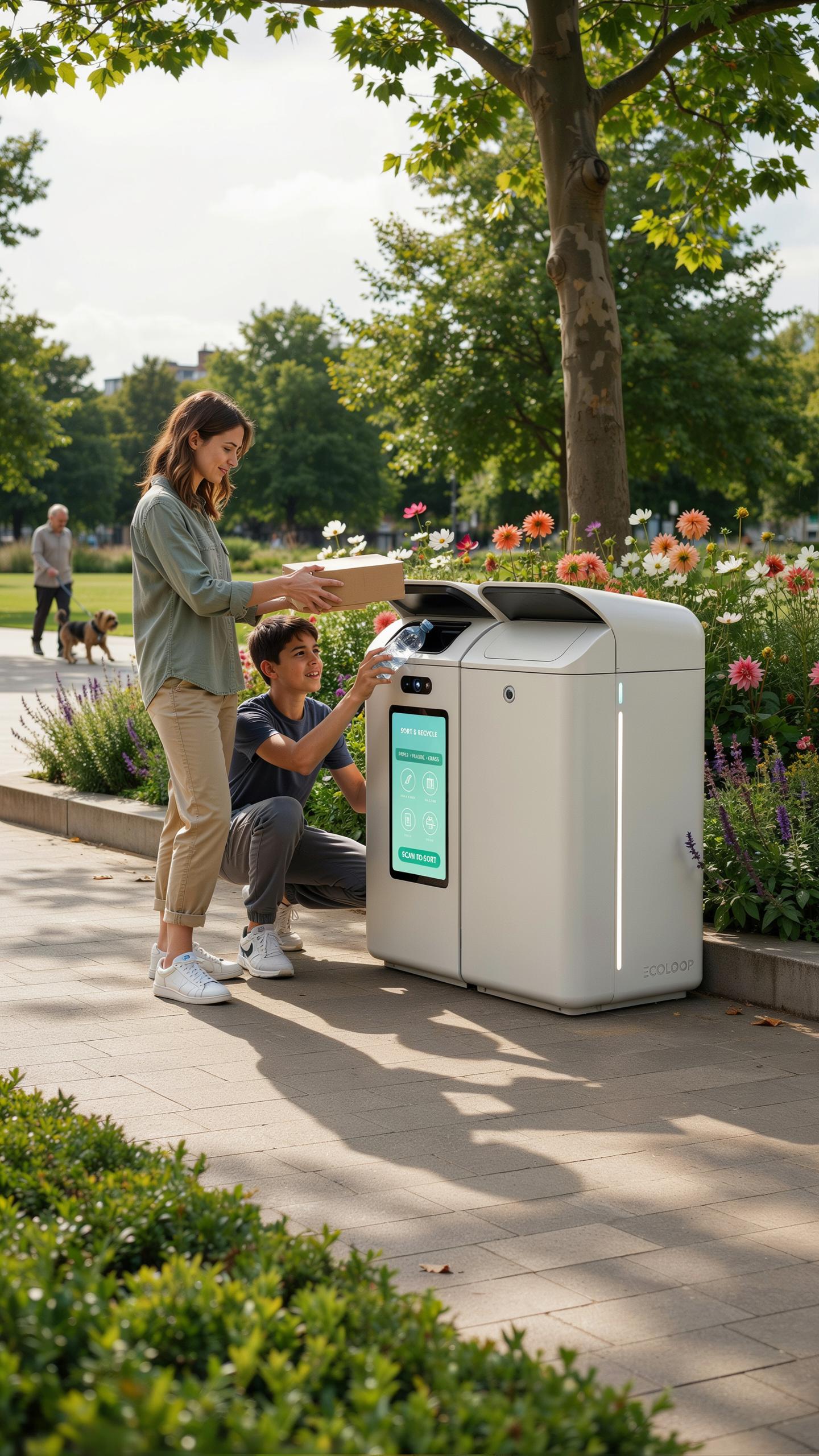
Emerging Technologies And Advanced Features
Smart trash cans now integrate multiple sensing technologies beyond basic motion detection. Infrared sensors measure fill levels accurately, while weight sensors track waste volume and density. Some models use computer vision to sort waste types automatically. Temperature monitoring prevents bacterial growth in sealed compartments. These features reduce overflow events and optimize collection schedules for waste management services.

Manufacturers are adding connectivity layers to make trash cans part of smart home ecosystems. WiFi and Bluetooth enable remote monitoring through mobile apps. Integration with home automation platforms allows scheduling and alerts. Battery-powered models eliminate cord dependencies, while solar charging options extend operational lifespan. These design choices address real maintenance challenges waste managers face daily.
The Role Of AI And Connectivity In Waste Management
Artificial intelligence processes data from multiple smart cans to predict collection patterns and reduce unnecessary pickups. Machine learning algorithms analyze usage trends across neighborhoods to optimize truck routes and fuel consumption. This reduces operational costs for waste management companies. AI flags contamination issues when incompatible materials enter the bin, enabling better sorting at processing facilities.
Connected smart cans feed data into broader waste management platforms that track disposal patterns for entire municipalities. This information helps city planners design better waste infrastructure and identify areas needing additional collection points. Real time alerts notify operators of malfunctioning units immediately. Predictive maintenance reduces downtime and extends equipment lifespan significantly.
Frequently Asked Questions

What exactly is a smart trash can with a sensor lid and how does it work?
A smart trash can with a sensor lid revolutionizes your kitchen’s hygiene by opening automatically when it detects motion near the bin, so you never have to touch a dirty lid with your hands. Most models use an infrared sensor mounted near the top that triggers a small motor to lift the lid within a second or two. This touch-free design cuts down on the spread of germs during food prep and cleanup, making it especially useful in busy kitchens.
How long does the battery last on a smart trash can with a sensor lid?
Battery life varies by model, but most sensor-lid trash cans run for three to six months on a set of D batteries or a single charge if they use a rechargeable battery pack. Frequency of use is the biggest factor, since each lid opening draws a small amount of power. Many models include a low-battery indicator light, so you’ll get a warning before the sensor stops responding rather than being caught off guard.
Are smart trash cans with sensor lids easy to clean and maintain?
Yes, most are designed with removable inner buckets and washable lid mechanisms that make cleanup straightforward. Wipe down the sensor area regularly with a dry cloth, since dust or grime can interfere with motion detection over time. Avoid spraying cleaning liquids directly onto the sensor or motor housing; instead, clean the bin body and swap the liner as you normally would with any trash can.