The Circadian Rhythm Fallacy: Gadgets Don’t “Reset” Your Body Clock
Your Brain’s Clock Doesn’t Obey Shortcuts
You want a gadget to solve this because the alternative is admitting jet lag requires patience and discipline. Your brain contains a master clock in the suprachiasmatic nucleus that runs on a roughly 24-hour cycle independent of what any device tells it. This clock doesn’t reset. It shifts. Understanding the difference determines whether a gadget actually works or just feels productive.
The mechanism borrowed from chronobiology: your circadian rhythm operates like a phase-locked oscillator in physics. It can shift forward or backward, but only within limits determined by light exposure timing and intensity. No gadget can override this biological governor. The shift happens through cumulative light signals over days, not instant recalibration. Devices that claim otherwise are selling convenience theater.
Light Exposure Timing Versus Chemical Intervention
Everyone says melatonin helps with jet lag. Partially true, but incomplete. Light controls the timing of your circadian rhythm through a direct neural pathway. Melatonin suppresses that signal temporarily but doesn’t reset phase. Bright light exposure at specific times advances or delays your clock. A 10,000 lux light box works because it triggers the photoreceptors that feed your master clock, not because it feels like daylight.
Melatonin operates differently. It’s a chemical brake on wakefulness, useful for sleep initiation but absent from the actual phase-shifting mechanism. A light therapy device targets the root lever. A melatonin supplement masks the symptom. Combine both strategically: use light to shift your clock, use melatonin to consolidate sleep during the transition window. Timing matters more than the gadget itself.
The “Bio Hacking” Delusion: Most Gadgets Are Just Expensive Placebos
What The Science Actually Shows
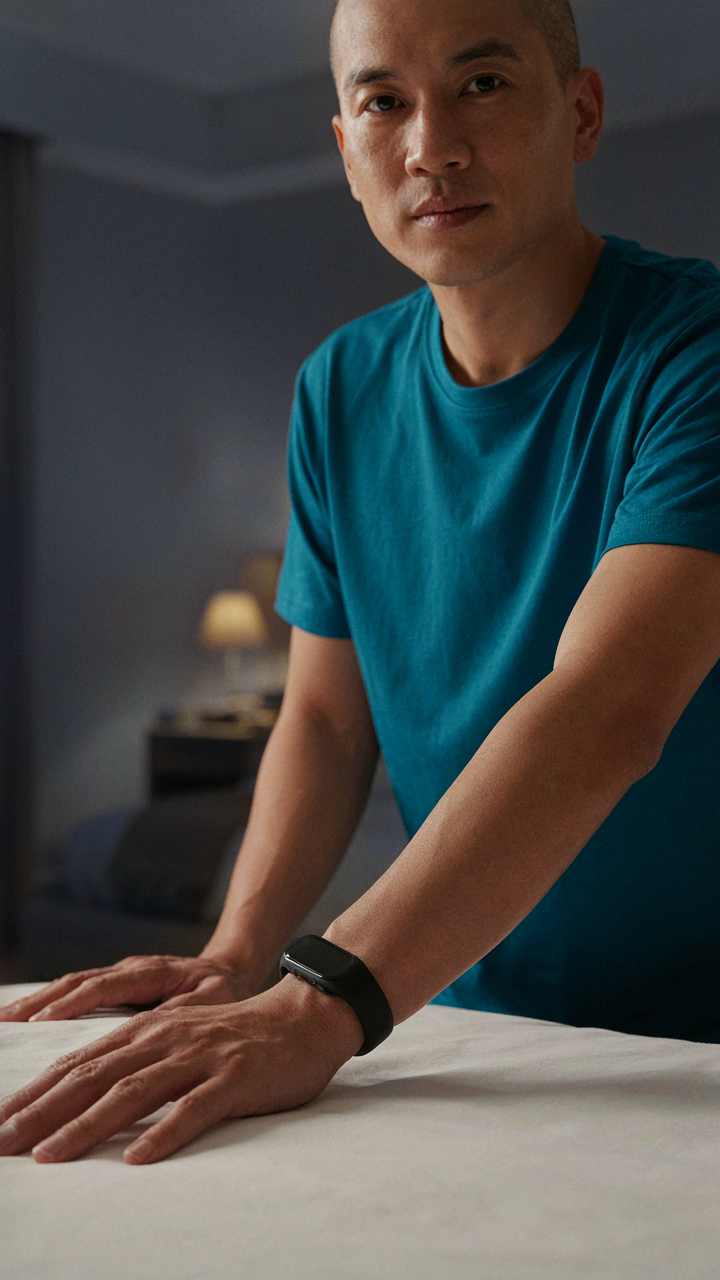
You want to believe a gadget will fix your broken sleep cycle because it feels like control. Here’s what it really is: borrowing from pharmacology, most jet lag devices operate on a dose-response curve that flattens fast. Light therapy works. Temperature manipulation works. But the effect size shrinks dramatically once you move beyond the foundational variables. The gadgets stacked on top of those basics deliver diminishing returns you’re paying premium prices to ignore.
The clinical evidence is sparse and conditional. Light boxes show measurable circadian phase shifts, but only when timed correctly to your specific arrival window and sleep history. Wearable devices tracking HRV or core temperature collect data without changing outcomes. Vibration beds, ion generators, and biofeedback headsets lack peer-reviewed studies showing they accelerate recovery beyond placebo. The mechanism that matters most remains unsexy: sleep pressure, light exposure, meal timing. Everything else is noise you’re paying for.
Marketing Versus What Your Body Actually Needs
The gadget industry needs you to believe jet lag is a problem requiring a product. It isn’t. Your circadian system responds to two primary inputs: light and feeding time. Everything marketed as a breakthrough either repackages these two variables or adds complexity that your nervous system can’t distinguish from the baseline noise of travel. Expensive wearables don’t outperform free sunlight exposure.
The pitch always works the same way: isolate one biomarker, make it sound broken, sell the fix. HRV drops when you cross time zones. Core temperature dips. Melatonin production stalls. All true. None of it changes the recovery formula. You reset faster by managing light timing, avoiding food for 12 to 16 hours before your target sleep time, and sleeping in darkness. A smartphone timer costs nothing. A device promising to optimize your “sleep architecture” costs hundreds and delivers identical results.
The Cortisol Paradox: Why Stress Undermines Every “Fix”
Stress Response Delays Physical Adaptation
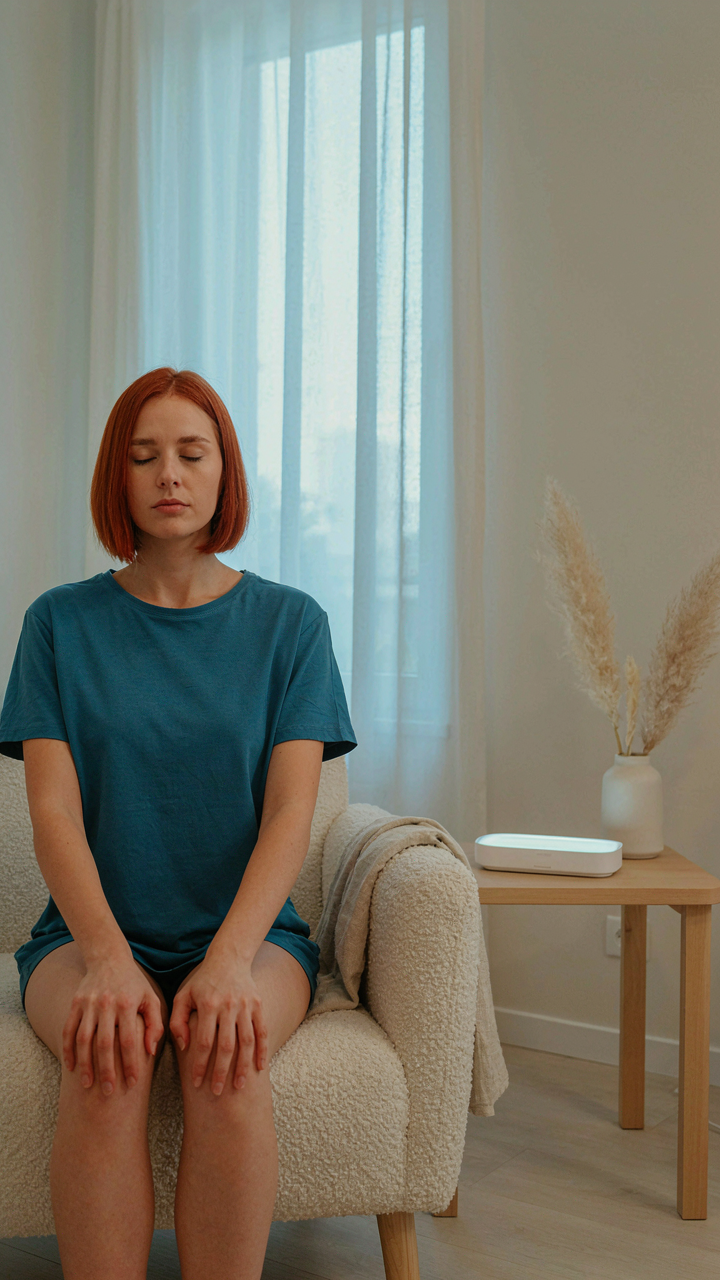
You want the gadgets to work because admitting they don’t means you wasted money and still have to suffer through jet lag. Here’s the mechanism: elevated cortisol from travel stress literally slows circadian phase shift. When your nervous system stays activated—from flight anxiety, disrupted sleep, unfamiliar environments—your body resists the time zone change your light therapy device is trying to force. Cortisol inhibits melatonin production and delays clock gene expression in your suprachiasmatic nucleus. No gadget bypasses this. Your physiology is in defense mode, not adaptation mode.
The common advice here is wrong: “Just use your light box and sleep pills.” That ignores the actual blocker. Your nervous system needs parasympathetic dominance before your body will accept external time cues. This means cortisol must drop first. Travel stress keeps it elevated for 24 to 48 hours post-arrival in most people. During this window, even validated devices like bright light therapy work slower because your hypothalamic response is muted by ongoing sympathetic activation. Address the stress response before expecting gadgets to accelerate adaptation.
Mitigating Travel Anxiety Unlocks Device Efficacy
Stress management isn’t motivational fluff—it’s the rate limiter for every jet lag recovery tool you own. Breathing protocols lower cortisol fast enough to let your body’s clock-setting machinery activate. Controlled exhale breathing (longer out than in) activates your vagus nerve within minutes and shifts your nervous system state. This creates the biochemical condition your light box needs to work. Without it, you’re applying external timing signals to a body in fight-or-flight that ignores them.
The mechanism is simple: parasympathetic activation precedes successful circadian resynchronization. Before boarding, practice box breathing or nasal breathing patterns. On arrival, deploy breathing work before using light therapy. This sequencing matters more than gadget choice. Your light box becomes effective only when cortisol drops enough to restore melatonin sensitivity and hypothalamic receptivity. Apply breathing practice immediately upon landing, maintain it for 15 to 20 minutes, then use your recovery device. The gadget works fastest when your stress response stops competing against it.
The “Real Time” Protocol: Syncing Your World

Light Exposure Strategy: Timing For Faster Shifts
You want to feel normal again without losing two days. Here’s what actually works: light exposure follows circadian phase response, the same principle that governs how your nervous system tracks time. Gadgets like light therapy boxes exploit this by delivering 10,000 lux at precise moments to shift your internal clock faster than ambient light alone.
The common advice—”get sunlight”—misses the timing problem. Your circadian rhythm doesn’t move smoothly. Light exposure in the morning advances your clock forward. Light in the evening delays it backward. Use a light therapy box for 20 to 30 minutes within two hours of waking at your destination if you traveled east. For westbound travel, expose yourself to bright light in the late afternoon. The gadget accelerates what happens naturally, but only if you time it right.
Meal Timing: Align With New Local Schedule
Food is a secondary clock that reinforces your primary circadian rhythm. Eating at local mealtimes signals your digestive system that you’ve actually changed zones, not just your watch. This matters because your body responds to feeding schedules almost as strongly as it responds to light, though most travelers ignore it completely.
Skip breakfast at your destination if you traveled east and normally eat at dawn back home. Delay eating until lunch or midday local time to push your rhythm forward. The opposite works for westbound travel: eat early if your destination’s morning arrives before your body expects it. Gadgets can’t help here, but the mechanism is mechanical. Your stomach doesn’t care about motivation. Feed it on the new schedule and your hormones follow within 48 hours.
Hydration Is Not A Gadget: Your Most Overlooked Travel Essential
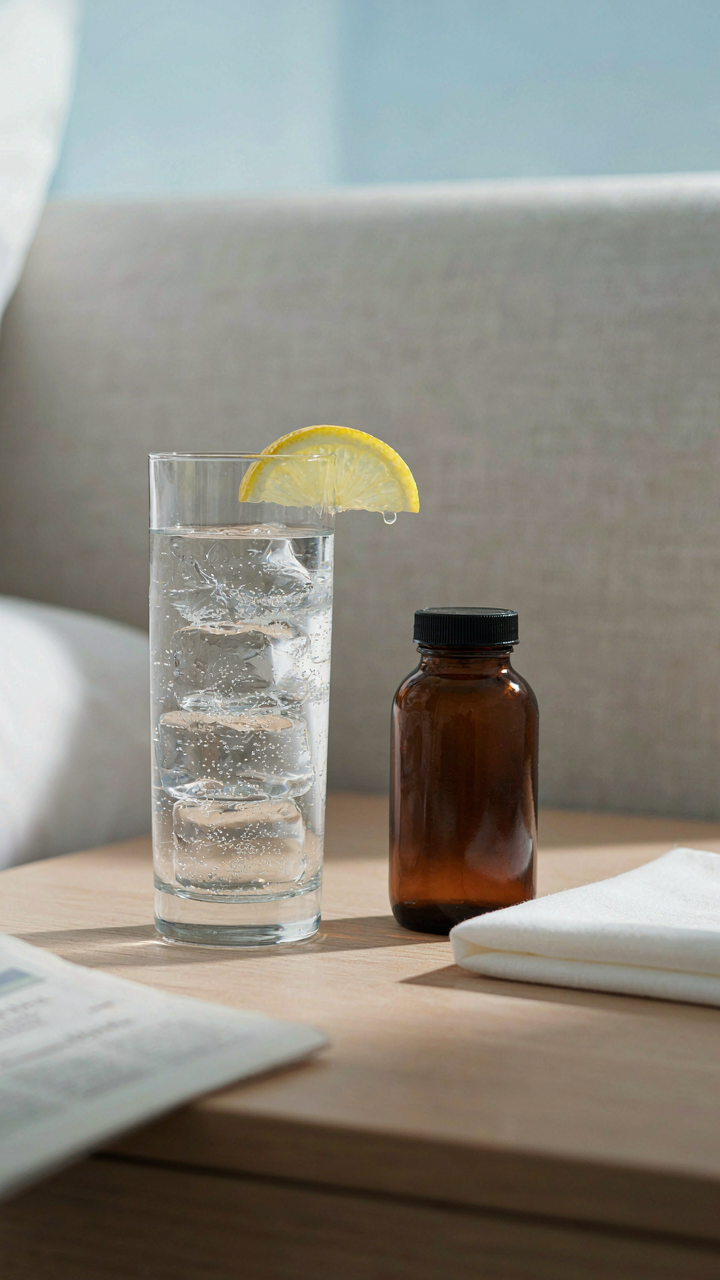
Water’s Role In Cellular Adaptation
You want to believe a light therapy device or a supplement stack will fix your jet lag. You’re looking for the shortcut. Here’s the mechanism: your cells operate through osmotic pressure, the same physics that drives water across membranes. During jet lag, your circadian rhythm destabilizes. Your cells can’t regulate electrolyte balance properly without adequate water. Dehydration amplifies this chaos. You arrive dehydrated from the flight itself, then compound the problem by drinking coffee or alcohol instead of water. The result: your cellular machinery struggles to resynchronize to the new time zone.

Water isn’t sexy. No company markets it. But cellular adaptation depends on it. Your kidneys filter metabolic waste tied to circadian disruption. Your brain’s glymphatic system clears adenosine buildup during sleep, the actual driver of sleep pressure, but it requires proper hydration to function. Drink half your body weight in ounces of water per day during travel, starting 24 hours before departure. This isn’t generic advice. It’s the baseline mechanism every other recovery gadget relies on to work at all.
Electrolytes Determine Recovery Speed
The standard travel advice says “drink water.” That’s incomplete, and it matters. Electrolytes (sodium, potassium, magnesium) manage the charge differential across cell membranes. Your nervous system reads time cues through cellular signaling. Electrolyte imbalance breaks that signal. Long flights dehydrate you while you lose electrolytes through sweat and urine. You arrive depleted on both fronts. Pure water alone dilutes your remaining electrolytes further, triggering a condition called hyponatremia that actually worsens fatigue and cognitive dysfunction.
Magnesium deserves specific attention. It regulates GABA production, the neurotransmitter your brain uses to shift into sleep mode. Most travelers arrive magnesium-depleted. A supplement form like magnesium glycinate, taken 90 minutes before your target bedtime in the new zone, accelerates sleep onset by supporting the circadian shift your body is attempting. Pair electrolyte replacement with water intake from arrival onward. This combination restores the ionic environment your nervous system needs to accept new timing signals faster than water or electrolytes alone.
The Environmental Modulators: Sleep Hygiene Over Sleep Tech
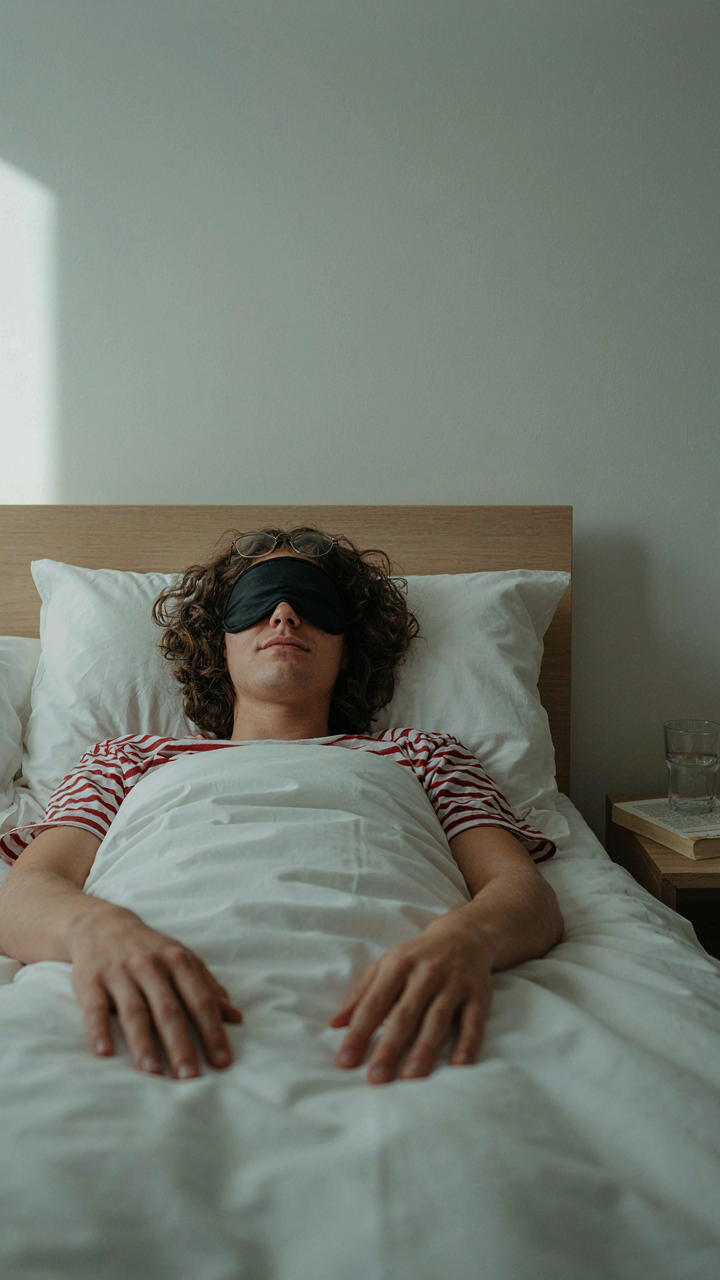
Darkness And Quiet Matter More Than You Think
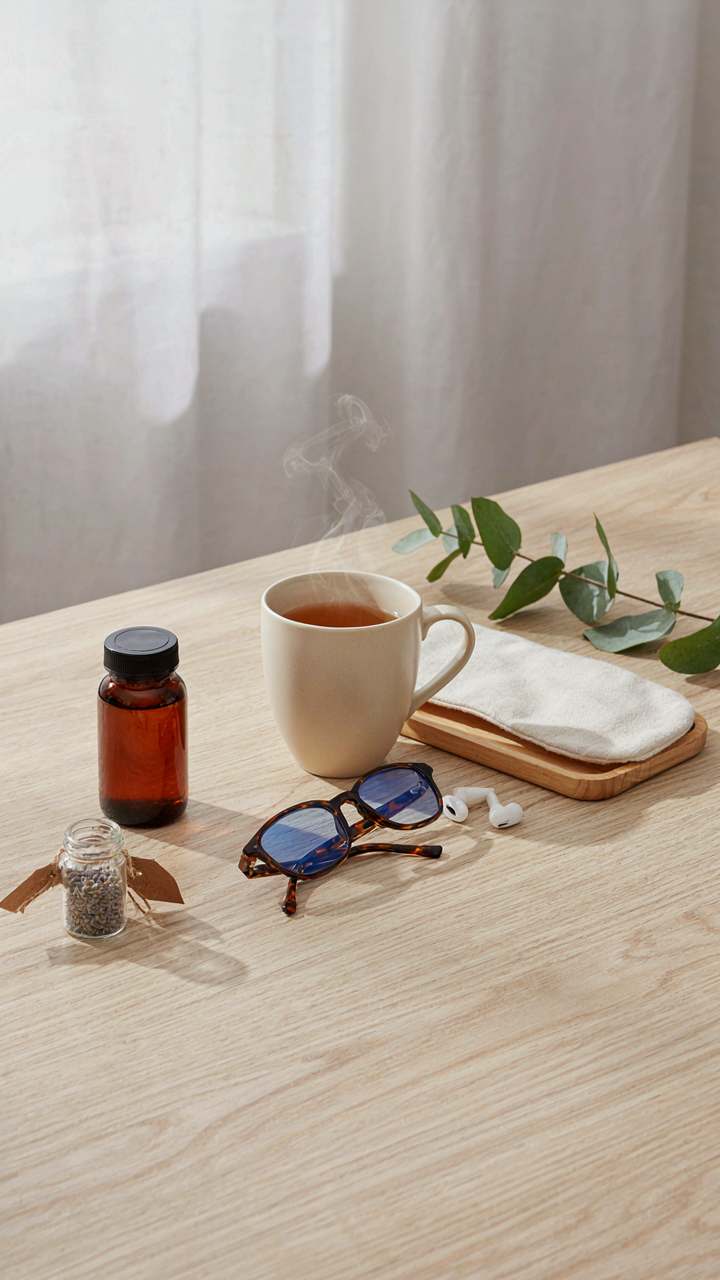
You’re hoping some $300 gadget will do the work your environment should handle for free. The real mechanism is suppression of melatonin disruption. Light—especially blue wavelengths—travels through your eyelids and resets your circadian clock even when you’re sleeping. Darkness isn’t passive. It’s active neurochemistry. A sleep mask rated for true darkness (under 0.3 lux) outperforms most wearables because it removes the stimulus entirely rather than trying to compensate for it.
Noise operates the same way. Your brain processes sound even in sleep, fragmenting slow-wave architecture without waking you. This doesn’t show up as insomnia. It shows up as waking groggy, needing stimulants. Earplugs or white noise machines aren’t luxuries. They’re dose controls. In a new timezone with unfamiliar ambient sound, blocking external noise allows your body to focus neurologically on resetting circadian alignment instead of defending against acoustic intrusion.
Temperature Regulation Ends The Night Sweat Problem
Thermal biology dictates sleep depth and transition speed between sleep stages. When you cross timezones, your core body temperature still follows your home clock for days. Melatonin drops your core temperature about 2 degrees Fahrenheit before sleep onset. If your hotel room runs warm, that natural drop gets blocked. You thrash, never hit deep sleep, and your circadian adjustment stalls. The fix isn’t a cooling mattress pad necessarily. It’s matching room temperature to what triggers natural sleep onset in your destination timezone, not your origin timezone.
A programmable thermostat or simple temperature adjustment to 65-68 degrees Fahrenheit becomes a forcing function for sleep initiation. Your body reads environmental temperature as a timezone signal. Cool rooms accelerate the phase shift your system needs to make. If your accommodation doesn’t allow temperature control, a portable cooling device or sweat-wicking sleep kit redirects heat away from your core. Start temperature adjustment 30 minutes before your intended sleep time in the new timezone.
The Entrainment Principle: How Your Body Learns A New Rhythm

Your Brain Runs On External Signals, Not Willpower
You want to believe discipline alone can fix jet lag. It can’t. Chronobiology—the study of biological time—reveals that your circadian system operates like a phase-locked oscillator, constantly syncing to external zeitgebers (time-givers). Light, temperature, and meal timing are the primary signals that reset your internal clock. Gadgets work because they deliver these signals with precision your body can’t ignore. Without them, you’re fighting against a system that evolved over millions of years.

Your suprachiasmatic nucleus, the brain’s master clock, doesn’t care about your intention to “power through.” It responds to measurable inputs. Light therapy devices emit specific lux values and wavelengths because your photoreceptors need those exact frequencies to shift your circadian phase. Temperature changes from a cooling mattress or wearable trigger hormonal cascades that move sleep timing. The mechanism is biochemical, not psychological. Gadgets bypass willpower entirely by giving your biology what it needs to reset.
Consistency Beats Intensity Every Single Time
The common advice says “just get morning light and stay up until bedtime.” Wrong. One exposure doesn’t rewire your circadian rhythm. Entrainment requires repetition across multiple days, usually five to seven depending on direction and magnitude of the shift. A light therapy device used at the same time every morning for a week does the work of sporadic sun-chasing. Your circadian system learns through pattern recognition, not through isolated events. It’s the daily signal that carries weight.
Temperature cycling works the same way. Wearing a wristband that gradually cools your skin each night, or sleeping on a temperature-regulating mattress pad set to the same schedule, teaches your body when to expect sleep onset. Meal timing follows the same principle—eating at consistent times in the destination time zone sends metabolic cues that reinforce the phase shift. The gadget’s value comes from its ability to deliver the same signal at the same time without your attention wavering. Consistency over three days produces measurable phase shifts; over a week, full adaptation is achievable.
Movement: The Anti Sedentary Jet Lag Fix

Your Veins Don’t Care About Your Schedule
You want to feel normal again without looking weak or out of control. Here’s the mechanism: sitting for twelve hours pools blood in your legs and abdomen, slowing circulation and deepening the metabolic confusion your body already faces. Movement forces your cardiovascular system to recalibrate. Compression socks work because they’re a passive circulation tool, but active movement rewires the nervous system faster. Your legs have more muscle mass than your arms. Use them.

Stagnation compounds jet lag because your cells operate on oxygen delivery. Flight cabins have low humidity and recycled air, which already stresses circulation. Add eight hours immobile and your blood pressure regulation tanks. When you land, movement restores the feedback loop between your muscles and your autonomic nervous system. This isn’t motivation talk. It’s biology.
Light Movement, Not Heroic Exercise
The common advice says to exercise hard after landing. That’s wrong. Your cortisol is already dysregulated. Intense exercise triggers more cortisol release, which delays sleep onset and deepens circadian misalignment. Light activity, though, signals safety to your nervous system without adding stress hormones.
Walk for twenty minutes within four hours of landing. Not a jog. Not a gym session. A walk at conversational pace resets blood glucose regulation, engages your vestibular system (which controls spatial orientation and balance), and triggers light dopamine release without overstimulation. Walking also synchronizes your stride with natural light exposure, which accelerates circadian adjustment. The protocol: fifteen to twenty minutes of walking outdoors in daylight on your first day at destination.
Nutrition Beyond Supplements: Fueling Your Recovery
Your Gut Controls Your Clock
You want to believe a pill or gadget fixes jet lag alone because that feels like control. The mechanism is biological: your gut microbiome directly regulates circadian rhythm signaling through the vagus nerve and metabolite production. This isn’t metaphorical. Dysbiosis—microbial imbalance—delays circadian re-entrainment by 2 to 3 days longer than it should take. Your digestive bacteria produce short-chain fatty acids and neurotransmitters that your brain uses to reset sleep-wake timing.
Flying across time zones starves your microbiome of its normal feeding schedule. The bacteria that help you sleep go dormant. The ones that trigger wakefulness overgrow. No light therapy device works optimally if your gut flora is out of sync. Feeding the right organisms during the first 24 hours post-arrival accelerates the reset. Fermented foods, soluble fiber, and specific prebiotic compounds restore microbial diversity faster than waiting for it to happen passively. Time your fiber intake to match your destination’s meal schedule, not your origin’s.
Blood Sugar Stability Beats Meal Timing Hacks
Most travel nutrition advice is wrong. People obsess over eating or fasting at precise times to “trick” their body into the new timezone. That’s pseudo-science. The real lever is glucose stability. Spiking and crashing blood sugar creates secondary circadian signals that contradict your light exposure, making re-entrainment take longer. Stable glucose means stable melatonin, stable cortisol, stable adenosine accumulation.
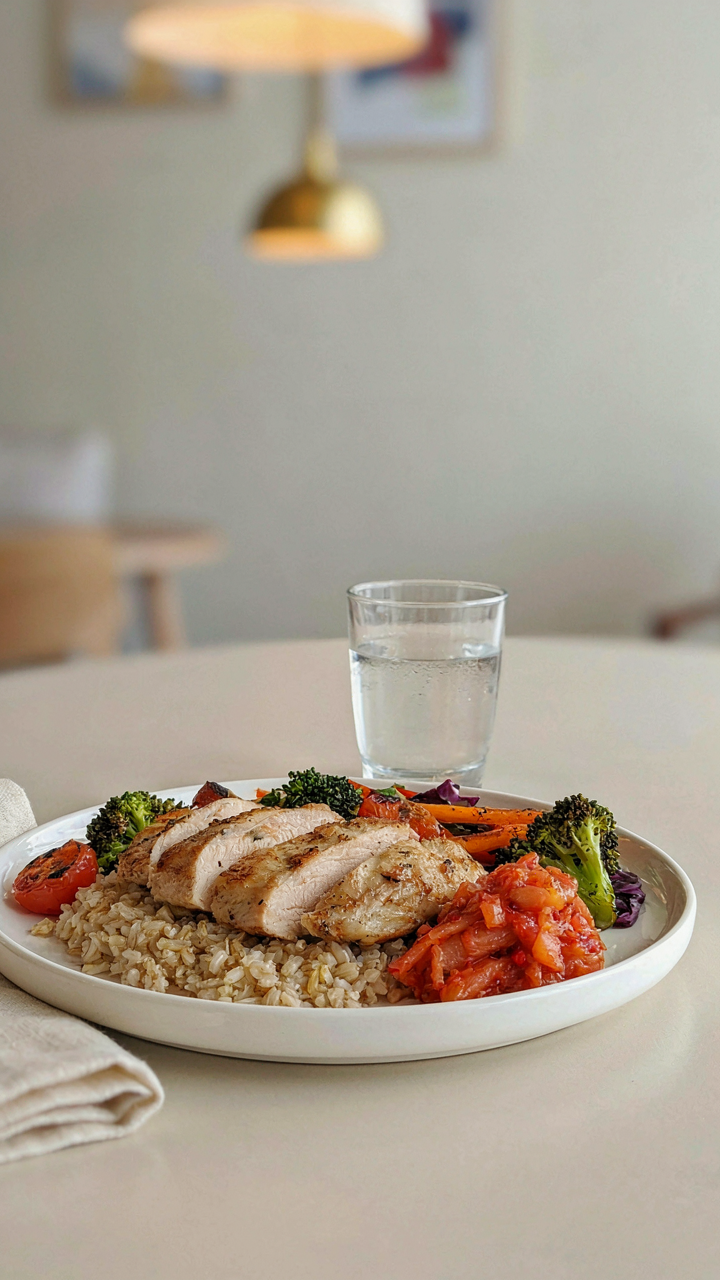
Whole foods prevent the insulin roller coaster that supplements and processed snacks create. Protein with fat and fiber at every meal slows glucose absorption. This matters more than calorie timing or intermittent fasting protocols during travel. Egg-based meals, nuts, seeds, and slow-carb vegetables give your body consistent fuel without the crashes that trigger false hunger and sleep disruption. Eat this way from 6 hours before departure through day three of arrival. The gadgets work faster when your substrate is stable.
Mastering The Mental Game: Your Feelings & Jet Lag
The Discomfort You’re Actually Refusing To Name
You want a gadget to fix this so you don’t have to admit that jet lag is partly psychological surrender. Here’s what’s actually happening: cognitive reframing operates the same way a light therapy device does—it redirects your attention away from the signal your body is sending. When you’re tired at 3 AM in a new timezone, your brain interprets that fatigue as evidence that something is wrong. The discomfort feels permanent because you’re treating it as a fact instead of a signal with an expiration date.
The gap between misery and recovery isn’t the gadget. It’s whether you decide the discomfort is a problem to solve or information to process. When you use a light exposure device correctly, you’re already partially reframing: you’re telling your nervous system “this time of day means something different now.” The mental shift happens first. The gadget just makes the shift stick. Your resistance to the tiredness amplifies it; your acceptance of it as temporary shrinks it. This is why people with the same jet lag experience vastly different recovery times.
Where Your Body Listens To Your Brain
Psychosomatic doesn’t mean fake—it means your mind directly changes your physiology, and jet lag gadgets work because they hijack this connection. Your parasympathetic nervous system controls sleep quality, hormone release, and digestion. When you’re anxious about being tired, your body tenses. That tension blocks the very recovery your gadget is trying to trigger. A blue light device tells your circadian rhythm one thing, but if your mental state is fighting the message, absorption slows down.
The mechanism works like this: stress hormones suppress melatonin production and delay phase shifts. Gadgets can’t override that directly. But when you mentally accept that you’re in a new timezone and your body will catch up, cortisol levels drop just enough for your light exposure device or temperature regulator to actually land. The body follows the mind’s permission. Stop white-knuckling your way through jet lag and your gadget becomes twice as effective. Use the device while still fighting the reality of your new location, and you’ve wasted the tool.
The Real Obstacle Isn’t The Gadget; It’s Your Resistance To Simple, Consistent Self-regulation
You don’t need another gadget. You need to stop negotiating with yourself. Buy the light therapy device or the sleep tracker. Use it every single day for two weeks without exception. Most people won’t. They’ll use it once, feel optimistic, then abandon it when discipline gets boring. The gadget doesn’t fail you. You fail the gadget. The ones who recover from jet lag fast aren’t smarter or richer. They just refuse to accept their own excuses.