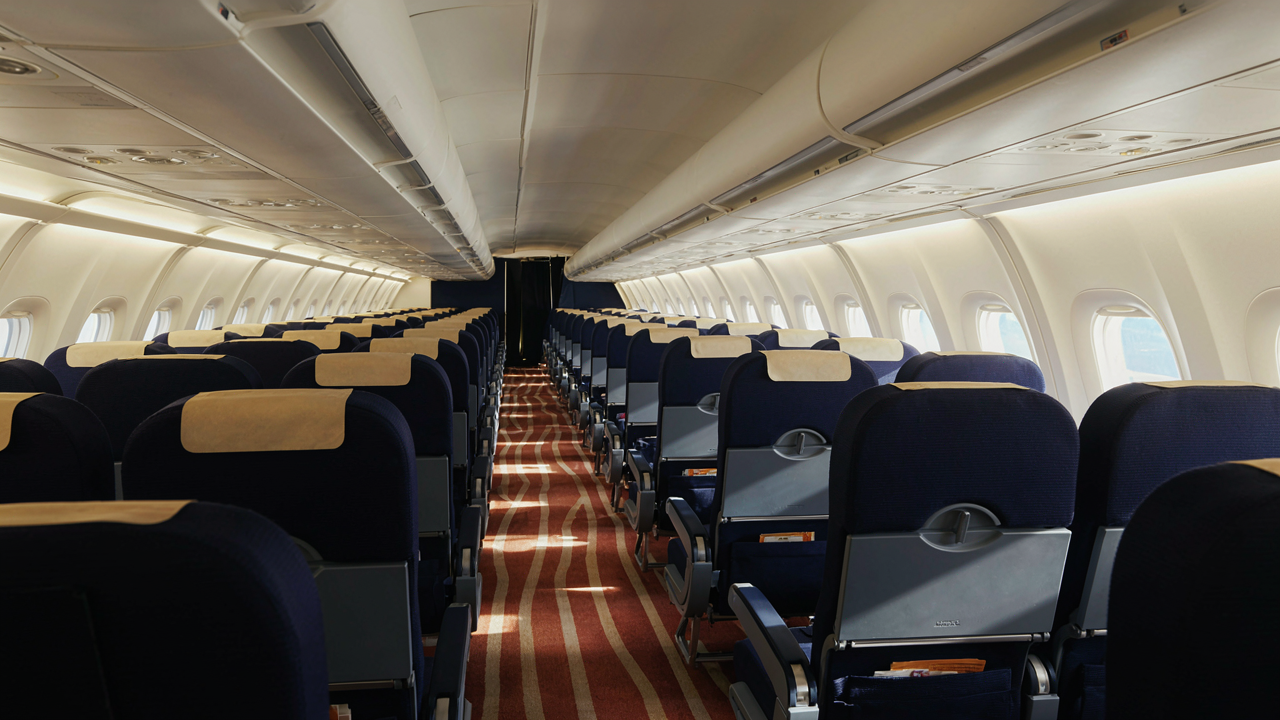
The “Swollen Feet” Myth: What Everyone Gets Wrong About Long Flights

Swelling Is A Symptom, Not The Problem
You care about this because swollen feet feel like failure, like your body betrayed you mid-flight. But swelling is the message, not the disease. Your feet swell because fluid shifts downward when you sit immobile for hours. Gravity pulls blood and lymphatic fluid into your lower legs faster than your muscles can pump it back up. The swelling you see is just evidence that circulation stopped working.
Most people treat swelling as the target and miss what actually matters: the mechanism that caused it. Compression socks work backward from this logic. They don’t prevent swelling by magic. They mechanically force fluid back toward your heart by applying graduated pressure that’s strongest at the ankle and weakens toward the knee. You need to understand this distinction because buying the wrong compression level wastes money and defeats the entire purpose.
Ignoring Root Causes: Venous Return Breakdown
Physiology calls this venous return, the system that moves blood back to your heart against gravity. Think of your leg veins like a one-way delivery system. Muscle contractions pump blood upward, one-way valves keep it from sliding back down, and gravity does the rest. A six-hour flight stops the pump. Your calves don’t contract. Your thigh muscles don’t fire. Blood pools in your feet and lower legs because nothing is moving it anywhere else.
This is why compression socks for flying target the calf specifically. Your calf muscle is the primary engine for venous return when you’re seated. Compression creates artificial muscle contraction by squeezing the vein walls, mimicking the work your muscles should be doing. The pressure gradient forces blood upward mechanically. Without this pressure, your veins stretch, fluid leaks into surrounding tissue, and you land with puffy ankles that take hours to deflate.
Circulation Economics: Why Your Body Prioritizes Survival Over Comfort

Gravity’s Tax On Blood Flow
You care about this because swollen feet feel like a personal failure, but your body is just following hydraulic law. Apply economics here: gravity is a perpetual tax on upward blood movement. When you sit for hours, your legs become a debt collection zone. Blood pools in your lower extremities because returning it to your heart demands work your calf muscles aren’t doing. Compression socks exploit this by externally applying pressure that your immobilized muscles can’t generate alone.

The mechanism is straightforward. Veins lack muscular walls, so they depend on surrounding muscle contraction and external pressure to push blood back up. At altitude and during flight, cabin pressure drops, which reduces the atmospheric push on your skin. Your venous system compensates by pooling fluid in tissues. Compression socks counter this by applying graduated pressure—tighter at the ankle, looser at the knee—forcing blood upward whether your calves contract or not.
The Cost Of Stasis: Cellular Debt
The common advice says swelling is cosmetic. It’s not. Stasis accumulates metabolic waste. When blood moves slowly, oxygen-depleted plasma seeps into tissue spaces, and your cells sit in their own exhaust. This isn’t just discomfort—it’s functional decline. Your feet swell because fluid moves out faster than it moves back in. Compression socks restore the pressure gradient that drives reabsorption.
Compression works at the cellular level by maintaining transmural pressure, the force difference across vessel walls. During prolonged immobility, this pressure drops, so fluid escapes into surrounding tissue. The socks rebuild that pressure differential mechanically. The result is reduced fluid accumulation and faster metabolic clearance. Without intervention, this debt compounds across flight duration. With graduated compression at 15-20 mmHg, you reset the hydraulic balance before tissue swelling locks in cellular dysfunction.
The Compression Protocol: Engineering Optimal Blood Flow On Long Flights

Graduated Pressure Zones: Where The Work Actually Happens
You want to avoid the embarrassment of landing with cankles. But that’s not what matters here. What matters is the mechanism: compression socks work like a hydraulic system. In fluid dynamics, pressure differential forces movement. Your compression sock does exactly that. It applies highest pressure at the ankle, then decreases progressively up the calf and thigh. This graduated pressure gradient creates a mechanical pump that pushes blood upward against gravity, not by squeezing uniformly like a tourniquet.

Most compression socks sold online get this wrong. They advertise “mmHg” numbers without explaining what those numbers actually do. The gradient matters more than the total pressure. A 15-20 mmHg sock with proper graduation beats a 30 mmHg sock with flat compression. Ankle pressure should measure highest, mid-calf should drop 5-10 mmHg, and the thigh should drop another 5 mmHg. This mimics your muscle pump. Without the gradient, you’re just cutting off circulation slightly. With it, you’re mechanically assisting blood return during eight hours of immobility.
Proper Fit: The Difference Between Working And Wasting Money
Compression socks fail because people size them wrong. Measure your ankle circumference and calf circumference separately, not just shoe size. A sock that’s too loose provides zero pressure differential. A sock that’s too tight cuts off circulation and defeats the purpose. You need snug contact without bunching or sliding. The sock should compress the skin without creating visible indentations that last minutes after removal.
Put compression socks on before you board. Your feet swell even sitting in the airport. Once swelling starts, compression becomes harder to apply effectively. The sock must contact skin from the moment your venous pressure begins rising. Wear them for the duration of the flight plus two hours after landing. Remove them and your feet will swell back up immediately if you stop too soon. The work isn’t done when the wheels touch down.
Beyond Venous Return: The Lymphatic System Overlooked
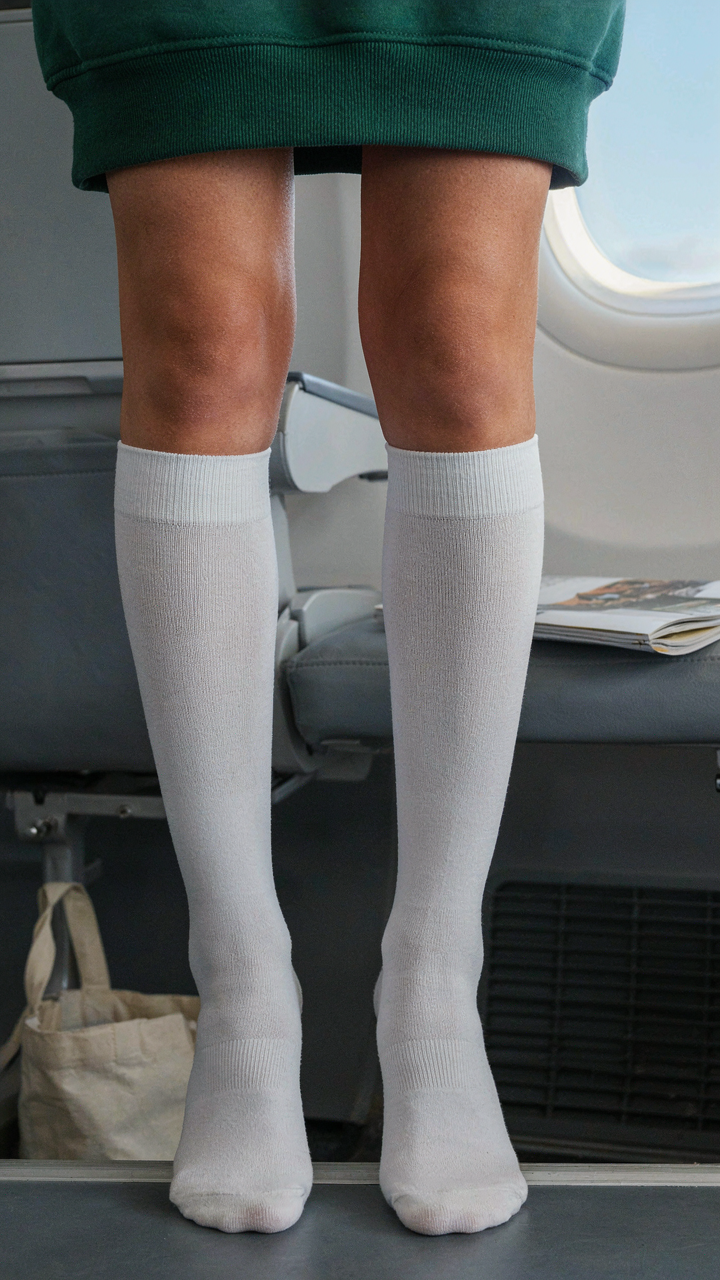
Why Your Feet Swell When Nobody’s Looking
You want to believe compression socks work because you want a simple fix. Here’s what compression socks actually do that most people miss: they’re not just pushing blood back up your legs. They’re managing fluid dynamics, which is a term from physics describing how pressure differentials move matter through space. Your lymphatic system—the body’s secondary circulation that drains interstitial fluid—relies on external pressure and muscle contractions to move fluid against gravity. On a flight, cabin pressure drops, immobility locks your calf pump, and fluid pools in your feet. Compression socks apply graduated pressure that forces fluid into the lymphatic vessels instead of letting it accumulate between cells.
The conventional advice stops at “better blood flow.” That’s incomplete. Your veins represent only half the problem. Lymphatic vessels have no heart pushing fluid through them—they depend entirely on surrounding pressure and movement. A six-hour flight eliminates both. Compression socks create an artificial pressure gradient that replicates what your muscles normally provide. The graduated design matters here: higher pressure at the ankle, lower pressure moving up the leg, mirrors how your body naturally moves fluid. Without this pressure differential, fluid sits in your ankles and feet, causing swelling that can last hours after landing.
The Mechanism Behind Tissue Fluid Saturation
Interstitial fluid—the liquid between your cells—accumulates when there’s no driving force to move it. Compression works by altering the hydraulic pressure around lymphatic capillaries, which are the entry point of your lymphatic system. Think of it like a hydraulic pump where external force creates the pressure differential that sucks fluid into the system. At sea level with normal movement, your calf muscle contracts and relaxes, pumping fluid through lymphatic vessels. On a plane, you’re immobilized. The cabin pressure is 25 percent lower than ground level. Your leg isn’t pumping. Fluid has nowhere to go but outward into the surrounding tissue.
Compression socks correct this by applying sustained outward pressure that exceeds the hydrostatic pressure building in your tissues. The fluid moves into lymphatic vessels because it’s now easier to move upward under compression than to accumulate in swollen tissue. This isn’t theory—it’s how compression garments are used medically for lymphedema patients. The effective range is 15 to 30 millimeters of mercury of pressure at the ankle, which is what most flight-grade compression socks deliver. Lower pressures don’t generate enough gradient. Higher pressures aren’t necessary for prevention. Compression socks work because they replace the mechanical work your legs can’t do while seated.
Biofeedback Loop: How Compression Socks Optimize Your System

Your Body Knows It’s Being Squeezed
You want to feel like you have control over something that happens to your body when you’re trapped in a seat for hours. Here’s the mechanism: compression socks trigger proprioceptive input, which is your body’s awareness of where it exists in space and how pressure distributes across your limbs. The graduated compression—tighter at the ankle, gradually looser toward the knee—sends constant signals to your nervous system about limb position and tissue tension. Your brain receives this feedback and registers that your lower leg is supported and contained.

This proprioceptive awareness does real work during flight. When your calves receive graduated pressure, your nervous system stops treating them as passive, swelling targets. Instead, it recognizes bounded tissue that’s being actively managed. The pressure cues your body that movement restriction isn’t happening through immobility alone—it’s happening through external support. Your muscles respond by maintaining better tone rather than entering the complete relaxation that causes pooling. Compression socks for flying work partly because they make your body feel monitored, not abandoned.
The Pressure Signal Rewires Your Response
Neural signaling doesn’t care about your intentions—it responds to what it senses. Compression socks send proprioceptive and mechanoreceptor signals up the dorsal columns of your spinal cord toward your brain, which interprets pressure as a cue for vascular efficiency. Your autonomic nervous system picks up these signals and adjusts blood vessel behavior based on the tissue tension it detects. The common advice is that compression “pushes fluid back up”—that’s incomplete. What actually happens is your nervous system receives pressure data and modulates how aggressively your vessels dilate in response to immobility and cabin pressure changes.
The graduated design matters because the neural response follows the pressure gradient. Compression socks typically deliver 15-20 mmHg at the ankle and taper to 8-10 mmHg below the knee. Your nervous system interprets this gradient as directional information—not random squeezing. This signal structure optimizes the physiological response: veins maintain tone, capillary filtration stays in balance, and your body doesn’t overcompensate with inflammation when pressure changes occur during flight. Put them on 30 minutes before boarding so your system has time to calibrate to the new pressure signal before altitude changes begin.
The Tactical Advantage: Using Compression Socks For Long Flights
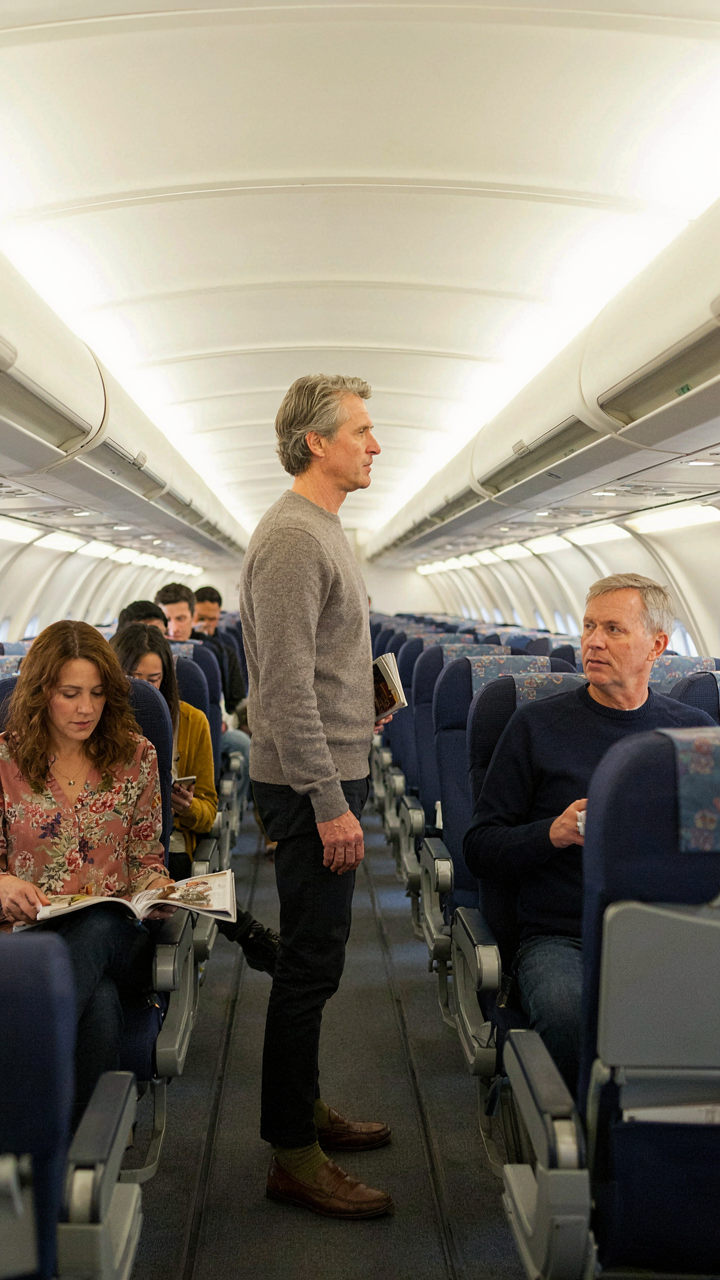
Prepare Your Body Before Takeoff
You want to land without swollen feet because swelling signals you’ve lost control of your body’s fluid management during hours of immobility. The mechanism is simple: gravity pools blood in your legs when you sit, and without movement, your calf muscle pump stops working. Pre-flight hydration seems counterintuitive, but dehydration thickens your blood and forces your cardiovascular system to compensate by retaining fluid in your tissues. Drink water steadily for six hours before the flight, not a gallon an hour.

Movement before boarding primes your calf muscle to handle the compression sock’s pressure differential. Walk for ten minutes at a normal pace within two hours of departure. This activates your soleus and gastrocnemius muscles, ensuring they’re already engaged when you put on the socks. Your legs enter the flight already warmed up, not cold and stiff. The compression sock then maintains this state instead of starting from zero.
Keep Your Legs Active Under The Seat
Compression socks are a tool for reducing pooling, but they’re not a license to sit still. Think of them through the lens of biomechanics, where compression functions as external support for the muscle pump you’re supposed to be operating yourself. The common advice to “just wear them” misses the entire point: the socks amplify what your muscles already do. If your muscles do nothing, the socks manage the damage but don’t eliminate it.
- Seated calf raises: Push your heels down into the floor while lifting your toes every 30 seconds for 15 repetitions. Do this every hour without removing your shoes.
- Seated marching: Lift one knee at a time while keeping your heel on the ground, alternating legs continuously for one minute every 90 minutes.
- Foot circles: Rotate your ankles in full circles, ten rotations clockwise then counterclockwise, three times per flight hour.
- Seated torso twists: Rotate your upper body left and right to engage your core, which stabilizes your pelvis and improves circulation to your lower extremities.
- Aisle walks: Stand and walk the cabin for three minutes minimum every two hours. This resets fluid distribution across your entire body.
Compression socks work only when paired with muscle contractions. The moment you stop moving your legs, you stop pumping fluid back to your heart, and the socks alone cannot reverse that. Your calves must work. Schedule these movements before the flight, not during it, so you actually execute them instead of forgetting.
Debunking Generic Advice: Not All Compression Socks Are Equal
Pressure Ratings: Identifying Medical Grade Vs. Leisure
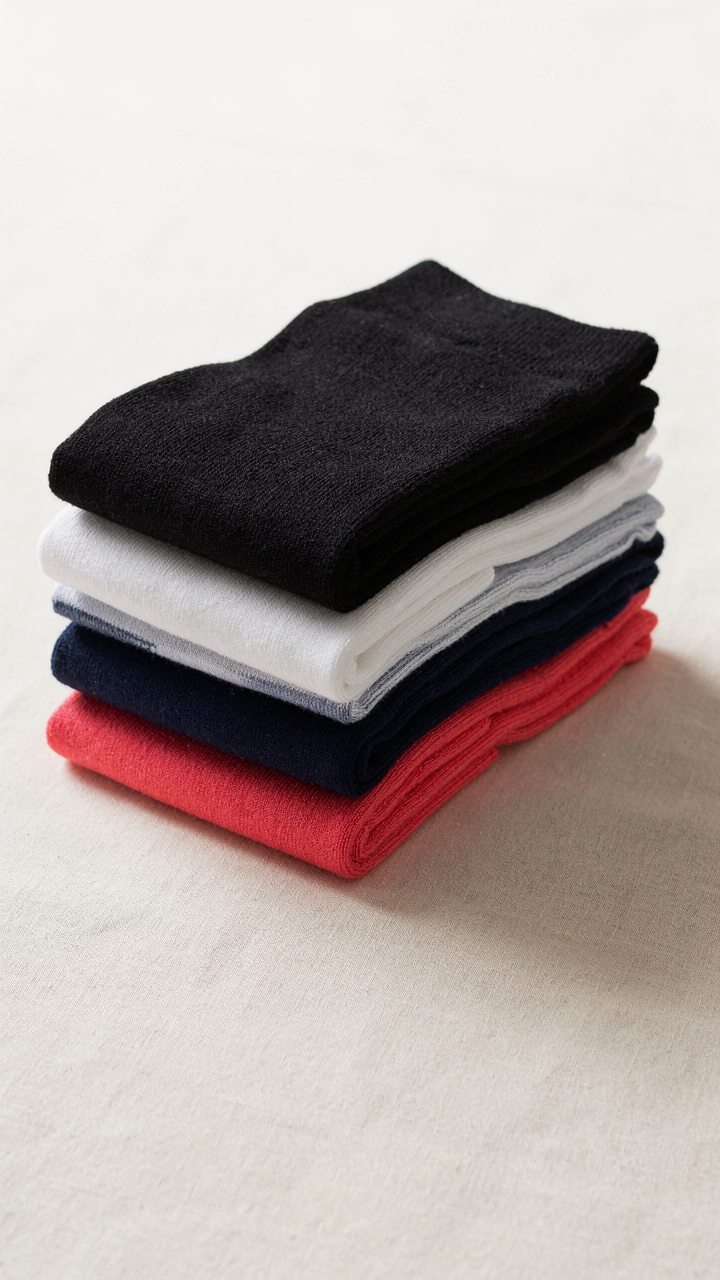
You want to believe a $20 pair does the job so you don’t feel stupid for not buying one sooner. Here’s the mechanism: compression socks work by applying graduated pressure to your leg, forcing blood upward against gravity. The pressure measurement in millimeters of mercury (mmHg) determines whether you’re getting a therapeutic tool or expensive cotton.

Medical-grade compression starts at 15 mmHg and goes up to 50 mmHg for severe conditions. Most leisure socks claim compression but measure below 10 mmHg, which is marketing noise. For flying, you need 15-20 mmHg minimum to counteract the cabin pressure drop and reduce swelling. Anything less won’t move blood efficiently enough to matter on a long flight.
Material Science: Breathability And Durability
The common advice ignores a physics problem: compression socks trap heat and moisture, turning your legs into a greenhouse. Your skin needs airflow to prevent maceration, the breakdown of tissue from prolonged wetness. Nylon blends offer durability but hold moisture. Merino wool and synthetic blends with spandex balance stretch, breathability, and compression retention across multiple wears.
Durability matters because cheap socks lose elastic integrity after five to eight washes. Medical-grade socks maintain compression for 100 plus wears when you follow care protocols: hand wash in cool water, air dry, never machine dry. You replace them annually, not after one trip. The upfront cost difference pays back because a degraded sock applies uneven pressure, defeating the mechanism entirely.
The Cost Of Neglect: Long Term Implications Of Poor Feet Care
When DVT Becomes Your Problem
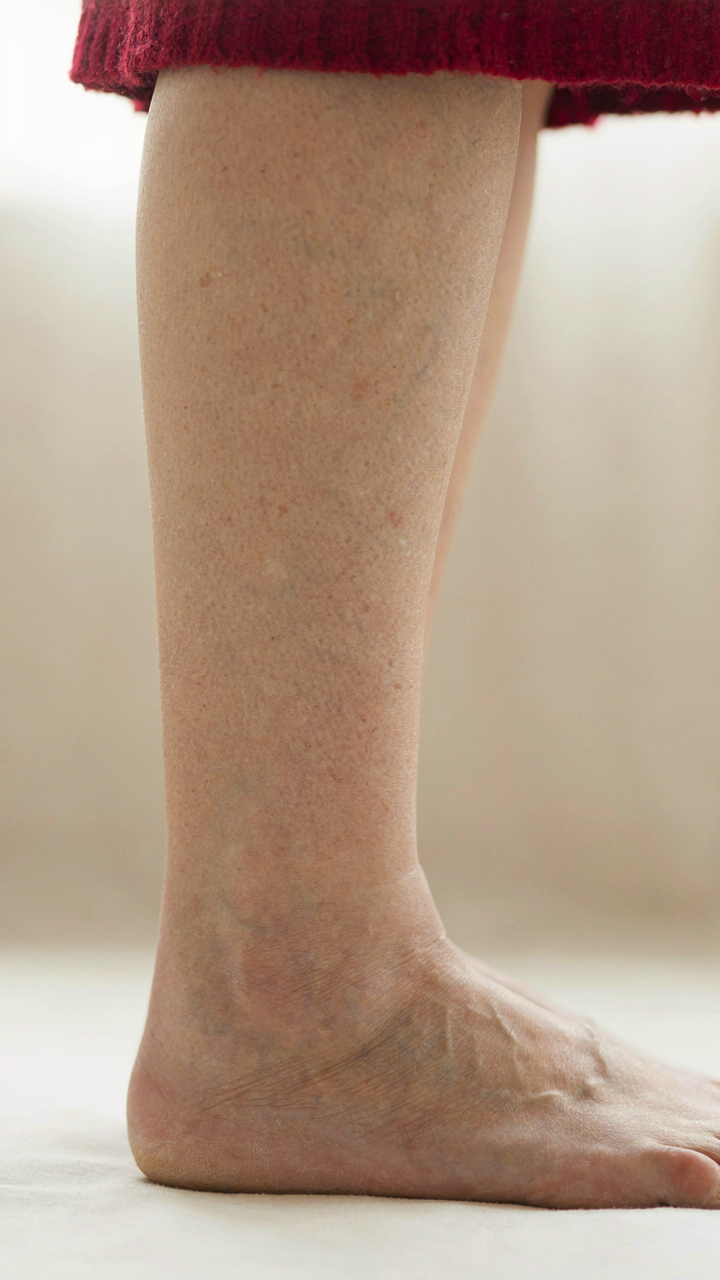
You’re reading this because you’re afraid of dying on a plane, and that fear is rational. Deep vein thrombosis isn’t some abstract medical term—it’s blood clotting in your legs that can travel to your lungs and kill you in hours. Borrowing from hematology, compression socks function as a “pressure gradient”—applying graduated force that pushes blood upward against gravity, the exact mechanism that fails when you sit motionless for six hours. Without intervention, blood pools in your calves. Pooled blood clots.

The silent part nobody mentions: DVT risk compounds with repeated flights. A single flight increases your risk marginally. Ten flights yearly over a decade without compression creates cumulative vein damage that makes clotting more likely each time. Airlines won’t warn you about this because liability is their concern, not your longevity. Compression socks address the root cause—stasis—not the symptom.
Damaged Veins Don’t Repair Themselves
Chronic venous insufficiency is what happens when your calf pump stops working. Your leg veins have one-way valves designed to push blood upward. Repeated immobility during flights damages these valves. Once damaged, they stay damaged. Think of it like a door that won’t close—blood backs up, pressure builds, and the vein wall weakens permanently.
This isn’t reversible with rest or elevation alone. The damage is structural. If you fly frequently without compression, you’re accumulating vein wall degradation that manifests as swelling, heaviness, and eventually varicose veins. Compression socks prevent this by maintaining the pressure gradient your damaged or near-damaged valves can no longer sustain on their own. Start using them now, before the damage becomes permanent.
The 80/20 Rule Of Travel Essentials: Maximize Your Biological Return

What Actually Matters In Your Carry On
You’re reading this because you don’t want to land looking like your feet belong to someone twice your age. The Pareto principle from economics states that 80% of outputs come from 20% of inputs. In travel, compression socks are that 20%. They target the single mechanism that destroys your appearance and comfort on flights: venous pooling. Blood doesn’t fight gravity efficiently when you’re immobile. Compression socks force circulation back upward through graduated pressure, preventing the fluid accumulation that causes swelling. Everything else in your carry-on is noise compared to this one physiological fix.

Most travelers waste space on items that address problems after they happen. They pack creams, elevation pillows, and recovery tools. Compression socks prevent the problem entirely. The math is simple: one pair of socks occupies less space than the combined bulk of remedies you’d buy at your destination. You wear them during flight, they do the work passively, and you arrive with normal ankles. This is biological return on space invested. Pack compression socks rated 15-20 mmHg for flights under six hours, or 20-30 mmHg for longer routes. Put them on before takeoff.
Strategic Minimalism For Long Haul Performance
Minimalism isn’t about owning less stuff—it’s about owning things that multiply your capability. On flights, compression socks multiply your physical state across multiple domains: circulation improves, swelling reduces, pain decreases, recovery accelerates. One item handling multiple problems is the definition of leverage. Most travelers pack redundantly. They bring pain relievers for aching feet, then compression socks anyway. They bring moisturizer for puffy skin caused by fluid retention, when preventing retention solves both problems.
The protocol is direct. Wear compression socks during the flight and for two hours after landing. This timing matters because the first hours post-flight is when your body resets its circulation patterns. You’re not wearing them for comfort during flight—you’re wearing them to set the physiological baseline for recovery afterward. Remove them only when your feet return to baseline size, which typically occurs 2-4 hours after landing. This single decision replaces three separate remedies and takes zero extra luggage space.
The Real Obstacle Isn’t Swollen Feet; It’s Your Passive Acceptance Of Suboptimal Biological Function
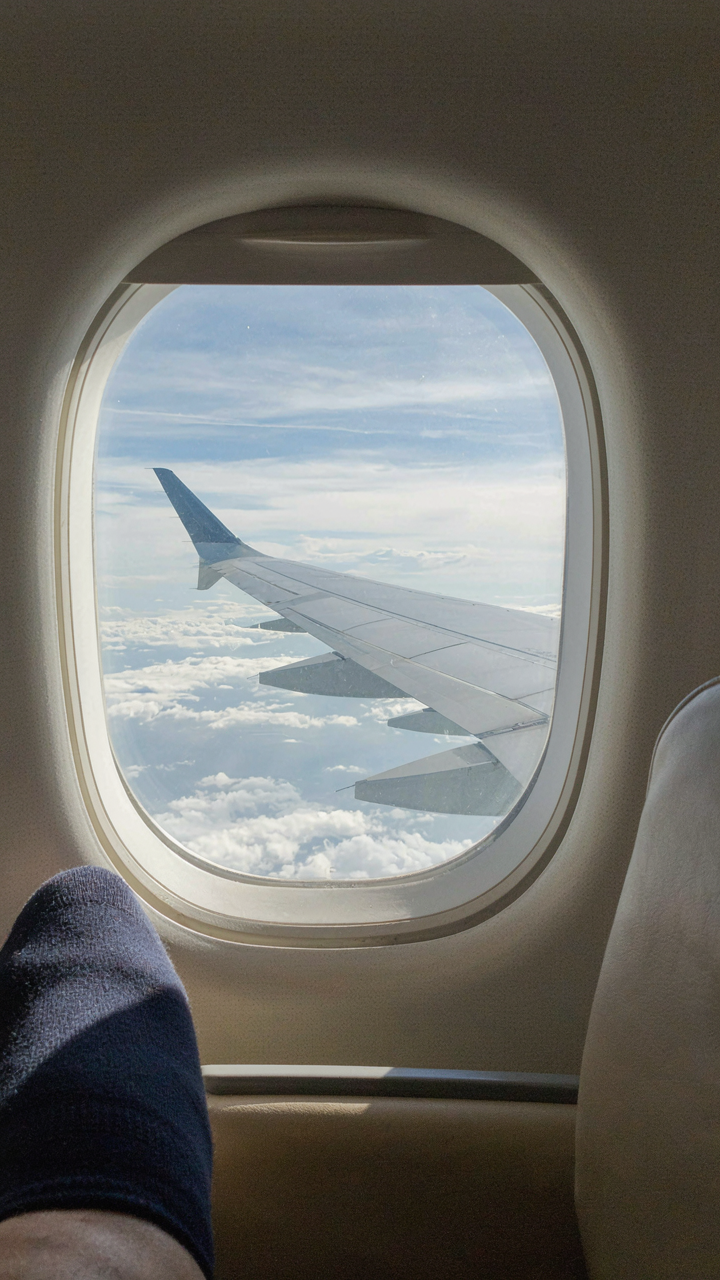
You treat your body like luggage. Throw it in a seat for eight hours and expect it to work fine. Compression socks for flying isn’t about comfort. It’s about rejecting the idea that you deserve to suffer through preventable biological breakdown. Your circulatory system doesn’t care about convenience. It responds to pressure and movement. Buy the socks today. Wear them on your next flight. Then stop pretending degradation is just part of the deal.