
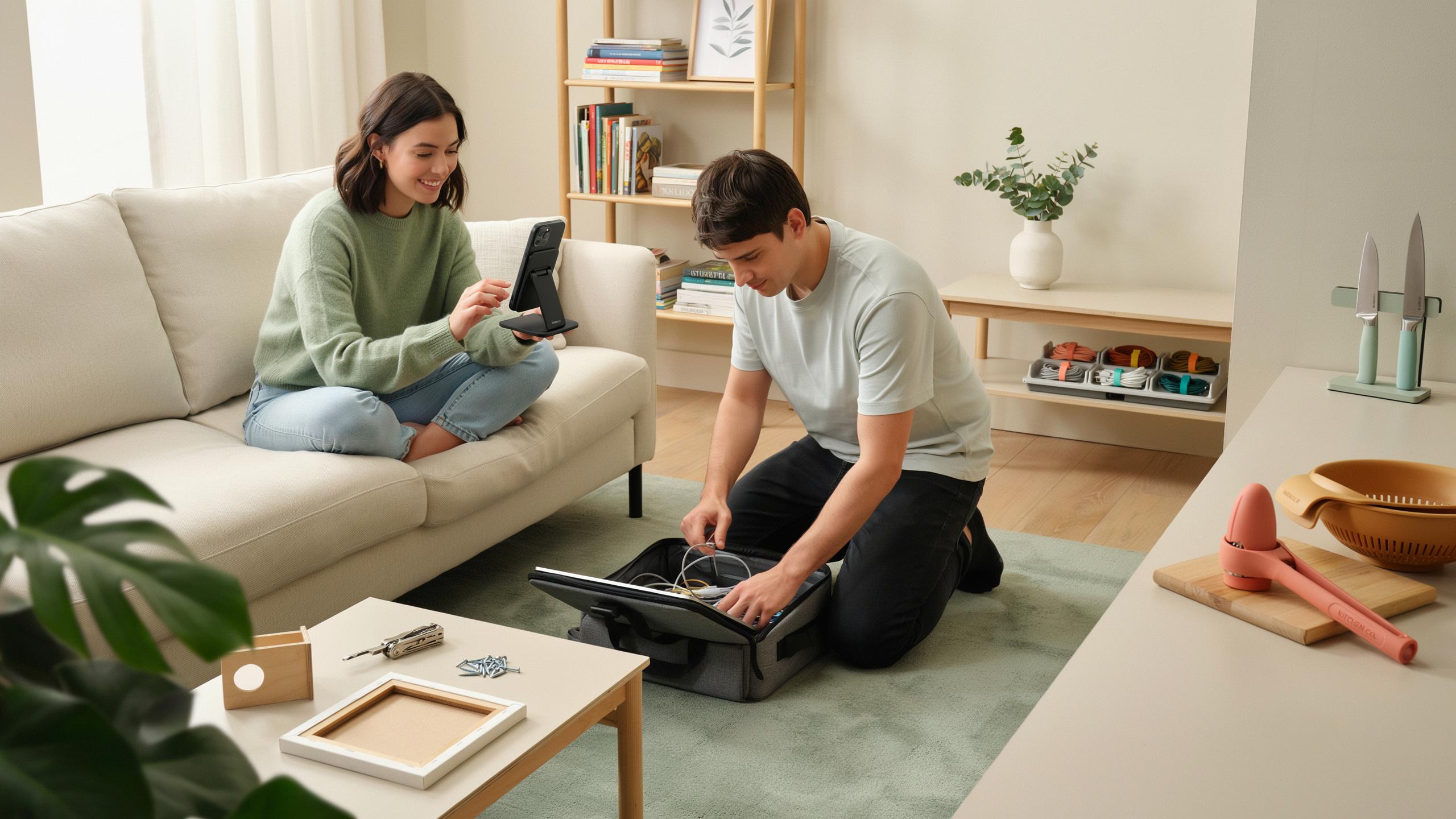
Tackling Kitchen Woes With Smart Gadgets
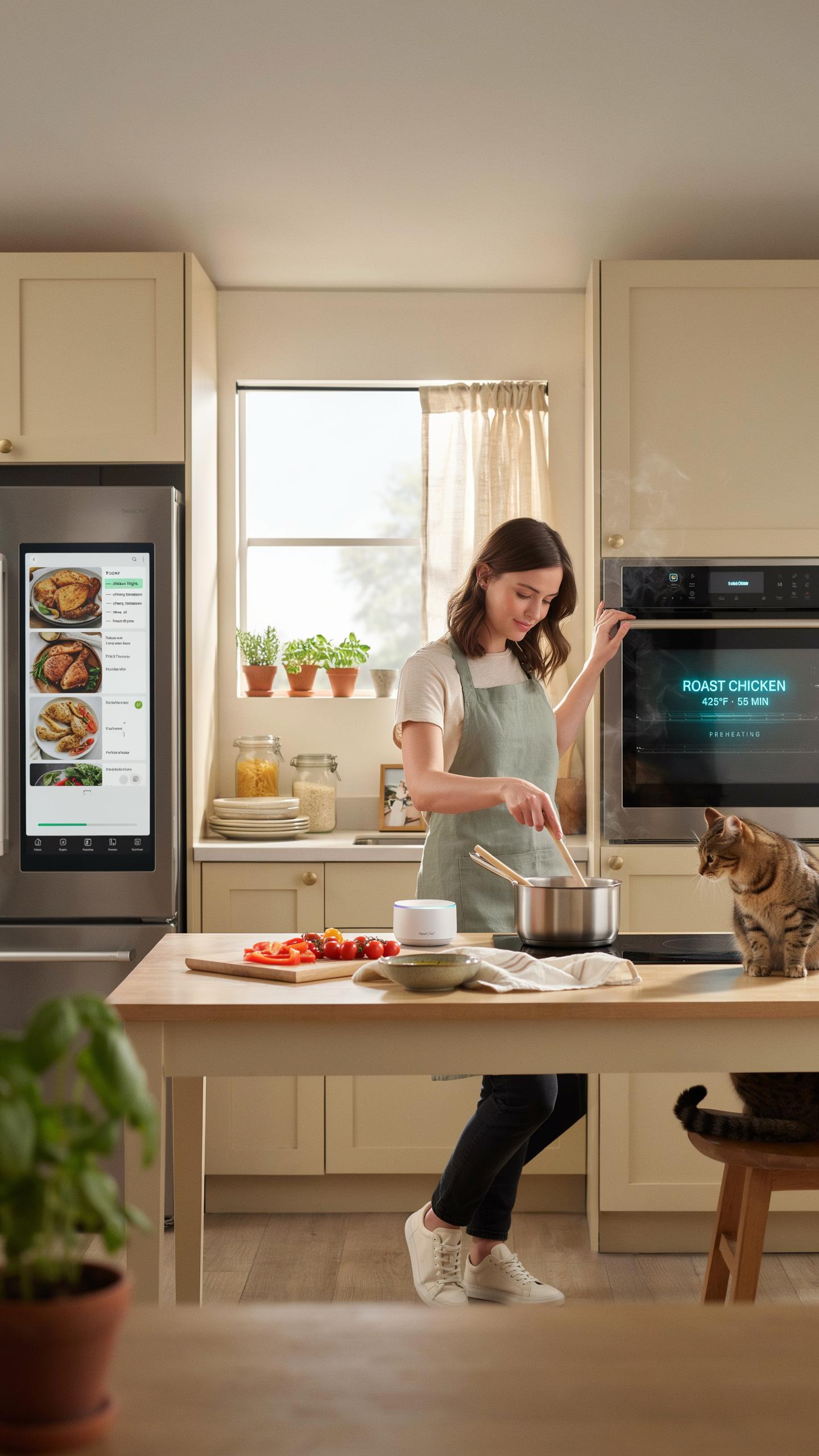
Food Prep Time Savers
Manual chopping wastes time and creates inconsistent cuts. Vegetable choppers and mandolines handle dicing, slicing, and julienning in seconds. These tools cost between five and twenty dollars. A basic onion chopper with a pull-cord mechanism eliminates tears and reduces prep time by half. Garlic presses crush cloves without the mess of smashing them by hand.
Peelers and zesters serve specific functions that justify their low price points. A Y-shaped peeler removes skin faster than a knife while producing less waste. Microplane graters zest citrus and grate hard cheeses efficiently. Spiral vegetable cutters transform zucchini and carrots into noodles in under a minute. These gadgets cost three to eight dollars and eliminate repetitive knife work.
Storage And Organization Hacks
Clear containers keep food visible and accessible while blocking air exposure. Stackable containers maximize refrigerator and pantry space without wasting vertical real estate. Silicone lids stretch over bowls and cut to size, replacing single-use plastic wrap. These cost between two and ten dollars per set. Proper containment extends produce life by three to five days compared to loose storage.
Drawer dividers and shelf risers organize pantries into functional zones. Magnetic strips hold metal measuring spoons and prevent clutter on countertops. Lazy Susans rotate bottles and jars so items don’t hide behind others. These organizational tools cost one to six dollars each. Organized storage reduces food waste and cuts time spent searching for ingredients during meal prep.
Home Gadgets For A More Organized Space

Decluttering Solutions
Cable organizers cost under five dollars and eliminate tangled cords behind desks and entertainment systems. Velcro straps wrap around bundles and keep them sorted by device. Adhesive clips mount to walls or furniture edges without drilling. These tools save time when you need to unplug equipment or troubleshoot connections.
Small drawer dividers segment junk drawers into zones for batteries, pens, and hardware. They cost between two and ten dollars depending on material and quantity. Modular designs let you adjust compartments as storage needs change. This approach prevents items from mixing and makes retrieval faster than searching through loose piles.
Cleaning Made Easy
Handheld vacuum cleaners with cordless designs handle stairs, furniture, and tight corners quickly. Most models weigh under five pounds and charge fully within hours. They cost between thirty and eighty dollars depending on suction power and battery life. Cordless models work better than corded options for quick cleanup jobs throughout the home.

Microfiber mop pads trap dust and dirt without chemical residue on floors. They attach to standard mop handles and cost two to four dollars per pad. The material captures particles more effectively than traditional cotton or string mops. Replace pads every few months depending on usage frequency and floor type.
Tech Gadgets That Streamline Your Day
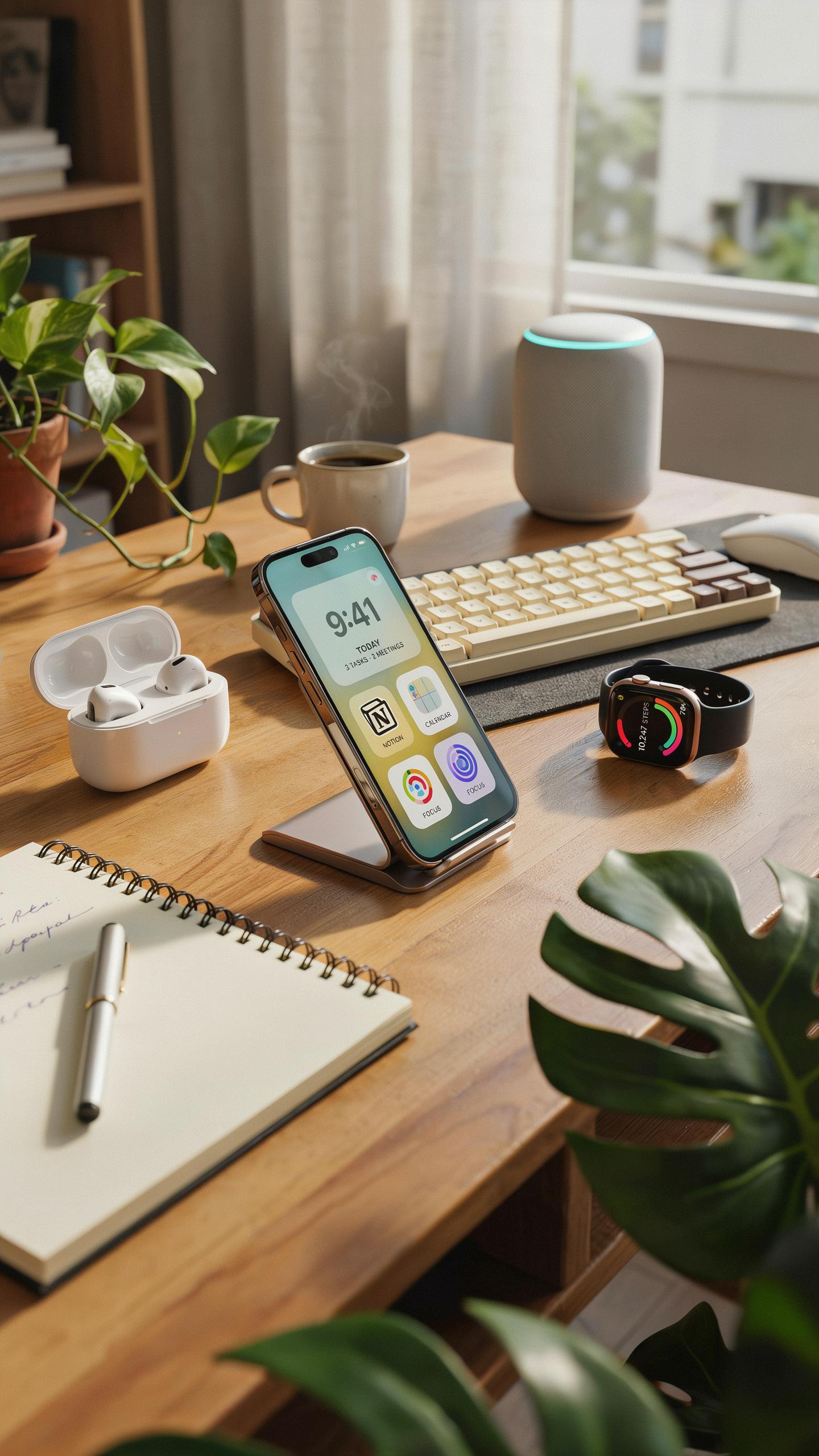
Charging And Power Management
Your phone dies at 2 PM. Your laptop battery dies at 8 PM. A portable power bank solves both problems. Capacity matters. A 20,000 mAh power bank charges most phones four to five times. A 30,000 mAh bank handles laptops and phones. Buy one with USB-C and USB-A outputs to charge multiple devices at once.
Wall chargers with multiple ports cut charging time and desk clutter. A dual USB-C wall charger charges two laptops simultaneously. A four port wall charger charges your phone, tablet, smartwatch, and headphones from one outlet. These cost between 15 and 40 dollars. They replace four separate chargers that waste outlet space and electricity.
Connectivity Enhancements
WiFi dead zones kill productivity. A mesh WiFi system covers your entire home or apartment. The router sits in your main space. Satellites place in problem areas like bedrooms or garages. Signal reaches places traditional routers cannot. These systems cost 60 to 150 dollars depending on coverage area and speed capabilities.

Bluetooth connection failures waste time and frustration. A USB Bluetooth adapter with extended range solves pairing problems instantly. Older keyboards and mice connect reliably across larger distances. Adapters cost 10 to 20 dollars and work with any USB port. This fixes connectivity issues in studios, offices, or rooms with many wireless devices competing for bandwidth.
Personal Care And Wellness Gadgets
Morning Routine Boosters
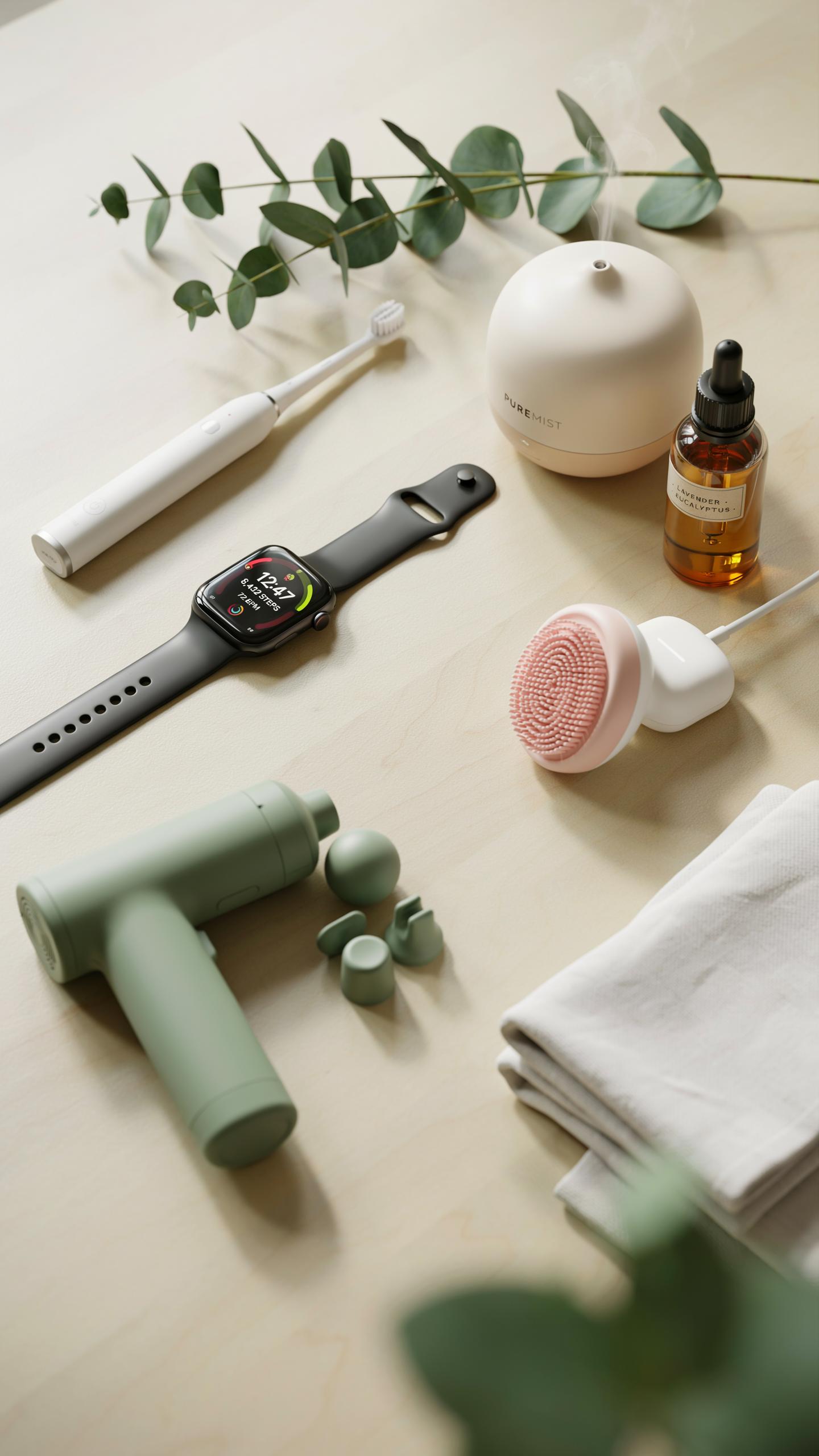
A water flosser costs between 20 and 40 dollars and removes food debris more effectively than string floss for people with braces or implants. The pulsating water stream reaches areas string misses. You use it after brushing to complete your oral care in under two minutes.
A sunrise alarm clock gradually increases light over 20 to 30 minutes before your wake time, triggering your body’s natural cortisol release. This replaces the jolt of a traditional alarm. You wake feeling alert instead of groggy, and the device costs around 25 to 50 dollars.
Stress Reducing Tools
A neck and shoulder massager with heat costs 15 to 35 dollars and targets the upper back where tension collects after desk work. The vibration settings let you control intensity. Use it for 10 to 15 minutes after work to reduce muscle tightness without scheduling expensive massage appointments.

A white noise machine or fan produces consistent sound that masks disruptive noises during sleep or work. Basic models cost under 30 dollars. The steady audio input helps your brain ignore sudden sounds, improving focus and sleep quality without medication or complicated setup.
Amazon Gadgets Top Picks For Everyday Fixes
Highly Rated Problem Solvers
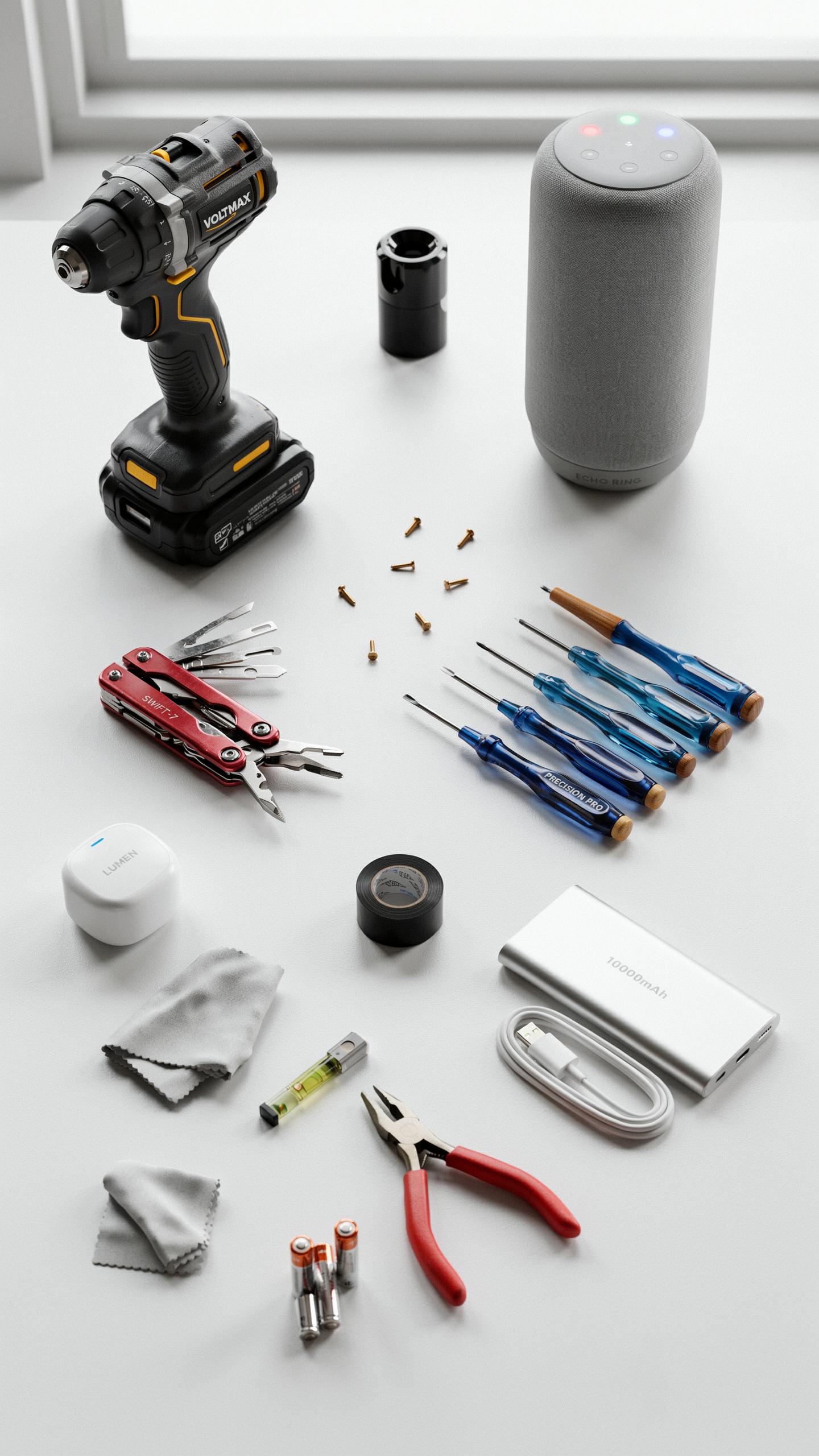
Amazon hosts thousands of gadgets designed to fix specific daily frustrations. The best performers share common traits: they solve one problem well, cost under $50, and accumulate consistent positive reviews from verified buyers. Cable organizers, phone stands, and drawer dividers dominate the highly-rated category because they address clutter directly. Users rate them highly when they withstand repeated use and deliver exactly what the product description promises.
The strongest performers on Amazon share real user feedback that details how the gadget performs after weeks or months of daily use. Products with 4.5-star ratings and over 1,000 reviews indicate proven durability and actual problem-solving capability. These gadgets typically reduce friction in your morning routine, workspace, or kitchen. They work because they target annoying inefficiencies that compound throughout your day.
Hidden Gems Under 25 Dollars
Lesser-known gadgets under $25 often outperform expensive alternatives because they focus on function over marketing. Cable clips, adhesive hooks, and motion-sensor lights solve real problems without unnecessary features or brand markup. These items work because they eliminate a single bottleneck in your daily routine. Amazon reviewers often discover these products by accident and share genuine enthusiasm for their utility.

Budget gadgets under $25 succeed when they use basic materials and straightforward engineering. Silicone, plastic, and metal fasteners require no complicated maintenance. They fail only when manufacturers cut corners on durability. The best ones ship quickly through Amazon Prime and replace easily if they wear out. Your money goes toward solving the problem, not toward packaging or advertising.
Cool Gadgets For Travel And Commuting

On The Go Convenience
A portable phone charger solves dead battery problems during long commutes. USB-C models work with most phones and cost under 20 dollars. They fit in pockets and backpacks without adding weight. Capacity ranges from 5000 to 20000 milliamp hours depending on your needs and budget constraints.
Travel pillows provide neck support on flights and trains. Memory foam options mold to your neck shape and prevent strain during sleep. Compact versions compress to fist size when not in use. They cost between 15 and 40 dollars and pack easily into luggage.
Safety And Security Enhancers
Door locks for hotel rooms add protection when you travel. Portable wedge locks weigh under 5 ounces and work on most doors. They prevent entry from the outside and cost around 10 to 15 dollars. You simply place the wedge under the door or use the lock mechanism.

Personal alarm devices emit loud sounds to deter threats during travel. Key chain alarms produce noise levels around 120 decibels when activated. They weigh almost nothing and cost between 8 and 20 dollars. Attackers typically flee from sudden loud noise before approaching further.
Invention Ideas Simple Solutions That Work

Everyday Problem Solving Concepts
The most effective gadgets solve specific friction points. They target one problem. They work without complexity. A phone stand eliminates neck strain. A cable organizer prevents tangled wires. A door stopper keeps pets contained. These gadgets succeed because they address real obstacles people face daily. They require no learning curve. Users benefit immediately upon purchase.
Simple inventions often outperform complicated ones. Manufacturing costs stay low when designs avoid unnecessary parts. Materials matter more than features. Durable plastic beats flimsy metal. Rubber grips beat slick surfaces. The best gadgets use proven materials in straightforward configurations. They solve problems through design, not technology. This approach keeps prices affordable and reliability high.
Sometimes, the simplest, most affordable little helper can bring back the joy of a smoother day, reminding us of the ingenuity found in the everyday.
From Idea To Impact: The Gadget Journey
Successful gadgets start with observation. Designers watch how people struggle with tasks. They identify the root cause of frustration. They sketch basic solutions. Early versions test whether the concept actually works. Prototypes reveal design flaws quickly. Creators refine based on real usage. This iterative process transforms rough ideas into functional products before mass production begins.

Market demand determines which gadgets reach store shelves. Manufacturers produce items that solve problems people willingly pay for. Production scale affects final price significantly. A gadget manufactured in millions costs less per unit than one made in hundreds. Distribution channels impact availability. Direct online sales reduce overhead. Retail stores add markups. The journey from concept to consumer requires balancing production efficiency with product quality and market demand.
New Gadgets And Cool Stuff To Buy For Your Home
Innovative Home Upgrades
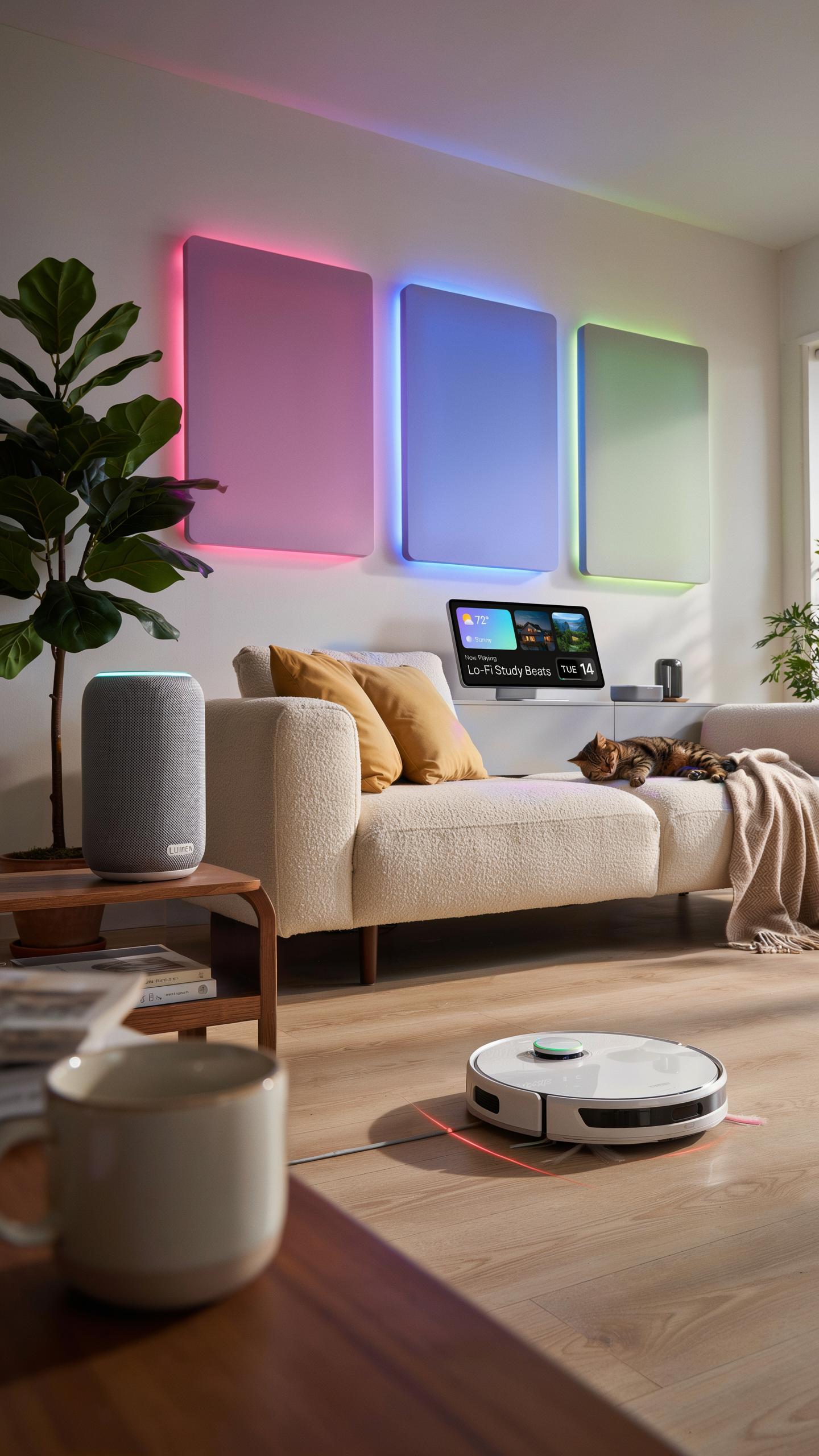
Modern home gadgets solve specific problems without requiring renovation or professional installation. The best options target friction points you encounter daily, like poor lighting, temperature control, or cable management. These devices work independently or connect to existing systems. Cost ranges from ten dollars to a few hundred, depending on functionality and build quality.
Evaluate gadgets based on frequency of use and actual problem-solving capability rather than novelty factor. A device that reduces one annoying task by even thirty percent justifies its cost if you use it daily. Focus on items that replace manual steps or automate recurring actions. Skip anything requiring ongoing subscriptions or complex setup procedures that demand technical expertise.
Smart Home Integration Tips
New gadgets integrate with existing smart home systems through standard protocols like WiFi, Bluetooth, or Zigbee. Check compatibility before purchasing to avoid buying devices that work only with specific ecosystems like Apple HomeKit or Google Home. Most modern gadgets announce their compatibility on packaging or product descriptions. Testing integration in your own environment matters more than theoretical compatibility claims.

Start with gadgets that solve immediate problems rather than building a complete smart home infrastructure first. Add compatible devices gradually as you identify needs and confirm they work in your space. Many cheap gadgets function perfectly without any app or smart integration if you prefer simplicity. Prioritize devices that work reliably in standalone mode even if smart features are available.
Embracing Cool Technology Gadgets For Efficiency

Leveraging Tech For Time Management
Time management gadgets attack specific friction points in your day. They eliminate the mental load of tracking tasks, reminders, and schedules. The best ones require minimal setup and work without constant maintenance. Most solve problems you already know exist but haven’t addressed yet.
- Digital Kitchen Timers: Replace phone timers with dedicated devices. They sit on counters, display large numbers, and won’t distract you with notifications. Cost ranges from 8 to 20 dollars for reliable models.
- Egg Timers: Mechanical devices that track cooking time without batteries or charging. They’re tactile, reliable, and function solely as timers. Standard models cost 5 to 12 dollars.
- Outlet Timers: Automatically turn devices on or off at set times. Use them for lights, coffee makers, or fans. Models range from 8 to 25 dollars depending on features.
- Pomodoro Timers: Visual timers showing time remaining through color or sand movement. They train focus sessions and break periods. Prices start at 10 dollars for basic versions.
- Waterproof Shower Timers: Keep track of shower duration without checking phones. Mounted inside bathrooms to manage water usage. Cost between 6 and 15 dollars.
These tools reduce decision fatigue by removing timing calculations from your workflow. They work offline, require no subscriptions, and handle one job effectively. Purchase them based on specific pain points rather than accumulating multiple devices.
Sustainable And Eco Friendly Gadget Choices
Sustainable gadgets address problems while reducing waste and resource consumption. Many use durable materials designed to last years rather than months. They cut environmental impact without requiring lifestyle changes or sacrifices in function.
Battery-free gadgets eliminate waste from disposable batteries and charging cycles. Hand-crank flashlights, mechanical timers, and wind-up radios function indefinitely with zero recurring costs. They cost slightly more upfront but generate savings over time. Mechanical devices also work during power outages, making them practical investments beyond environmental concerns. Solar-powered versions handle light-dependent tasks without battery replacement, extending product lifespan significantly.
Frequently Asked Questions

What exactly are “cheap gadgets that solve annoying daily problems”?
These are small, affordable tools or devices designed to simplify common frustrations around the house or in your routine. Think innovative solutions for tangles, spills, or organizational woes that don’t break the bank. They’re all about making life a little smoother without a significant investment.
How can I find the best cheap gadgets that solve annoying daily problems for my specific needs?
Start by identifying your biggest daily frustrations! Do you always lose your keys, struggle with tangled cords, or have messy spills? Once you pinpoint those pain points, a quick online search using terms like “kitchen organization gadgets” or “desk decluttering tools” will often reveal many clever, inexpensive solutions.
Are these inexpensive problem-solvers actually durable, or do they break quickly?
While “cheap gadgets that solve annoying daily problems” are budget-friendly, many are surprisingly durable. It’s wise to read reviews and opt for products from reputable sellers. Often, simple designs are quite robust. Many are designed for repetitive use, offering excellent value for their modest price.