
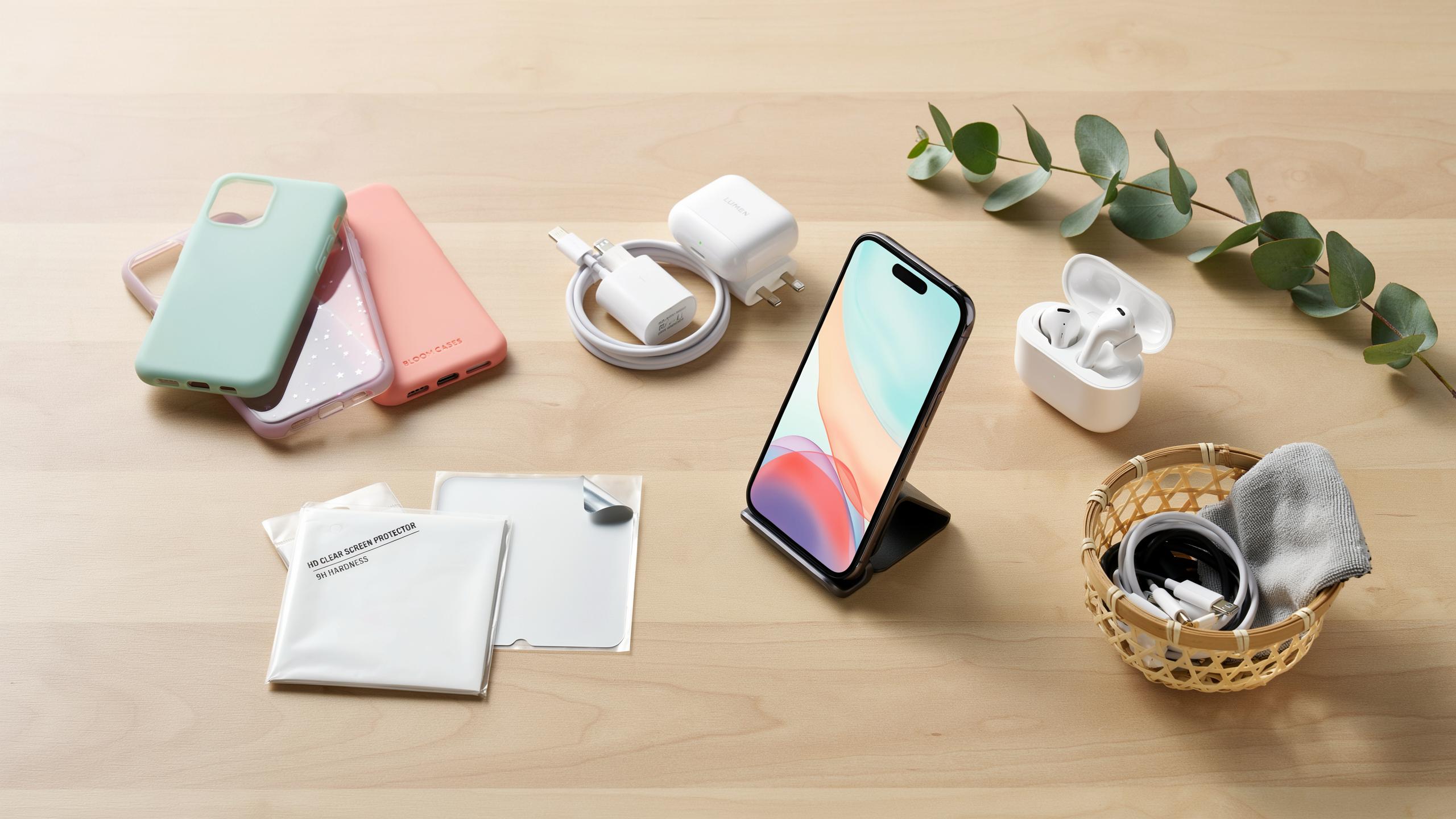
Introduction Smart Gadget Upgrades On A Budget
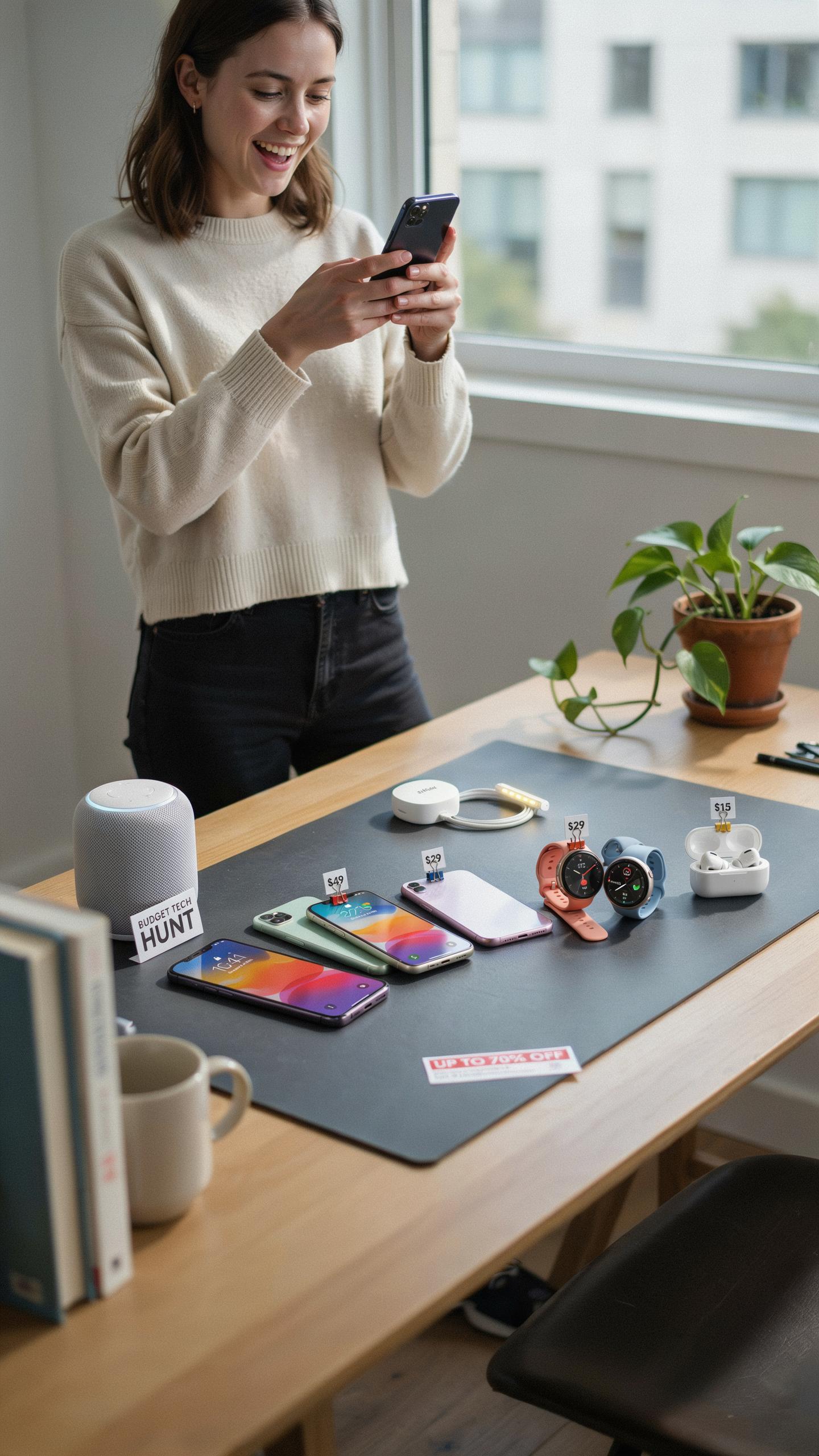
The Modern Necessity Of Phone Accessories
Your phone handles communication, work, navigation, and payments. It fails without proper protection and support. Cracked screens cost $150 to $400 to repair. Dead batteries strand you without connectivity. Poor audio quality wastes time during calls. Basic accessories prevent these failures and extend device lifespan by years.
Phone accessories solve real problems that manufacturers don’t always address. Stock chargers degrade quickly. Original cables fray at connection points. Screens lack impact resistance. Batteries lose capacity within 18 to 24 months. Budget options deliver the same protective function as premium alternatives without the markup. You gain durability and reliability without financial strain.
Maximizing Value With Budget Friendly Choices
Budget accessories perform their core functions as effectively as expensive ones. A $10 screen protector stops the same impacts as a $30 version. Both use tempered glass technology and absorb force equally. Price reflects branding and packaging, not performance differences. You identify quality by construction materials and user reviews, not by retail cost.
Strategic purchasing lets you upgrade multiple areas of your phone experience. Spending $50 total on a charger, cable, and screen protector beats buying one premium item. You address charging speed, data transfer, and protection simultaneously. Budget allocation across several accessories creates comprehensive improvements rather than one expensive solution. Practical upgrades compound daily benefits over months of use.

Must Have Gadgets Essential Everyday Enhancements
Screen Protectors And Protective Cases Non Negotiable Defense
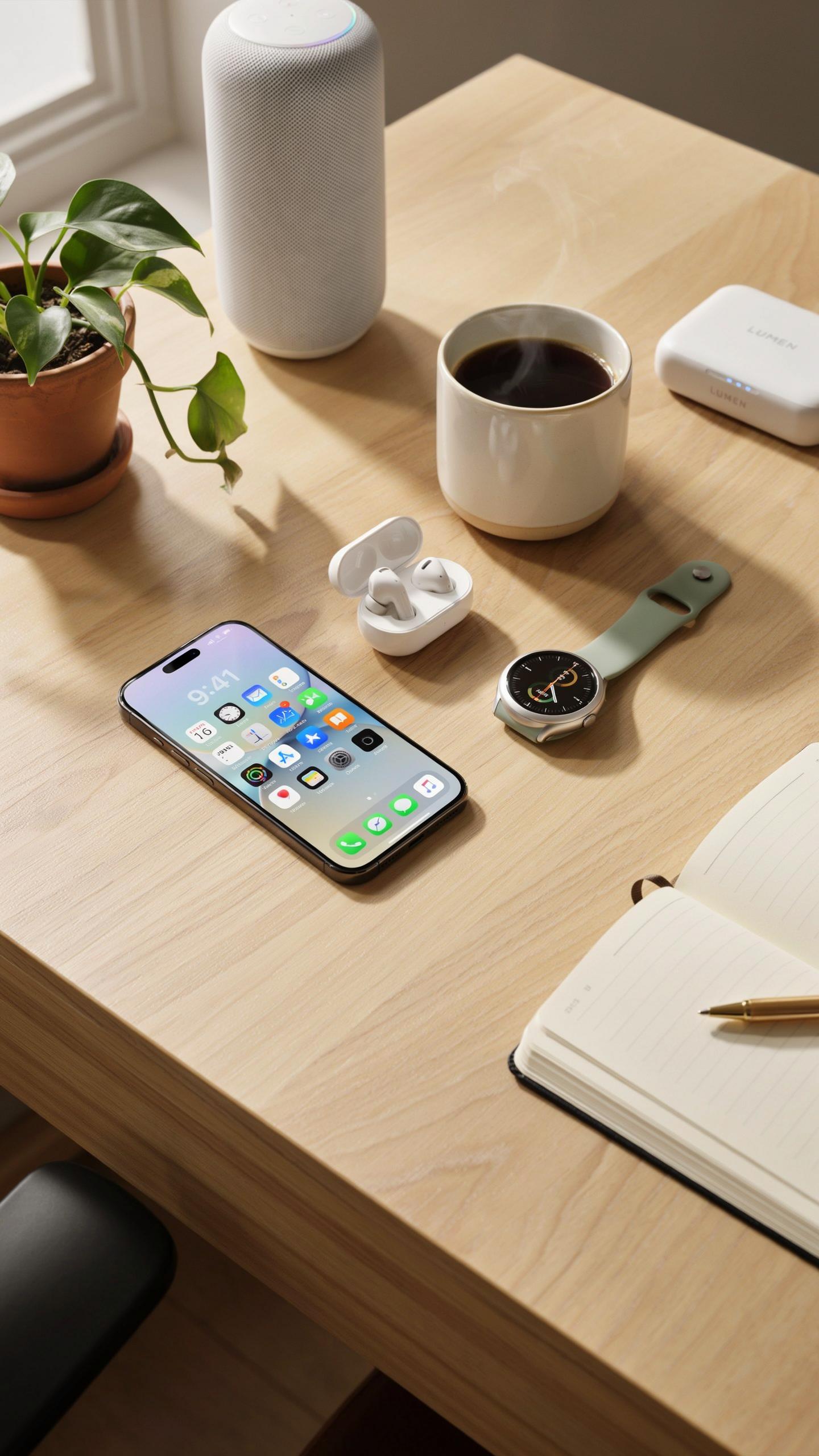
Screen protectors prevent scratches and cracks from damaging your display. Tempered glass protectors cost between five and fifteen dollars. They install flat against your screen without distorting colors or touch sensitivity. Plastic film protectors cost less but require replacement more frequently. Both types extend phone lifespan significantly.
Cases absorb impact and protect against drops. Hard plastic cases run two to eight dollars and provide basic protection. TPU rubber cases cost four to twelve dollars and offer better shock absorption. Neither option requires professional installation. A case plus screen protector combination costs under twenty dollars total for most budget phones.
Charging Cables And Adapters Powering Your Day
Charging cables wear out from daily bending and coiling. USB C cables cost three to eight dollars and transfer data faster than older connectors. Micro USB cables remain common on budget phones and cost two to five dollars. Lightning cables for iPhones cost four to ten dollars. Buying two or three backup cables prevents dead phone situations during work and travel.

Wall adapters determine how fast your phone charges. Standard five watt adapters cost two to four dollars but charge slowly. Twenty watt fast charging adapters cost six to twelve dollars and fully charge most phones in ninety minutes. Cheap adapters from established manufacturers work reliably without damaging batteries. Investing in one quality adapter and multiple cables solves most daily power problems.
Portable Charger Power On The Go
Understanding Portable Charger Capacities
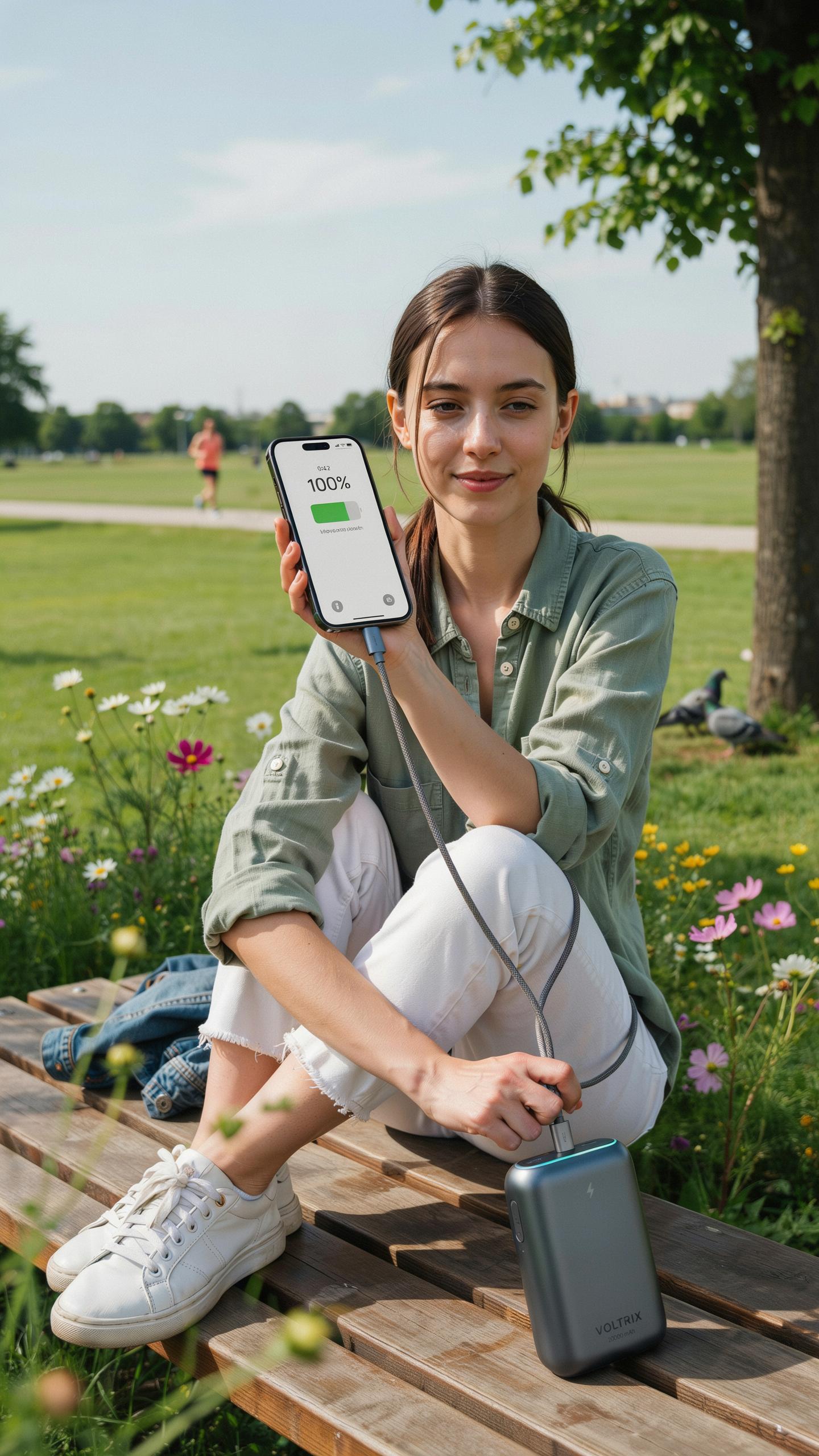
Portable charger capacity is measured in milliamp hours (mAh). This number tells you how much charge the battery holds. A 10,000 mAh battery typically adds one full charge to most modern phones. Actual output depends on the charger’s efficiency and your phone’s battery size. Real world results fall 15-20% short of theoretical capacity due to energy loss during conversion.
Match capacity to your actual needs rather than buying maximum size. A 5,000 mAh charger handles one full charge and weighs under four ounces. A 20,000 mAh charger provides multiple charges but adds meaningful weight to your bag. Consider how often you leave home and whether you have access to charging. Higher capacity justifies cost only if you consistently drain your phone far from outlets.
Top Picks For Affordable And Efficient Power Banks
The best budget chargers deliver reliable output without premium pricing. Look for chargers with multiple USB ports to handle simultaneous device charging. Real-world options under 30 dollars provide solid performance if you prioritize function over brand recognition. Most budget chargers charge reasonably fast and work with every major phone type via standard cables.
- Anker PowerCore 10000: Compact 10,000 mAh capacity with dual USB ports. Charges most phones once fully. Widely available and consistently performs at expected specifications. Popular choice for travel and daily backup.
- Belkin Boost Charge 5K: 5,000 mAh design fits pockets easily. Single USB port works with most cables. Lightweight and affordable entry point for charger ownership. Suitable for users needing occasional emergency power.
- RAVPower 10000 mAh: Dual USB output with iQ technology for optimized charging speed. 10,000 mAh capacity provides one full charge. Reliable performer at budget price point with solid build quality.
- Aukey 10000 mAh Power Bank: 10,000 mAh with dual USB ports and LED display. Shows remaining battery percentage on screen. Charges efficiently and includes multiple cable options in package.
- EasyAcc 20000 mAh: High capacity for two to three full phone charges. Dual USB ports handle simultaneous charging. Weight around eight ounces but delivers extended power for extended trips away from outlets.

Budget chargers rarely fail at basic function. Prioritize capacity matching your usage pattern and port count for your devices. Buy from sellers offering return policies to verify performance before committing long term. Avoid extremely cheap options under ten dollars as quality suffers significantly at that price tier.
Wireless Earbuds Audio Freedom For Less

The Evolution Of Affordable Wireless Audio
Wireless earbuds entered the mass market around 2016 when manufacturers began scaling production. Before that, Bluetooth audio was expensive and unreliable. Cost dropped as chip design improved and battery technology became more efficient. Today, budget earbuds deliver what premium models offered five years ago. The shift happened because competition forced prices down while performance stayed competitive.
Affordability changed consumer behavior around audio consumption. People stopped tethering themselves to wired headphones. Commutes, workouts, and office work became easier without cable management. Budget earbuds made wireless audio accessible to people who couldn’t justify premium prices. This democratization meant millions adopted wireless audio who previously rejected it based on cost alone.
Finding The Best Budget Earbuds For Sound Quality
Sound quality in budget earbuds depends on driver size, codec support, and frequency response range. Most budget models use 6mm to 8mm drivers. Look for earbuds supporting AAC or aptX codecs if your phone supports them. These codecs compress audio more efficiently than basic Bluetooth, delivering noticeably better sound. Battery life matters too: aim for at least five hours per charge minimum.

Test earbuds before buying when possible. Sound preference is personal and depends on your ear canal shape. Some people prefer bass-heavy profiles while others want clarity across all frequencies. Read reviews from multiple sources that measure frequency response rather than just describe sound subjectively. Fit and seal matter more than driver size alone, so prioritize comfort and proper earbud sizing over specifications on paper.
Phone Stand Hands Free Convenience

Versatility Of Phone Stands In Daily Use
Phone stands solve a core problem: your hands stay free while your phone stays visible. This matters for video calls, watching content, cooking, or reference tasks. Most users buy one stand and keep it in a single location. Budget stands cost between three and fifteen dollars. They work on desks, nightstands, and kitchen counters without requiring installation or mounting hardware.
The versatility comes from adjustability. Many budget stands offer angle adjustment from fifteen to sixty degrees. This range covers most viewing scenarios. Landscape and portrait orientations both work on quality budget models. The stand material determines stability. Metal frames resist tipping better than plastic, but plastic models weigh less and pack easily for travel or movement between rooms.
Remember how a simple, well-chosen tool could make a big difference? Sometimes, the smallest accessory can unlock a world of daily ease, just like the good old days.
Innovative And Affordable Stand Designs
Budget stand designs fall into three categories: tripod bases, adjustable arm systems, and passive rest designs. Tripod bases provide maximum stability and work on uneven surfaces. Adjustable arms offer flexibility for position changes throughout the day. Rest designs sit flat and take minimal space, trading adjustability for portability. Each design serves different use cases without premium pricing.

Material innovation at the budget level focuses on durability and cost reduction. Aluminum alloy construction appears frequently in fifteen dollar models. Rubber feet prevent slipping on glass or smooth surfaces. Integrated cable management channels route charging cables neatly. These practical features were uncommon in budget stands five years ago but are now standard. Budget manufacturers add these details because they cost minimal amounts but increase perceived value significantly.
Gaming Gear Elevating Mobile Gaming

Budget Friendly Controllers And Grips For Mobile Gamers
Physical controllers transform mobile gaming from finger-fatigue sessions into extended play periods. Budget options under thirty dollars deliver reliable button mapping and wireless connectivity. Brands like Ipega and GameSir produce controllers that pair with most phones via Bluetooth. Grip quality matters because poor ergonomics cause hand cramping during longer gaming sessions. You get measurable performance gains without spending premium prices on specialized hardware.
Phone grips serve a different but equally important function. They prevent accidental drops and reduce hand strain during intense gameplay. Adhesive-backed grips cost between five and fifteen dollars and attach to phone backs permanently. Alternatively, pop sockets provide repositionable grip points for under ten dollars. Both solutions address the core problem: phone surfaces are slippery and awkward to hold during extended gaming.
Optimizing Your Phone For A Better Gaming Experience
Cooling accessories prevent thermal throttling, which degrades frame rates during demanding games. Phone coolers use passive or active cooling methods to maintain optimal operating temperatures. Budget models cost between fifteen and thirty dollars and clip onto your phone during gameplay. Lower temperatures directly correlate with stable frame rates and longer gaming sessions without performance drops. This is not optional for serious mobile gamers pushing graphics settings to maximum.

Screen protectors and blue light filters support gaming comfort during marathon sessions. Tempered glass protectors cost under fifteen dollars and maintain touch responsiveness during competitive play. Anti glare films reduce eye strain by filtering harsh blue light wavelengths. These additions cost minimal amounts but compound comfort over time. Pair them with adjusted brightness settings to extend battery life while gaming.
Stylish Phone Accessories For Tech Lovers Personalizing Your Device
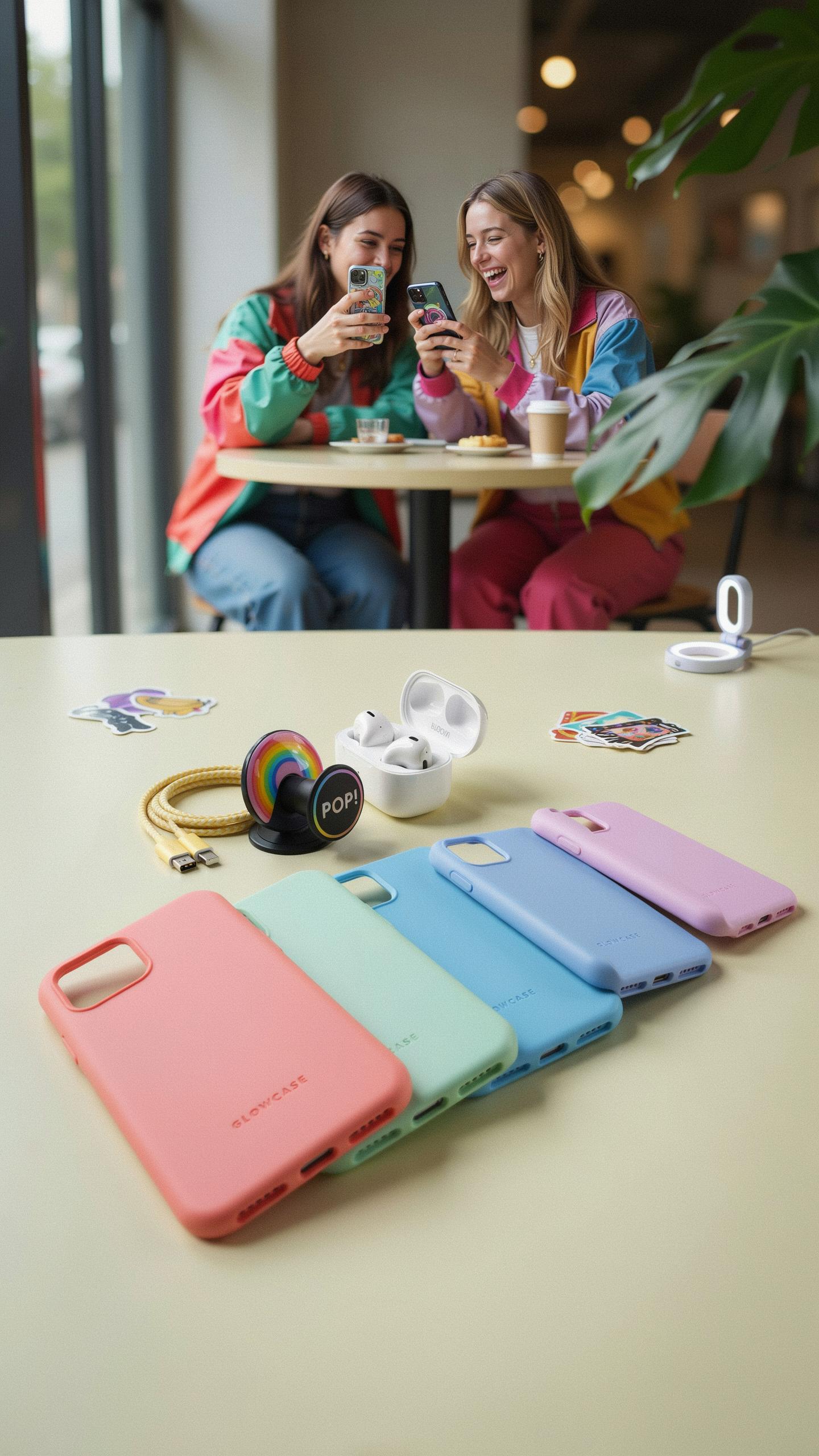
Expressing Individuality With Affordable Phone Decor
Phone skins and cases cost between 5 and 25 dollars and transform your device’s appearance without permanent changes. You apply them directly to your phone’s surface or body. They come in thousands of designs from solid colors to custom prints. Vinyl skins resist scratches and daily wear. Cases offer protection while displaying your preference for specific aesthetics, brands, or visual styles.
Screen protectors with tinted or colored films serve dual purposes. They guard against damage while adding visual character. Tempered glass options run 8 to 15 dollars and maintain screen clarity. Matte finishes reduce glare and fingerprints while adding a distinct look. These accessories let you change your phone’s appearance whenever you want without buying new hardware.
Beyond Aesthetics: Functional Style
Phone stands and holders combine utility with design appeal. They cost 6 to 20 dollars and enable hands-free viewing for videos, calls, or navigation. Materials range from plastic to aluminum to fabric. Adjustable designs work across different angles and surfaces. You gain functionality while choosing stands that match your workspace or home decor style.

Camera lens protectors blend protection with visual definition. They run 4 to 12 dollars and prevent scratches on expensive camera hardware. Metallic rings or colored frames draw attention to your phone’s design elements. These accessories prevent costly camera repairs while giving your device a finished, intentional appearance. They work on most modern smartphones without affecting photo or video quality.
Conclusion Tech Inspiration For Enhanced Daily Life

Recap Of Top Budget Accessory Benefits
Budget phone accessories deliver measurable returns on daily functionality without draining your wallet. A quality screen protector prevents costly repairs. A reliable charger extends device lifespan. A protective case reduces damage risk. These tools solve real problems you face every day. They cost between five and fifty dollars combined.
The math is straightforward: small investments prevent large expenses. Screen replacement costs range from one hundred to three hundred dollars. A tempered glass protector costs under ten dollars. A durable case runs five to twenty dollars. You protect your primary device and maintain productivity. This approach treats your phone like the tool it is, not an object to replace annually.
Looking Ahead: The Future Of Affordable Phone Upgrades
Phone manufacturers increasingly design devices that work with standard accessories. USB-C charging now appears across most budget and premium phones. This standardization lowers accessory prices through mass production. Wireless charging adoption spreads to mid-range devices. Materials like durable plastics replace expensive components in protective cases. Consumer demand for repairability pushes toward modular designs that last longer.

Technology cycles will accelerate, but accessory ecosystems will mature faster. Third-party manufacturers compete harder on quality and price each year. Your budget accessories will perform better in two years than today’s models do now. The gap between budget and premium accessories narrows continuously. Expect better materials, faster charging, and improved durability across all price points. Strategic buying today positions you to upgrade gradually without major expenses.
Frequently Asked Questions

What exactly are “budget phone accessories” and how can they improve my phone experience?
Budget phone accessories are affordable add-ons like stands, cases, and charging solutions that enhance your phone’s functionality without breaking the bank. They can provide better viewing angles, protect your device, and offer more convenient charging, truly upgrading daily use for cheap.
How can I find the best budget phone accessories that upgrade daily use without compromising on quality?
Look for reputable brands on online marketplaces and check user reviews for durability and performance. Prioritize accessories that address a specific need, like a car mount for safer navigation or a portable charger for extended battery life. Comparing prices across different sellers can also help you snag a great deal.
Where can I buy budget-friendly phone accessories, especially if I’m on a really tight budget?
Discount retailers, dollar stores, and the clearance sections of electronics stores are excellent places to start. Online marketplaces often have a vast selection of budget phone accessories that upgrade daily use, and you can filter by price to find the most affordable options.