
The Rise Of Budget Wireless Earbuds

Affordability And Accessibility
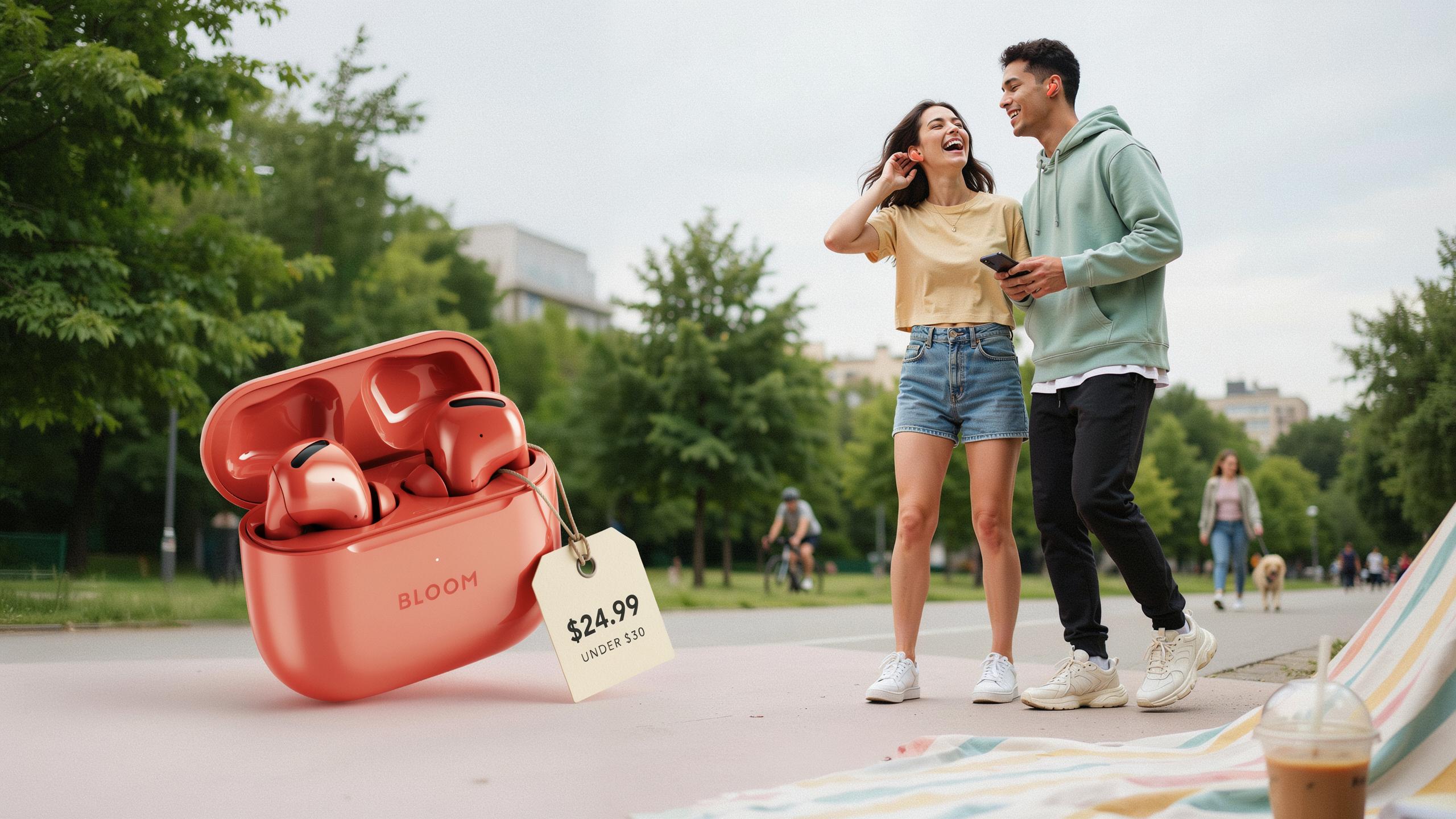
Wireless earbuds under thirty dollars exist because manufacturers stripped away unnecessary features and optimized production. The market shifted when consumers demanded cord-free audio without premium pricing. Companies realized they could sell volume at lower price points instead of chasing high margins. This strategy opened the category to mainstream consumers who previously couldn’t justify earbud spending.
Supply chain improvements and competition drive down costs continuously. Multiple manufacturers now compete in this segment, forcing prices lower and quality higher. Retailers prioritize these products because they move fast and attract budget-conscious buyers. Accessibility expanded beyond wealthy early adopters to anyone needing portable audio.
Tech Advancements
Battery technology improved dramatically over the past decade, enabling longer playtime in smaller packages. Lithium polymer batteries became cheaper and more efficient. Manufacturers now squeeze six to eight hours of playback from compact designs at aggressive price points. Improved power management means users get more functionality without paying premium costs.
Bluetooth chipset prices dropped as adoption increased across devices. Standardized components replaced custom engineering, reducing manufacturing complexity and expense. Audio codec improvements made cheaper components sound better than previous generation premium earbuds. Mass production at scale allows thirty dollar earbuds to include features that cost hundreds five years ago.

What To Look For In Budget Wireless Earbuds

Sound Quality Expectations
Budget earbuds under $30 won’t match premium models, and accepting this reality saves disappointment. These units typically deliver midrange frequencies well but struggle with deep bass and crisp highs. Driver sizes rarely exceed 8mm, limiting dynamic range. Expect acceptable performance for podcasts, calls, and casual listening. Critical audiophiles should look elsewhere.
Sound profiles vary across models at this price point. Some emphasize bass boost to mask driver limitations. Others maintain flat responses that work adequately across content types. Battery life impacts perceived sound quality because degraded performance occurs as cells age. Test earbuds with content you actually use before committing to a purchase.
Essential Features
Battery endurance matters more than raw power at this price. Budget earbuds should deliver at least five hours per charge. Charging cases that provide 15 to 20 additional hours extend usability across multiple days. Weak battery design forces constant recharging, negating portability advantages entirely.

Connectivity stability determines real world usability. Bluetooth 5.0 or higher reduces dropouts and connection lag. IPX4 water resistance protects against sweat and light rain without adding significant cost. Touch controls should respond reliably to prevent accidental triggers during calls or activities. Fit options with multiple ear tip sizes ensure comfort for extended wear.
Unpacking Sound Quality On A Budget
Audio Drivers And Tuning
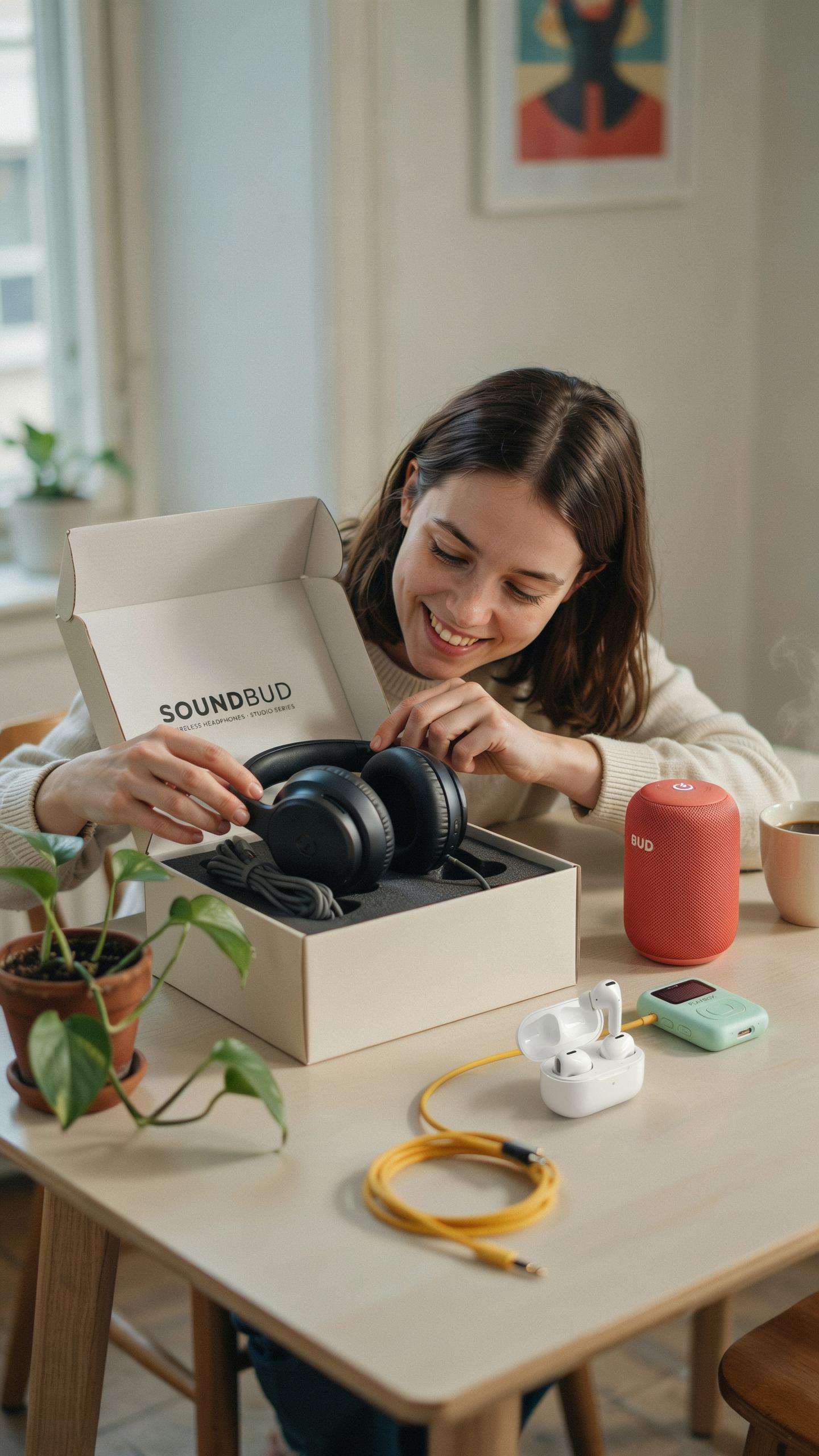
Driver size directly affects frequency response range and bass reproduction capacity. Budget earbuds under $30 typically use 6mm to 10mm drivers. Larger drivers move more air but require more power. Manufacturers tune drivers through enclosure design and acoustic dampening materials to compensate for physical limitations and deliver acceptable sound reproduction at lower costs.
Tuning profiles vary by brand strategy. Some prioritize bass boost to appeal to mainstream listeners. Others flatten the response curve for neutral sound. At this price point, tuning choices reflect cost-saving measures in component selection rather than premium acoustic engineering. Your listening preference determines whether the tuning serves your needs, not whether it matches high-end standards.
Codec Support
Codecs compress audio data for wireless transmission. SBC is the baseline codec all Bluetooth earbuds support. AAC, aptX, and LDAC are premium codecs that deliver better sound quality but require higher processing power and battery drain. Most budget earbuds under $30 stick with SBC to reduce costs and extend battery life, which remains the practical trade-off at this price tier.

Your source device matters more than codec availability at budget prices. Streaming services compress audio aggressively regardless of codec support. SBC handles streaming quality adequately for casual listening. If you prioritize battery longevity over marginally improved audio fidelity, SBC-only earbuds make tactical sense. Premium codecs matter more when paired with lossless audio sources, which most budget earbuds cannot reliably deliver anyway.
Battery Life And Charging
On The Go Endurance
Budget earbuds under $30 typically deliver 4 to 6 hours of continuous playback per charge. This range covers most commutes and work sessions. Battery drain varies based on volume levels and codec demands. Real-world performance often falls short of manufacturer claims by 15 to 20 percent. Test the actual runtime before committing to daily use.
The charging case extends total listening time to 20 to 24 hours across multiple charges. Cases hold two to four full charge cycles for the earbuds. Battery degradation occurs gradually over time, reducing capacity after 300 to 500 charge cycles. Most budget models show noticeable decline within 18 to 24 months of regular use. Plan for replacement or repair accordingly.
Charging Solutions
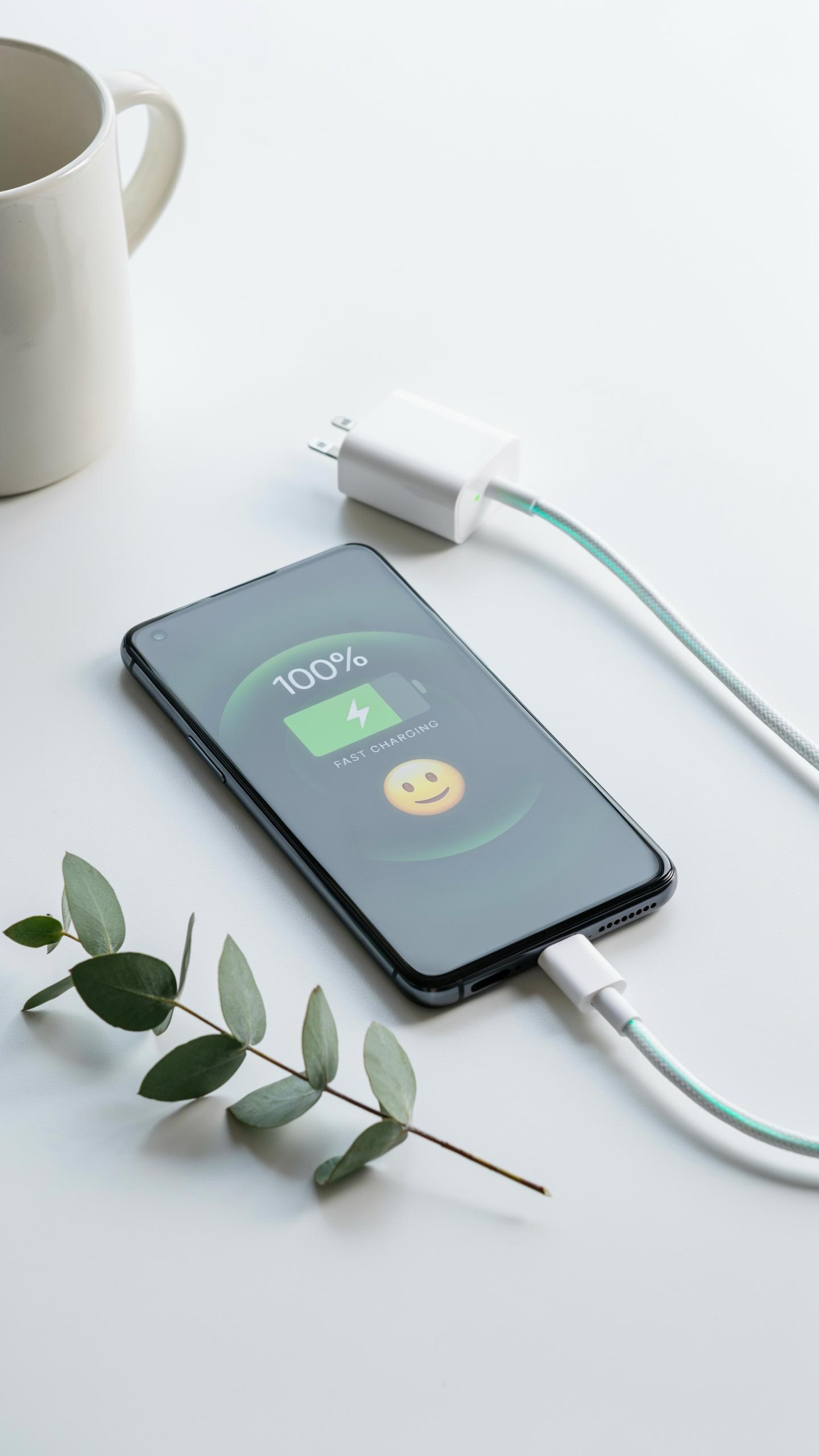
Budget wireless earbuds under $30 rely on USB-C or Micro-USB charging ports on their cases. USB-C adoption is increasing but not universal at this price point. Micro-USB ports still dominate budget models due to lower manufacturing costs. Cable management matters since most cases include proprietary or basic charging cables. Always verify which standard your model uses before purchase.

Wireless charging remains rare in earbuds under $30 due to added component costs. Only a handful of models in this range include Qi-compatible cases. Most budget options require wired charging via USB connection to a power adapter or computer. Fast-charging technologies do not exist in this segment. Expect 1 to 2 hours for a complete case charge from zero battery.
Connectivity Bluetooth Earbuds Wireless
Bluetooth Standards
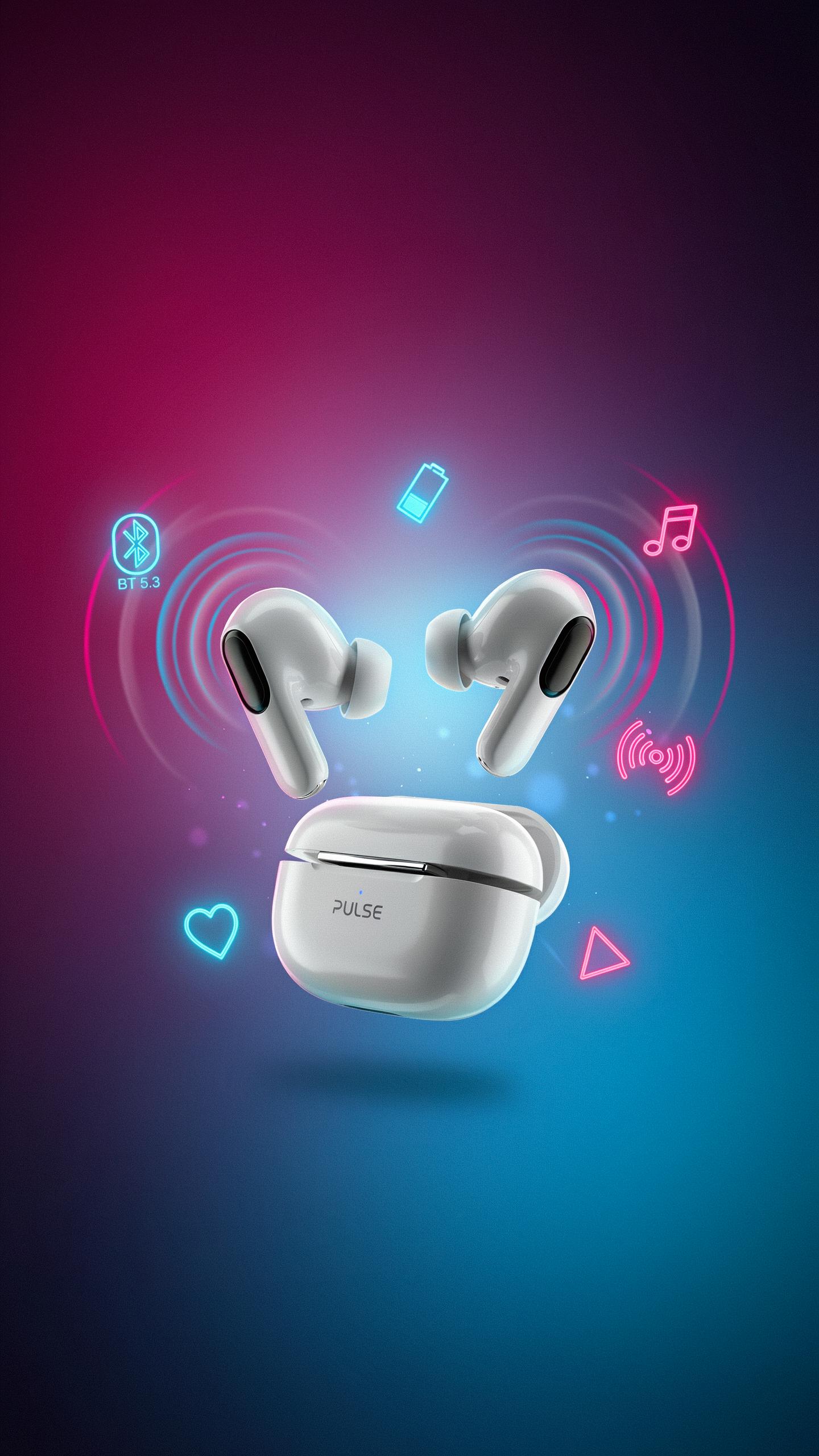
Most budget earbuds under $30 use Bluetooth 5.0 or 5.1. These versions deliver stable connections up to 30 feet in open space. Older Bluetooth 4.2 models still work but drain battery faster and drop connections more frequently. Check the product specs before buying to avoid frustration.
Bluetooth 5.0 became the industry standard around 2016 and remains the baseline for reliable audio streaming. Budget manufacturers adopted it widely because production costs dropped significantly. Versions 5.0 and higher handle multiple device connections without stuttering. This matters when you switch between your phone, tablet, and computer throughout the day.
Remember those
— Unknown
Pairing And Range
Pairing takes seconds on most models. Turn on the earbuds, open your phone’s Bluetooth menu, and tap the device name. Most earbuds stay in pairing mode for two minutes after power-on. After initial pairing, they reconnect automatically when powered on near your phone. This is standard across nearly all budget models.

Real-world range is typically 20 to 30 feet with clear line of sight. Walls and obstacles cut this distance in half. Metal structures, microwaves, and Wi Fi routers cause interference and dropouts. Keep your phone in your pocket or hand for the most reliable connection. Distance matters less than removing physical barriers between your earbuds and source device.
Comfort And Design For Everyday Use

Ergonomic Fit
Budget earbuds under $30 use specific design strategies to stay secure. Most models feature multiple ear tip sizes, typically small, medium, and large options. This approach lets you match the earbud to your ear canal diameter. Proper fit prevents constant readjustment during workouts or commutes. Test each size before settling on one. Secure fit directly impacts audio quality and battery efficiency since loose earbuds work harder to deliver sound.
The wing or stability design becomes critical at this price point. Many budget models include small wings or fins that hook into your ear’s upper contour. This design element costs manufacturers little to produce but dramatically improves retention. Some earbuds skip wings entirely and rely solely on tip size. Your ear shape determines which approach works best. Try both styles if possible before purchasing to confirm the fit holds during movement.
Durability And Materials
Budget earbuds use plastic housings almost exclusively, which directly reduces production costs. This material choice works fine for normal use but demands care. Plastic resists corrosion better than cheaper metal alloys. Check the charging case construction too. Many under $30 models pair plastic earbuds with plastic cases, creating vulnerability points where contacts corrode or wear quickly. Inspect seams and connection points before buying. These areas determine how long your earbuds survive daily handling.

Sweat and water resistance ratings matter significantly for active use. Most budget models carry an IPX4 or IPX5 rating, meaning they handle splash and light sweat but not submersion. IPX4 typically covers light rain and gym sweat. IPX5 adds protection against water spray from any direction. Check the spec sheet directly. Manufacturer claims about water resistance vary by model. Regardless of rating, rinse earbuds with fresh water after sweat exposure to prevent salt corrosion of internal components.
Making The Smart Budgeting Choice Best Budget Wireless Earbuds

Research And Reviews
Reading reviews requires a specific approach to extract useful data. Focus on verified purchase reviews from retail platforms like Amazon. Identify patterns across multiple reviews rather than treating individual opinions as fact. Look for specific complaints about battery life, connectivity drops, and comfort during extended wear. Reviewers mentioning actual usage scenarios provide more value than vague praise or criticism.
Check review dates carefully. Older reviews may reflect outdated firmware or software updates that manufacturers released later. Compare review scores across different platforms to spot manipulation or bias. Read negative reviews first, as they reveal genuine product limitations. Assess whether reviewer complaints match your actual use case before dismissing a model entirely.
Top Picks Under 30
Budget earbuds under thirty dollars require balancing battery life, sound quality, and reliability. Most models in this range deliver 4 to 6 hours of playback per charge with charging cases extending total runtime to 20 to 30 hours. Look for models with Bluetooth 5.0 or newer for stable connections and lower power consumption. Noise isolation beats active noise cancellation at this price tier.
- Soundcore by Anker Space A40: Offers 10 hour battery life per charge, Bluetooth 5.3 connectivity, and custom EQ through app control. Known for reliable connection stability and comfortable fit during workouts.
- JBL Go 3S: Delivers waterproof design rated IP67, making it durable for outdoor use. Provides 5 hours per charge with 24 hours total battery including case.
- QCY T13: Features 6 hour battery per charge and dual connectivity modes. Users report good sound clarity for calls and consistent wireless pairing without frequent dropouts.
- Edifier TWS1 Pro: Includes custom touch controls and 8 hour battery per charge. Delivers balanced audio without excessive bass boost common in budget models.
- Soundpeats Capsule 3 Pro: Offers IPX4 water resistance and 6 hour playback time. Provides app-based EQ adjustment and supports multiple Bluetooth devices simultaneously.

Real-world performance depends on fit and usage patterns. Test return policies before purchasing since comfort varies between ear shapes and sizes. Models holding value over twelve months justify the investment more than cheaper alternatives requiring replacement after six months.
Beyond The Price Tag Long Term Value

Upkeep And Maintenance
Budget earbuds fail when users neglect basic care. Moisture destroys components faster than anything else. Store earbuds in a dry case after each use. Clean the charging contacts monthly with a dry cloth. Avoid exposing them to sweat or rain during workouts.
The charging case itself requires attention. Lint accumulates in charging ports and prevents proper connection. Use a toothpick or small brush to clear debris carefully. Replace the case if corrosion develops inside the port. This single step adds months to your earbuds’ working life.
When To Consider Upgrading
Upgrade when one earbud stops charging despite proper maintenance. This happens because battery cells degrade predictably over time. Budget models typically show this problem after twelve to eighteen months of regular use. Replacement becomes cheaper than repair at this point.

Sound quality degradation signals upgrade timing as well. Listen for crackling, reduced volume, or intermittent cutouts in one ear. These indicate driver damage or internal connection failures. If both earbuds have issues, the cost of replacing internal components exceeds the price of new budget earbuds. Move on and buy fresh.
Frequently Asked Questions

What are the key features I should look for when buying my first pair of budget wireless earbuds under 30?
When selecting your first pair of budget wireless earbuds under 30, prioritize sound quality, comfortable fit, and battery life. Look for models with decent bass and clear treble, and ensure they come with various ear tip sizes. A good battery life of 4-6 hours per charge is ideal for everyday use.
How do I properly clean and maintain my affordable wireless earbuds to ensure they last?
To maintain your affordable wireless earbuds, gently wipe the ear tips and exterior with a soft, dry cloth. For stubborn build-up, use a slightly dampened cotton swab with isopropyl alcohol, being careful not to let liquid enter the speaker grille. Regularly clean the charging case’s contacts too, ensuring longevity for your budget wireless earbuds.
Can I really find good quality wireless earbuds for under $30, or will they all be low quality?
Absolutely! While the “under $30” price point might suggest compromises, many brands offer surprisingly good quality budget wireless earbuds under 30. Focus on reputable brands known for audio, read reviews for sound and build, and look for sales. You can definitely find excellent value and enjoyable audio experiences without breaking the bank.