The 3 1 1 Myth: Why Your “Approved” List Still Fails
What The TSA Actually Checks
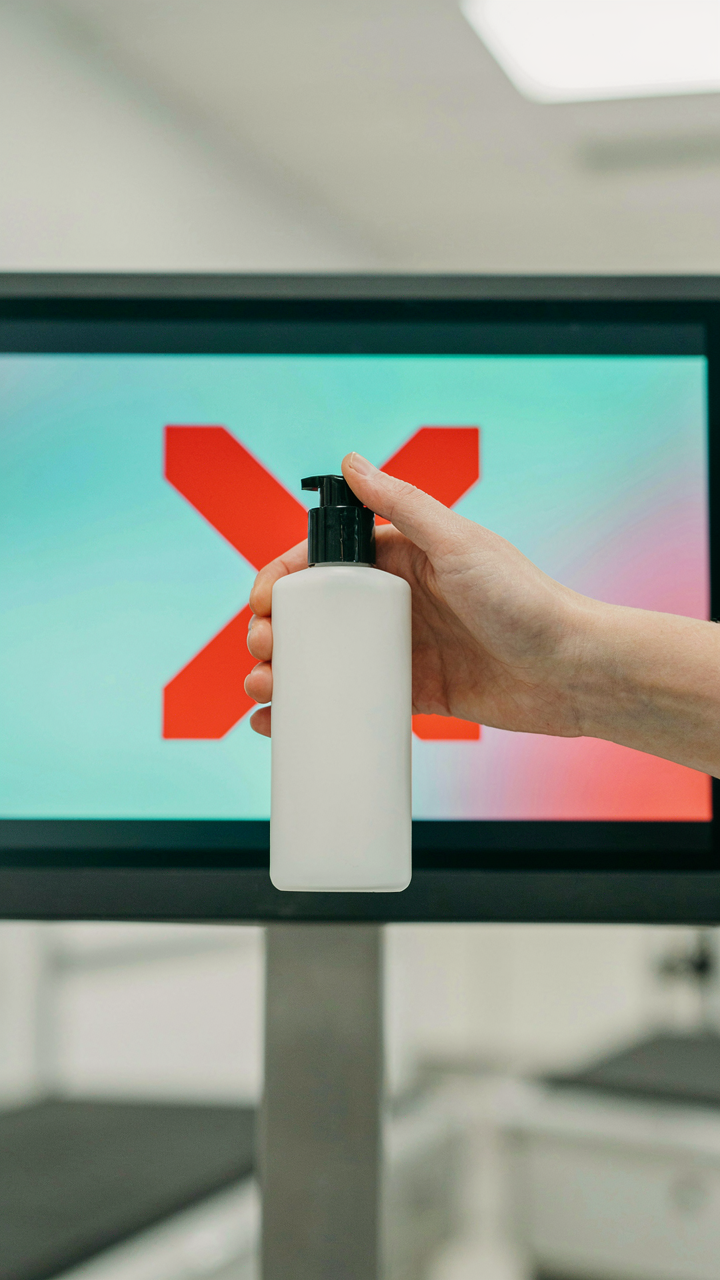
You want permission to stop worrying about security lines. Here’s what actually happens: TSA screeners don’t memorize product names or trust your research. They apply a single physical rule—the 3.4-ounce container limit—and move on. The real mechanism is container size, not product type. A full-size deodorant stick passes because it’s solid. A travel-size lotion fails because it’s liquid in a 4-ounce bottle, not a 3.4-ounce one. The rule isn’t about what you bring. It’s about the vessel it occupies.
Most people recite the 3-1-1 rule like gospel and still get flagged. The gap exists because they confuse “what TSA allows” with “what TSA checks.” TSA allows a one-quart clear bag with multiple 3.4-ounce containers. What they actually verify is whether each container’s physical dimensions and weight align with the stated limit. A 3.5-ounce container marked as compliant will trigger a secondary check. Screeners measure uncertainty, not trust printed labels.
The Density Problem Nobody Mentions
Density in physics determines how much mass fits in a given volume. Apply this to toiletries: a 3.4-ounce container of dense sunscreen registers differently at screening than a 3.4-ounce container of airy foam. Screeners use X-ray density as a secondary indicator of whether you’re actually compliant. A deceptively heavy 3.4-ounce bottle reads suspicious because the mass-to-volume ratio flags it as potentially oversized or mislabeled. The visual profile matters as much as the number on the label.
The practical consequence: buy only TSA PreCheck-branded travel sizes from major retailers. These come pre-screened and use standardized packaging that screeners recognize. Generic 3.4-ounce bottles from discount outlets often have inconsistent density or labeling that triggers manual inspection. Skip anything where the label is printed unevenly or the container feels disproportionately heavy for its stated volume. Always verify the ounce measurement is printed directly on the container itself, not just on packaging that gets removed before screening.
The “Travel Essentials” Illusion: What You Actually Need (and Don’t)

What Actually Matters Versus What You Think Does
You want permission to pack less because overpacking makes you feel incompetent. Here’s the mechanism: your brain conflates frequency of use with importance. You brush your teeth daily at home, so your toothbrush feels essential. On a three-day trip, you use it three times. A deodorant stick gets used once. TSA doesn’t care about either, but you’ve loaded your carry-on based on emotional weight, not actual need.
The carry-on toiletries list serves one function: pass security without confiscation. Everything else is noise. Most travelers pack items they won’t touch because they imagine scenarios that won’t happen. You don’t need seventeen grooming products for a four-day trip. You need what prevents you from looking or feeling visibly neglected. That’s a shorter list than you think, and it costs less to replace mid-trip than to waste bag space carrying it.
The Markup Game On Travel Sizes
The convenience product industry exists because travel creates artificial scarcity. Hotels charge eight dollars for a two-ounce shampoo bottle because you forgot yours. Airlines sell five-dollar toothbrushes because you packed nothing. This isn’t accidental. Brands spend money making travel-size packaging feel necessary when the real play is that you’ll buy duplicates instead of decanting.
Here’s what actually happens: you pack full-size bottles wrapped in plastic to avoid leaks, which defeats the weight advantage of travel sizes entirely. Or you buy branded travel kits at markup prices that exceed the cost of replacements you’d buy at your destination. The mechanism is simple. You’re paying for convenience you don’t need, not for the product itself. Buy travel sizes only for items you genuinely cannot replace at your destination, or bring a small container and fill it from home.
The Alchemist’s Conversion: Solid Gold “Carry On Toiletries”
Why Solid Beats Liquid Every Time
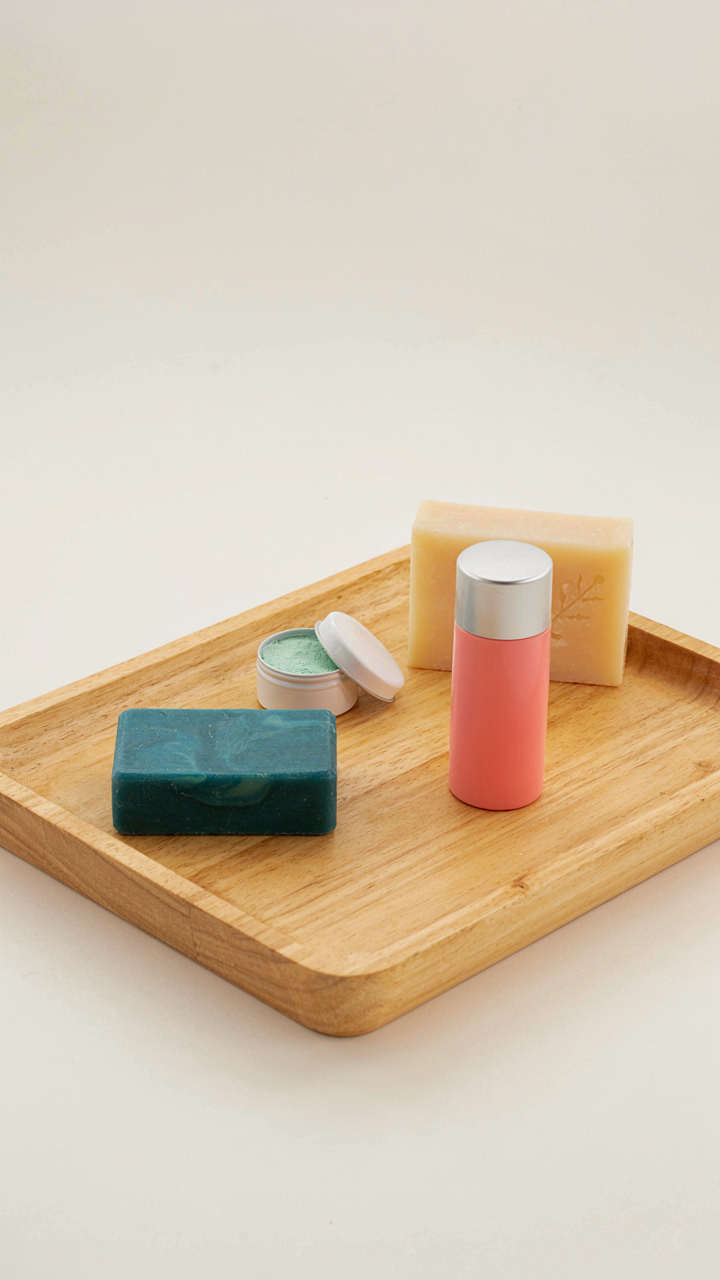
You want to move through security without explaining yourself. The real mechanism here is supply chain design. Liquids require containment verification because TSA can’t confirm contents visually. Solids bypass this entirely because their form is the proof. A solid deodorant bar, shampoo puck, or toothpaste tablet doesn’t need the 3-1-1 liquid protocol. It occupies a different regulatory category altogether. This isn’t a loophole. It’s how the rules were actually written.
Converting your toiletries from liquid to solid eliminates the friction that wastes traveler time and creates security theater. Most people don’t switch because they assume solid versions perform worse. They don’t. Solid formulations often concentrate the active ingredients higher than their liquid counterparts. A solid moisturizer bar lasts longer than a liquid cream of equivalent weight. The tradeoff is application method, not efficacy. You learn to work with the form instead of against it.
Security, Space, And What Actually Stays Dry
The stated benefits are incomplete. Yes, solids pass security faster. Yes, they take less luggage space. But the mechanism that matters is leak prevention through structural integrity. A liquid shampoo bottle fails if the seal cracks at thirty thousand feet. A solid shampoo bar cannot leak because it has no internal pressure. There’s no catastrophic failure mode. This removes a class of problems entirely from your packing anxiety.
Solid toiletries also solve a physics problem the travel industry refuses to name plainly. Water and air pressure in cabins interact. Liquids expand and contract with cabin pressure changes. Solids don’t. You land with your toiletries in the exact state you packed them. The weight savings compounds across a multi-week trip. A solid toothpaste tablet weighs two grams. A liquid tube weighs forty. Multiply that across deodorant, moisturizer, and cleanser. You’ve reclaimed luggage real estate without sacrificing performance.
The Modular Packing Protocol: Adapting Your Toiletries For Travel
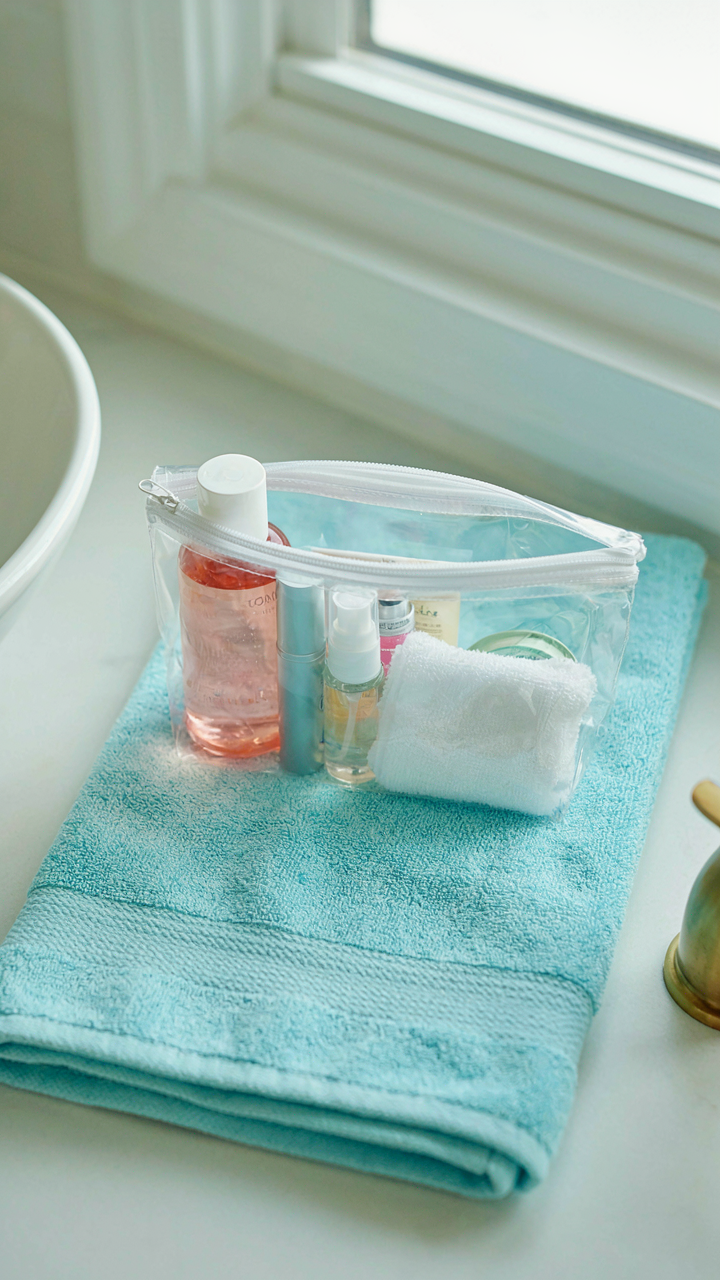
Building Interchangeable Components
You want permission to pack less without feeling like you’re sacrificing. Systems theory calls this modularity: designing parts that work independently but combine into different wholes. Your toiletries kit works the same way. Instead of buying travel-sized versions of everything, you build a core set of multi-purpose items that reconfigure based on trip length, climate, and destination rules.
The mechanism is constraint-driven design. TSA allows 3.4 ounces per container in a quart-sized bag. Work backward from that limit. A 100ml bottle of multipurpose body wash replaces separate shampoo, body soap, and shaving gel. A zinc oxide stick handles sunscreen and lip protection. One moisturizer covers face and hands. You’re not compromising quality. You’re eliminating redundancy.
Adapting To Trip Variables
Most packing advice treats all trips the same. That’s lazy. A weekend beach trip demands different toiletries than a week in winter cities or a month backpacking through Southeast Asia. The variable that matters most is water access and climate, not trip duration.
High humidity environments accelerate deodorant depletion and bacteria growth. You swap your routine entirely. Dry climates demand heavier moisturizers but less frequent washing. Cold destinations require different lip balm composition. Build three base kits: one for warm and wet, one for dry heat, one for cold. Rotate them instead of rebuilding from scratch each time. Each kit stays packed in its own quart bag, ready to grab.
Beyond The Bag: Strategic Placement In Carry On Packing

Where Your Toiletries Live During Security
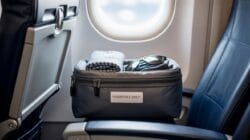
You want to breeze through TSA without fumbling like an amateur. That fear drives the real decision here: placement determines whether security agents flag you or wave you through. The mechanism is simple. TSA agents scan carry ons in sequence. If your toiletries bag sits on top or in an easy-access pocket, you remove it in one motion. If buried under clothing, you trigger manual inspection. The screening process rewards organization. One motion extraction means the agent moves to the next bag faster. Your bag gets less scrutiny because you eliminated friction from their workflow.

Keep your toiletries in the front exterior pocket or directly under the main flap of your carry on. This positioning makes removal automatic during screening. TSA PreCheck members can keep liquids in bags, but standard passengers must remove the clear quart-sized bag for inspection. The agent’s expectation is speed. You deliver it. This small protocol difference separates travelers who get secondary screening from those who don’t. Placement is the difference between looking prepared and looking suspicious.
The Quick Access Pouch Imperative
The standard advice tells you to use a quart-sized bag. That’s incomplete. You need a quart-sized bag that opens fully flat and features TSA-friendly dimensions (roughly 7 by 8 inches maximum). Here’s what most travelers miss: the pouch must clear the scanner tray with zero adjustment. Bags that crumple, fold awkwardly, or require repositioning slow down the line and increase your visibility to screeners looking for reasons to dig deeper. A flat-opening pouch moves through the X-ray machine in a single placement.
Pack your toiletries in logical order inside the pouch. Liquids on one side, solids on the other. This arrangement lets the security agent see everything without touching it. You’ve eliminated the need for them to open jars, flip containers, or ask questions. The faster the agent processes your bag visually, the faster you move through security. Store this pouch in your carry on’s front pocket, accessible without unpacking the entire bag. When you reach the security checkpoint, extract it with one hand while walking. That motion signals competence and prevents the agent from viewing your bag as a problem requiring investigation.
The Disposable Dilemma: When “Eco Friendly” Fails Your “Toiletries List”

Single Use Vs. Refillable: Cost Benefit Analysis
You want to feel like you’re not wasteful. That’s the real motive here. But the TSA doesn’t care about your environmental consciousness, and neither should your carry-on strategy. Economics calls this the sunk cost fallacy: you’re optimizing for the wrong variable. A full-size refillable bottle costs more upfront but weighs more, takes up real estate in your 3.4-ounce liquid allowance, and forces you to pack a container you’ll barely use on a short trip. Single-use travel sachets cost less per trip, weigh nothing, clear security instantly, and you throw them away guilt-free. The math shifts entirely based on trip length and frequency, not ideology.
The mechanism is simple: refillables make sense only if you travel the same route monthly and use the same products consistently. For occasional travelers, single-use sachets are cheaper per use, faster through security, and eliminate the mental load of managing a half-empty bottle. Most people buy refillables to feel good about their choice, then abandon them after one trip because they’re inconvenient. Stop doing that. Pick based on actual usage patterns, not what makes you look conscientious.
Avoiding Unnecessary Waste And Bulk
The real waste isn’t throwing away a sachet. It’s packing a full 3.4-ounce bottle of deodorant for a three-day trip when a solid stick takes zero liquid allowance and works better. Security lines move faster when people pack what they actually need, not what they think they should need. You save seconds, space, and mental friction by knowing your exact consumption rate before you pack.
Solid products beat liquids and gels on every dimension for carry-on travel: no liquid limits, no leakage risk, no weight penalty. Soap bars, deodorant sticks, solid shampoo, toothpaste tablets, and lip balm solve the waste and bulk problem simultaneously. Pack only what you’ll use in those specific days, not a backup or an emergency supply. Strip your toiletries list down to the essentials first, then add one backup item only if your trip exceeds five days.
The Cruise Ship Exception: Customizing Your Packing For A Cruise
Cruise Lines Have Different Rules Than Airlines
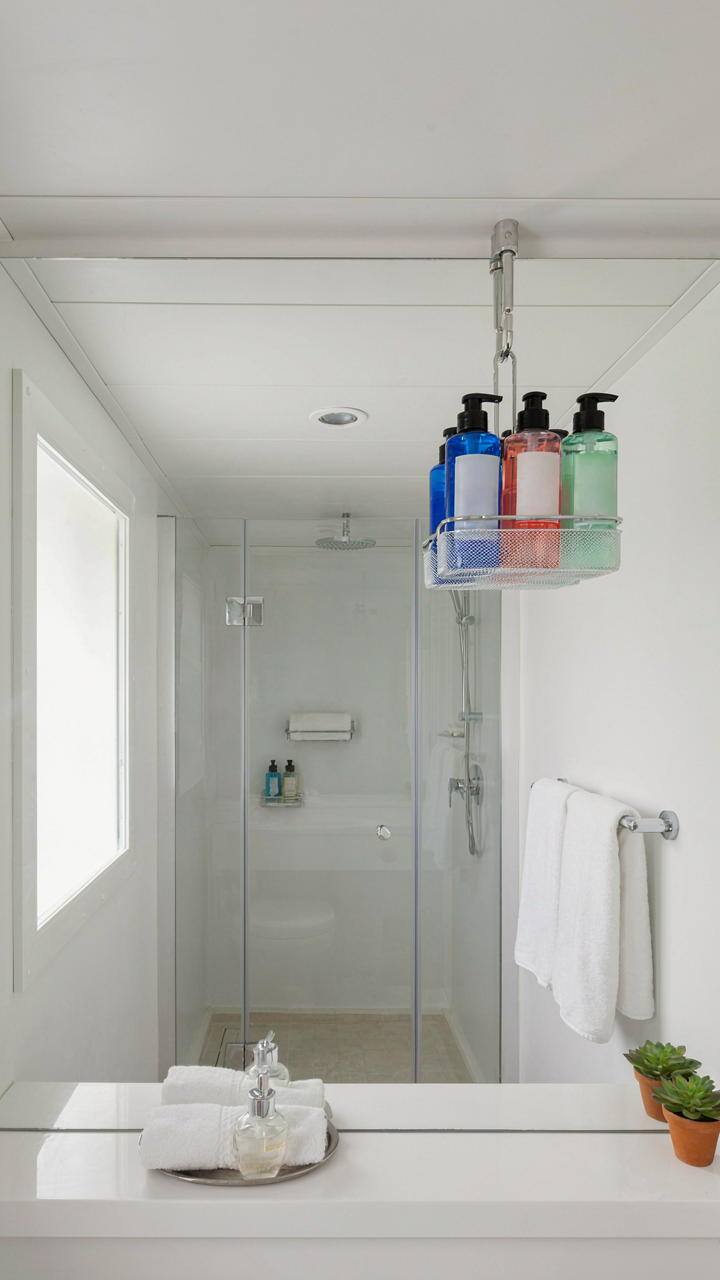
You want to pack light but not look unprepared in front of people you’ll see every night for a week. Here’s what actually matters: cruise lines operate under maritime law, not TSA regulation, which means their security protocols diverge sharply from airport screening. Your carry on toiletries list changes because the threat model is different. A ship’s confined environment prioritizes liquid volume and fire risk over the individual container size rules that govern planes.
Most people don’t realize cruise security scans liquids by total volume in your cabin, not individual bottle limits. TSA allows 3.4 ounces per container with a 1-quart bag total. Cruise lines typically permit larger quantities spread across your stateroom because they’re managing a contained space over multiple days, not a pressurized cabin. Check your specific cruise line’s pre-boarding materials, but most allow standard-sized toiletry bottles without the 3.4-ounce restriction. This distinction lets you pack your actual preferred products instead of travel sizes.
Cabin Storage Determines What You Actually Bring
The mechanism here borrows from constraint-based design: your physical storage space becomes your de facto packing limit, not TSA guidelines. A cruise cabin offers limited shelf and drawer space, typically one small bathroom area and a narrow cabin closet. This constraint forces prioritization because you can’t hide excess bottles in overhead bins like you can on planes. Measure your actual cabin bathroom before packing. Most cruise staterooms give you roughly two small shelves and a small medicine cabinet if equipped.
Use this storage reality as your filter. Bring full-size bottles only for products you’ll use daily. Reserve travel sizes for occasional-use items like sunscreen or specialized treatments. Many cruise passengers waste space on redundant products they never touch because they didn’t account for actual cabin dimensions. Pack your toiletries in a drawer organizer or hanging caddy to maximize vertical space and prevent bottles from rolling across the cabin during rough seas. This protocol forces you to commit to what you actually need before leaving home.
The Pre Check Precision: Your Personal Travel Packing Checklist Audit
Systematic Review Of Your Chosen Items
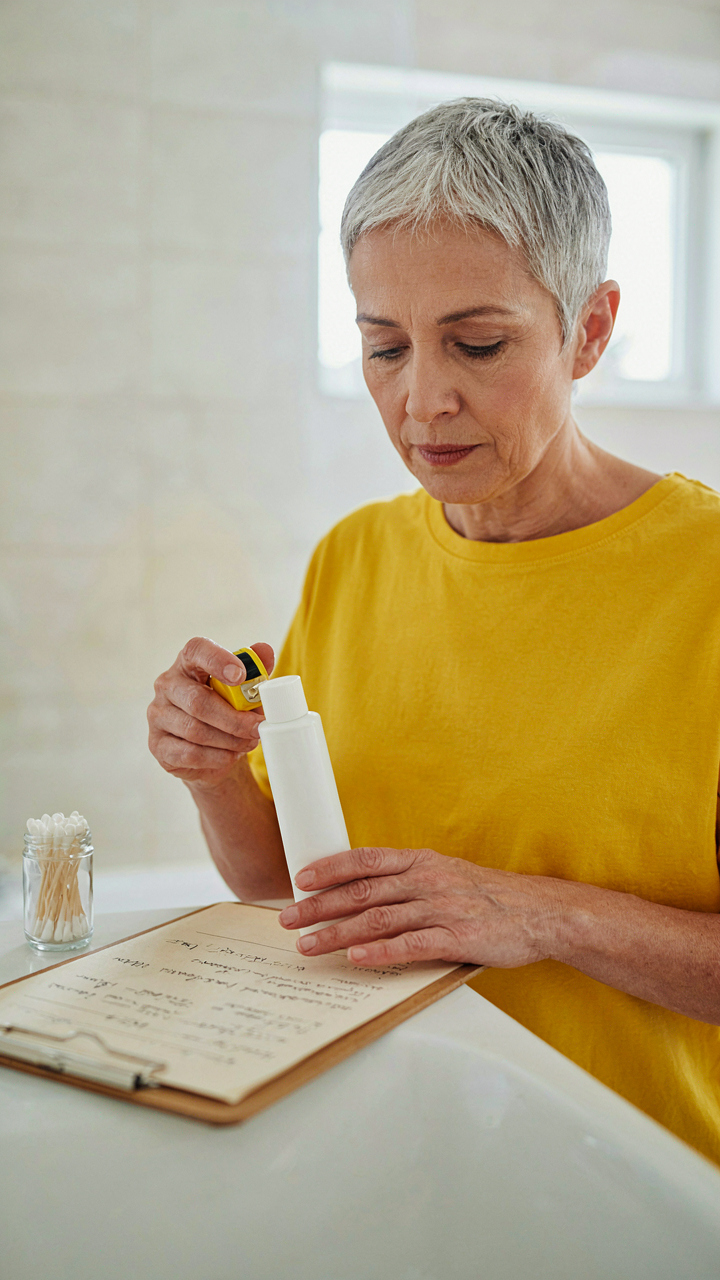
You’re doing this because you’re tired of the anxiety at security. The real mechanism at work here is inventory control: you need to know exactly what you packed, in what quantities, and whether each item actually passes TSA limits. Most people throw things in a bag and hope. That’s the gap between intention and execution.
Go through every toiletry you selected and write down its container size in milliliters or ounces. Verify the actual measurement on the bottle, not what you think it holds. Cross reference each item against the TSA’s explicit 100ml liquid limit. This takes fifteen minutes and eliminates guesswork.
- Deodorant (solid or stick): Exempt from liquid rules entirely. No size restriction. Pack any amount without concern for volume limits.
- Toothpaste tube: 3.4 oz or 100ml maximum. Measure before packing. Standard travel tubes meet this. Larger tubes do not.
- Shampoo and conditioner bottles: Each container must be 3.4 oz or under. Refill into TSA compliant bottles if your preferred brand comes larger.
- Face moisturizer or sunscreen: Creams and gels count as liquids. The 3.4 oz rule applies. Check the actual bottle size printed on the label.
- Liquid hand sanitizer or body wash: Liquid category. 3.4 oz maximum per container. Bring only what you’ll use in the trip duration.
The list becomes your checkpoint at the gate. Before you leave home, print or screenshot it and compare against your packed bag item by item. One mismatch catches problems before security lines.
Eliminating Redundancy And Dead Weight
Most travelers pack duplicates without noticing. You bring deodorant and an antiperspirant that do the same job. You pack full size lotion and travel lotion. You bring three hair products when one handles your actual needs. The cost is weight, space, and confusion at security.
Audit your list by function, not by product name. Ask what job each item performs. If two items serve identical purposes, remove one. If an item serves a purpose you could skip for a week long trip, it goes. Dead weight is anything you packed out of habit rather than necessity.
The real efficiency move is ruthless: keep only what solves an actual problem during your flight and destination. Everything else adds friction. Once your list contains only essential, non redundant items under the size limits, you pack with certainty and move through security without delays.
The Post Mortem Perfection: Iterative Improvement For “Carry On Toiletries”
What Actually Failed Last Time
You’re reading this because you got stopped, delayed, or confused at security and you want to feel like it won’t happen again. The mechanism is simple: most travelers never audit what actually went wrong. They blame bad luck instead of bad process. TSA doesn’t reject items randomly. They reject items that violate the 3.4-ounce rule, exceed the one-quart bag limit, or contain prohibited substances. You need to know which of these three broke your system.
Document every item you packed, its actual volume, and what security flagged. This isn’t busywork. You’re collecting data to reverse-engineer your failure point. Did you misjudge container size? Did you pack a product you didn’t research? Did your bag exceed capacity? Write it down. The TSA website lists what’s banned. Cross-reference what you carried against that list. One rejected trip teaches you more than ten successful ones because you finally know where your assumption broke.
Building A System That Scales
Iteration beats memorization. Most people pack the same way every trip and hope nothing changes. That’s not a system, that’s luck. Real carry-on packing works like manufacturing quality control: you establish a baseline, measure against it, then adjust. Your baseline is a tested bag, tested items, and tested configuration that passed security on your last three trips without incident.
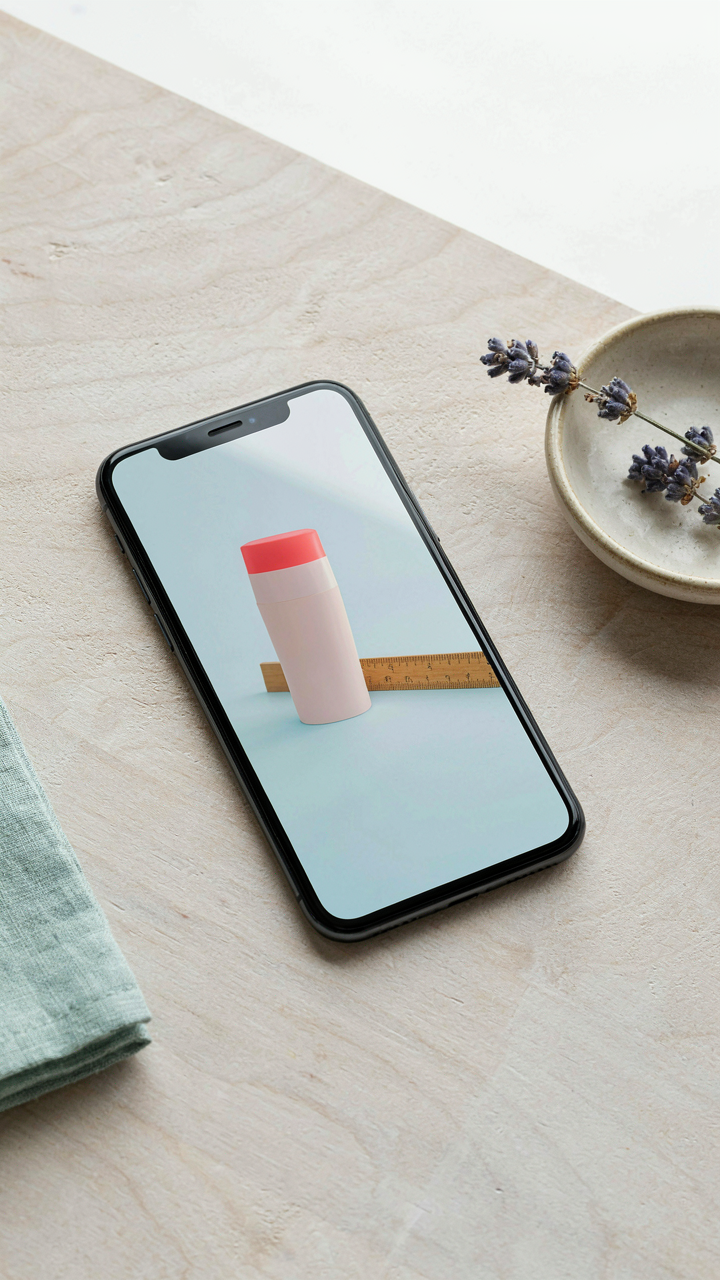
Create a photo inventory of your approved kit. Take pictures of each item next to a ruler or coin for scale reference. Label container volumes. Store these images in your phone. Before any trip, compare what you’re packing to these reference photos. If something looks larger or different, weigh it or measure it. Don’t assume. The system compounds because each verified trip gives you more confidence in your next packing decision, which means you spend less time second-guessing and more time actually traveling.
The Real Obstacle Isn’t The TSA; It’s Your Attachment To Unnecessary Complexity
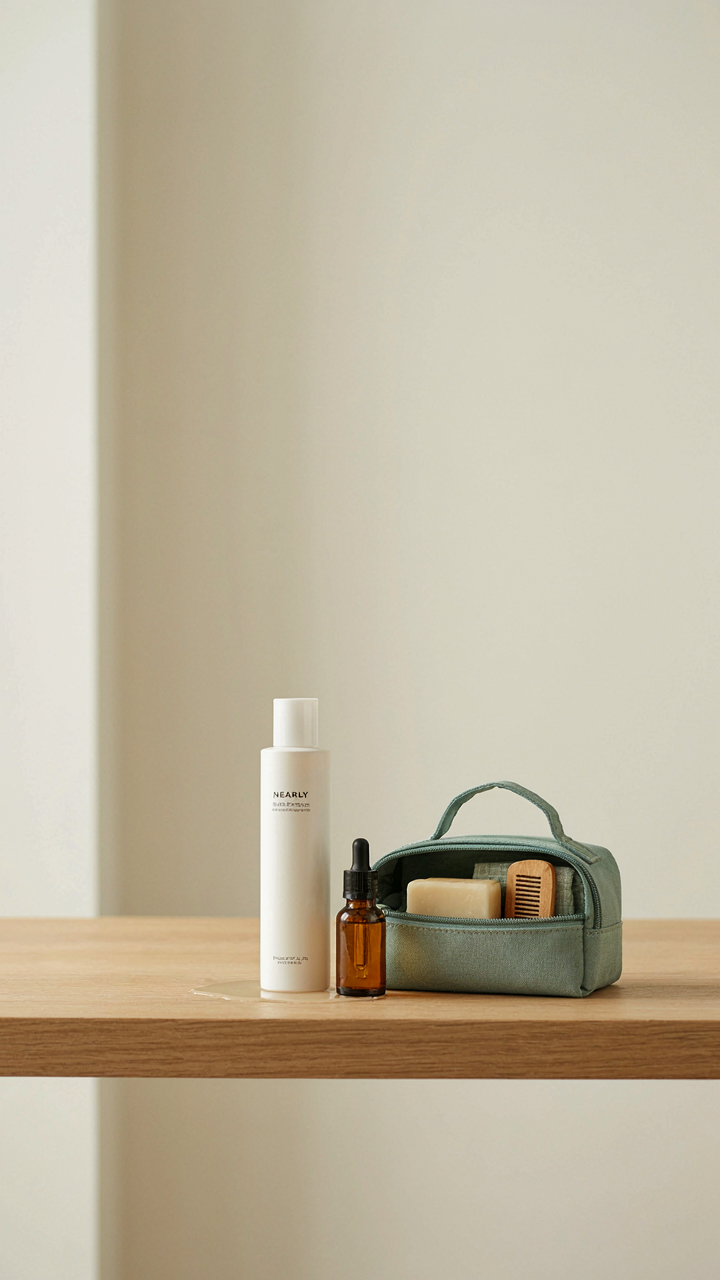
You pack too much because you fear uncertainty. The TSA rules are simple. The liquids limit is three ounces. Solids travel free. You already know this. What you don’t know is why you’re bringing seventeen products instead of five. Stop optimizing your toiletries kit and start eliminating what doesn’t serve you. Today, throw out three items you haven’t used in a month. Your carry on works better when you do less, not when you do everything perfectly.