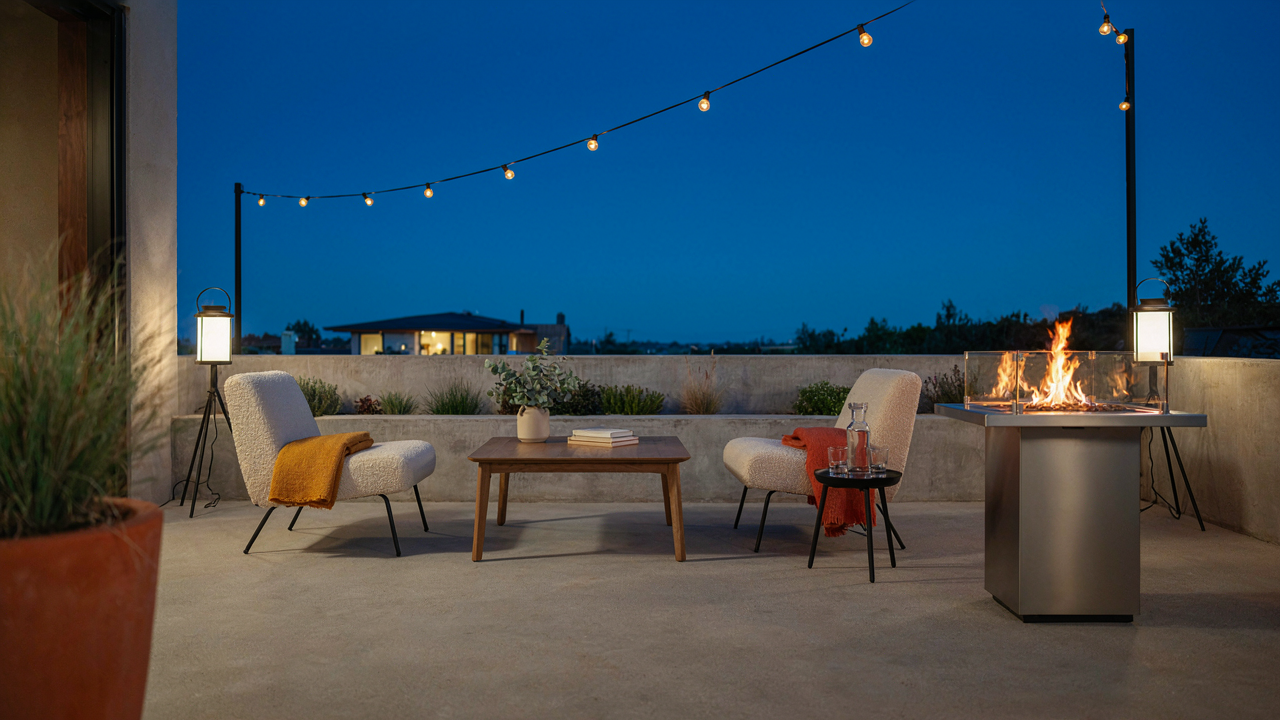
The Illusion Of Authentic Fire: Why Your Bonfire Is Overrated
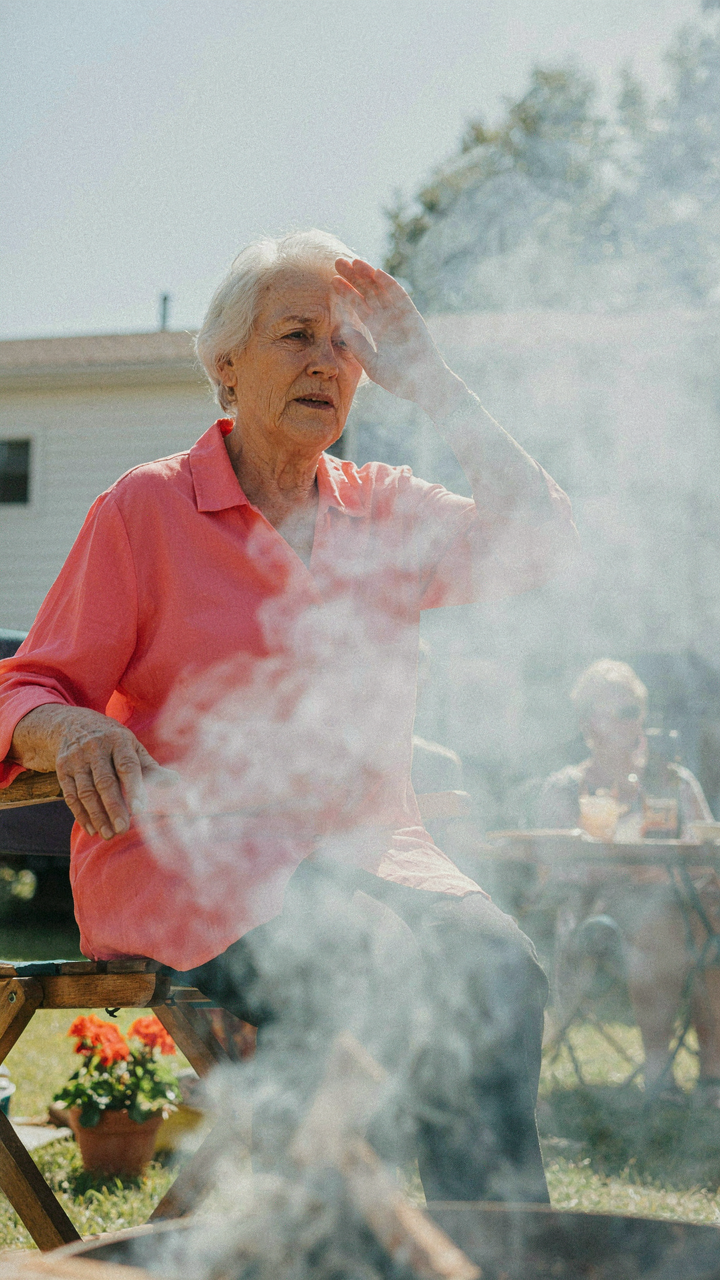
Smoke’s Hidden Cost: Energy Drain, Missed Moments
You want the bonfire because it signals you’re the type of person who has evenings to waste on atmosphere. Here’s what actually happens: smoke hijacks your nervous system. Exposure to wood smoke triggers a low-level stress response—your body detects particulate matter and inflammation markers spike. You’re not relaxing. You’re running a mild defense protocol while sitting still. This is thermodynamic inefficiency applied to leisure. You’re burning fuel (wood) to produce only two outputs: heat and smoke. One warms you. One degrades your cognitive state and forces you to constantly reposition to avoid the plume.
The cost compounds across the evening. Smoke interrupts conversation because people shift seats. It stings eyes, forcing breaks in attention. You’re spending mental energy managing discomfort instead of presence. Smoke also deposits on skin and clothes, extending the cleanup tax into the next day. A campfire alternative that produces heat without particulate matter removes this hidden friction entirely. You keep the warmth. You eliminate the degradation.
Romanticized Inefficiency: Wood Gathering, Wasted Time
Everyone talks about the ritual of wood gathering like it’s a feature, not a bug. It’s not. Wood sourcing is pure time tax disguised as character building. You spend thirty minutes collecting, sorting, and stacking fuel before the fire even starts. Then you manage it continuously—feeding, stirring, preventing collapse. This is inefficiency marketed as nostalgia. Compare this to alternatives: a propane heater requires fifteen seconds of setup. A bioethanol fireplace needs zero fuel management. You light it and it runs until you stop it.
The math is ruthless. A two-hour evening around a traditional fire costs roughly one hour of actual wood prep and management. That’s a fifty percent efficiency loss on your own time. Most people don’t calculate this because they’ve inherited the bonfire narrative from childhood camping trips, which operated under different constraints—namely, that being outside was already the primary activity. If your actual goal is warmth and connection on a given evening, wood gathering is misdirection. Select an alternative that requires zero fuel logistics. Start the evening when you decide to, not when you’ve finished sourcing.
The Ambient Light Protocol: Engineering Instant Warmth
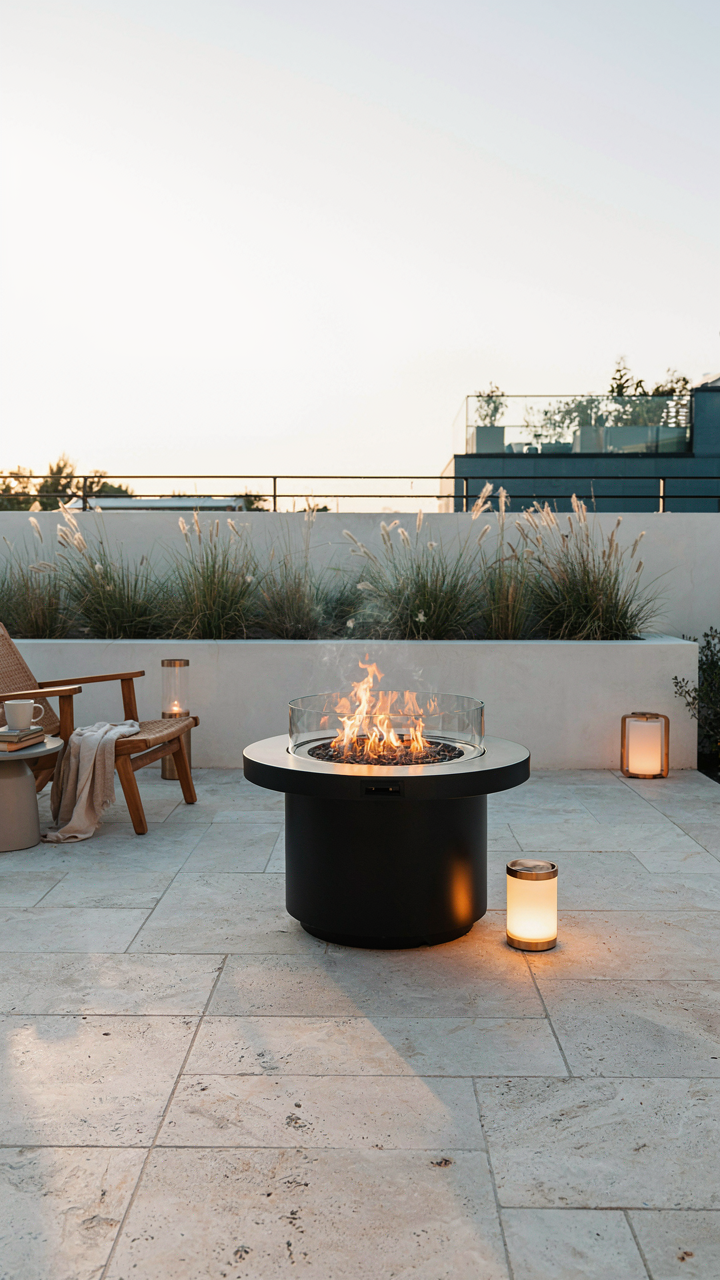
Electric Fire Pits Zero Prep Ignition
You want the campfire experience without admitting you don’t want to actually tend a fire. Electric fire pits solve this by borrowing from thermodynamics: they generate radiant heat through electrical resistance, mimicking a real flame’s warmth distribution without the fuel combustion. The mechanism is straightforward. A heating element warms to temperature and radiates outward. You flip a switch. Heat arrives in seconds.
Most electric pits include LED flame simulation, which handles the visual component your brain expects. The heat output ranges from 4,000 to 40,000 BTU depending on model and wattage, putting them in the same thermal class as small wood fires. They run on standard outlet power or hardwired 240V circuits. No cleanup. No ash management. No smoke drift into your clothes. You’re trading ritual for utility, and that trade works if you stop pretending otherwise.
Flameless Lanterns Curated Glow Instant Deployment
The common advice frames flameless lanterns as decorative backup to real fires. Wrong framing. They’re a separate tool with a specific job: producing focused, portable light without heat output. This matters because light and warmth operate independently. You can have one without the other, and sometimes that’s exactly what you need on a cool evening when smoke irritation matters more than BTU count.
Battery-powered LED lanterns deploy instantly and hold consistency for 20 to 200 hours depending on battery capacity and brightness setting. They eliminate the ambient variability of open flame, making them reliable for reading, card games, or conversation after sunset. The light color shifts available now range from warm white to tunable spectrums, so you’re not locked into cold industrial lighting. Position multiple units at different heights to engineer the exact luminance you want without negotiating with wind or fuel moisture.
Radiant Heat Masters: Beyond The Open Flame
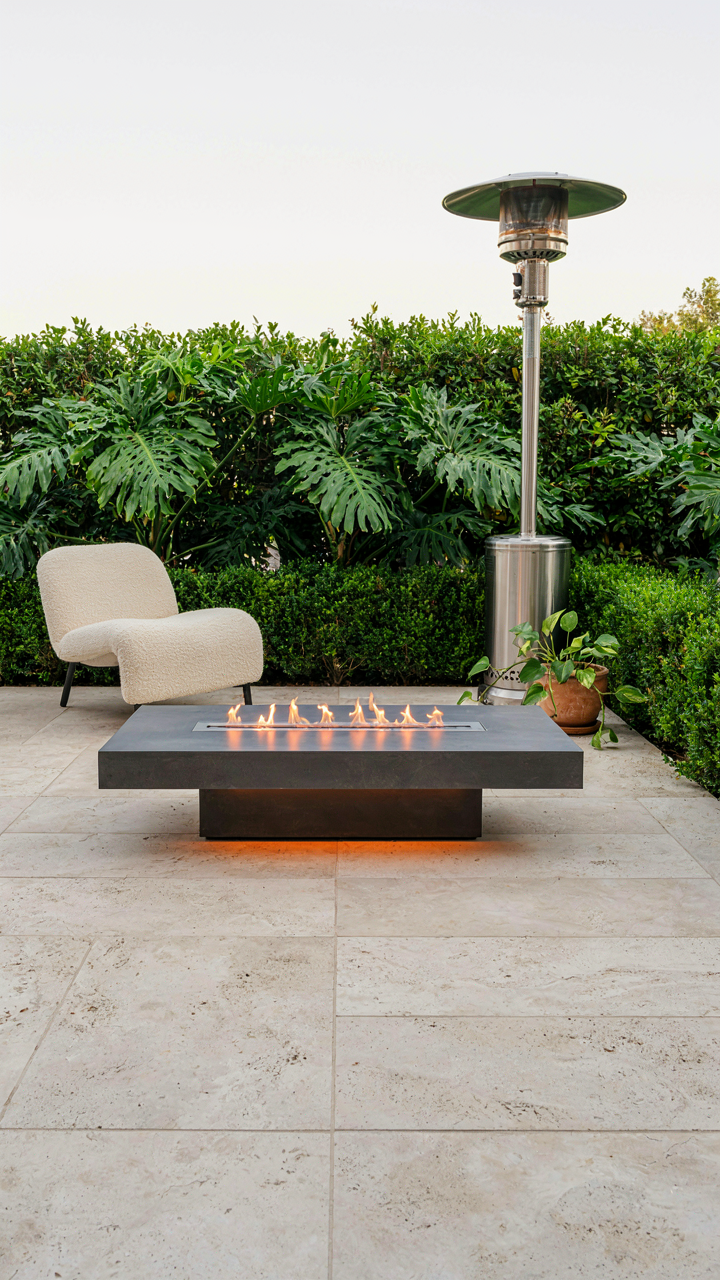
Propane Fire Tables Push Button Heat
You want the aesthetic of fire without the work or the smoke that lingers on your clothes. The mechanism here is simple radiation physics: a propane burner heats a metal surface, and that surface emits infrared energy outward in all directions. No combustion byproducts. No ash cleanup. Just controlled BTU output on demand.
Propane fire tables come in two designs: burner-visible models where flame sits above the surface, and glass-covered versions where the flame stays hidden and only radiant heat reaches you. The glass models perform better outdoors because wind won’t disturb the heating element. Most tables run 40,000 to 60,000 BTU and consume about one pound of propane per four to six hours of use. This matters because it determines how often you refill and whether you need a dedicated tank or use standard grill bottles.
Portable Patio Heaters Targeted Warmth Zones
Most people buy these without understanding what they’re actually buying, which is why so many sit unused after one season. These heaters work on beam radius, not ambient temperature change. You feel warm standing in the cone of heat. Five feet away, you feel nothing. This is the critical difference from a campfire, which radiates heat in a broader sphere.
Mushroom and tower heaters use either propane or natural gas to run quartz heating elements at intense temperatures. They project heat downward or outward depending on the model. A person sitting directly in front absorbs real warmth. Someone standing beside the device gets marginal benefit. Calculate your actual seating arrangement before buying one, then place it accordingly. The heater size matters less than its positioning relative to where bodies actually sit.
Bonfire Party Food Reimagined: The Smokeless Culinary Hack
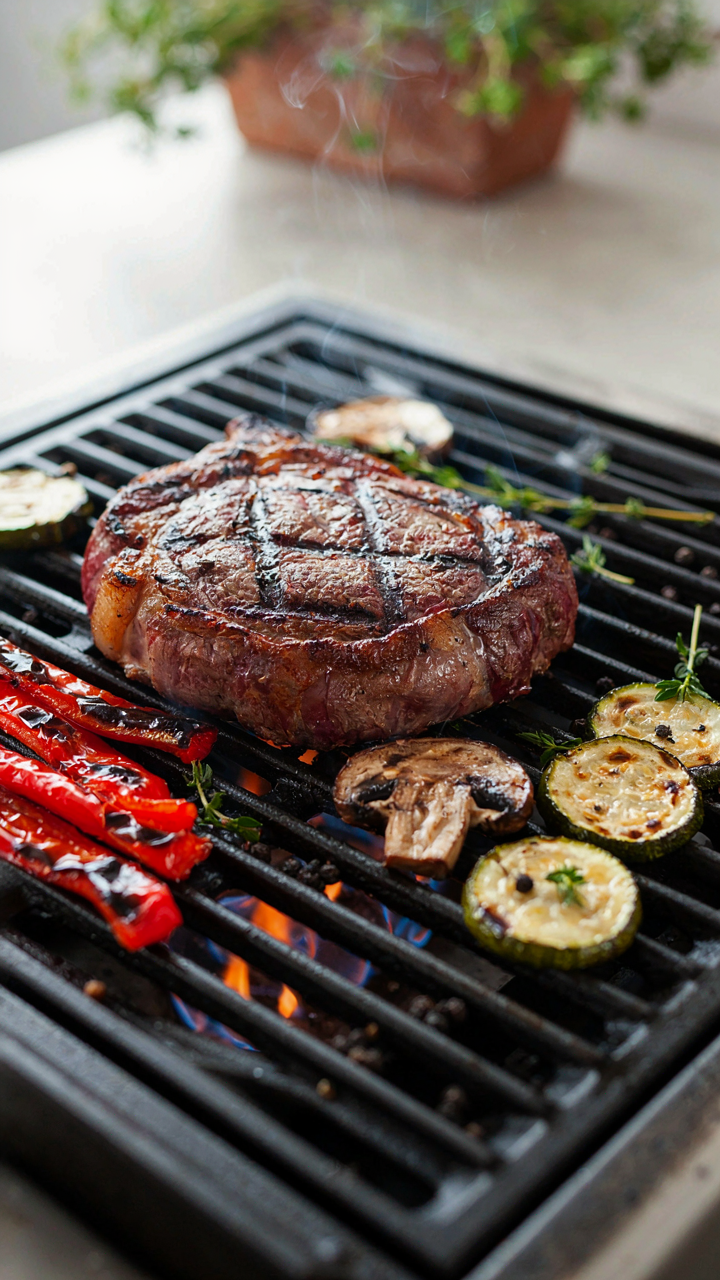
Grill Top Gourmet: No Ash, Pure Flavor
You want the social proof of outdoor cooking without looking like you’re eating charred scraps. The mechanism is simple: a grill grate over direct heat transfers energy faster than smoke ever could, and you control the temperature instead of guessing. Cast iron or stainless steel grates on propane or natural gas burners eliminate the variable that kills most bonfire food—inconsistent, unpredictable heat wrapped in smoke that masks flavor rather than enhances it.
The common advice says charcoal adds flavor. It doesn’t. It adds carbon residue. A properly seasoned cast iron grate on a gas flame sears protein faster, browns vegetables with precision, and you taste the actual food instead of the cooking method. Set your burner to medium-high, let the grate heat for five minutes, then place food directly on it. You’ll get crust without ash, and guests will ask what restaurant you stole the recipe from.
Portable Oven Delights: Baked Perfection Outdoors
Pizza ovens are status symbols marketed as lifestyle, but the real mechanism is thermal mass. Masonry or insulated steel boxes hold heat so efficiently that you bake at high temperature with minimal fuel and zero smoke drift onto your guests. Portable versions use the same physics as their permanent counterparts, just in a form you can move between seasons or events.
- Stainless steel box ovens: Lightweight, heat up in 15-20 minutes, max temperature around 700°F, work on propane or wood with quick transitions between fuels.
- Ceramic dome ovens: Retain heat longer than steel, maintain even temperature distribution, typically weigh 200-400 pounds and require a cart for transport.
- Cast iron camping ovens: Compact, 12-16 inch models, designed for tripod mounting over flame, suitable for bread and roasted vegetables at moderate temperatures.
- Folding metal ovens: Lightweight alternatives using reflective surfaces and insulation, assemble in minutes, best for lower-volume cooking at smaller gatherings.
- Pellet-fired portable units: Burns compressed wood pellets with controlled feed, maintains steady temperature, produces minimal smoke, requires electrical hookup for the auger system.
The key difference between these models is fuel efficiency and heat retention. A ceramic dome will hold 600°F for two hours after firing. Stainless steel cools faster but responds quicker to temperature adjustments. Pick based on your event frequency and transport distance. Load your oven once, bake for the entire party, never manage ash or smoke management during service.
The Smore Alternative System: Deconstructed Indulgence
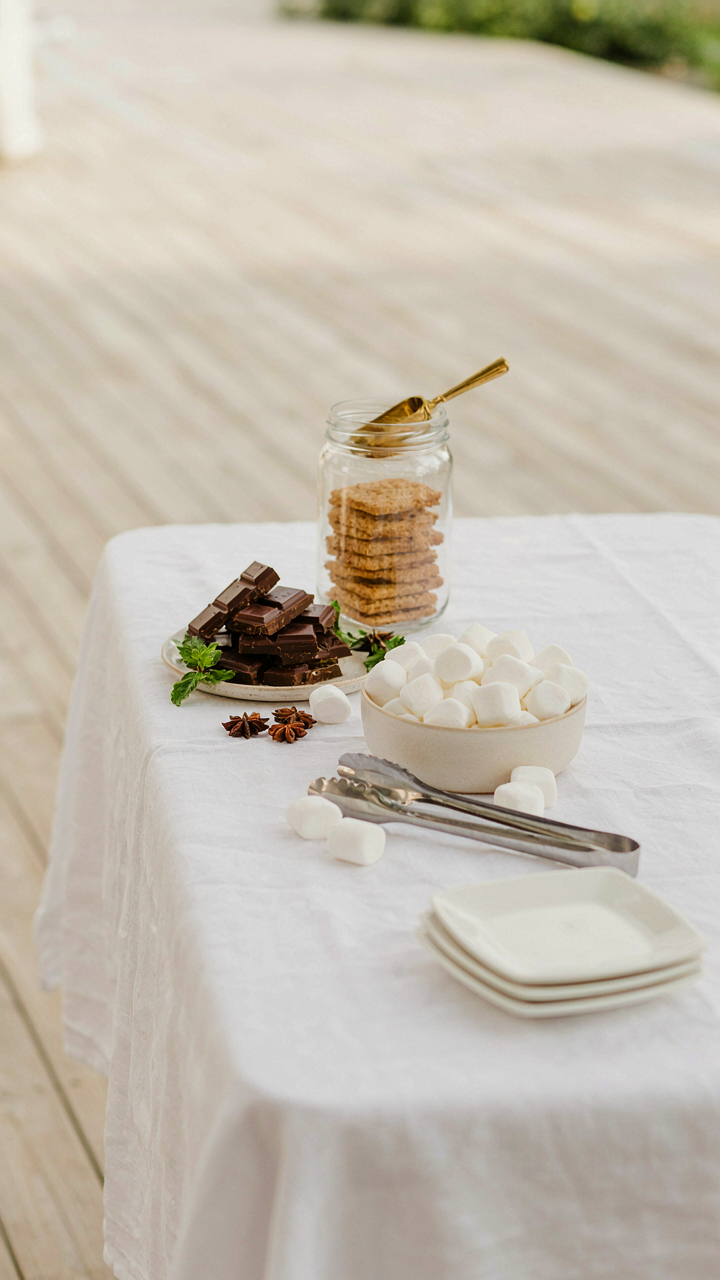
Build Your Own Dessert Station
You want the ritual without the mess, the status of hosting without the smoke damage to your clothes. Here’s the mechanism: s’mores work because they force assembly and create a moment of anticipation. Remove the campfire constraint and you unlock infinite customization while keeping that assembly ritual intact. Set out chocolate varieties, graham options, marshmallow textures, and spreads. Let guests construct their own combinations. The act of building matters more than the ingredients.
The station approach solves what generic “serve dessert” advice misses entirely. People remember participation, not consumption. Arrange items on a table with small plates and assembly tools. Temperature becomes a non-issue since you control the heat source or eliminate it entirely. Guests spend time interacting, experimenting, talking through flavor combinations. The social friction that makes campfires valuable transfers directly to the station format.
Specialty Hot Beverages Beyond Coffee
Most people settle for hot chocolate and miss the leverage point: thermal drinks deliver warmth and sweetness simultaneously, replacing the dual role a campfire played. Bourbon-spiked coffee, spiced chai, Mexican hot chocolate with cayenne, or salted caramel lattes create the same ritual anchor without outdoor constraints. The preparation becomes the event. Prepare a base in a thermal carafe and let people doctor their cup to preference.
The temperature requirement forces a specific timing and creates natural gathering points throughout an evening. Unlike cold beverages that fade into background consumption, hot drinks demand attention in your hands. They slow conversation, create pauses, justify lingering outside or near a window. Serve these alongside the dessert station and you’ve extended the social window by hours without resorting to a fire.
Night Hiking’s Silent Sentinel: Portable Light Sources
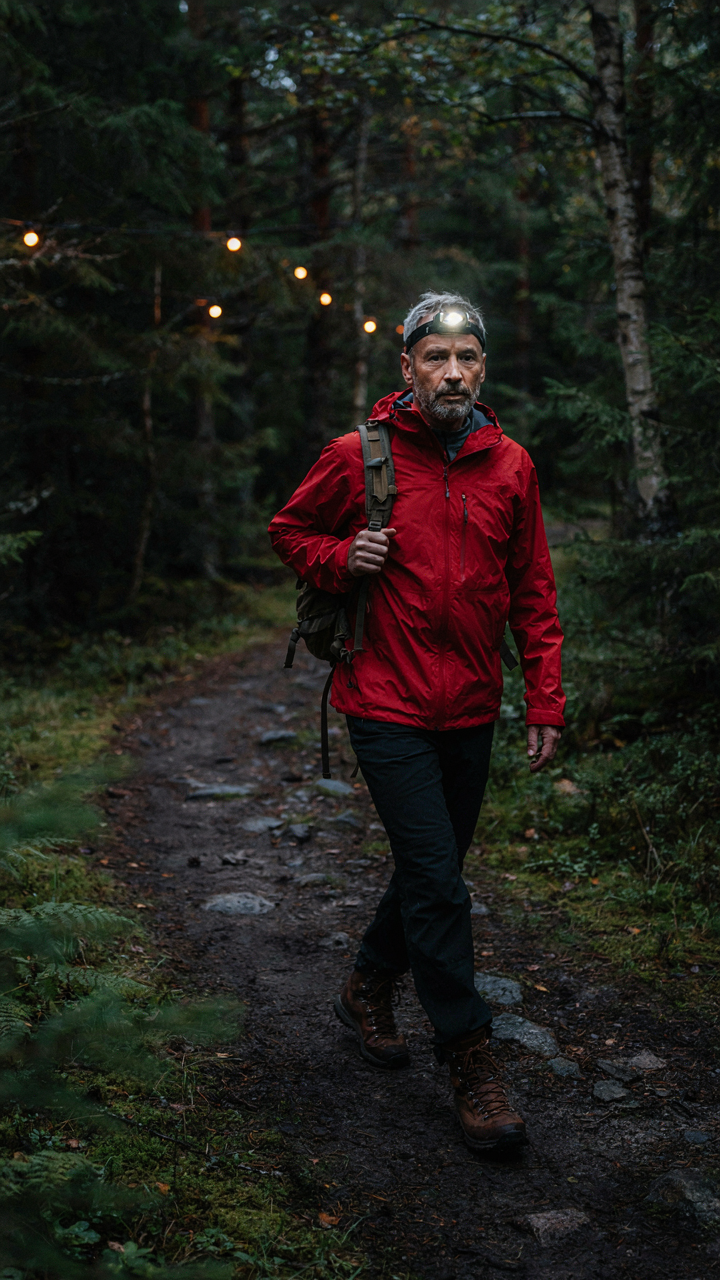
Headlamps And Lanterns For Safe Trail Navigation
You want the gear that makes you look competent in the dark, but the real reason you care is control—knowing exactly where your feet land matters more than the aesthetic. Headlamps and lanterns operate on a basic optical principle: directed luminosity beats ambient light. A headlamp concentrates beam output in one direction, freeing both hands while you move. Lanterns scatter light in all directions, useful for stationary camp setups but wasteful for active navigation. LED technology replaced incandescent bulbs because it produces more lumens per watt and runs longer on batteries.
Choose your light source based on movement versus stillness. If you’re hiking after dark, a headlamp with adjustable brightness prevents eye strain and preserves night vision in your peripheral field. If you’re establishing a base camp where people gather, a lantern works because it illuminates a wider radius without requiring headwear. Battery life matters: most modern headlamps run 20 to 40 hours on standard AA batteries at medium brightness. Mount your headlamp slightly above eye level on your forehead to avoid casting shadows directly below you.
Glow Sticks And String Lights For Low Impact Ambiance
Glow sticks work through chemiluminescence—a chemical reaction that produces light without heat. This matters because zero thermal output means no fire hazard, no smoke, no smell. String lights use LEDs powered by batteries or solar panels, creating sustained illumination across wider areas. The mistake most people make is treating glow sticks as decoration when they function as practical safety markers. A glow stick marks a trail junction in fog, signals your campsite location at night, or warns others of uneven ground.
String lights demand more setup but deliver consistent atmospheric coverage without depletion. Solar-powered strings charge during daylight and operate passively at night, eliminating battery swaps. Battery-operated strings require planning—calculate run time against your evening duration. Space lights 6 to 10 feet apart for even coverage. Glow sticks activate instantly and last 8 to 12 hours depending on brand, making them reliable backup lighting when your primary source fails.
Campfire Alternative For Kids: Optimized Engagement
Interactive Light Projections For Dynamic Outdoor Play
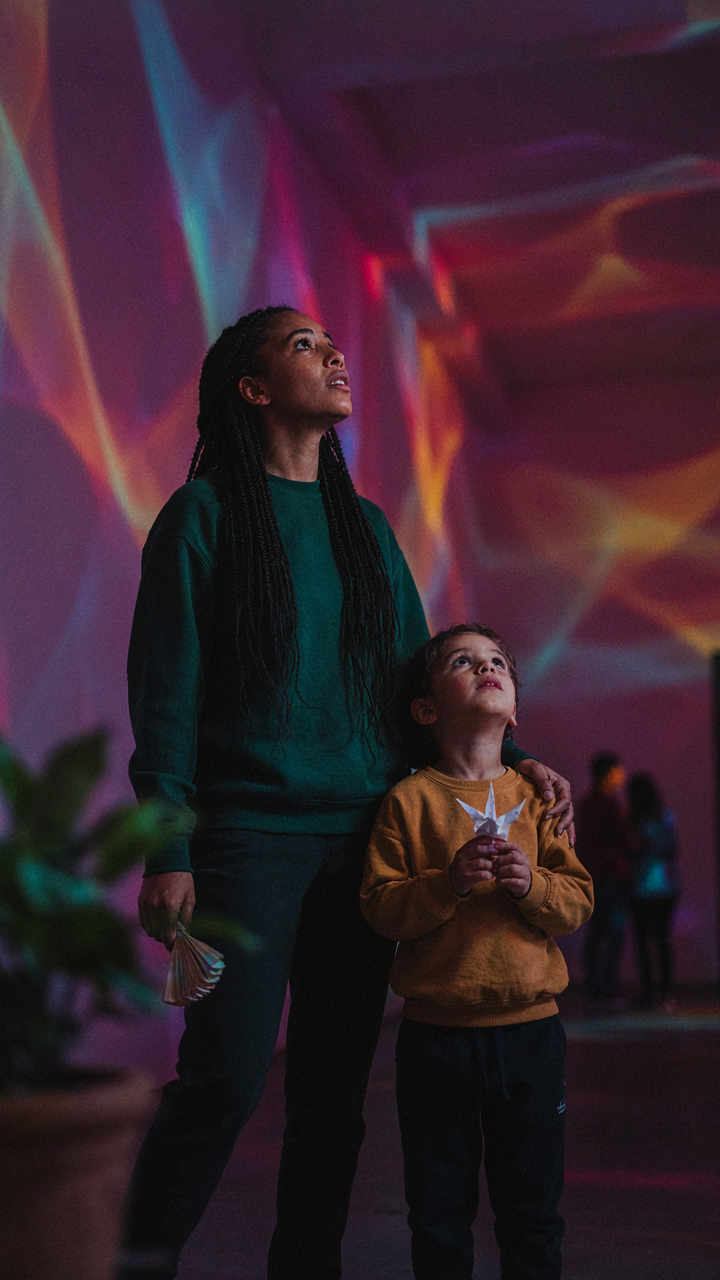
You want your kids engaged so you’re not managing chaos while trying to relax. The mechanism is stimulus variation: novelty holds attention longer than static imagery because the brain stops habituating. Projection mapping (borrowed from theater design) lets you layer movement, color, and pattern in real time. Unlike a campfire’s fixed glow, light projections change on command, forcing the visual cortex to track new input every few seconds.
Portable LED projectors designed for outdoor use run between 500 to 2000 lumens and work best once ambient light drops. Connect them to a phone or tablet and cycle through shadow games, constellation simulations, or moving geometric patterns. Kids track the light source instead of fighting over who sits closest to the heat. The engagement compounds because interactivity is built in: they influence what appears next, which adds agency to passive viewing.
Storytelling Circles For Focused Attention Without Distractions
Most people think storytelling requires zero setup. Wrong. A circle demands something campfires don’t: turn-taking structure and consequence for listening. Everyone sits equidistant from the center, removing hierarchy and forcing eye contact. The speaker owns the moment because no one can check their phone without breaking the social contract you’ve established.
Set a time limit per story (five to ten minutes) and establish one rule: no interrupting until the speaker finishes. This creates tension, which children track. Their brains stay active because they’re predicting what comes next rather than passively receiving input. No smoke, no heat, no sitting idle. Storytelling circles work because attention becomes a resource kids compete for rather than something forced on them.
The “Healthy Things To Roast Over A Campfire” Lie: Efficient Outdoor Cooking
Skewer Mastery: Prepped Ingredients, Quick Cook
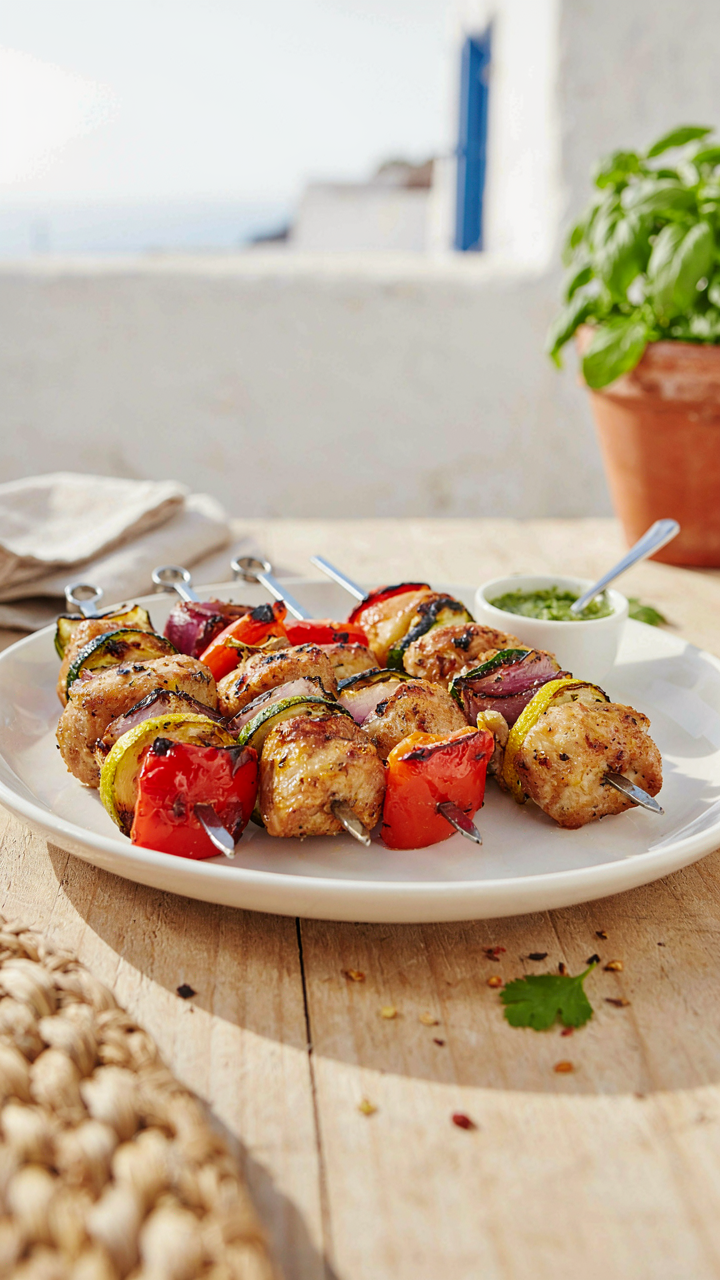
You want to look competent outdoors without actually planning ahead. Here’s the real mechanism: heat transfer demands surface contact and ingredient size uniformity. Metal conducts heat faster than wood, and smaller pieces cook evenly. Cut everything before you arrive. Inconsistent sizes mean burnt exteriors and raw centers. This isn’t optional sophistication. It’s thermodynamics.
Pre-cut vegetables and proteins into quarter-inch pieces. Thread them densely onto metal skewers, leaving minimal gaps. Cook over coals, not flame, rotating every ninety seconds. Dense packing transfers heat efficiently through the metal. Meat cooks in four minutes, vegetables in three. Temperature consistency eliminates the guessing that ruins outdoor meals.
Foil Packet Finesse: Steam, Flavor, Minimal Mess
Steaming sealed food is industrial food science applied to campfire cooking. You trap moisture, regulate temperature, and prevent flavor loss through controlled humidity. Foil packets work because they create a closed system. Layer proteins and vegetables inside, seal tightly, and place directly on coals. The packet becomes a self-contained oven.
- Thick-cut salmon with lemon and herbs: Cooks in six minutes, stays moist inside foil, flakes cleanly without sticking.
- Root vegetables with olive oil and garlic: Dense items like potatoes and beets soften evenly when steamed in foil packets.
- Ground meat with diced peppers and onions: Crumble and stir every two minutes, cooks through in eight minutes, drains its own fat.
- Chicken breast with mushrooms and thyme: Thin cuts prevent drying, mushroom moisture keeps everything tender, takes five to seven minutes.
- Shrimp with white wine and butter: Quick cooking prevents toughness, steam dissolves into sauce, ready in three minutes flat.
Seal packets by folding foil edges down twice, creating an airtight perimeter. Place on coals for even heat. Open carefully away from your face to release steam. Drippings stay contained. Cleanup takes thirty seconds. Build and execute time runs ten minutes total from prep to eating.
The Energy Conservation Model: Maximizing Output, Minimizing Input
How Heat Actually Moves
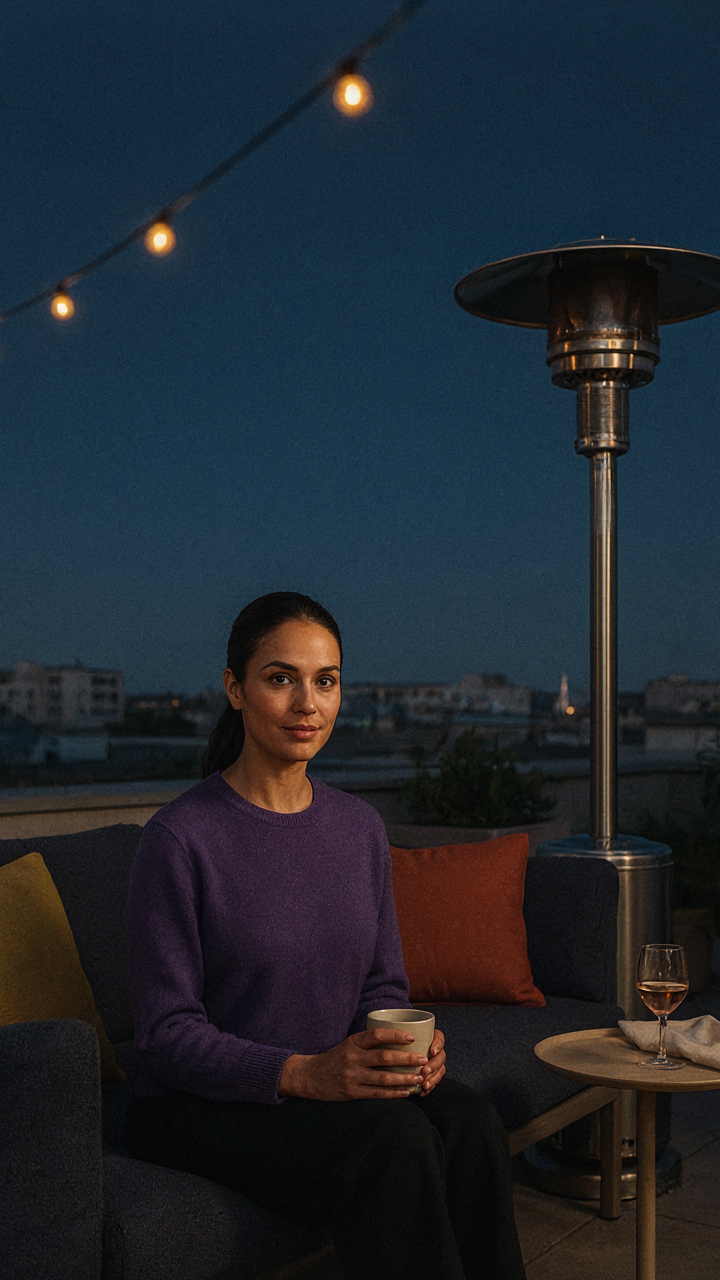
You care about this section because you want to feel smart about your setup without actually understanding why it works. Here’s the mechanism: thermodynamics gives us three heat transfer paths—conduction, convection, and radiation—and every campfire alternative exploits one or more of them differently. Conduction moves heat through direct contact. Convection carries it through air or liquid movement. Radiation shoots it straight at you across empty space without warming the air between.
Most people default to convection-based heating because it feels familiar. A fire warms the air, the air rises and spreads. But this is wasteful at scale and unreliable outdoors where wind shears the warm layer away. The real leverage sits in radiation and localized conduction, which is why propane heaters, fire pits with reflectors, and thermal mass solutions outperform open flames in controlled conditions. You’re not fighting thermodynamics when you switch your approach—you’re aligning with it.
Fuel Source Determines Your Output Ceiling
System design starts with a brutal constraint: the energy density of your fuel determines your maximum heat output, and nothing fixes a poor choice upstream. Propane delivers roughly 46 megajoules per kilogram. Wood varies wildly from 10 to 20 megajoules per kilogram depending on moisture and species. This isn’t opinion. The gap is physics, not preference. Once you choose your fuel, your output ceiling is locked in.
Resource allocation becomes a second-order problem. A three-kilowatt propane heater in an enclosed patio achieves thermal equilibrium faster than a wood fire because it concentrates energy release in a controlled burner. But placement matters more than you think. A heater positioned to radiate toward seating catches human bodies directly, requiring less total output for perceived warmth. Orientation, reflective surfaces, and wind blocking multiply effective energy without burning more fuel. The protocol: measure your target zone’s square footage, calculate required BTUs per the space dimensions, position your source to eliminate wasted thermal spread.
The Low Friction Gathering: Instant Connection, Zero Smoke
Pre Set Ambiance Kills The Fidget
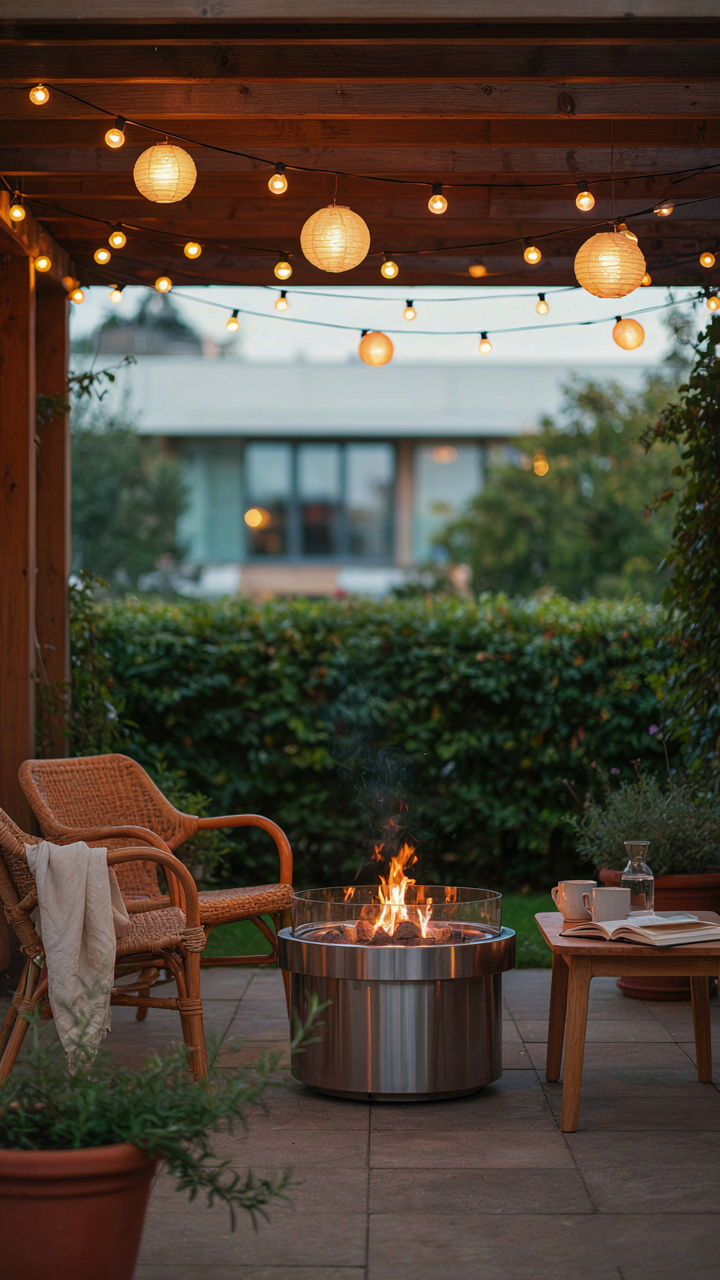
You want to look like you have your life together without actually working for it. Here’s what people miss: conversation dies when someone has to tend a fire. In behavioral economics, this is called “cognitive load”—your brain can only allocate attention to a finite number of tasks. The moment your guest watches you manage flames, wood, and ash, they’re no longer fully present with you. They’re watching you work. Ambiance that requires zero maintenance forces you to do what gatherings actually exist for: talk without interruption.
This is why string lights, propane heaters, or even a well positioned candle arrangement beat a campfire every time. These alternatives demand a five minute setup, then they sit. No stoking. No repositioning wood. No ash management mid conversation. Propane patio heaters generate heat through radiant warming—the same physics that makes the sun feel warm on a cold day—and they run for hours without intervention. Your hands stay free. Your attention stays on people. The gathering becomes about connection, not about you performing fire management skills.
Cleanup That Doesn’t Haunt You
Most guides tell you to “dispose of coals safely” and call it done. This is incomplete. A campfire cleanup isn’t finished until the next morning, because you’ll find ash scattered through your yard, clothes, and probably in your car. Propane heaters, string lights, and enclosed fire pits eliminate this entirely. You fold a chair. You coil a cord. Done in ten minutes. No sweeping the next day. No apologizing to neighbors about embers landing on their fence.
Enclosed fire pits contain ash within their structure, but even these require cooling time and ash removal. Solar stake lights and rechargeable LED lanterns require nothing beyond placing them and retrieving them. No residue. No lingering smell in your clothes. No “why is my yard still smoky” conversation the next afternoon. The real economy of gathering alternatives isn’t measured in time saved during the event—it’s measured in the absence of cleanup friction. You reclaim your entire next morning. That’s the mechanism that actually changes behavior.
Your True Obstacle Isn’t The Smoke, It’s Your Archaic Attachment To High-friction, Low-reward Rituals
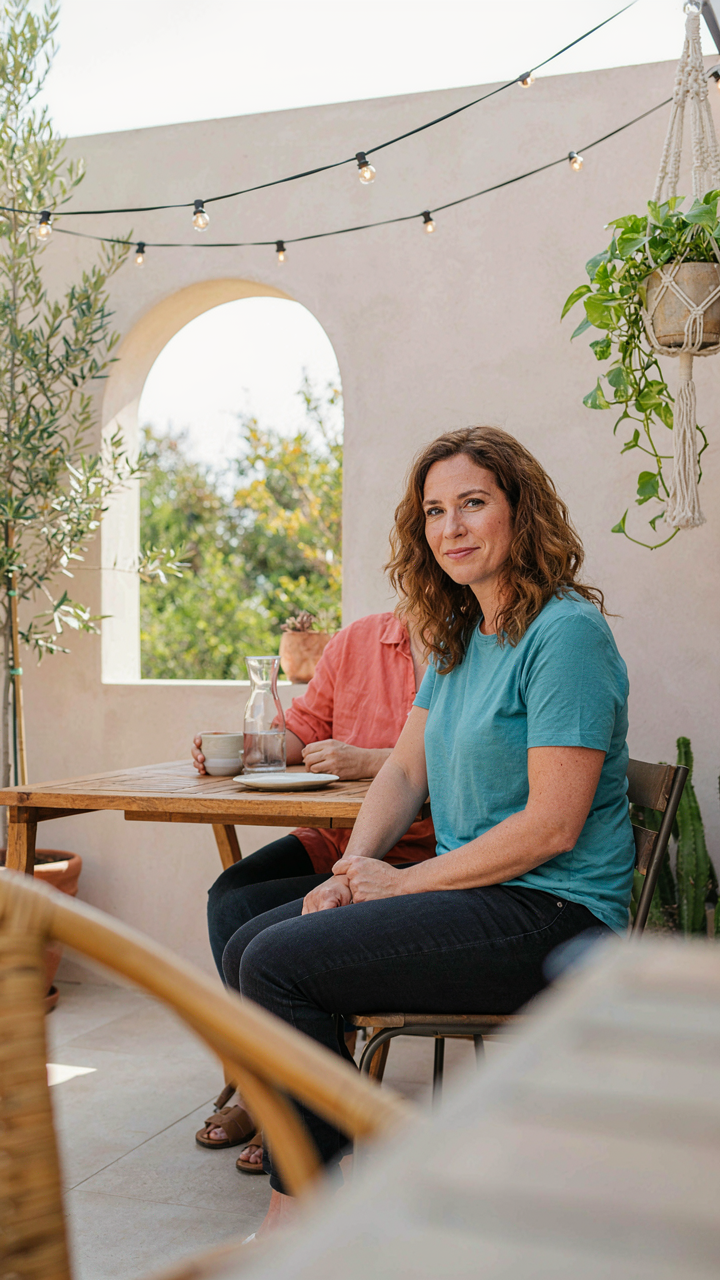
You don’t actually want a campfire. You want the identity of someone who has campfires. The smoke, the hassle, the ruined clothes—you tolerate all of it because sitting around flames feels primitive and real. But primitive doesn’t mean better. Fire pits, tabletop burners, and heat lamps deliver the warmth and gathering without the performance. Pick one today. Use it tonight. Stop confusing difficulty with depth.