
The Signal To Noise Ratio Of Corporate Gifting

Why Most Office Tech Gifts Disappear
You’re worried the gift you pick will sit in a drawer untouched, making you look thoughtless. Here’s the mechanism: most office tech gifts fail because they solve problems nobody at your company actually has. They’re chosen based on what’s trendy or what the giver thinks is clever, not what fits into someone’s actual workflow. A USB hub nobody needs doesn’t become useful because it’s well-designed. It becomes clutter.
The real problem is that corporate gifts operate in a context most people ignore: workplace friction points are invisible until someone experiences them directly. You can’t gift your way around this. The tech that vanishes is tech that requires behavior change or solves a problem the recipient doesn’t recognize. A desk organizer with wireless charging sounds practical until you realize the person you’re giving it to never puts their phone on their desk. Relevance dies the moment it arrives.
What Your Gift Exchange Actually Measures
Forget the common advice that gift exchanges build team morale. That’s incomplete. What a gift exchange actually does is broadcast your proximity to each recipient’s real needs. The person who picks a gift that lands gets read as attentive. The person who picks generic gets read as either not paying attention or not willing to invest the effort. The exchange itself isn’t the point. Your information accuracy about the recipient is the point.
Start by identifying whether the exchange has a price cap, a theme, or a recipient list. If you don’t know these constraints before you shop, you’re already operating blind. The true goal of any gift exchange is to reduce surprise in a way that feels intentional. This means you need to know: what does this person actually do with their hands during the workday, what device or tool touches their desk most often, and what small friction point would they actually appreciate removing. That specificity is what separates a gift that lands from a gift that disappears.
The “Utility Over Novelty” Principle

Practical Gadgets That Solve Actual Workplace Problems
You want to look thoughtful without risking a gift that gets shoved in a desk drawer by January. The real mechanism here is simple: a gift only survives if someone uses it. Every day. Borrowed from systems design, we call this “operational continuity”—meaning the gift has to fit into existing workflows, not interrupt them.

The gap between a good gift and a wasted one isn’t the price tag. It’s whether the person actually encounters a friction point the gadget removes. A USB-C hub doesn’t impress anyone, but it solves the specific problem of someone with three devices and two ports. A phone stand with adjustable angles sits on desks for years. A cable organizer prevents the weekly tangle search. These aren’t flashy. They’re invisible because they work.
Function Over Flash Beats Trend Chasing Every Time
The conventional advice here is garbage: pick whatever looks cool or has the newest feature set. That logic is backward. A wireless charger with RGB lighting draws attention for two weeks, then becomes background noise. A basic, durable wireless charger with a sensible design does the same functional job without the distraction, and people actually reach for it.
The difference comes down to cognitive load. Every product trying to look premium or futuristic adds complexity. The gift that wins is the one that requires zero thought to use and zero explanation for why you received it. Before you pick something, ask: would this person reach for this if it cost half the price and looked completely ordinary? If the answer is no, the appeal is surface-level. Move on.
The Executive Gifts Algorithm: Curating Value

Professional Respect Through Intentional Selection
You want people to think you understand their rank and what they actually do. Here’s the mechanism: professional respect signals through specificity, not generosity. Vague gifts broadcast that you didn’t know who they were. A $40 gift chosen for someone’s actual role beats a $150 item picked from a generic list. The difference is research time, not budget. You’re solving a status problem by proving you paid attention.

The common advice says pick something everyone likes. That’s lazy and wrong. Everyone doesn’t have the same job. A developer values a USB-C hub differently than a finance manager values cable organization. Start with role: what does this person actually handle daily? Then find a tool that removes friction from that specific workflow. This signals respect faster than any inscription or premium packaging ever could.
Perceived Value Without The Price Tag
Economics teaches us the concept of signal value, where the receiver interprets worth not from cost but from what the item reveals about the giver’s knowledge. A wireless charger designed for desk use signals observation. A generic phone case signals nothing. The gap between what you pay and what someone perceives as valuable is where your tactical advantage lives. Most people reverse this and spend more, hoping cost masks laziness.
Perception breaks down into two parts: utility and intention. A modular laptop stand that matches someone’s actual desk setup reads as intentional. The same stand picked randomly reads as generic. The price stays the same. Your job is to make the recipient believe you understood their environment well enough to pick something that fits. This requires one conversation or five minutes of LinkedIn research. The specificity creates the value, not the receipt.
Client Appreciation: Beyond The Branded Mug

The Real Reason You’re Reading This
You want clients to remember you without looking desperate. The mechanism is simple: a useful object sits on their desk for months. Every time they use it, your brand registers as a utility, not an interruption. This is the opposite of a mug that gets shoved in a cabinet.

Tech gifts work because they solve a problem clients already have. A wireless charger, cable organizer, or portable power bank enters their workflow. They don’t feel like charity. They feel like you noticed what they actually needed. That distinction matters more than the price tag.
Utility Over Branding
The advice to “add your logo everywhere” is backwards. A logo-slathered item screams low-effort. Clients notice. Instead, choose tech with minimal branding or none at all. The gift proves you value their time more than your visibility. Restraint builds trust faster than aggressive marketing ever will.
Select items that solve tangible friction. USB-C hubs eliminate cable chaos on desks. Phone stands improve video call angles. Desk lamps reduce eye strain. These aren’t luxury items. They’re friction removers that clients will actually use. When branding is subtle or absent, the gift becomes about them, not about you. That’s when it becomes memorable.
The Scarcity Economics Of Premium Gift Idea
When Supply Becomes The Message
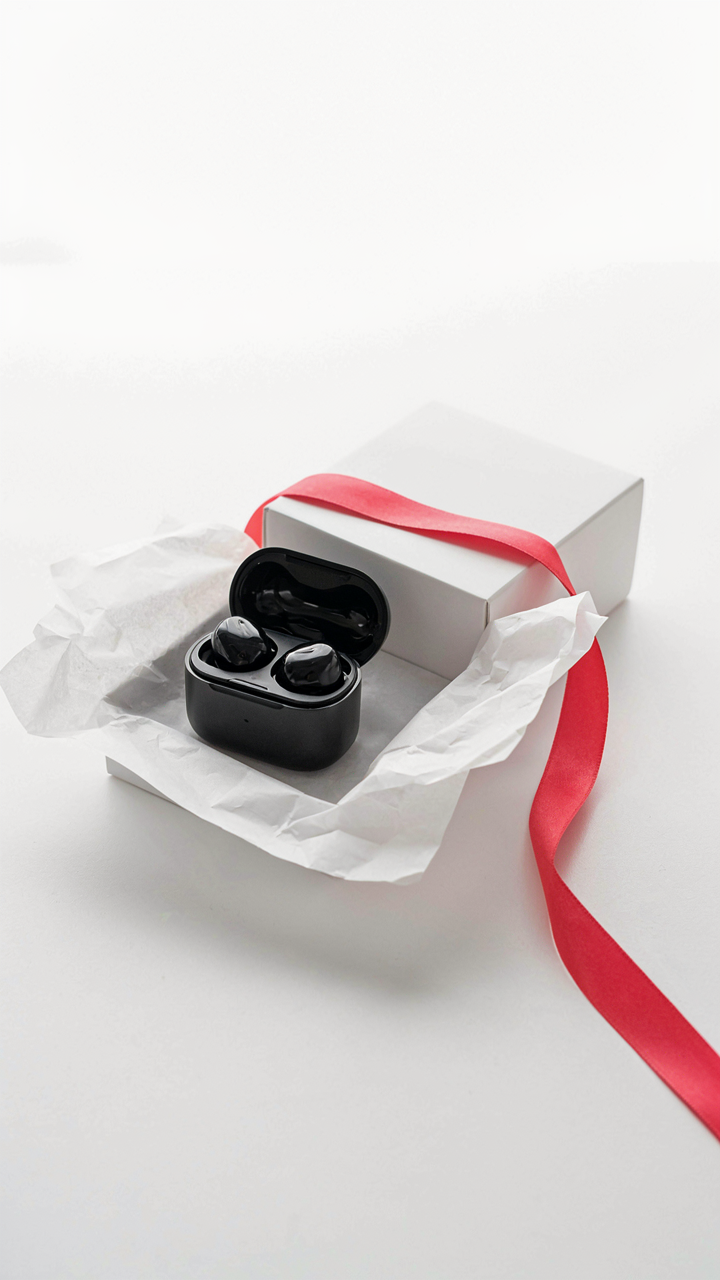
You want people to think you spent thought on this gift, not just money. Scarcity is economics applied to perception. In economics, scarcity drives value. Apply that frame to office gifts: a tech item nobody else can find signals you operated with constraints and still delivered something rare. That’s the real mechanism behind premium gift selection. Most people miss it and just buy expensive things instead.

Limited inventory forces a choice. You either find what exists in quantity or you hunt for what doesn’t. The hunt itself becomes part of the gift’s story. When someone unwraps a tech item they’ve never seen before and can’t immediately replace, the gift sticks. Scarcity doesn’t make the product better. It makes the recipient feel like they landed something worth protecting.
The Exclusivity Angle That Actually Works
Perceived exclusivity works because availability creates believability. If everyone can order it on Amazon Prime the same day, no exclusivity exists. The real move is finding tech gifts that are either limited production runs, region-locked, or pre-order only items that haven’t saturated yet. You don’t need something impossible to find. You need something most people in your office haven’t thought to look for or can’t access without effort.
Timing matters more than price. A wireless charger released three months ago that ships in four weeks feels scarce compared to the identical model sitting on store shelves today. Check release dates and production windows. Regional exclusivity works too—tech products released in Asia or Europe often feel novel to US office cultures even if they’re mass-produced abroad. Buy during the window when inventory is real but not yet normalized into awareness. After that window closes, the gift reads as behind the curve instead of ahead of it.
The Antifragile Gifting Framework

Gifts That Survive Bad Decisions
You’re reading this because you’re afraid of giving something that lands wrong and gets regifted or tossed. The mechanism most people miss: resilience in gifting means choosing items that work across multiple contexts, not just the one you imagined. Borrow from biology. An organism’s fitness isn’t measured by how perfectly it fits one environment—it’s measured by how it adapts when conditions shift. A USB-C hub doesn’t care if someone works remote, hybrid, or in an office. It solves a problem that persists regardless of the recipient’s setup.

The common advice here is garbage: “just know your audience.” You don’t know your audience at an office party swap. You know their job title maybe. What you actually control is whether the gift demands a specific lifestyle to justify itself. A portable phone charger works in a car, at a desk, in a meeting, at home. A branded coffee mug only works if someone drinks coffee at work and likes your company enough to display it. Antifragile gifts gain value when used in ways you didn’t predict, not lose value.
What Breaks When Used Differently
Gifts that thrive on unexpected use cases don’t just tolerate being repurposed—they improve because of it. A wireless charging pad survives if someone moves desks, changes jobs, or works from different locations. Each shift makes it more useful, not less. This is the opposite of novelty gifts, which deflate the moment someone realizes there’s only one way to use them. A desk organizer only organizes if someone keeps a desk. A tech gift that solves a friction point works anywhere friction exists.
The mechanism: choose gifts where the problem they solve is universal but the context is variable. A portable SSD backs up files whether you’re a designer, accountant, or developer. A USB power strip works in any room with furniture that needs charging. An adapter or hub becomes more valuable as someone’s device ecosystem grows, not less. Evaluate by asking: does this gift get worse if used somewhere I didn’t intend, or does it simply find a new job? If it gets worse, it’s fragile.
Unique Corporate Gifts Technology: The Unobvious Choices

Tech That Solves Real Friction
You want to look thoughtful without trying too hard. The real mechanism is this: most office gifts fail because they solve problems nobody has. You need tech that fixes something people already feel but haven’t named yet. That’s the gap between generic and memorable.
- USB-C Hub with Pass-Through Power: Solves desk cable chaos. One device replaces five adapters. People use this immediately and remember who gave it.
- Webcam Ring Light: Remote workers need this more than in-office staff. Improves video calls without requiring setup skills. Practical, not decorative.
- Portable Charger With Cable Built In: No separate cable to lose. Cheaper than flagship options but solves the real complaint of desk clutter and missing charging cables.
- Desk Air Purifier: Small, silent, addresses air quality without fanfare. Office environments rarely have good ventilation. This one works while people forget it’s running.
- Phone Stand With Adjustable Angle: Not a dock. Lets people prop phones at any angle for video calls or recipes while cooking. Surprisingly useful outside work.

These gifts work because they address friction points that compound daily. Someone uses your gift multiple times a week, not once. That repetition builds association with your name, not because the gift was expensive, but because it actually earned its place on someone’s desk.
The Saturation Timeline Window
Emerging trends in consumer tech follow an adoption curve from early adopters to mainstream. Identify products in the growth phase, not the hype phase. The difference matters for office gifts because timing determines whether someone sees your choice as prescient or behind the curve.
Most people recommend chasing what’s new. That’s wrong. What’s new in December is often overhyped and has real flaws nobody discusses until February. The smarter play is finding what crossed from enthusiast communities into professional use six months ago but hasn’t hit gift guides yet. Mechanical keyboard switches, for example, moved from gaming into office productivity around 2022. By 2024, they’re standard enough that gifting them feels knowledgeable, not niche.
Watch YouTube channels focused on productivity and desk setups, not mainstream tech reviewers. These communities validate tools three to four months before they reach broader awareness. When a tool appears in five separate desk tours from different creators, it’s entering the saturation window. That’s when it becomes safe for corporate gifting. Before that, it risks looking try-hard. After that, it looks like you bought what everyone else did.
Event Giveaways: From Swag To Strategic Assets

When Your Gift Actually Gets Used
You’re hoping people keep your gift on their desk so they remember you exist. Here’s the mechanism: most office party tech gifts fail because they solve nothing. Utility economics tells us people retain objects that reduce friction in their daily workflow. A wireless charger sitting in a drawer isn’t reducing friction. A USB-C hub that connects to their laptop and eliminates cable searching does. The difference between swag and strategic asset is whether the recipient avoids a minor pain point by using it.

The best event giveaways disappear into someone’s routine so completely that they stop noticing them. That invisibility is the actual win. When your gift becomes part of their setup, it carries your brand association into their workspace without effort on their part. This requires you to pick tech that solves a specific problem they already know they have, not a problem you think they should care about. A desk organizer nobody asked for vanishes into a closet. A cable management clip that prevents their AirPods from tangling in their bag pocket stays visible and functional.
Measuring What Sticks After The Party Ends
Forget traditional gift satisfaction surveys. They measure emotion, not behavior. What matters is retention rate and integration depth: does the recipient still have it thirty days later, and does it live in an active workspace or storage. Track this by tagging gifts with unique codes or asking attendees to snap a photo with the gift in their actual workspace two weeks post-event. You’ll learn which tech actually solved a problem versus which is languishing in a drawer.
The real metric is whether someone would repurchase the same item themselves if you hadn’t given it to them. If they wouldn’t, it’s not strategic. Build a simple post-event feedback loop: send a low-friction message asking “are you still using this?” Let the yes-or-no data inform your next gift strategy. This isn’t sentiment analysis. It’s adoption tracking. Companies that measure adoption rates for office party tech gifts spend differently the next time around, shifting budget from impressive-sounding items to boring, friction-reducing ones that people actually integrate into their work life.
The ROI Of Gifting: Beyond A Line Item

What Actually Changes When You Give Well
You want permission to spend money on gifts without feeling like you’re throwing it away. Here’s the mechanism: thoughtful tech gifts shift how people perceive your judgment. Behavioral economics calls this the signaling effect—your gift doesn’t just deliver function, it broadcasts whether you understand what people actually need. A wireless charging pad signals you think of logistics. A quality USB-C hub signals you respect someone’s workflow. These aren’t luxuries. They’re proof you paid attention.

The indirect returns compound faster than most office expenses. When someone uses a gift you gave them daily, you occupy cognitive real estate without spending on ads or meetings. They remember the thought. They tell others about it. Colleagues notice who gets the useful stuff versus who gets the generic mug. That distinction creates social capital that influences how your judgment gets weighted in future collaborations, decisions, and recommendations. The gift becomes a reference point for your taste and competence.
Reframing The Budget Conversation
Most companies treat gifts as sunk costs because they measure them wrong. They count the receipt, not the outcome. Better approach: measure the behavioral shift in recipients. Did they adopt a new tool you introduced? Do they use the gift weekly or monthly? Are they more responsive to your projects afterward? Shift this conversation with finance and management by asking for gift budget allocation tied to engagement metrics rather than generic headcount divisions.
Here’s what actually moves the needle: give gifts that solve a specific pain point you observed, then let the person tell you how it changed their day. That story spreads. It gets repeated in Slack, in one-on-ones, in next year’s gift-giving season. One person’s wireless charger becomes a reference standard for the entire team’s expectations about thoughtfulness. Track adoption and mention by department. Use that data to justify expanding the budget next cycle as a retention and morale investment rather than an expense line item.
The Gift Itself Is Irrelevant; Your Perceived Value Is The Only Currency

Stop shopping for what the gift is. Shop for what it signals about your taste. Your coworkers don’t care if the wireless charger costs thirty dollars or three hundred. They care that you didn’t phone it in. Buy something nobody expects from a corporate gift swap. Something that makes people wonder where you found it. That moment of surprise is what they remember, not the object itself. The person who brings the unexpected gift owns the room.