The Pre Flight Intelligence Briefing: Knowledge As Your Weapon
Map The Pressure Points Before You Leave
You want to feel in control because airports strip it away. The mechanism is simple: bottlenecks aren’t random. They happen at predictable nodes. Security lines peak between 5am and 8am on weekdays. Boarding bottlenecks occur when airlines understaff gates during connecting bank hours. Bathroom queues cluster right after each flight lands. Knowing this shifts you from reactive to preventive.
The real move is arriving outside these windows or exploiting them deliberately. If you fly Tuesday morning instead of Friday, you hit lower traffic patterns. If you must fly Friday, you now know exactly when the crush hits and can position yourself accordingly. This isn’t luck. It’s logistics applied to your own behavior.
Real Time Data Changes Your Route Mid Trip
Military strategists call this tactical flexibility based on intelligence updates. Same principle applies here. FlightAware and your airline app give you live gate changes, delays, and boarding status before airport staff announce them. You see a gate reassignment thirty seconds before the crowd floods the concourse. You spot a delay cascading through your connection airport and text your ride to leave later. You confirm your flight boarded on time while others are still in security.
The protocol is straightforward: pull live data on your phone the moment you enter the terminal. Set notifications for your specific flight. Check it every ten minutes during your wait period. If your connection airport is behind, text relevant contacts now rather than after landing. If a gate opens early, you move immediately. Data converts anxiety into decision points.
The Minimalist’s Combat Loadout: Ruthless Packing Efficiency

Speed Over Stuff
You want to feel in control at the airport because airports make you feel powerless. The real mechanism isn’t about having less—it’s about eliminating decision points. Every item you don’t pack is a decision you don’t make at 5am or at security. One bag philosophy borrows from military logistics: maximum utility per unit of weight. You move faster, you pass through checkpoints faster, you find your gate faster. Stress collapses when friction collapses.

A carry-on forces you to choose what actually matters. No buffer bag. No backup outfit you might need. No “just in case” items that sit unused. This constraint is the feature, not the limitation. You board knowing exactly what you have and why you have it. The airport becomes a place you move through, not a place that moves you around.
Where Everything Lives
Packing by zones means nothing if you can’t access it without unpacking your entire bag. Treat your bag like a cockpit: critical instruments at hand level, secondary systems below. Your items need a fixed location from packing day through landing. This eliminates the 10-minute dig-through at security, the frantic search for your phone before takeoff, the moment where you freeze because you can’t remember if your documents are in the main compartment or the side pocket.
- Travel documents pouch (front zippered pocket): Passport, boarding pass, ID, insurance cards in a single thin organizer. Grab it once, show it once, done.
- Electronics cable (side pocket): Charging cable lives in the same spot every trip. You know it’s there without thinking.
- Medications and toiletries (TSA-compliant bag, main section top): Liquids in a clear quart-sized bag, medications in their original bottles. Security knows exactly what to expect.
- Comfort items (main section middle): Headphones, book, or noise-dampening earplugs positioned so you reach them without unpacking layers.
- Clothing and shoes (main section bottom): Rolling method, not folding. Maximizes space and keeps items wrinkle-resistant and organized.
Fixed placement creates a repeatable system. Your hands know where to go. Your brain stops generating anxiety about whether you packed something. Every transition through security, customs, or gate changes takes seconds instead of minutes because you’ve eliminated the search.
The Airport Flow State Protocol: Navigating The Gauntlet
Pre Screen Programs Bypass The Uninitiated
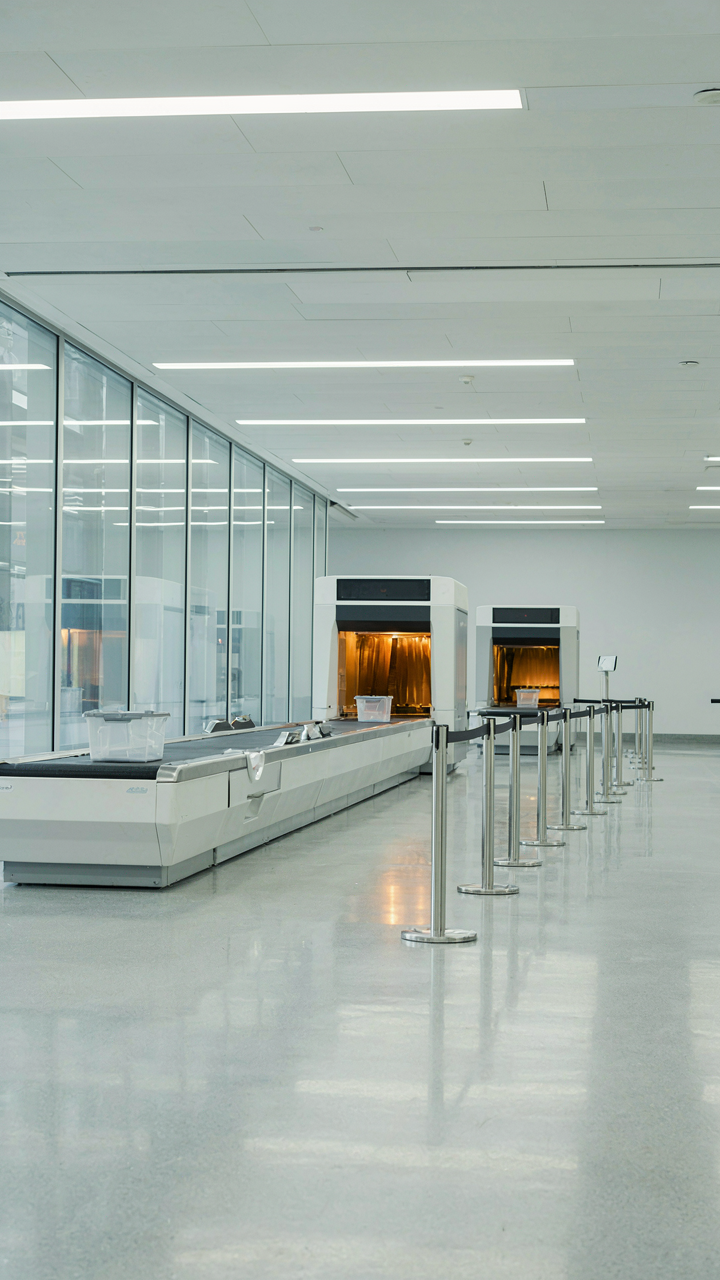
You want airport stress tips because you’re afraid of looking unprepared in public. The real mechanism is this: TSA PreCheck and Clear aren’t conveniences. They’re line architecture bypasses that remove you from the chaos entirely. You stop competing with 200 untrained people who forgot their IDs exist.

PreCheck costs 78 to 85 dollars for five years. You keep your shoes on, belt on, laptop in the bag. Clear costs 179 annually. You walk to a separate entrance and a human scans your iris or fingerprint while everyone else queues. The mechanism works because you’ve removed decision friction. You don’t wonder which line moves faster. You don’t wonder if you’ll make it. You already know.
Security Line Hacks Observe Adapt Conquer
Most airport advice tells you to arrive early and dress simply. That’s incomplete. The real tactical layer is observing queue physics before you commit. Look at TSA agents. Watch which ones move fast, which ones inspect every bag. Watch the lines themselves. Some spiral right. Some have backups near the scanner. The agent on lane seven moves three people per minute. Lane three moves one every ninety seconds.
Position yourself behind families with young kids or elderly travelers only if you’re in PreCheck. Standard lines move slower because those passengers take longer to prepare. In PreCheck, it doesn’t matter. Watch for TSA agents mid shift change, usually afternoon. Lines pause. New agents come on. One agent processes bags during the gap. Choose that moment to enter if you’re cutting it close on time.
Digital Fortress: Your Tech As An Airport Stress Shield
Battery Discipline Beats Contingency Planning
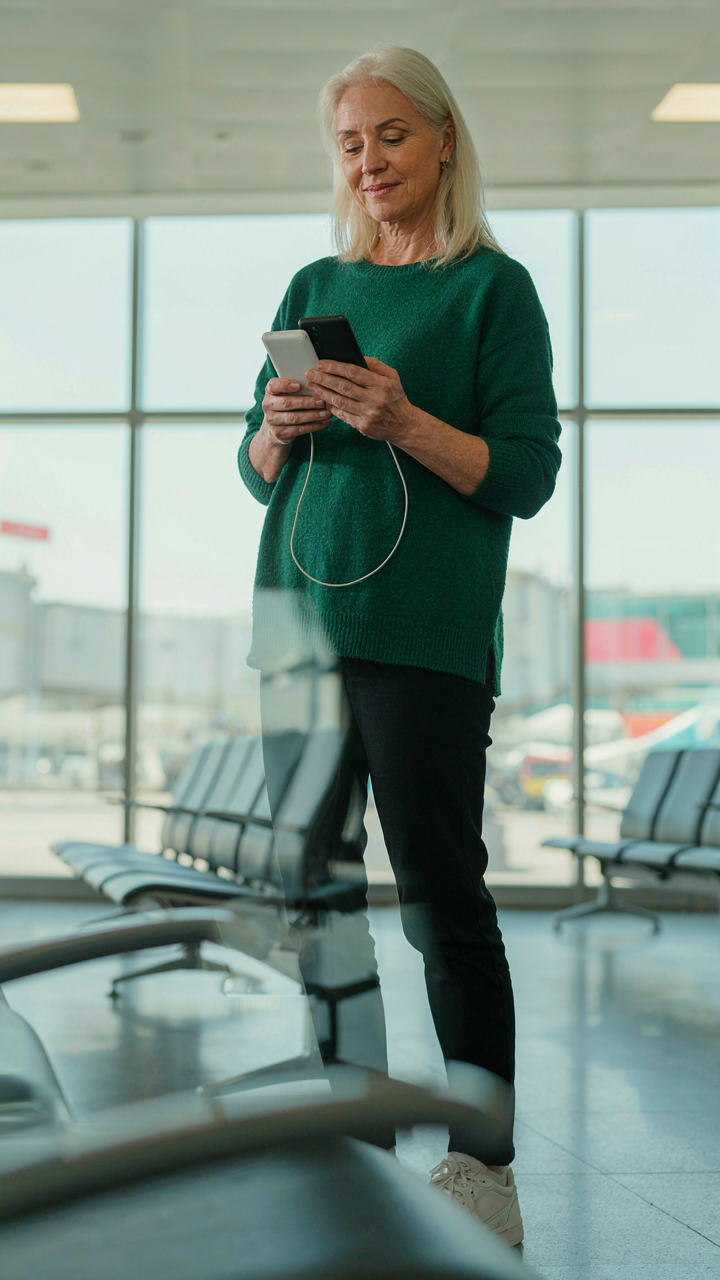
You want your phone charged because a dead device feels like losing control. The real mechanism is simpler: airports exploit dead batteries. A phone at 20 percent forces rushed decisions. You make worse choices under artificial scarcity. Think of battery management like load capacity in engineering. Your device is the load. The airport is the stress. Once capacity drops below 40 percent, your decision-making compresses into panic mode. You start accepting worse gate positions, skipping meals, and overpaying for replacements.
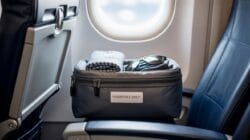
Charge your phone to 100 percent before leaving home, not at the airport. Bring a portable charger with genuine capacity—not the undersized ones sold at Hudson News. Check the milliamp rating: aim for at least 20,000mAh for multiple full charges. Use airplane mode once you board to extend battery life by 30 to 50 percent depending on device age. Do not wait until your phone hits low battery warnings to plug in. Charge at 50 percent during layovers or long security waits. This single protocol removes the ambient anxiety that drains your composure faster than your battery drains itself.
Entertainment Without The Network Dependency
Most airport stress advice says to stream content. That advice fails the moment your connection does. Offline entertainment removes a variable from an environment already loaded with variables. Download video files, podcasts, and books to your device before you travel. A two-hour flight with no connection and no downloaded content forces you into the gift shop or creates dead time that amplifies anxiety.
Spend 15 minutes downloading three to five hours of content before arriving at the airport. Use apps like Netflix, Apple Books, or Pocket that support offline mode. Save podcasts to your phone using podcast apps with download features. These files consume storage but they consume stress faster. When boarding delays happen or connections fail, you have a buffer. No scrambling for wifi passwords. No fighting for outlets. No decision fatigue about what to do with empty time. You move through the airport with a defined activity, which is the single most effective antidote to travel anxiety.
The “Chaos Theory” Of Delays: Accepting The Inevitable
Stop Fighting What You Cannot Control
You want the illusion that showing up early, checking your bag perfectly, or memorizing gate changes will protect you from delay. It won’t. Chaos theory teaches us that small, unpredictable variables compound into outcomes no amount of preparation prevents. Your flight delay isn’t caused by your actions. It’s caused by weather systems, air traffic sequencing, mechanical discoveries, or crew logistics—variables outside your influence entirely. The stress you feel isn’t about the delay itself. It’s about your resistance to it.

The mechanism is simple: resistance creates suffering. You arrive at the gate expecting departure at 2 PM. Control is missing. The departure pushes to 2:45 PM. Your mind fights the new reality for thirty minutes before accepting it. You just added thirty minutes of unnecessary tension. The alternative is faster. Accept the delay the moment you hear it announced. Your nervous system stops fighting. Your cortisol levels drop. You move to the next decision—what to do with the time—instead of cycling through anger and denial.
Reclaim Dead Time As Your Advantage
Airport downtime is where most people leak cognitive energy and money. They scroll without intention. They buy overpriced food because boredom drives consumption. They feel robbed of time. This is a gap in your system, not a gap in your day. Waiting is work. Treat it as such.
Bring three specific tools: a book you’re reading, a project you can do on your phone or laptop, or a person you need to call. One of these should always be active. A sixty-minute delay becomes a writing session, a podcast chapter completed, or a relationship conversation with a family member you’ve been meaning to prioritize. The delay stops feeling like theft and starts feeling like granted time. This shift removes the emotional charge from the experience entirely.
Terminal Tactical Positioning: Strategic Location Choices

Sit Near Your Gate Before Boarding
You want to avoid the humiliation of sprinting through the terminal like you don’t have your life together. Here’s the mechanism: airlines call boarding in waves, and each wave moves toward the gate. If you’re positioned within fifty feet, you board in the first or second call. If you’re two gates away, you’re competing with stragglers and the chaos that precedes the final boarding call.

Most people scatter to find food or outlets after security, then panic-walk back when boarding starts. That’s wasted cortisol. Locate your gate immediately after clearing security, then post up within visual range. Bring a book or work. You control the timing, not the airport. When your boarding group is called, you’re already there.
Lounge Access Eliminates The Crowd Variable
The real reason people value airport lounges isn’t the free coffee. It’s population density. A lounge has fifty people instead of five hundred. Your nervous system doesn’t spike from crowded hallways, screaming children, or strangers invading your space. This is basic sensory load reduction, not luxury.
Most people treat lounge access as a status symbol. Wrong. Treat it as stress engineering. Priority Pass, airline memberships, or credit card benefits all provide access depending on your fare class and routing. If you travel quarterly or more, the math favors a card that includes lounge access. You sit in a controlled environment with regulated noise levels, plug in, and reset before boarding. You arrive at the plane calm instead of jangled.
The Stoic Traveler’s Mindset: Psychological Fortitude
Reframe Delays As Strategic Constraints
You want to believe you’re in control at airports. You’re not. Military strategists call this constraint mapping: they don’t curse bottlenecks, they exploit them. A two-hour delay isn’t a failure of your plan. It’s a fixed parameter you now know. The shift is immediate: stop resisting the delay and start treating it as immovable terrain you navigate around instead of through.

Most people waste mental energy on anger about things they can’t change, then wonder why they arrive stressed. The mechanism is simple. You either accept the delay exists and build a response around it, or you burn cognitive resources fighting reality. Acceptance doesn’t mean passivity. It means clarity. Once you accept the delay, you work backward from your gate time and make decisions.
Separate The Chaos From Your Response
Airports are loud, crowded, and unpredictable. That’s the environment. Your stress response is separate from it, and you control only one of those variables. Emotional detachment isn’t coldness. It’s the choice to observe what’s happening without absorbing its energy as your own problem to feel.
When a flight gets cancelled, other passengers will spiral into immediate panic and frustration. You’ll still need to rebook, still need to move forward. The difference is your nervous system won’t hijack your decision-making. You see the cancelled flight notification the same way you see a price tag: information to act on, not a personal attack. This distinction between external chaos and internal response is where you actually build control at the airport.
Post Flight Debrief: Optimizing Future Missions

What Actually Went Wrong
You want to believe you handled it fine so you don’t have to change anything. That’s the real motive here. But airport stress is a data collection problem, not a character flaw. Treat each flight like a system failure report. You notice what breaks only if you write it down within 24 hours. Memory degrades fast. The mechanism is simple: stress clouds your perception, so delayed analysis pulls you toward false patterns.

Write three things after landing: one moment that surprised you, one thing you’d do differently, one thing that worked. Don’t journal. Don’t reflect. Just list. This forces specificity. Vague impressions become useless by tomorrow. You need friction points, not feelings, to change behavior.
Build Your Travel Playbook
Systems thinking borrowed from manufacturing teaches this: small, repeated adjustments compound faster than major overhauls. Each flight reveals one micro-decision you made poorly. Your job is to absorb it into protocol, not willpower. Willpower dies on flight two. Protocol survives flight 50.
Take the three observations from your debrief and assign each one a slot in your pre flight checklist or packing routine. If you arrived rushed, you add a 15-minute buffer to your ride time. If you forgot your phone charger, it goes on the packing template. If you wore the wrong shoes, you document which shoes worked and wear only those for flights. Never rely on remembering. Build it into the system. Your next flight runs smoother because you changed a variable, not your mindset.
The Real Obstacle Isn’t The Airport; It’s Your Expectation Of A Frictionless Existence
You don’t have an airport stress problem. You have a control problem. You expect travel to be seamless, so every delay feels personal. Every crowded gate becomes a threat. Reframe airports as chaotic by design and your nervous system stops fighting reality. Today, pick one flight and decide before you arrive that delays don’t derail you. Watch what happens when you stop resisting what you can’t control. Stress dies the moment you stop negotiating with reality.