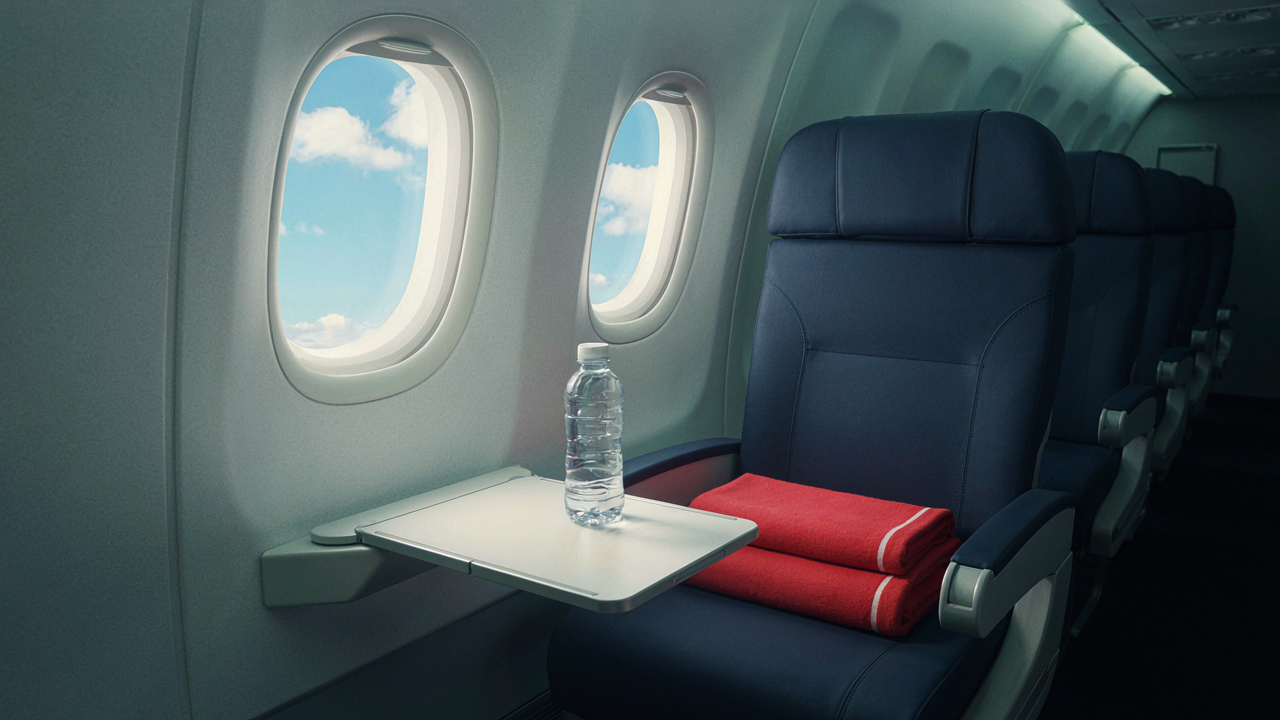
The Dry Cabin Fallacy: It’s Not Just About Air
Cabin Pressure Drops Humidity First
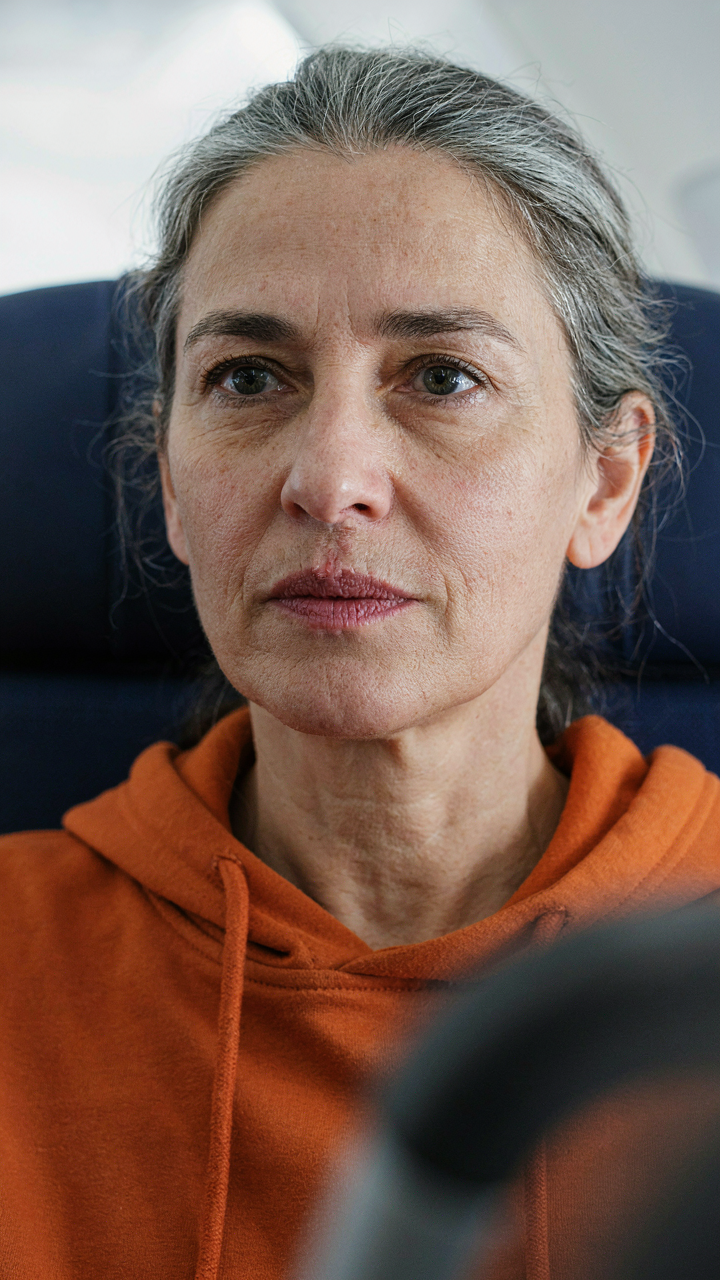
You’re worried about looking wrecked and dehydrated on arrival, so you assume the cabin air itself is the enemy. It’s not. The real culprit is what happens to moisture when pressure drops. At cruising altitude, cabin pressure sits around 8,000 feet equivalent, and at that pressure, the air’s ability to hold water vapor collapses. Relative humidity plummets to 10-20 percent not because airlines suck moisture out, but because physics does it for them. Cold air holds less water. Lower pressure holds less water. Your skin notices immediately.
The mechanism is straightforward: as external pressure decreases, water molecules disperse faster and escape surfaces more readily. Airlines maintain cabin humidity between 10-20 percent by design, not malice. Higher humidity would create condensation, mold, and structural damage. So the environment strips moisture from your mucous membranes, skin, and airways before you ever notice you’re thirsty. Drinking water after you land won’t fix what already left your body during flight. The damage compounds because you’re sitting still, not sweating, so your body’s normal moisture-loss signals don’t trigger.
Breathing Drives Most Fluid Loss
Respiratory physiology explains why you’re losing more water than you think. In biology, “transpiration” refers to water loss through plant tissue. Your lungs work identically: they’re the single largest source of water loss during flight, not your skin. Every breath you take in the cabin pulls dry air into your lungs, and your body humidifies it to near 100 percent relative humidity before it hits your alveoli. That saturated air leaves your body with each exhale. At 8,000 feet equivalent pressure with 15 percent cabin humidity, you’re exhaling fully saturated air into a void that can barely hold moisture.
The math is brutal. A resting adult loses roughly 400-600 milliliters of water per day through respiration alone. Double your respiratory rate or spend eight hours in a low-humidity environment, and that loss accelerates. Cabin air doesn’t dry your skin first, it dries your respiratory tract. Your throat, nasal passages, and airway linings lose moisture before surface dehydration becomes visible. This is why headaches start mid-flight and why drinking water late doesn’t prevent them. You needed to pre-saturate your airways hours before takeoff, and you need to maintain airway moisture throughout, not skin moisture.
Electrolyte Equilibrium: Beyond Plain Water
Sodium, Potassium, Magnesium Balance
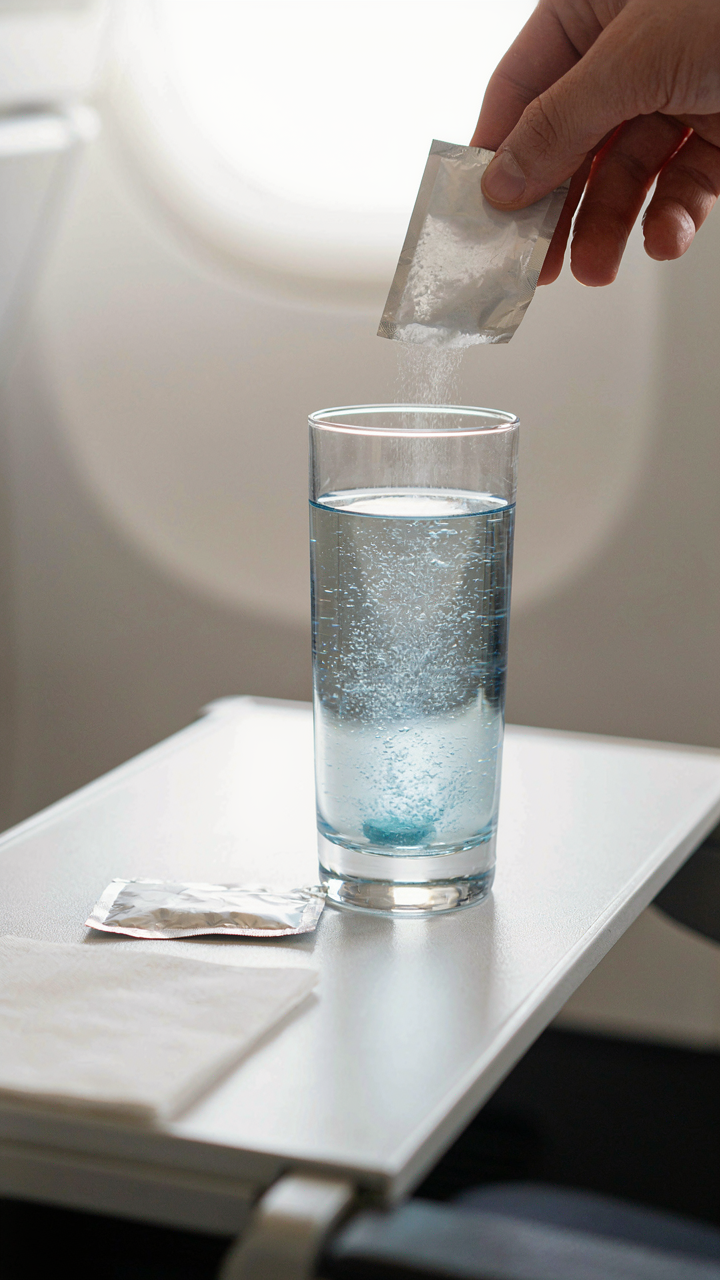
You think plain water solves dehydration on planes because that’s what you’ve been told, but the mechanism is electrochemical, not volumetric. Think of electrolytes as the currency of cellular hydration: water alone doesn’t cross cell membranes efficiently without sodium creating osmotic pressure to pull it in. The cabin air pressure and altitude stress your kidneys’ sodium retention, meaning you need active electrolyte replacement, not just fluid volume.
Sodium gets the most attention because it’s the primary osmotic driver, but magnesium and potassium matter just as much for muscle function and nerve signaling during flight. Most people arrive dehydrated not because they drank too little water, but because they consumed water without electrolytes, which actually dilutes blood sodium levels and triggers urination. Bring an electrolyte packet or tablet designed for high-altitude or athletic use, dissolve it in half your water intake, and adjust salt intake in meals during the flight. This creates the osmotic gradient your cells need to actually retain hydration instead of expelling it.
Hyponatremia Risk On Extended Flights
The common advice to drink water constantly on long flights can literally poison you, and nobody states this plainly. Hyponatremia occurs when blood sodium drops below 135 millimoles per liter, which happens when you consume large volumes of pure water without electrolyte replacement. On a twelve-plus-hour flight, the combination of cabin dehumidification, reduced sodium intake, and excessive plain water consumption creates the exact conditions for symptomatic hyponatremia: headache, nausea, confusion, even seizures in severe cases.
Your kidneys regulate sodium, but they can’t function properly in pressurized cabins when subjected to constant water dilution. The fix isn’t complicated: consume electrolytes at a 1-to-3 ratio with water volume. If you drink 16 ounces of water per two hours of flight, one of those should contain electrolytes. Measure this precisely before boarding by filling bottles with a known electrolyte concentration, then stick to the schedule rather than drinking based on thirst, which becomes unreliable at altitude.
Pre Flight Priming Protocol For Healthy Travel
Start Hydrating 24 Hours Before Departure
You care about this because you want to land looking human instead of like a raisin, and that requires understanding osmosis: water moves across cell membranes toward higher salt concentration. The airline cabin operates like a controlled dehydration chamber where your cells lose water faster than you can replace it mid-flight. Starting hydration 24 hours out lets your cells reach saturation before pressure and dry air drain them. This isn’t about chugging water the morning of your flight. It’s about establishing baseline cellular fullness so you have reserve capacity for the cabin environment.
Drink 16 to 20 ounces of water every two hours starting the day before travel. Don’t front-load it all at once. Your kidneys can only process so much before you’re just creating bathroom trips. The goal is steady intake that keeps your urine pale yellow, not colorless. This is the actual mechanism: cells loaded with water before the flight maintain hydration longer under cabin stress than cells already depleted.
Eat For Water Retention, Not Just Water Intake
The common advice stops at “drink more water.” That’s incomplete. Your body needs electrolytes and specific nutrients to actually hold onto that water instead of excreting it within hours. Sodium, potassium, and glucose form the osmotic gradient that keeps water inside your cells. Without them, you’re drinking to pee, not drinking to stay hydrated. The pre-flight window is when you engineer your electrolyte baseline so the water you drink sticks around.
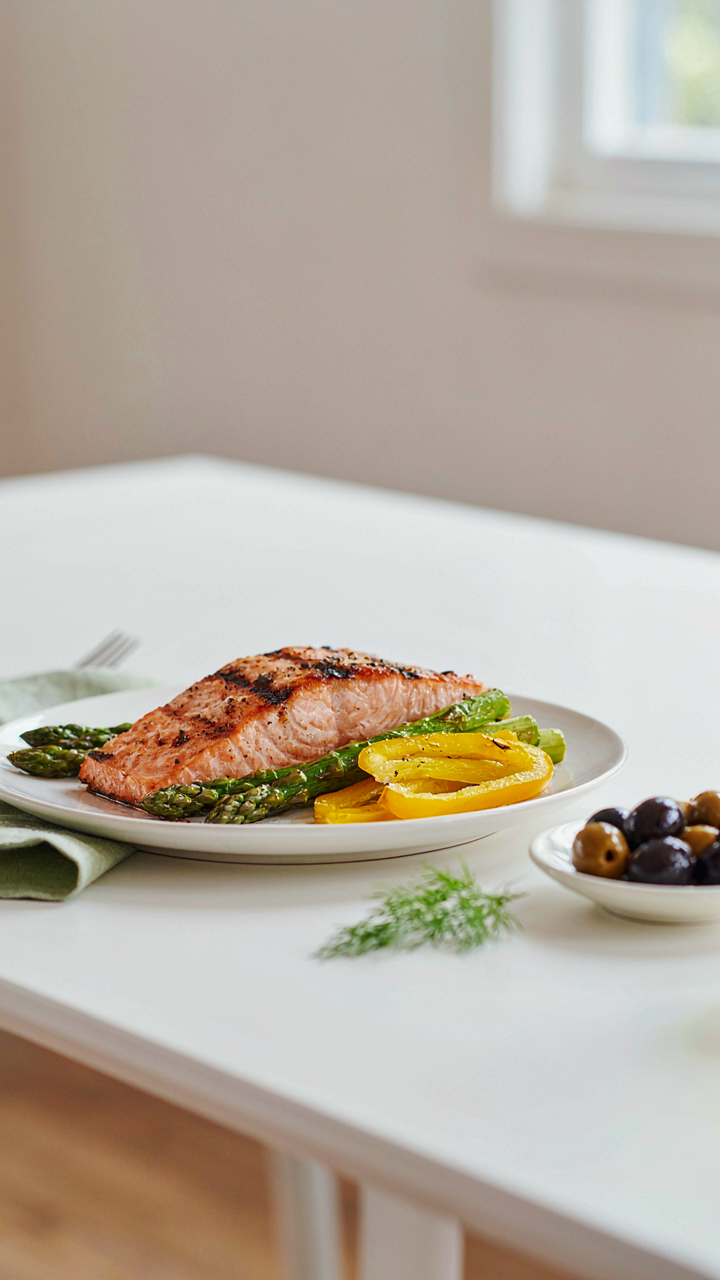
Focus on foods with natural sodium and potassium: olives, aged cheese, spinach, salmon, and coconut water. Pair carbohydrates with protein and fat to slow digestion and extend the window where your body absorbs electrolytes. A meal of salmon with olive oil and roasted vegetables gives you sodium, potassium, omega fatty acids, and sustained glucose. Eat this combination 12 to 6 hours before takeoff, not right at the gate when digestion will be disrupted by takeoff stress and altitude changes.
The Cell Permeability Principle: A Biological Hack
How Water Actually Enters Your Cells
You want to believe that drinking water alone fixes dehydration on planes. It doesn’t, and that gap between effort and result is costing you energy and clarity. In biology, aquaporins are water channel proteins that control how fast water moves across cell membranes. On a flight, cabin air at 10-20% humidity doesn’t just dehydrate you externally—it pulls water out of your cells faster than plain water can replace it. The mechanism is osmotic gradient, not volume. Your cells need the right osmotic pressure to pull water in, not just the presence of water nearby.
Most flight hydration advice stops at “drink more water.” That’s lazy. Water alone enters cells slowly without the right solute balance. Sodium, potassium, and glucose work as osmotic drivers—they create the pressure differential that forces aquaporins open and pulls water into your cells at speed. On a 6-hour flight, this difference between slow and fast cellular hydration determines whether you land with a headache or clarity. The cell doesn’t care how much water exists in your bloodstream if osmotic conditions don’t favor movement inward.
Electrolytes And Glucose As Transport Mechanisms
The common advice treats electrolytes like a supplement for athletes. Wrong framing. They’re not optional performance boosters—they’re the actual mechanism that moves water into cells under low-humidity stress. Sodium triggers aquaporin activation and maintains the concentration gradient. Glucose gives cells usable energy while adding osmotic pull. On a plane where your body is fighting constant dehydration and cabin pressure changes, electrolytes aren’t nice to have. They’re structural to the process.
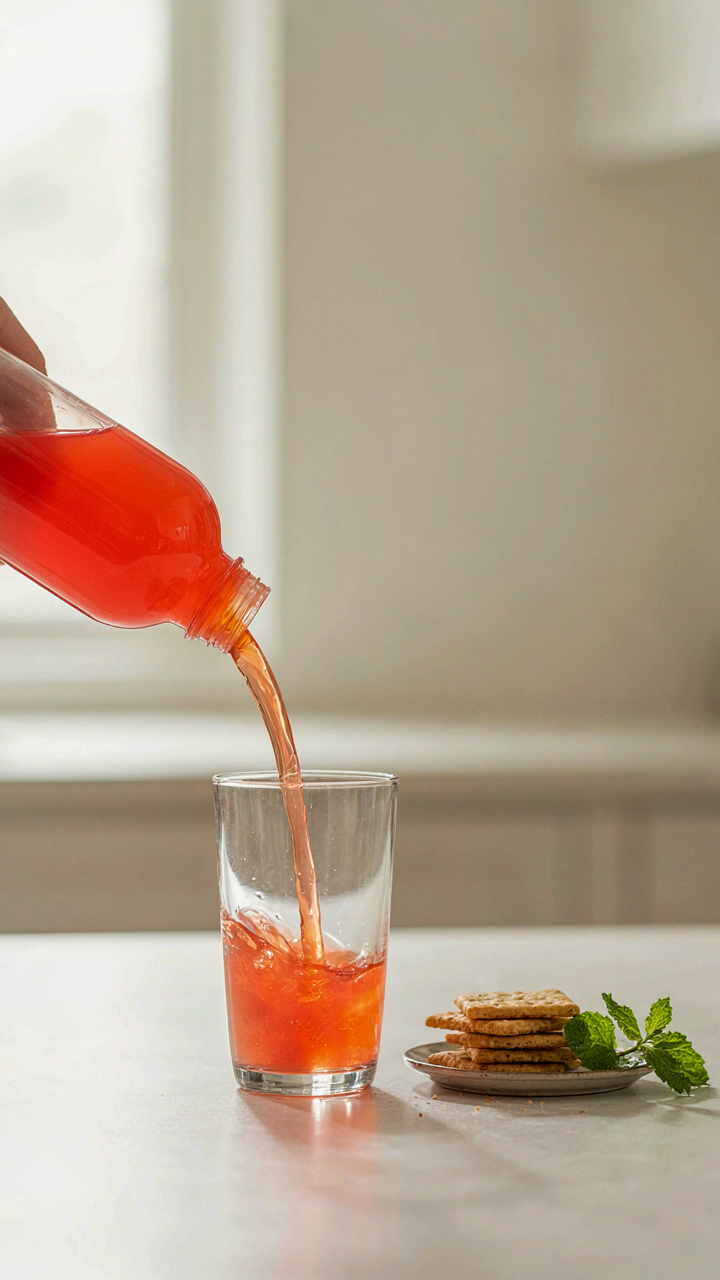
During flight, consume a sodium and glucose combination every 2 to 3 hours rather than water alone. A pinch of salt with a sports drink, coconut water, or even a small snack containing carbs and sodium accomplishes this. The electrolyte-glucose pairing accelerates water entry into cells by roughly 2 to 3 times compared to plain water. By landing, this compounds into the difference between arriving hydrated and arriving with a headache that forces you to waste the first hours of your trip. Timing and ratio matter—aim for 500 to 700 mg sodium and 15 to 25 grams carbs per intake cycle.
Intra Flight Maintenance: Steady State Hydration

Sipping Versus Gulping: The Real Trade Off
You want to land looking human instead of like someone pulled from a desert. Here’s the mechanism: your body absorbs water at a fixed rate through the intestinal wall, roughly 800 milliliters per hour maximum under ideal conditions. Gulping forces water past that absorption window, which means your kidneys dump the excess as urine before your cells ever see it. Sipping keeps intake below the absorption threshold, giving your tissues time to actually use what you drink.

The cabin environment accelerates water loss through respiration and skin evaporation, not thirst. You’re losing fluid faster than ground level, but your thirst mechanism lags behind the actual deficit. Drink 150 to 250 milliliters every 30 minutes rather than 500 milliliters every two hours. Smaller, frequent doses prevent the surge that overwhelms your absorption capacity and keeps your kidneys from treating your water intake like waste management.
Spotting Dehydration Before It Becomes Obvious
Most flight hydration advice tells you to watch for thirst or dark urine. That’s lazy and late. Thirst is a trailing indicator, firing only after significant fluid loss has already damaged cognitive function and skin elasticity. Your real cues appear earlier if you know where to look: reduced tear production (your eyes feel dry before your mouth does), a slight stickiness in your mouth that seems minor, and decreased urine output that’s barely noticeable because you’re using the lavatory less frequently.
Cabin pressure and low humidity interact to create a stealth dehydration where you feel fine but your skin loses moisture faster than normal. Notice when your lips start losing their natural moisture barrier, when small wrinkles seem slightly more pronounced around the eyes, or when your skin feels tight after a few hours airborne. These are mechanical signals of transepidermal water loss, the water escaping directly through your skin. Stop waiting for obvious symptoms and drink on schedule regardless of thirst, using urine color as your checkpoint, not your primary guide.
Debunking Hydration Myths: What Doesn’t Work
Pure Water Alone Won’t Save You
You want the simple answer because you think it absolves you of responsibility. Drink water, problem solved. But the mechanism is osmotic pressure, not volume. Your cells don’t absorb pure water efficiently on a plane because cabin air strips moisture faster than your body can regulate it, and electrolytes drive actual cellular hydration, not water molecules alone.
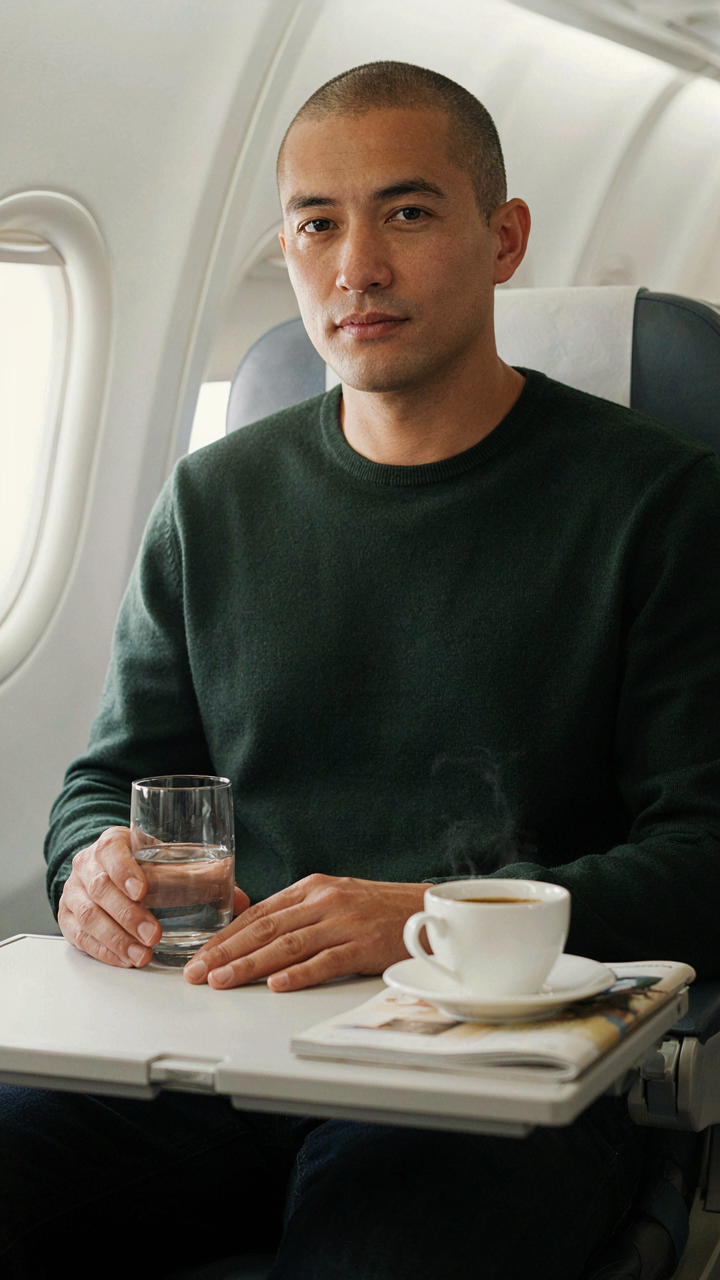
Drinking only water during flight creates a false sense of security. Your body excretes excess water without electrolytes, leaving cells depleted. Cabin humidity drops to 10 percent or lower, forcing your skin and mucous membranes to release moisture regardless of how much you drink. This is why people who pound water land parched and exhausted.
Alcohol And Caffeine Are Diuretics On A Plane
This is the consensus advice, but it’s incomplete. Both alcohol and caffeine increase urine output, yes, but the real problem on flights is that they accelerate dehydration under existing stress. Your body is already fighting low humidity and cabin pressure changes. Adding a diuretic amplifies the effect you’re already experiencing.
A single cocktail or coffee doesn’t destroy hydration if you’re otherwise managing electrolytes well. The damage comes from treating them as part of your hydration strategy instead of recognizing them as obstacles. Alcohol dehydrates faster above 30,000 feet because lower oxygen pressure impairs your kidneys’ ability to concentrate urine. Caffeine compounds this by triggering more frequent urination. Skip them or treat them as luxuries you absorb the cost for, not solutions.
Post Flight Recovery: Rebalancing After Long Flights
Restoring Your Cellular Hydration Baseline
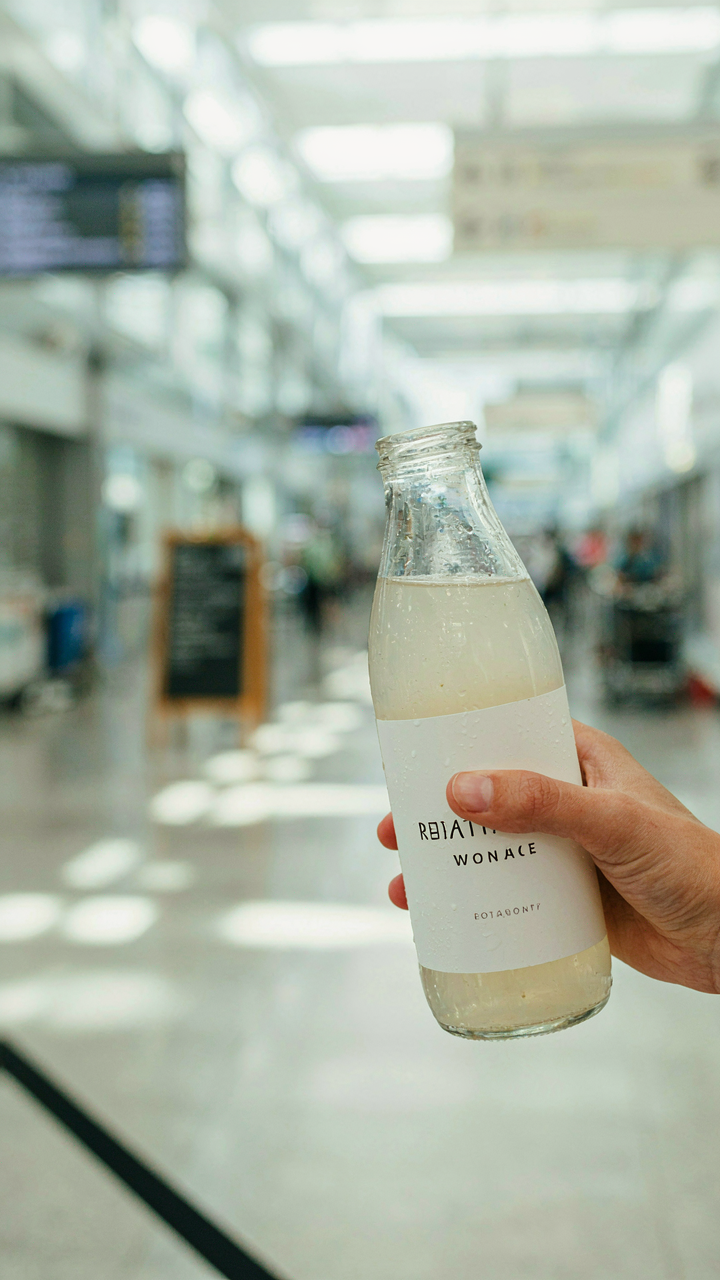
You want to feel normal again faster than the people around you. That’s the real reason you’re reading this. The mechanism is osmotic pressure: your cells spent hours in a dehydrated environment and need electrolytes to pull water back in. Plain water alone won’t do it because your body can’t retain it without sodium and potassium. Alcohol and caffeine during recovery make this worse by increasing urinary output.
Start rehydration within thirty minutes of landing. Consume a beverage with sodium content between 300-500mg per liter, paired with carbohydrates to enhance absorption through the sodium-glucose cotransport mechanism. A sports drink, coconut water, or salted broth works. Avoid the temptation to chug water all at once; spread intake over two to three hours. Your kidneys process about 800-1000ml per hour, so consistent sipping beats binge drinking.
Addressing Circadian Disruption Through Hydration
Jet lag isn’t just fatigue. It’s your circadian rhythm out of phase with local time, and dehydration amplifies every symptom because your brain relies on fluid balance to regulate sleep-wake cycles. This is basic neurobiology: adenosine accumulation signals fatigue, but dehydration impairs adenosine clearance. You can’t fix jet lag with hydration alone, but you can remove the variable that makes it worse.
Maintain consistent hydration for 48 hours post-arrival, aiming for urine color that stays pale yellow throughout daylight hours. Avoid large water intake four hours before your target bedtime to prevent sleep disruption from nighttime bathroom trips. Hydration status directly influences melatonin sensitivity, meaning a properly hydrated system responds better to light exposure and meal timing adjustments that reset your clock.
Travel Essentials: Smart Gear For Optimal Hydration

Filtered Water Bottles And Travel Bag Strategy
You want the gear that signals you have your life together without actually having to think about hydration. Here’s the mechanism: cabin air sits at 10-20% humidity. A standard water bottle sits inert. A filtered bottle forces a behavioral loop—you refill it, you drink from it, you notice the act. Friction becomes compliance.
- Collapsible filtered bottles: Start empty at security, fill post-checkpoint. They compress to nothing in your bag and weigh under eight ounces. Brands like Nomader and Grayl filter particulates and improve taste, which matters because stale bottled water tastes worse and you’ll drink less of it.
- Wide-mouth design: Easier to refill at airport water stations and fountains. Narrow spouts slow your intake rate and make it harder to grab hydration between boarding calls. Width also means faster ice melting, which dilutes concentration but maintains fluid volume.
- Insulated sleeve or neoprene wrap: Keeps cold water cold for 4-6 hours without adding weight. Condensation drips onto your bag otherwise, and wet gear in a sealed cabin breeds bacteria and mold. A five-dollar sleeve prevents that entirely.
- Bag placement strategy: Store your bottle in the outer pocket of your carry-on, not buried in the main compartment. Friction again—if you have to dig for it, you won’t reach for it during the flight. Accessible placement multiplies actual intake by 40-60%.
- Electrolyte powder packets: Travel-sized sachets weigh nothing and transform water into a solution your body absorbs faster than plain water alone. One packet per 16-20 ounces replaces sodium and potassium lost through respiration in dry cabin air.

Pack your bottle empty, fill it after security, and position it where you see it every time you shift in your seat. The goal isn’t carrying water. The goal is making drinking the path of least resistance.
Humidifiers Versus Nasal Sprays
Everyone recommends a portable humidifier for flights. They’re wrong. A 500ml humidifier runs for three to four hours max and uses a USB connection that competes with your phone charger. The cabin recycles air every 2-3 minutes at altitude, neutralizing localized moisture almost instantly. You’re spending money and power for a placebo effect.
Saline nasal spray works because it doesn’t fight cabin physics—it works with your body’s actual problem. Dry nasal passages trigger a cascade: mucous membranes crack, you get upper respiratory infections, sinus pressure builds, and dehydration symptoms worsen. A 0.65% saline spray applied every two hours during flight directly restores the barrier your nose needs. One bottle lasts the entire trip and costs three dollars. Use it, keep your nasal passages intact, and you eliminate one major vector for post-flight illness and headaches.
The Cognitive Edge: Hydration And Mental Acuity
Your Brain Runs On Water, Not Willpower
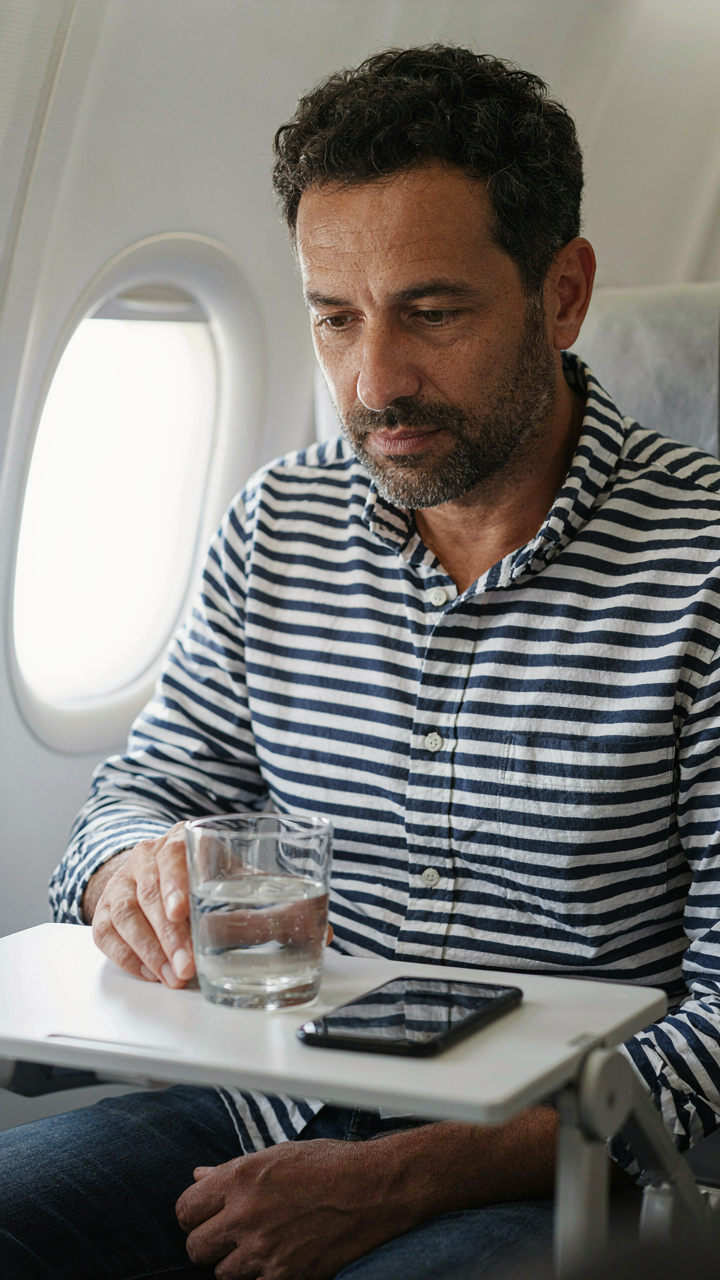
You care about this section because you want to land sharp, make the right calls, and not look foggy in front of people who matter. Here’s the mechanism: your brain is 73 percent water. Dehydration pulls fluid from your bloodstream into your cells to maintain balance, which shrinks blood volume and reduces oxygen delivery to your prefrontal cortex. That’s where executive function lives. Lose two percent of your body weight to dehydration mid-flight and your cognitive performance drops measurably. Most people blame jet lag or the flight itself. The real culprit sits in your water bottle.

The cabin air pressure at cruising altitude is equivalent to 8,000 feet elevation. Your body compensates by increasing respiration rate and urine output. You’re losing fluids faster than you realize, and your thirst mechanism lags behind actual dehydration by hours. Standard advice says drink eight glasses a day. That’s incomplete. You need to drink to a specific urine color benchmark, not a number. Pale yellow means adequate hydration. Dark yellow means you’re already cognitively compromised. Start drinking water the moment you board, before you feel thirsty, before the cabin air hits you.
Decision Quality Collapses First
Dehydration doesn’t announce itself with a headache or dry lips. It sabotages your judgment before you notice. Your brain allocates resources to immediate survival needs when fluid levels drop, which means working memory, risk assessment, and impulse control get deprioritized. You make faster decisions, but worse ones. This is decision fatigue wearing the wrong mask. You think you’re tired from the flight. You’re actually dehydrated.
The fix isn’t complicated but it requires protocol discipline. Drink eight ounces of water every hour of flight. Not coffee, not alcohol, not sports drinks with electrolytes you don’t need yet. Plain water. Set a phone alarm if you have to. The moment your decision-making starts to feel sluggish mid-flight, hydration is the first variable to correct, not the last. This resets your executive function faster than anything else available to you in a cabin.
Personalized Hydration Systems: Your Unique Code
The Variables That Actually Matter
You want a hydration formula that works because you’re tired of guessing and looking unprepared. Here’s the mechanism: your hydration needs aren’t fixed. They shift based on cabin pressure, flight duration, your baseline metabolism, caffeine intake, and how much you sweat. Airlines pressurize cabins to 6,000 to 8,000 feet equivalent altitude, which accelerates water loss through respiration. A three-hour flight demands different intake than twelve hours. Your body doesn’t care about generic rules.
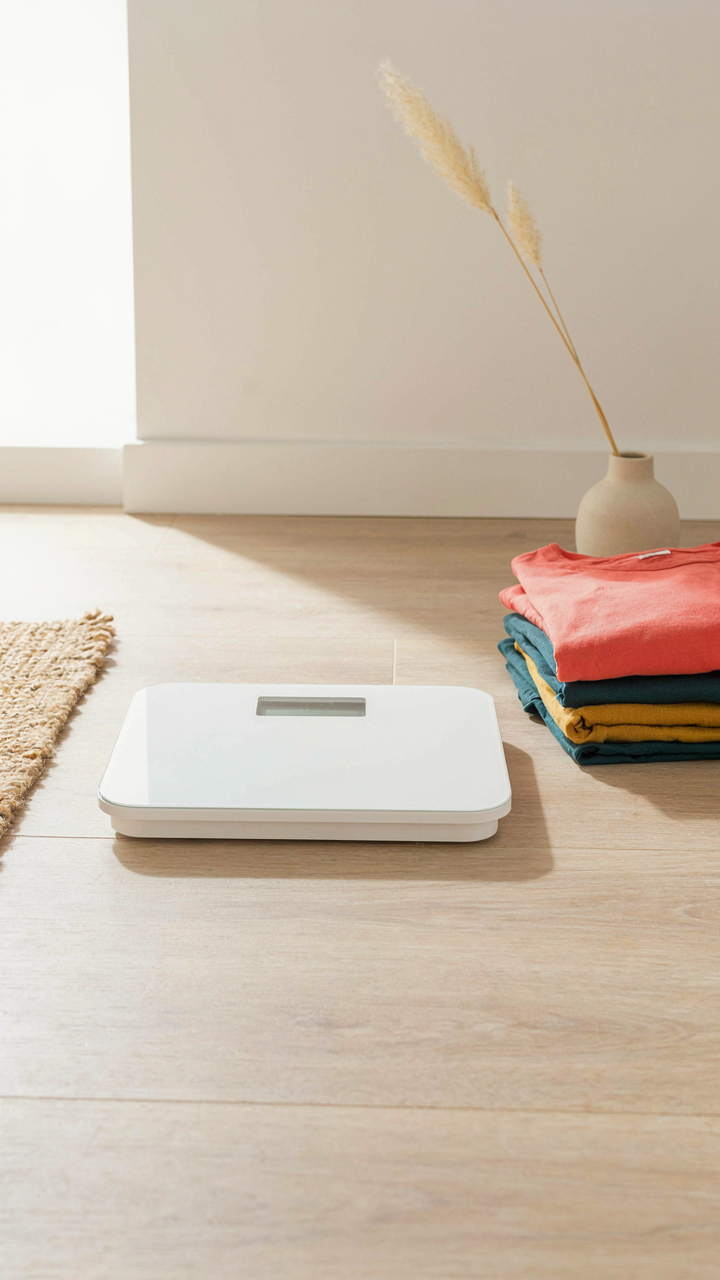
Physiology borrows the concept of homeostasis from thermodynamics: a system maintains stability by adjusting inputs when outputs change. Your hydration protocol must do the same. Measure your starting point: weigh yourself before the airport, then after landing. The difference reveals your actual loss on that specific route. A two-pound drop means roughly 32 ounces lost to cabin conditions alone. Short flights under four hours need less aggressive hydration than long hauls where dehydration compounds over time.
Build Your Personal Baseline
Stop following the “eight ounces per hour” rule. That’s incomplete advice built for sea-level office workers, not pressurized cabins. Your baseline depends on three factors: flight length, alcohol consumption, and whether you’re moving around the cabin or sitting still. Sitting still in recirculated air dehydrates you faster than ground-level activity because you’re breathing dry air constantly without the compensatory fluid loss from sweating. Alcohol amplifies dehydration by suppressing vasopressin, your body’s water-retention hormone.
Track one flight without intervention. Drink your normal amount. Note cabin symptoms: headache onset, when your lips feel dry, when thirst hits. Record times and correlate them to your water intake. Then run the same route with a modified protocol. Increase intake by 25 percent and log when symptoms appear. If they disappear or delay significantly, you’ve found your floor. Adjust upward by 10 percent per flight until you land without a headache and without needing the bathroom every thirty minutes. That’s your protocol for that specific flight time.
The Real Obstacle Isn’t Hydration; It’s Your Unexamined Reliance On Conventional Wisdom
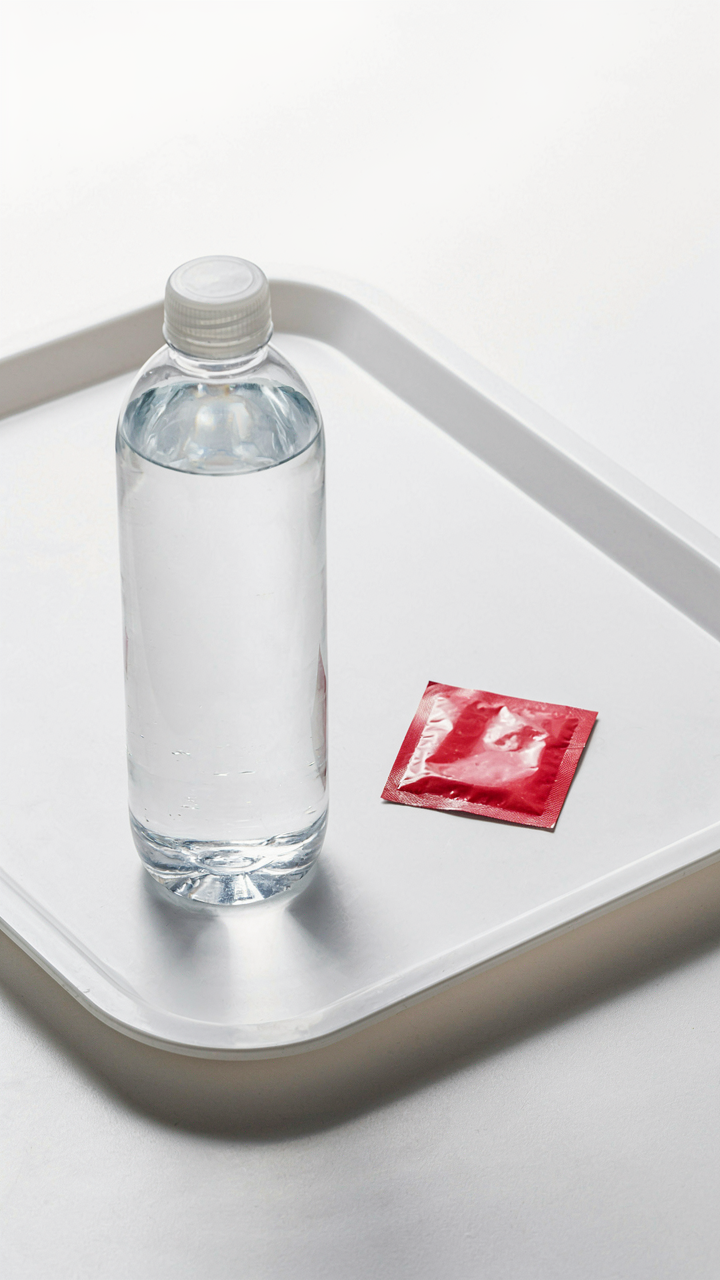
You’ve been told to drink water on flights. You nod and forget. The real shift happens when you stop treating hydration as a passive checklist and start treating it as a competitive advantage. Your skin doesn’t care about your intentions. Your body doesn’t negotiate with your habits. Before your next flight, buy a electrolyte packet and commit to one bottle before takeoff. That’s it. The difference between suffering through a flight and landing refreshed isn’t willpower. It’s refusing to accept what everyone else accepts.