The Layering Imperative: Not An Option, A System
Cabin Temperature Is Not Stable
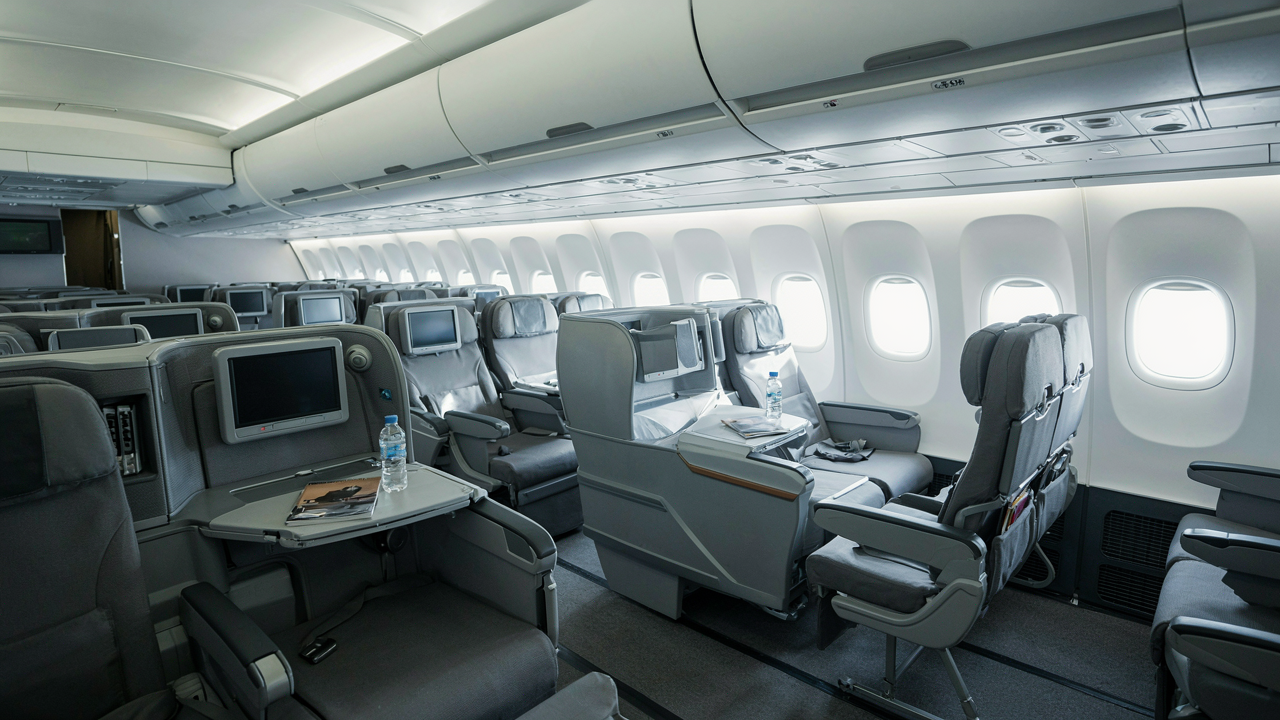
You want to look put-together without freezing or sweating through your shirt, and that fear drives most people to wear one thick layer and suffer. Here’s what actually happens: aircraft cabins maintain pressure at 6,000 to 8,000 feet altitude equivalent, which alters how your body regulates heat. Add in uneven airflow, heating zones near the galley, and cooling vents above seats, and you get a micro-climate, not a controlled environment. Temperature swings of 15 degrees between sections are normal.
Layering is not a fashion statement. It’s a thermal management system borrowed from mountaineering, where altitude exposure demands active adjustment rather than passive tolerance. Each layer serves one function: base for moisture, mid for insulation, outer for containment. You remove and add based on cabin zones and time of flight, not emotion. A long flight means 7 to 15 hours of micro-adjustments. Most people pack one sweater and wonder why they’re miserable at hour 4.
Strategic Removal Without Looking Undone
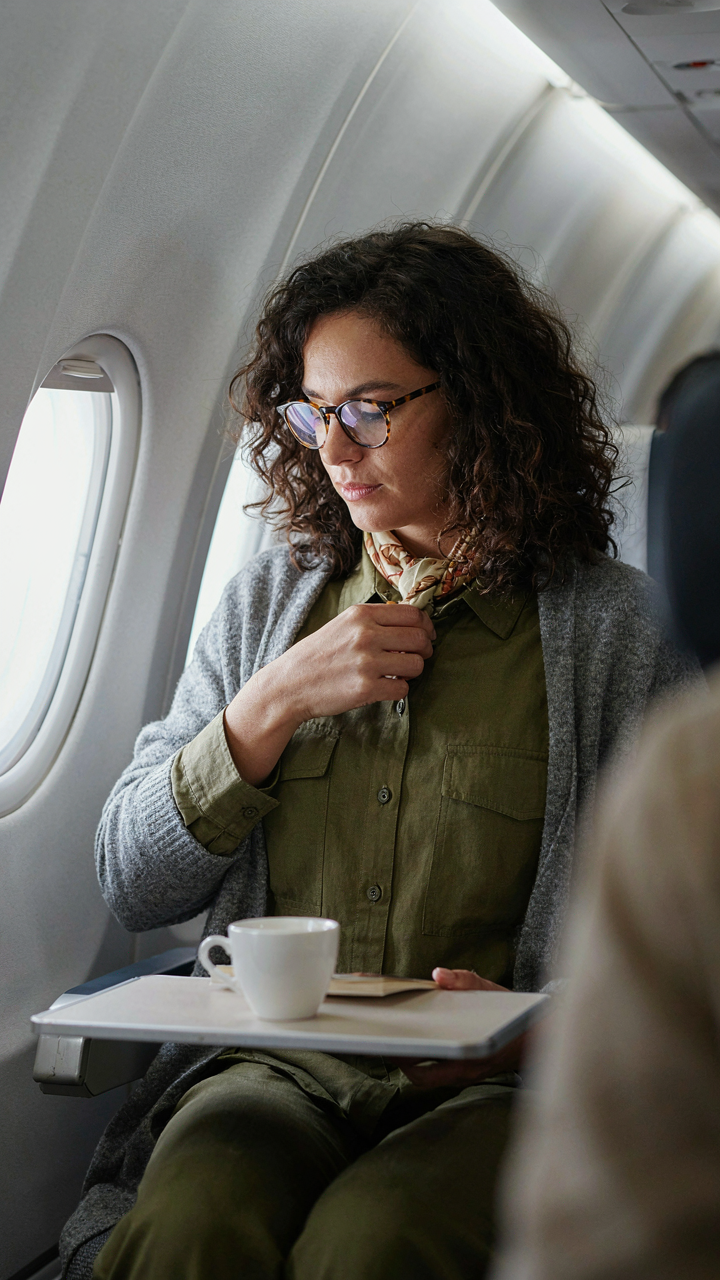
The advice to “just wear layers” misses the actual problem: removal and addition must not destroy how you present yourself. You can’t strip down to a t-shirt without signaling discomfort or disarray. The mechanism is simple: wear pieces that layer invisibly and can be managed without creating a pile on your lap or armrest.
Start with a fitted long-sleeve or merino wool base under a button-front overshirt in a neutral color. The buttons let you modulate without full removal. Add a structured cardigan or lightweight blazer that doubles as both warmth and presentation. Keep a scarf or neck gaiter compact in your personal item—it adds 10 degrees of warmth around your core without taking up seat space. This system lets you adjust every 90 minutes without looking like you’re dismantling your outfit. The goal is to appear intentional at landing, regardless of what you’ve added or removed during flight.
Compression Wear: Your Circulatory Ally, Not Just For Athletes
Why DVT Isn’t Just Medical Theater
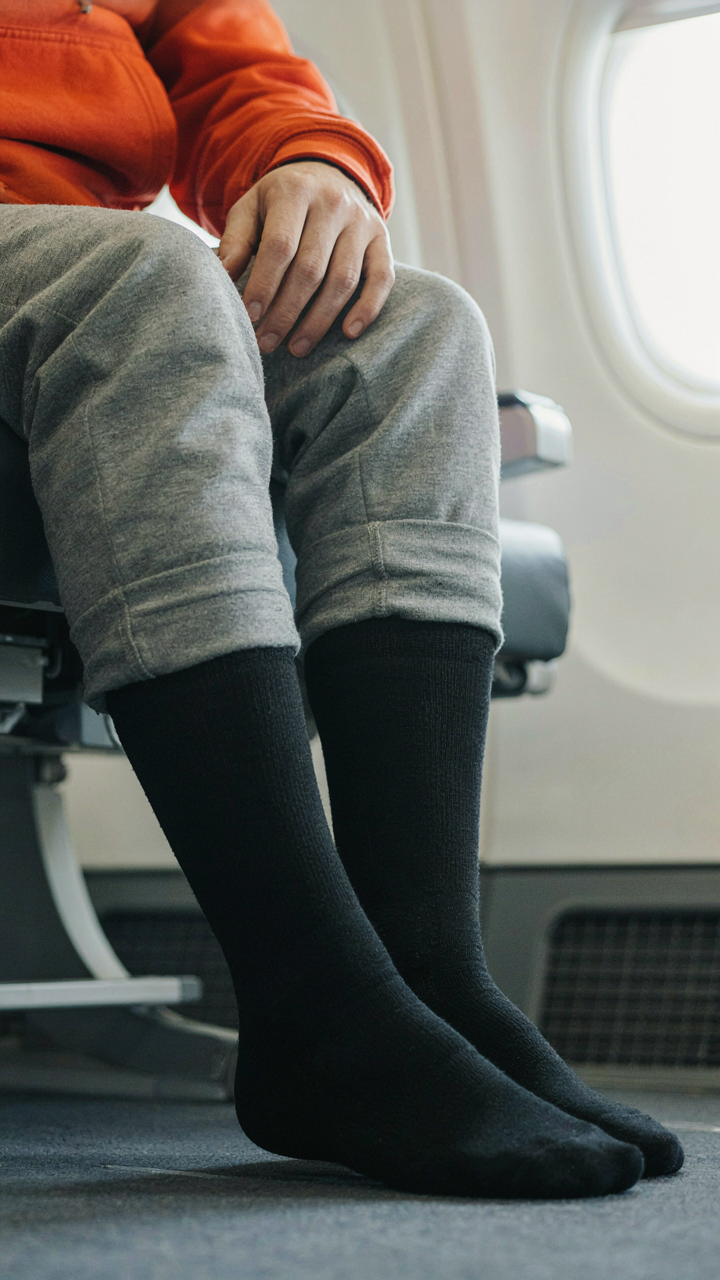
You’re worried about looking sick on a plane, so you avoid compression wear entirely. Here’s the mechanism: immobility forces blood to pool in your legs. Gravity pulls it down. Your calf muscles, which normally pump blood back to your heart with each step, stay dormant for eight hours. Compression wear applies graduated pressure—tighter at the ankle, looser at the thigh—to manually do the work your muscles won’t. This isn’t paranoia. Prolonged immobility increases clot risk, especially on flights over four hours.

The real compression piece uses the same principle as hydraulic systems in engineering: controlled pressure counteracts resistance. Your veins need help fighting gravity. Merino wool blends and synthetic options like nylon spandex combinations deliver this without the medical aesthetic. Choose 15-20 mmHg compression for flights. This range prevents pooling without cutting circulation. Wear them under regular pants. Nobody knows they’re there, and your legs land without the deep ache that makes you shuffle through the airport like a desk worker.
The Underrated Comfort Multiplier
Compression legwear eliminates the swelling that turns your ankles into tree trunks by hour six. When your lower legs swell, every pair of pants you own suddenly feels too tight. You shift. You adjust. You stand every twenty minutes just to escape the compression of fabric on inflated tissue. Compression wear prevents the swelling from starting. This single mechanism solves the whole fidgeting problem most travelers blame on seat design. Your legs stay stable. You actually rest instead of repositioning every fifteen minutes.
The secondary benefit: thermal regulation stays neutral. Quality compression fabrics wick moisture and don’t trap heat like cotton does. Your legs breathe. You don’t wake up with that clammy feeling compression socks used to deliver. Put them on before boarding, keep them on for the flight, and remove them thirty minutes after landing when you’re moving normally again. This protocol takes four seconds to execute and removes ninety percent of the lower-body discomfort that makes long flights physically exhausting.
Fabric Selection: The Unseen Performance Metric

Moisture Wicking Stops The Sweat Trap
You care about this because sitting still for eight hours while your body temperature rises slowly will either leave you fresh or clammy, and clammy feels like failure. Thermoregulation is the mechanism at work here—your skin releases moisture constantly, but in a pressurized cabin with recycled air, that moisture has nowhere to go on cotton or linen. It pools against your skin instead of evaporating.

Synthetic blends and merino wool move moisture away from skin to the fabric surface where air circulation can actually evaporate it. Cotton absorbs moisture and holds it, creating the exact opposite effect. This isn’t preference—it’s physics. Wear polyester blends, nylon, or merino wool base layers under your outer shirt. Skip cotton entirely. The difference between arriving damp and arriving dry is material selection, not willpower.
Wrinkles Reveal What You Actually Chose
Most travel advice tells you to pick wrinkle-resistant fabrics to “look sharp” when you land. That’s incomplete. Wrinkle resistance matters because it reveals whether you chose convenience or actually planned. Fabrics engineered to resist wrinkles—like synthetic blends with polyester content or treated cottons—require less active maintenance during a long flight and hold their structure through compression in a carry-on.
Natural fibers crease under their own weight during eight hours of sitting. You’ll either spend time and energy pressing them at your destination or accept looking unfinished. Nylon, polyester, and treated fabrics maintain their geometry without intervention. Check the tag before purchasing: if it says “wrinkle-resistant” or lists synthetic content above 50 percent, the fabric will retain its shape through a flight. Choose compression-friendly fabrics that maintain structure without ironing.
The Footwear Protocol: Slip On Efficiency
Shoes Off The Ground
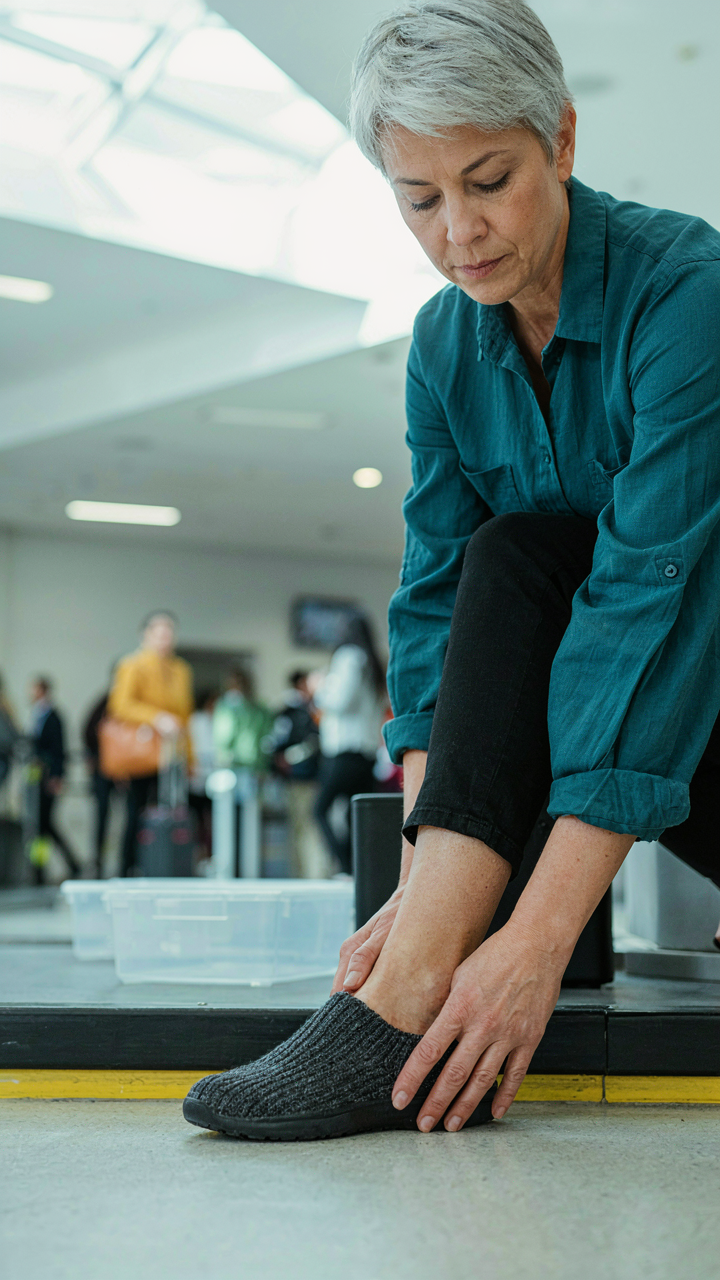
You want to look like you’re not struggling through the airport. That’s the real motive. The mechanism is friction. In physics, friction is resistance between surfaces. On a flight, your shoes create friction against your feet and the ground. Slip-on shoes eliminate one friction point entirely. You move faster through security because you don’t unlace anything. You board quicker. The psychology follows the physics: you feel in control because you’re actually moving with fewer obstacles. Lace-up shoes cost you five minutes minimum at TSA and create a mental tax you don’t recover from for hours.
Slip-on design works because it removes a decision. You step out, step through, step back in. No fumbling. No bending to tie at the gate. Choose slip-ons with a structured opening that doesn’t gape when you walk. Avoid slip-ons so loose they shift with each step. The shoe stays on your foot through the terminal but comes off in three seconds flat when you reach the scanner.
Swelling Demands Foot Release
Your feet will swell on a long flight. This is vascular pressure accumulation, not opinion. Eight to twelve hours of sitting forces blood into your feet because gravity isn’t moving it back up. Your shoe choice directly determines whether this swelling causes pain or just mild tightness. Generic advice says wear compression socks. That’s incomplete. You need shoes that release pressure, not shoes that resist it once your feet expand.
Choose footwear with elastic uppers or adjustable straps that accommodate growth without cutting off circulation. Leather shoes conform slightly as they warm. Canvas and knit materials stretch and give. Hard-shell designs and narrow toe boxes become prisons. Bring shoes one half-size larger than your normal fit for long hauls. You’ll slip them on at the airport in your true size, swell into the larger pair after takeoff, and avoid the circulation trap that turns the last two hours of your flight into foot agony.
The Utility Pouch Method: Everything In Its Place
Accessibility Without Reaching Overhead
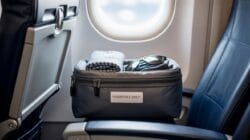
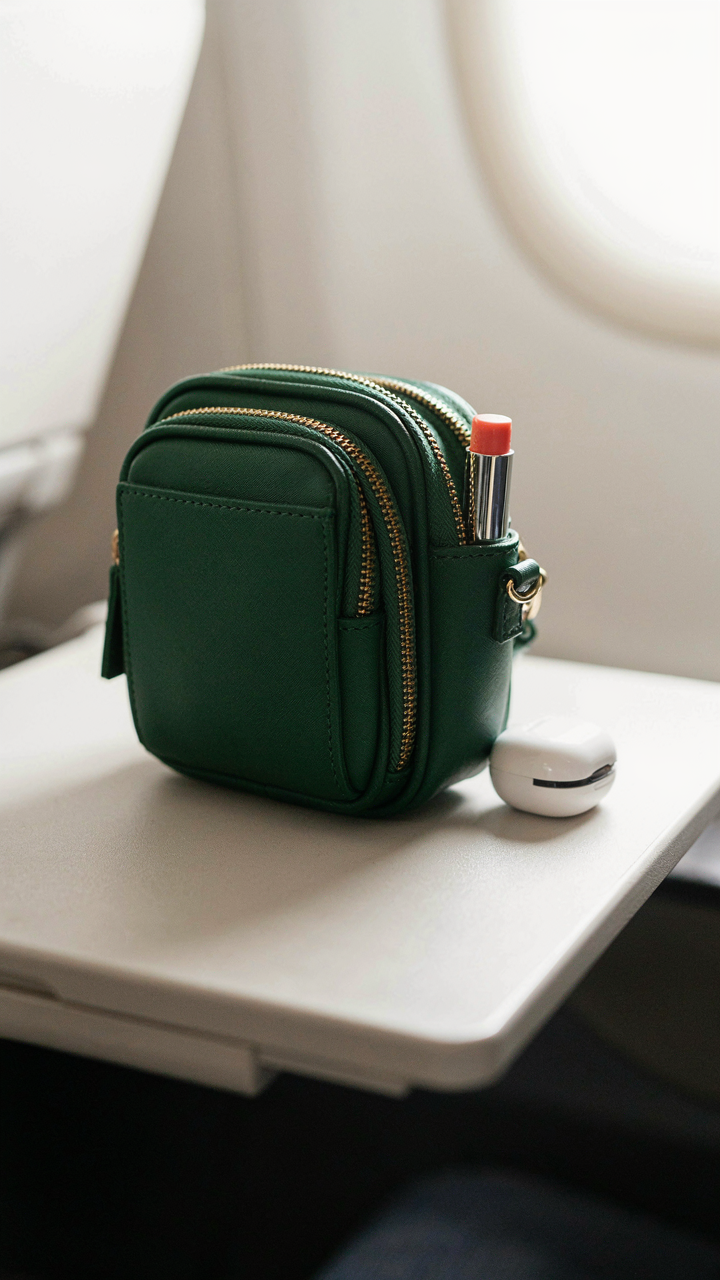
You want to feel prepared without looking like you’re rationing supplies for a week in the wilderness. The real mechanism is this: on a flight, your overhead bin becomes dead space the moment the door closes. Everything you’ll actually need during the flight must live within arm’s reach, which means in your seat pocket, under the seat in front of you, or in a small pouch on your lap. This eliminates the choice paralysis that kills comfort.

A small crossbody bag or structured pouch works better than a backpack because you control it without unbuckling or disturbing neighbors. Keep socks, a light layer, lip balm, and headphones here. The goal is zero trips to overhead during flight. You move once to retrieve it before takeoff, then never again. This prevents the cascade of minor physical stresses that accumulate over eight-plus hours: standing, reaching, squeezing past people, sitting back down.
Rapid Deployment Through Zones
Military logistics calls this “forward positioning” – keeping critical supplies at the point of use rather than in central storage. On a flight, this means compartmentalizing your pouch into zones that match the actual sequence of your discomfort. The common advice to “just bring what you need” is vague and useless. Instead, organize physically: immediate items in the top pocket (headphones, phone), comfort items in the main compartment (socks, layer, eye mask), emergency items in a side pocket (medications, gum, lip balm).
This structure eliminates the five-minute dig through a bag while trapped in your seat. You know exactly where each item lives because you designed the system. Deploy what you need in seconds without hunting. The pouch itself should have rigid sides so it doesn’t collapse when you set it down, turning it into a useless fabric blob. Hard-sided pouches hold their shape and let you access compartments without upending everything onto your lap.
Beyond Aesthetics: The Best Outfits For Long Flights

Fabrics That Move With You, Not Against You
You want to look put-together at 35,000 feet because appearing disheveled signals you’ve lost control. Here’s the mechanism: restriction triggers the nervous system. Tight waistbands, rigid seams, and inelastic materials force your body into constant micro-adjustments. Your muscles work harder. Blood pools differently. You swell. Then you blame the flight instead of your jeans.
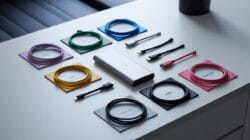
Stretch is physics applied to fabric. You need materials that give without sagging, then return to shape. Cotton blends with spandex, modal, or elastane do this. Merino wool resists wrinkles and temperature swings without needing stretch. The rule is simple: if you can’t bend, twist, and sit cross-legged without feeling fabric tension, don’t wear it on a flight over four hours.
- Ponte knit: A cotton-polyester blend with built-in recovery. Resists wrinkles, maintains shape through eight-hour flights, and breathes better than pure synthetics.
- Merino wool: Temperature-regulating and antimicrobial. Stays fresh without washing, moves with your body, and handles humidity without clinging.
- Nylon blends: Lightweight and durable. Often used in travel-specific brands because they dry fast and compress without creasing permanently.
- Linen-cotton blends: Breathable and flexible. Pure linen wrinkles excessively, but blends maintain structure while allowing airflow and movement.
- Elastane-infused knits: Minimal percentage (under 10%) gives clothes memory without the shiny, synthetic feel of high-spandex garments.
Most flight advice tells you to wear loose clothing. That’s incomplete. Loose clothing that doesn’t fit you creates its own problems: bunching, excess fabric catching on seats, and constant readjustment. You need fitted cuts in stretch materials, not oversized cuts in rigid ones. This distinction changes everything about how you feel at landing.
The Palette That Travels
Neutral colors aren’t boring advice for people afraid of fashion. They’re a logistical system. You’re packing three to seven days into carry-on. Every piece must work with every other piece. This forces intentionality and eliminates decision fatigue at the airport.
Grays, blacks, taupes, creams, and navy form the base. One accent color maximum—olive, burgundy, or rust. Everything coordinates. You wear one outfit on the flight, two to three more across your trip, and nothing looks repetitive. The math is clean. Hotel lighting, airport fluorescents, and window seat shadows all render neutrals accurately. Bright colors shift unpredictably under artificial light and photograph poorly in transit photos you’ll inevitably take. Neutral palettes collapse the variables between home and destination lighting.
Your carry-on outfit plus one backup piece mean you can layer, change, and adapt without the mental load of color matching at 6 AM. Stick with this and you move faster, pack lighter, and look intentional instead of reactive.
Hygiene Hacks: Arrive Refreshed, Not Ragged
Quick Refresh Without The Sink
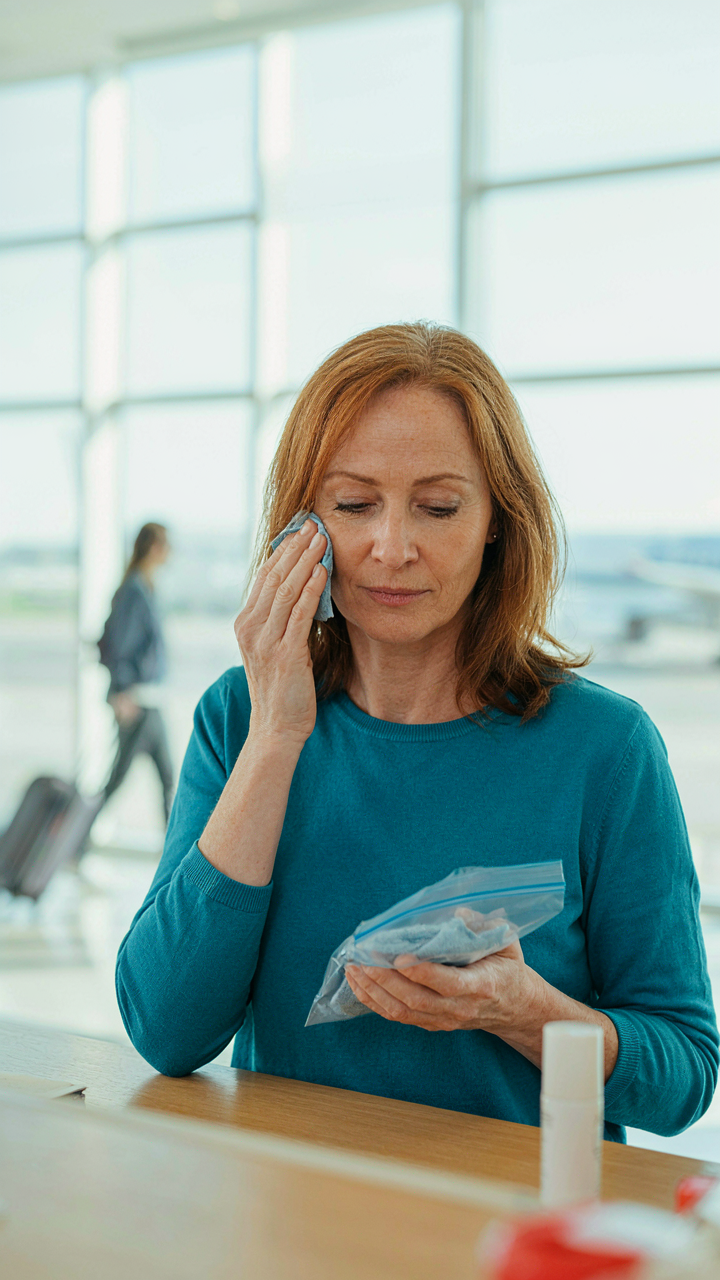
You want to land looking presentable because you know appearance signals competence, and eight hours of recycled air erodes that signal fast. The mechanism is simple: cabin humidity drops to 10-20 percent during flight, which dries skin and mucous membranes while trapping dead skin cells on your surface. You can’t stop this. You can interrupt it.
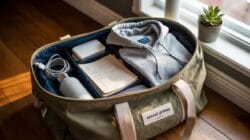
Pack a microfiber washcloth and seal it in a gallon bag with a small amount of water. Two hours before landing, wet the cloth with bottled water from the cabin, wring it out, and wipe your face, neck, and hands. This rehydrates skin without the logistics of a bathroom sink. Follow with a travel-size moisturizer suited to your skin type. The cloth dries fast and takes zero luggage space when folded flat.
Scent Is A Boundary, Not A Choice
The advice to avoid cologne or perfume is incomplete. The real rule: scent in a pressurized cabin concentrates and lingers in fabric for hours after you leave. You’re not protecting others from a minor annoyance. You’re respecting a biological fact that recirculated air amplifies olfactory compounds, turning a subtle application into an intrusive presence for everyone within three rows.
Wear unscented deodorant. If you want fragrance, apply it only to your wrists and neck before boarding, not mid-flight. Skip fragranced lotions and hair products. Choose neutral or lightly scented everything else. This isn’t restraint. It’s recognizing that a confined space with no escape route demands different rules than ground-level interaction. Arrive fresh through hydration and cleanliness, not through competing scents.

The Airplane Travel Outfits For Women: Strategic Accessory Choices
Accessories That Clear Security Fast
You want to look put-together without the friction, because TSA lines punish complexity. Here’s the mechanism: every accessory you wear either moves through security in seconds or creates a bottleneck. A belt with a metal buckle requires removal. A scarf requires unwinding. A bag with a metal frame requires opening. Strategic accessory choices mean you reach your gate in fewer steps than the person ahead of you who wore seven layers of jewelry.
The real rule nobody states: minimize metal contact points on your body and bag. Wear a simple crossbody bag with a magnetic clasp instead of a rigid frame. Skip the belt entirely or choose one with a plastic buckle. Keep earrings small. These aren’t style sacrifices—they’re speed plays. You move through security, you sit down fresh, you control the narrative of your arrival instead of feeling rushed before you even board.
The Noise And Light Utilities
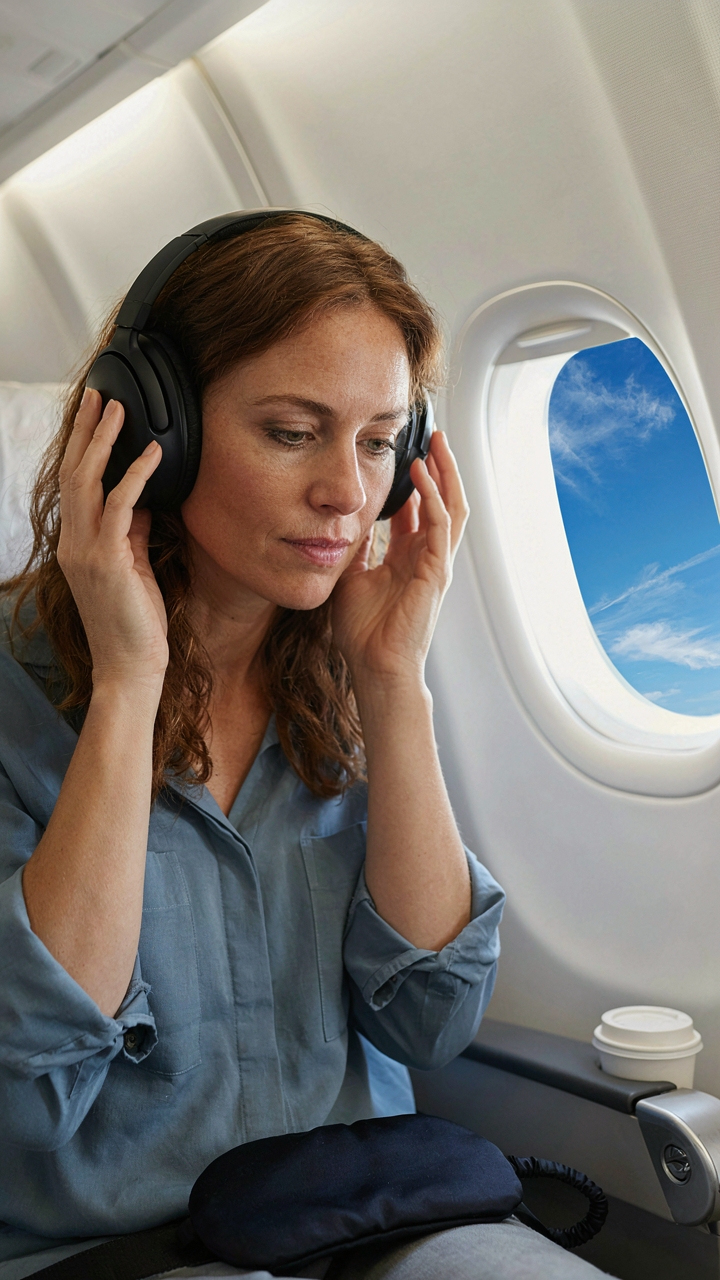
Noise-canceling headphones and an eye mask aren’t comfort items—they’re defensive tools that reclaim your sleep architecture on a flight where every external stimulus works against you. Active noise cancellation doesn’t just reduce volume; it cancels sound waves by generating inverse frequencies, effectively removing the acoustic environment from your brain’s processing load. This mechanism lets your nervous system drop into sleep rather than remaining on alert to ambient noise.
The eye mask works the same way: it removes visual input, which is a primary wakefulness trigger. Melatonin production depends on darkness. A thin mask costs nothing and guarantees the signal your body needs to shift into sleep mode. Pack both items in an easily accessible compartment of your carry-on, not buried at the bottom. You deploy them the moment you sit down, not two hours in when you’re already wired and frustrated.

Your Biggest Obstacle Isn’t The Outfit; It’s Your Resistance To Prioritizing Yourself
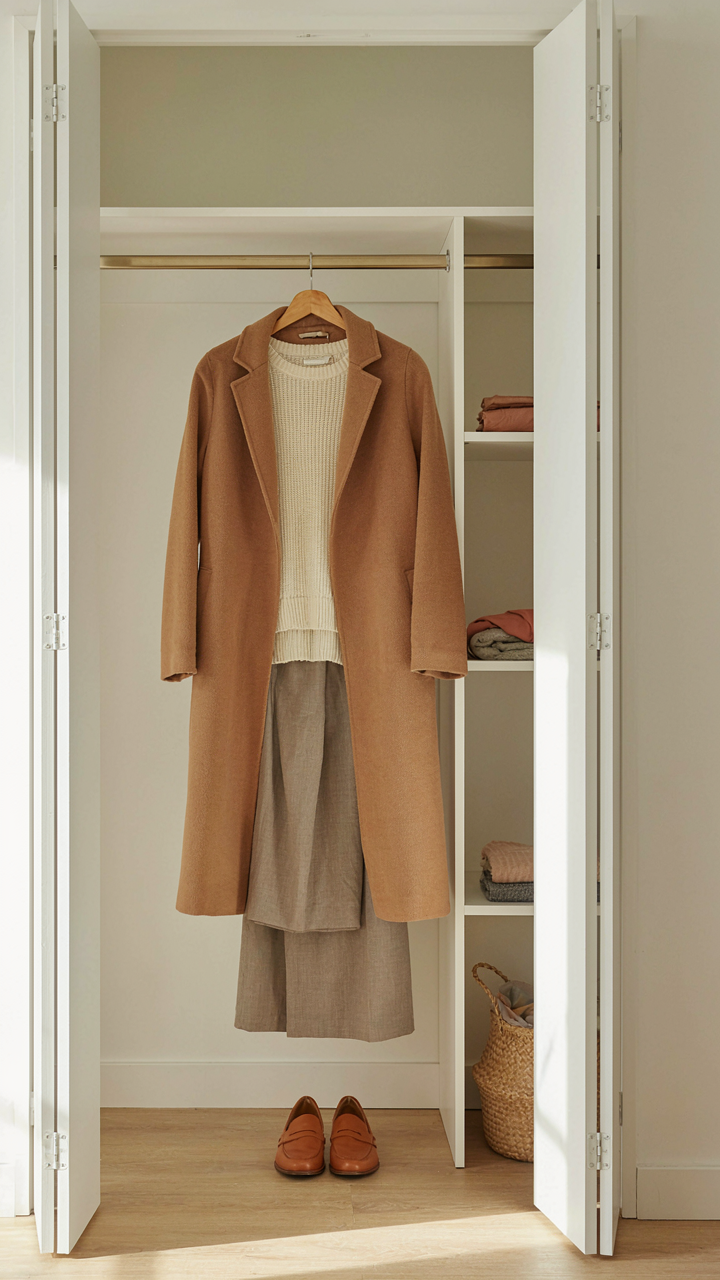
Most people treat long flights like punishment. They pack whatever’s clean and suffer for ten hours. But choosing what to wear on a long flight signals something deeper: you believe your comfort matters. That belief compounds. It bleeds into how you move through the world. Open your closet today and set aside one outfit specifically for your next flight. Not someday. Today. The outfit itself isn’t the point. You are.