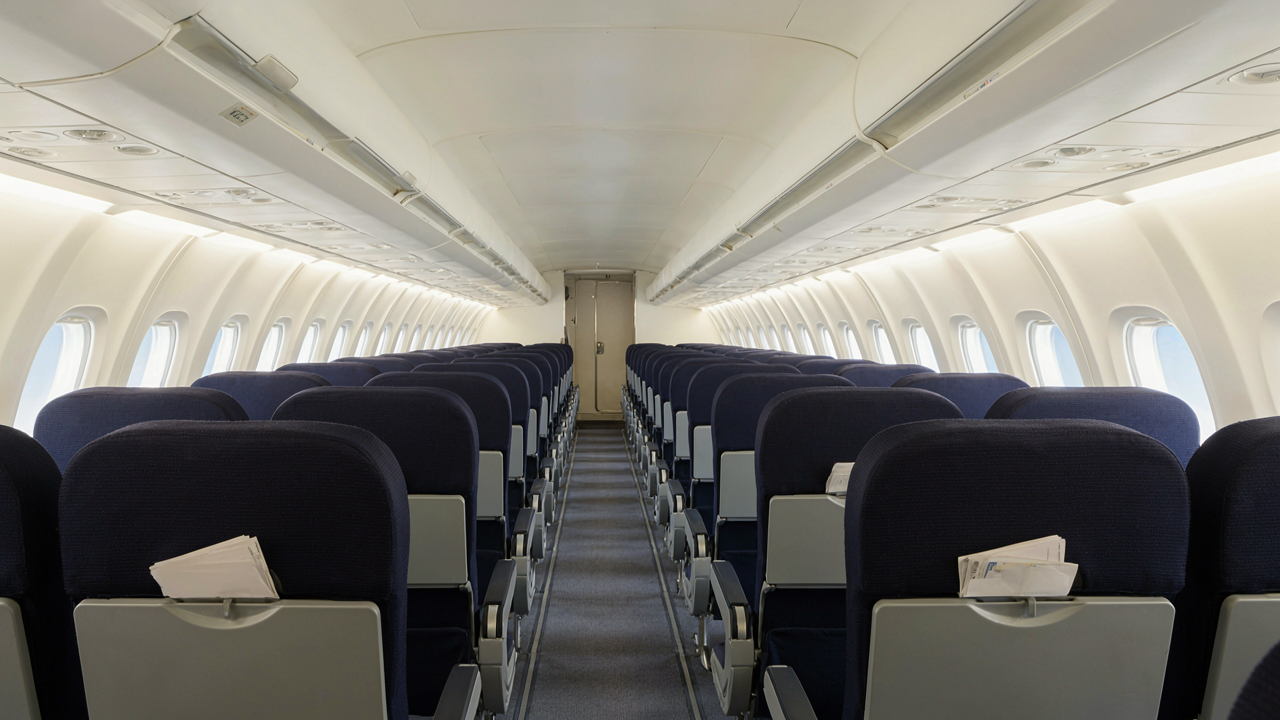
Beyond The Buzz: Why Most White Noise Fails You
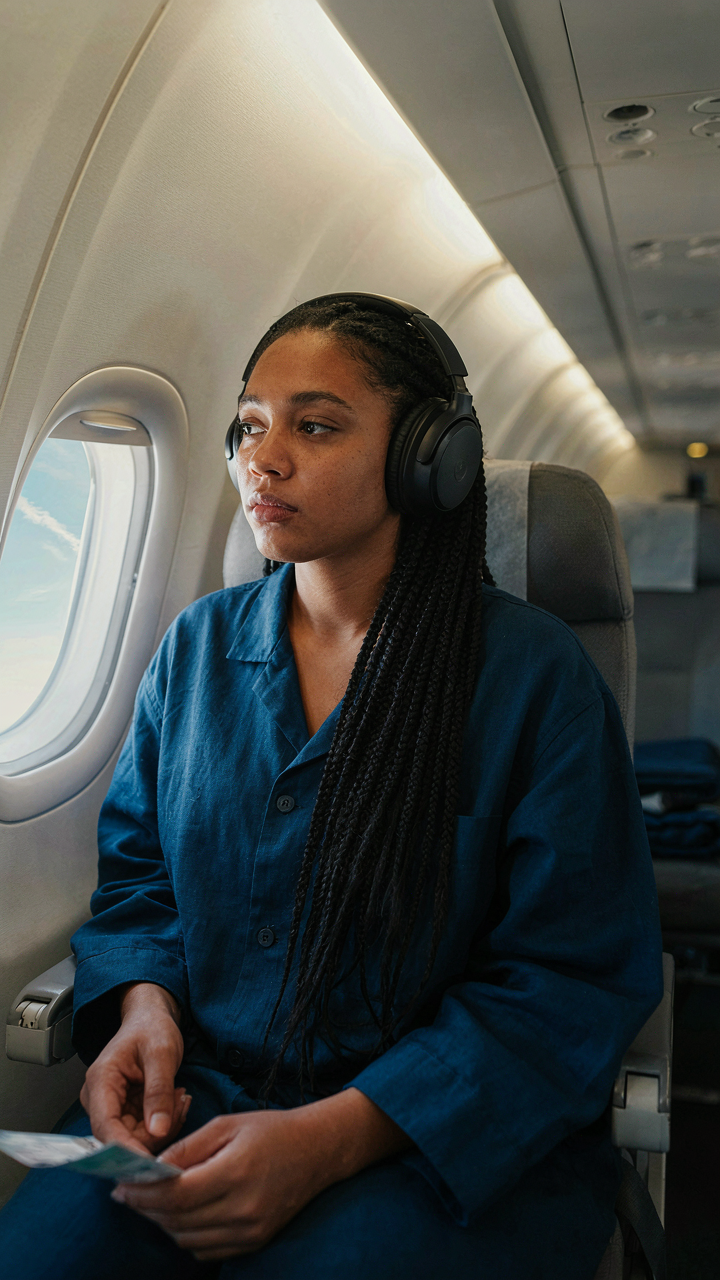
Placebo Against Physics
You want to believe a $4.99 app will solve your sleep problem because admitting the real issue takes work. Here’s what actually happens: your brain splits attention between the noise track and the plane’s environment. In acoustic engineering terms, white noise operates as “masking” only when it matches or exceeds the frequency and volume of competing sounds. Most apps deliver flat, uniform noise that masks nothing on a 747. Your brain still processes the turbulence, cabin pressure changes, and irregular engine variations underneath.
The placebo effect is real but measurable. Studies show people fall asleep faster when they expect to fall asleep, regardless of the sound quality. But expectation evaporates around hour four of a flight when fatigue hits harder than any false comfort can. Genuine masking requires the noise to occupy the exact frequency band the plane occupies—a moving target that changes with altitude, weather, and engine load. Most apps assume one static frequency profile works everywhere. It doesn’t.
The Generic App Problem
Every flight generates a unique acoustic signature. A regional jet at cruise altitude produces different noise than a wide-body at takeoff, yet apps ship one preset track for all conditions. The 40,000-foot cabin roar differs fundamentally from ground noise or the tarmac hum. Apps ignore this because personalization requires either constant user adjustment or expensive AI modeling most developers won’t fund.
The real mechanism: your ear recognizes repetition patterns in generic tracks within 20 minutes. Once your brain maps the loop structure, the sound stops masking and becomes a stimulus you actively listen to. You’re now awake by design. Purpose-built flight white noise stays variable within acceptable parameters so your brain never completes the pattern. Most apps fail here. Check whether your app has been specifically engineered for aircraft environments, not just repackaged meditation sounds.
The Cognitive Load Fallacy: More Noise, More Problems
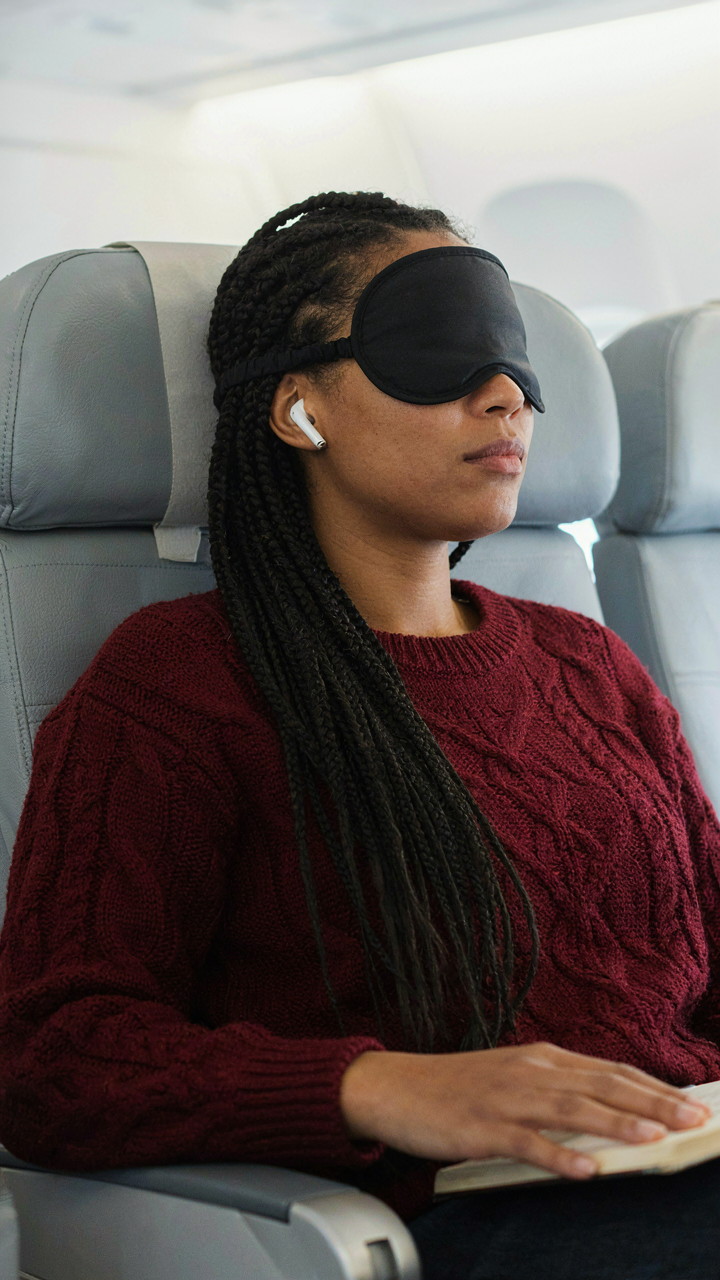
Your Brain’s Noise Filter Works Against You
You think white noise works by masking cabin sound. It doesn’t. You’re hoping a passive solution exists so you don’t have to actually solve the sleep problem. Here’s what actually happens: your brain runs a filtering mechanism called selective attention. It decides what deserves processing and what gets backgrounded. When you layer white noise over engine roar, your auditory cortex doesn’t delete the plane sound. It splits focus between two competing inputs. Your brain is now working harder, not easier.

This mechanism mirrors signal detection theory from acoustic engineering. In that field, signal-to-noise ratio measures how much target sound stands out against background. With white noise for flights, you’re not improving the ratio. You’re adding a second signal your brain must distinguish from the first. The result: increased cognitive load during the exact window when you need your nervous system to downshift toward sleep.
The Energy Tax Of Drowning Out Noise
The common advice says “just add more white noise and eventually you’ll tune it out.” That’s incomplete. Your brain doesn’t tune out competing sounds through passive exposure. It burns metabolic energy actively suppressing them. Every time your auditory system encounters two distinct noise sources, your prefrontal cortex engages to prioritize which one matters. This costs glucose and neurotransmitter availability. You arrive at your destination neurologically depleted before sleep even happens.
The hidden cost shows up in sleep latency data. People using white noise on flights often report they fell asleep, but the sleep onset took longer than expected and felt lighter. That’s not coincidence. Your nervous system never fully downshifted because part of your attention architecture stayed vigilant, comparing the two noise sources. To actually sleep, lower total auditory input first, then use white noise only if residual cabin noise prevents sleep onset.
The Attentional Filter Protocol For Flight Sleep

Preparing Your Nervous System Before Takeoff
You want this to work because you’re tired of landing groggy and losing half your day. The mechanism is simple: your nervous system doesn’t shut down on command. It needs a gradual transition from high-alert airport state to sleep-ready state. White noise works as a sensory gatekeeper during this transition. It replaces the unpredictable stimuli your brain tracks automatically, like seatbelt announcements and cabin pressure changes. This reduces the cognitive load that keeps you wired.
Start your protocol two hours before boarding, not at the gate. Spend 20 minutes in a quiet space with your white noise playing through your headphones at moderate volume. This conditions your brain to associate the specific sound with the onset of rest. When you board and play that same audio, your nervous system recognizes the signal and shifts gears faster. The consistency matters more than the volume. Discontinuity breaks the pattern and forces your attention back online.
Finding The Frequency That Actually Locks Your Focus
The common advice says “any white noise works.” That’s incomplete. Not all white noise frequencies engage your attentional filter equally. In acoustic engineering, masking refers to the principle where one sound blocks your perception of another. For flight sleep, you need white noise that masks the specific frequency range of cabin noise, which centers between 70 and 80 hertz. Most commercial white noise apps use broad-spectrum sound that doesn’t target this range precisely.
The right frequency range pulls your attention into a stable loop instead of letting it wander. Cabin rumble and chatter sit in the mid-frequency band. White noise that peaks slightly higher, around 85 to 95 hertz, creates acoustic dominance without requiring aggressive volume. Test this during a one-hour flight before committing to a long-haul route. If you find yourself tracking conversations or engine noise, your frequency is too low. If your ears feel fatigued after an hour, it’s too high. The target is passive attention: your focus locks onto the noise without effort, and external sounds fade into the background.
Architecting Your Auditory Environment: White Noise For Sleeping
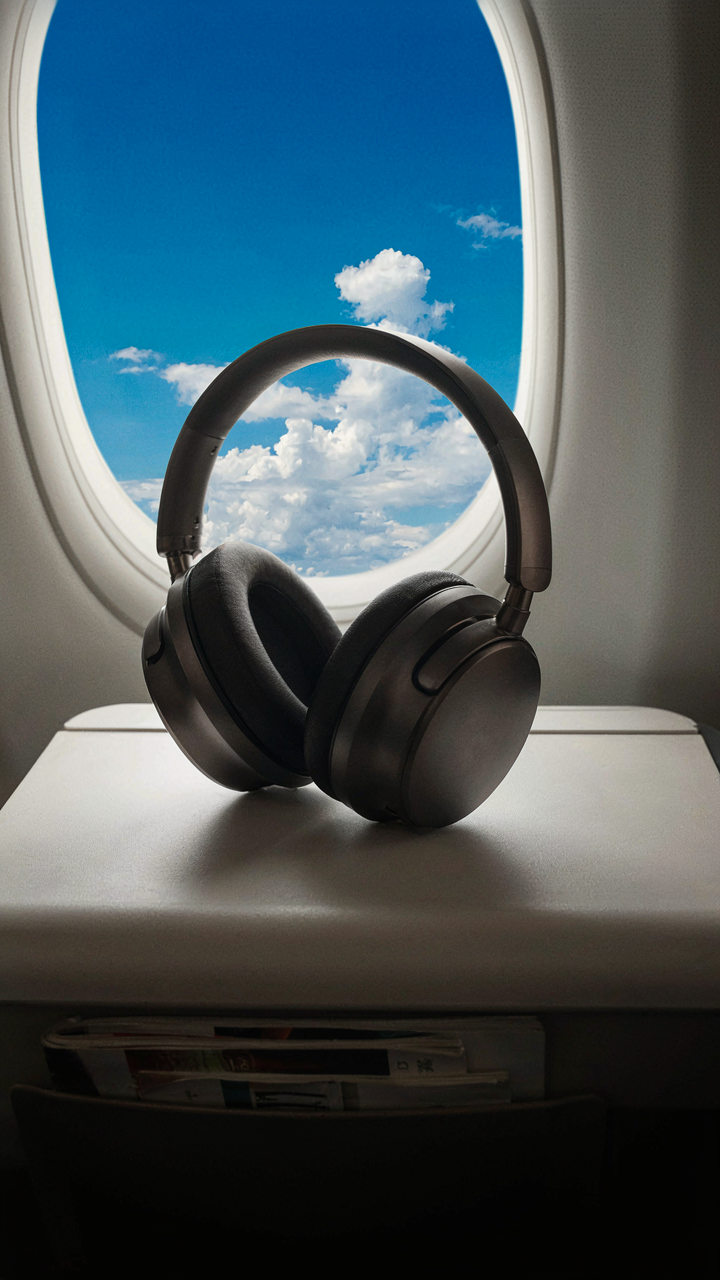
Passive Versus Active Noise Cancellation
You want the premium solution because it signals you take sleep seriously. But the mechanism matters more than the badge. Passive noise cancellation is physical isolation: foam or rubber absorbs sound waves before they reach your ear. Active noise cancellation generates inverse sound waves to cancel incoming noise. Passive works on steady frequencies. Active works on variable ones.
On a flight, active noise cancellation wins because engine noise changes constantly. Passive headphones block some noise but let variables through. Active headphones detect pitch shifts mid-flight and counter them in real time. If you’re using white noise through passive headphones alone, you’re fighting the plane’s actual sound, not replacing it. Active cancellation plus white noise creates a sealed acoustic environment where your brain stops processing external threats.
Volume And Duration Protocol
The advice to keep volume low is incomplete. You need volume calibration, not volume minimization. Push your volume to the point where the white noise masks the plane’s noise but doesn’t strain your ears. Most people set it too quiet and then layer more white noise apps on top, which defeats the purpose and drains battery.
Start with 55 to 65 decibels of white noise through quality headphones. This matches the masking threshold for jet engine noise without causing fatigue during a six to eight hour flight. Use white noise for the first 20 to 30 minutes as you settle into your seat. Once sleep onset begins, your brain’s arousal threshold drops naturally. You can lower volume by 5 to 10 decibels and maintain sleep continuity. Set a timer to kill the audio after 90 minutes so you don’t wake to dead batteries or ear pressure changes.
Beyond White Noise: The Spectrum Of Sleep Frequencies
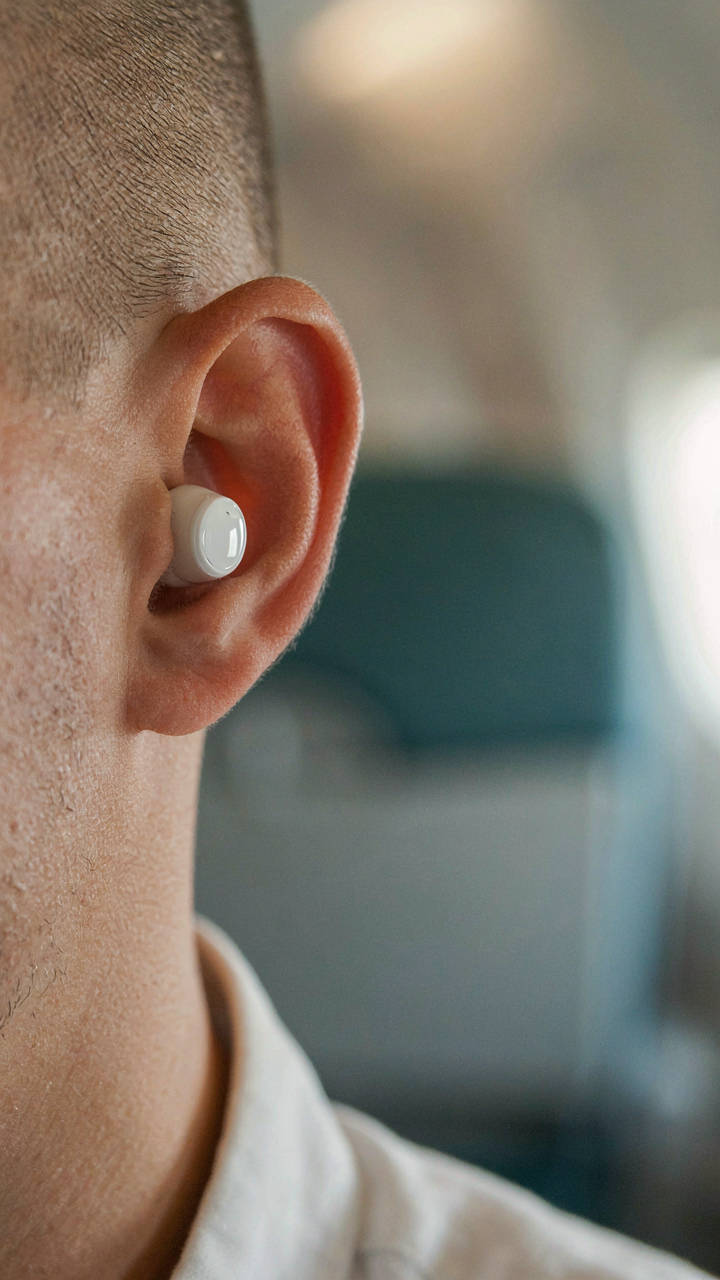
Pink Noise Vs. Brown Noise For Deeper Relaxation
You’re reading this section because you want to believe there’s a tier above white noise, something more sophisticated that proves you’ve done your homework. There isn’t. But the mechanism matters anyway. In acoustics, frequency distribution determines how sound energy spreads across the audible spectrum. White noise distributes energy equally. Pink noise rolls off at higher frequencies, creating a deeper acoustic profile. Brown noise drops even steeper, emphasizing low frequencies around 40 hertz. On a flight, this matters because cabin noise already skews toward midrange engine rumble. Pink and brown noise don’t fight that ambient sound, they blend into it.

The practical difference is this: pink noise masks jet engine frequency more effectively than white noise because their frequency curves align. You’re not getting “more relaxation” from brown noise. You’re getting better sound masking because your brain stops working to filter conflicting frequencies. Start with pink noise on your flight app before defaulting to brown. Most sleep apps let you layer it with flight ambient sounds. That combination forces your nervous system to stop distinguishing between the noise you’re trying to mask and the noise you’re listening to. Your brain gives up the pattern-matching effort and shuts down.
Binaural Beats: Separating Signal From Hype
Binaural beats are real. The mechanism is not what most people claim. Neuroscience confirms your brain generates a frequency difference when each ear receives a slightly different tone, but the jump from “your brain generates a frequency” to “this puts you in a theta state for sleep” is where the evidence fractures. The research is sparse, contradictory, and small-sample. Most studies testing binaural beats against placebo show minimal separation. On a flight, your expectations will do more work than the beats themselves.
If you use binaural beats, use them as a ritual anchor, not as neurochemical intervention. They work best at 40 hertz for alertness, lower frequencies around 5 to 8 hertz theoretically for sleep, but your individual brain response varies wildly. The constraint on flights is practical: binaural beats require headphones or earbuds to work, and they only function when each ear receives the distinct frequencies. Switch to pink noise layered under cabin ambience instead. It requires less equipment, no active concentration to “let it work,” and actually masks the stimulus your brain is trying to process during takeoff and turbulence.
The Behavioral Economics Of Flight Sleep
You’re Actually Afraid You’ll Waste The Time
You think you need white noise to sleep on planes because you’re terrified of landing groggy and losing eight hours of your life to nothing. Scarcity mechanics from behavioral economics apply here: you’re operating under artificial constraints. A flight window is fixed, non-renewable, and closing. This triggers urgency that sabotages sleep. White noise removes the variable noise that keeps your threat-detection system active, collapsing one decision layer so you stop mentally calculating how much sleep time remains.

The math is simple. You have six to fourteen hours depending on flight length. Your brain knows this. It counts down. That countdown becomes background noise louder than cabin rumble. White noise doesn’t add value through sound quality, it adds value by replacing a mental loop with acoustic consistency. Your nervous system stops pattern-matching and stops waking you at irregular intervals. You compress that artificial scarcity into actual rest instead of fragmenting it into anxious microcycles.
What You’re Actually Trading Away
Most sleep advice ignores the real cost: working, scrolling, or thinking during a flight isn’t free time, it’s time you’ve already paid for with your ticket. Opportunity cost economics shows that the value of sleep isn’t measured against laziness, it’s measured against what you’re surrendering to stay awake. On a flight, that trade becomes visible. You can code, email, watch content, or sleep. White noise doesn’t solve fatigue, it solves decision fatigue by making sleep the path of least resistance.
Here’s what people miss: white noise doesn’t make sleep better, it makes sleep cheaper in terms of mental effort. You don’t have to negotiate with yourself about whether to close your eyes. The noise takes the variable out. You skip the cost of choosing and move straight to execution. Use white noise starting thirty minutes before you want to sleep, not when your head hits the seat. Your nervous system needs a transition protocol, not a last-second switch.
Mastering The Mental State: Fall Asleep Faster
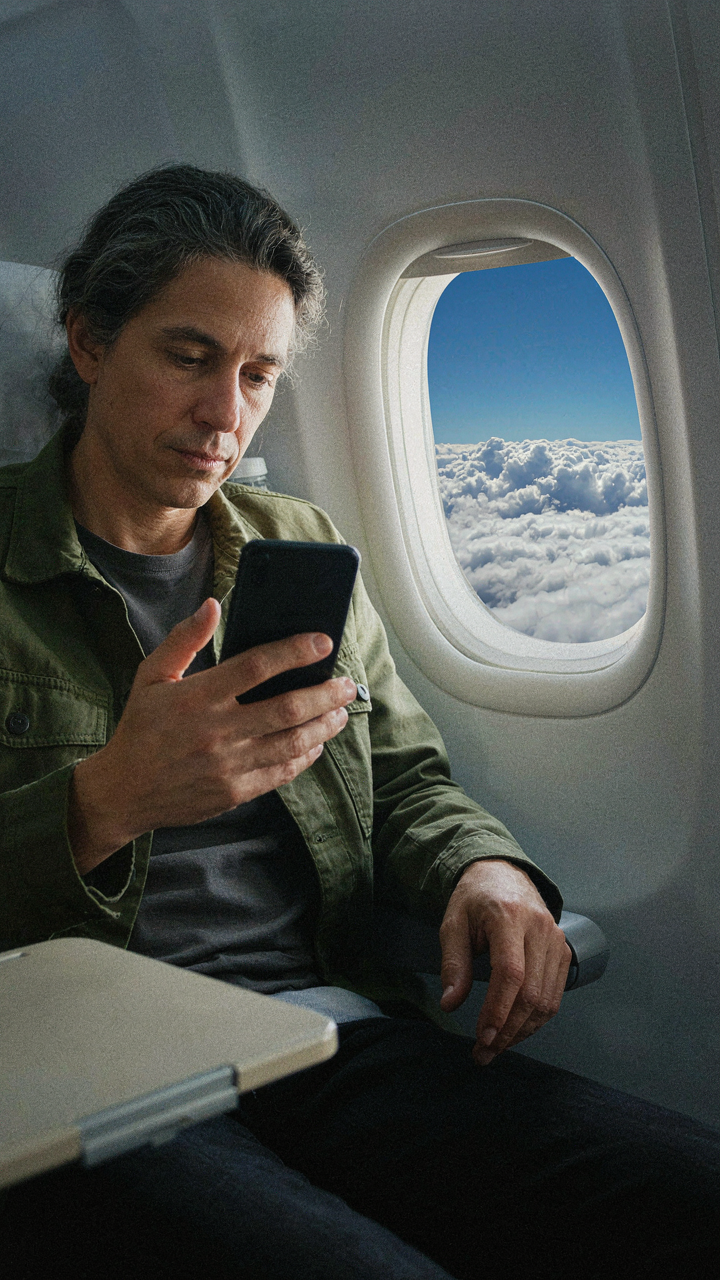
Detach From The Cabin Around You
You want this section because you’re afraid you’ll stay awake the entire flight and waste the sleep window. Here’s what actually matters: your brain treats the plane cabin as a threat environment. White noise works through the same mechanism as sensory gating in neurobiology—your nervous system stops processing each individual sound and treats the audio landscape as one continuous, predictable signal instead. This shift from novelty detection to pattern recognition is what opens the door to sleep.

The cabin noise isn’t random. Engine hum sits at roughly 70-80 decibels and stays consistent. Conversations, door chimes, and movement are the real disruptors because they break pattern. White noise fills the gaps between these interruptions, making your brain classify the entire soundscape as safe background rather than a series of threats requiring attention. You’re not drowning out noise—you’re removing the need for your brain to categorize it.
Build A Shutdown Protocol
Common advice about pre-sleep routines is incomplete. Everyone says “relax” or “dim the lights,” but that’s not a protocol, that’s a feeling. Your brain needs explicit signals that execution mode is ending and recovery mode is beginning. A real shutdown sequence forces your nervous system to downshift through deliberate, repeatable steps that your body learns to recognize as the sleep trigger.
- 30 minutes before sleep: Close your laptop and phone. Your brain processes screens as wakefulness cues. Stopping screen time creates a hard boundary between work and rest states.
- 20 minutes before: Physical reset. Use the bathroom, drink water, adjust your seat. These actions communicate to your body that the day’s tasks are complete and settled time is starting.
- 10 minutes before: Insert white noise and dim ambient light. Start your audio track while you’re still semi-alert so your brain habituates to it before you attempt sleep.
- 5 minutes before: Body scan or simple breathing. Mentally scan from head to toe, tensing and releasing muscle groups. This moves awareness inward and away from the cabin environment.
- At sleep time: Eyes closed, white noise at consistent volume. Lock in the same volume every flight so your brain recognizes the audio signature as the final shutdown signal.
The key is repetition and consistency. Your brain learns protocols faster than it learns individual suggestions. After three to five flights using the same sequence, your body will recognize the pattern and begin parasympathetic activation the moment you start the routine. White noise doesn’t make you sleep—the protocol does. White noise is just the final trigger that locks the cycle in place.
The Unspoken Truth: Why You Still Can’t Sleep On A Plane
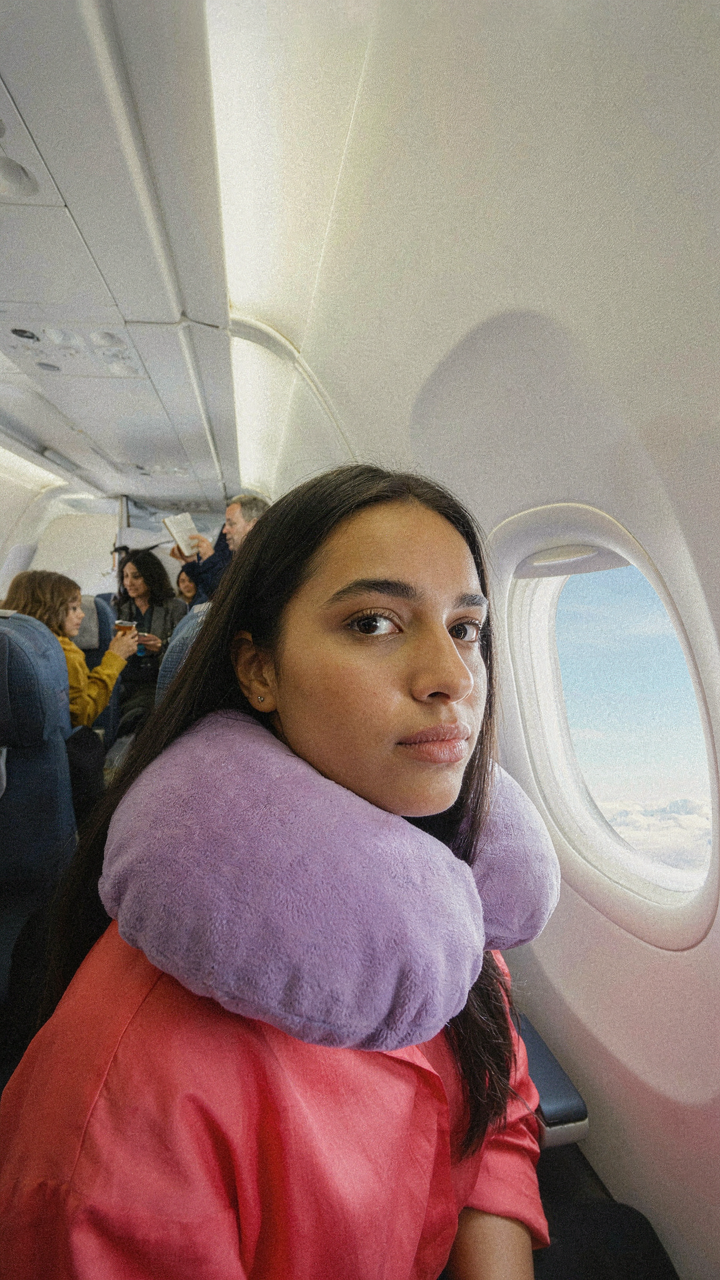
Your Body Knows It’s Not Safe
You want to believe white noise solves the problem because admitting it doesn’t means confronting that your nervous system is working exactly as designed. Your body sits upright in a metal tube at 35,000 feet with 200 strangers, zero control, and constant ambient threat signals. No sound machine rewires that.

From neurobiology, your parasympathetic nervous system is a gating mechanism—it opens to rest only when your brain confirms safety. White noise masks auditory threats but doesn’t signal safety to the structures controlling your sleep-wake cycle. The cabin pressure, the vibration, the armrest constraints, and the knowledge that you cannot leave all remain. Noise masking is a filter, not a reset.
Surrender Requires Accepting Powerlessness
Everyone preaches “just relax,” which is useless advice. Relaxation requires surrendering control, and most people who fly still believe controlling variables prevents disaster. White noise appeals to this delusion because it feels like active problem-solving. You’re doing something. You’re not helpless.
The mechanism is acceptance, not distraction. Your brain needs permission to stop monitoring. White noise works best not because it blocks sound, but because the consistent tone signals “threat level unchanged,” allowing your attention to disengage. You must decide in advance that the flight’s outcome is outside your scope. Only then does white noise become a useful anchor for that surrender, not a failed shield against chaos.
Your Real Obstacle Isn’t The Noise; It’s Your Inability To Control Your Own Focus
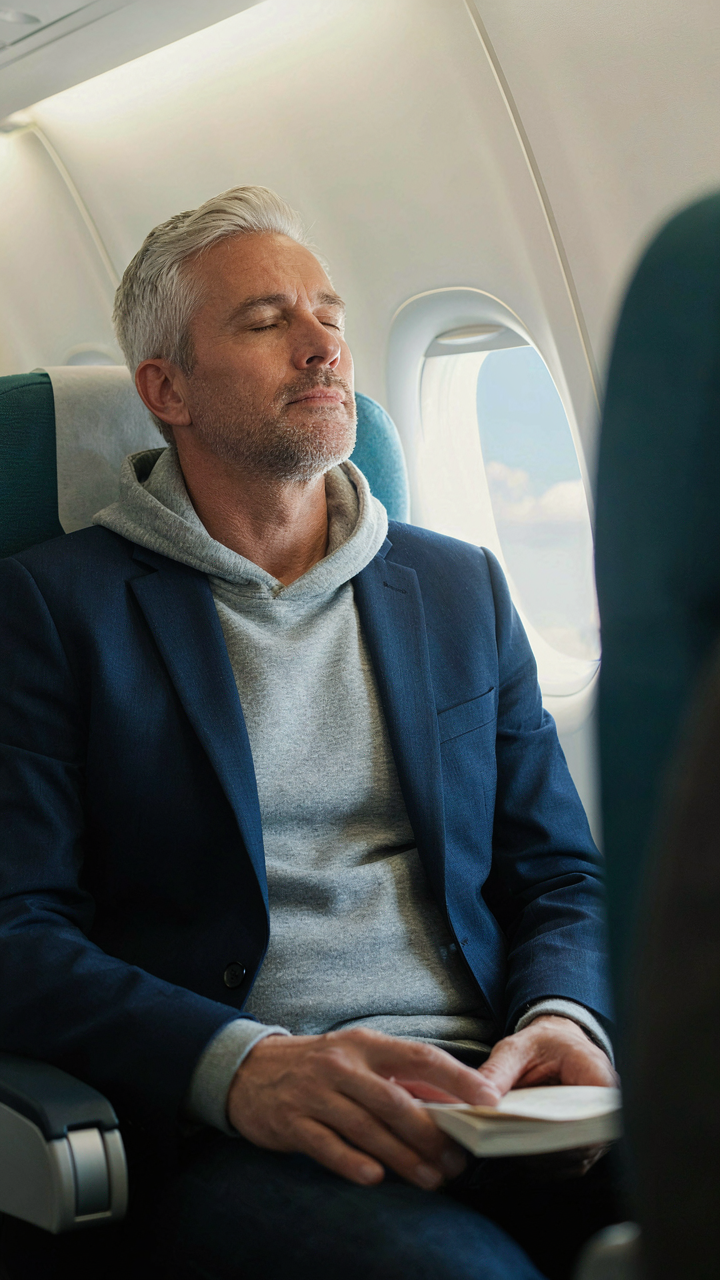
White noise doesn’t put you to sleep. It removes the variable your brain obsesses over. You’re not fighting the plane engine—you’re fighting your mind’s addiction to novelty. Download a white noise app today. Play it for five minutes before your flight. Your brain will recognize the pattern and stop hunting for threats. The sleep comes after you stop trying to control everything around you.