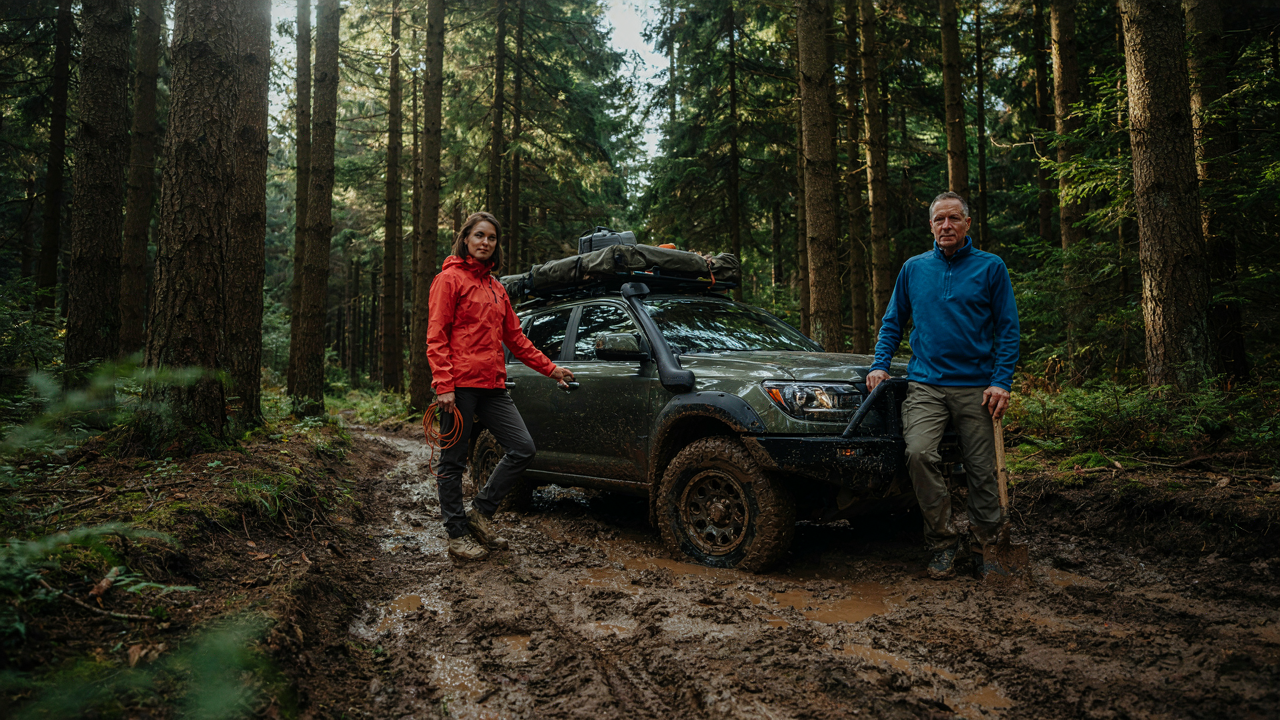
The Minimalism Paradox: Less Gear, More Capability

How Essential Gear Creates False Confidence
You want to believe that owning the right equipment means you’ll handle a stuck vehicle. That’s the real draw here. But ownership creates a dangerous gap between having tools and knowing how to use them under pressure. Most overlanders buy recovery gear, stack it in their rig, and never touch it until they need it. By then, the gap between intention and execution has already widened into a liability.
The mechanism at work is the same one economics calls the endowment effect: you assume possession equals competence. A shovel, a winch, a recovery board—these have weight and cost, so your brain assigns them agency they don’t possess. The gear doesn’t pull you out. The knowledge of how to deploy it, the understanding of force vectors, the practiced coordination under stress—that’s what recovers vehicles. Gear is inert until someone with a plan uses it. Most recovery failures happen because people own the right tools but lack the framework to deploy them.
Buying Equipment Versus Building Skill
The trap is simpler than it sounds: purchasing one piece of recovery gear costs money once and feels complete. Mastering it requires repetition, failure, and time most people refuse to spend. The industry profits from this gap. It sells you winches as solutions when the real problem is that you’ve never practiced rigging angles or load calculations on stable ground. You buy without building, then rationalize the difference as “peace of mind.”
Here’s what actually matters: one piece of gear you’ve tested five times under different conditions beats five pieces you’ve unboxed once. The skill to improvise with rope and trees beats owning a recovery board you’ve never deployed. Start with one recovery method, drill it until your hands know the steps without thinking, then add the next. Your rig should carry what you’ve already proven you can use.
Beyond The Catalog: Real Off Road Recovery Gear Essentials

Must Have Tools Versus Nice To Haves
You want the list that makes you feel prepared, but what you actually need is ruthless scarcity. The real mechanism here comes from triage in emergency medicine: resources are finite, so you allocate them to interventions with the highest survival probability. Most recovery kits fail because they optimize for completeness instead of impact. A kinetic recovery rope and a proper shovel solve 80 percent of stuck situations. Everything else is insurance against the remaining 20 percent you’ll probably never hit.

The distinction isn’t about price or brand prestige. A come-along winch costs less than a dual-battery system but extracts vehicles from mud when your main winch fails. A high-lift jack sounds redundant until your vehicle bottoms out on a rock and you need vertical lift the winch can’t provide. Carry items that address different failure modes, not items that duplicate function under different conditions. One quality snatch block and proper rigging knowledge beats three winches you don’t know how to deploy safely.
Prioritizing Function Over Brand
Brand loyalty in recovery gear is a symptom of decision fatigue, not strategy. A Warn winch and a Superwinch perform the same mechanical work because the physics of load capacity doesn’t care about reputation. What matters is rated capacity, line integrity, and your ability to service it in the field. A $300 Chinese-made winch rated for your vehicle weight works identically to a $1200 American equivalent if both are installed to spec and maintained.
Test everything in low-stakes conditions before you need it. Your recovery kit gains value through familiarity, not shelf presence. A kinetic rope you’ve practiced deploying beats an unused synthetic winch cable in the truck bed. Know the weight you’re pulling, know your anchor points, know your rigging math. When you’re stuck, execution speed determines whether you self-recover or call for a tow truck. Install and operate your recovery gear as deliberate protocol, not emergency improvisation.
The Newton’s Law Protocol For Off Road Vehicle Recovery

How Leverage Multiplies What Your Winch Actually Does
You want recovery gear that makes you feel capable without actually understanding why it works. The real mechanism is mechanical advantage, borrowed from classical mechanics: the ratio of output force to input force. A snatch block doesn’t make your winch stronger. It redirects the cable path so the winch pulls twice, multiplying effective force without burning more motor.

This is why recovery professionals space anchor points apart and run cables through blocks instead of straight to the vehicle. Angles matter more than rope diameter. A single snatch block cuts required winch capacity in half. Two blocks in series cuts it to a quarter. The math is not negotiable: if your 9,500-pound winch can’t move a stuck 12,000-pound truck alone, two blocks solve it. Physics does the work, not horsepower.
Where Friction Stops Being Your Enemy
The common advice is wrong: traction is not about weight or tire grip alone. It is about friction coefficient, which is the measure of resistance between two surfaces under load. Sand, mud, and rock each have different coefficients. Your recovery anchor point succeeds or fails based on how much friction exists between the ground and whatever you’re anchoring to, not how deep you bury it.
Deadman anchors work because they distribute force across buried surface area, increasing ground friction. A shovel-width buried strap works better than a single rod hammered vertical because horizontal surface area maximizes resistance to pull direction. Rocks and vegetation increase friction by creating irregular anchor geometry. Choose anchor points where friction coefficient is highest: compacted earth over soft sand, root systems over bare ground, rock outcrop over loose soil. This single decision determines whether your recovery succeeds on the first attempt or fails after six.
Debunking “Best Off Road Recovery Gear” Myths
Popular Products Aren’t Built For Your Situation
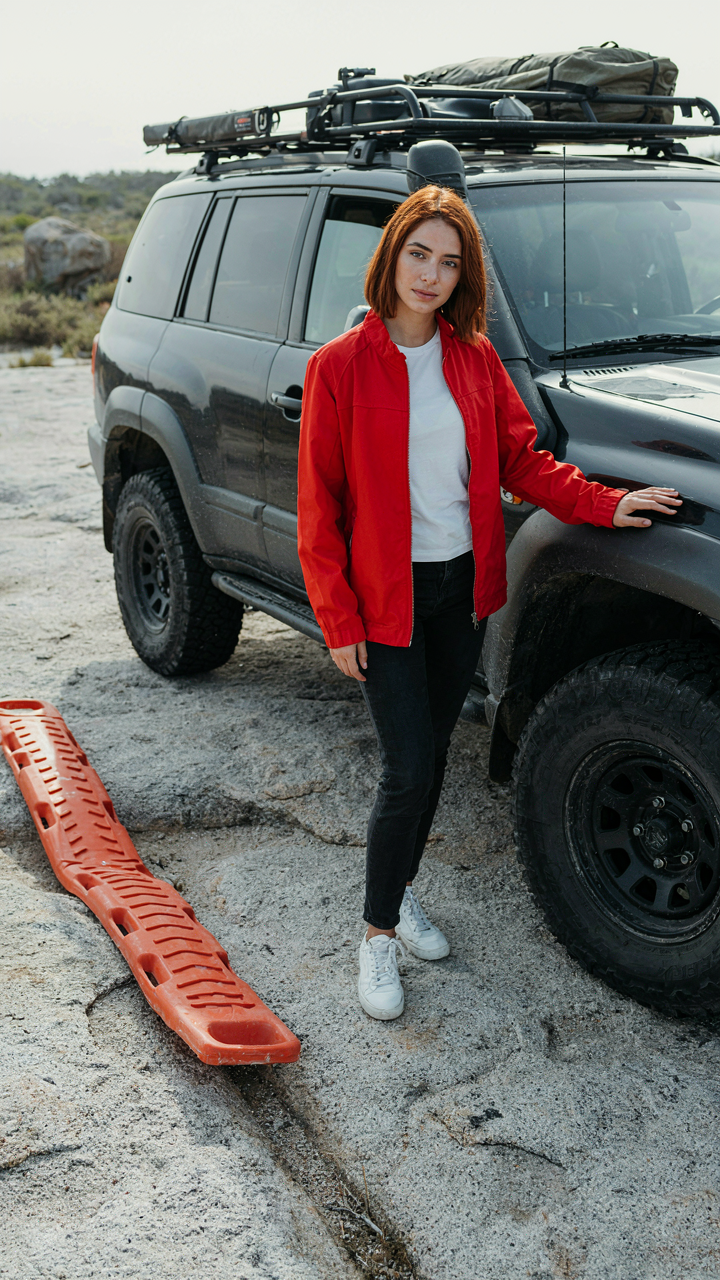
You want the gear that works everywhere because committing to specificity feels like admitting you don’t know what you’ll face. Here’s the mechanism: marketing sells universality, but recovery scenarios don’t care about marketing. A winch rated for 12,000 pounds tells you nothing about whether it matches your vehicle’s weight, anchor points, or the soil composition where you’re stuck. A snatch strap rated for your GVWr becomes useless if you’re recovering on sand instead of clay. The “best” gear is actually the one engineered for your specific failure mode, which almost nobody knows until they’re already stuck.

Recovery equipment performs inside constraints. Vehicle weight, suspension geometry, tire pressure, ground conditions, and anchor strength all determine what works. A high-dollar recovery board helps on clay. It’s a paperweight on bedrock. Kinetic rope systems excel in dynamic pulls but fail when you need precise, controlled movement. The product reviews you read tested one scenario. Your situation is different. Match equipment to your vehicle’s specs, terrain type, and the actual failure patterns you face, not to what influencers own.
The Real Cost Of Over Specialization
You buy specialized equipment because it signals preparedness, but specialization creates fragility. Economics calls this constraint rigidity: when you optimize for one outcome, you reduce flexibility across all others. A $600 air compressor designed for tire deflation and inflation becomes dead weight if your real problem is extracting a buried bumper. A dedicated recovery winch sits unused if you never encounter a true embedded scenario. The hidden cost isn’t just capital. It’s cognitive load during crisis, storage space, and the false confidence that having expensive gear means you’re actually prepared.
The gear that compounds value works across multiple failure modes and requires minimal operator skill under stress. A quality shovel solves ground preparation, leverage, and drainage issues. Traction devices work on sand, mud, and snow. A proper snatch block changes mechanical advantage without adding complexity. Before buying specialized equipment, ask what problem it solves that couldn’t be solved by simpler tools. If the answer requires perfect conditions or high operator skill, you’ve found the trap. Build redundancy through multiplicity instead: gear that stacks functions, works across terrain types, and performs when you’re tired, cold, and making decisions fast.
The Overlanding Gear Accessories That Actually Matter
Additions That Multiply Your Core Tools
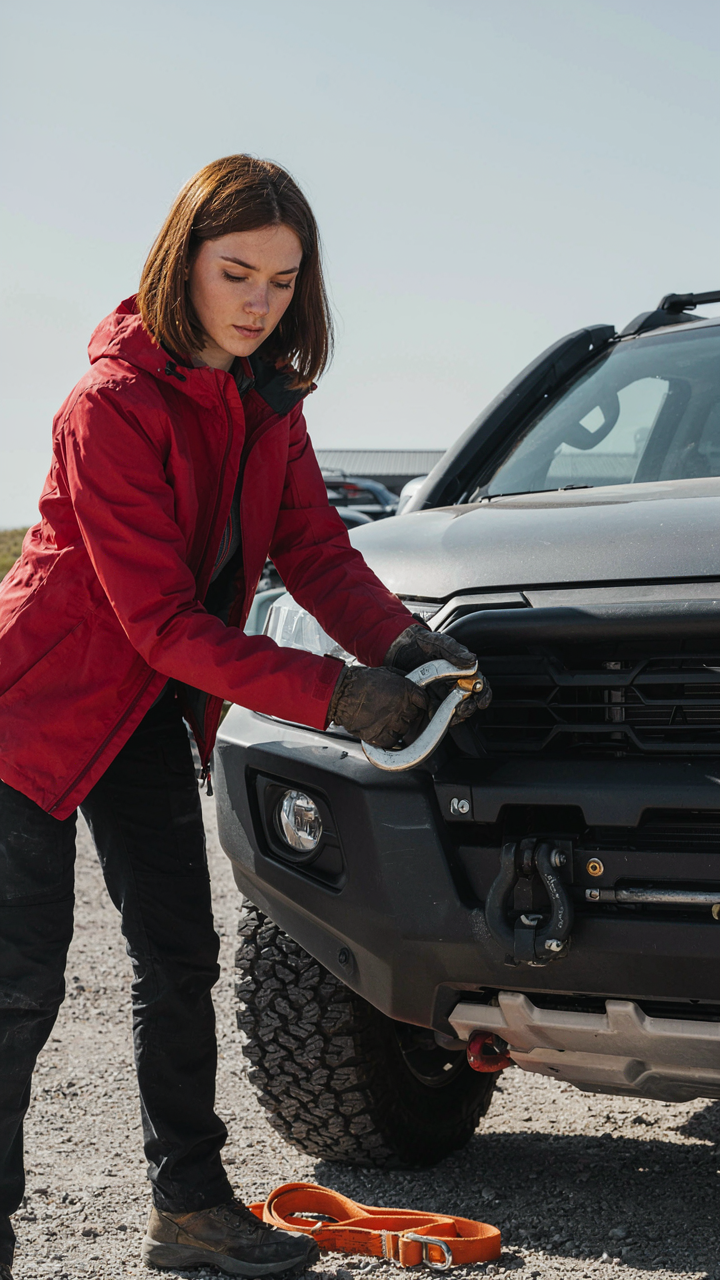
You want this section to tell you that expensive accessories make you more prepared. They don’t. The mechanism is leverage: in physics, leverage multiplies force through mechanical advantage. In recovery, leverage multiplies the effectiveness of what you already own. A snatch block costs sixty dollars and cuts your winch load in half. A kinetic rope rated wrong costs nothing until it fails under tension. The difference between accessories that work and accessories that sit in your cargo box is whether they amplify your existing gear or pretend to replace judgment.
Shackles rated for your winch’s pull force belong in every kit. They anchor rope to vehicles without slipping or deforming. Gloves rated for handling synthetic rope prevent friction burns and give you grip in wet conditions. A basic pulley system and second anchor point transform a single winch into a mechanical advantage that moves impossible weight. These additions don’t introduce new failure points. They make your primary tools harder to break and easier to deploy.
Ingenuity Over The Catalog
Most people treat DIY recovery solutions as budget shortcuts for people who can’t afford real gear. Wrong. DIY works because it forces you to understand the physics instead of trusting a brand name. A properly rated tree trunk becomes an anchor point that beats an expensive anchor plate because you assessed the wood yourself instead of hoping the plate handles your vehicle’s weight.
Sand ladders can be built from welded steel or bolted steel channels using plans that dozens of overlanders have validated. A snatch block recovery system costs more than the rope it protects, but two anchors and a pulley rig you understand beats gear you don’t. Build what you need for your terrain and vehicle weight, not what the catalog says overlanders need. Test it at low speeds first. Failure in the workshop costs nothing.
Mastering The Off Road Recovery Kit: Beyond The Checklist

Know Your Vehicle Before The Trail
You want to feel prepared so you don’t feel stupid if something goes wrong. The actual mechanism is simpler: you can’t assess what’s wrong with your rig if you don’t know how it works when it’s right. A pre-trip inspection isn’t about checking boxes. It’s about establishing a baseline. Your suspension geometry, tire condition, differential lock engagement, brake response, fuel capacity, and weight distribution all determine what recovery method will work and what will fail catastrophically.

Route assessment feeds directly into vehicle preparation. Steep terrain demands different gear than sandy flats. Rocky approaches need different tire pressures than muddy tracks. A route with no cell service changes your communication gear priority. Download offline maps before departure. Identify water crossings, grade percentages, and escape routes. This data shapes what you pack and how you configure your vehicle’s weight distribution.
Reading Terrain Like A Ballistics Problem
Military ballistics analysis teaches trajectory prediction through environmental variables. Apply that same framework to terrain: you’re predicting your vehicle’s path through obstacle variables. Terrain reading means identifying soil composition, drainage patterns, and load-bearing capacity before committing weight to it. Wet clay doesn’t behave like wet sand. Rocky ground telegraphs traction failure differently than vegetation-covered soil. The steepness of approach angles, not just grade, determines whether recovery gear becomes necessary or optional.
Observation protocol beats instinct every time. Walk the line on foot before driving it. Test soil firmness with a boot. Identify rocks that will catch frame rails or undercarriage. Look for water seepage, which indicates soil saturation below surface level. Speed of observation matters because hesitation costs time. Mark problem zones visually before engine start. This single practice eliminates most recoveries before they happen.
Overland Recovery Gear Ideas: Learning From Mistakes
Where Recovery Attempts Actually Fail
You want this section because you’re afraid of being stranded looking incompetent, so you’re searching for the magic checklist that prevents failure. The mechanism is simpler: most recoveries fail not from missing gear, but from mismatched force vectors. Think of it in terms of physics—specifically statics and load paths. When you connect a winch to a vehicle at the wrong angle, or when multiple recovery points distribute load unevenly, you’ve created a force imbalance that no amount of gear quality fixes. The gear fails. The attachment fails. Sometimes the vehicle frame fails.

Here’s what actually breaks recoveries in the field:
- Single-point attachment on frame rails: Load concentrates instead of distributes. Frame bends or tears at the connection. Always use rated recovery points or fabricate proper multi-point anchors.
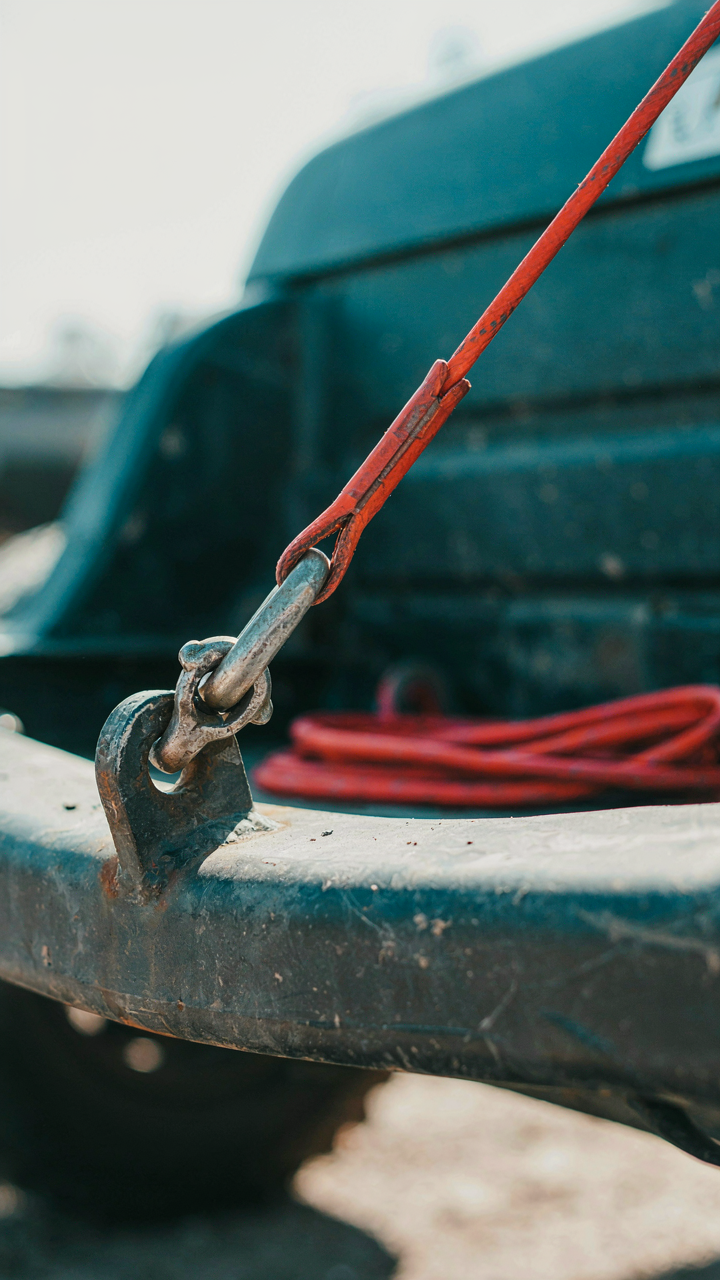
- Shackles rated for load but not for angle: A shackle rated for 9,500 pounds straight-pull can fail at 5,000 pounds when the load approaches 45 degrees. Angle compounds stress exponentially.
- Straps and snatch blocks in series without accounting for compression: Each additional component in the line changes the mechanical advantage and introduces failure points. People skip calculating this and guess.
- Winch operation without tension control: Sudden jerks from improper technique snap rigging faster than steady pull. Line speed and load management matter more than motor horsepower.
- Misidentifying what stuck actually means: Buried axles need different extraction angles than high-centered chassis. Applying the wrong force direction multiplies effort and risk.
The gear itself is rarely defective. The failure happens because the person rigging the recovery doesn’t test their setup before applying force. Most people connect everything, then hit the gas. By then it’s too late.
How Technique Becomes Your Actual Insurance
Post-recovery analysis means one thing: understanding whether your technique worked or luck did the work. Write down what happened before, during, and after. Note the vehicle’s angle, the ground condition, where the wheels broke free, and how the gear behaved under load. This isn’t reflection. This is documentation that keeps you from repeating the same rigging mistake on a different stuck vehicle where luck runs out.
The pattern nobody states clearly is this: your gear will reveal your technique within the first five seconds of loading. If a component failed, it failed because you loaded it wrong. If the vehicle didn’t move but the gear held, your force vector was wrong or your angle was wrong. If everything held and the vehicle extracted smoothly, you rigged it correctly that time. Save that configuration. The next recovery where conditions match becomes faster, safer, and more certain because you already proved it works. That’s how gear becomes insurance instead of just equipment sitting in your truck.
The True Cost Of Off Road Vehicle Recovery Tips
Time, Effort, And Risk Merit
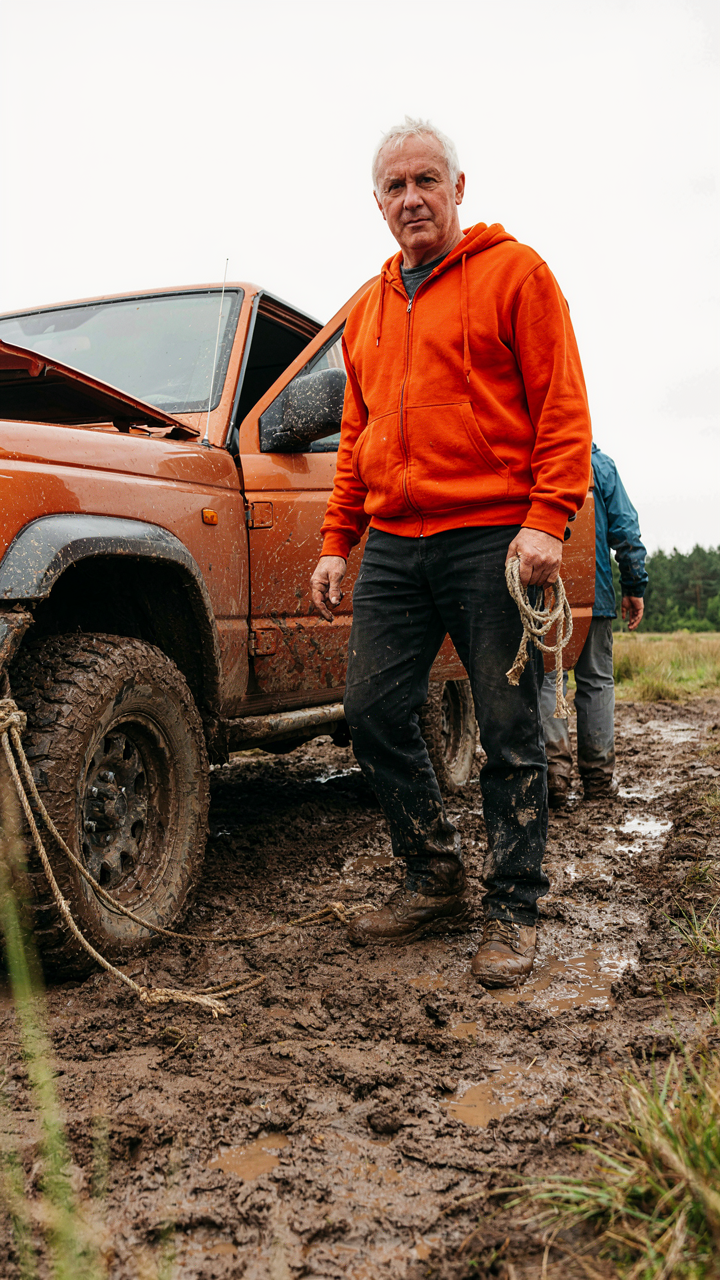
You want to believe you can handle any situation yourself because walking away feels like failure. The real mechanism is triage from emergency medicine: you assess severity, available resources, and likelihood of outcome before committing effort. A recovery that takes four hours of incorrect winching angles burns energy, damages gear, and creates new failure points. Your job is not to recover the vehicle. Your job is to get everyone mobile and safe with minimum resource depletion.

The clock runs differently in the field than in your head. A “quick” recovery attempt stretches past dark. Fatigue clouds decision-making. Your anchor point fails. The winch cable snaps. These aren’t worst-case fantasies, they’re sequential failures that compound when you underestimate time and overestimate capability. Budget triple what you think recovery will take, then reassess whether you have the gear and personnel to execute it.
Know When To Stop Pulling
Walking away from a recovery is not giving up. It is recognizing that your current tools, personnel, or conditions make success impossible or dangerous. The consensus advice says “never quit,” which is how people destroy transmissions, shear recovery points, and get hurt. Professional recovery operators will refuse jobs where conditions are wrong. You should too.
A bogged vehicle in deep mud with a single recovery point, no second anchor, and one person to manage the winch is not a puzzle to solve with more effort. It is a case for calling a professional recovery service, helicopter extraction, or waiting for ground conditions to firm. The cost of a recovery service is less than the cost of equipment failure, medical response, or buying a replacement vehicle. Acceptance is the mechanism that keeps you alive and solvent.
Your Biggest Stuck Isn’t The Vehicle; It’s Believing Gear Replaces Genuine Self-reliance
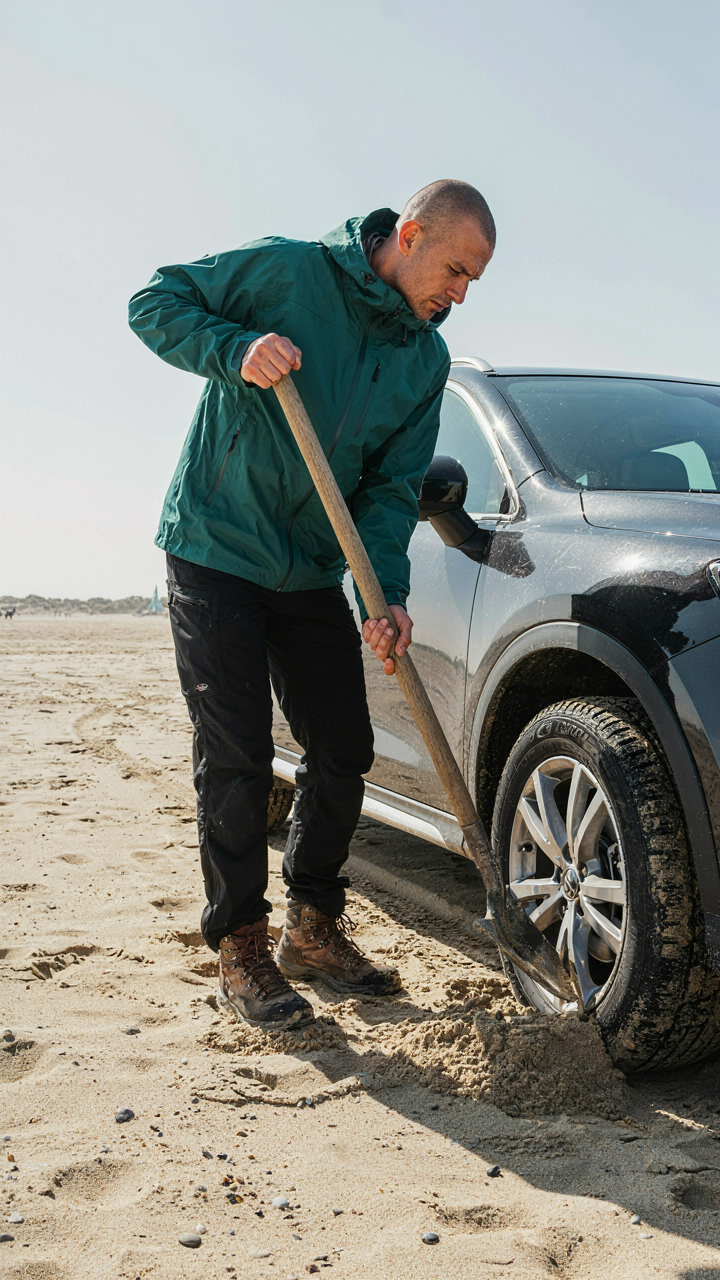
Most people buy recovery gear and feel bulletproof. They don’t. Gear sits unused while actual competence gathers dust. Your winch means nothing if you can’t read terrain. Your recovery boards fail you when you panic. Today, take one hour and practice extracting your vehicle from soft ground without pulling it out. Use what you have. Learn how it fights back. Gear amplifies skill, not replaces it.