
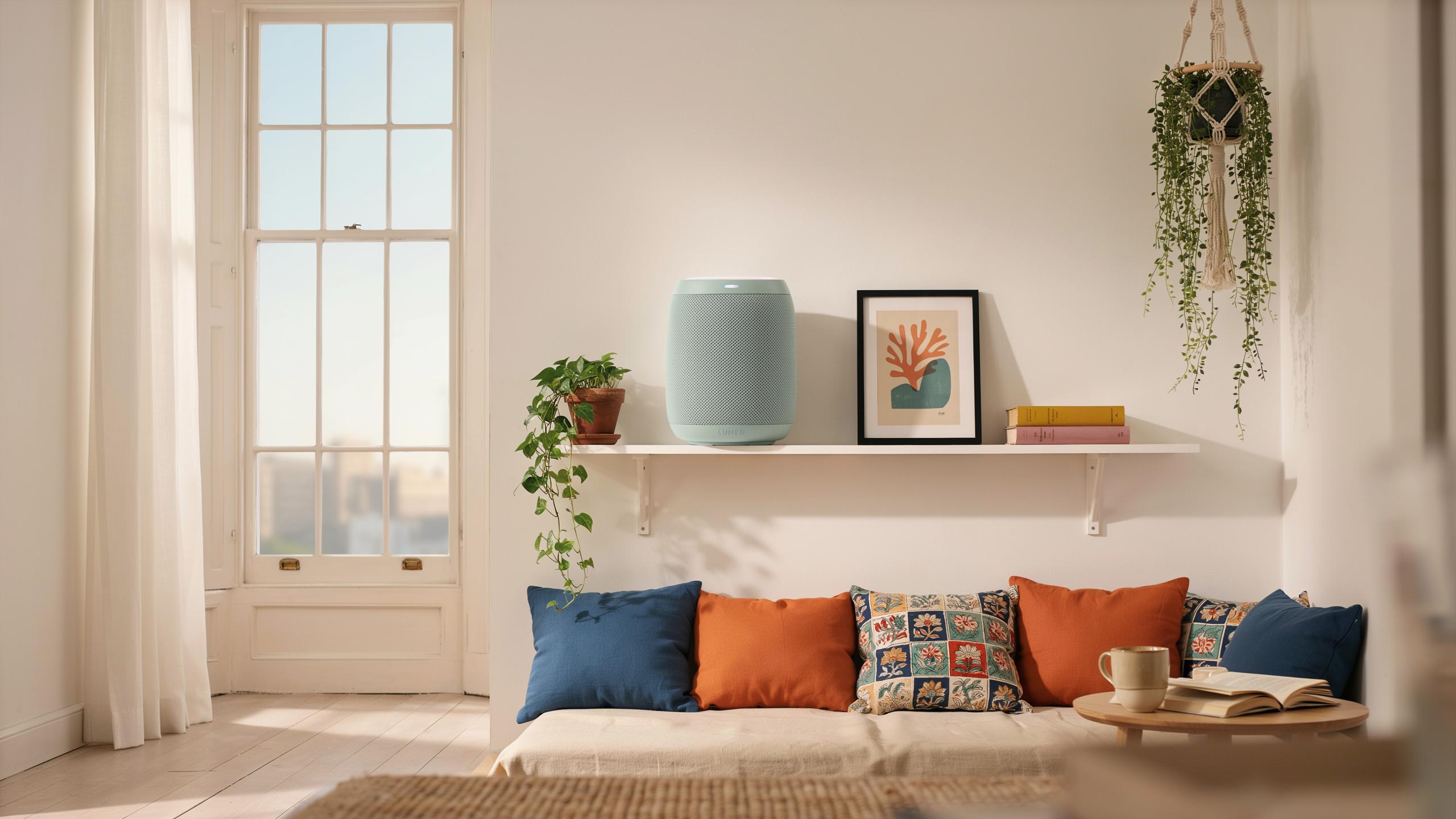
The Allure Of The Compact Smart Speaker In Small Spaces
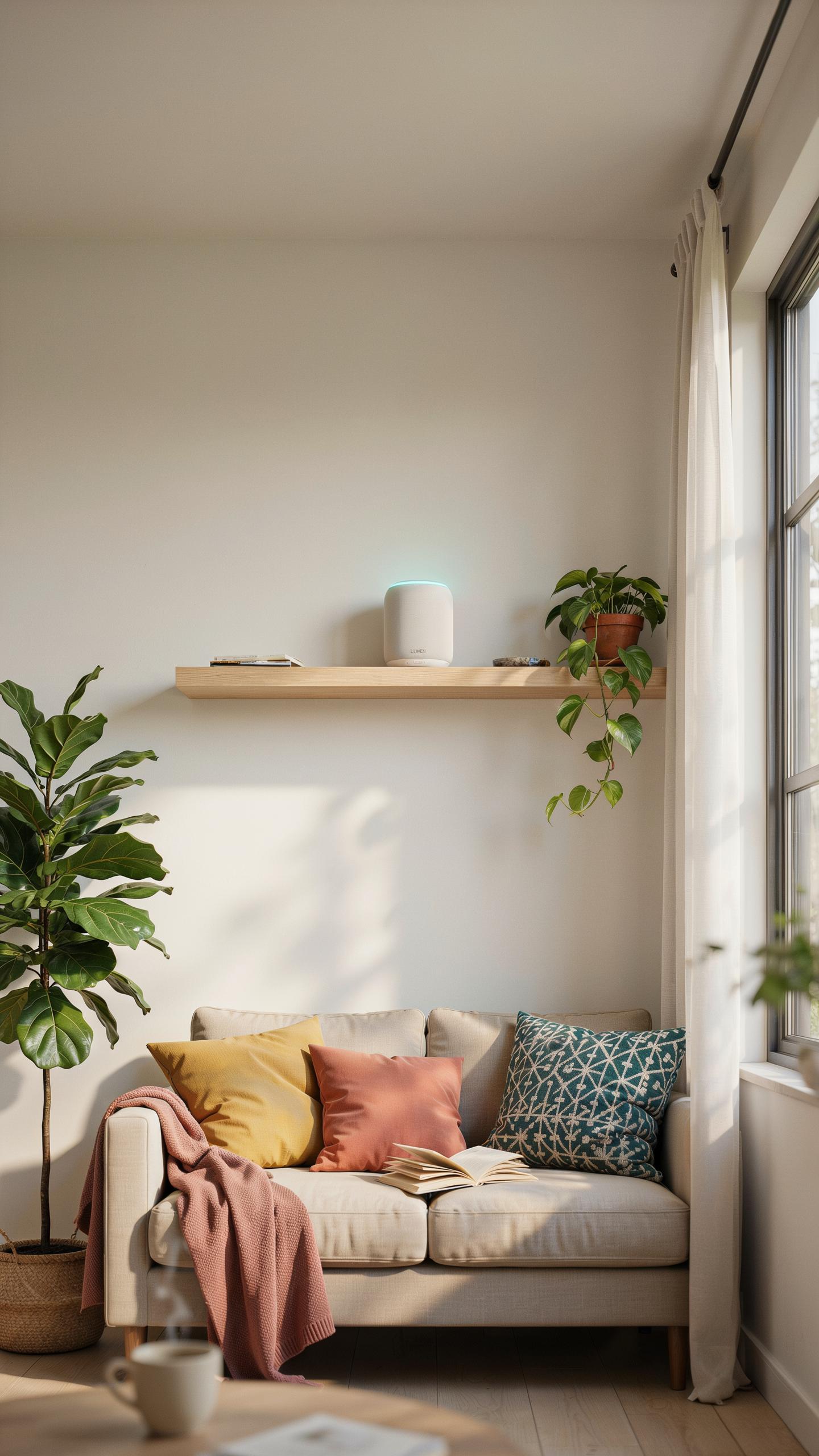
Space Saving Design
Compact smart speakers measure between 3 to 5 inches in height and occupy minimal surface area. Their footprint fits on nightstands, shelves, and desks without consuming valuable real estate. Manufacturers design these units to stack vertically or sit flush against walls. This intentional engineering solves the core problem of tiny apartments: every square inch matters.
The cylindrical and rectangular form factors dominate the market because they maximize speaker output while minimizing physical bulk. Materials like plastic and aluminum keep weight low, allowing placement on any surface without structural concerns. Cable management remains simple with single power connections, eliminating wire clutter that plagues larger audio equipment. Design efficiency here translates directly to livable space.
Beyond Audio
Smart speakers function as command centers for apartment dwellers managing multiple connected devices simultaneously. Voice control eliminates the need for dedicated remotes, tablets, or panels scattered throughout limited square footage. Users control lighting, thermostats, locks, and cameras through single voice commands. This consolidation reduces physical objects cluttering small living areas.
Compact models deliver smart home integration without requiring bulky equipment or additional hardware investments. Apartment renters benefit from wireless connectivity that requires no installation or structural modifications. The speaker becomes both entertainment source and operational hub for daily tasks. This dual functionality justifies placement in small spaces where every device must serve multiple purposes.

Speaker Product Photography Highlighting Design And Scale
Visual Appeal
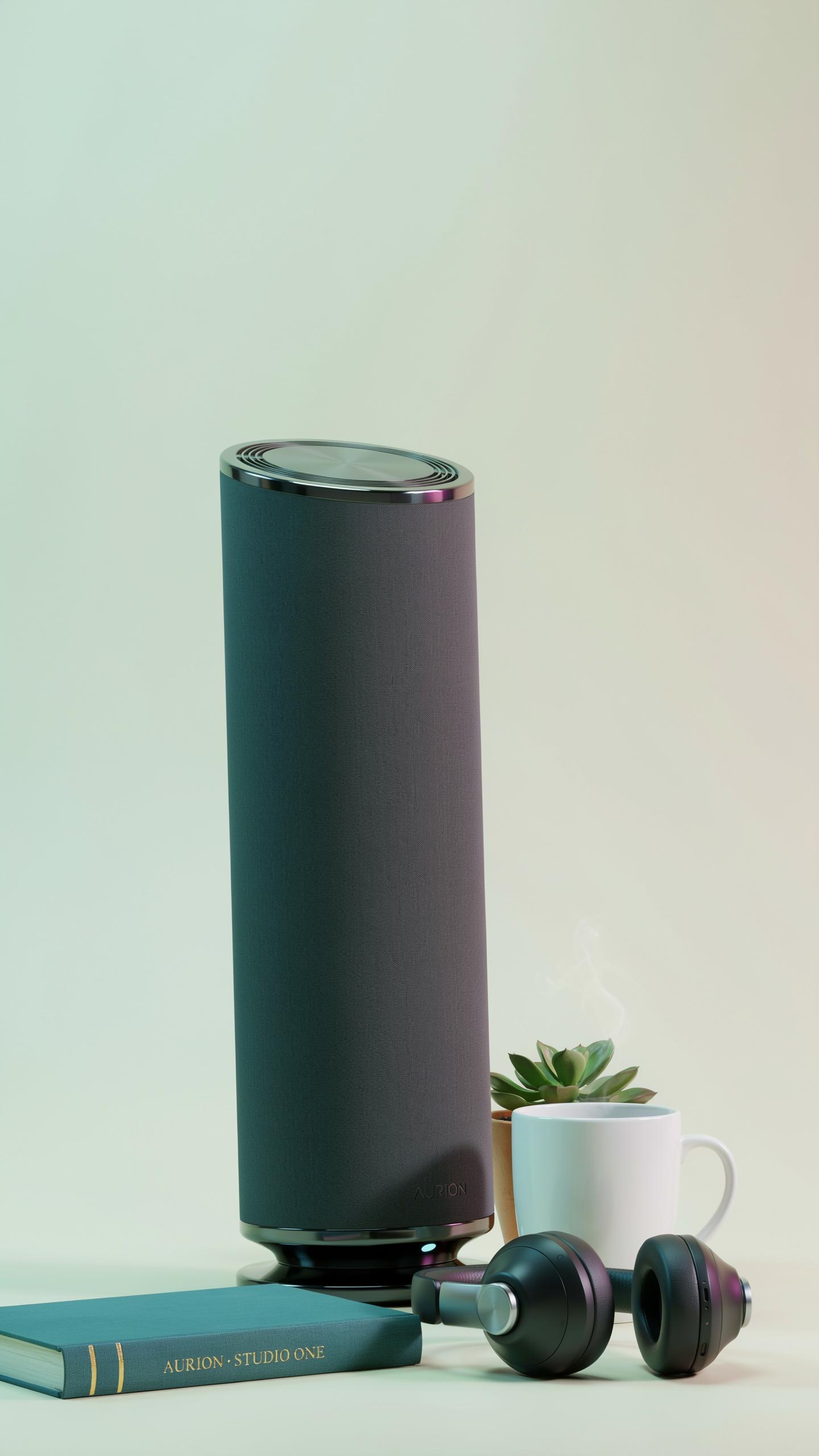
Product photography for compact smart speakers must solve a specific problem: conveying how small these devices actually are. A speaker sitting alone on a white background tells you nothing about real-world scale. Photographers need to include reference objects—a hand, a coffee mug, a book—to anchor the viewer’s understanding of dimensions. This context transforms abstract product shots into practical information that matters to apartment dwellers evaluating whether a device fits their space.
Lighting strategy determines whether a compact speaker looks cheap or intentional. Hard shadows and harsh angles emphasize cheap plastic. Soft, diffused lighting reveals material quality and finish details. For minimalist speakers, clean product photography should highlight the actual construction: whether it uses metal grilles, fabric wraps, or molded plastic bodies. The goal is clarity about what you’re buying, not manipulation through trendy photography techniques.
Design Elements
Minimalist design in compact smart speakers reflects functional necessity rather than aesthetic preference. Designers strip away everything except the speaker driver, microphone array, and control interface. This constraint-driven approach produces devices that integrate into spaces rather than demand attention. Amazon Echo Dot, Google Home Mini, and similar speakers achieve this through reduced footprint, muted color palettes, and geometric shapes that match existing home furnishings rather than compete with them.

Material choices communicate durability and maintenance requirements that matter in small spaces. Fabric-wrapped speakers hide dust better than bare plastic but require vacuuming. Metal accents signal premium construction but catch fingerprints. Matte finishes reduce reflections that amplify visual clutter in tight rooms. Speakers designed for compact living prioritize practicality in material selection, not appearance alone. These decisions should be visible in product photography so buyers understand maintenance demands before purchase.
Small Bluetooth Speaker Connectivity And Portability
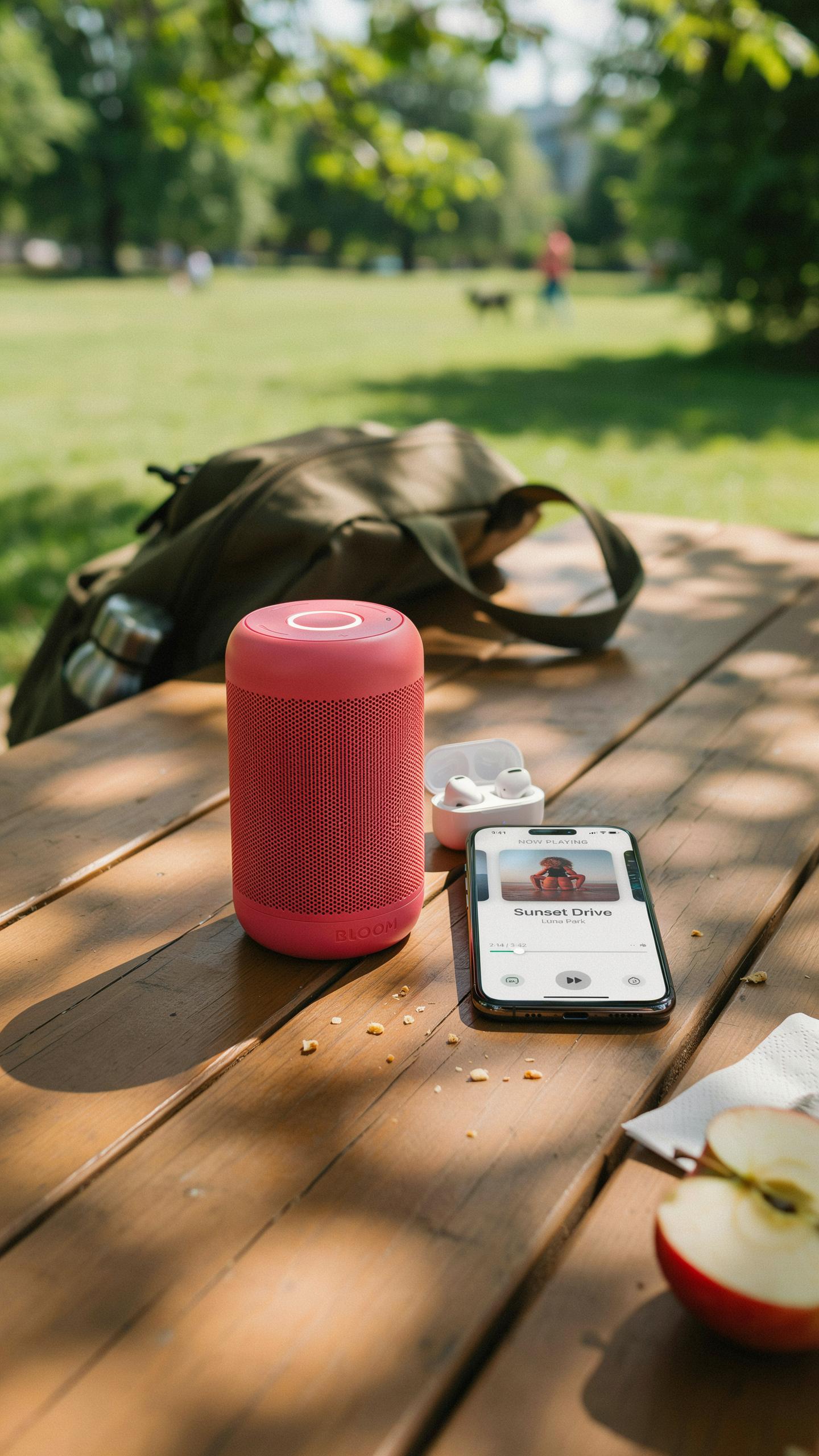
Wireless Convenience
Bluetooth eliminates the need for wired connections between your device and speaker. In a tiny apartment, this matters because you avoid running cables across limited floor space. You control playback from your phone, tablet, or laptop without physical tethering. The speaker connects within 30 feet of your device in most cases, giving you actual freedom to position it anywhere that fits your layout.
Bluetooth technology operates on the 2.4 GHz frequency, the same band as Wi-Fi and other wireless devices. This means your speaker works independently of your internet connection. You stream music from offline storage, podcasts downloaded to your phone, or any Bluetooth-enabled source. The lack of dependency on a network makes compact speakers reliable for apartment living where shared Wi-Fi can be unstable or congested.
Easy Relocation
Portability is the tactical advantage of compact speakers in small apartments. You move the speaker from your bedroom to kitchen to living room in seconds. No installation, no mounting, no permanent placement required. This flexibility lets you optimize audio quality based on where you actually spend time without redesigning your space around a fixed audio system.

Weight and size determine how often you actually move a speaker. Most compact models weigh between one and three pounds, making them genuinely portable. You carry them to outdoor spaces, leave them at a friend’s place, or store them in a closet when not in use. The portability transforms a speaker from furniture into a tool you deploy where needed.
Mini Speaker Aesthetic Blending With Your Decor
Design Philosophy
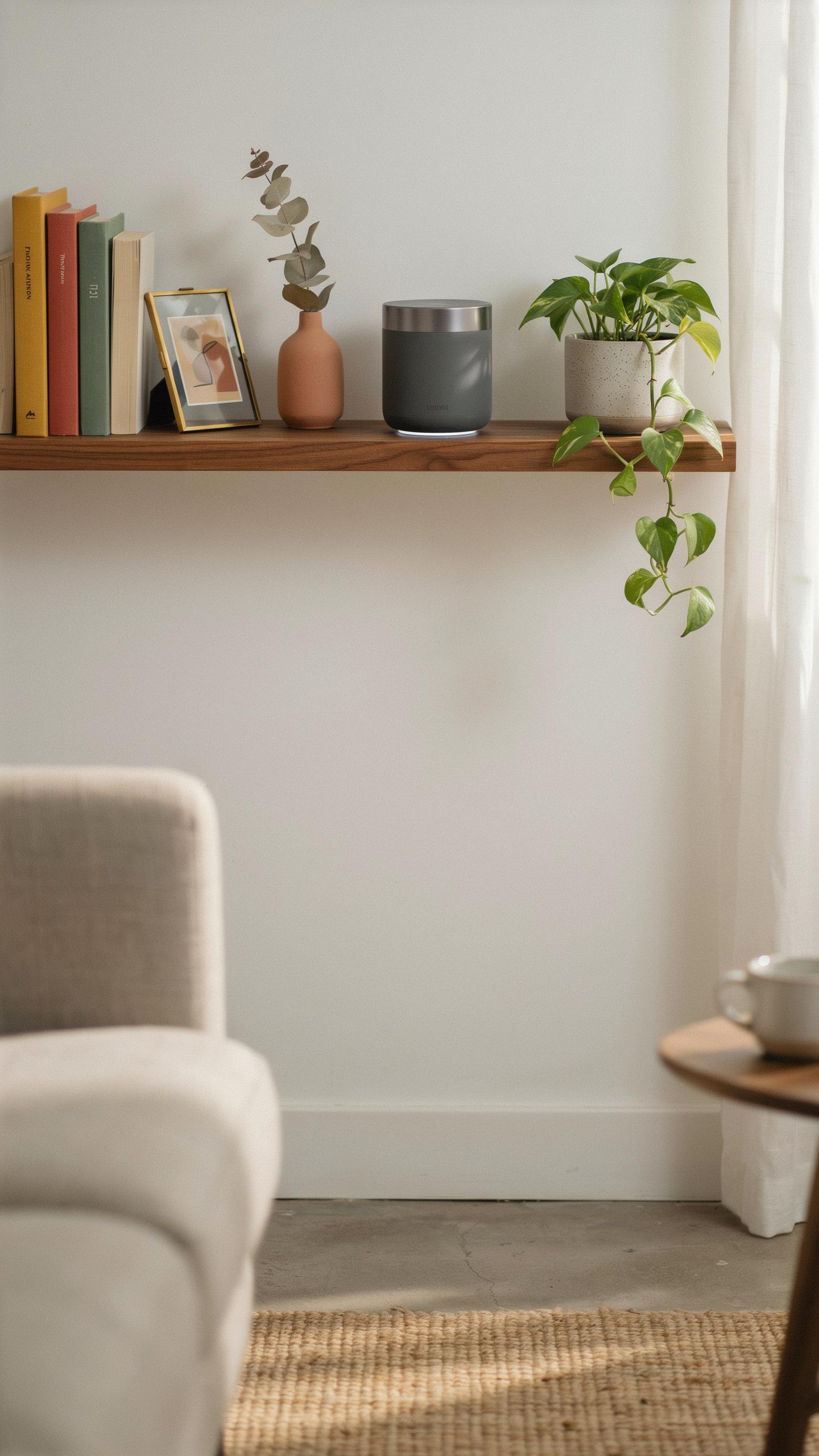
Compact speakers now ship in distinct design categories that serve different interior approaches. Minimalist designs feature flat surfaces, neutral tones, and geometric shapes that disappear into modern apartments. Retro-inspired models replicate vintage radio aesthetics with curved edges and fabric grilles. Industrial speakers showcase raw materials and utilitarian forms. Sculptural options prioritize visual presence as functional art. The core strategy is matching speaker form to your existing decor system rather than treating it as an afterthought.
Size constraints in tiny apartments actually work in your favor here. A compact speaker occupies less visual real estate than a large Bluetooth box, so its design language matters more proportionally. A matte black cylindrical speaker fits seamlessly on a shelf next to books. A white fabric-wrapped cube sits neutral on a nightstand. Design philosophy boils down to intentional sizing that complements tight spaces without demanding attention.
Material Finishes
Material choice determines how a speaker integrates into your environment at the tactile level. Matte finishes absorb light and recede visually, useful for keeping attention on other decor elements. Glossy finishes reflect light and command focus, working better as intentional accent pieces. Fabric wrapping, common on many compact models, reduces acoustic reflections while softening visual impact. Metal grilles provide durability and industrial aesthetic. Plastic housings keep costs down but show fingerprints more readily.

Finish selection also affects practical maintenance in small spaces where dust accumulates quickly. Smooth matte plastics wipe clean easily with a dry cloth. Fabric surfaces trap dust in weave patterns, requiring more frequent cleaning or light vacuuming. Aluminum or steel grilles resist fingerprints better than glossy finishes. Your choice depends on how much maintenance effort you’ll actually commit to in a compact living situation.
Mini Bluetooth Speaker Design Form Meets Function
Ergonomic Considerations
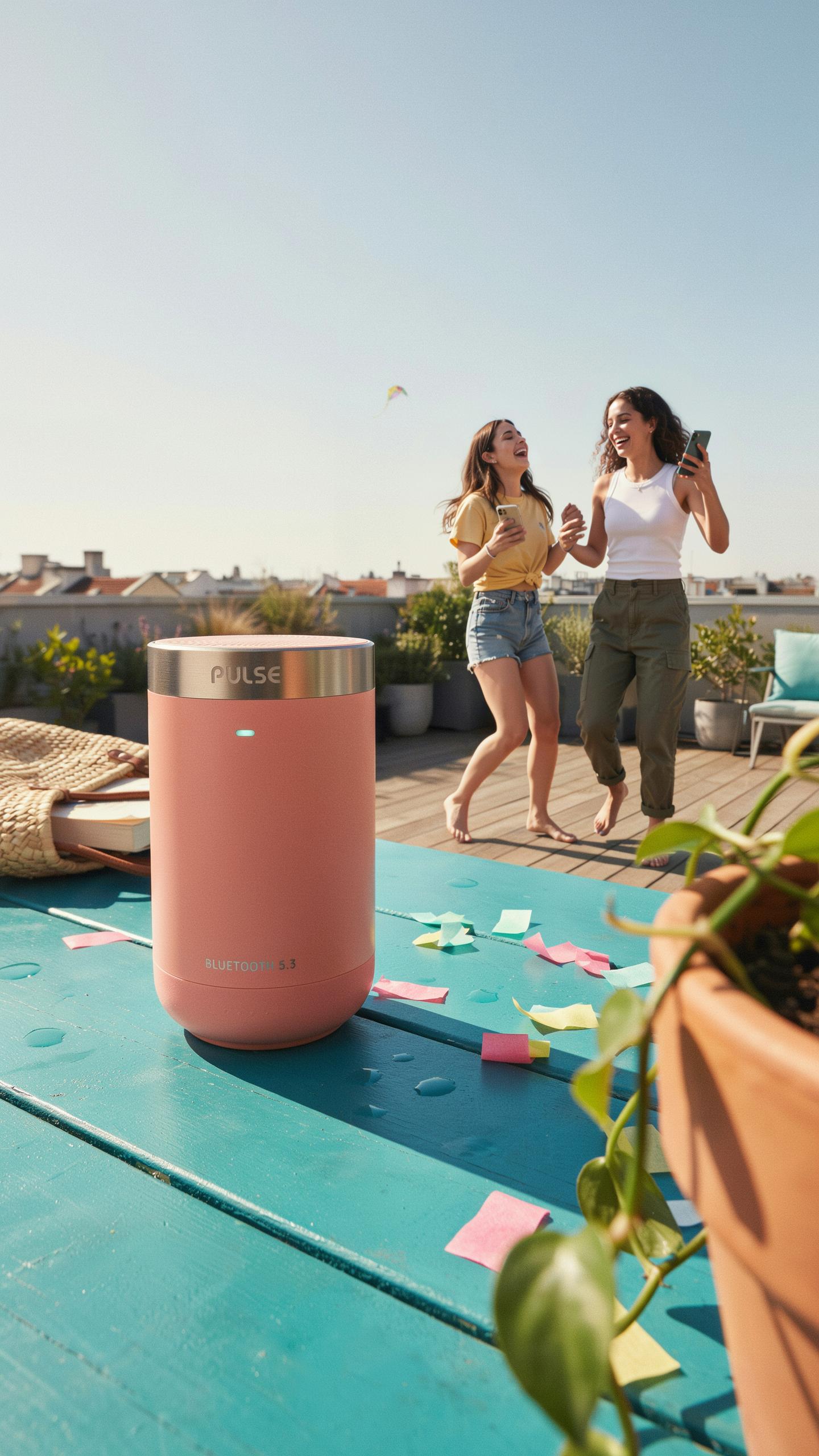
Compact speakers for small apartments demand design choices that reduce friction during daily use. Button placement matters. Controls need to sit where your thumb lands naturally without searching. Weight distribution affects how you hold the device during setup or transport. Textured surfaces prevent drops on hard floors common in tight spaces. Heat dissipation paths built into the chassis keep performance stable during extended play without requiring external ventilation space.
The speaker’s footprint directly impacts shelf placement options. Designers position connection ports on the back or bottom to prevent cable clutter from eating into already limited counter space. Rounded edges fit into corners more effectively than angular designs. Battery indicator placement should face the user without forcing you to pick up the device constantly. Material choices like soft-touch rubber reduce the device’s visual weight perception in cramped rooms.
Innovative Shapes
Cylindrical designs dominate compact speaker markets because they minimize wasted space on shelves and tables. The tube shape allows sound to radiate in all directions without corners that trap acoustic energy. Amazon’s Echo Dot uses this approach successfully. Rectangular designs with beveled edges pack into tight spaces like bookshelf crevices. Sony’s LF-S50G employed a spherical shape to optimize acoustic performance while maintaining a contained footprint.
Portable brands like UE Boom adapted the cylinder concept with angled caps for easier grip and stacking capability. Angled drivers inside compact housings project sound upward and forward rather than wasting output against walls. Some manufacturers nest rubber components inside rigid frames to absorb vibration and reduce resonance in small rooms. Flat-back designs sit flush against walls without protruding awkwardly. These structural choices directly control how sound behaves in confined acoustic environments where reflections multiply quickly.
Tiny Bluetooth Speaker Audio Quality In A Petite Package
Sound Engineering
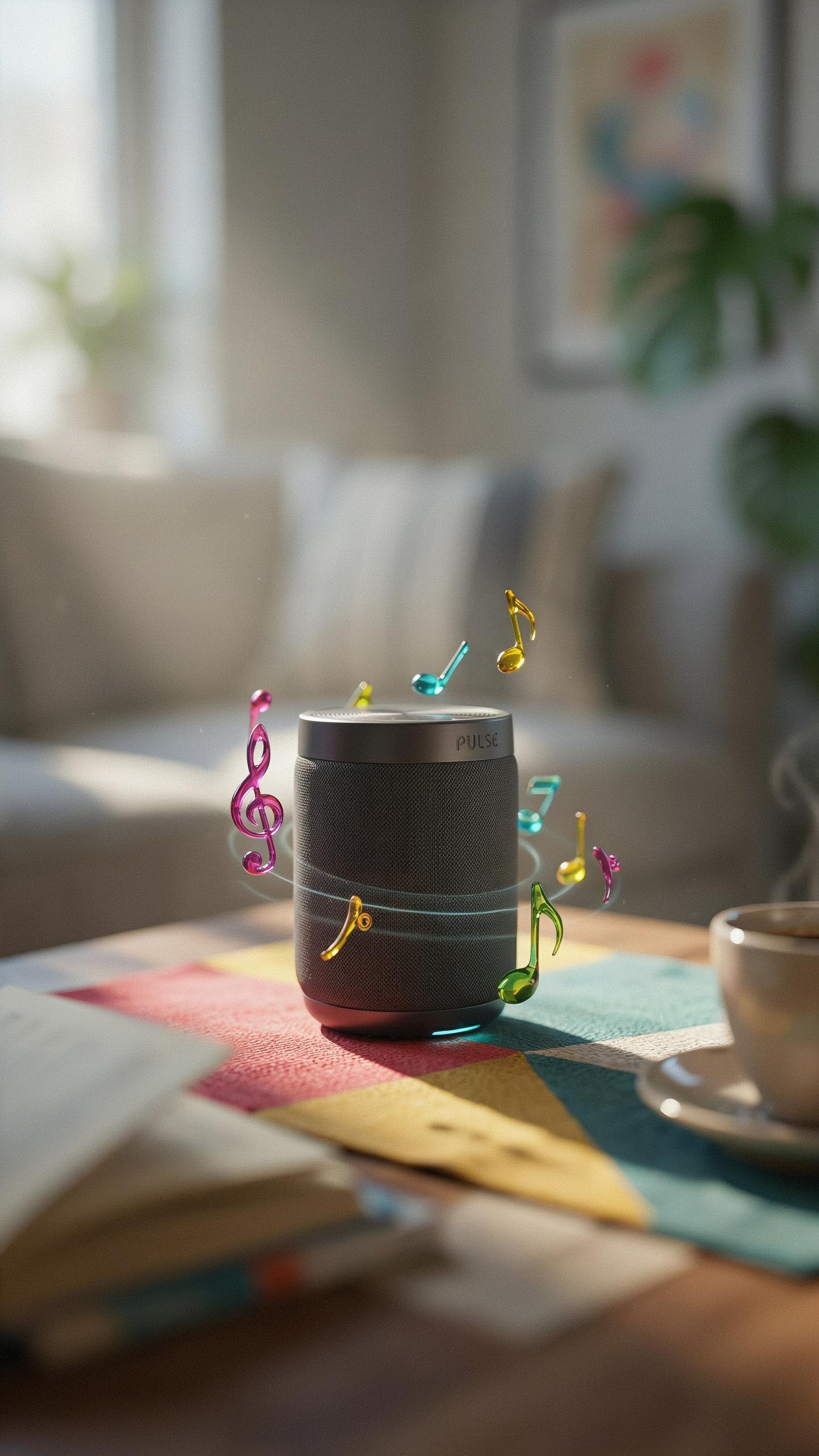
Compact speakers overcome size limitations through driver design and enclosure tuning. Manufacturers use smaller drivers with higher excursion capabilities, meaning the cone moves more distance to push more air. They pair these with sealed or ported enclosures that either absorb or channel bass frequencies strategically. Digital signal processing handles EQ adjustments in real time, compensating for the physics constraints of miniature form factors. This approach lets tiny speakers deliver clear midrange and treble without distortion at moderate volumes.
Power output matters less than efficiency in small speakers. A 5-watt driver in a well-engineered enclosure outperforms a poorly designed 10-watt system. Manufacturers prioritize impedance matching and driver resonance control to extract maximum acoustic output from limited wattage. Materials like polypropylene cones and rubber surrounds handle the rapid movement required for consistent sound reproduction. The result is a speaker that performs well in apartment environments without needing excessive amplification.
In our cozy corners, these tiny voices whisper tales of home, a symphony for spaces big enough for dreams.
Acoustic Performance
Apartment rooms create standing waves and reflections that either amplify or cancel out frequencies depending on placement. Small rooms amplify bass frequencies naturally due to wall proximity, so optimal speaker positioning matters more than in larger spaces. Placing a compact speaker away from corners and edges reduces boomy bass response. Distance from reflective surfaces like windows and hardwood floors improves clarity by minimizing delayed echoes that muddy sound.

Room furnishings absorb sound energy and break up reflections. Curtains, rugs, and furniture act as acoustic dampening without requiring expensive treatment. A speaker positioned on a soft surface rather than hard floors reduces vibration transmission into the structure. These tactical adjustments turn a small apartment into an acceptable listening environment. No professional acoustic treatment needed for casual listening or voice assistant functionality.
Home Speaker Essential Features For Apartment Living
Smart Home Integration
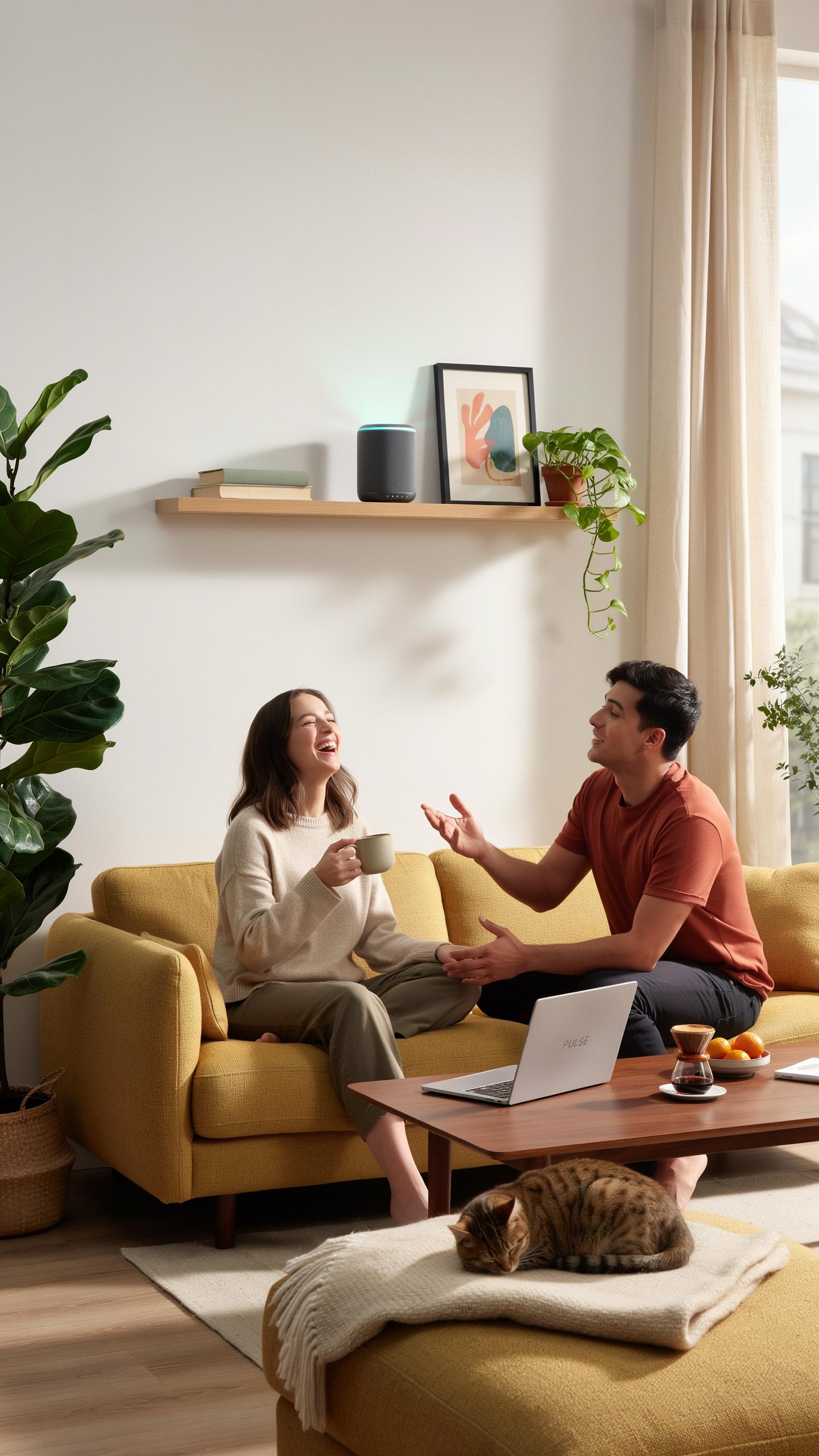
Compact speakers connect to smart home ecosystems through Wi-Fi and Bluetooth. Your speaker acts as a hub or controller depending on the manufacturer. It communicates with lights, thermostats, plugs, and other compatible devices. Integration reduces clutter by eliminating the need for separate control systems in small spaces. Choose speakers that support the ecosystem you already use or plan to build.
Compatibility matters more than feature count in apartments. Amazon Alexa, Google Assistant, and Apple Siri each control different device networks. Switching ecosystems later requires replacing multiple devices. Test voice commands before purchasing to confirm your speaker controls what you need. Most compact speakers work with the three major platforms, but device support varies by brand and model.
Privacy Features
Compact speakers in apartments demand privacy controls because walls are thin and personal space is limited. Microphone mute buttons stop recording immediately. Physical mutes work better than software toggles because you see the status. Check if your speaker stores recordings and how long the company keeps them. Review deletion settings so you control what data remains on company servers.

Data collection policies differ significantly between brands. Some speakers transmit audio only when you use wake words. Others send fragments for processing. Read privacy policies before buying, not after setup. Many speakers let you disable certain features like shopping or calling. Know what data leaves your apartment and where it goes.
Minimalist Speakers For Office Enhancing Productivity
Focus And Ambience
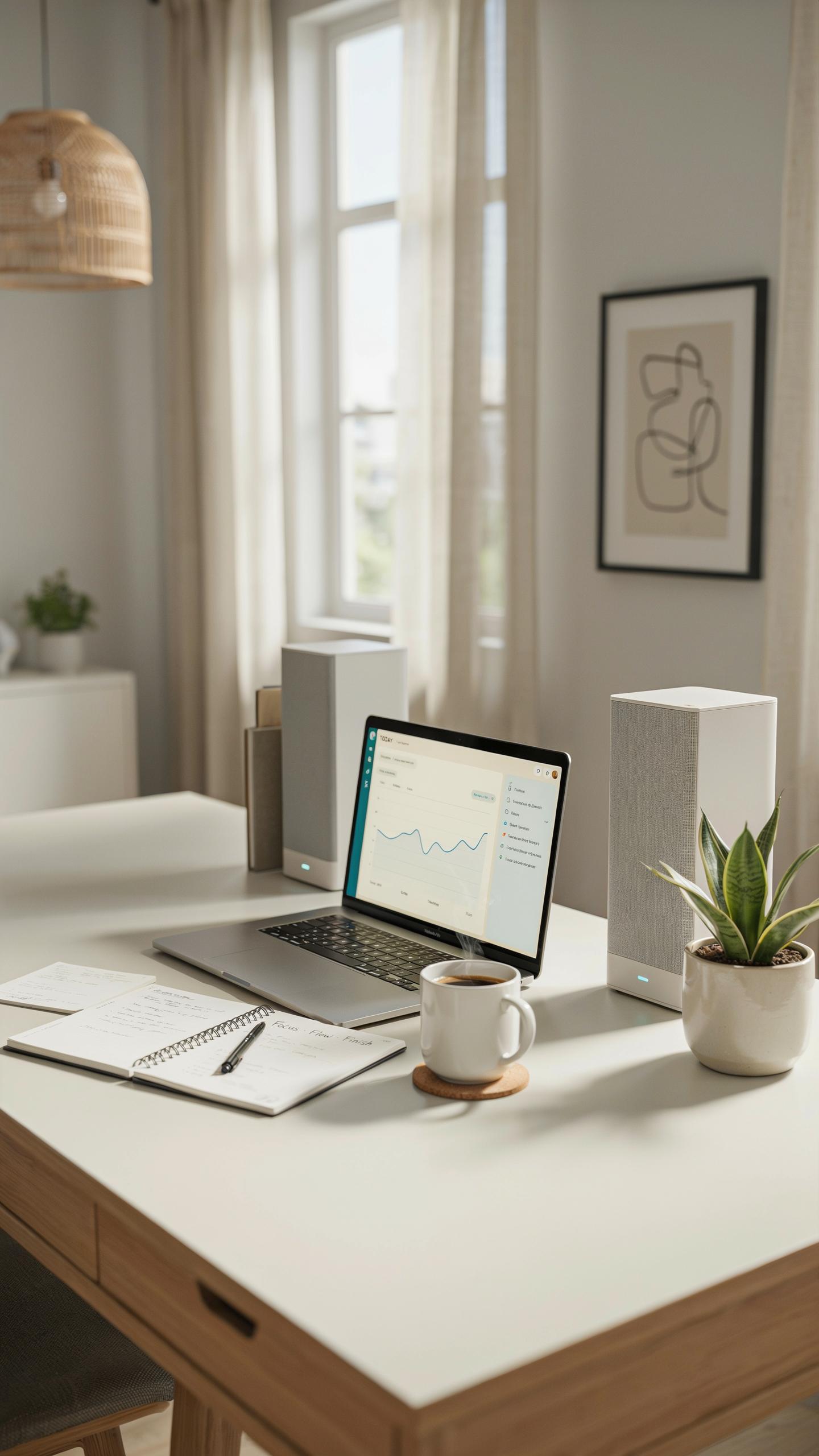
A compact smart speaker creates baseline acoustic conditions for focused work. Place it on a desk or shelf to deliver ambient sound without occupying floor space. Background audio masks distracting noise from neighbors or traffic. You control volume and content through voice commands or phone apps, eliminating the need to leave your workspace.
Smart speakers support multiple audio sources for different work phases. Stream instrumental music during deep work sessions. Switch to white noise or nature sounds during breaks. The speaker’s small footprint fits apartment offices with limited desk real estate. This targeted audio approach beats larger standalone systems that consume valuable space.
Communication Tools
Smart speakers handle scheduling and reminders through voice activation. Say the date and time for meeting setup without typing. The speaker confirms details aloud and syncs to your calendar app. You receive alerts before calls and meetings, keeping you on schedule without pulling your attention to a screen.

Voice calling through smart speakers enables hands-free communication during home office hours. Make calls without picking up your phone or sitting at your computer. Conference calls work through the speaker’s mic and audio output. Reminders for follow-ups, deadlines, and tasks keep work organized when space limits your desk setup options.
Modern Wireless Speaker On Shelf Placement And Aesthetics
Optimal Placement
Speaker placement directly impacts sound quality and room acoustics. In small apartments, reflective surfaces like walls and hard floors bounce sound waves, creating distortion. Position your speaker away from corners where bass frequencies accumulate and muddy audio. Distance from the listening area matters too. Most compact speakers deliver balanced sound within 6 to 10 feet.
- Elevated surfaces: Place speakers on shelves or stands at ear level when seated to deliver sound directly to the listener without floor interference.
- Away from walls: Keep speakers at least 12 inches from walls to reduce reflections that degrade clarity and create acoustic dead zones.
- Central location: Position near the room’s center rather than against perimeter walls for even sound distribution across the entire space.
- Off hard surfaces: Avoid placing speakers directly on glass or metal tables, which amplify vibrations and create harsh, tinny frequencies.
- Ventilation clearance: Maintain at least 4 inches of space around the speaker to allow heat dissipation and prevent thermal throttling during extended use.
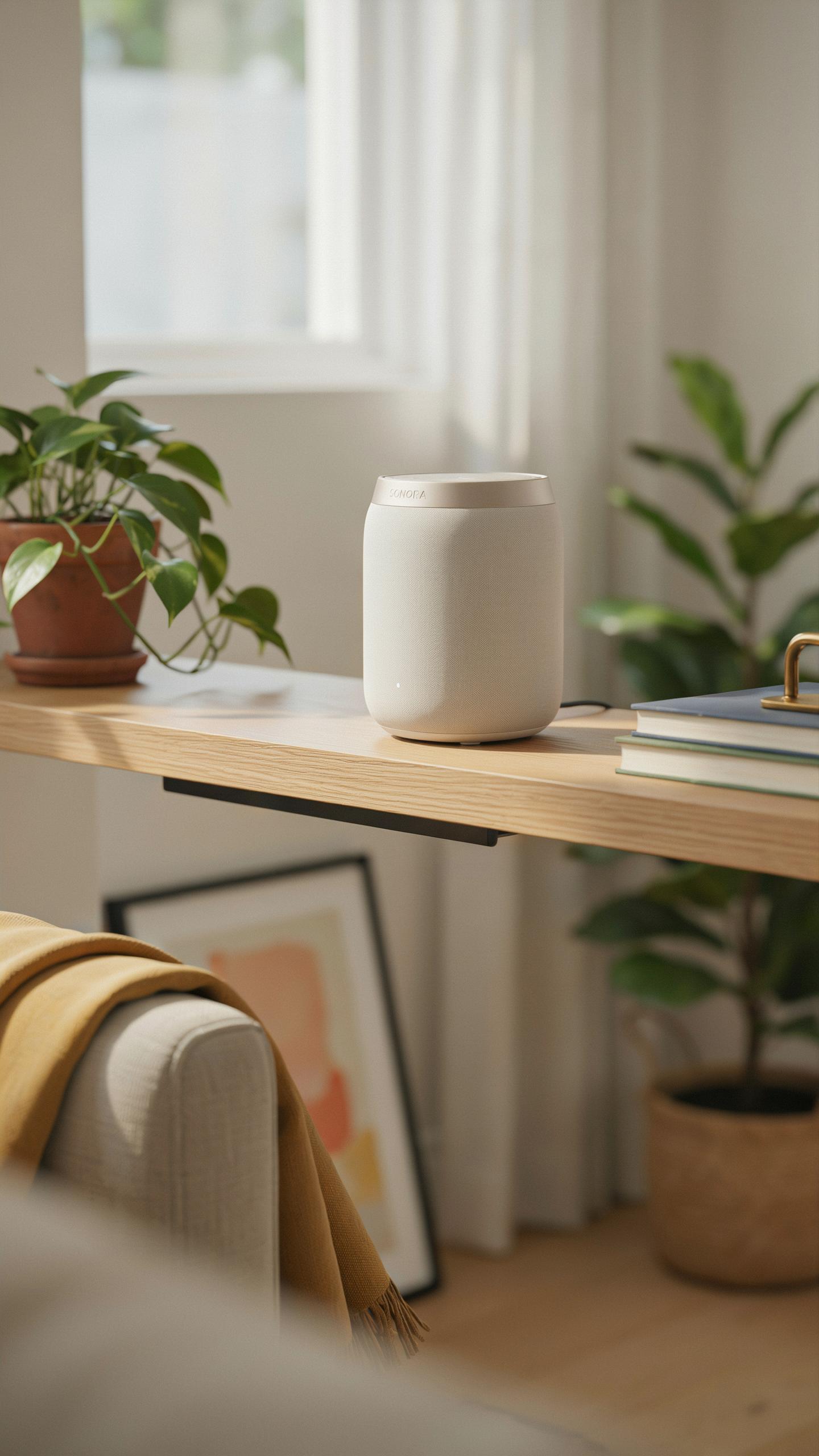
Visual placement requires balancing functionality with spatial economy. Compact speakers fit naturally on floating shelves, nightstands, or narrow console tables without consuming floor space. Choose surfaces that complement your existing decor rather than fight it. Neutral finishes on speakers blend into backgrounds, while darker units anchor focal points on light shelves.
Cable Management
Cable clutter destroys minimalist aesthetics in tight apartments. Route power cords along baseboards or behind furniture using adhesive clips rated for your apartment’s surface type. Many renters avoid permanent installations, so choose removable options like velcro straps or cable channels instead of drilling into walls.
Wireless speakers eliminate the need for audio cables, but power cords remain unavoidable unless you use rechargeable models. Group cables together and use spiral wraps or flat cable sleeves to reduce visual width. Hide excess cord length inside wall-mounted raceways or behind the speaker itself if it sits on a shelf. Keep the power outlet within three feet of the speaker’s placement to avoid running cables across walkways or high-traffic areas.
Choosing Your Ideal Compact Smart Speaker
Key Considerations
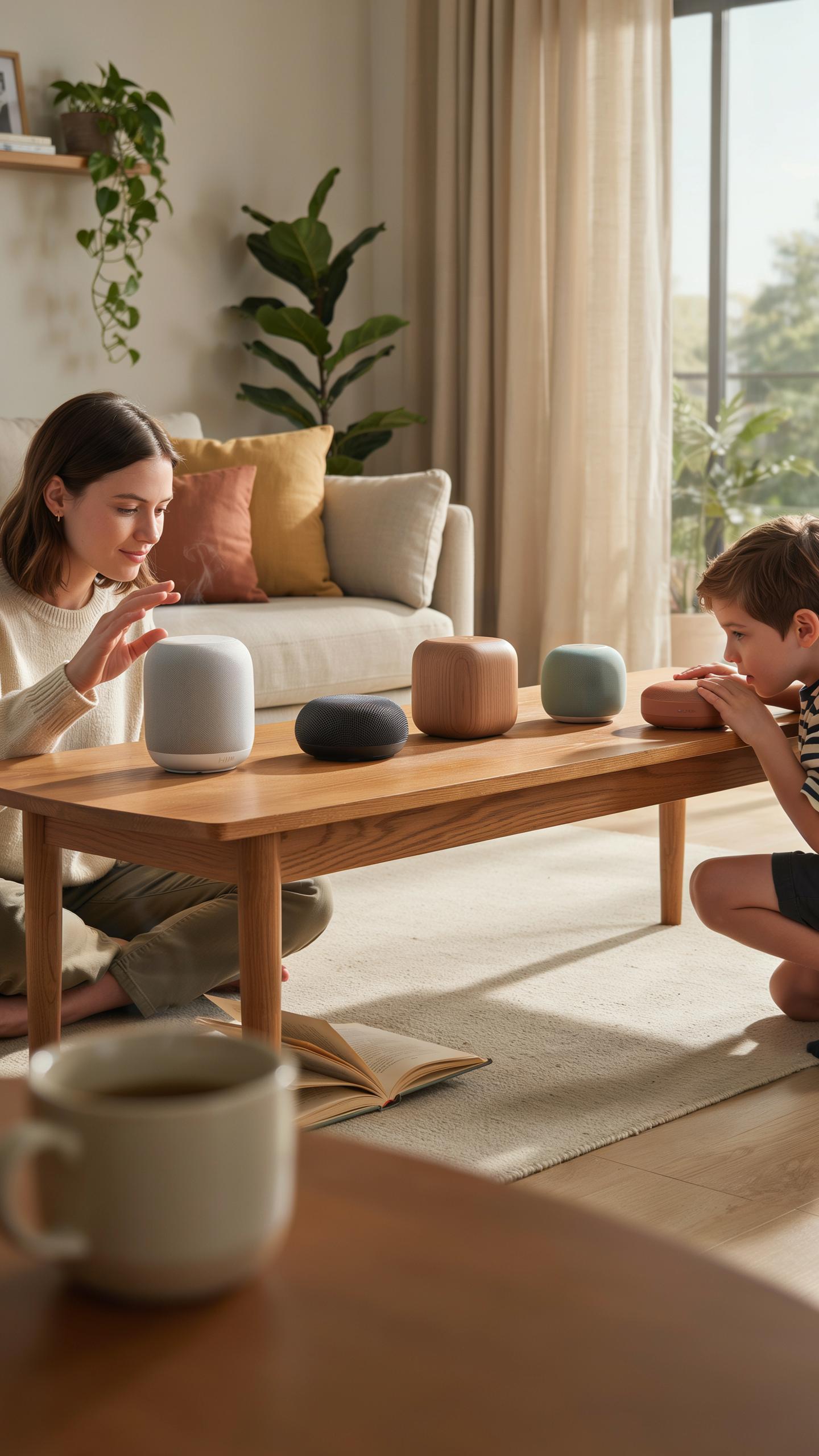
Space constraints demand you prioritize physical dimensions first. Measure your available surfaces. Most tiny apartments lack counter or shelf space, so footprint matters more than power output. Width and depth determine placement viability. Height affects sightlines and aesthetic impact on small rooms. Test how each model fits your actual environment before buying.
- Physical Footprint: Measure width, depth, and height against your available surfaces. Compact speakers typically range from 3 to 5 inches in diameter. Your space determines what fits, not marketing claims about size.
- Audio Output Requirements: Understand your listening habits. Tiny apartments amplify sound naturally, so lower wattage speakers often suffice. Walls reflect sound more in small spaces. You need less power than you think.
- Voice Assistant Ecosystem: Choose between Amazon Alexa, Google Assistant, or Apple Siri based on your existing devices. Switching ecosystems later creates friction. Your phone and smart home devices should match your speaker’s platform.
- Budget Constraints: Entry-level speakers cost 30 to 50 dollars. Mid-range models run 80 to 150 dollars. Premium options exceed 200 dollars. Tiny apartment budgets rarely justify premium pricing for sound quality alone.
- Connectivity Options: Verify WiFi support at minimum. Bluetooth capability lets you play music from your phone without WiFi. Some models include aux input for wired connections to older devices.
- Microphone Sensitivity: Poor mic pickup forces you to speak louder or move closer. Test voice recognition in store conditions before purchasing. Some speakers hear commands across larger distances than others.
Your apartment’s ambient noise level matters too. Kitchens, bathrooms, and living rooms near streets require better microphones. Bedrooms need lower volume capabilities. Match the speaker’s features to your actual usage patterns and room type.
Top Recommendations
Amazon Echo Dot stands as the most practical choice for tiny apartments. Its 1.6 inch height fits anywhere, and the fourth generation model delivers adequate audio for small rooms. The price point starts around 50 dollars, making replacement affordable if you upgrade later. This speaker prioritizes function over premium sound, which aligns with space-limited living.
Google Nest Mini offers comparable features with a different design approach. Square form factor takes slightly more counter space than the Dot. Google Assistant integration works seamlessly if you already use Android devices or Google services. Both devices handle the core smart speaker functions most apartment dwellers need: music streaming, weather updates, voice commands, and smart home control.
Frequently Asked Questions

What exactly is a compact smart speaker and why is it ideal for tiny apartments?
A compact smart speaker is a voice-controlled device that offers features like music playback, weather updates, and smart home control, all in a small footprint. Its size makes it perfect for tiny apartments, maximizing functionality without cluttering limited counter or shelf space.
How can I best position my compact smart speaker to get optimal sound quality in a small living space?
For optimal sound, place your compact smart speaker in an open area, avoiding corners or enclosed shelves that can muffle audio. Experiment with placing it at ear level when you’re typically listening. Its small size allows for flexible placement to fill your tiny apartment with sound.
Are there affordable options for a compact smart speaker that still offer good features for someone on a budget?
Absolutely! Many brands offer excellent, budget-friendly compact smart speaker models that deliver great sound and smart features. Look for devices from popular manufacturers during sales events. You can definitely find a high-quality compact smart speaker for tiny apartments without breaking the bank.