
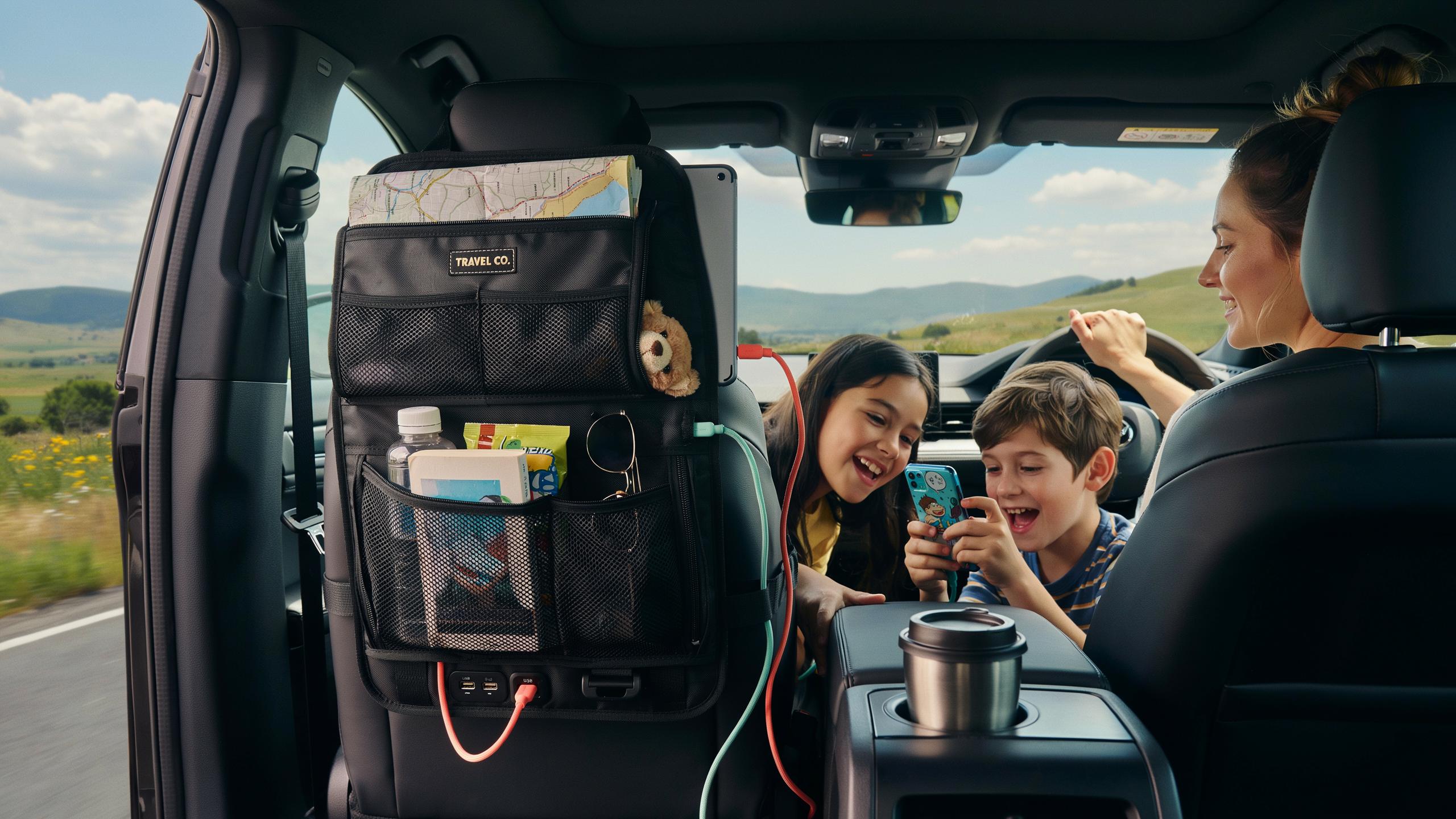
Why Every Road Trip Family Needs A Car Seat Organizer With USB Ports
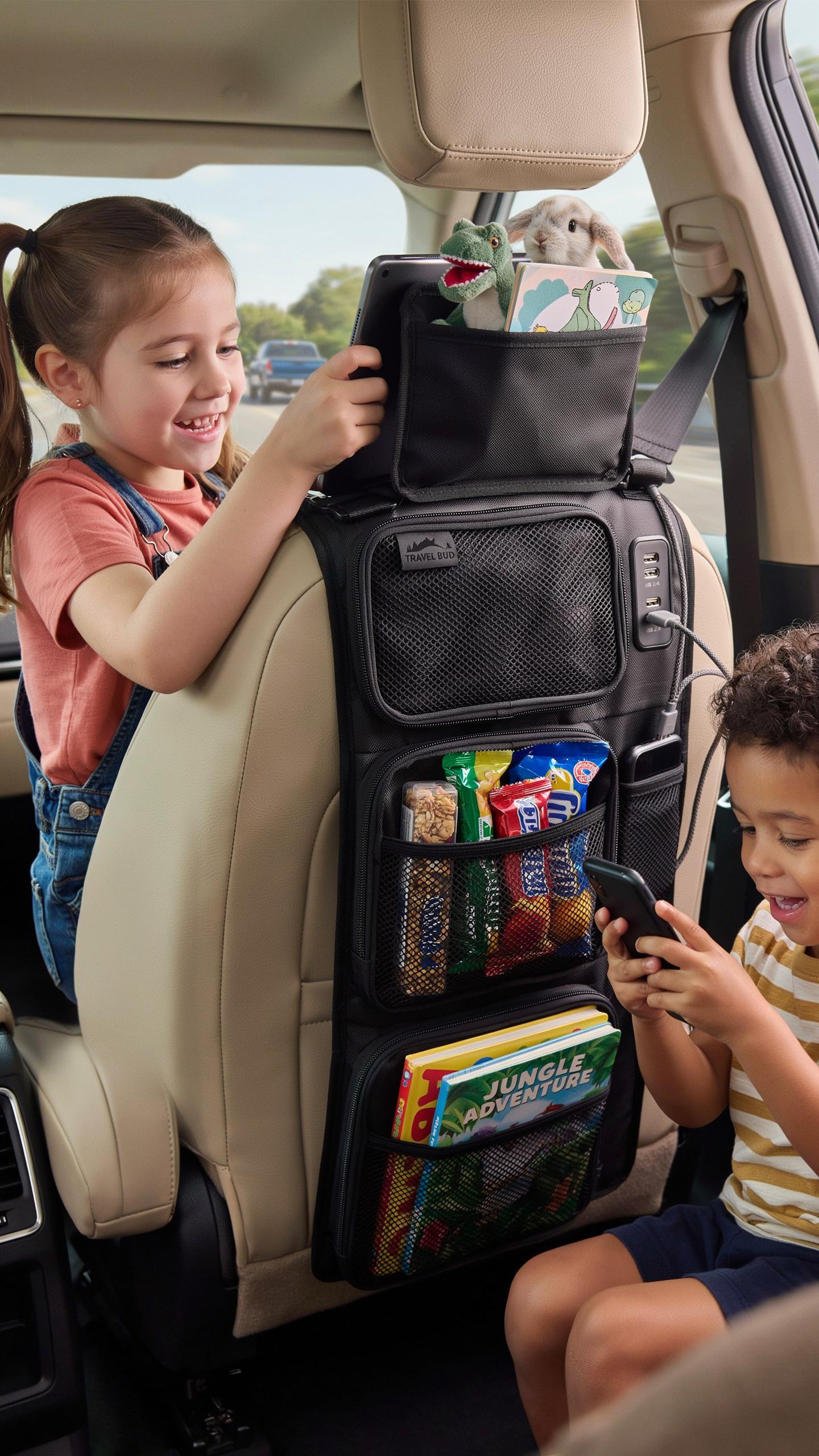
Stay Connected And Charged
Modern road trips require constant device access. Phones, tablets, and portable speakers drain batteries quickly during long drives. A car seat organizer with USB ports delivers power directly where passengers sit. You eliminate the need for multiple charging cables running across the vehicle. Devices stay charged without taking up dashboard or cup holder space.
USB ports built into seat organizers solve a real problem. Rear passengers can charge devices independently without relying on front seat access. Children maintain entertainment through tablets and games for hours. Parents reduce backseat arguments about battery life and device availability. The integration prevents dangerous cable clutter that distracts drivers.
Declutter Your Vehicle With A Car Seat Organizer
Messy cars drain mental energy and create safety hazards. Loose items shift during turns and hard stops. A car seat organizer contains everything in one designated space behind or on the seat. Toys, snacks, tissues, and personal items stay organized and accessible. You reclaim floor space and remove distractions from your driving environment.
Organization directly impacts family comfort during extended trips. Passengers find what they need without searching through multiple locations. Backseat storage keeps items from rolling under seats where they disappear. Families spend less time frustrated and more time enjoying the journey. Organized vehicles also make cleanup faster when you reach your destination.

Understanding The Benefits Of Backseat Car Organizer Functionality
Maximizing Space And Accessibility
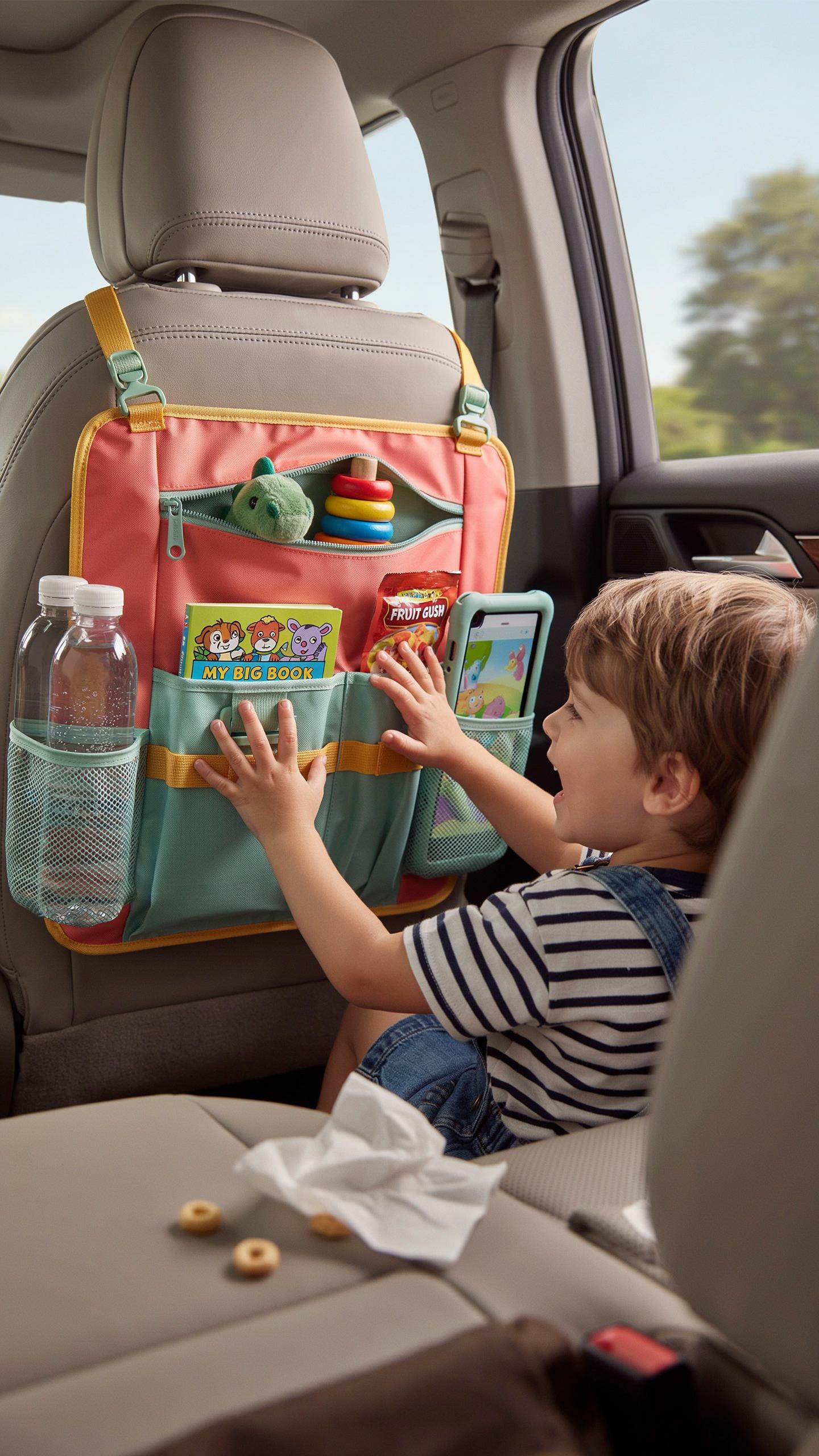
A backseat organizer consolidates items into designated pockets and compartments. This eliminates clutter spreading across seats and floors. Passengers find what they need without rummaging through bags. The structure keeps frequently used items within arm’s reach. Multiple storage sections accommodate different item sizes and types effectively.
Accessible storage reduces travel friction. Passengers grab snacks, tablets, or entertainment without assistance. Items stay organized throughout the trip, preventing searches mid-journey. Children can independently access their belongings from their seats. This independence reduces driver distractions and passenger frustration during longer drives.
Enhanced Comfort For Passengers
An organized backseat creates a functional travel environment. Clutter causes physical and mental stress. When items have designated spots, passengers experience less cramped conditions. Legroom feels more spacious when floors remain clear. Children settle into calmer states when their surroundings feel orderly and intentional.

Organized spaces promote longer travel comfort for all passengers. Reduced searching and shifting means fewer interruptions. Passengers stay focused on entertainment or rest activities. Less movement prevents the physical strain of reaching for items. A structured backseat directly translates to measurable improvements in passenger satisfaction during extended trips.
Key Features To Look For In A Car Seat Organizer
Integrated USB Charging Capabilities
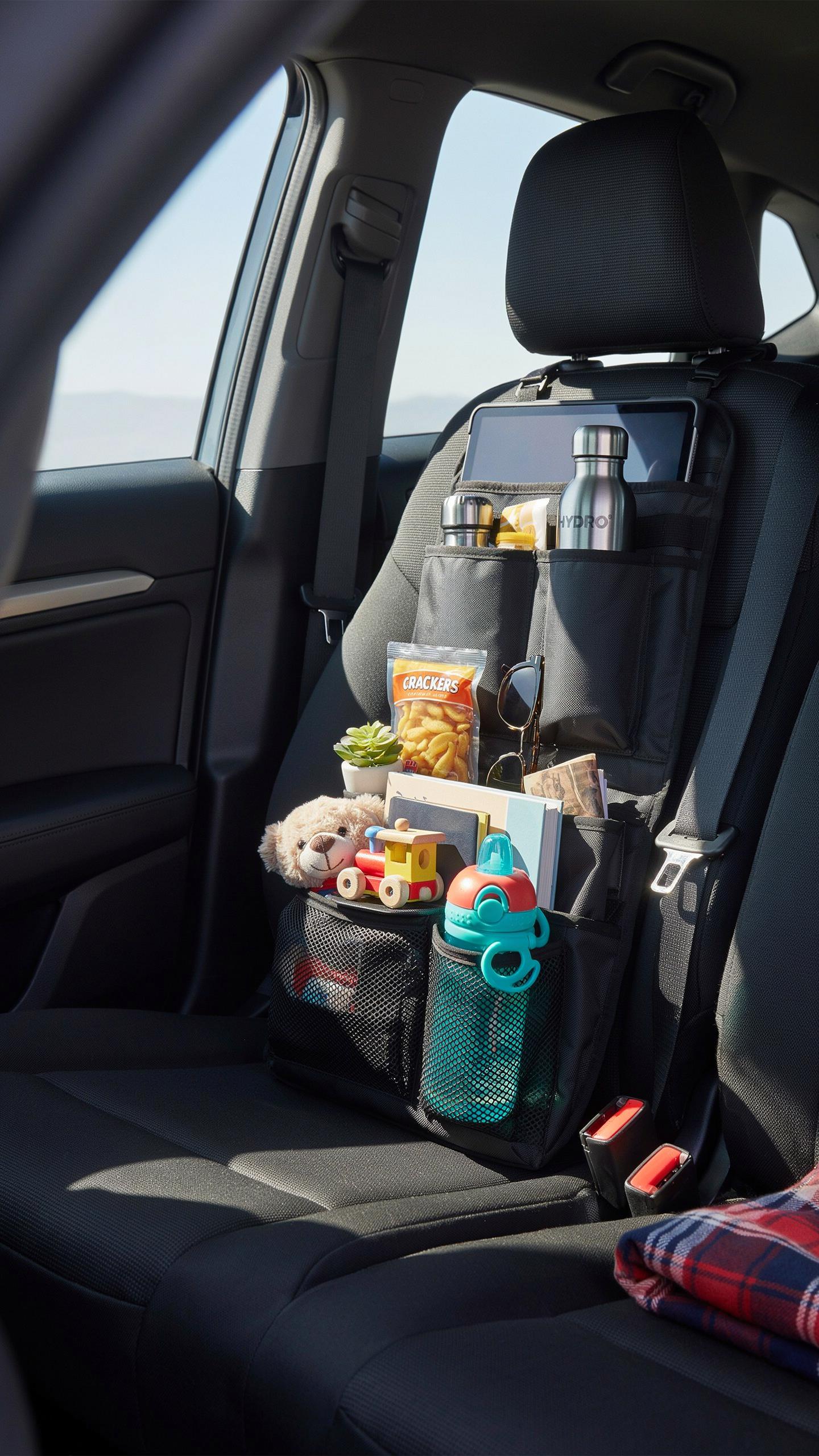
Modern vehicles carry multiple devices that require power. Smartphones, tablets, and portable chargers all drain battery during extended trips. USB ports on seat organizers eliminate the need for front-seat access to dash outlets. This matters because passengers can charge devices without unplugging navigation systems or blocking driver sightlines. Your organizer should support the devices you actually use.
Port type determines charging speed and device compatibility. USB A ports handle standard charging but deliver slower power than USB C. USB C ports deliver higher wattage, cutting charging time significantly. Some organizers include both types, accommodating older and newer devices. Check amperage ratings on any organizer you consider. Higher amperage means faster charging for tablets and power banks.
Durable Materials And Easy Installation
Seat organizers endure constant use and temperature swings. Materials matter more than aesthetics when choosing one. Neoprene, polyester, and reinforced fabrics withstand repeated folding and loading without tearing. Stitching quality determines longevity. Look for double or reinforced seams at stress points. Cheap organizers fail within months. Heavy materials cost more upfront but last years.

Installation speed determines whether you’ll actually use the organizer. Most models attach via seat-back hooks or straps that fit standard car seats. No tools should be required. Test attachment mechanisms before purchasing if possible. Velcro straps simplify removal for cleaning or seat adjustments. You need installation to take under five minutes, not an afternoon project.
Comparing Different Car Backseat Organizer With Drinks Holders
Design And Capacity Variations
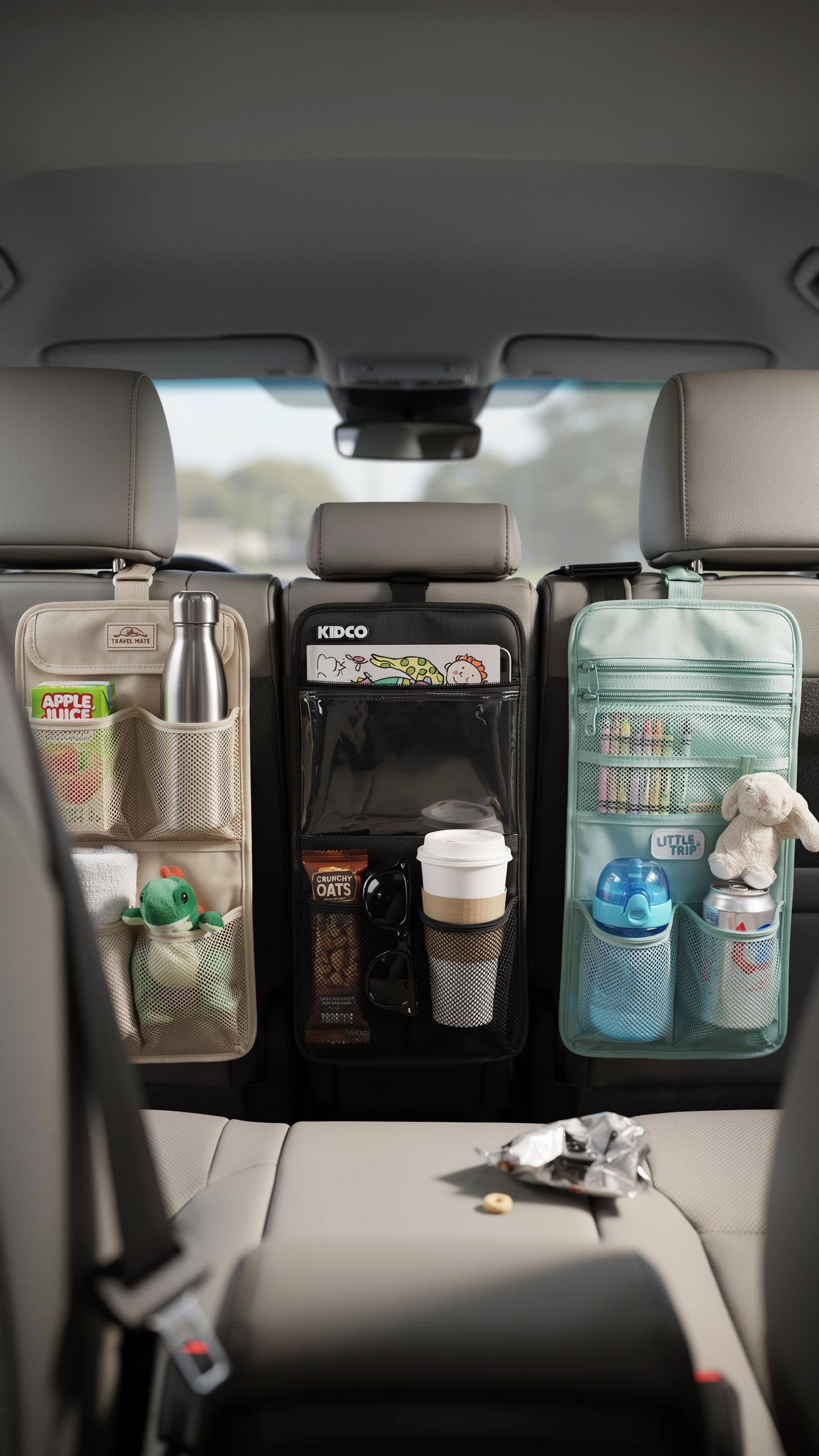
Car seat organizers come in distinct design categories. Multi-pocket models offer scattered storage for small items like phones, chargers, and toys. Purpose-built designs feature dedicated cup holders molded into the structure, typically holding standard 16 to 20-ounce beverage containers. Some organizers stack compartments vertically, maximizing limited backseat real estate. Others spread horizontally across seat backs, prioritizing accessibility over compactness. The choice depends on what you actually transport during trips.
Capacity differences reflect intended use cases. Minimalist organizers hold five to eight items total, prioritizing a clean appearance. Mid-range models accommodate fifteen to twenty items across multiple pockets and compartments. Heavy-duty versions exceed twenty items, incorporating expandable sections and reinforced bottle holders. USB port integration doesn’t change pocket count significantly, though some manufacturers reduce storage capacity slightly to accommodate wiring and port placement on the organizer frame.
Material Choices And Cleaning Ease
Oxford fabric dominates the market because it resists moisture and withstands repeated use. Polyester alternatives cost less but deteriorate faster under UV exposure. Leather or faux leather options look refined but require specific maintenance routines to prevent cracking. Material choice directly impacts lifespan and repair costs over multiple years of ownership.
Cleaning methods vary by material. Oxford fabric handles machine washing or hose rinses without damage. Polyester requires gentle hand cleaning to prevent seam separation. Leather demands conditioner applications and careful spot cleaning to maintain appearance. Budget for cleaning supplies upfront if you choose premium materials. Most organizers with USB ports use Oxford or polyester specifically because these materials tolerate the electrical components without degradation concerns.
Optimizing Console Organization For Front Seat Passengers
Streamlining Essentials Within Reach
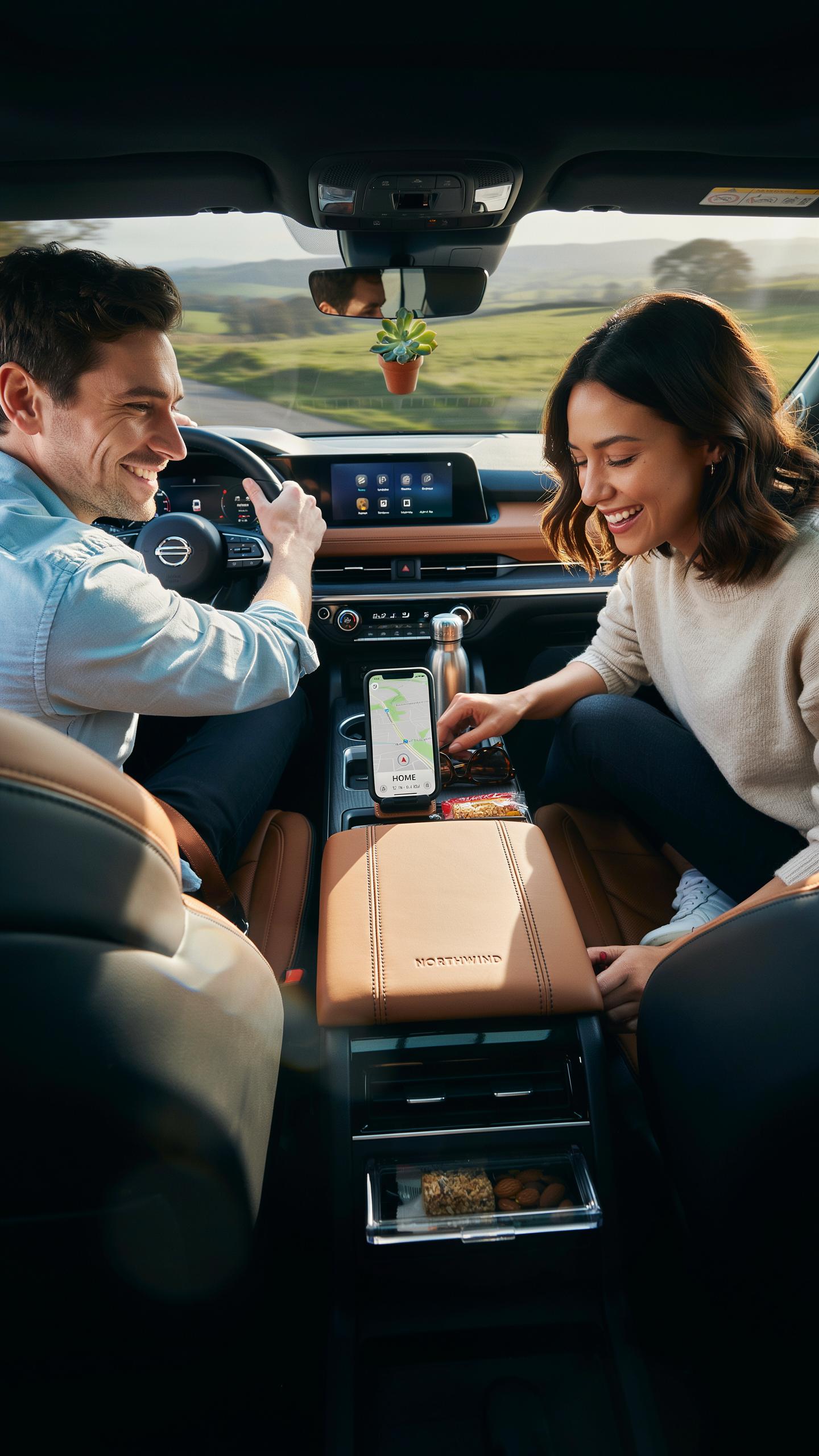
Console organizers position frequently used items where drivers and passengers access them without distraction. Phones, wallets, keys, and sunglasses sit in designated slots rather than scattered across cup holders or the dashboard. This setup reduces fumbling while driving and eliminates the need to search through the glove compartment or under seats.
USB port integration transforms the console organizer into a charging hub. Passengers charge devices while keeping them contained and visible. The organizer holds the phone in place during charging, preventing it from sliding during acceleration or braking. This combination of storage and power addresses two separate needs with one product.
Cable Management For A Tidy Console
Cable organizers built into console designs route charging cables along the organizer’s edges or through dedicated channels. This prevents cables from tangling with gear shifts, seat adjusters, or floor mats. Secured cables stay in place during vehicle movement and don’t create trip hazards for passengers entering or exiting the car.
Multi-port USB organizers include cable routing that separates each cord from others. This design prevents the tight bunching that causes cord damage and makes cables difficult to disconnect. Passengers can unplug devices quickly without disturbing other connected items or wrestling with tangled wires.
Beyond The Backseat Cars Organization Solutions For Trunks
Car Trunk Organizer Amazon.Com Options For Bulky Items
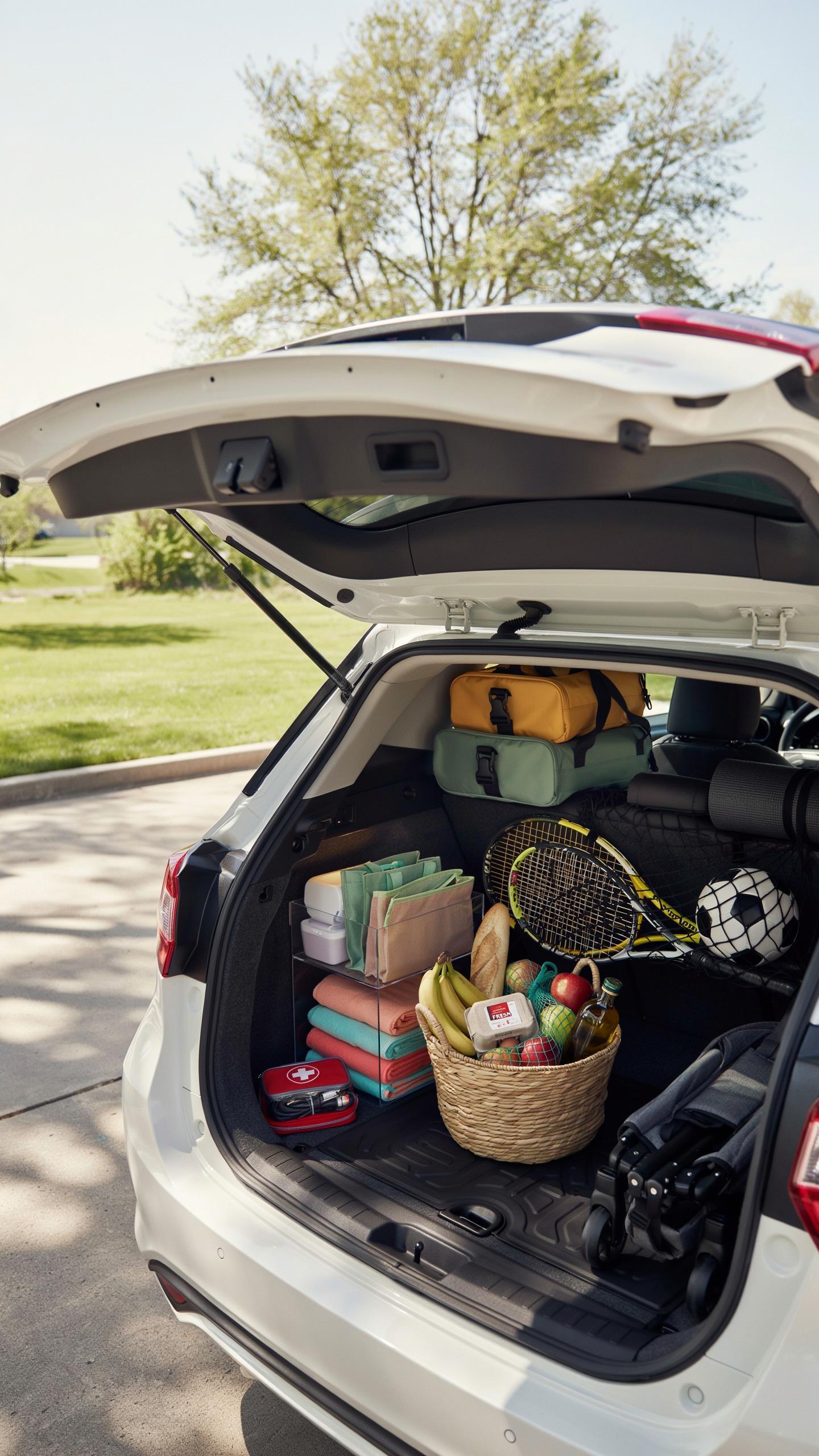
Trunk organizers solve a specific problem: they contain items that don’t fit in seat pockets or cup holders. Groceries, luggage, sports equipment, and emergency supplies need containment to prevent rolling and shifting. Amazon offers trunk organizers in collapsible fabric designs, rigid plastic compartments, and hybrid structures. These products range from budget options under 30 dollars to premium versions exceeding 100 dollars. Capacity varies from 15 to 60 liters depending on design.
The best trunk organizers feature dividers, reinforced handles, and non-slip bases. Collapsible models save space when empty, making them practical for vehicles with limited trunk depth. Rigid organizers maintain shape and protect contents better during rough terrain or sudden stops. Compartments separate different item types, preventing groceries from crushing fragile goods. Material quality matters because cheap fabric tears under weight, and weak handles fail under load.
Securing Cargo For Safe Travel
Loose cargo becomes a projectile in sudden braking or collisions. Items shifting around waste fuel efficiency and create noise during drives. Proper securing uses trunk organizers, cargo nets, and tie down straps working together. Organizers with non-slip bases prevent the entire unit from sliding. Dividers inside organizers keep individual items from moving within the container.

Securing cargo protects both passengers and the items themselves. Groceries bruise and leak when they shift violently. Electronics and tools sustain damage from impact inside an unsecured trunk. Cargo nets attach to trunk anchor points and create additional containment layers. Combining a quality trunk organizer with secondary restraints eliminates movement and ensures safe, damage free travel.
Maximizing Pocket Storage For Every Family Member

Dedicated Pockets For Small Gadgets
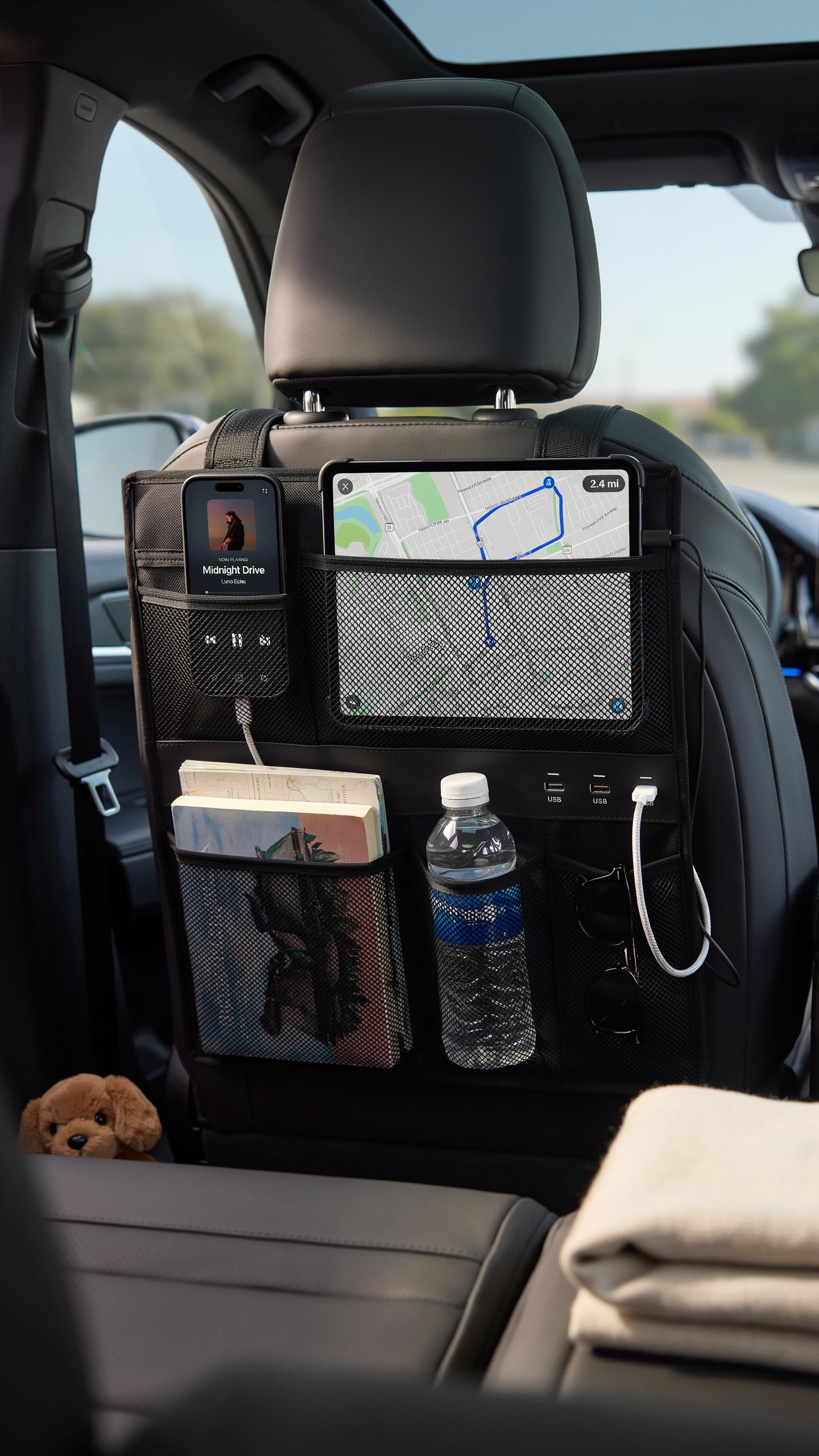
Most car seat organizers feature multiple pockets designed specifically for electronics. Manufacturers build these compartments with dimensions that fit standard smartphones, tablets, and handheld gaming devices. The pockets typically use elastic or fabric edges to hold devices securely during vehicle movement. Quality organizers include reinforced stitching at stress points where pockets attach to the main fabric backing.
USB port integration works alongside these gadget pockets by positioning charging cables within arm’s reach. Drivers and passengers can place phones or tablets in dedicated slots while USB cables run directly to power sources. This setup prevents devices from sliding around during braking or turns. The pocket depth matters because shallow designs risk device ejection on bumpy roads.
With every device charged and every toy within reach, the journey itself becomes the cherished memory, much like a well-packed picnic basket on a summer’s day.
Accessible Storage For Snacks And Toys
Organizers vary pocket sizes strategically to handle different items children need during trips. Larger pockets accommodate juice boxes, snack containers, and small toys. Smaller pockets store individual wrappers, coins, tissues, or forgotten items kids toss around. This compartmentalization keeps the vehicle interior organized while giving children access to entertainment and refreshments.

The pocket arrangement directly impacts trip quality by reducing passenger requests for stops. Children who have immediate access to snacks and entertainment stay occupied longer. Organizers with mesh panels allow visibility into pockets, so kids locate items without dumping contents. Multiple pocket depths prevent valuable items from shifting or getting lost behind car seats during acceleration or deceleration.
Tips For Packing Car Efficiently For Long Journeys

Strategic Placement Of Organizers
Position your car seat organizer with USB ports on the seat back directly in front of the passenger or driver. This placement keeps the organizer within arm’s reach without blocking sightlines or creating safety hazards. Mount it at eye level so you locate items instantly without fumbling or distraction while driving.
- Front Passenger Seat Back: Ideal for the driver to access items without reaching far. Keeps frequently needed supplies visible and within seconds of grabbing them during stops.
- Behind Driver Seat: Best for rear passengers. Reduces forward seat interference and prevents items from obstructing the driver’s view or mirror angles.
- Behind Passenger Seat: Suits families with children in rear seats. Keeps supplies accessible to parents monitoring back seat passengers without turning around.
- Center Console Proximity: Position organizers where cables route naturally to center console power ports. Minimizes cord strain and prevents tangling with seat mechanisms.
- USB Cable Routing: Run cables along seat seams and through organizer channels rather than loose. This prevents cables from getting pinched by reclining seats or caught in seat tracks.
The USB ports on these organizers function best when positioned near your vehicle’s power source. Route cables behind seats to hide them from view and prevent tripping hazards. Test cable length before departure to confirm ports reach your actual vehicle outlets without stretching excessively.
Creating A System For Every Item
Assign categories to organizer pockets based on access frequency and item type. Phones and chargers go in top pockets for quick reach during charging breaks. Medications, documents, and backup electronics occupy middle sections. Secondary items like extra cables and adapters fill bottom compartments you access less often.

This categorization system eliminates decision fatigue during the trip. You know exactly where everything lives without hunting through pockets. When passengers need items, you give clear instructions rather than explaining the entire packing strategy. The structure keeps your focus on driving and reduces stress from disorganization during long hours behind the wheel.
Installation And Maintenance Of Your Car Seat Organizer
Simple Steps For Secure Attachment
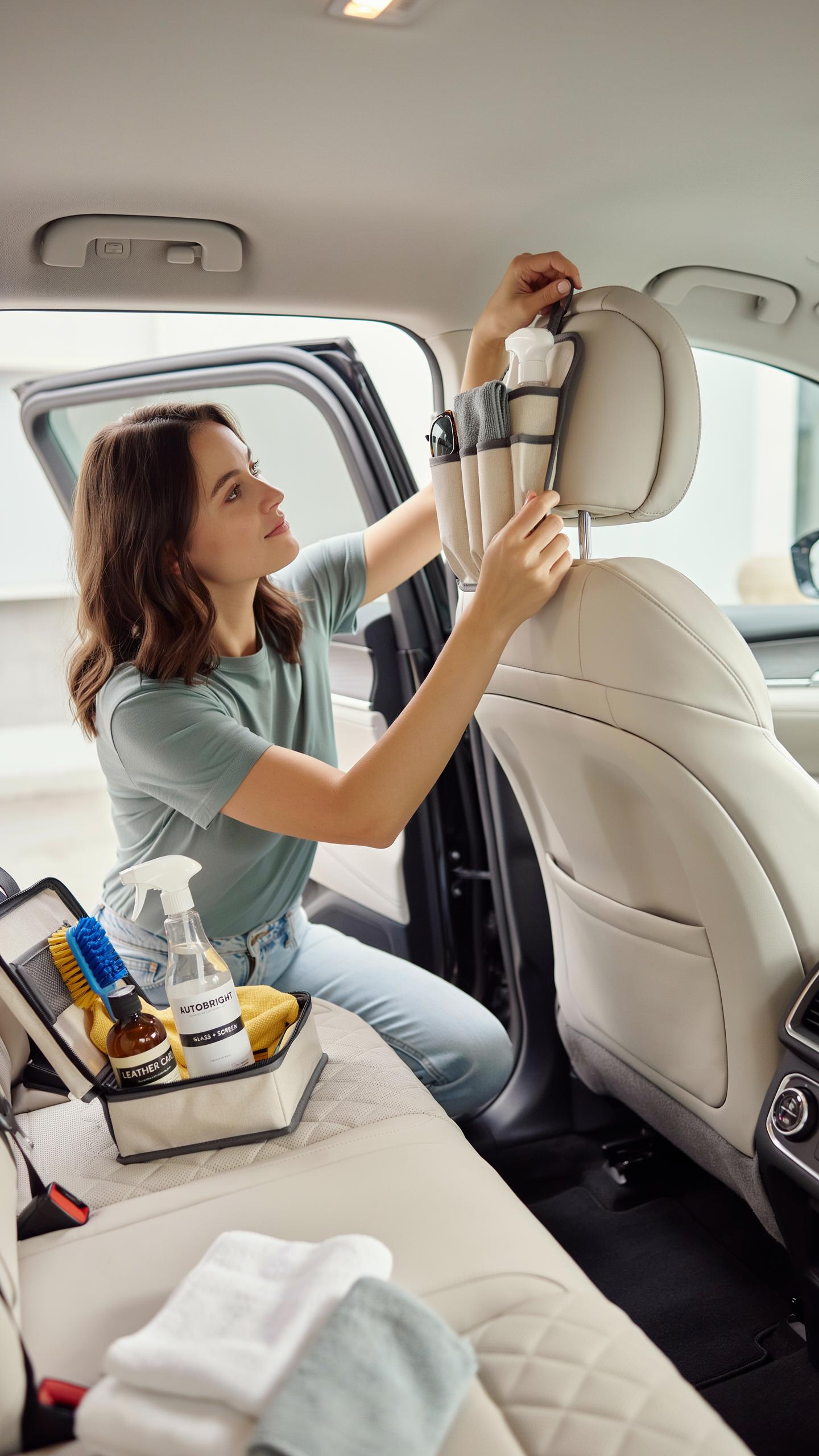
Most car seat organizers attach via hooks that loop over the front seat back or seat anchors. Position the organizer so it hangs vertically without tilting. Ensure all attachment points engage fully before loading items. Test the stability by applying firm downward pressure. A properly secured organizer should not shift or swing during vehicle movement.
The USB port placement matters for safety and functionality. Route cables behind the organizer or along the seat frame to prevent snagging. Keep USB ports accessible but protected from spills. Check that the power source cable reaches your vehicle’s power outlet without creating trip hazards. Verify the cord does not interfere with seat adjustment mechanisms.
Cleaning And Care For Longevity
Wipe the organizer weekly with a dry microfiber cloth to remove dust and debris. Use a slightly damp cloth for stubborn stains, then dry immediately with a clean towel. Avoid soaking fabric organizers as moisture damages stitching and degrades materials. Inspect seams and attachment points monthly for wear. Address fraying or loose threads before they compromise structural integrity.
Check USB ports and charging cables monthly for corrosion or loose connections. Clean ports with compressed air to remove lint buildup that reduces charging efficiency. Protect the organizer from extreme heat by parking in shade when possible. Replace worn attachment hooks or straps promptly to maintain stability. Store the organizer indoors during extended periods without vehicle use to prevent material degradation.
The Best Car Seat Organizers With USB Ports On The Market
Top Picks For Family Road Trips
Car seat organizers with USB ports combine storage and device charging. These products attach to the back of front seats, holding phones, tablets, and accessories while delivering power through integrated USB connections. Most models use polyester or nylon materials that resist spills and wear. Quality options offer multiple compartments to organize different items and keep children occupied during extended drives.
Durability matters on road trips. Look for organizers with reinforced stitching, sturdy mounting straps, and weather-resistant materials. User feedback consistently highlights products that maintain structural integrity after months of use. Check that USB ports deliver full power output for your devices. Many families report that these organizers reduce arguments over space and device access, making them practical investments rather than luxury items.
Where To Purchase And What To Expect
Major retailers including Amazon, Walmart, and Target stock car seat organizers with USB ports. Prices typically range from twenty to sixty dollars depending on features and build quality. Check product listings carefully for USB specifications, storage capacity, and installation method before ordering. Read customer reviews focusing on long-term durability reports rather than initial impressions.
Direct purchase from automotive accessory specialists offers detailed product information and customer support. Installation requires five to ten minutes using provided straps or clips. Verify that your vehicle seats accommodate the organizer depth and that USB ports reach your device placement location. Return policies vary by retailer, so understand shipping and restocking procedures if the product doesn’t meet your needs.
Frequently Asked Questions

What exactly is a car seat organizer with USB ports and why would I need one?
A car seat organizer with USB ports is a clever accessory that attaches to the back of your car’s front seats, providing storage pockets for essentials like snacks, toys, and tablets. The integrated USB ports allow passengers to conveniently charge devices while on the go, making it an ultimate road trip essential for keeping everyone happy and connected.
How do I power the USB ports on my car seat organizer to charge devices effectively?
Powering your car seat organizer with USB ports is simple! Most models connect directly to your car’s 12V cigarette lighter outlet or a dedicated USB charging port in your vehicle. Simply plug the organizer’s cable into the power source, and you’re ready to charge multiple devices simultaneously, ensuring everyone stays powered up.
Are there affordable options for car seat organizers with USB ports, or are they generally expensive?
Absolutely! You can find a fantastic car seat organizer with USB ports to fit various budgets. While premium options exist, many brands offer high-quality, durable, and feature-rich organizers at very accessible price points. Look for sales or compare different brands to find the perfect blend of functionality and affordability for your next journey.