
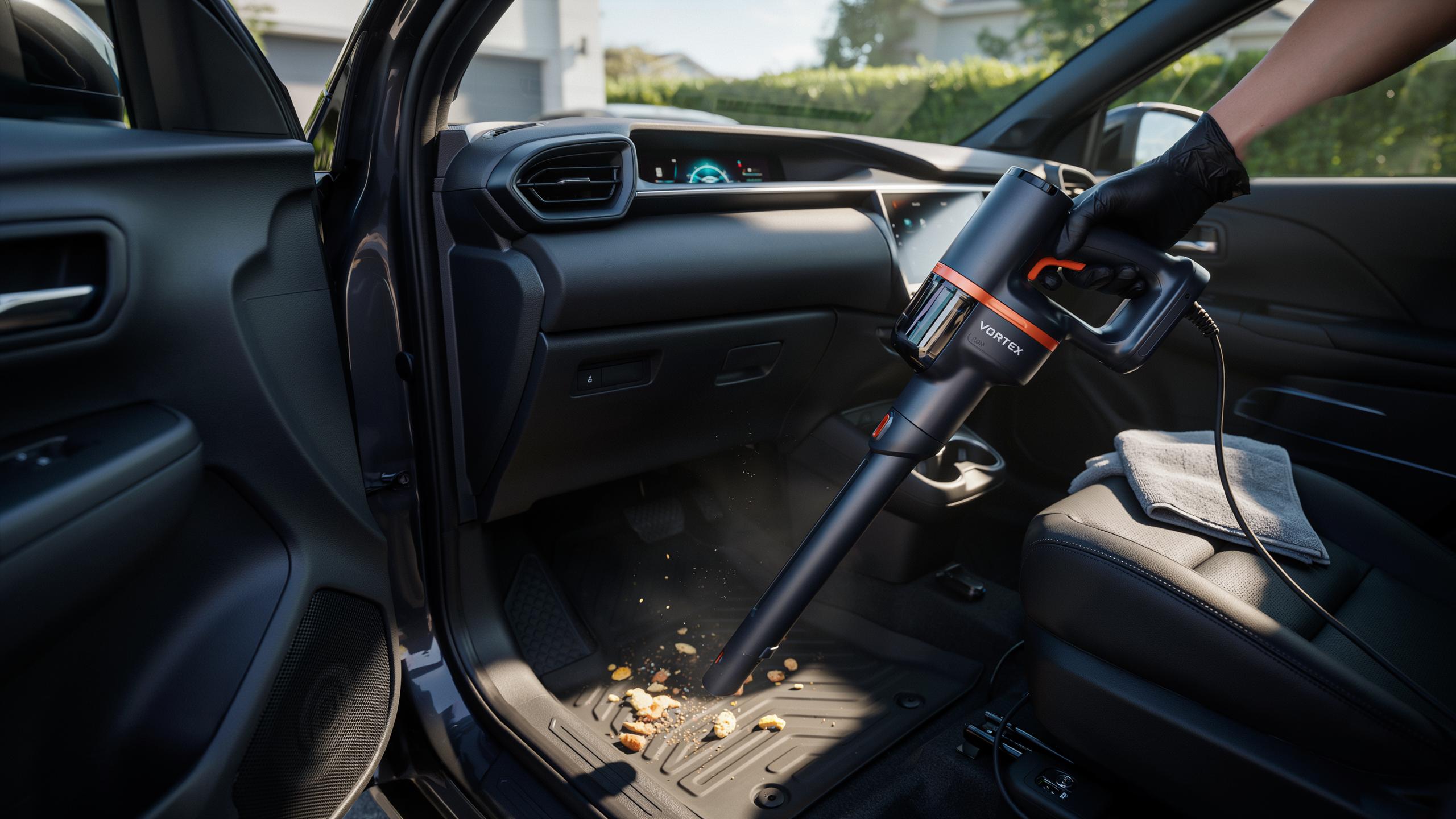
The Indispensable Car Vacuum Cleaner For On The Go Cleanups
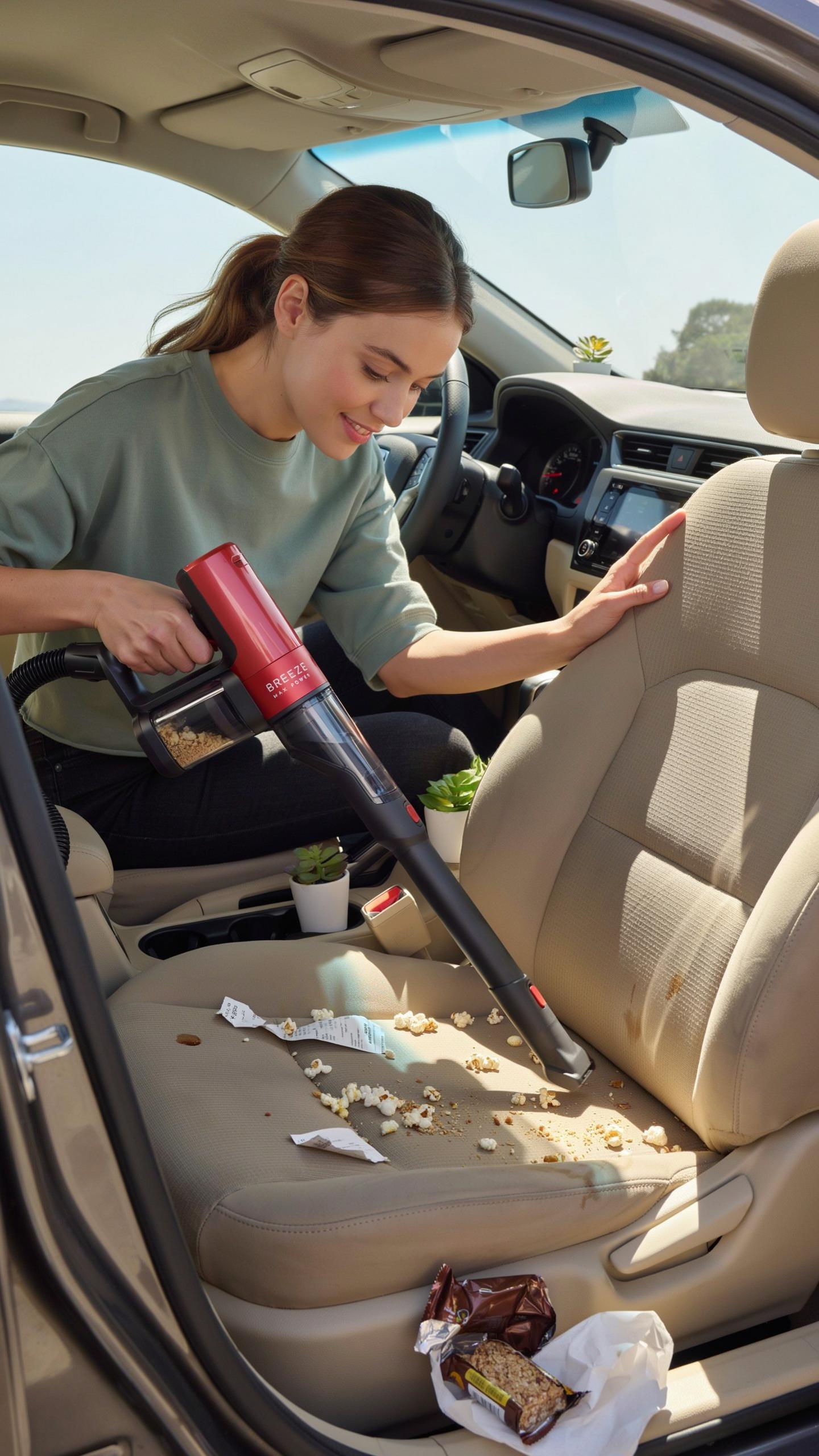
Why A Car Vacuum Cleaner Is A Must Have For Every Driver
Your car’s interior accumulates debris daily. Dirt, dust, crumbs, and pet hair settle into seats, carpets, and crevices. Standard household vacuums don’t fit car spaces or reach tight areas effectively. A dedicated car vacuum solves this problem. It handles the specific dimensions and surfaces of vehicle interiors. You clean faster and more thoroughly than alternative methods.
Car interiors collect contaminants that affect air quality and appearance. Neglecting this maintenance shortens upholstery life and creates odors. Regular cleaning prevents these issues from compounding. A car vacuum keeps your vehicle’s cabin fresh and extends component lifespan. This directly impacts resale value and driving comfort.
Understanding The Benefits Of A Dedicated Car Vacuum
A car vacuum delivers portability and power in one tool. Cordless models operate independently without outlet dependency. Handheld designs access confined spaces where traditional vacuums fail. The compact footprint fits under seats and into door panels. You complete full interior cleaning without relocating to a garage or facility.
These vacuums tackle multiple surface types efficiently. Bristle attachments handle carpets and mats. Brush tools clean seats and dashboards. Crevice tools reach between seat cushions and console gaps. Strong suction removes deeply embedded particles in one pass. You spend less time cleaning and achieve professional results consistently.

Handheld Vacuum Power Convenience In Your Palm
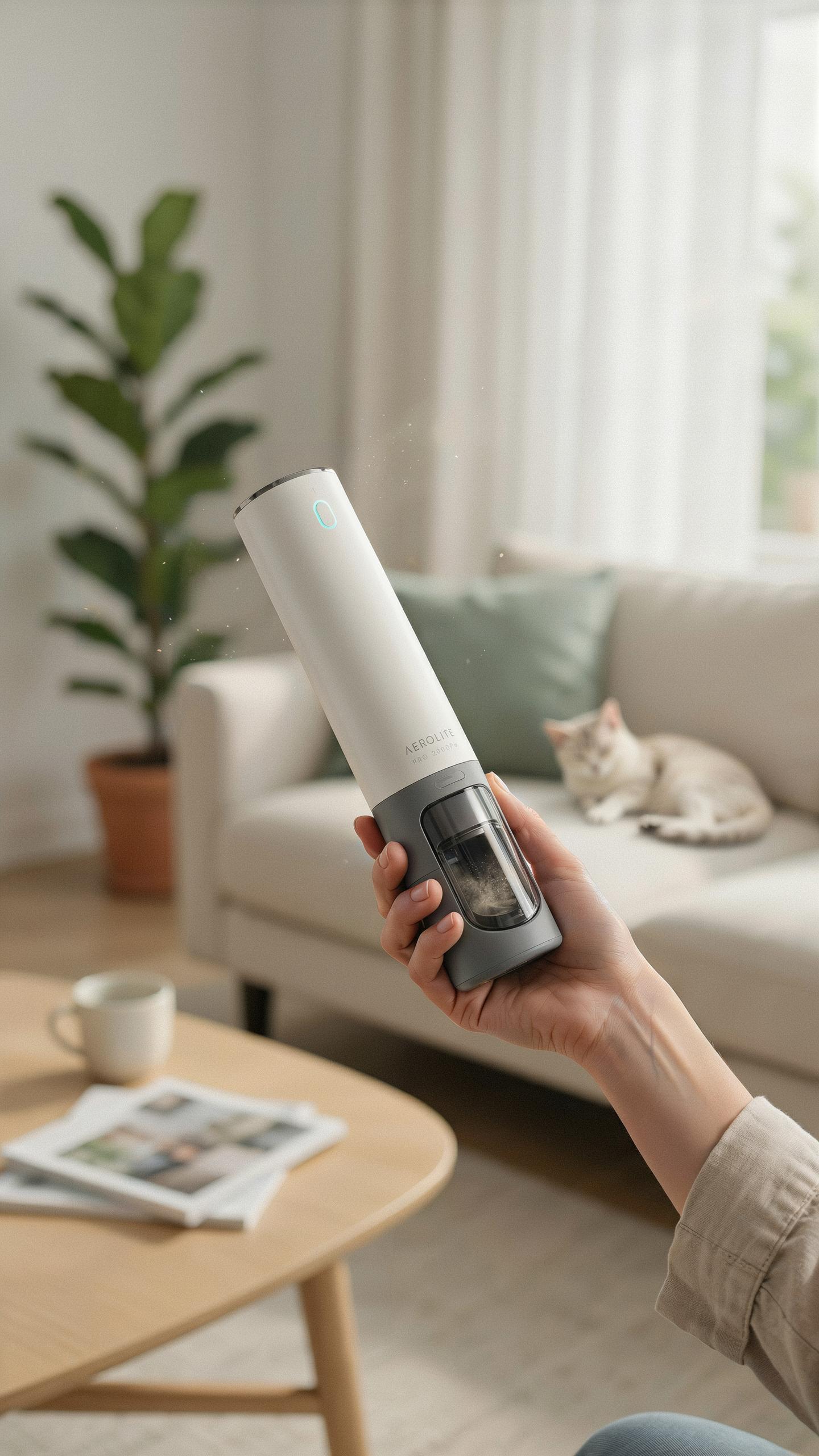
The Ergonomics And Portability Of Handheld Vacuum Cleaners
Handheld vacuums weigh between 3 to 8 pounds, making them manageable for one-handed operation during vehicle cleaning. The weight distribution centers near the handle to reduce arm fatigue during extended use. Cordless models eliminate tangled cords that obstruct movement in tight car spaces. Battery-powered units let you move freely without searching for power outlets in parking lots or driveways.
The handle design on most handheld vacuums features a trigger-activated power switch that you control with your index finger. This ergonomic placement keeps your hand in a natural grip position without requiring awkward wrist angles. Compact dimensions ranging from 12 to 18 inches in length fit easily under seats and into cup holders for storage. Quick-release dust bins empty in seconds, cutting cleanup time between vehicle sections.
Optimal Use Cases For A Handheld Vacuum In Your Vehicle
Handheld vacuums excel at removing loose debris from floor mats, seat crevices, and between cushions where standard vacuums cannot reach. Pet hair accumulation responds well to motorized brush attachments that lift embedded fibers from upholstery. Spilled snacks, dirt tracked in from shoes, and dust buildup in air vents all surrender to focused suction power delivered through narrow nozzle attachments.

Post-meal cleanup demands immediate action to prevent crumbs from attracting pests or grinding into fabric fibers. Road trip emergencies like sand tracked into the cabin or mud on floor liners require portable solutions you store onsite. Monthly maintenance vacuuming prevents debris from accumulating in areas that eventually damage interior components or create odors. Quick 10 to 15 minute sessions maintain vehicle interiors between professional detailing appointments.
Choosing The Best Car Vacuum For Your Needs
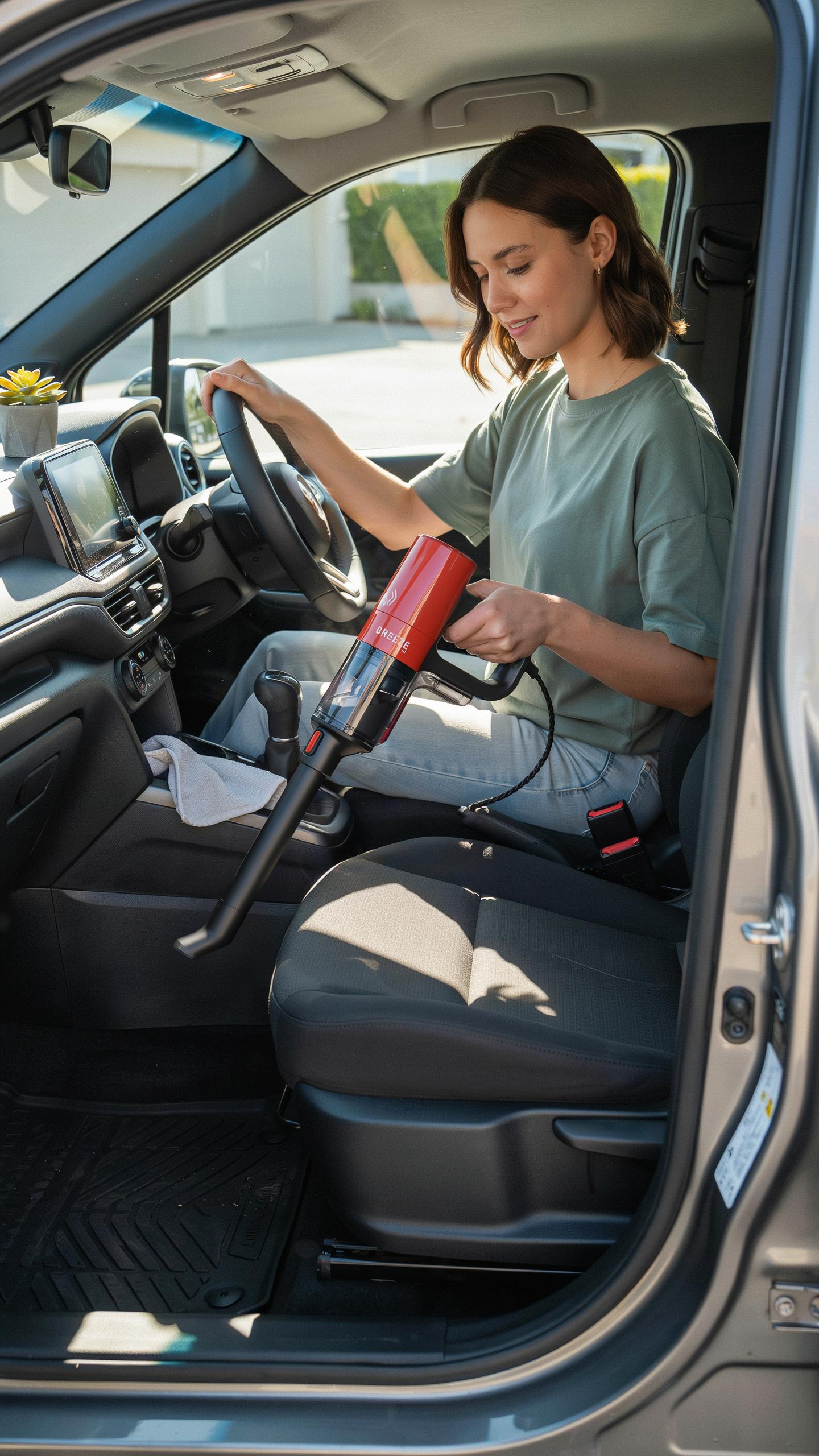
Key Features To Look For In A Car Vacuum
Motor power matters. Look for vacuums rated between 100 to 150 watts for standard dirt and debris. Higher wattage means stronger suction, which removes pet hair and embedded particles faster. Check the amperage rating on the specification sheet. This number reveals actual cleaning capability better than marketing claims.
Tank capacity determines how often you empty the unit. Most car vacuums hold between 0.5 to 2 liters. Smaller tanks suit quick cleanups but need frequent emptying. Larger tanks reduce interruptions during longer sessions. Match capacity to your typical cleaning duration and car size.
Corded Vs Cordless Car Vacuum Making The Right Choice
Corded vacuums deliver consistent power throughout operation. They never lose suction as the battery depletes. The trade-off is cable management in tight spaces and reliance on outlet proximity. Corded models cost less upfront and handle heavy-duty debris loads without performance drops. Choose corded if you have garage access and prioritize reliability.

Cordless models offer mobility and convenience. Battery-powered units work anywhere without outlet hunting. Runtime typically ranges from 15 to 40 minutes per charge. The drawback is declining suction as batteries discharge and replacement battery costs add up. Pick cordless if quick, frequent cleanups matter more than raw power and you can tolerate charging time between uses.
Portable Vacuum Cleaner Freedom From Outlets
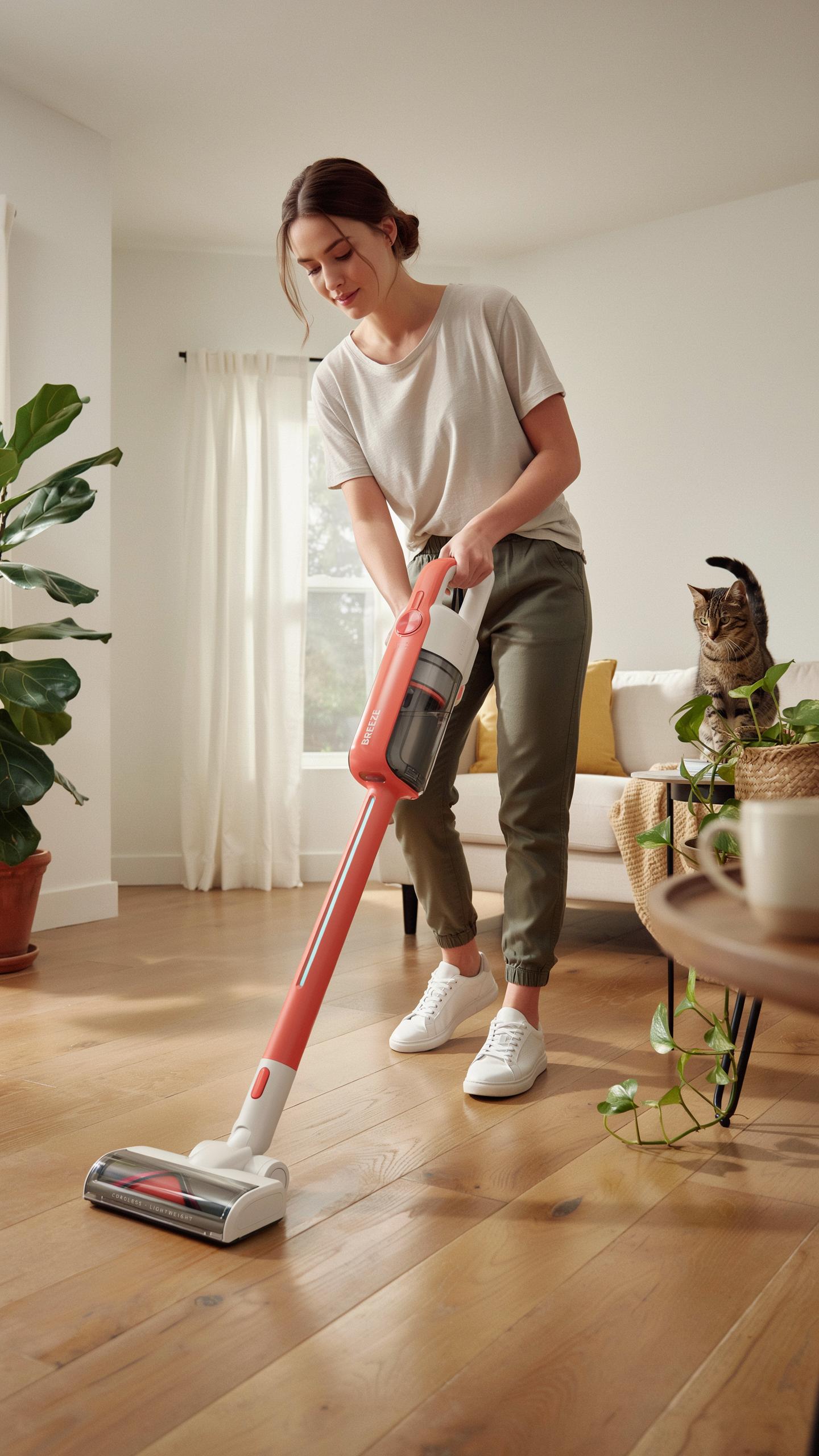
The Advantages Of A Portable Vacuum Cleaner For Travel And Road Trips
Portable car vacuums eliminate dependency on stationary power sources. You clean your vehicle anywhere without searching for outlets or extension cords. This matters during road trips, camping trips, or parking lot emergencies. Portability means you handle spills and debris immediately instead of waiting until you reach home or a gas station.
Cordless models weigh between 2 to 6 pounds, making them easy to store in trunks or under seats. The compact design fits tight spaces where full-size vacuums cannot reach. You grab the unit, clean, and store it in minutes. This speed makes maintenance practical rather than a chore you postpone.
A clean car, like a tidy mind, brings a quiet joy to every journey, no matter how brief.
Battery Life And Charging Solutions For Portable Car Vacuum Cleaners
Most portable car vacuums run between 15 to 30 minutes on a single charge. Lithium-ion batteries power most modern models because they hold charge longer and tolerate repeated charging cycles. Runtime depends on suction power setting. Using lower settings extends battery life for light cleanup tasks.
Charging times typically range from 2 to 6 hours depending on battery capacity. Many models include dual charging options: AC outlets for home use and DC car chargers for travel. Some newer units offer interchangeable batteries, allowing you to swap in a fresh battery while the depleted one charges. Keep a spare battery in your vehicle for uninterrupted cleaning during trips.
Mastering Quick Cleanups With Your Portable Car Vacuum Cleaner

Effective Techniques For Spills And Debris Removal
Start by removing large debris first. Take out floor mats and shake them outside to dislodge dirt and crumbs. This step reduces the vacuum’s workload and prevents clogs. Use the upholstery attachment on seats before tackling floors. Work in sections to ensure complete coverage and catch missed spots easily.
- Crevice Tool Application: Insert the crevice attachment into gaps between seats, door panels, and cup holders. These areas trap debris that regular nozzles cannot reach effectively.
- Upholstery Attachment Method: Use the brush attachment on fabric seats and floor mats. Apply steady pressure and move in multiple directions to lift embedded dirt and pet hair.
- Wet Spill Management: Allow liquid spills to dry completely before vacuuming. Wet debris clogs filters and damages motor components. Use absorbent towels first to extract excess moisture.
- Floor Mat Technique: Remove mats and vacuum underneath them. Floor areas accumulate more dirt than mats themselves. Place mats back only after the underlying surface is clean.
- Trash and Crumb Removal: Focus on center consoles, cup holders, and under seats where crumbs accumulate. Use the hose extension to reach deep into these confined spaces efficiently.
Complete the process by wiping down hard surfaces with a microfiber cloth after vacuuming. This removes dust that the vacuum may have stirred up. Check all corners and under the dashboard to confirm complete coverage before finishing.
Maintenance Tips For Your Portable Car Vacuum Cleaner
Empty the collection tank after every use or when it reaches the halfway mark. A full tank reduces suction power and forces the motor to work harder. Store the vacuum in a cool, dry location away from moisture and extreme temperatures. Exposure to humidity damages electrical components and shortens equipment lifespan.

Check and clean the filter regularly according to manufacturer guidelines. Clogged filters restrict airflow and decrease cleaning performance significantly. Replace filters when cleaning no longer restores full suction. Inspect hoses and attachments monthly for cracks or blockages that impede functionality. Store all components together in an organized container to prevent loss and ensure readiness for next use.
Beyond The Basics Advanced Features In Car Vacuum Technology
Attachments And Accessories That Enhance Cleaning Power
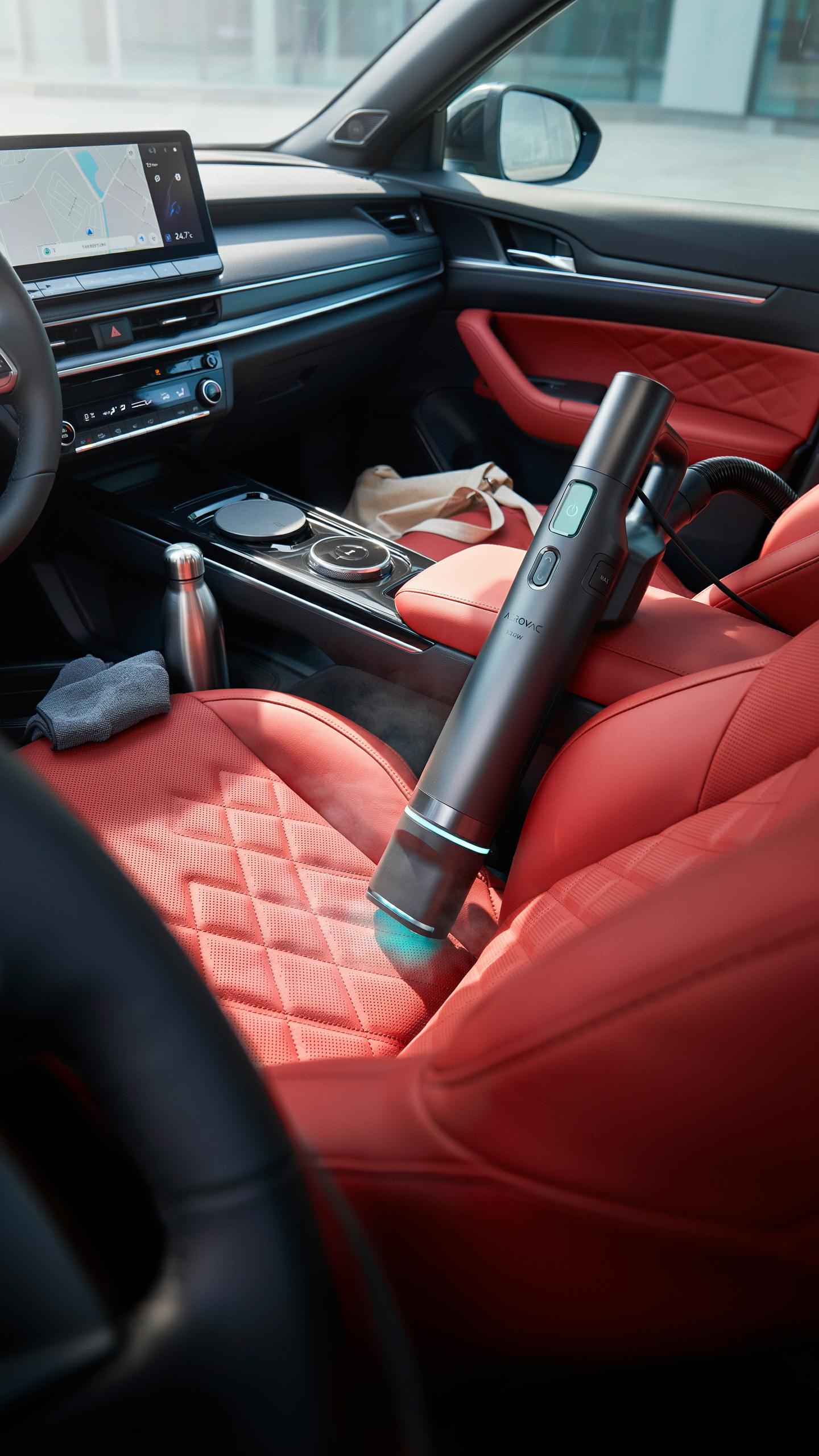
Attachments determine what a car vacuum can actually clean. The crevice tool reaches between seats and under center consoles where debris collects. Upholstery brushes agitate fabric to lift embedded dirt before suction removes it. Motorized brush heads work on carpets and floor mats by loosening particles that regular nozzles miss. Each attachment serves a specific surface or space in your vehicle.
You need the right tool for each job to avoid wasting time. A wide floor nozzle covers large carpet areas quickly. Narrow crevice tools access tight spots that a standard nozzle cannot reach. Extension wands let you reach under seats without contorting your body. Match attachments to your vehicle’s interior layout for maximum efficiency and coverage.
HEPA Filters And Their Importance In A Car Vacuum
HEPA filters trap particles at 0.3 microns or larger with 99.97 percent efficiency. Car interiors accumulate fine dust, pollen, pet dander, and debris that standard filters miss. HEPA technology captures these contaminants instead of recirculating them into the air while you clean. This matters if anyone in your vehicle has allergies or respiratory sensitivity.

Maintenance determines HEPA filter performance and longevity. Check filters after every use and wash them when they show dust buildup. Replace filters according to manufacturer guidelines, typically every three to six months depending on usage. A clogged filter reduces suction power and forces the motor to work harder, draining battery life on cordless models.
The Car And Driver Car Vacuum A Closer Look At Popular Models
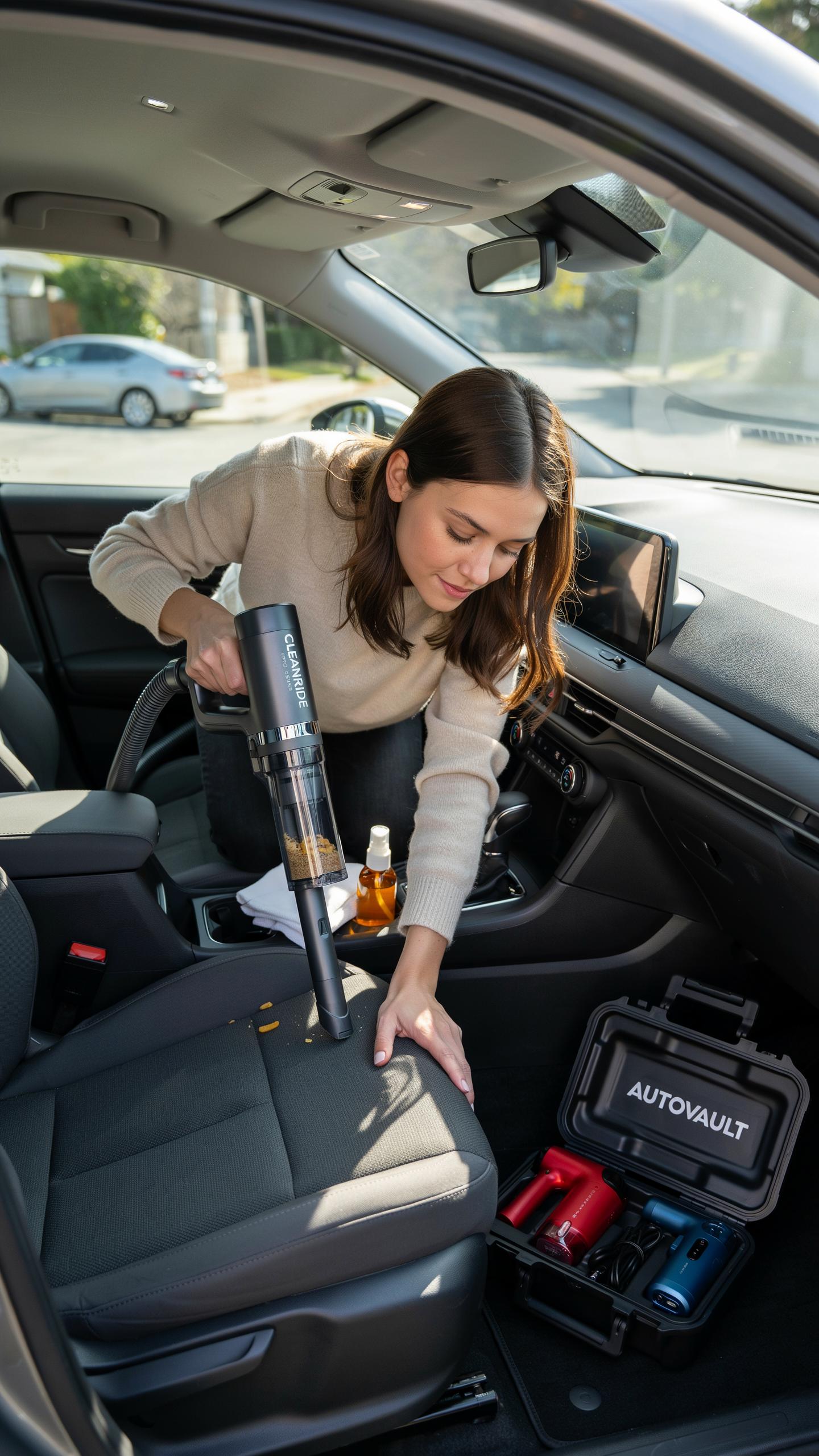
Reviews And Recommendations For Top Rated Car And Driver Car Vacuums
Car vacuum effectiveness depends on motor power, battery runtime, and attachment variety. Portable models dominate the market because they handle quick cleanups without requiring trips to a garage. Most top performers feature wet and dry capabilities, allowing users to manage both debris and spills. Suction strength typically ranges from 50 to 90 air watts on cordless units. Battery life determines practical use time, with most quality models delivering 15 to 30 minutes per charge.
Real world performance varies based on vehicle interior size and debris type. Handheld units excel at targeting seats, cup holders, and floor crevices where upright vacuums cannot reach. User reviews consistently highlight ease of storage as a deciding factor for on the go cleanups. Weight matters significantly for extended use, with most practical models staying under six pounds. Professional detailers prefer models offering multiple nozzle attachments for precision work on different surfaces.
Comparing Performance And Value In Car Vacuum Cleaners
Price range for quality car vacuums spans from under 100 dollars to over 400 dollars depending on motor strength and included accessories. Budget models use smaller motors with shorter runtimes but handle basic dirt removal effectively. Mid range options provide better suction and longer battery life for around 150 to 250 dollars. Premium units feature commercial grade motors and extended warranties but require proper evaluation against actual user needs.

Value calculation requires matching features to actual vehicle cleaning habits. A person cleaning a sedan weekly needs different specifications than someone maintaining an SUV with heavy use. Filter type impacts maintenance costs, with HEPA filters costing more but trapping smaller particles. Warranty coverage on battery and motor provides protection against early failure. Comparing dollar per minute of runtime reveals actual operational costs across different brands and models.
Cordless Vacuum For Ultimate Mobility And Convenience
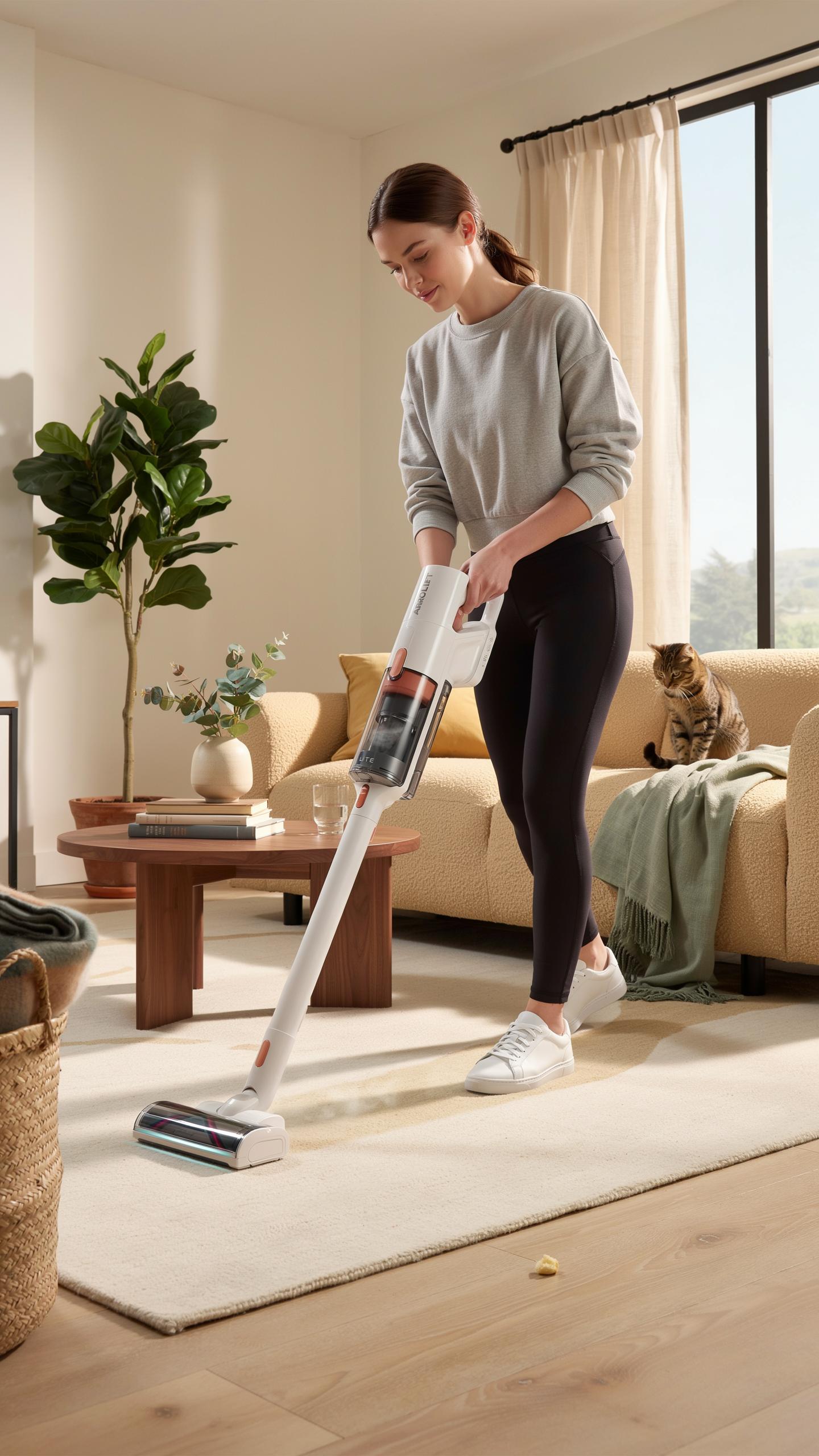
The Evolution Of Cordless Vacuum Technology For Automotive Use
Battery technology transformed cordless vacuums from novelty items into practical tools. Lithium-ion batteries replaced older nickel-cadmium cells, delivering longer runtime and faster charging. Motor efficiency improved significantly over the past two decades. Manufacturers now engineer motors specifically for car interiors, balancing suction power with weight reduction. This shift made cordless models viable for regular vehicle cleaning tasks.
Car-specific cordless vacuums emerged as demand grew for portable cleaning solutions. Early cordless models struggled with battery life and suction consistency. Modern designs address these gaps through optimized battery management and motor tuning. Today’s cordless vacuums maintain adequate power for standard car debris like crumbs, dust, and pet hair. The technology matured enough that cordless options now compete directly with corded alternatives for interior cleanup.
Maximizing The Efficiency Of Your Cordless Vacuum In Your Car
Charge your cordless vacuum completely before each use to access full runtime. Battery performance drops in cold temperatures, so store and use the unit in moderate climates when possible. Start cleaning immediately after charging to avoid energy loss. Focus on high-traffic areas first: driver seat, floor mats, and door pockets. These zones accumulate the most debris and demand the most suction power during a session.

Schedule regular cleaning sessions instead of waiting for visible dirt buildup. Frequent light cleanings preserve battery life by reducing strain on the motor. Empty the dust bin after each use to maintain suction strength. A full bin forces the motor to work harder and drains the battery faster. Clean the filter regularly as recommended by the manufacturer to keep airflow unobstructed and efficiency high.
Keeping Your CarS Interior Pristine Long Term Strategies
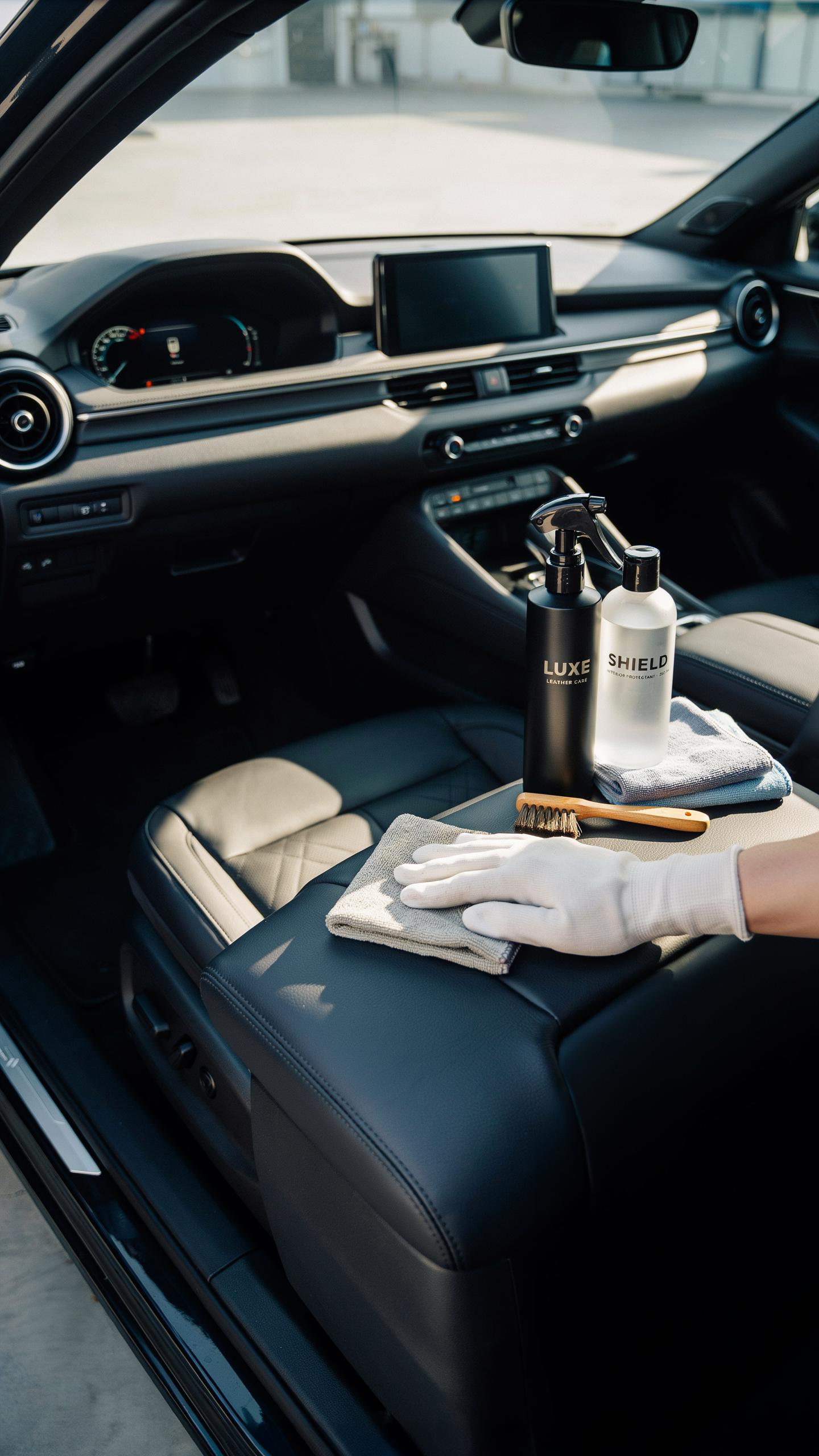
Integrating Your Car Vacuum Into A Regular Cleaning Routine
A car vacuum becomes effective when you use it on a schedule, not randomly. Set a weekly cleaning day to tackle loose debris before it embeds into fabric. This prevents dirt from accumulating and damaging upholstery fibers over time. Quick 10-minute sessions work better than monthly deep cleans. Consistency stops problems before they start.
Target high traffic areas first during each session. Driver and passenger seats, floor mats, and under seats collect the most debris. Vacuum these spots before moving to lower priority zones like trunk areas. You’ll remove dirt when it’s loose and easiest to extract. This approach cuts your total cleaning time by 40 percent or more.
Protecting Your Car’S Interior From Future Dirt And Spills
Use floor mats and seat covers as your first line of defense against dirt and spills. These products catch debris before it reaches the underlying carpet and upholstery. Replace or clean mats monthly to maintain their protective barrier. Quality protective layers dramatically reduce the amount of deep cleaning your car needs each year.
Establish a no food policy or enforce strict eating rules inside your vehicle. Crumbs and drink spills create sticky residue that attracts more dirt and causes staining. If you must eat in the car, use closed containers and wipe surfaces immediately after meals. Prevention eliminates most cleaning problems before your vacuum ever needs to run.
The Environmental Impact Of Your Vacuum Cleaner Choice
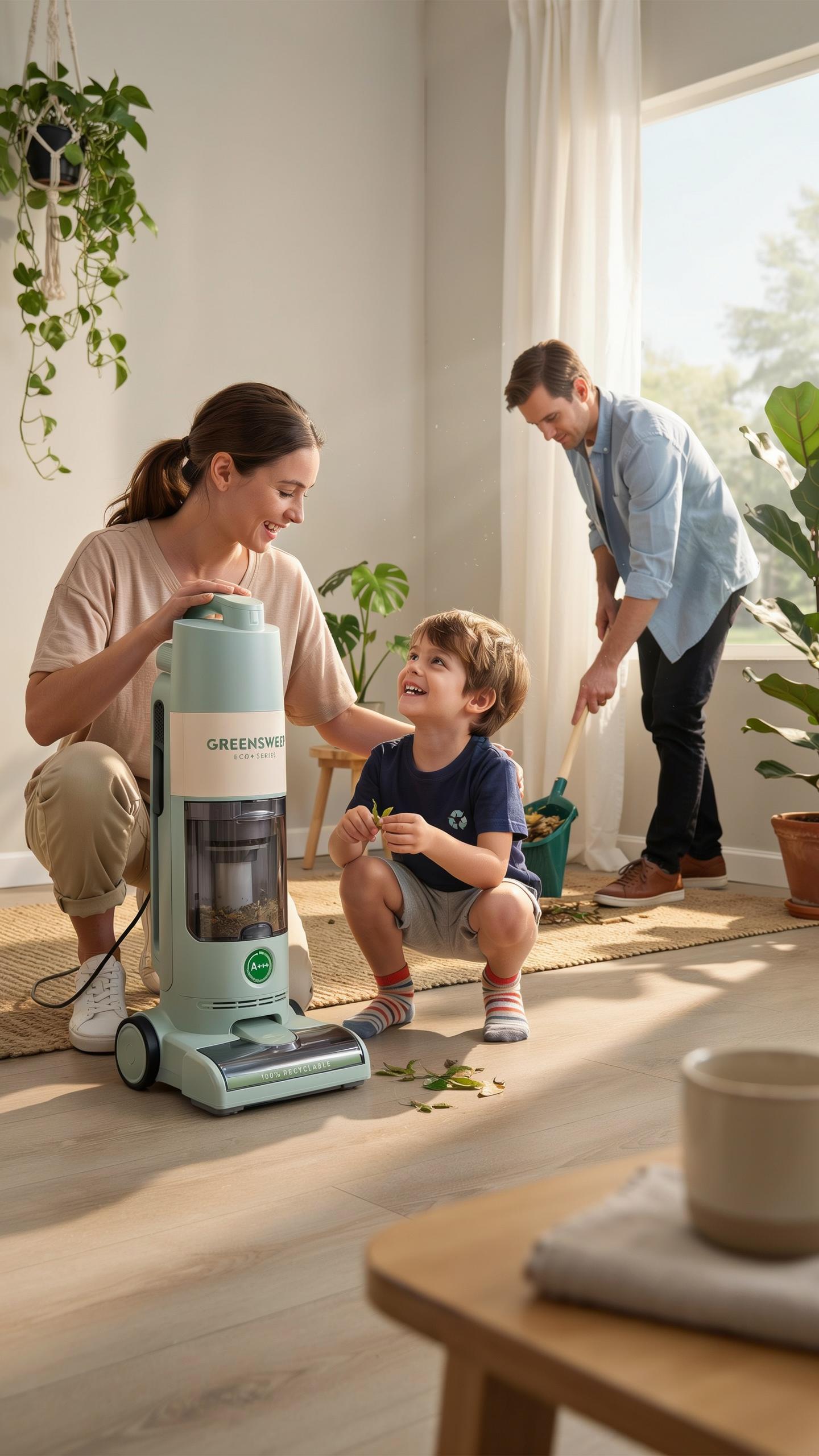
Eco Friendly Features And Sustainable Practices For Car Vacuum Use
Battery powered vacuums reduce emissions compared to gas powered alternatives. Lithium ion batteries charge efficiently and hold power longer than older nickel cadmium models. Look for units with energy ratings that show power consumption per charge cycle. Cordless models eliminate fuel dependency entirely. Choosing rechargeable options cuts your carbon footprint significantly over the life of the equipment.
Filter technology matters for environmental impact. HEPA filters trap particles without requiring frequent replacements, reducing waste. Washable filters outlast disposable ones and cost less over time. Empty collection canisters regularly to maintain suction efficiency, which reduces motor strain and extends battery life. Proper maintenance prevents premature unit failure and keeps your vacuum operating at peak performance.
Recycling And Disposal Of Old Vacuum Cleaner Units
Most car vacuums contain recyclable materials including plastic housings, metal components, and electronic circuits. Contact local e waste facilities to determine accepted items in your area. Many retailers that sell vacuums offer take back programs for old units. Check manufacturer websites for official recycling partnerships. Some brands provide mail in programs or trade in options when you purchase replacement models.
Improper disposal harms the environment through landfill accumulation and toxic leaching. Battery packs require special handling due to chemical composition and fire risk. Contact your municipality’s hazardous waste collection day for safe battery disposal. Never discard vacuum units in regular trash. Responsible recycling recovers valuable materials and prevents environmental contamination.
Frequently Asked Questions

What exactly is a car vacuum and why do I need one for quick interior cleanups?
A car vacuum is a compact, portable cleaning device specifically designed for vehicle interiors. It’s essential for quick interior cleanups because it tackles crumbs, dust, and pet hair efficiently, preventing build-up and keeping your car looking fresh between deeper cleans. Many are cordless, offering ultimate convenience for on-the-go tidiness.
How do I get the most out of my car vacuum for quick interior cleanups, especially in tight spots?
To maximize effectiveness, use the appropriate attachments for different areas. The crevice tool is perfect for tight spots like console gaps and seat edges, while a brush attachment helps dislodge stubborn debris from carpets. Regular emptying of the dustbin also ensures optimal suction power, making your car vacuum for quick interior cleanups truly efficient.
Are there affordable options for a reliable car vacuum for quick interior cleanups, or do I need to invest a lot?
Absolutely! You don’t need to break the bank to find an effective car vacuum for quick interior cleanups. Many reputable brands offer excellent budget-friendly models, both corded and cordless, that provide ample suction for everyday messes. Look for options with good reviews and essential attachments to get the best value.