
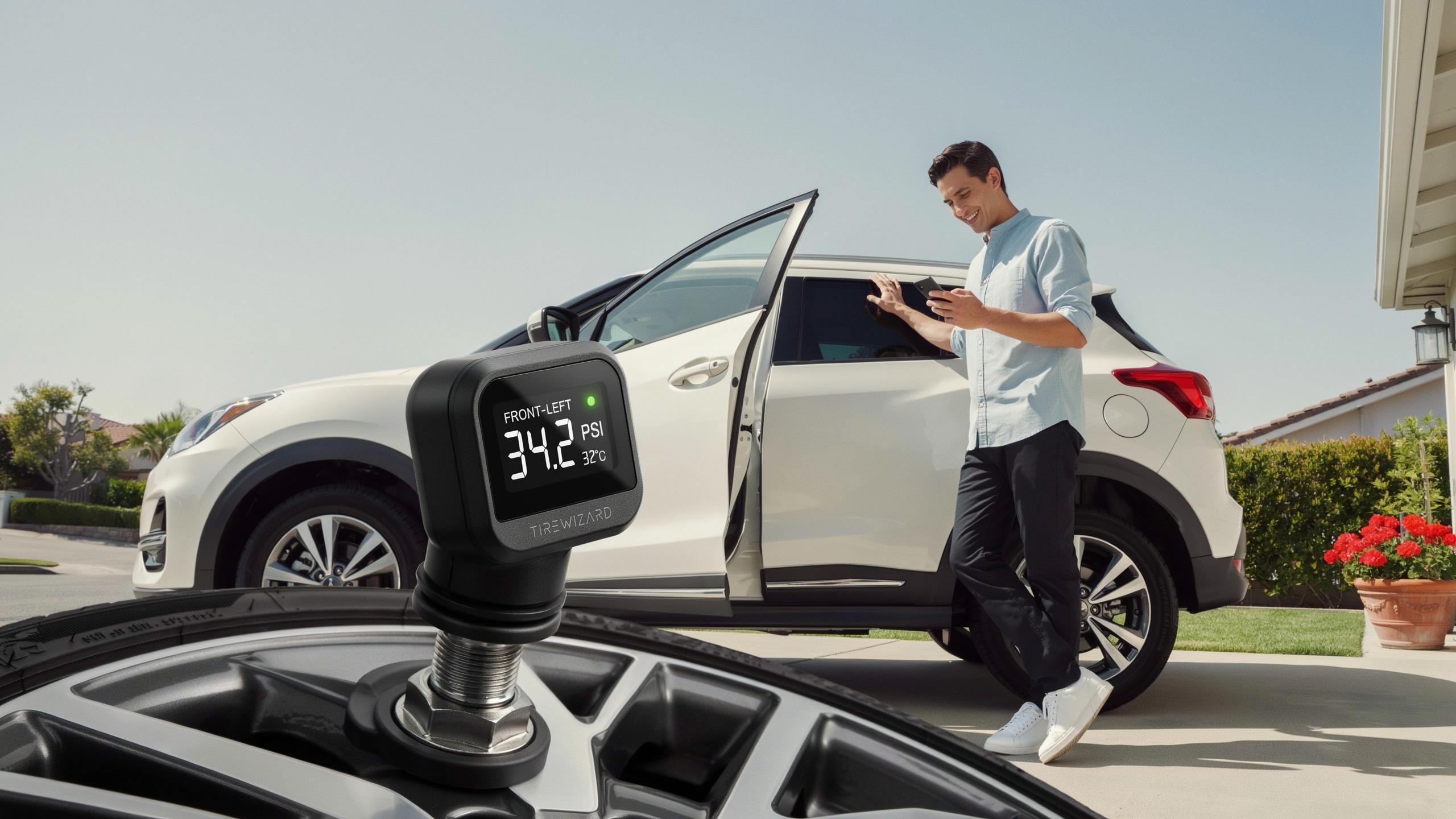
Why A Tire Pressure Monitoring System Is Crucial For Every Vehicle
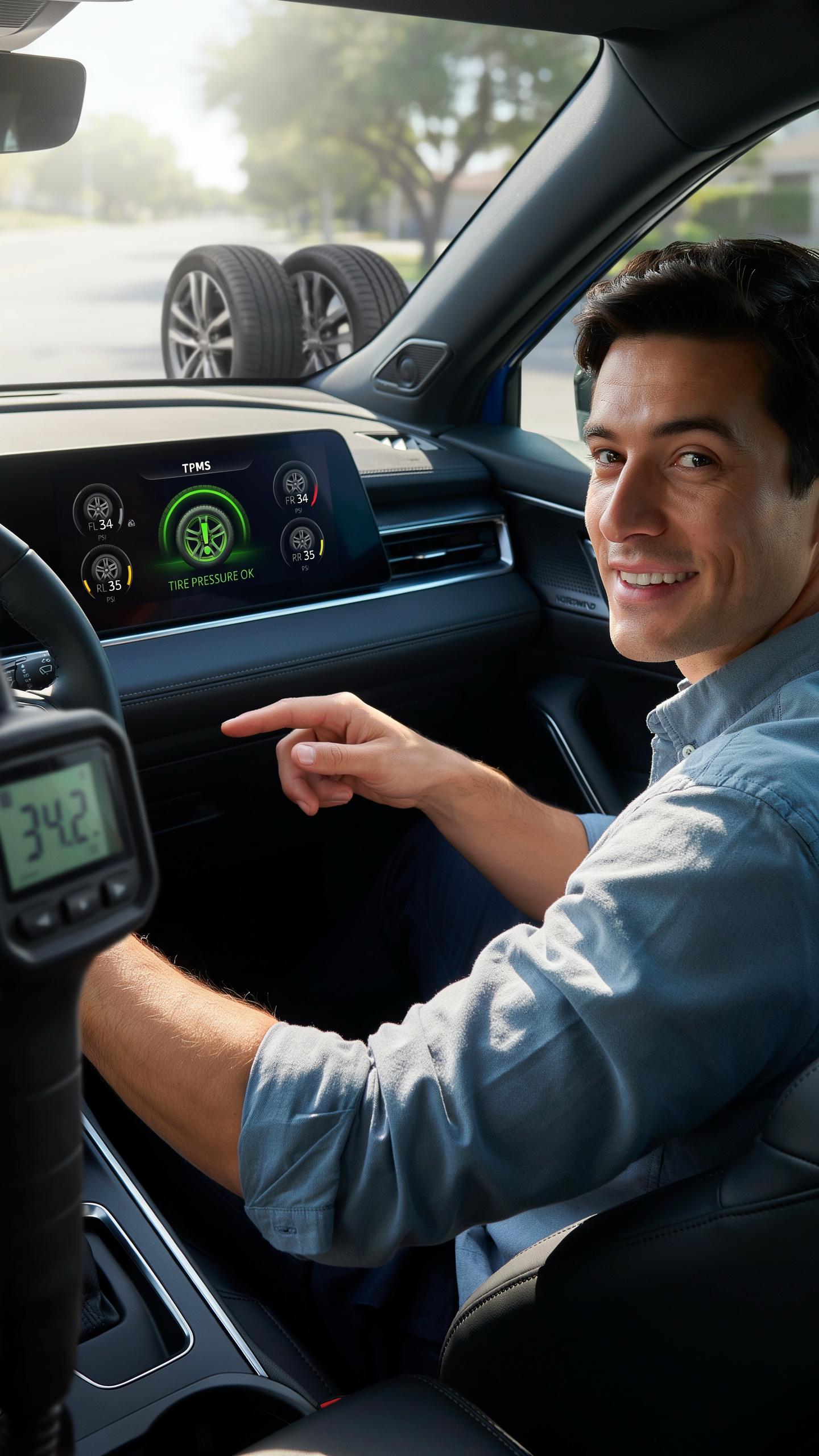
Understanding The Basics: What Is TPMS?
TPMS stands for Tire Pressure Monitoring System. This technology detects when your tire pressure drops below safe operating levels and alerts you through your dashboard. The system uses sensors mounted on each wheel to continuously measure pressure. When pressure falls below the threshold, typically 25 percent below the vehicle manufacturer’s recommended PSI, the warning light illuminates. Most vehicles sold since 2008 include TPMS as standard equipment due to federal safety regulations.
TPMS comes in two formats: direct and indirect. Direct TPMS uses pressure sensors on each tire that transmit real-time data wirelessly to your vehicle’s computer. Indirect TPMS calculates tire pressure by monitoring wheel speed using your anti lock braking system sensors. Direct systems provide more accurate readings and faster alerts. Indirect systems cost less to install but cannot detect simultaneous pressure loss across all tires. Understanding your system type helps you maintain proper tire function and vehicle safety.
The Hidden Dangers Of Incorrect Tire Pressure
Underinflated tires generate excess heat and flex abnormally, accelerating tread wear and increasing blowout risk. They also reduce fuel efficiency by forcing your engine to work harder. Overinflated tires reduce grip, especially in wet conditions, and create uneven wear patterns across the tread surface. Both conditions compromise braking performance and handling control. Tire pressure changes with temperature fluctuations, so seasonal shifts directly impact your safety on the road.
Incorrect pressure destabilizes your vehicle’s suspension geometry and alignment. This forces your steering and suspension components to work outside designed parameters, leading to premature wear. Tires operate most efficiently within the manufacturer’s specified PSI range printed on your driver’s side door jamb. Ignoring pressure deviations costs money through faster tire replacement and repair bills. A functioning TPMS catches pressure problems before they become dangerous or expensive.

Enhanced Safety Drive Safe With Proper Tire Inflation
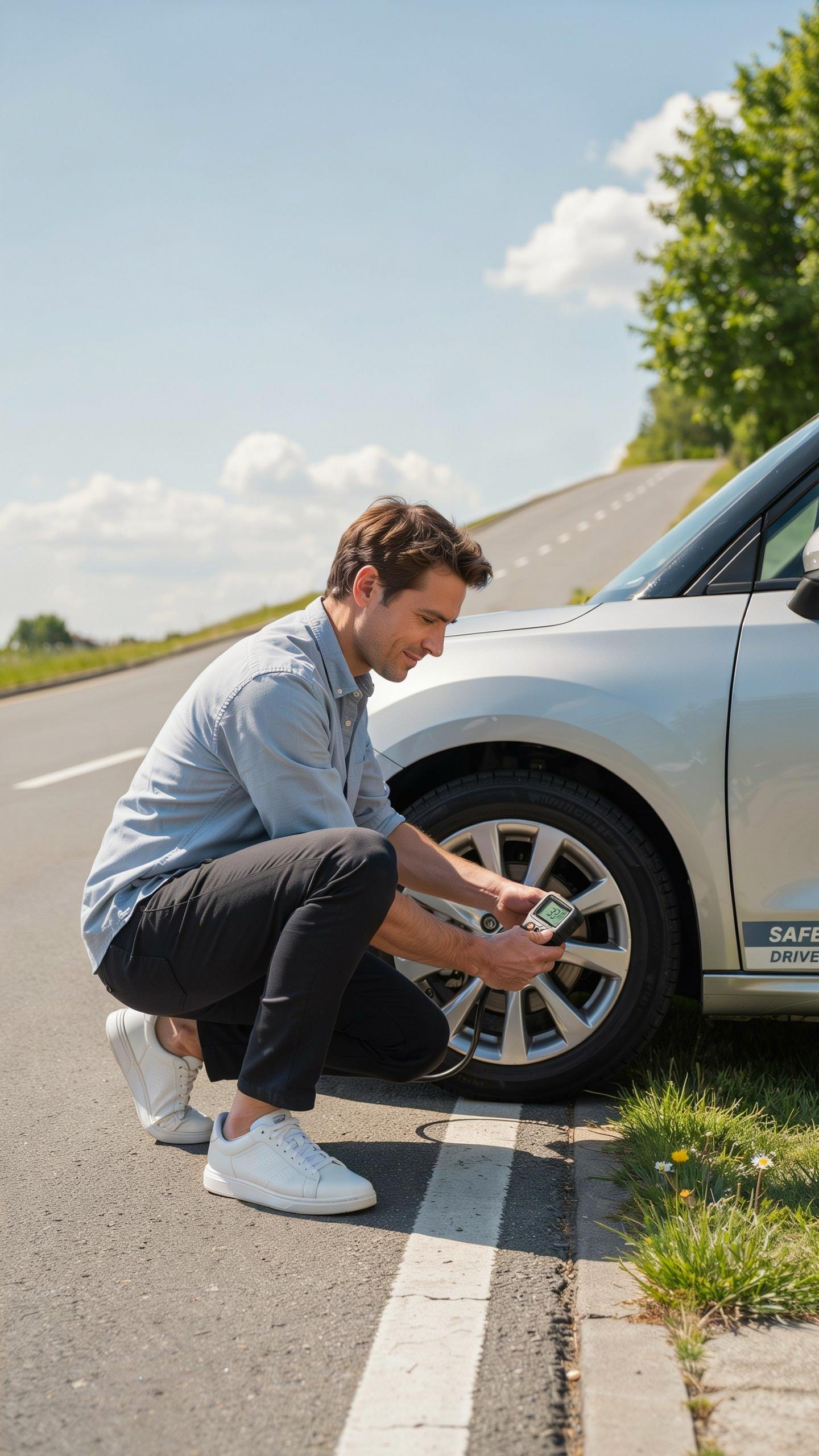
Preventing Accidents: How TPMS Contributes To Road Safety
Tire pressure directly affects how your vehicle responds to steering inputs and road conditions. Under-inflated tires generate excess heat and flex abnormally, reducing traction and increasing blowout risk. A car tire pressure monitor gadget alerts you to pressure drops before they become dangerous. This early warning system prevents the loss of control that leads to accidents on highways and city streets.
TPMS technology detects pressure changes faster than visual inspection ever could. When tire pressure drops even 10 percent below recommended levels, handling deteriorates noticeably. The gadget sends real-time alerts to your dashboard or smartphone, giving you time to address the issue before it escalates. This proactive approach eliminates the guesswork and keeps you ahead of tire failures that cause crashes.
Improved Braking And Handling With Optimal Pressure
Properly inflated tires maintain consistent contact with the road surface. This contact determines your stopping distance and how the vehicle corners. Under-inflated tires extend braking distances significantly because the tire sidewalls absorb more energy instead of transferring it to the pavement. A car tire pressure monitor gadget maintains optimal pressure, which keeps your braking performance sharp and predictable.

Handling precision depends on tire pressure uniformity across all four wheels. Mismatched pressure between tires creates pull, drift, and uneven wear patterns. Your steering response becomes sluggish or unpredictable when pressure varies. Regular monitoring through a TPMS device ensures all tires work together, delivering stable handling through turns and quick reactions to obstacles.
Fuel Efficiency And Tire Longevity Save Money With A Car Tire Pressure Monitor Gadget
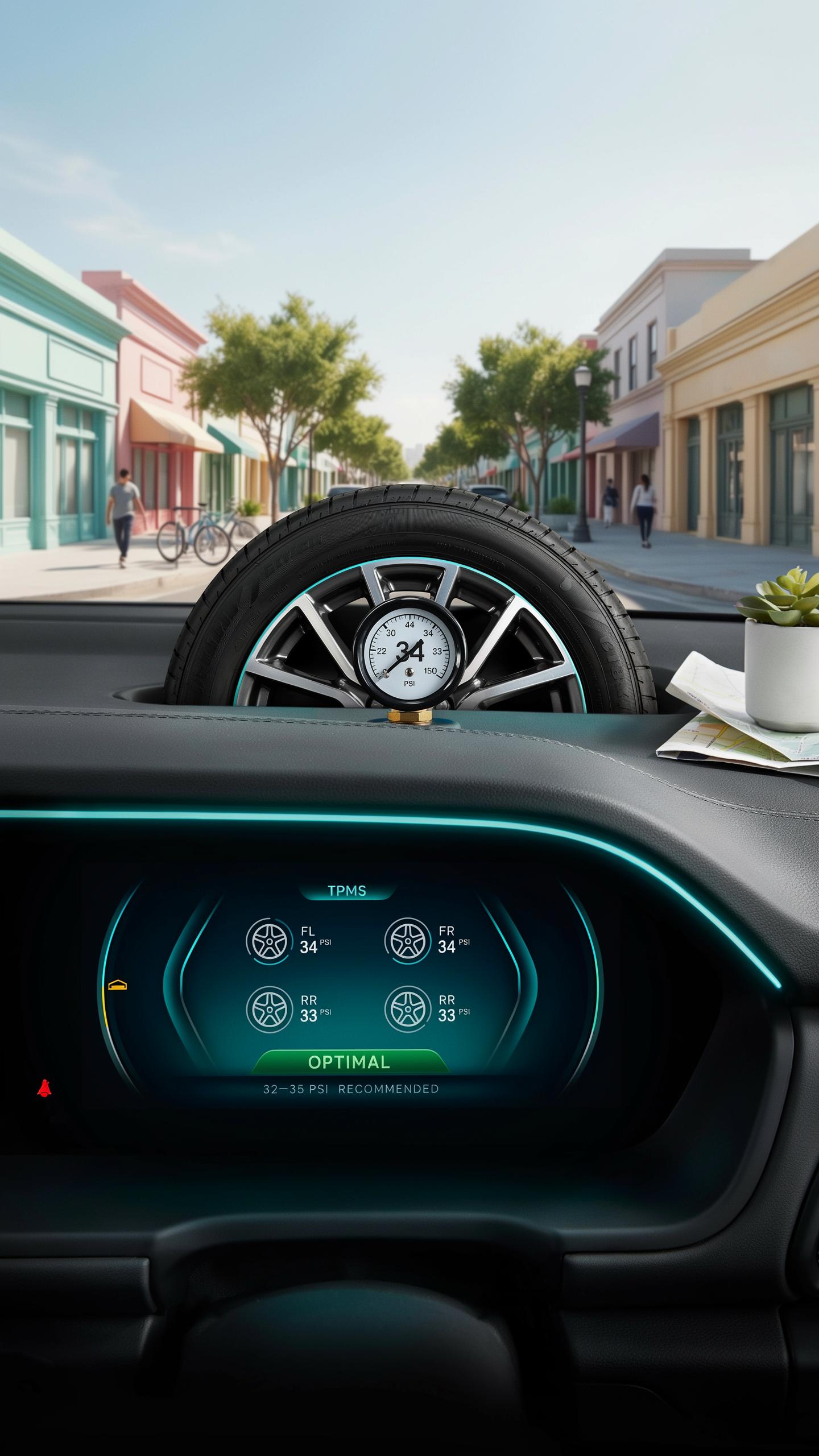
Reducing Fuel Consumption: The Economic Benefits Of TPMS
Underinflated tires increase rolling resistance, forcing your engine to work harder and burn more fuel. A car tire pressure monitor gadget alerts you immediately when pressure drops, letting you correct it before fuel waste compounds. Maintaining proper pressure improves fuel economy by three to five percent on average. This translates to real savings at the pump, especially for drivers covering high mileage annually.
A tire pressure monitor gadget pays for itself quickly through fuel savings alone. You spend less time guessing whether your tires are properly inflated and more time driving efficiently. Consistent monitoring prevents the gradual pressure loss that happens naturally over time. Early detection means you fill tires before inefficiency becomes pronounced, keeping your fuel costs predictable and low.
Remember those long drives, feeling the wind in your hair? A little gadget like a tire pressure monitor ensures those journeys are always smooth and safe, just like your favorite memories.
Extending Tire Lifespan: Maximizing Your Investment
Improper tire pressure causes uneven wear patterns that shorten tire life significantly. Overinflated tires wear faster in the center. Underinflated tires wear faster on the edges. A car tire pressure monitor gadget maintains optimal pressure across all four tires, distributing wear evenly. Even wear means your tires last longer before replacement becomes necessary, protecting your investment.

Tire replacement represents a substantial expense for most drivers. Extending tire lifespan by maintaining correct pressure adds months or even years to your tires’ usable life. A monitor gadget provides data that helps you catch pressure problems before they damage the tire structure. This preventive approach eliminates premature replacement costs and maximizes the value you get from each tire purchase.
Types Of Car Tire Pressure Monitor Gadgets Available
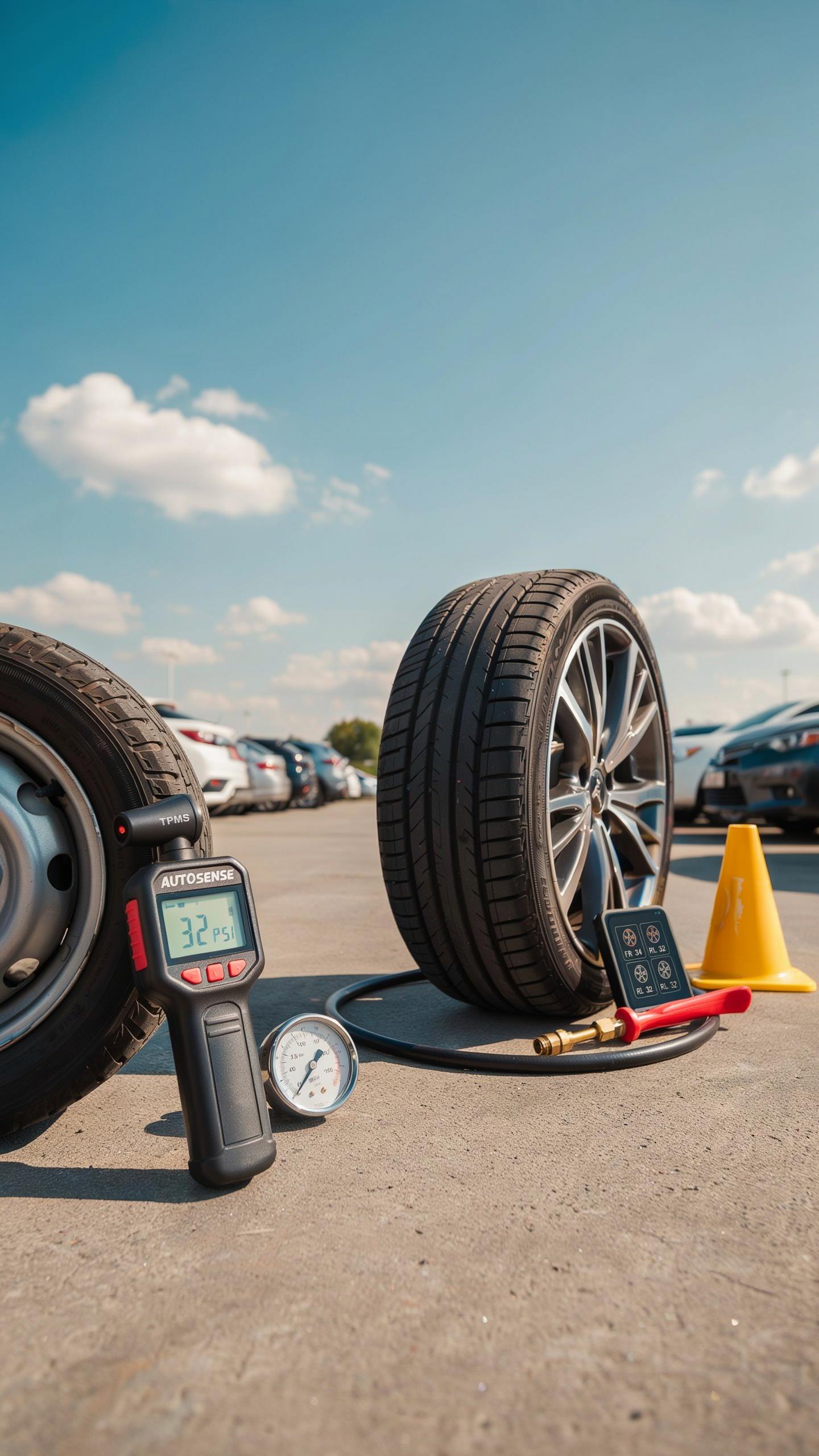
Internal Vs External Sensors Pros And Cons
Internal sensors mount directly inside the tire, attached to the valve stem or wheel rim. They transmit pressure data wirelessly to your vehicle’s dashboard or a mobile app. Internal systems integrate seamlessly with most modern cars manufactured after 2007, when TPMS became mandatory in the United States. They survive longer than external alternatives because they sit protected inside the tire.
External sensors clip onto your valve stem from outside the tire. They cost less upfront than internal replacements and install without removing tires. However, external sensors face weather exposure, theft risk, and potential damage from road debris. They work well for temporary monitoring or testing before committing to internal systems. Battery life typically runs shorter on external models due to constant environmental stress.
Aftermarket TPMS Solutions For Older Vehicles
Vehicles built before 2007 lack factory TPMS systems entirely. Aftermarket kits let older car owners add tire pressure monitoring without major modifications. These kits include wireless sensors, a receiver unit, and mounting hardware. Installation takes one to two hours for most DIY users with basic tools. Professional installation costs between 100 and 300 dollars depending on your location and shop rates.
Aftermarket systems for older vehicles come as universal or vehicle specific options. Universal kits work across multiple car models but require manual programming for each tire. Vehicle specific kits cost more but offer plug and play convenience with no calibration needed. Both types use either internal or external sensors. Choose based on your budget, technical comfort level, and how long you plan to keep the vehicle.
Beyond The Gauge Smart Car Features And TPMS Integration
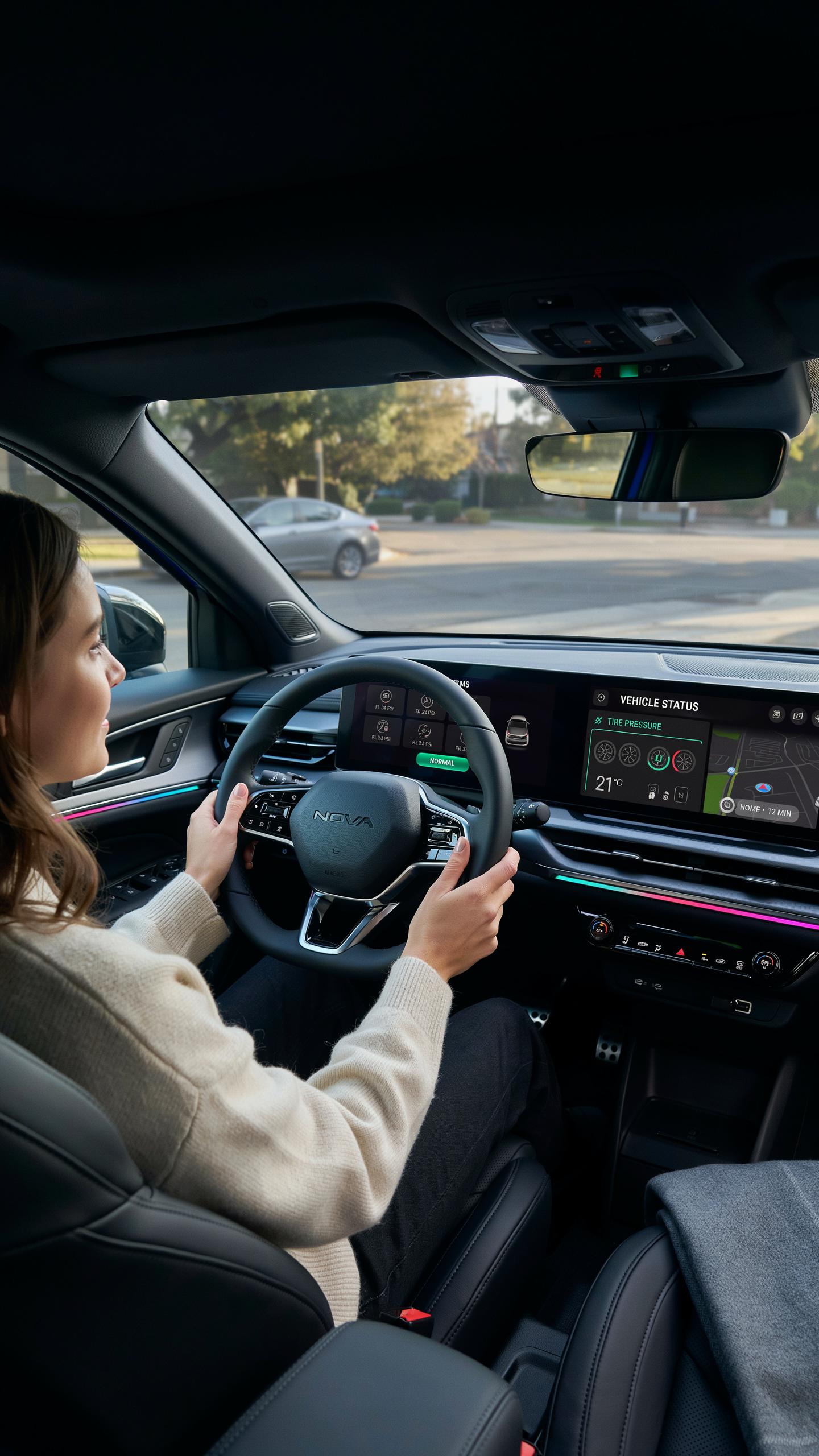
Connectivity And Smartphone Apps For Real Time Monitoring
Modern tire pressure monitors connect to your phone through Bluetooth or WiFi. This connection gives you instant pressure readings without opening the car door. You receive alerts when pressure drops below safe thresholds. Apps display temperature data alongside pressure, helping you catch problems early before they become dangerous.
Smartphone integration eliminates guesswork about tire condition. You monitor all four tires simultaneously from anywhere. Data logs track pressure trends over time, revealing slow leaks that manual checks miss. Most apps send notifications directly to your phone, ensuring you never ignore a pressure drop that requires immediate attention.
Integrated Dash Displays And Alert Systems
Integrated dashboard displays show tire pressure data on your vehicle’s existing screen without adding external devices. Factory TPMS systems display pressure for each tire individually. Alert systems activate when pressure drops to manufacturer specifications. This integration keeps critical information visible during driving without requiring phone attention.

Dashboard alerts use visual and audible signals to grab your attention immediately. Some vehicles display pressure readings continuously, while others show data only when you access the menu. Real time monitoring through the dash helps you respond faster to pressure loss from punctures or temperature changes. This direct access to vehicle data makes pressure management part of your normal driving awareness.
Combining Your Gadgets Car Tire Pressure Monitor Gadget And A Tire Inflator
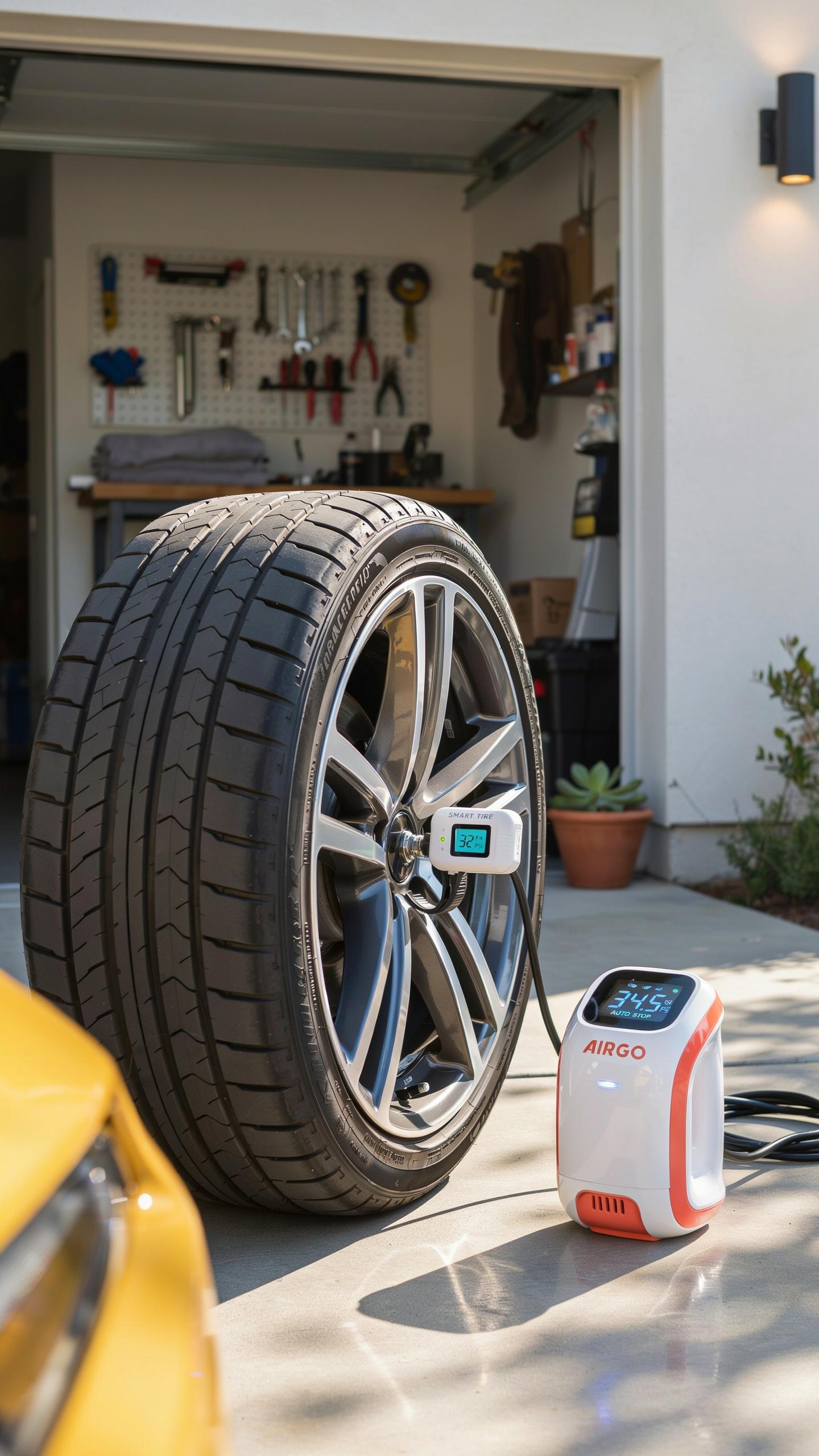
The Convenience Of A Portable Air Pump With Integrated TPMS
A portable air pump with built-in tire pressure monitoring combines two essential functions into one device. You monitor tire pressure in real time while maintaining the ability to inflate immediately. This eliminates trips between tools and reduces setup time. Most models display pressure readings on digital screens, allowing you to hit target PSI without guesswork. Battery powered or 12V outlet powered options handle most situations drivers encounter on the road.
Integration matters because it streamlines your workflow. You check pressure, identify an underinflated tire, and inflate without switching devices. Many models include preset pressure settings for quick calibration. The digital display shows pressure units in PSI or BAR depending on your preference. Having both functions accessible cuts your troubleshooting time significantly compared to using separate gadgets.
Essential For Road Trips And Emergency Preparedness
Road trips expose your tires to temperature changes, extended highway miles, and varied road conditions. A combined TPMS and inflator handles pressure fluctuations without requiring you to find a gas station. Overnight temperature drops can reduce tire pressure by 1 to 2 PSI per 10 degrees Fahrenheit, making morning checks critical. Your gadget catches these drops before they cause handling issues or fuel inefficiency over long distances.
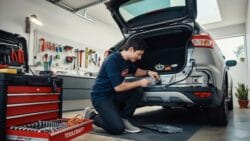
Emergency situations demand tools that work without external infrastructure. Flats, slow leaks, and pressure loss can strand you in remote areas where services don’t exist. A portable inflator with pressure monitoring lets you restore safe operating pressure independently. Battery backup options ensure functionality even if your vehicle’s electrical system fails. This combination tool transforms a potential emergency into a manageable situation you solve on your timeline.
Say Goodbye To A Flat Tire Prevention And Early Detection
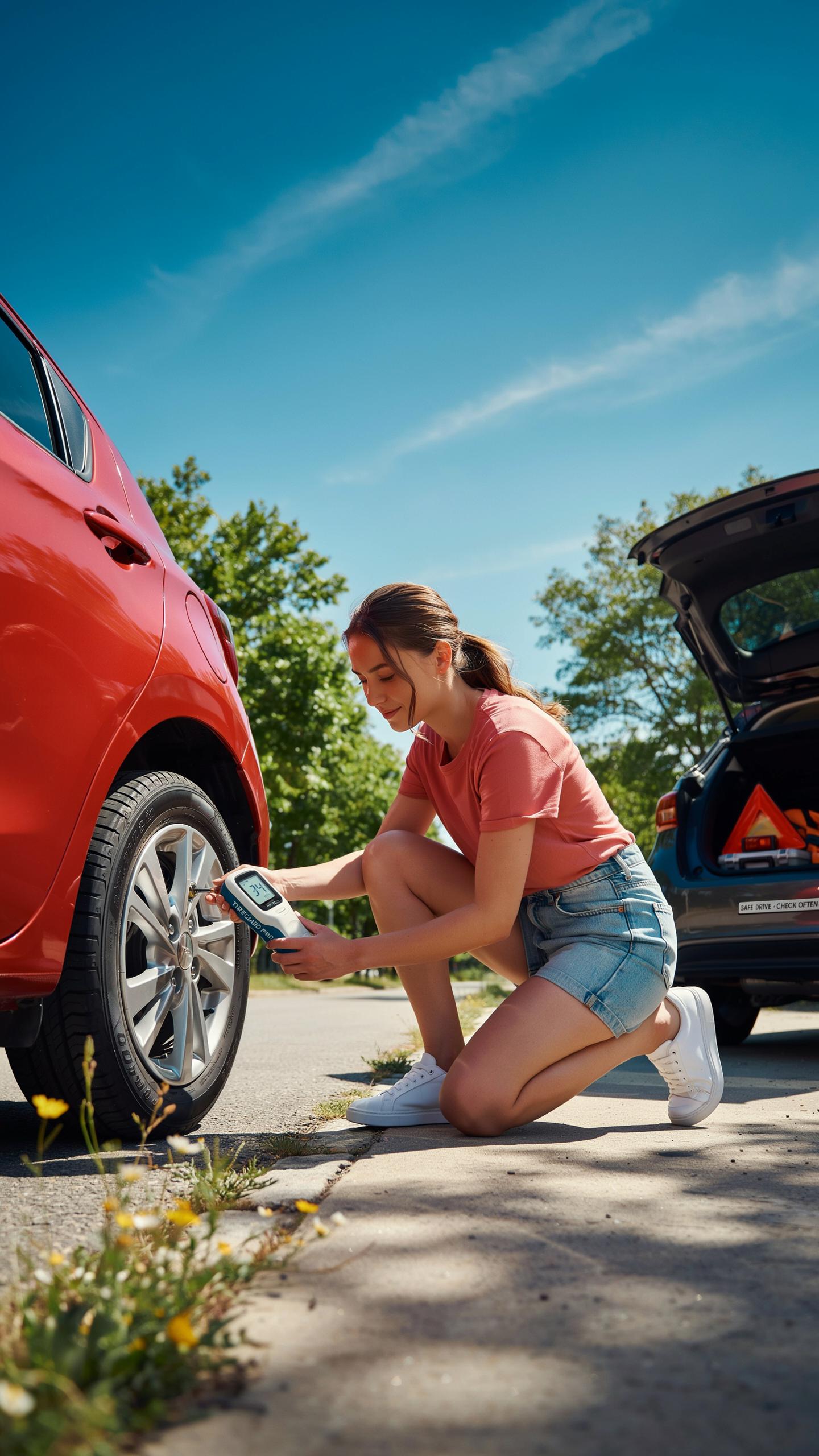
Identifying Slow Leaks Before They Become Major Issues
A car tire pressure monitor gadget detects gradual pressure loss that you cannot feel while driving. Most slow leaks develop from punctures, valve stem damage, or bead separation where the tire meets the rim. Real time monitoring catches these issues within hours or days, not weeks. This early warning prevents dangerous driving conditions and expensive tire replacement costs.
Manual pressure checks happen once monthly at best. Most drivers skip them entirely. A tire pressure monitor gadget checks every few minutes and alerts you immediately when pressure drops below safe levels. This constant vigilance catches problems when tires still hold enough air for safe driving to a repair shop. Acting fast saves you from sudden pressure loss during highway driving.
Minimizing The Risk Of Blowouts And Roadside Stranding
Blowouts happen when tire pressure drops below minimum specs. The tire flexes excessively, generates heat, and fails suddenly. A tire pressure monitor gadget prevents this by maintaining awareness of pressure status at all times. You adjust pressure before dangerous conditions develop. This eliminates the primary cause of blowout incidents.

Roadside stranding occurs when drivers have no warning before complete tire failure. With a tire pressure monitor gadget, you receive alerts while pressure still exists to reach a service station safely. You avoid being stuck in dangerous locations like highways at night or remote roads. Preventive action replaces emergency response.
Choosing The Right Car Gadgets What To Look For

Accuracy And Reliability Of Pressure Gauge Readings
Tire pressure monitors measure PSI using mechanical or electronic sensors. Mechanical gauges rely on physical springs and dial displays. Electronic monitors use digital sensors that connect to your vehicle’s system or transmit data wirelessly. Accuracy matters because even 2 PSI deviation affects fuel economy, tire wear, and handling performance.
Check the monitor’s calibration range against your vehicle’s tire specifications. Most car tires require 28 to 35 PSI, though this varies by model. Look for monitors certified to within plus or minus 1 PSI accuracy. Real-time monitors outperform manual checks because they track pressure continuously and alert you to slow leaks before they worsen.
Installation And User Friendliness: DIY Vs. Professional
Aftermarket TPMS sensors install in two ways: as internal stem replacements or external valve cap sensors. Stem replacements require removing wheels and dismounting tires, making professional installation the practical choice for most drivers. External cap sensors screw onto existing valve stems without tools or wheel removal. Both methods work, but external sensors offer easier DIY installation and lower cost.

Professional installation ensures correct sensor programming and system calibration to your specific vehicle. Technicians possess the equipment to pair sensors with your car’s receiver module. DIY installation with external sensors takes under five minutes per tire but requires following the manufacturer’s pairing instructions exactly. Choose your method based on comfort level with electronic programming and access to necessary tools.
Maintenance And Calibration Of Your Tire Pressure Monitoring System
Regular Checks And Sensor Battery Life
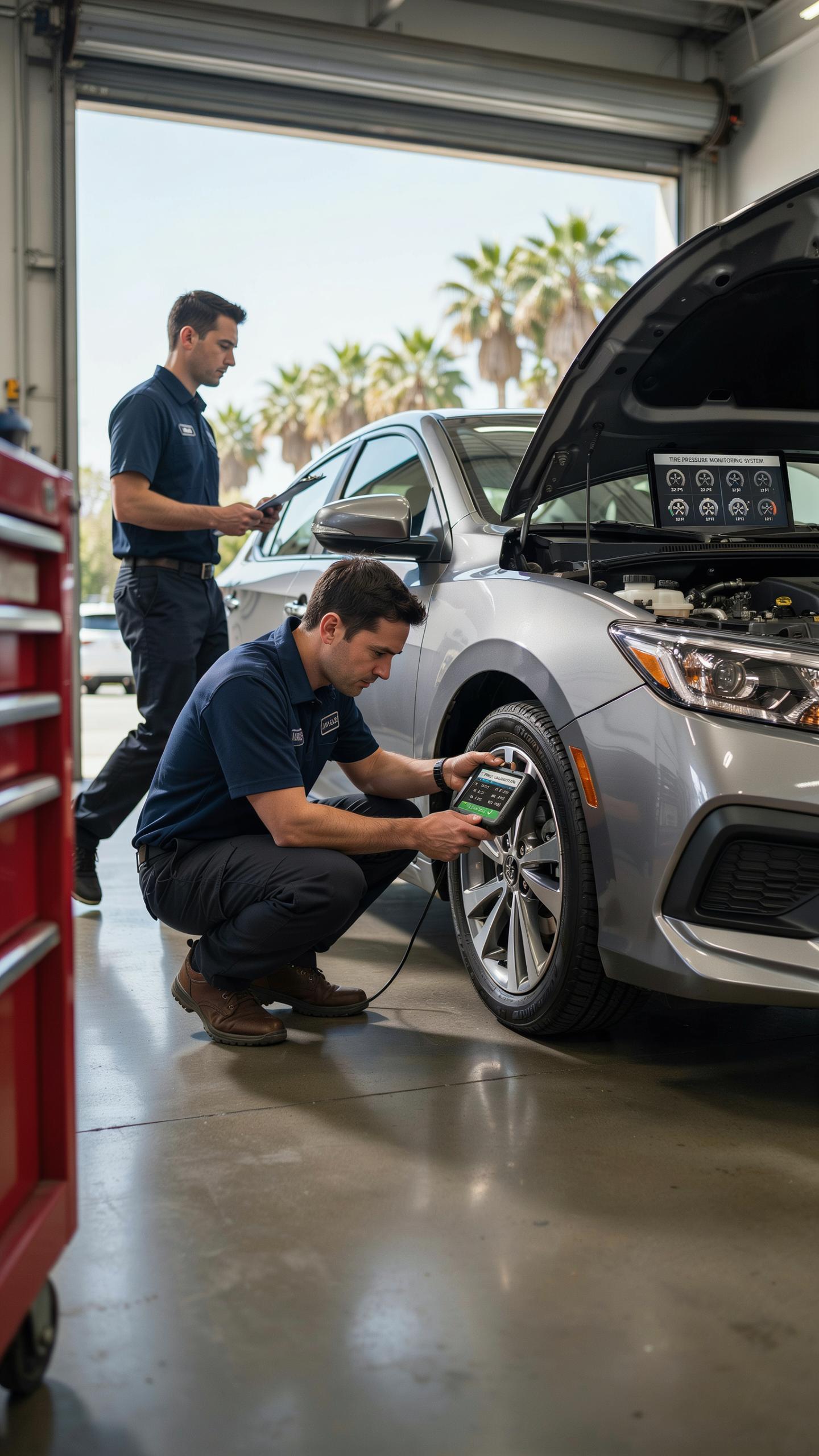
TPMS sensors operate on batteries that typically last between five to ten years. Check your tire pressure monthly using a reliable gauge, not just the dashboard warning light. The warning system activates only after pressure drops significantly, missing early problems. Compare your manual gauge readings to what your TPMS displays to catch sensor drift before it becomes an issue.
Sensor batteries drain faster in extreme temperatures and high-altitude environments. Most sensors alert you through a low battery warning light or erratic pressure readings. Some systems show gradual accuracy loss before complete failure. Replace sensors proactively every seven to ten years rather than waiting for failure, since a dead sensor leaves you without critical pressure data on that wheel.
When To Recalibrate Or Replace Your TPMS Sensors
Recalibration becomes necessary after tire rotations, pressure adjustments, or seasonal changes. Your vehicle manual specifies the proper recalibration procedure, which often requires a trip to a dealership or tire shop with TPMS diagnostic equipment. Many newer vehicles have a relearn button in the driver’s door jamb or glove compartment that starts the calibration process. Recalibration ensures sensors match the correct wheel positions and maintains accurate readings.
Replace individual sensors when they fail or battery voltage drops below operational thresholds. Replacement typically costs between 50 to 100 dollars per sensor at professional shops. Direct TPMS sensors screw into the tire valve stem and require tire removal for installation. Indirect TPMS systems use wheel speed sensors from your anti-lock brake system, so replacement involves different procedures depending on your vehicle manufacturer’s design.
Beyond Standard Features Advanced Tire Pressure Monitoring System Technologies
Temperature Monitoring And Its Importance
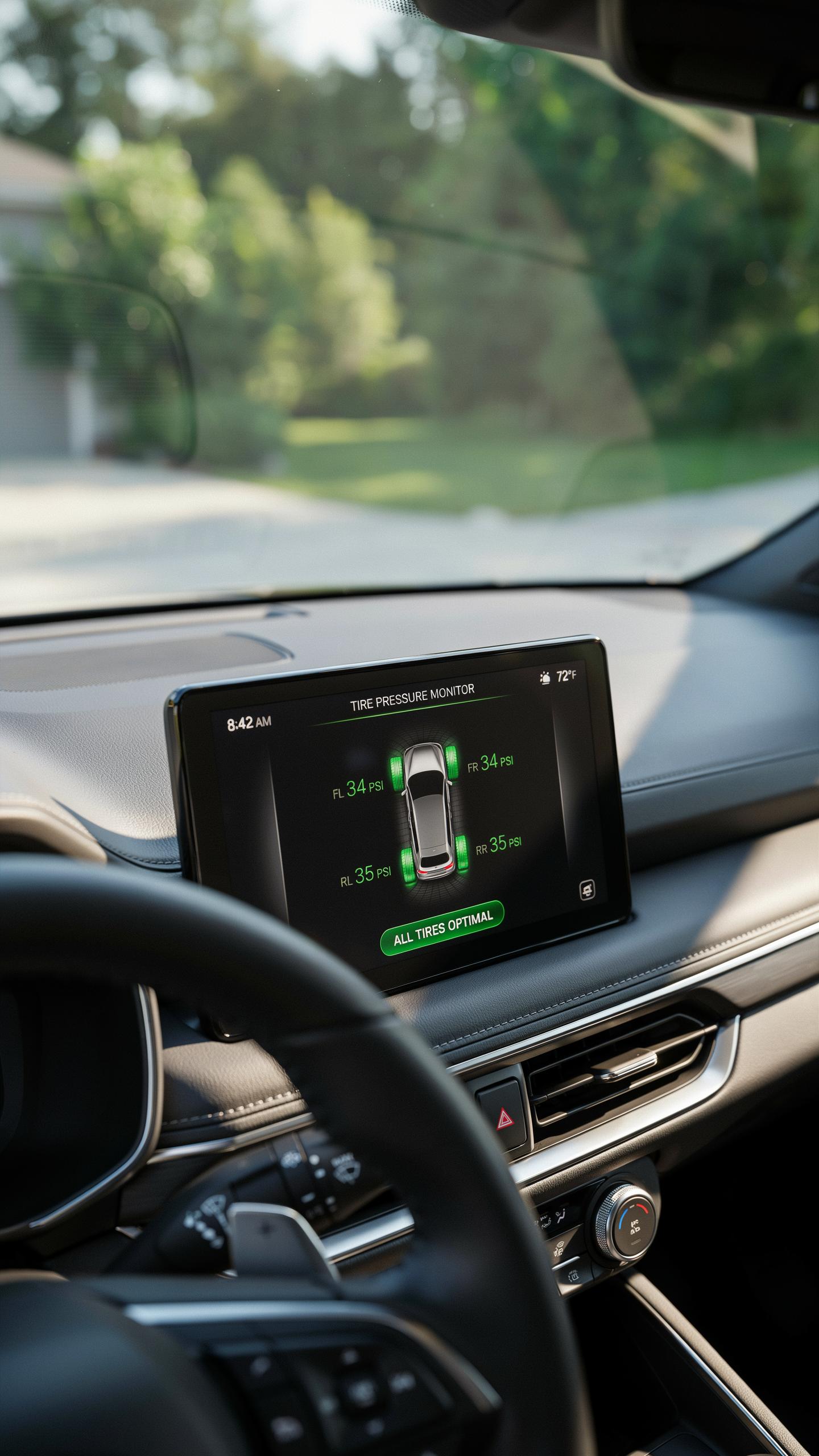
Temperature monitoring works alongside pressure readings because tire temperature directly affects pressure levels. As tires heat during driving, air inside expands, raising pressure. Cold temperatures compress air, dropping pressure. A tire pressure monitor gadget that tracks temperature gives you the complete picture. You catch real problems versus false alarms caused by weather changes alone.
Temperature data prevents overinflation and underinflation problems that stem from environmental shifts. If your tires lose pressure overnight during winter, a temperature-aware monitor tells you whether cold caused it or you have a leak. This distinction matters for safety and fuel economy. You avoid unnecessary tire replacements and maintain optimal performance year-round.
Future Trends In Tire Monitoring Technology
Integration with vehicle telematics systems represents the direction tire monitoring is moving. Your car’s built-in computer will communicate directly with cloud-based platforms that track tire data over time. This shift reduces your need for separate gadgets and provides mechanics with accurate historical information during service visits. The technology already exists in high-end vehicles and will expand to mid-range models.
Predictive analytics will identify tire degradation patterns before failures occur. Sensors will measure tread wear indirectly through pressure and temperature fluctuations, alerting you when replacement becomes necessary. Battery improvements will extend sensor lifespan from the current five to seven years toward ten years or longer. These advances make tire monitoring simpler, more accurate, and less expensive to maintain over a vehicle’s lifetime.
Frequently Asked Questions

What exactly is a car tire pressure monitor gadget and why do I need one?
A car tire pressure monitor gadget is a device that accurately measures and displays your vehicle’s tire pressure, often in real-time. It’s crucial for safety and efficiency, as properly inflated tires improve handling, fuel economy, and extend tire lifespan. This gadget provides peace of mind on every journey.
How do I install and start using a car tire pressure monitor gadget once I’ve purchased it?
Installation is typically straightforward. Most car tire pressure monitor gadgets either replace your existing valve caps with sensor caps that wirelessly transmit data to an in-cabin display, or connect via your car’s OBD-II port. Simply follow the manufacturer’s instructions for pairing the sensors with the display unit for immediate monitoring.
Are there affordable options for a reliable car tire pressure monitor gadget, or are they all high-end?
Absolutely! You can find a reliable car tire pressure monitor gadget at various price points. Many excellent and accurate models are available without breaking the bank. Entry-level options often include basic sensor caps and a small display, offering essential functionality and great value for everyday drivers.