
The Unexpected Dead Car Battery A Common Problem
Causes Of A Dead Car Battery
Your car battery dies for concrete reasons. Interior lights left on overnight drain the battery completely. Alternators fail and stop charging while you drive. Extreme cold temperatures reduce chemical reactions inside the battery, cutting available power by half or more. Corroded terminals prevent current flow. Old batteries simply lose capacity after three to five years of use. You left the trunk open or doors ajar, keeping interior lights running for hours.
Battery drain happens faster than most drivers expect. Parasitic draws from alarm systems, computers, or aftermarket electronics pull power even when the engine is off. Driving only short distances prevents the alternator from fully recharging. A single dead cell inside the battery makes the entire unit useless. Winter conditions compound every problem. The battery sits unused for weeks during storage, and sulfation destroys its internal structure.
Traditional Solutions And Their Limitations
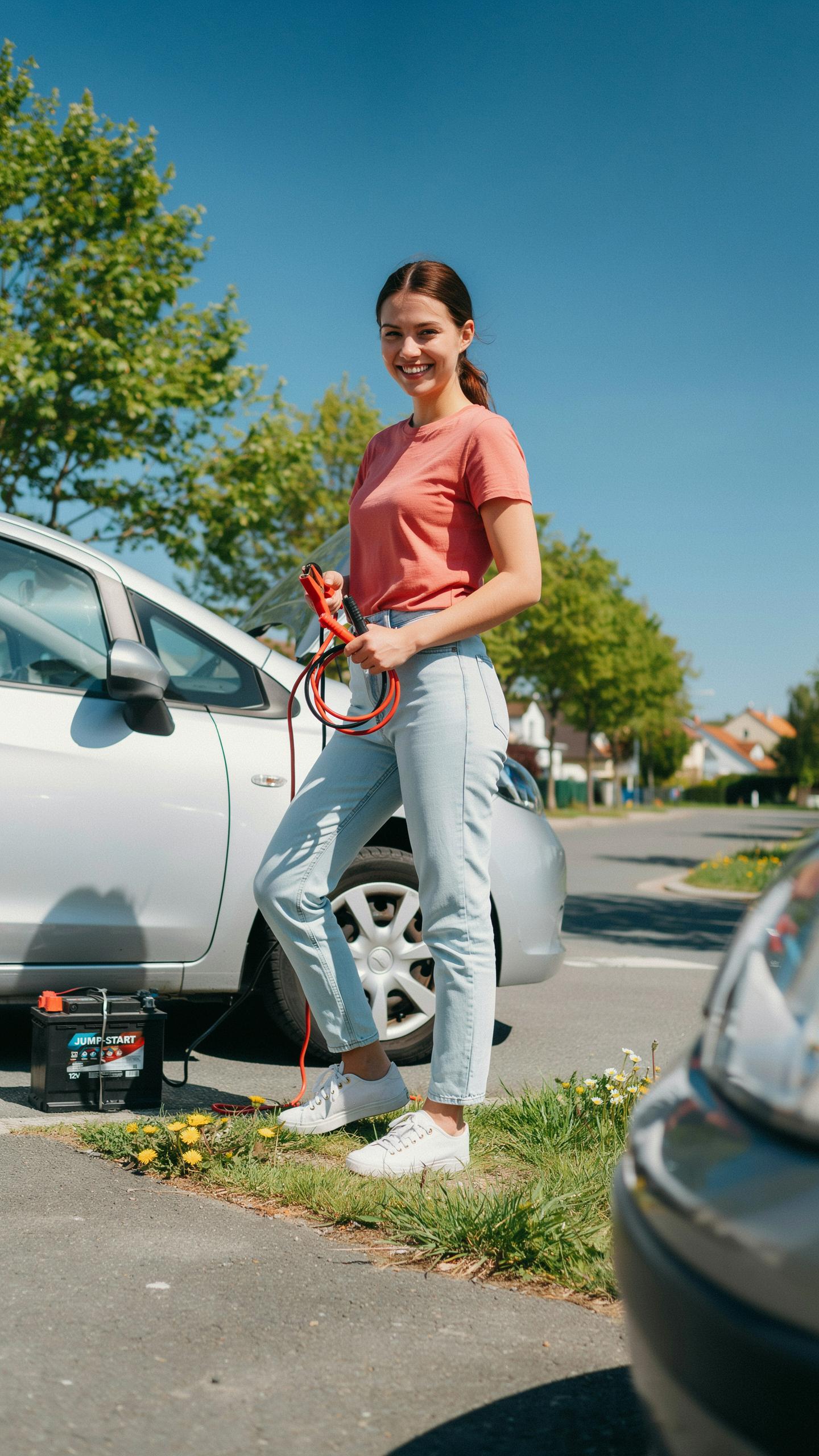
Jumper cables require another vehicle and a person willing to help you. You need both cars parked close enough for cables to reach between batteries, which creates safety risks in traffic or bad weather. The process takes time. You must connect cables in the correct order to avoid electrical damage. Many drivers connect them wrong, sparking or damaging their vehicle’s electrical system. Finding someone with jumper cables proves difficult in remote areas.
Calling a tow truck or roadside assistance leaves you stranded for thirty minutes to two hours. You pay fifty to over one hundred dollars for the service. Mobile jump starters from services require scheduling and availability in your area. Public locations like gas stations often lack charging equipment or trained staff. None of these solutions fit inside your glovebox or stay with your vehicle at all times. Your car remains disabled until help arrives.

Introducing The Portable Jump Starter For Car Battery
What Is A Portable Jump Starter?
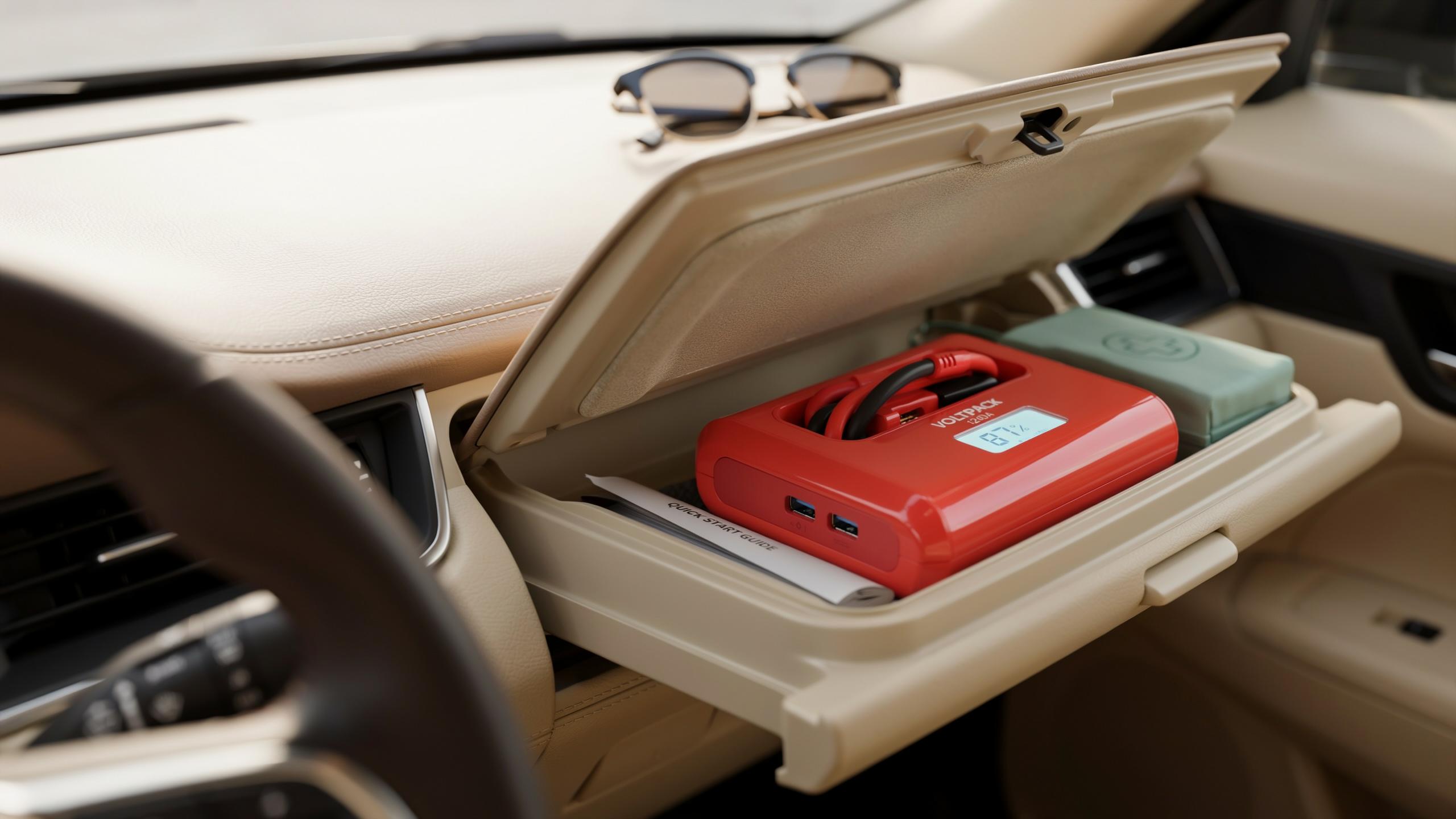
A portable jump starter is a rechargeable battery pack that delivers electrical current directly to a dead car battery. It eliminates the need for another vehicle, jumper cables, and a second person. The device stores power in an internal lithium ion or lead acid battery, then transfers that energy to your car when the engine battery fails.
Traditional jump starting requires locating another running vehicle, connecting cables correctly, and waiting for the dead battery to charge. A portable jump starter accomplishes the same goal without dependency on external help. You keep it charged in your glovebox and use it whenever needed, making it a self contained solution for battery emergencies.
How Does It Work To Jump A Car Battery?
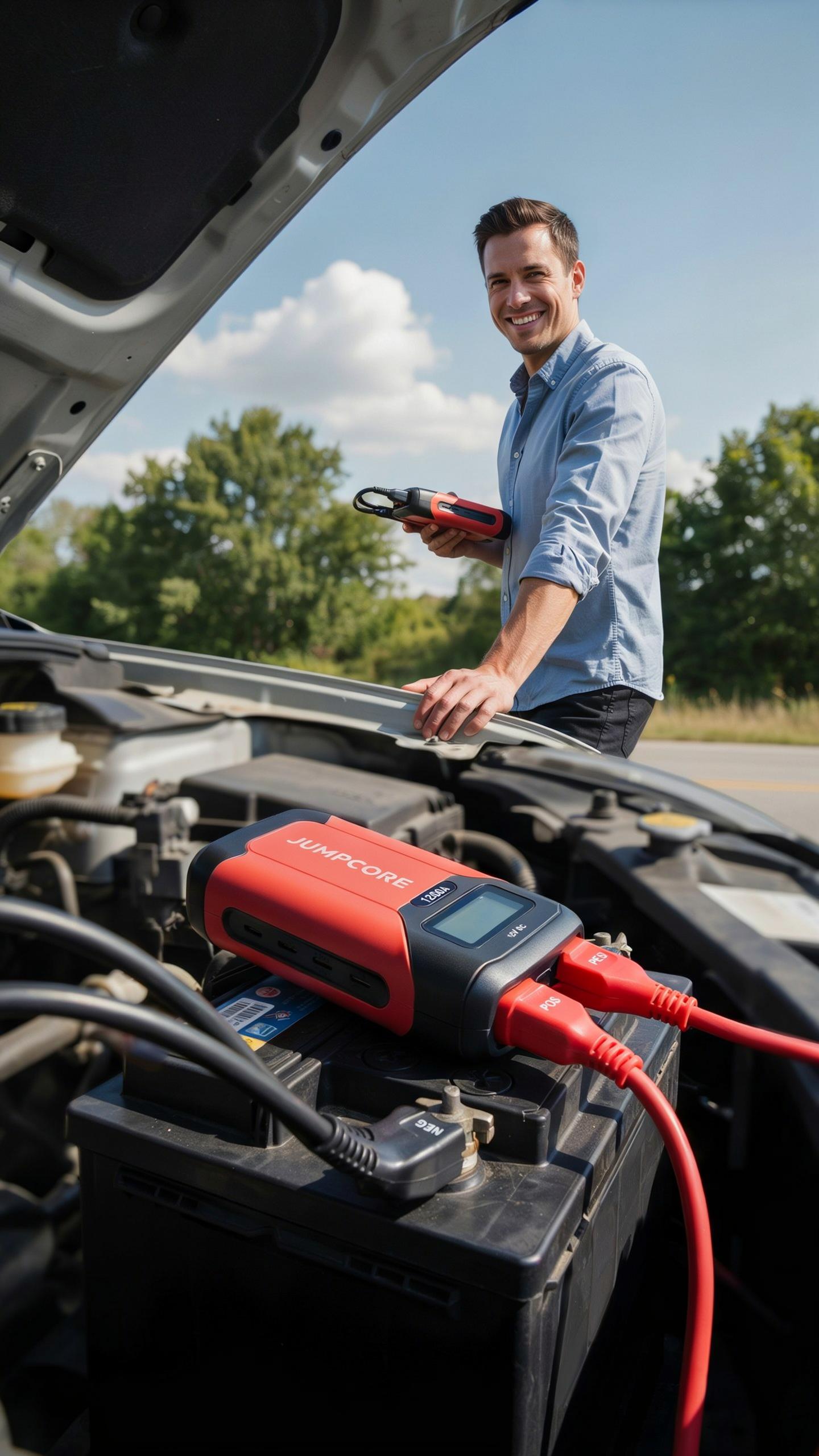
A portable jump starter works by creating a circuit between its internal battery and your car battery. When you connect the positive and negative clamps to the corresponding battery terminals, electrical current flows from the jump starter into the dead battery. This surge of power provides enough voltage and amperage to restart your engine immediately.

The device uses internal electronics to regulate the power output and prevent damage to your car’s electrical system. Most models deliver between 400 to 3000 amps of peak current depending on capacity and design. Once your engine starts, the car’s alternator takes over and recharges the battery, while the jump starter automatically disconnects from the circuit.
Key Features To Look For In A Portable Jump Starter
Cranking Amps And Peak Amps Explained
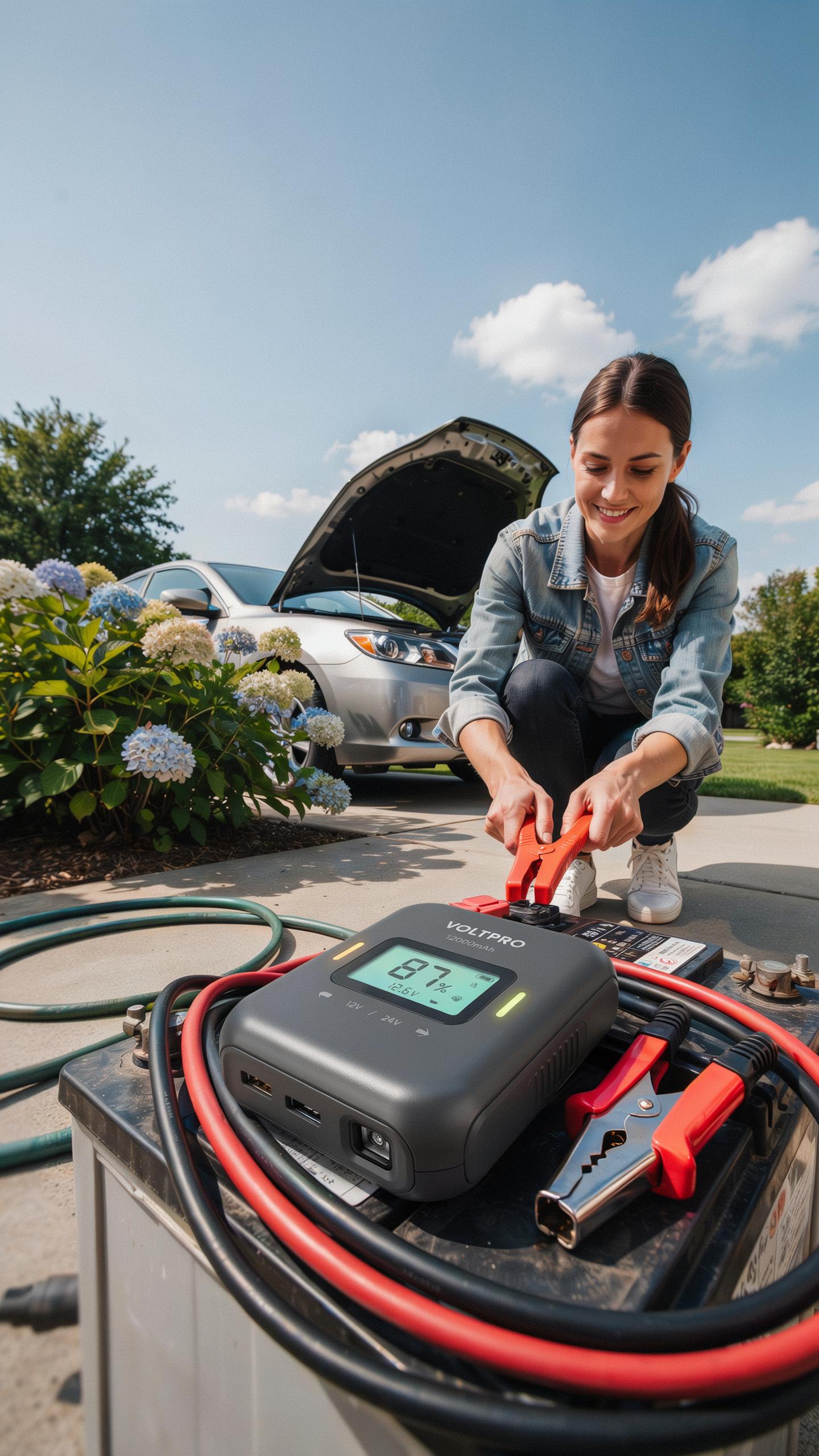
Cranking amps measure the electrical current a jump starter delivers at 32 degrees Fahrenheit for 30 seconds. This rating tells you the sustained power available to turn your engine over. Most vehicles need between 400 and 600 cranking amps for reliable starts in normal conditions.
Peak amps represent the maximum electrical burst a jump starter can produce for a short duration. Manufacturers list peak amps to make products sound more powerful than everyday performance. Focus on cranking amps as your buying metric since that reflects real-world starting capability at engine turnover speed.
Safety Features And Protections
Quality portable jump starters include safeguards that prevent damage to your vehicle’s electrical system and protect your safety. Modern devices need multiple layers of protection to handle the high currents involved in battery jumps. These features separate reliable equipment from unreliable products that create fire or explosion risk.
- Reverse Polarity Protection: Stops the device from operating if you connect the clamps backward, preventing short circuits and damage to the jump starter’s internal components.
- Spark Proof Clamps: Specially designed clamps prevent sparks during connection and disconnection, eliminating ignition risk near battery gases.
- Overcharge Protection: Prevents the jump starter’s battery from accepting too much charge during the recharging process, extending battery lifespan.
- Over Temperature Protection: Shuts down the device if internal components overheat during use or charging cycles.
- Short Circuit Protection: Cuts power immediately if metal contacts touch incorrectly or if an internal fault occurs.

Reliable jump starters combine these protections into one integrated system. Check product specifications to confirm each protection layer exists before purchase since budget models often skip critical safety features.
Beyond Just Jumping The Multi Functional Portable Power Bank

Charging Your Devices On The Go
Most portable jump starters include USB ports or USB-C connections that deliver power to phones, tablets, and laptops. This dual functionality means you carry one device instead of two. The battery capacity ranges from 12,000 to 24,000 mAh in most models, enough to charge a smartphone multiple times before depleting the jump starter itself.
The charging speed depends on the output amperage and your device’s input requirements. A jump starter with 2.1A USB output charges phones slower than models with higher output ratings. You trade some charging speed for the ability to jump start a vehicle, but the trade off works for most users managing roadside emergencies and dead batteries simultaneously.
Integrated LED Flashlights And SOS Functions
Built in LED flashlights serve two purposes on roadside emergencies: illuminating engine bays during nighttime jump starts and signaling for help. Most models include standard white light LEDs with brightness ranging from 50 to 300 lumens. The flashlight runs on the same internal battery as the jump starting function, so heavy use depletes your available power for vehicle emergency starts.
SOS strobe functions pulse the LED at intervals for distress signaling. This feature activates manually through a button or switch on the device housing. Roadside visibility improves dramatically with active LED strobes, making your disabled vehicle more noticeable to other drivers in low light conditions, though SOS strobes drain battery capacity faster than standard lighting modes.
Choosing The Right Portable Jump Starter For Your Vehicle
Considerations For Different Engine Types Gas Vs Diesel Engine
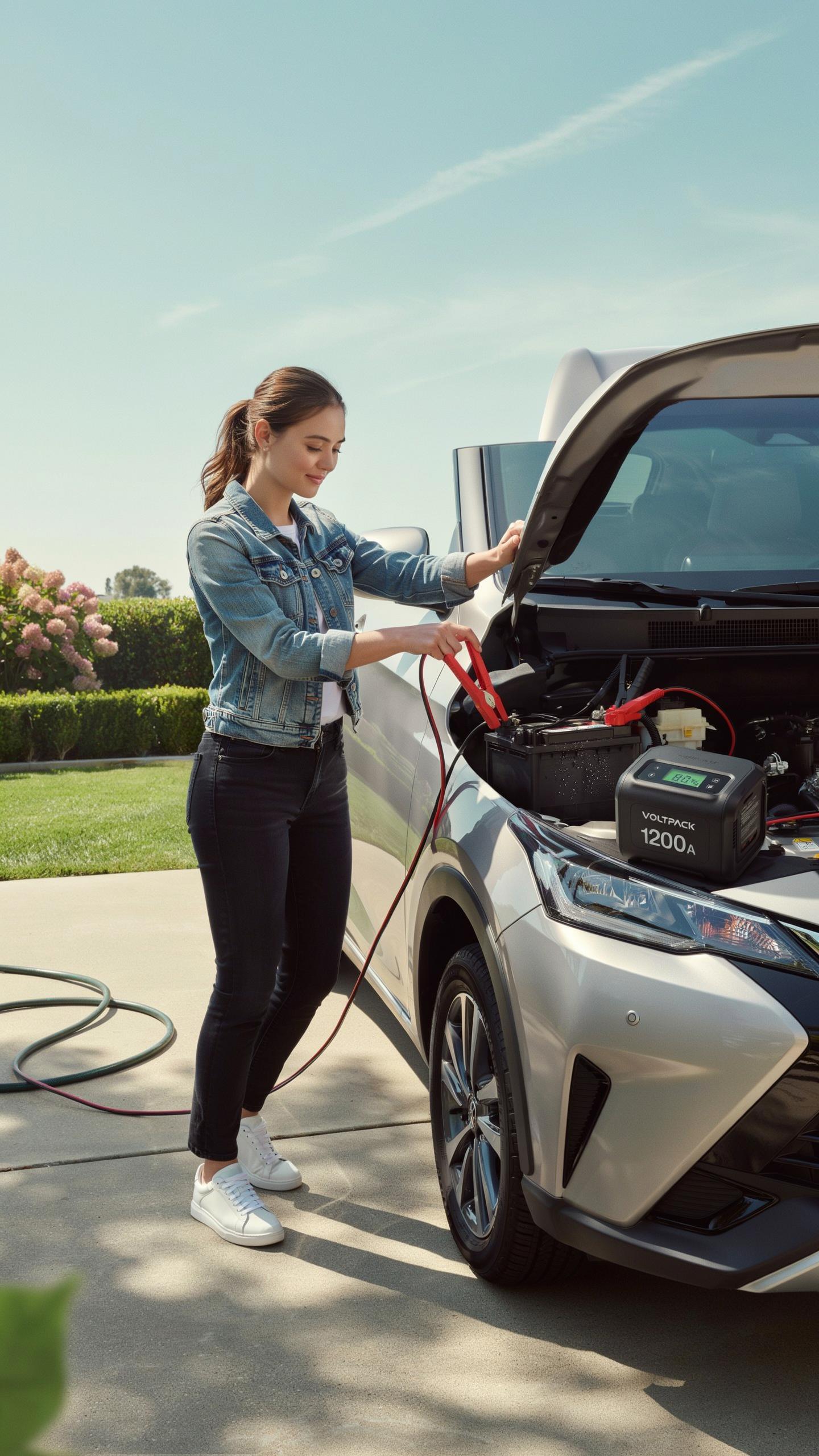
Gasoline engines require less cranking power than diesel engines. A gas engine typically needs 400 to 600 amps to turn over. Diesel engines demand 800 to 1200 amps due to higher compression ratios and denser fuel ignition requirements. Choosing a jump starter rated below these thresholds will fail when you need it most. Match the amp rating directly to your engine type, not just your vehicle size.
Diesel engines generate significantly more resistance during cold starts. The starter motor works harder against compression and thick diesel fuel. Your portable jump starter must deliver sustained amperage, not just peak ratings. Check your owner’s manual for the exact cranking amp requirement. Undersizing the device costs you reliability in emergencies.
In life, as on the road, true companionship means being there for the unexpected, a silent promise of revival always within reach.
Matching The Jump Starter To Your Car Battery Size
Your car battery has two critical specifications: voltage and amp hour capacity. All standard vehicles use 12 volt batteries, but amp hour ratings range from 40 to 100 AH depending on engine size and vehicle type. A jump starter must match your battery’s voltage exactly and provide peak amperage that exceeds your engine’s cranking requirements. Mismatched voltage destroys both the starter and your vehicle’s electrical system.
Battery size correlates directly to engine displacement and starting demand. Larger engines need higher capacity batteries, requiring more powerful jump starters to restore full charge. Check your battery’s label for CCA (Cold Cranking Amps) ratings, then select a jump starter exceeding that number by at least 200 amps. Verify compatibility before purchase, not after failure leaves you stranded.
Portable Jump Starters With An Air Compressor Tire Inflator
The Convenience Of An All In One Device
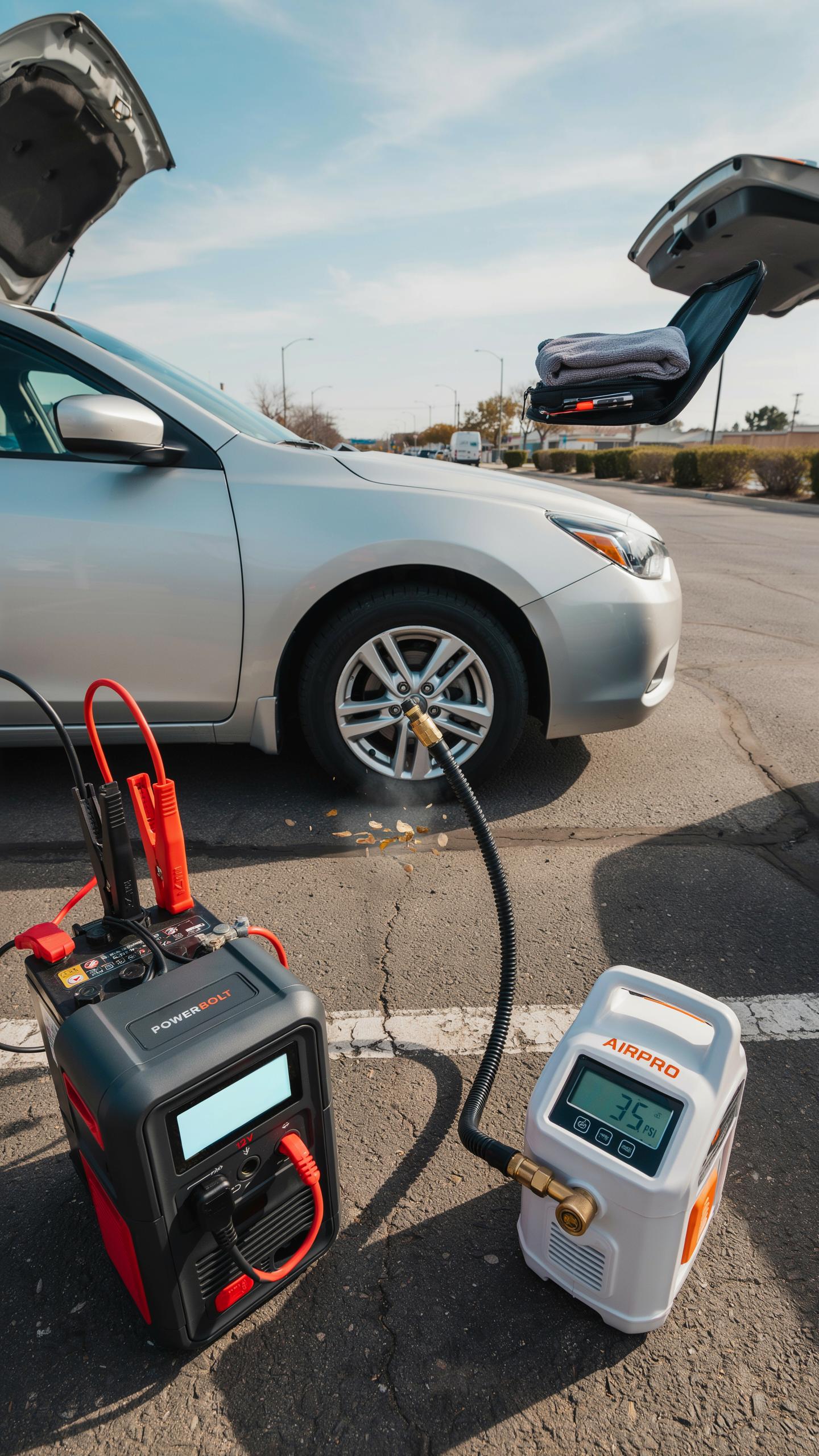
Combining a jump starter with an air compressor eliminates the need to carry separate tools. You get battery revival and tire inflation in one unit, saving trunk space and money. These hybrid devices range from compact models under two pounds to larger units with extended capabilities. The integration works because both functions draw from the same internal battery, though capacity determines how many tasks you can perform before recharging.
The practical value lies in addressing two common roadside problems simultaneously. A flat or underinflated tire often accompanies a dead battery during extended vehicle downtime. Single-unit solutions reduce decision fatigue about what equipment to pack. Manufacturers design these devices to prioritize one function while maintaining functional performance on the secondary task, so review specifications for your primary use case.
Maintaining Proper Tire Pressure Anywhere
Correctly inflated tires directly impact fuel economy and handling stability. Underinflated tires generate excess heat, increasing blowout risk and reducing tire lifespan. An integrated compressor lets you adjust pressure at any location without searching for gas stations. Most units include a pressure gauge and preset inflation modes for different vehicle types, removing guesswork from the process.

Tire pressure fluctuates with temperature changes and gradual air loss over months. Winter cold alone can drop pressure by one PSI for every ten degree Fahrenheit drop. Portable compressors with jump starters mean you maintain safety standards regardless of location or time. Check your vehicle’s door jamb or owner manual for the correct pressure specification, then use your compressor to reach that target.
Using And Maintaining Your Portable Car Battery Charger
Step By Step Guide To Jump Starting Your Car
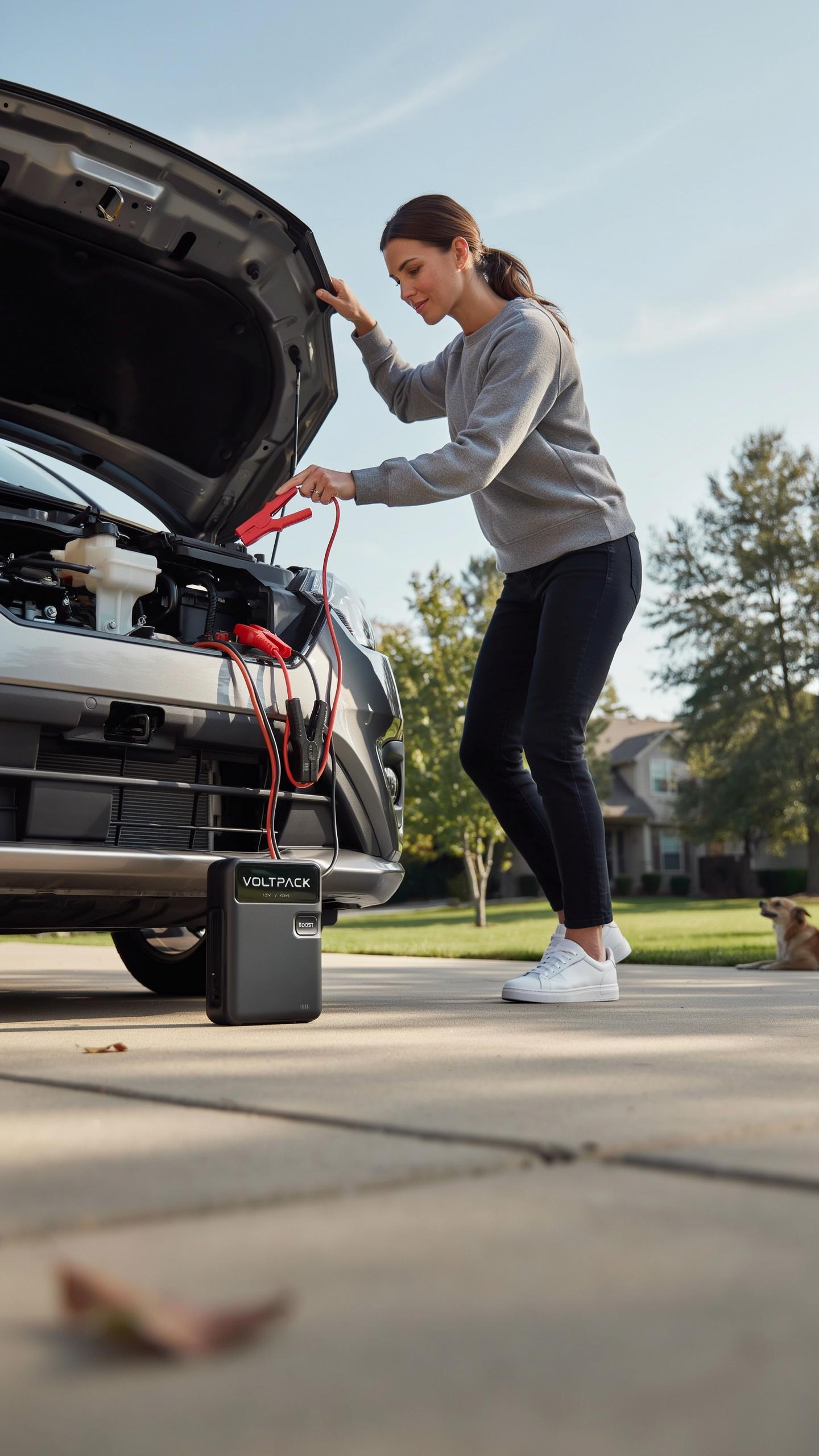
Turn off your vehicle’s engine before connecting anything. Locate your battery under the hood and identify the positive and negative terminals. Red clamps attach to the positive terminal, black clamps to the negative terminal or a bare metal ground point away from the battery. Connect the jump starter’s positive clamp first, then the negative clamp. Power on the device according to manufacturer instructions.
Start your vehicle once the jump starter powers up. The engine should turn over within seconds. Let your car run for a few minutes to stabilize. Disconnect the clamps in reverse order: negative first, then positive. Remove the negative clamp from your car, then the negative from the jump starter. Finish by disconnecting the positive clamp from your car, then from the device. Drive for at least twenty minutes to recharge your battery.
Tips For Extending The Life Of Your Device
Charge your jump starter every three to six months, even if you haven’t used it. This prevents battery degradation and ensures the device works when you need it. Store it in a cool, dry location away from extreme temperatures. Never expose it to moisture or direct sunlight. Keep it in your vehicle’s glove compartment or trunk, or store it indoors in a climate controlled space.

Check your device before each use by reviewing the manual’s testing procedure. Replace worn cables or connectors before they cause connection problems. Clean corroded terminal clamps with a dry cloth to maintain proper contact. Avoid dropping or subjecting the jump starter to physical impact, as internal components can fail. Respect the device’s maximum amp output rating and never exceed it during operation.
The Best Portable Jump Starters For Every Driver
Top Picks For Compact And Powerful Devices
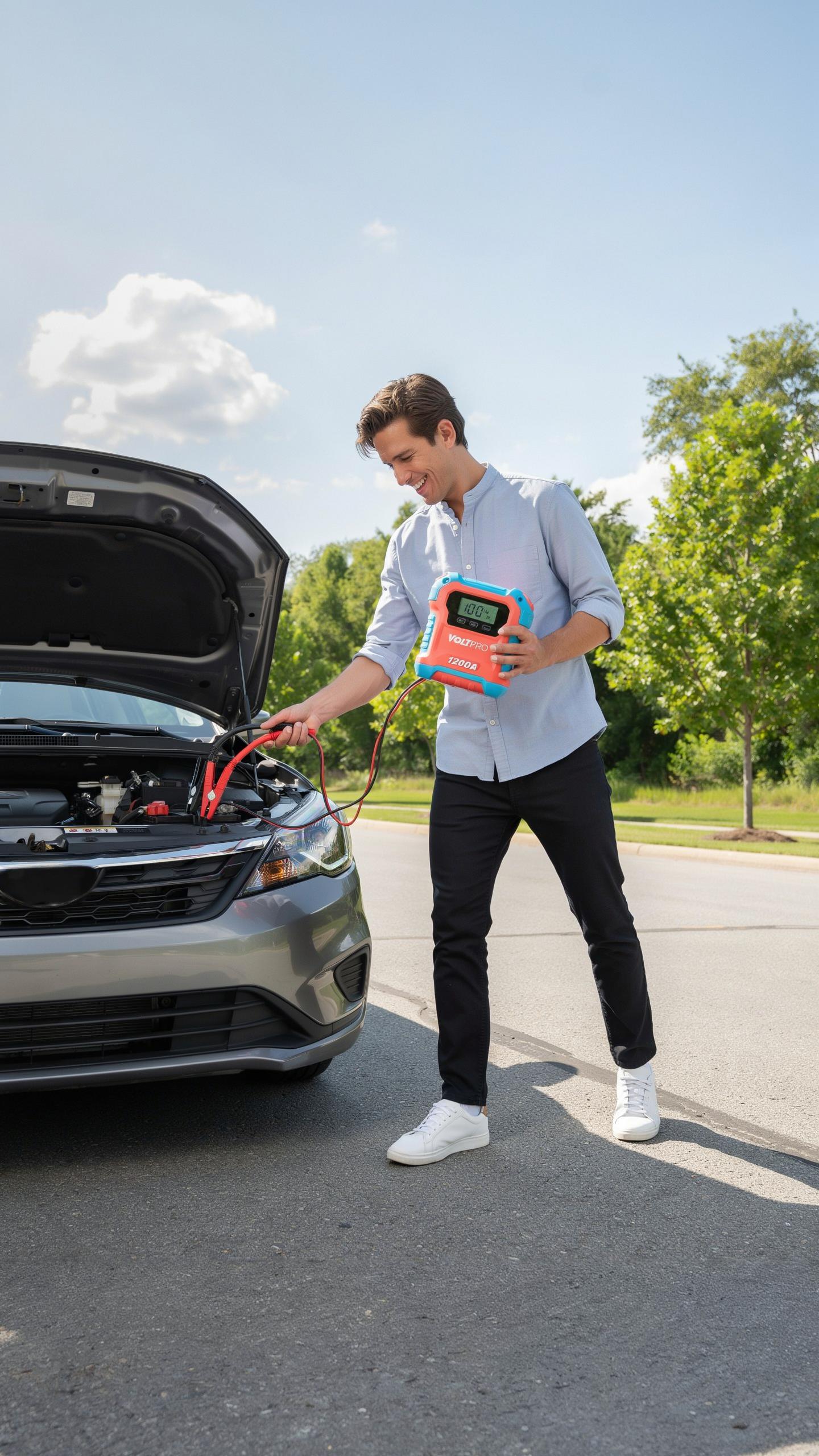
Modern portable jump starters deliver 400 to 2000 amps of peak current in packages smaller than a paperback book. Lithium ion battery technology enables this density. Devices under two pounds handle most sedan and compact truck starts effectively. Weight matters for trunk storage and emergency portability. Leading models use aluminum or rubberized shells for durability and heat dissipation.
Real world performance hinges on peak amp output and sustained delivery capacity. A 1000 amp unit handles most vehicles. Integrated LED flashlights and USB charging ports add utility without compromising size. Built in safety features like reverse polarity protection and over temperature shutoff prevent damage to your vehicle’s electrical system. Check the warranty length. Most quality units carry two to three year coverage.
Budget Friendly Vs. Premium Options
Entry level jump starters cost 30 to 60 dollars and deliver 400 to 800 amps. These handle small vehicles reliably. They weigh under one pound and fit easily in a glove box. Battery quality varies significantly at this price point. Look for models with established customer reviews over five hundred units sold. Mid range options at 60 to 120 dollars offer 1000 to 1500 amps with faster recharge times and longer shelf life.

Premium units exceed 150 dollars and provide 2000 amp peak output with professional grade construction. These models charge car batteries faster and start larger vehicles consistently. They include multiple USB ports, wireless charging pads, and air compressors in some cases. Premium devices last longer and retain charge better during storage. Your budget choice depends on vehicle size and emergency readiness expectations. A sedan owner benefits from budget options. Truck or SUV owners justify mid to premium tier purchases.
Why Every Car Should Have A Portable Jump Starter
Peace Of Mind On The Road
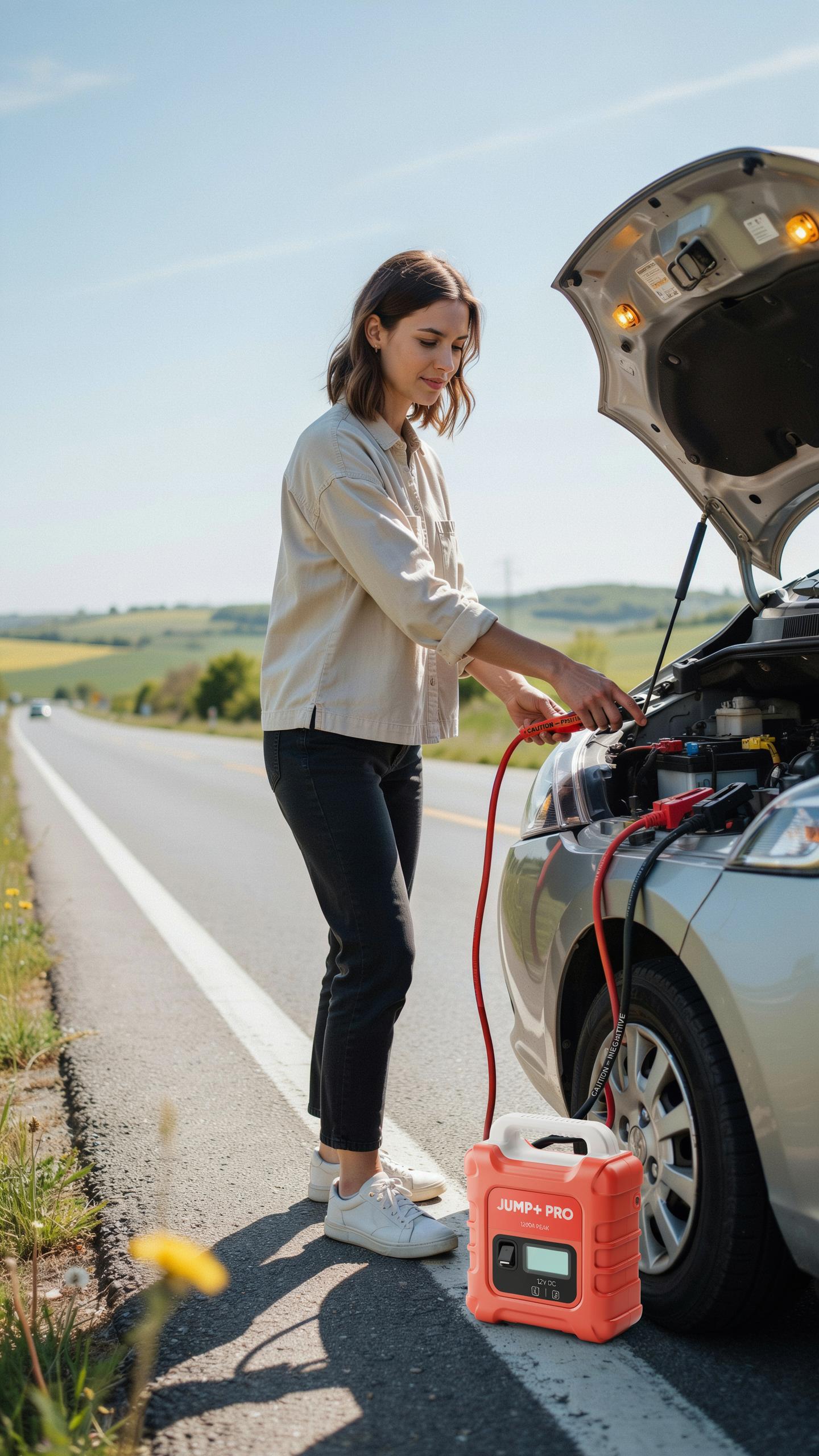
A portable jump starter eliminates the dependency on other drivers or roadside assistance services. You control the situation instead of waiting for help to arrive. This independence matters when you’re in remote areas, traveling late at night, or dealing with unreliable cellular coverage. You get your car running without owing favors or paying service fees.
The reality is straightforward: dead batteries happen without warning. A portable jump starter sits ready in your glovebox, trunk, or under a seat. You deploy it in minutes without any special knowledge or tools. This capability removes anxiety from daily driving and long-distance travel.
An Essential Emergency Tool
Dead batteries rank among the most common vehicle emergencies. Winter cold, old batteries, and electrical malfunctions create situations where you need immediate power. A portable jump starter addresses this problem faster and more reliably than calling for help. It functions as core equipment, not an optional luxury item.
Experienced drivers treat portable jump starters like spare tires or first aid kits. You hope you never need them, but you always keep them accessible. The cost is minimal compared to towing fees or missed appointments caused by a stranded vehicle. This tool prevents cascading problems that stem from a single battery failure.
Frequently Asked Questions

What exactly is a portable jump starter and why would I need one?
A portable jump starter for car battery is a compact, rechargeable device that can independently start your vehicle when its battery dies. It eliminates the need for another car or jumper cables, offering a convenient and safe solution for unexpected battery issues, ensuring you’re never stranded.
How do I safely use a portable jump starter on my car battery?
First, ensure both the jump starter and your car are off. Connect the red clamp to your car’s positive battery terminal and the black clamp to a metal ground on your engine block (or the negative battery terminal if your manual allows). Turn on the portable jump starter, start your car, then disconnect in reverse order.
Are there affordable portable jump starter options available for various car types?
Absolutely! Many reputable brands offer a portable jump starter for car battery across a wide price range. You can find reliable models suitable for sedans, SUVs, and even some trucks, without breaking the bank. Always check the peak amperage to ensure it matches your vehicle’s needs.