What Is A Bluetooth OBD2 Scanner
Definition
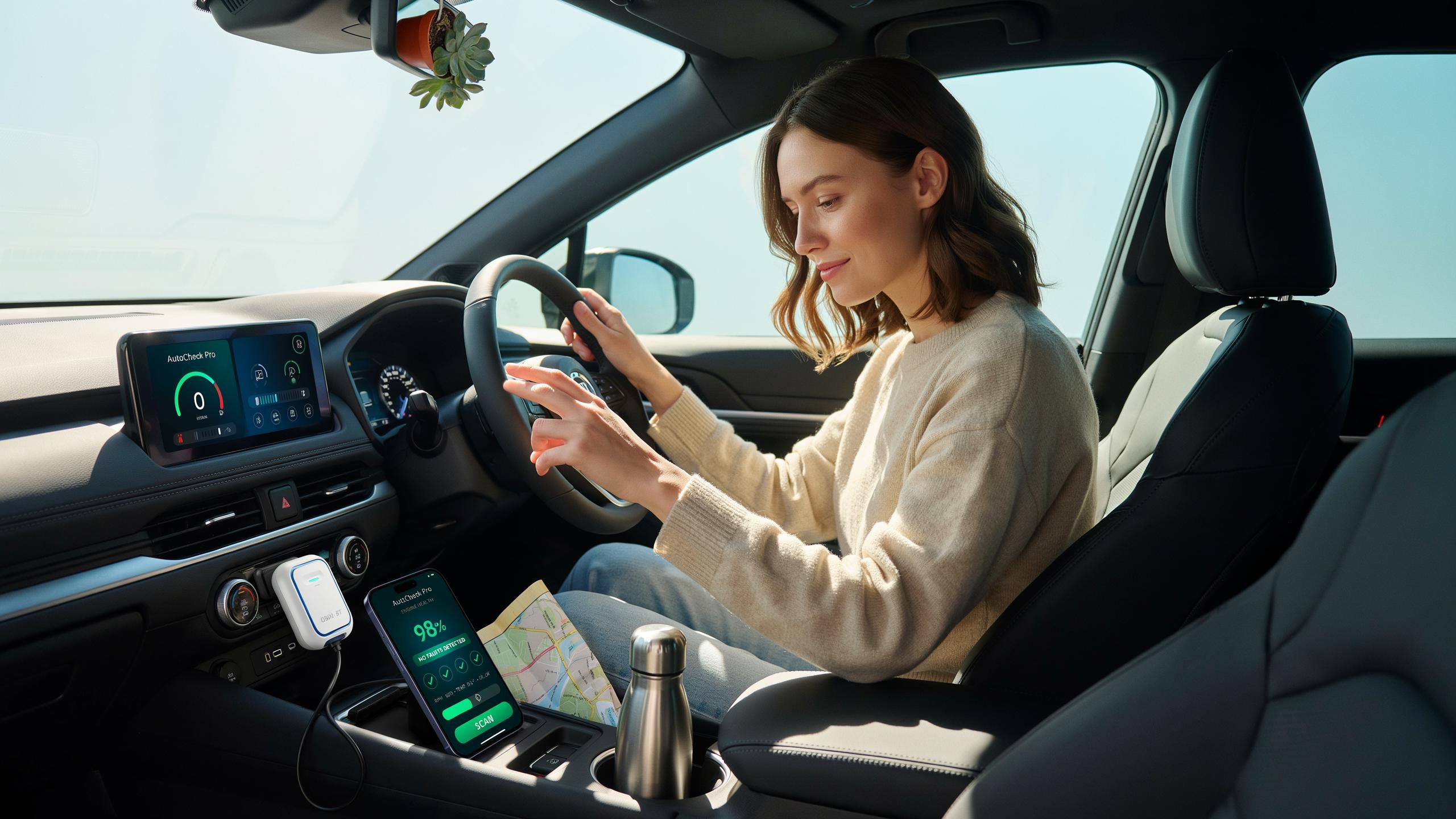
An OBD2 scanner reads diagnostic trouble codes from your car’s onboard diagnostic system. Every vehicle sold in North America since 1996 has an OBD2 port that stores engine data. A Bluetooth OBD2 scanner connects wirelessly to this port and transmits information to your phone or tablet via Bluetooth technology. This eliminates the need for wired connections and proprietary software on a laptop.
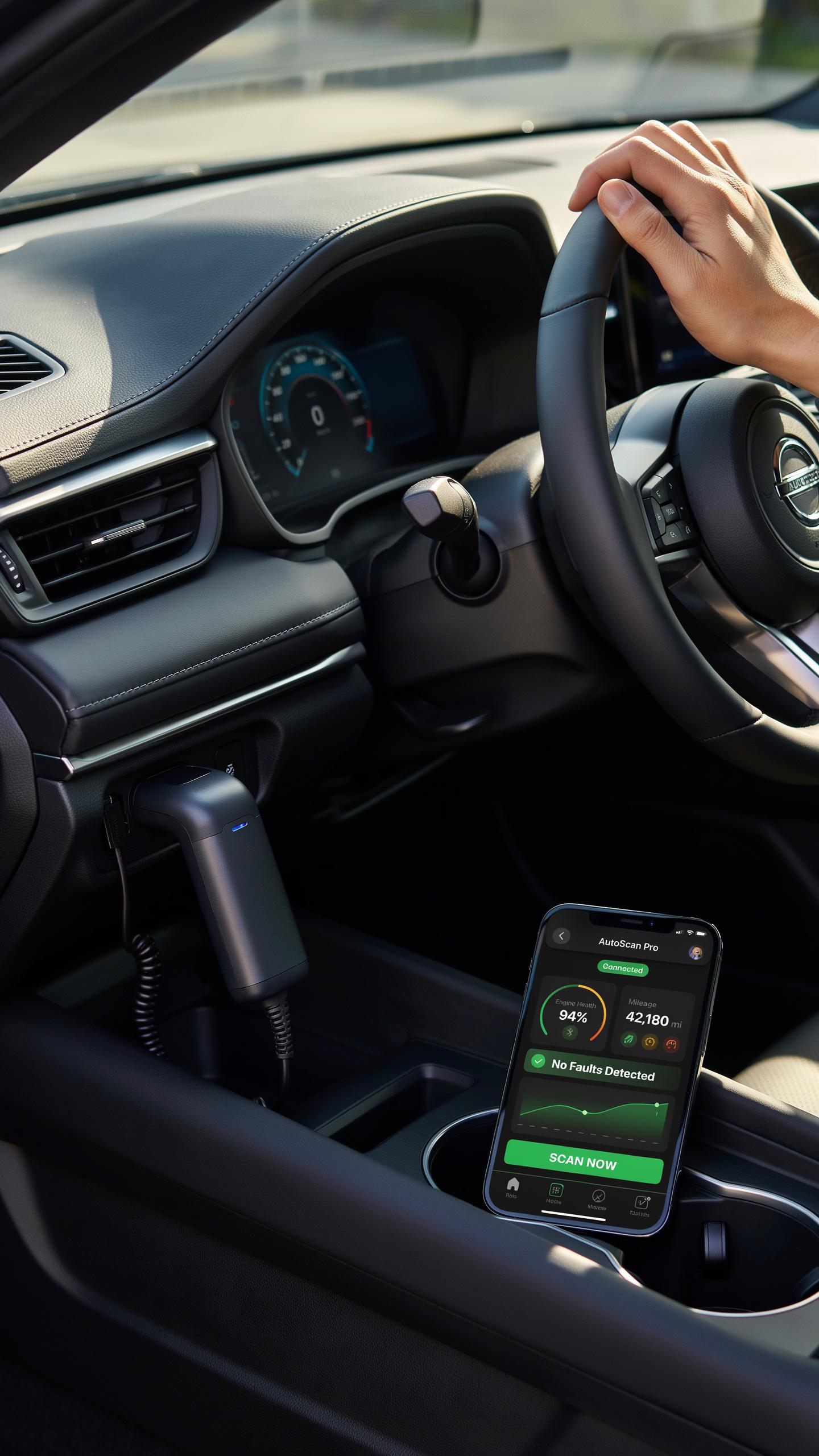
The Bluetooth version removes friction from the diagnostic process. You plug the device into your car’s OBD2 port, pair it with your phone through Bluetooth, and access real time engine data through an app. You get immediate visibility into engine performance, emissions issues, and system faults without visiting a mechanic first.
How It Works
Your car stores diagnostic data in its Engine Control Unit (ECU). The OBD2 scanner physically connects to the diagnostic port under your dashboard. It reads the data the ECU collects and translates it into readable information. Bluetooth then wirelessly transmits this data to your mobile device.
The scanner acts as a bridge between your car’s computer and your phone. Once paired, the Bluetooth connection stays active as long as the device remains powered and within range. The mobile app displays live sensor readings, fault codes, and system status in real time. You can clear codes, monitor performance metrics, and track issues over time without any wired connection.
Why Every Beginner Needs A Car Diagnostic Tool
Cost Saving
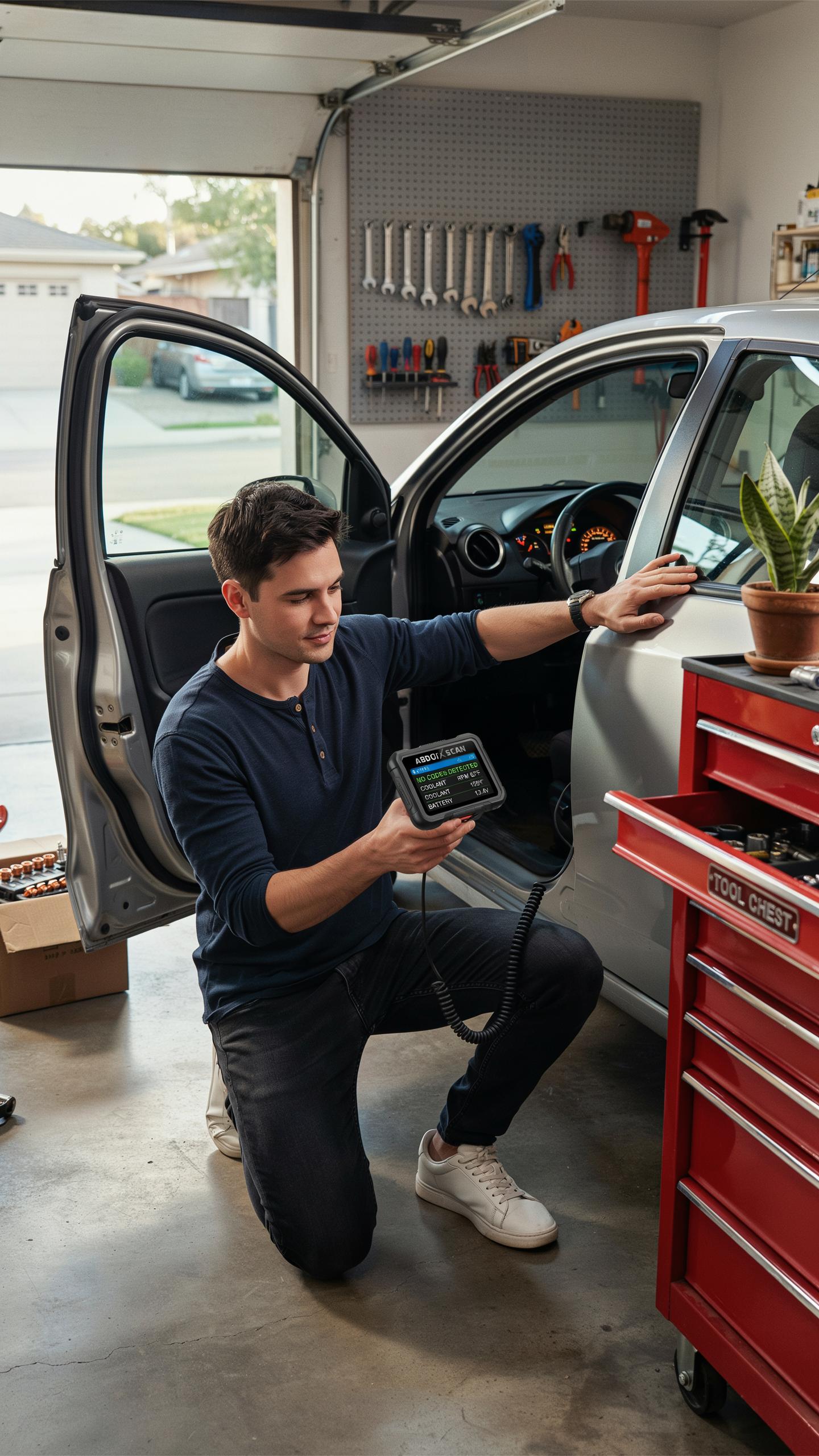
Engine problems caught early cost far less to fix than ignored problems. A Bluetooth OBD2 scanner reads your car’s computer codes before problems become expensive. For example, a faulty oxygen sensor detected early prevents catalytic converter damage. Catalytic converters cost 800 to 2000 dollars to replace. That same oxygen sensor costs 150 to 300 dollars.
Transmission fluid leaks show up as codes before your transmission fails. Transmission repairs run 1500 to 4000 dollars depending on damage. A Bluetooth OBD2 scanner flags transmission issues for 50 to 150 dollars upfront. You catch problems at the diagnostic stage, not the crisis stage. This approach saves thousands over a vehicle’s lifetime.
Peace Of Mind
Dashboard warning lights create uncertainty. You don’t know if the problem is critical or minor. A Bluetooth OBD2 scanner connects to your phone and tells you exactly what triggered the light. You get the actual code and description instead of guessing. This eliminates the anxiety of wondering if you can drive safely.
Understanding your car’s status removes the stress of unexpected breakdowns. You know which systems work and which need attention. This knowledge lets you plan repairs on your schedule, not on the side of the road. You control the situation instead of reacting to emergencies.
Choosing The Right Bluetooth Car Scanner For You
Compatibility
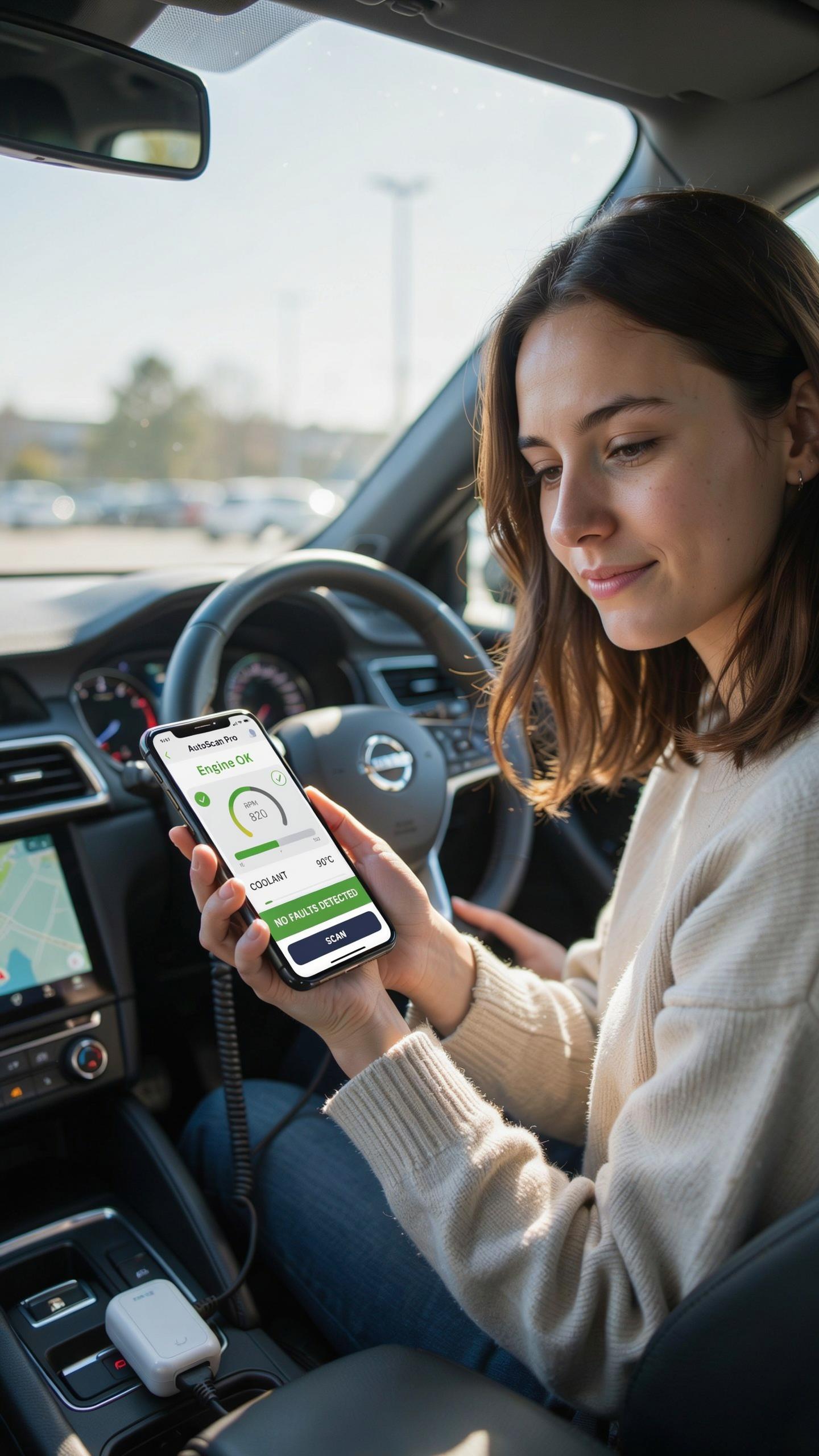
Your scanner only works if your vehicle supports it. All cars manufactured after 1996 in the United States have OBD2 ports. This is the standard diagnostic connector mandated by the EPA. Check your vehicle’s year, make, and model against the scanner’s compatibility list before purchasing. Some scanners work universally across all OBD2 vehicles. Others target specific brands like Ford or Toyota.
Your phone’s operating system matters equally. Bluetooth scanners run on iOS or Android apps. Verify the app exists and works on your phone’s current OS version. Older phones may not support newer app updates. Confirm download availability in the Apple App Store or Google Play Store. Incompatibility creates dead money and wasted effort.
Features
Reading and clearing diagnostic trouble codes is the baseline function. Every Bluetooth scanner does this. When your check engine light appears, the scanner pulls the code and explains what triggered it. Clearing codes resets the warning light after you fix the problem. These two functions handle ninety percent of beginner diagnostics. Everything else builds from this foundation.
Live data streaming shows real-time engine metrics while driving. You monitor oxygen sensor readings, fuel trim values, engine temperature, and RPM simultaneously. This reveals performance issues that codes alone cannot identify. Advanced models stream twenty to fifty data points at once. Basic models show fewer metrics but remain useful for troubleshooting. Streaming capability separates functional scanners from basic code readers.
Getting Started Connecting Your Bluetooth OBD2 Scanner
Installation
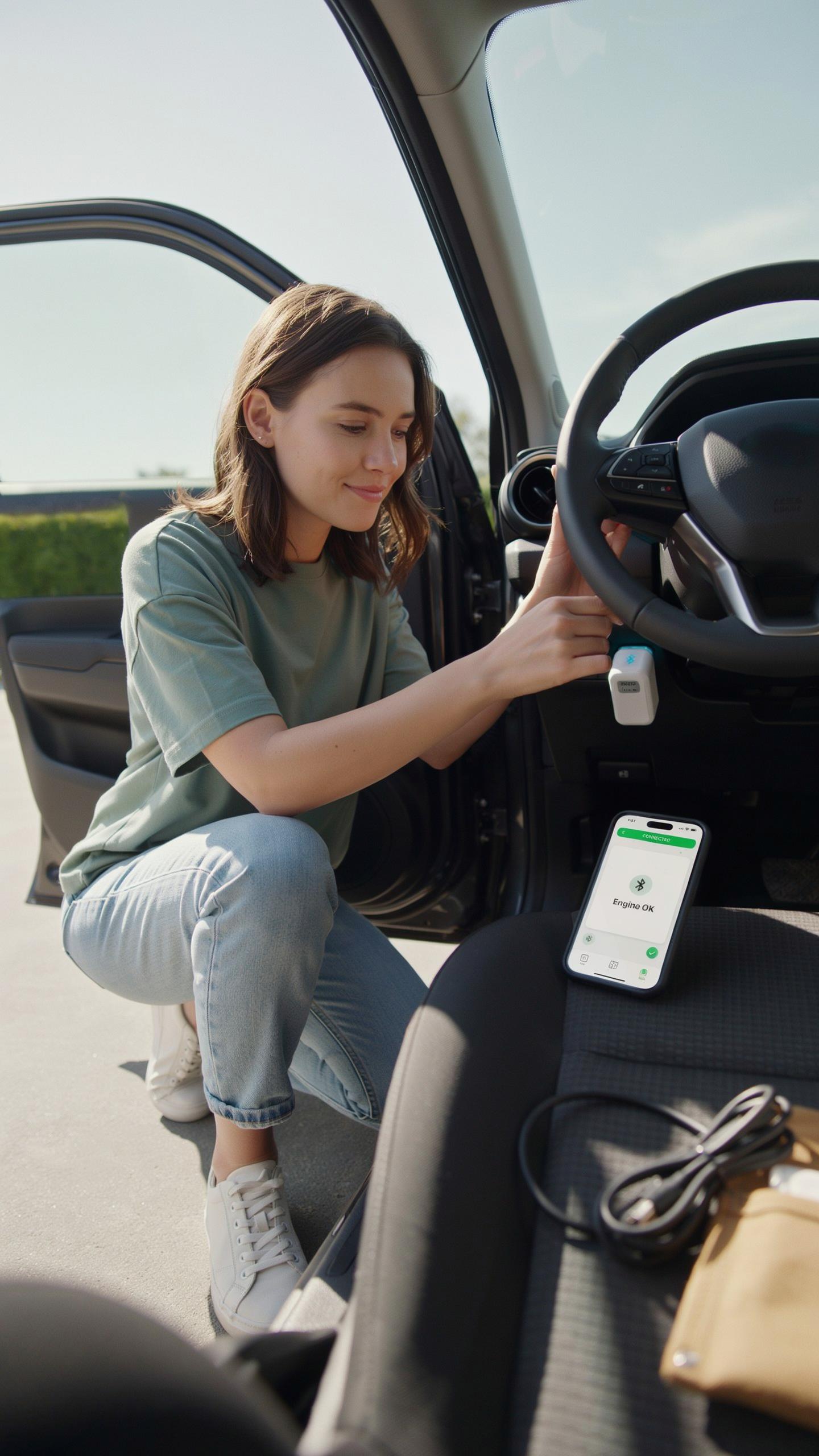
Locate your car’s OBD2 port. It sits under the dashboard on the driver’s side, typically below the steering wheel. The port is a 16-pin connector. Push your scanner straight into the port until you hear a click. The device powers on automatically once connected. No tools required. Verify your vehicle’s year and make match the scanner’s compatibility list before installation.
Most scanners draw power directly from the OBD2 port. Your car’s engine does not need to run during installation. However, you must turn your ignition to the ON position to activate the port. Leave the engine off until you complete the pairing process. This prevents unnecessary wear on your vehicle’s electrical system during initial setup.
Pairing
Open your phone’s Bluetooth settings and search for available devices. Your scanner appears as a specific model name, such as “BAFX Products” or “Viecar.” Select it from the list. Most scanners use a default PIN code, typically 0000 or 1234. Enter the PIN when prompted. The scanner and phone confirm the connection within seconds.
After pairing completes, open your diagnostic app. Verify the app recognizes your scanner by checking the connection status. Start your car’s engine if the app requires it. The app communicates with your vehicle’s computer through the scanner. You now access real time engine data, fault codes, and vehicle parameters. Disconnect by turning off Bluetooth on your phone or removing the scanner from the port.
Decoding Your CarS Health Understanding Diagnostic Trouble Codes DTCs
What Are DTCs
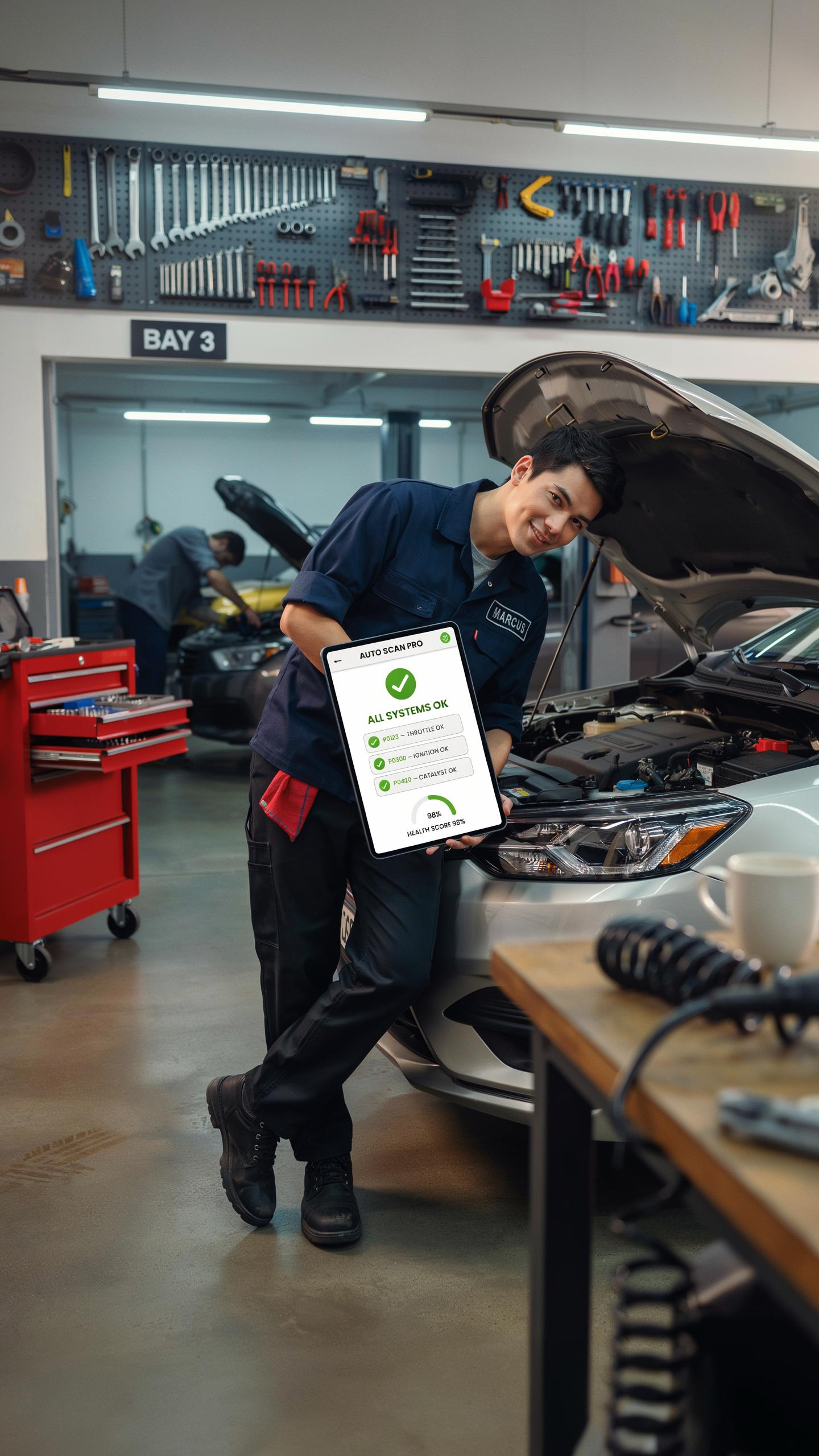
Your car’s engine control unit monitors hundreds of sensors and systems constantly. When something deviates from normal parameters, the system logs a Diagnostic Trouble Code. DTCs are standardized alphanumeric codes that identify which system failed and what went wrong. Your Bluetooth OBD2 scanner retrieves these codes from your vehicle’s computer.
DTCs follow a uniform structure across all manufacturers. Each code starts with a letter indicating the system affected: P for powertrain, C for chassis, B for body, U for network. Numbers that follow pinpoint the exact problem. Understanding this format helps you interpret what your scanner displays without guessing or second-guessing the results.
Common Codes
Your vehicle generates specific codes repeatedly across different models and makes. These codes alert you to problems ranging from minor to severe. A Bluetooth OBD2 scanner pulls these codes instantly, showing you exactly what needs attention.
- P0101 Mass Airflow Sensor Range/Performance: The MAF sensor measures incoming air. A dirty or failing sensor triggers this code, affecting fuel economy and engine performance.
- P0420 Catalyst System Efficiency Below Threshold: Your catalytic converter isn’t filtering emissions properly. This code indicates a failing converter or oxygen sensor malfunction.
- P0128 Coolant Thermostat Operation: The thermostat fails to open or close at the correct temperature. This affects engine efficiency and heating performance in your cabin.
- P0300 Random Cylinder Misfire Detected: One or more cylinders aren’t firing consistently. Causes include bad spark plugs, fuel injectors, or ignition coils.
- P0171 System Too Lean Bank 1: Your engine receives too much air relative to fuel. Check fuel pressure, injectors, or oxygen sensors for faults.
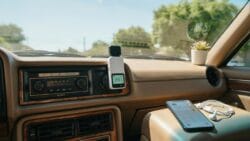
These codes represent the most frequent issues beginners encounter with their scanners. Knowing what they mean prevents unnecessary repair shop visits and saves you money on diagnostics.
Beyond Codes Utilizing Live Data For Better Engineering Insight

Live Data Explained
Live data streams real-time sensor readings directly from your vehicle’s engine control unit. A Bluetooth OBD2 scanner captures this information and displays it on your phone or tablet instantly. You see values like engine RPM, coolant temperature, oxygen sensor readings, and fuel pressure as they happen. This differs from diagnostic trouble codes, which only flag problems after they occur. Live data lets you watch your car’s systems perform during operation.
The OBD2 standard established in 1996 mandates that all vehicles broadcast this sensor data through a standardized protocol. Your Bluetooth scanner acts as an interpreter between the car’s proprietary language and your device’s screen. You’re essentially eavesdropping on conversations between dozens of sensors and the engine computer. This access reveals how your vehicle responds to acceleration, idling, and load changes. Understanding these patterns helps you catch emerging issues before they become failures.
The road ahead holds mysteries, but with a simple connection, your car’s story can beautifully unfold, just as every journey reveals its hidden gems.
Practical Applications
Monitor fuel trim values to detect fuel system problems early. Fuel trim indicates whether your engine runs too rich or too lean. A scanner shows you fuel trim percentages in real time, allowing you to catch injector clogs or vacuum leaks before they trigger check engine lights. Abnormal trim readings often appear weeks before diagnostic codes store themselves. Track these numbers during normal driving to establish your vehicle’s baseline.
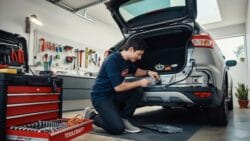
Engine coolant temperature monitoring prevents overheating damage and identifies thermostat failures. Watch coolant temp during city driving and highway cruising to spot temperature spikes or failure to reach normal operating range. A stuck-open thermostat keeps temperatures low even under load, reducing efficiency and triggering emissions issues. Catching this early prevents expensive head gasket repairs. Log temperatures over several drive cycles to spot patterns that signal mechanical problems developing.
Basic Repair And Maintenance With Your Scanner And Measurement Tools
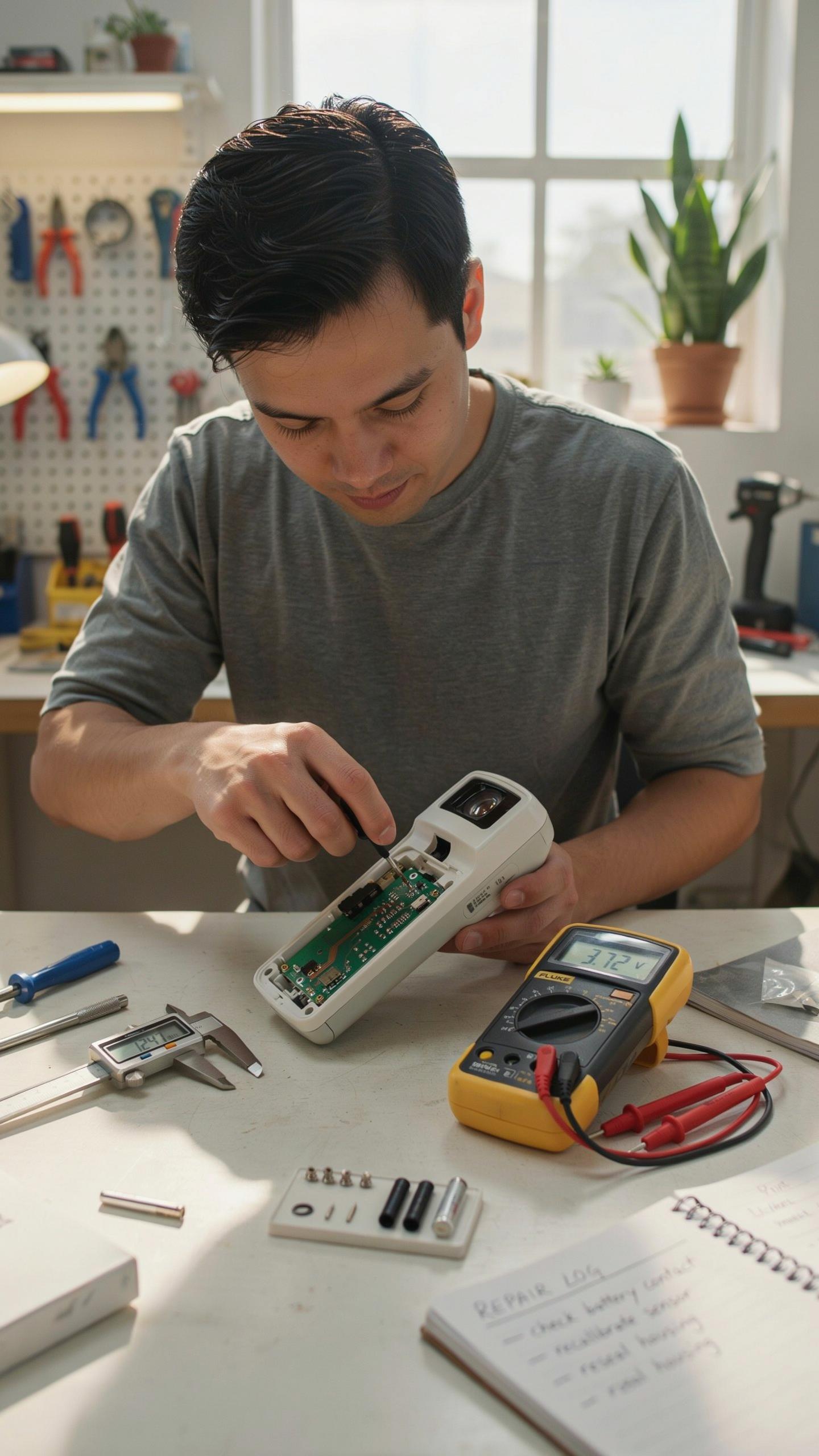
Empowering DIY
A Bluetooth OBD2 scanner retrieves fault codes and live data from your vehicle’s engine control module. This information identifies problems before they become expensive failures. You can diagnose issues like misfires, sensor failures, and emission system problems. The scanner eliminates guesswork and directs your repair efforts toward the actual problem.
Armed with accurate diagnostic data, you tackle repairs with confidence. You know whether your check engine light signals a loose gas cap or a failed oxygen sensor. You monitor fuel trim, coolant temperature, and fuel pressure in real time. This knowledge prevents unnecessary part replacements and saves money on labor costs at repair shops.
When To Seek Professional Help
Your scanner tells you what is wrong, not always how to fix it. Complex repairs like transmission rebuilds, internal engine work, or advanced suspension diagnostics require specialized equipment and training. Safety systems, airbags, and brake modules often demand dealer-level expertise. Recognize when the repair exceeds your skill level or requires equipment you don’t own.
Certain situations demand immediate professional attention. If your scanner indicates problems with catalytic converters, hybrid systems, or electronic stability control, consult a mechanic. Electrical gremlins that persist after basic diagnostics drain time and money from DIY efforts. Professional mechanics access manufacturer service bulletins and specialized diagnostic software that consumer scanners cannot provide.
Maximizing Your Bluetooth OBD2 ScannerS Potential Advanced Tips
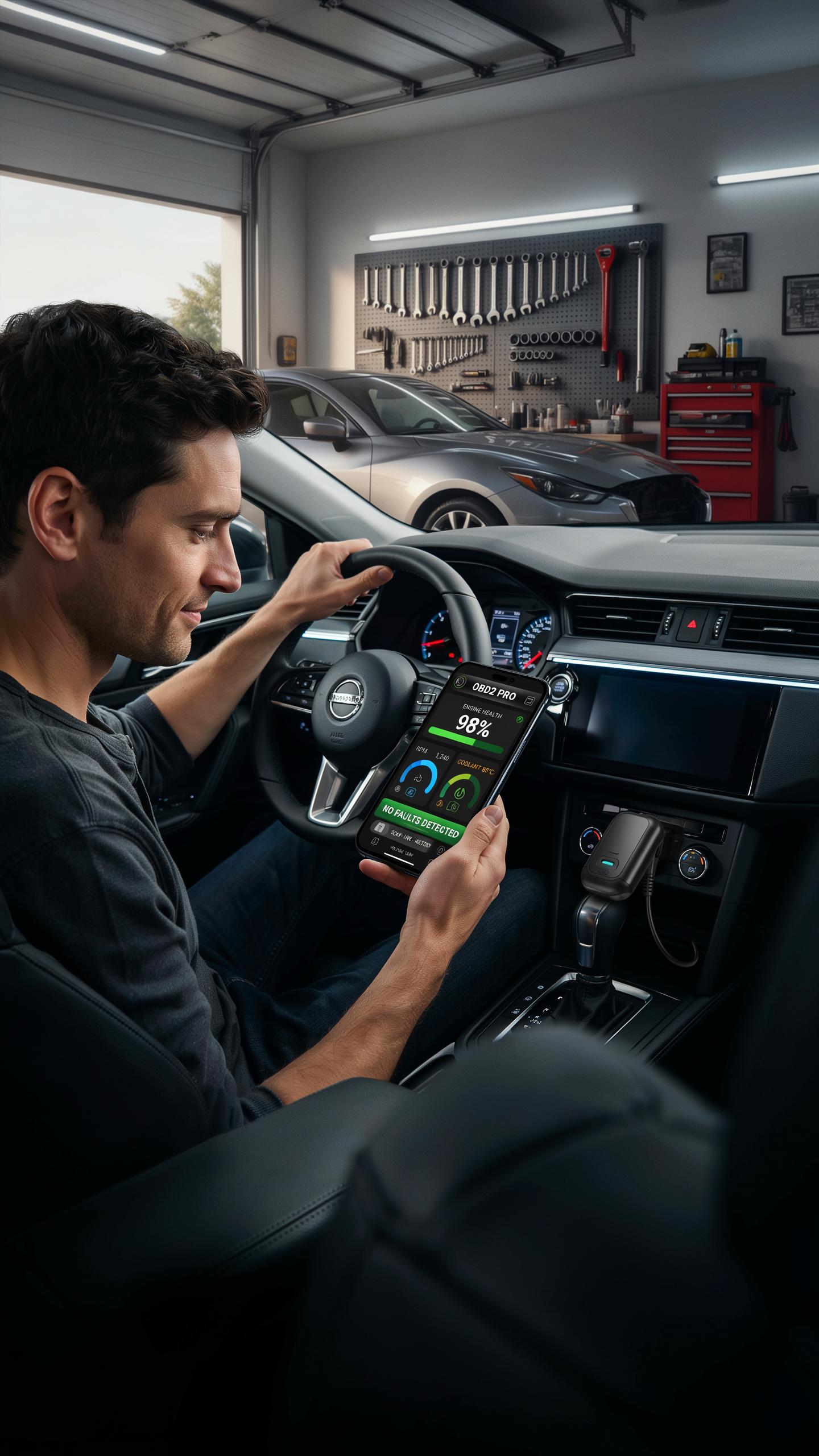
App Features
Most diagnostic apps offer data logging capabilities that record real-time engine parameters during drives. This feature captures fuel trim values, oxygen sensor readings, and engine load data. Data logging lets you identify intermittent problems that don’t trigger codes. Export this data to analyze patterns over multiple trips and spot recurring issues before they become failures.
Performance metrics within apps display live sensor data in customizable dashboards. You can monitor fuel economy, acceleration rates, and engine efficiency in real time. Stack multiple gauges on one screen to correlate different parameters simultaneously. This approach reveals how transmission shifts affect fuel consumption or how load impacts sensor response times.
Firmware Updates
Manufacturers release firmware updates to fix bugs, improve Bluetooth stability, and enhance scanning speed. Update your scanner device directly through the companion app when updates appear. These patches often resolve connection drops and compatibility issues with newer vehicle models. Delaying updates leaves your scanner vulnerable to performance problems and incompatibility with recently released diagnostic protocols.

App updates introduce new features, expand vehicle coverage, and refine code definitions. Update your diagnostic app separately from scanner firmware since they operate independently. New app versions sometimes add support for additional trouble code categories or improve data display accuracy. Check for updates monthly to access the latest capabilities and maintain access to expanding vehicle databases.
Frequently Asked Questions

What exactly is a Bluetooth OBD2 scanner and why would I need one for my car?
A Bluetooth OBD2 scanner is a small device that plugs into your car’s diagnostic port, allowing it to communicate wirelessly with your smartphone or tablet. It helps you understand “Check Engine” light codes, monitor performance, and perform basic diagnostics. It’s an essential tool for any car owner wanting to demystify their vehicle’s health.
How do I actually use a bluetooth obd2 scanner for car diagnostics once I’ve purchased one?
Using a bluetooth obd2 scanner for car diagnostics is surprisingly simple. First, plug the scanner into your car’s OBD2 port (usually under the dashboard). Then, download a compatible app to your smartphone and pair the scanner via Bluetooth. Finally, launch the app to scan for codes, view live data, and gain insights into your car’s performance.
Are these Bluetooth OBD2 scanners expensive, or can I find an affordable option?
You’ll be happy to know that bluetooth obd2 scanners are widely available at various price points, making them very accessible. While professional-grade scanners can be pricey, there are many excellent, budget-friendly options for under $50 that are perfect for beginners looking to perform basic car diagnostics and monitor their vehicle’s health effectively.