
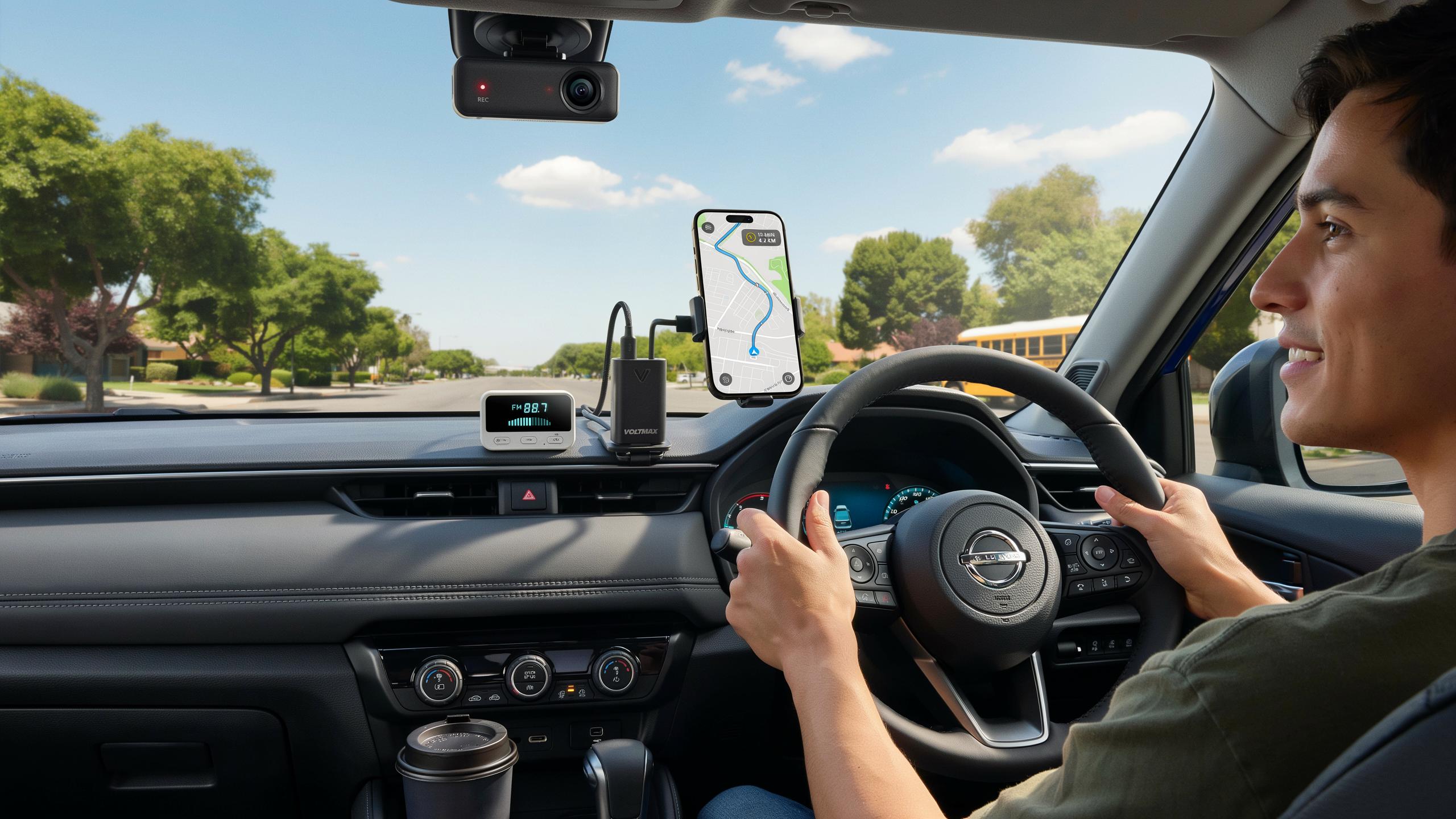
Introduction Affordable Car Tech Gadgets For Commuters
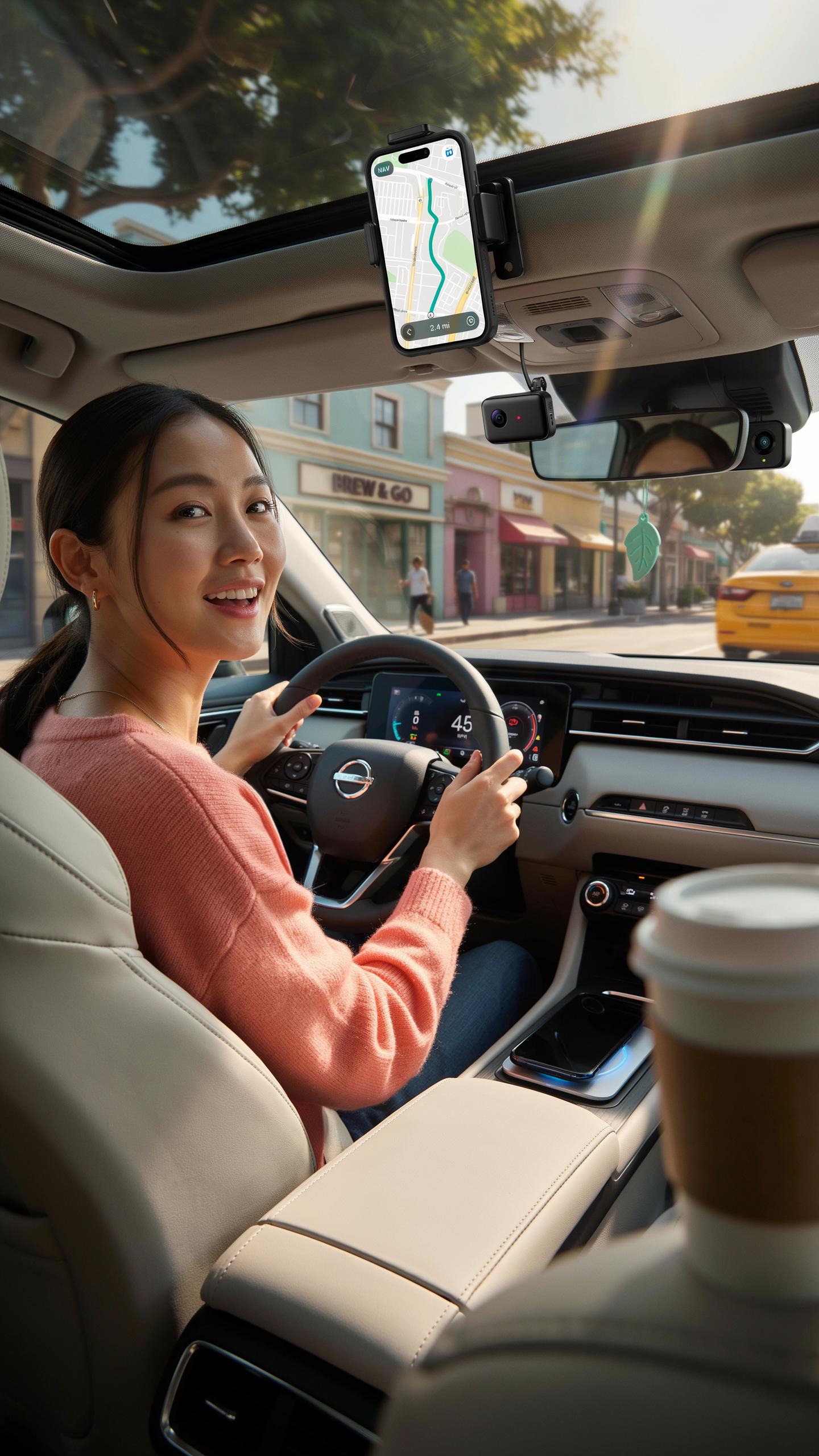
Why Commuters Need Smart Car Gadgets
Commuters spend significant time in vehicles. That time either wastes away or becomes productive. Smart car gadgets bridge the gap between these two outcomes. They solve real problems: poor navigation, dead phone batteries, unsafe driving conditions, and wasted fuel. The right gadget turns a commute from a liability into an asset. Commuters who adopt tech tools report better route efficiency and lower stress levels.
Modern commutes demand multitasking within safety constraints. Navigation apps drain phone batteries. Dashboard visibility varies by vehicle and time of day. Phone mounting and charging fragmentation create friction during daily drives. Bluetooth connectivity remains inconsistent across older vehicles and new phones. Gadgets address each of these friction points directly. They eliminate the need to choose between staying connected and staying safe.
Balancing Budget And Functionality
Budget constraints kill most tech purchases before they happen. A five hundred dollar dashcam makes no sense for a commuter with a thirty thousand dollar car. Smart buyers identify which problems cost the most money or time to solve. They prioritize accordingly. A fifty dollar phone mount prevents accidents and lost productivity. A thirty dollar car charger prevents dead batteries that lead to missed meetings.
Functionality without reliability becomes expensive clutter. Cheap gadgets fail within months, forcing replacement purchases that exceed initial savings. The best approach combines proven technology with fair pricing. Look for gadgets that solve one problem exceptionally well rather than many problems poorly. Budget commuters need durability, simplicity, and genuine utility. The most effective gadgets for budget commuters cost between twenty and one hundred dollars and deliver measurable results.
Essential Car Accessories For Daily Drives
Smartphone Mounts Keeping Your Navigation In Sight
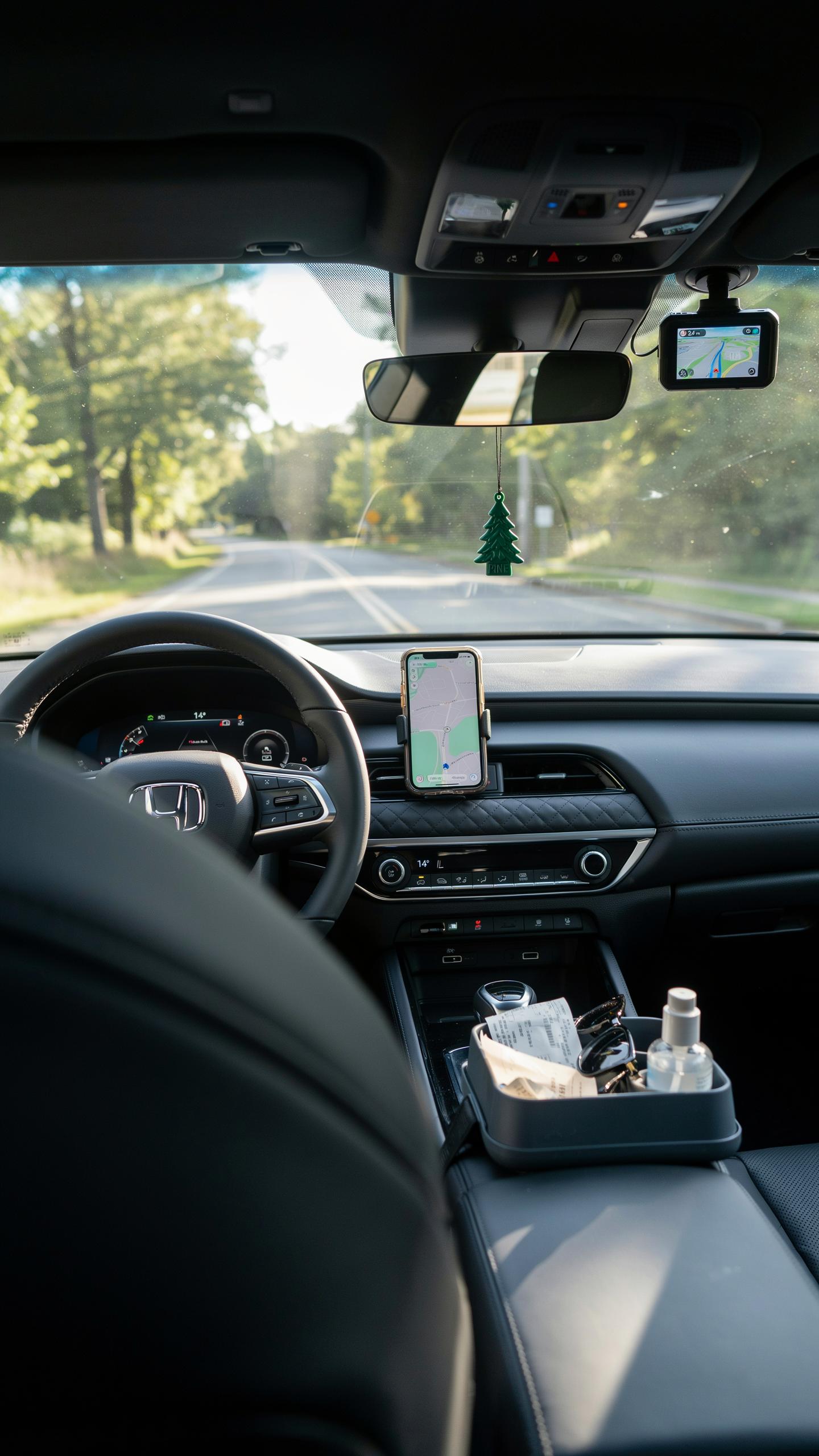
A smartphone mount secures your phone to your dashboard or windshield. This keeps navigation visible without forcing you to hold your device. Most mounts cost between 10 and 30 dollars. They attach via suction cups, adhesive pads, or air vent clips. Your phone stays accessible for GPS, music, and calls during commutes.
Dashboard and windshield mounts reduce distractions compared to handheld phone use. Vent clips work well in most vehicles and don’t require permanent installation. Suction cup mounts adjust easily but perform worse on curved windshields. Choose based on your vehicle type and mounting surface condition. A solid mount prevents phone damage from road vibrations and sudden stops.
USB Chargers Powering Up On The Go
USB car chargers plug into your vehicle’s 12-volt power outlet. They deliver power to phones, tablets, and portable batteries during drives. Most chargers cost between 10 and 25 dollars and support multiple devices. Dual-port chargers handle two devices simultaneously, which works for commuters with passengers. Quality chargers include overload protection to prevent device damage.

Fast charging capability depends on charger wattage and your device specifications. Standard chargers deliver 5 watts per port, while newer models reach 18 watts or higher. Longer commutes benefit from higher wattage chargers that restore battery percentage faster. Purchase from reputable brands with surge protection built in. Keep your charger in the car permanently to avoid forgetting it during trips.
Smart Car Gadgets For Enhanced Connectivity
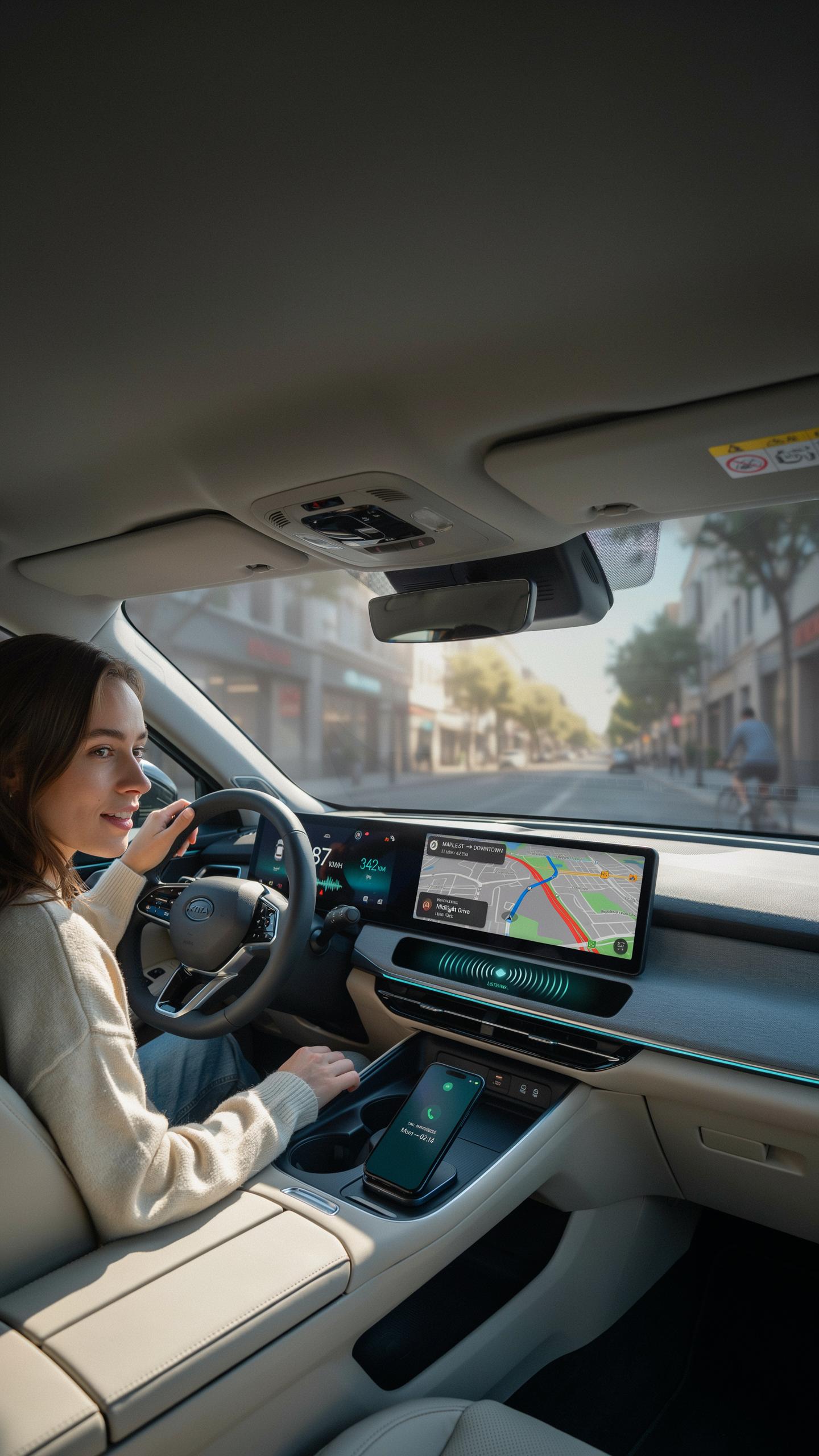
Bluetooth FM Transmitters Bringing Wireless Audio To Older Cars
Bluetooth FM transmitters solve a specific problem: connecting your phone to a car without aux input or Bluetooth. The device plugs into your cigarette lighter, tunes to an empty FM frequency, and broadcasts your phone’s audio through your existing car speakers. This works on vehicles from the 1980s forward. Cost runs between 15 and 40 dollars for reliable models.
Sound quality depends on local FM interference and transmitter quality. Budget units produce acceptable audio for podcasts and calls but struggle with music clarity at highway volumes. Premium versions use wider frequency ranges and better shielding. Most include USB charging ports for your phone, turning the device into dual functionality. The tradeoff is real: you gain connectivity but lose some audio fidelity compared to direct connections.
Portable Wi Fi Hotspots Staying Connected Anywhere
Portable Wi-Fi hotspots create a personal internet network inside your car using cellular data. You carry the device, and it converts mobile signal into Wi-Fi that your phone, tablet, or laptop can connect to. This works anywhere with cell coverage, not just during your commute. Costs range from 50 to 200 dollars upfront, plus monthly service charges from your carrier.

Data consumption is the critical factor. Streaming video burns through limits fast. If your plan includes unlimited data, hotspots become genuine productivity tools for long commutes. They let you handle work emails, load navigation offline, or download updates before driving. The practical benefit centers on eliminating reliance on expensive car Wi-Fi subscriptions from manufacturers, which often cost 10 to 20 dollars monthly.
Car Hacks For Convenience And Comfort
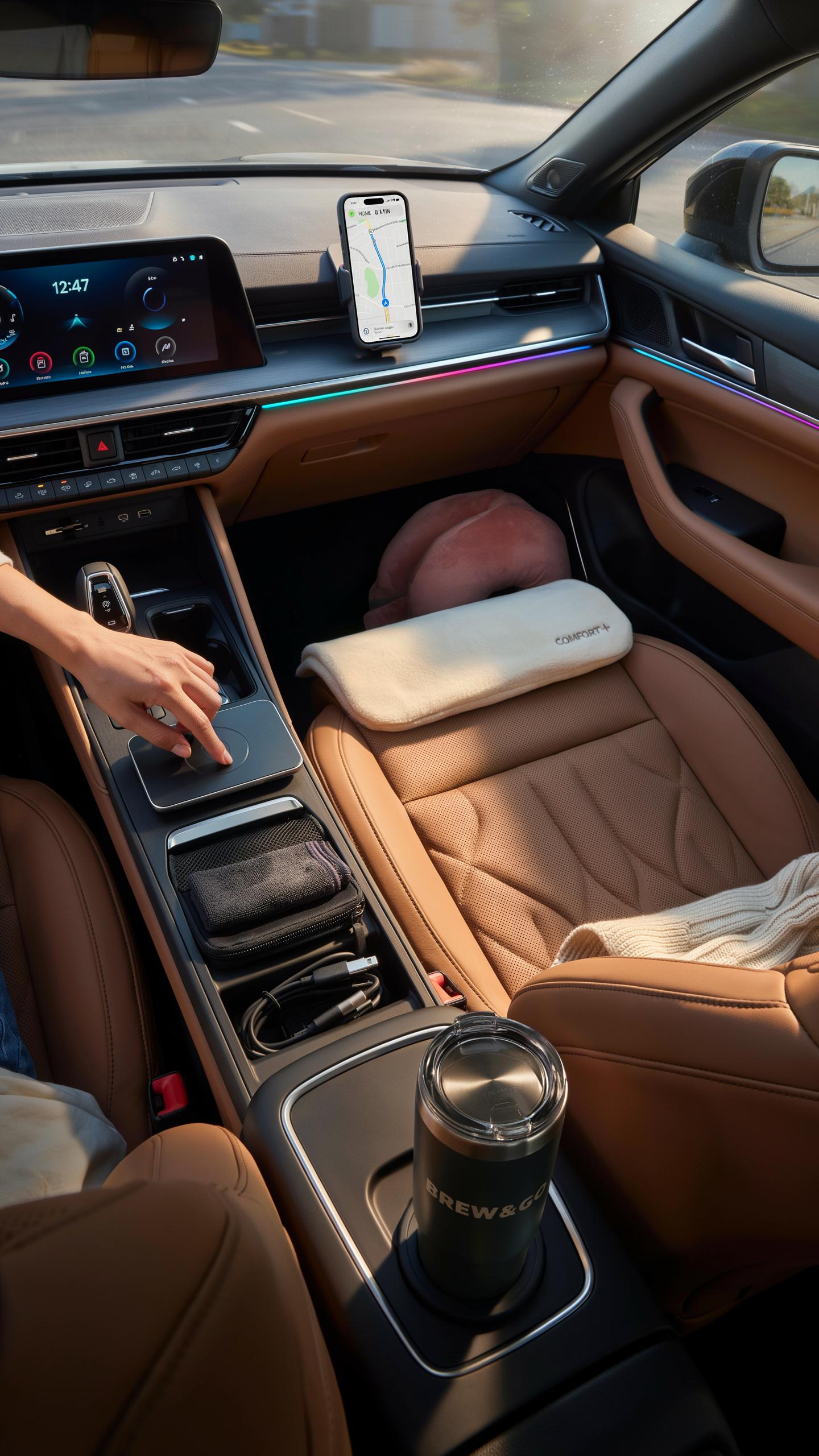
Car Organizers Keeping Your Space Tidy
A cluttered car wastes your mental energy and creates safety hazards. Loose items shift during braking and turns, distracting you from the road. Dashboard organizers, seat gap fillers, and door pocket expansions cost between five and thirty dollars. These tools keep essentials within arm’s reach without rolling under seats or blocking pedals.
Car organizers serve a tactical function beyond aesthetics. Cup holders that accommodate different sizes prevent spills that damage electronics and upholstery. Trunk dividers stop cargo from sliding during hard stops. Center console organizers with adjustable compartments hold phone chargers, coins, and documents in fixed positions. You reclaim usable space and eliminate the time wasted searching for items during your commute.
Seat Cushions And Lumbar Support Enhancing Long Drives
Lower back pain kills productivity and increases accident risk during commutes. Your factory seat lacks proper lumbar support, especially in economy vehicles. Aftermarket seat cushions and lumbar pillows cost between twenty and seventy dollars. These products compress and recover properly, distributing your weight across the seat rather than concentrating pressure on your tailbone and lower spine.

Proper spinal alignment during driving reduces fatigue and muscle soreness. Memory foam cushions mold to your unique shape over time. Lumbar rolls fit behind your lower back to maintain natural spine curvature. Gel-infused options prevent heat buildup that causes sweating on long drives. Quality seat support directly improves focus and reaction time during your daily commute.
Cool Car Accessories For Personalization
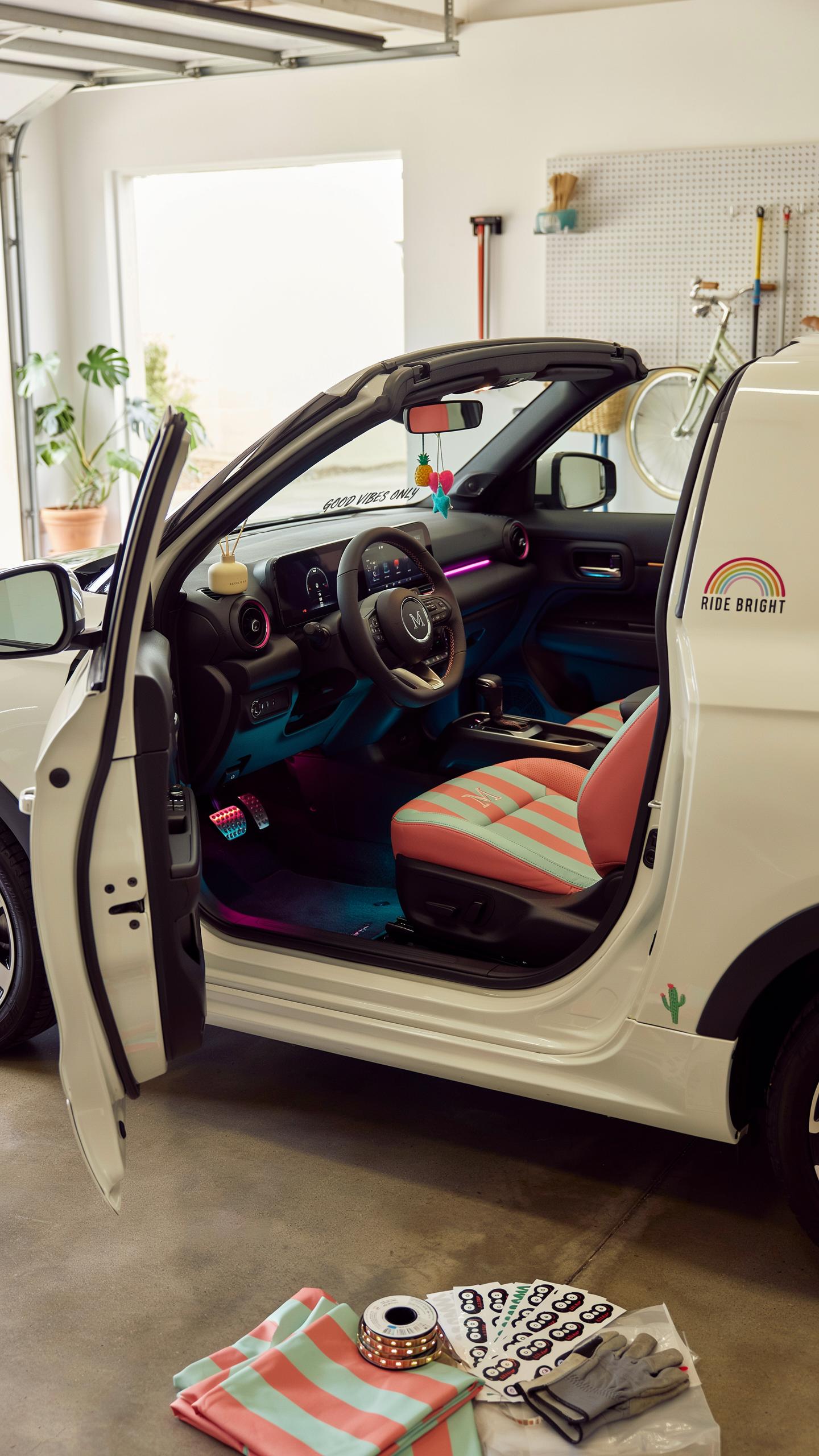
LED Interior Lighting Adding A Touch Of Style
LED interior lighting upgrades your dashboard and cabin with low-cost bulbs that last longer than factory halogens. Most retrofit kits cost between 15 and 50 dollars and install in minutes without tools. LEDs draw minimal power from your battery, reducing drain during extended idling. They produce brighter, whiter light that improves visibility at night while consuming 80 percent less energy than traditional bulbs.
Installation involves removing old dome lights, map lights, and dashboard illumination, then inserting LED replacements into existing sockets. Most commuter vehicles accept standard T10 and festoon bulb sizes available at auto parts retailers. LEDs reach full brightness instantly with no warm-up time. Your visibility improves immediately, and replacement bulbs outlast factory components by thousands of hours, eliminating repeat purchases for years.
Remember those long commutes, wishing for a little extra help? These clever gadgets bring modern convenience to your daily drive, proving that a smarter journey doesn’t have to break the bank.
Air Fresheners And Purifiers A Breath Of Fresh Air
Activated charcoal and carbon-based air purifiers eliminate odors and trap particulates without relying on chemical sprays. Vent-clip and dashboard-mounted models cost 10 to 35 dollars and work passively throughout your commute. These purifiers absorb cooking smells, pet odors, and stale air that accumulates in enclosed cabins. Replacing spent cartridges every three to six months maintains effectiveness at minimal expense compared to spray canisters.

Gel and solid air fresheners provide scent control through slow evaporation rather than aerosol sprays that fade quickly. HEPA-style purifier inserts fit standard cabin air filter slots, improving overall air quality without installation. Commuters with allergies or sensitivity to odors benefit from charcoal-based options that improve breathing comfort during stop-and-go traffic. These accessories require no power source and integrate seamlessly into existing interior layouts.
Best Car Safety Gadgets On A Budget
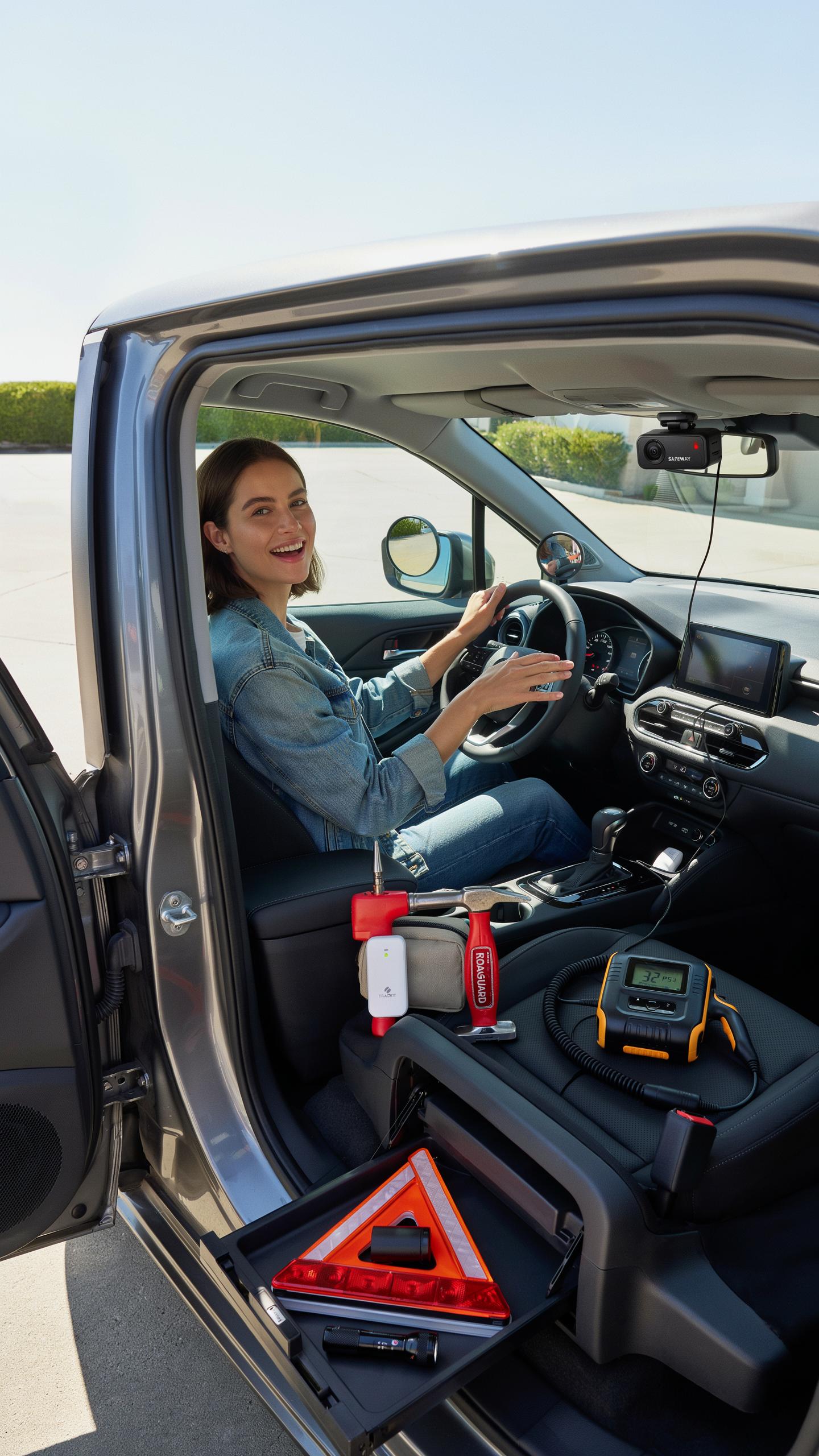
Dash Cams: Your Witness On The Road
Dash cams record video footage while you drive. They capture accidents, collisions, and road incidents automatically. Most models cost between 50 and 150 dollars. They store footage on memory cards. Insurance companies often reduce premiums for drivers with dash cam evidence. Police use dash cam footage to determine fault in accidents.
Quality matters more than price with dash cams. A 100 dollar model records 1080p video clearly enough for license plate identification. Loop recording overwrites old footage when the card fills up. Night vision capability costs extra but proves essential for commuters driving early mornings or late evenings. Battery backup keeps recording during sudden power loss from collisions.
Tire Pressure Monitoring Systems TPMS: Essential For Road Safety
Tire Pressure Monitoring Systems alert you when tire pressure drops below safe levels. TPMS reduces fuel waste and prevents blowouts. OEM systems cost 100 to 300 dollars during installation. Aftermarket wireless TPMS kits cost 30 to 80 dollars. They display pressure readings on your dashboard or phone. Low tire pressure increases stopping distance and causes tire failure at highway speeds.

Correct tire pressure extends tire lifespan by 5000 to 10000 miles per set. Every 10 degree temperature drop reduces tire pressure by 1 PSI. TPMS sensors last 5 to 10 years before requiring replacement. Wireless sensors eliminate wiring hassles in older vehicles. Check your manufacturer specifications for recommended pressure rather than relying on sidewall maximums.
Innovative Car Gadgets For Men And Women
Jump Starters Peace Of Mind For Battery Issues
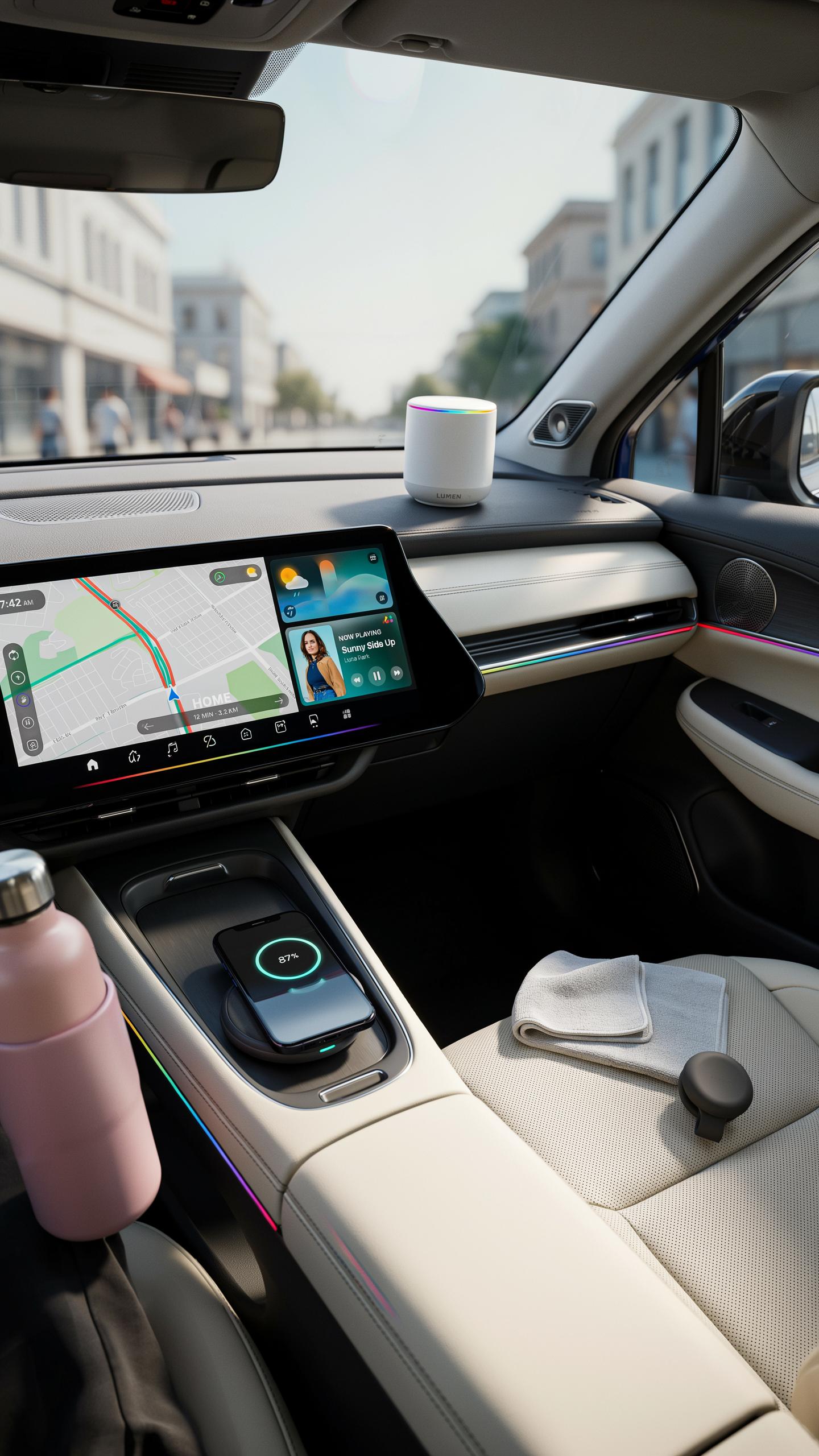
A dead battery kills your commute. Jump starters solve this without calling roadside assistance or waiting for a tow truck. Portable jump starters are compact units that store charge and deliver power directly to your battery terminals. They cost between 30 and 150 dollars depending on capacity and features. Most modern units work on cars, trucks, and even motorcycles.
Quality jump starters deliver 400 to 1200 amps of peak current. Higher amperage handles larger engines and multiple jump attempts without depleting the unit. Lithium-based models weigh less than lead-acid alternatives and hold charge longer. Keep one in your trunk year-round. A dead battery in winter or on a remote road becomes manageable with the right tool in your vehicle.
Blind Spot Mirrors Expanding Your Field Of Vision
Blind spots cause accidents. These mirrors attach to your existing side mirrors and expand your visible area. They cost 10 to 25 dollars and install in seconds with adhesive backing. Most commuters add one or two to the driver side where visibility gaps are worst. The curved design creates a wider viewing angle without distortion.

Blind spot mirrors reduce lane change accidents by letting you see vehicles you otherwise miss. They work during day and night driving. Installation requires a clean mirror surface and 24 hours for adhesive to set. Replace them yearly as adhesive deteriorates and reflective coating degrades from sun exposure and weather.
Smart Car Accessories For Parking And Navigation
Parking Sensors Navigating Tight Spots With Ease
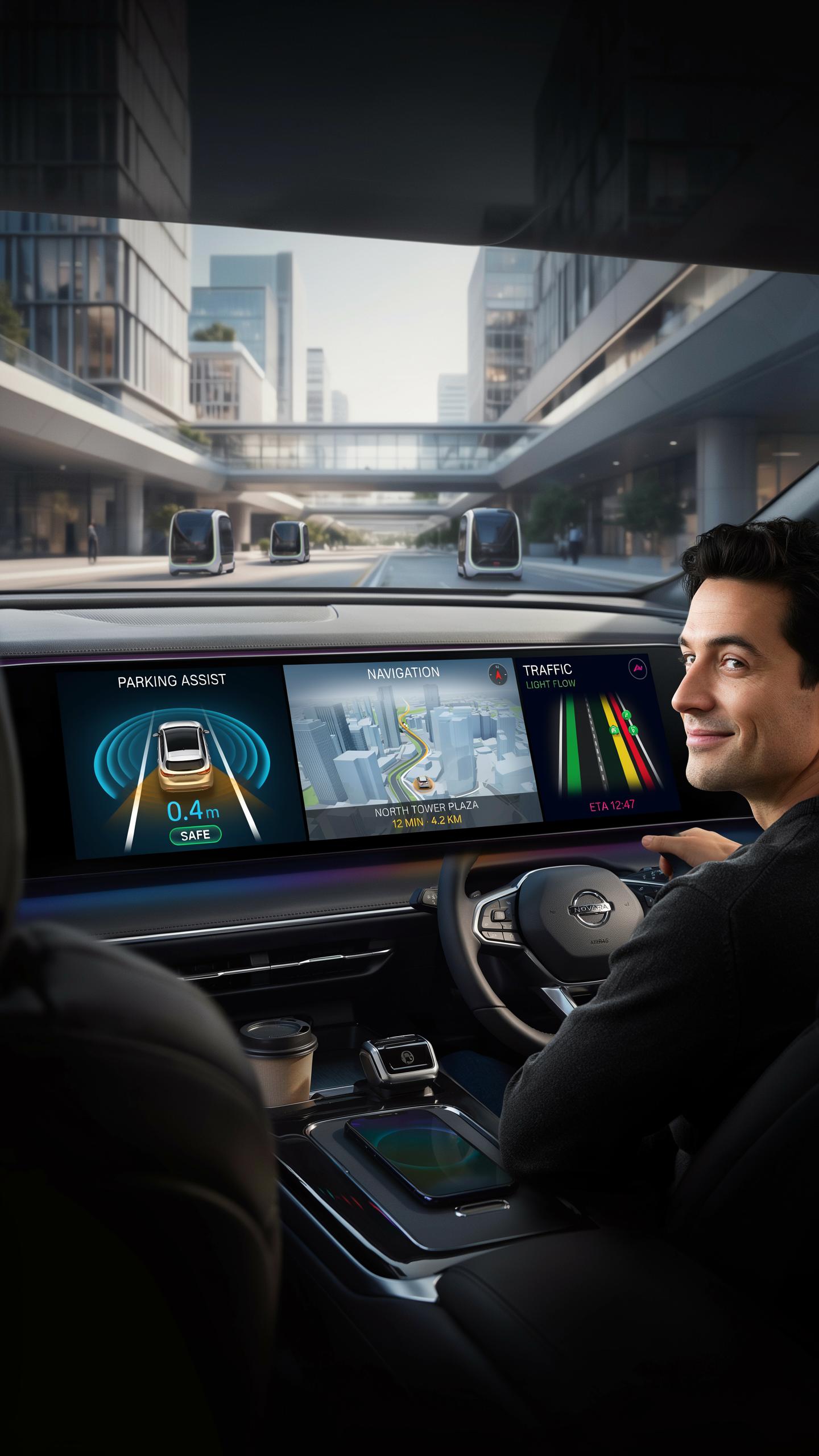
Parking sensors detect obstacles behind or in front of your vehicle using ultrasonic technology. Budget models cost between 30 and 80 dollars and install on bumpers without professional help. These sensors emit sound waves that bounce off objects and alert you through beeping patterns. Frequency increases as you approach obstacles, giving you real time distance feedback while reversing or parking in cramped spaces.
Most affordable parking sensors connect to your car’s reverse light for automatic activation. Installation requires basic tools and takes under an hour for DIY users. Wired models provide consistent power without battery concerns. The payoff is avoiding costly collision repairs and reducing parking anxiety during your daily commute.
GPS Trackers Locating Your Vehicle And Loved Ones
GPS trackers use satellite positioning to show your car’s exact location on your phone. Standalone devices cost between 25 and 150 dollars and work independently from your vehicle’s built in systems. They track real time movement, store location history, and trigger alerts if your car moves without authorization. Monthly data plans typically run 5 to 15 dollars depending on update frequency and map features.

Commuters use GPS trackers for security against theft and for monitoring shared vehicles. Some models offer geofencing, which alerts you when your car leaves a designated area. Installation requires only placing the device under your seat or behind your bumper. They work with both smartphones and web browsers, giving you access from anywhere during your workday or after hours.
Maintenance And Longevity Protecting Your Investment

Car Vacuum Cleaners: Keeping Your Interior Spotless
A car vacuum cleaner removes debris that accumulates from daily commuting. Dirt, dust, and food particles settle into carpet fibers and seat crevices. Budget models cost between 30 and 80 dollars. Cordless handheld vacuums offer portability without needing outlet access. Corded options provide stronger suction for deep cleaning but require power access near your vehicle.
The interior deteriorates faster when debris builds up over time. Trapped moisture combined with dirt creates mold and odor problems. Regular vacuuming extends carpet life by preventing fiber matting and staining. Most budget vacuums operate with 100 to 150 watts of power, sufficient for removing surface and shallow debris on commuter vehicles used five days weekly.
Windshield Wipers And Treatments: Clear Vision For All Weather
Windshield wipers deteriorate within six to twelve months depending on climate and usage frequency. Original equipment wipers cost fifteen to thirty dollars per pair. Budget replacement wipers from aftermarket brands perform identically to OEM parts at lower costs. Blade length varies by vehicle model, so verify measurements before purchasing. Installation takes under five minutes and requires no tools on most vehicles.
Windshield treatment products create water-repellent coatings that reduce reliance on wipers during rain. These treatments cost between ten and twenty dollars per application. Silicone-based formulas last two to four weeks before requiring reapplication. Ceramic treatments last longer but cost more upfront. Regular application prevents water spotting and improves nighttime visibility by reducing glare from oncoming headlights.
Tips For Choosing The Right Affordable Car Tech Gadgets
Research And Reviews Making Informed Decisions
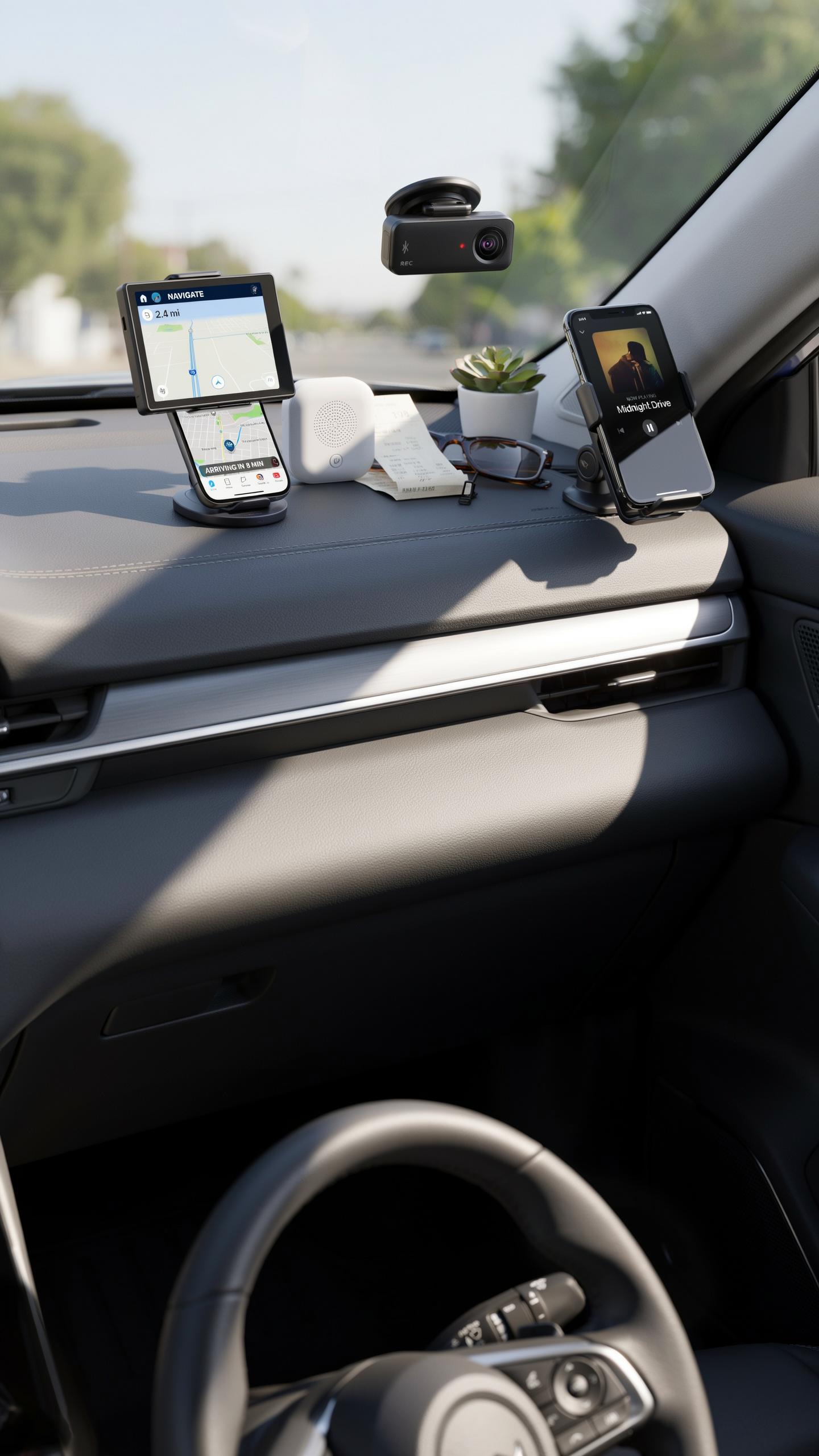
Check verified sources before buying. Read reviews on Amazon, Best Buy, and tech sites where users report real performance data. Look for patterns in feedback rather than individual opinions. Negative reviews often reveal genuine failure points that matter for daily use.
Test gadgets when possible before committing money. Visit retail locations to handle devices firsthand. Watch YouTube unboxing videos and real-world usage demonstrations. Compare specs across brands to understand what features you actually get for the price point you’re considering.
Prioritizing Your Needs What Matters Most For Your Commute
Start by identifying your primary pain point during commutes. Do you need navigation accuracy, hands-free calling, dash cam safety features, or phone charging? Write down the problems that waste your time or create stress. This prevents impulse purchases that don’t solve real issues.
- Navigation And GPS: Smartphone mounts with magnetic bases cost ten to thirty dollars and work with existing map apps without monthly fees.
- Phone Charging: Dual-port USB car chargers range from fifteen to forty dollars and handle multiple devices simultaneously during long commutes.
- Hands-free Communication: Bluetooth car speakers and kits cost twenty to sixty dollars and reduce phone handling while driving.
- Dash Camera Recording: Budget models start at fifty to one hundred dollars and provide accident documentation without premium subscriptions.
- Audio Enhancement: Portable Bluetooth speakers for fifteen to fifty dollars improve sound quality in older vehicles without complex installation.
Match gadget selection to commute duration and driving conditions. Urban commuters need different tools than highway drivers. A thirty-minute city commute has different requirements than a two-hour freeway drive. Spending fifty dollars on the wrong gadget wastes money faster than buying nothing at all.
Frequently Asked Questions

What are some essential yet affordable car tech gadgets for commuters to enhance their daily drive?
For commuters, essential affordable car tech gadgets include a reliable phone mount for safe navigation, a multi-port USB charger to keep devices powered, and a Bluetooth FM transmitter if your car lacks modern connectivity. These simple additions significantly improve convenience and safety without breaking the bank.
How can I integrate affordable car tech gadgets like a dash cam or Bluetooth adapter into an older vehicle without complex installations?
Integrating affordable car tech gadgets into older vehicles is surprisingly simple. Most dash cams are plug-and-play, using your car’s 12V outlet. Bluetooth adapters often connect via the auxiliary input and also draw power from a USB port, making installation a breeze even for those with limited technical skills.
Where can I find the best deals on truly affordable car tech gadgets that are still reliable and effective for daily commuting?
To find the best deals on affordable car tech gadgets for commuters, consider reputable online retailers during sales events like Black Friday or Prime Day. Also, check out automotive accessory sections of large department stores or even electronics outlets. Reading reviews helps ensure you’re getting effective and reliable products at a great price.