
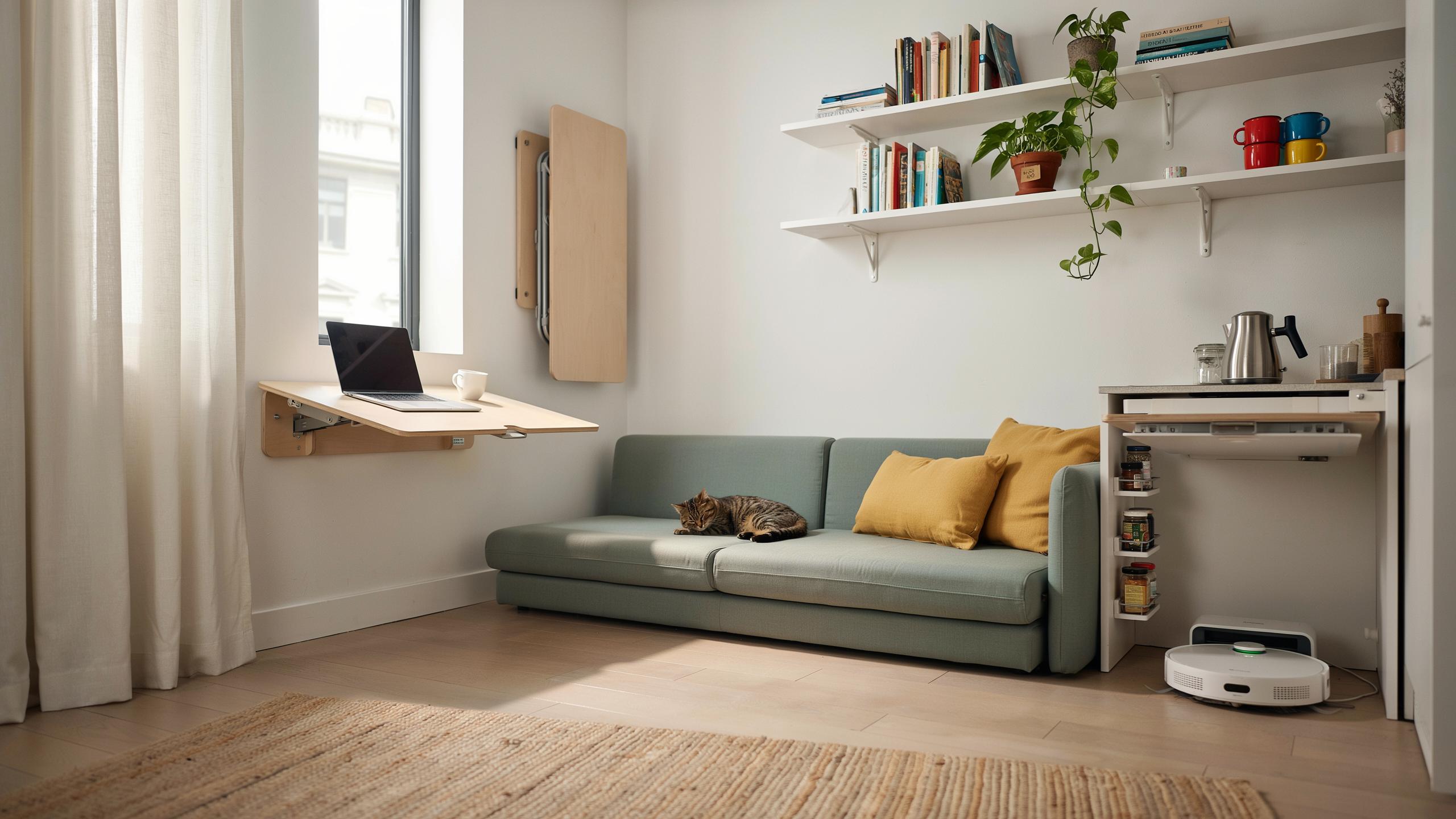
The Small Apartment Challenge Maximizing Every Inch
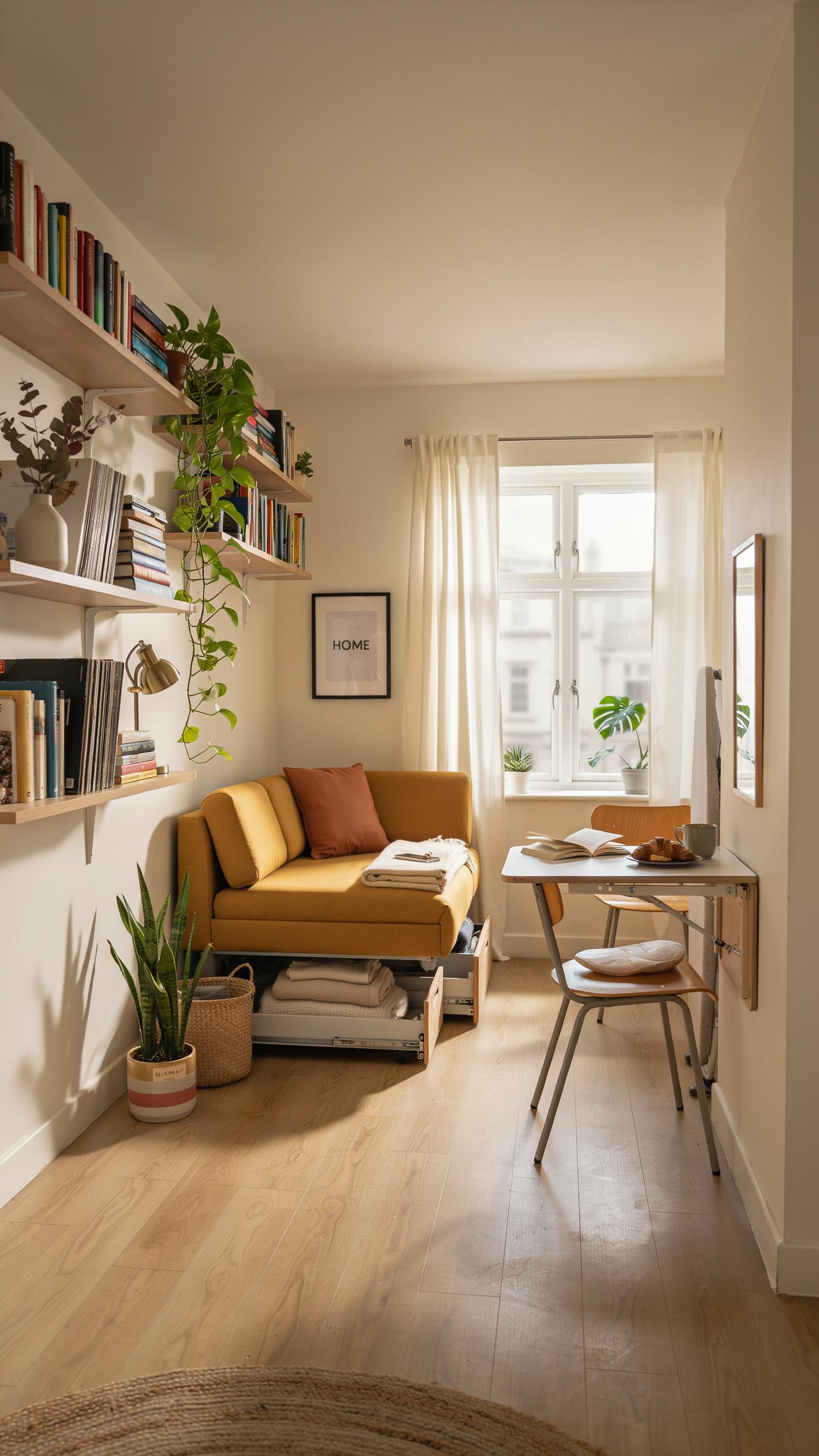
Understanding The Constraints Of Small Living Spaces
Small apartments force hard decisions. Square footage limits where you place furniture, appliances, and storage. Every object competes for physical space. You cannot afford wasted volume on items that serve single purposes. The math is simple: less square footage means you must eliminate redundancy and choose multi-functional solutions that actually work in confined areas.
Storage becomes your primary enemy in small spaces. Standard furniture takes up room without adding real utility. Closets fill quickly. Shelves overflow. Countertops vanish under clutter. You need solutions that store items vertically, compress bulk, or eliminate items altogether. Gadgets designed specifically for small spaces address this problem by replacing larger items or consolidating functions into compact packages.
The Role Of Smart Gadgets In Apartment Organization
Smart gadgets solve specific problems in small apartments. They reduce clutter by combining multiple functions into single devices. They use wall space instead of floor space. They store items more efficiently than traditional furniture. A compact gadget costs less than replacing large furniture pieces and works faster to reorganize your layout.
Gadgets also prevent you from accumulating duplicate items. When one device handles multiple tasks, you eliminate the need for separate tools gathering dust. This approach works because small apartment living demands efficiency. You choose gadgets based on actual need rather than convenience. Every purchase must justify the space it occupies and the value it delivers in your daily routine.

Kitchen Innovations For Tiny Kitchens Small Apartment Essentials
Collapsible Cookware And Utensils
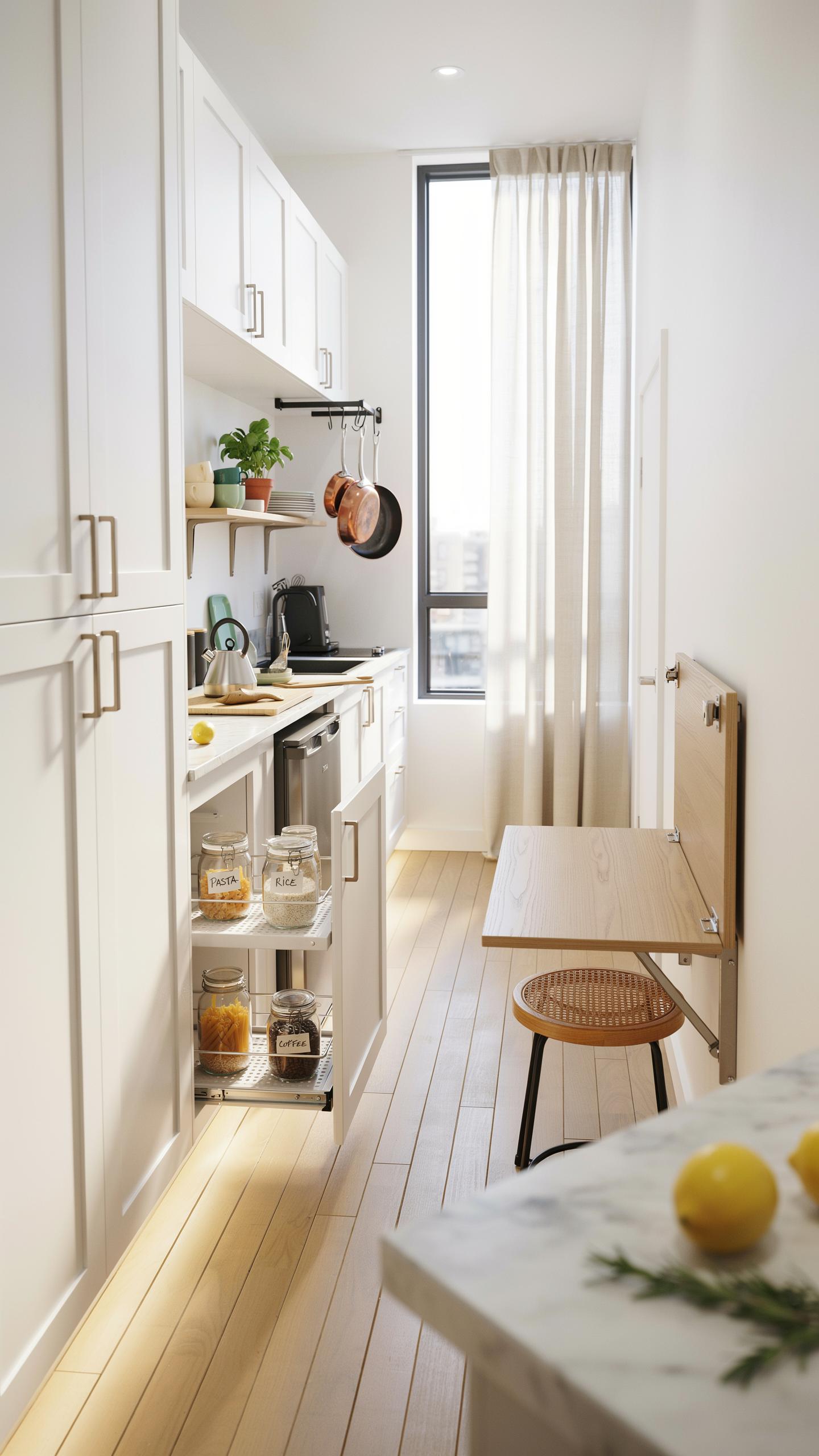
Collapsible cookware solves a real problem in small kitchens: storage. These items fold down to roughly one-third their expanded size. Silicone construction makes them heat-resistant and durable. You stack them flat in cabinets or drawers without occupying counter space. They handle stovetop and oven use within safe temperature ranges. Most models cost between $15 and $40 per piece.
Collapsible utensils work the same way. Measuring cups, strainers, and mixing bowls compress into minimal footprints. You maintain full functionality while freeing up cabinet real estate. The trade-off is slightly longer setup time compared to rigid cookware. For apartments under 600 square feet, this trade works in your favor. You gain usable kitchen space without sacrificing cooking capability.
Small treasures, wisely chosen, can make a tiny home feel like a sprawling estate of comfort and convenience, reminding us that true richness isn’t about grand size, but clever design.
Multifunctional Appliances: Your Culinary Space Savers
One appliance doing multiple jobs cuts down on what you store. An instant pot serves as pressure cooker, slow cooker, steamer, and rice cooker simultaneously. You eliminate four separate devices and their storage demands. Quality models run $80 to $150 and last years. Toaster ovens replace traditional ovens in small spaces while handling toast, baking, and roasting tasks.

Air fryers occupy minimal counter footprint while replacing deep fryers and conventional ovens for many recipes. A single unit handles frying, roasting, and reheating without needing dedicated space. Immersion blenders take up one drawer instead of a full-size blender. Hand mixers replace stand mixers for most home cooks. These choices force you to commit to fewer tools. The payoff arrives immediately as cabinet and counter space opens up for actual living.
Bedroom Bliss Space Saving Apartment Sleep Solutions
Under Bed Storage: Unlocking Hidden Real Estate
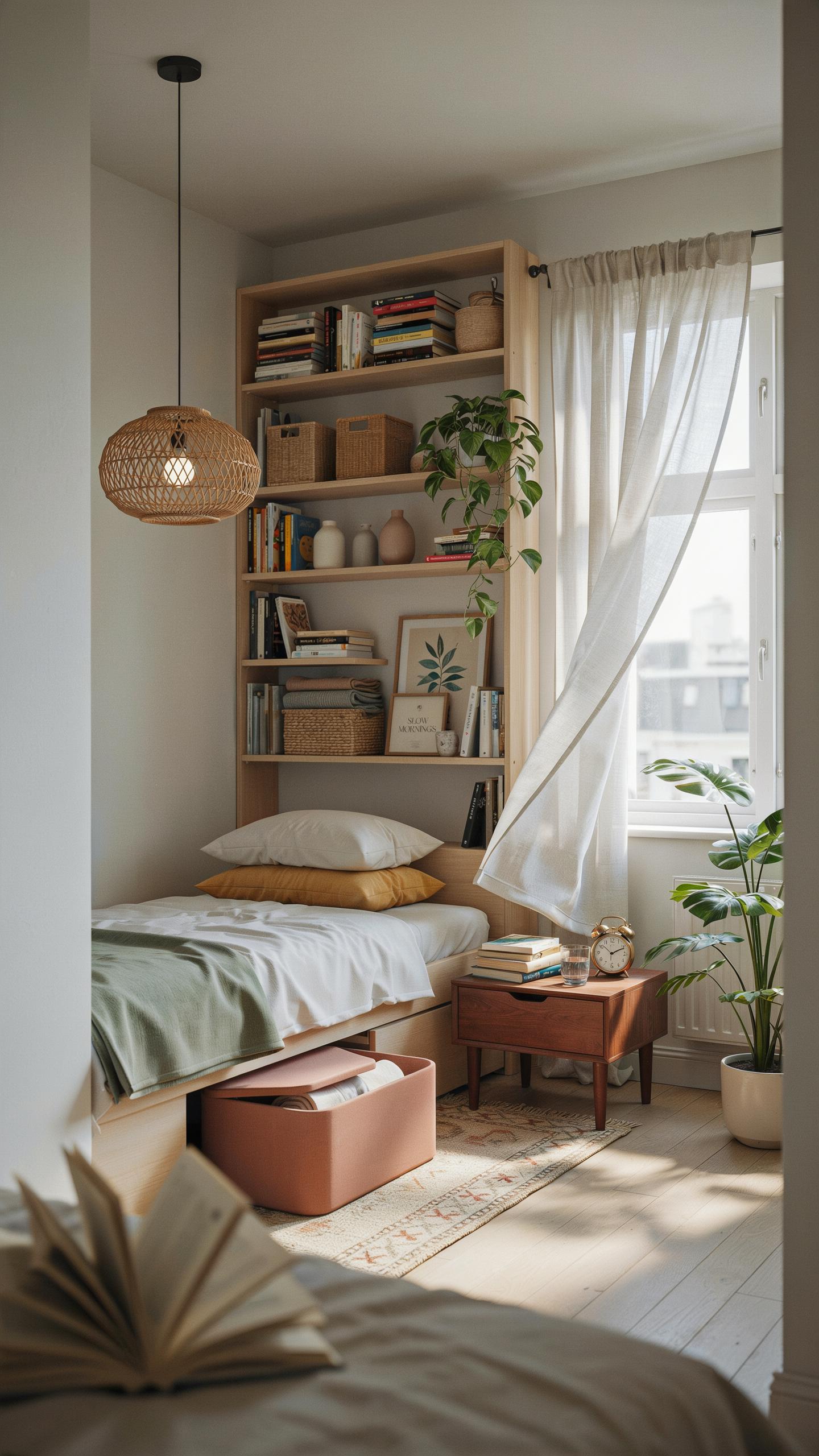
The space beneath your bed represents wasted square footage in most apartments. Under-bed storage containers slide into this gap and hold seasonal clothing, extra bedding, or items you access infrequently. Measure the clearance height first, then select containers that fit. Clear plastic bins let you see contents without opening them. Shallow containers work better than deep ones because you can reach items at the back without moving the entire bed.
Rolling storage options solve the access problem entirely. Wheels allow you to pull containers out without straining or moving your mattress. Look for containers with locking mechanisms to prevent shifting during movement. Bed risers elevate your frame higher and create more usable space underneath. Even a three-inch lift adds significant storage capacity. This approach costs between fifteen and forty dollars and requires no tools or permanent installation.
Vertical Storage: From Wall Shelves To Hanging Organizers
Wall shelves eliminate the need for floor-standing furniture that consumes precious square footage. Mount shelves above your nightstand, desk, or along any wall. Floating shelves require anchors into studs for security. They hold books, lamps, plants, and decorative items while keeping surfaces clear below. Installation takes under an hour with basic tools. The cost ranges from twenty to sixty dollars depending on material and size.

Hanging organizers attach directly to walls or doors without permanent damage. Over-the-door shoe organizers hold far more than shoes, including rolled socks, accessories, and small items. Pegboards offer adjustable hook systems for customizing storage layouts. Fabric wall pockets hang from hooks and store remotes, charging cables, or reading glasses within arm’s reach. These solutions rent-friendly options that renters can remove without leaving marks. They maximize vertical space while keeping your floor completely open.
Bathroom Brilliance Under Sink Organization And More
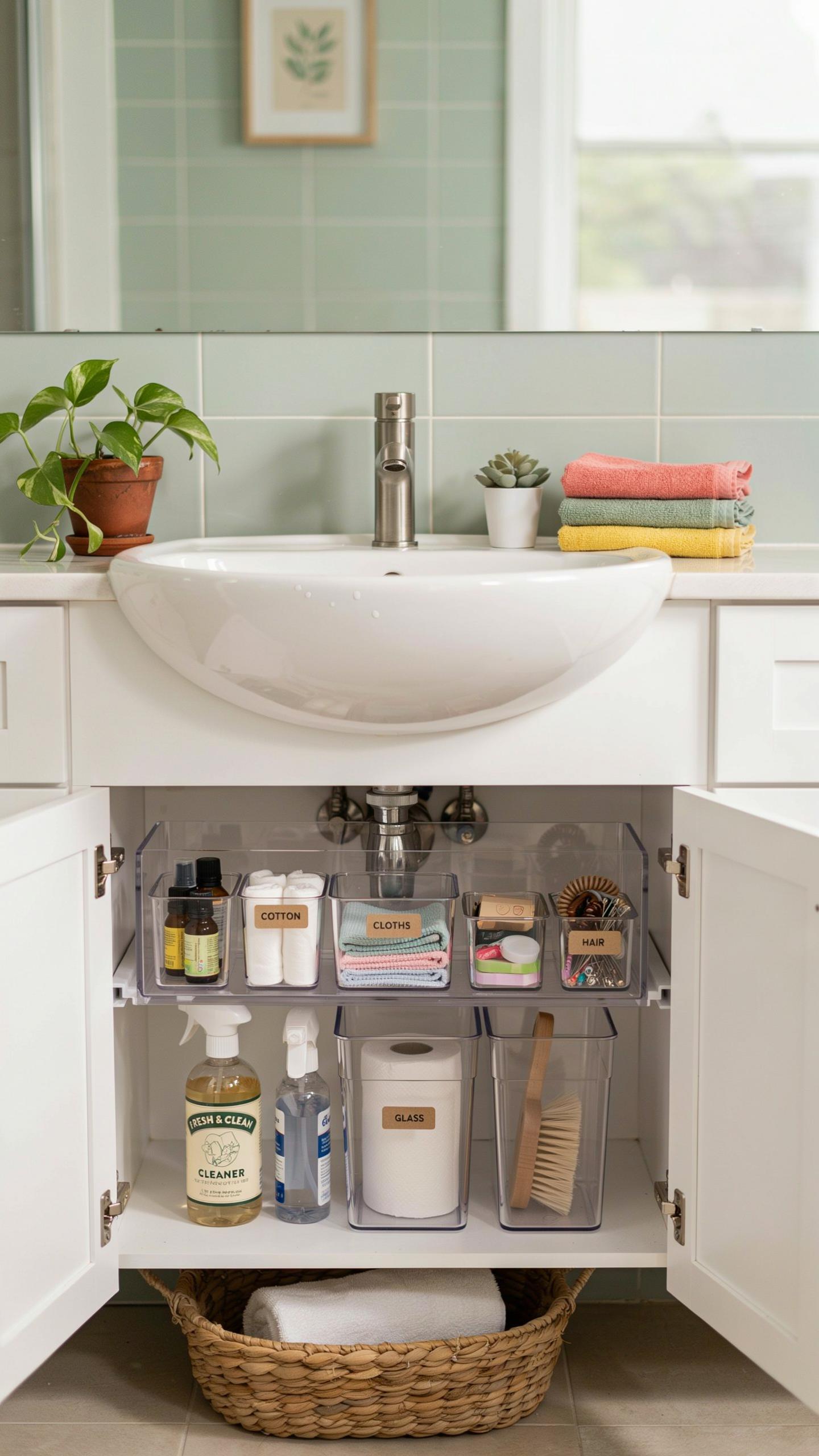
Compact Shower Caddies And Dispensers
Shower caddies solve a core problem in small bathrooms: clutter on ledges and tub edges. Wall-mounted caddies attach directly to tile or shower walls, eliminating floor space consumption. Corner caddies fit into dead space that serves no other purpose. These units range from $8 to $25 and hold bottles without creating visual chaos.
Wall-mounted soap and shampoo dispensers cut clutter further by replacing multiple bottles with single refillable units. These dispensers mount at arm height and dispense controlled amounts per use. Stainless steel and plastic options both resist moisture and mold. Installing one costs under $15 and frees up 6 to 8 inches of shelf or tub edge space.
Over The Toilet Storage Units: Utilizing Vertical Space
Over-the-toilet shelving units sit on top of toilet tanks and use the 4 to 5 feet of empty wall space above. Most units stand 24 to 30 inches tall and require no drilling or permanent installation. They hold towels, toiletries, and cleaning supplies while occupying zero floor space. Quality units cost between $20 and $60 depending on material and shelf capacity.
These units come in metal frames, bamboo, or plastic designs that accommodate different bathroom aesthetics. Installing one takes 10 minutes and requires only balancing the unit on the toilet tank. The shelf depth typically ranges from 8 to 12 inches, enough for standard bathroom items. Small apartments gain 3 to 5 square feet of functional storage by using this overlooked vertical real estate.
Living Room Layouts Clever Gadgets For Cozy Spaces
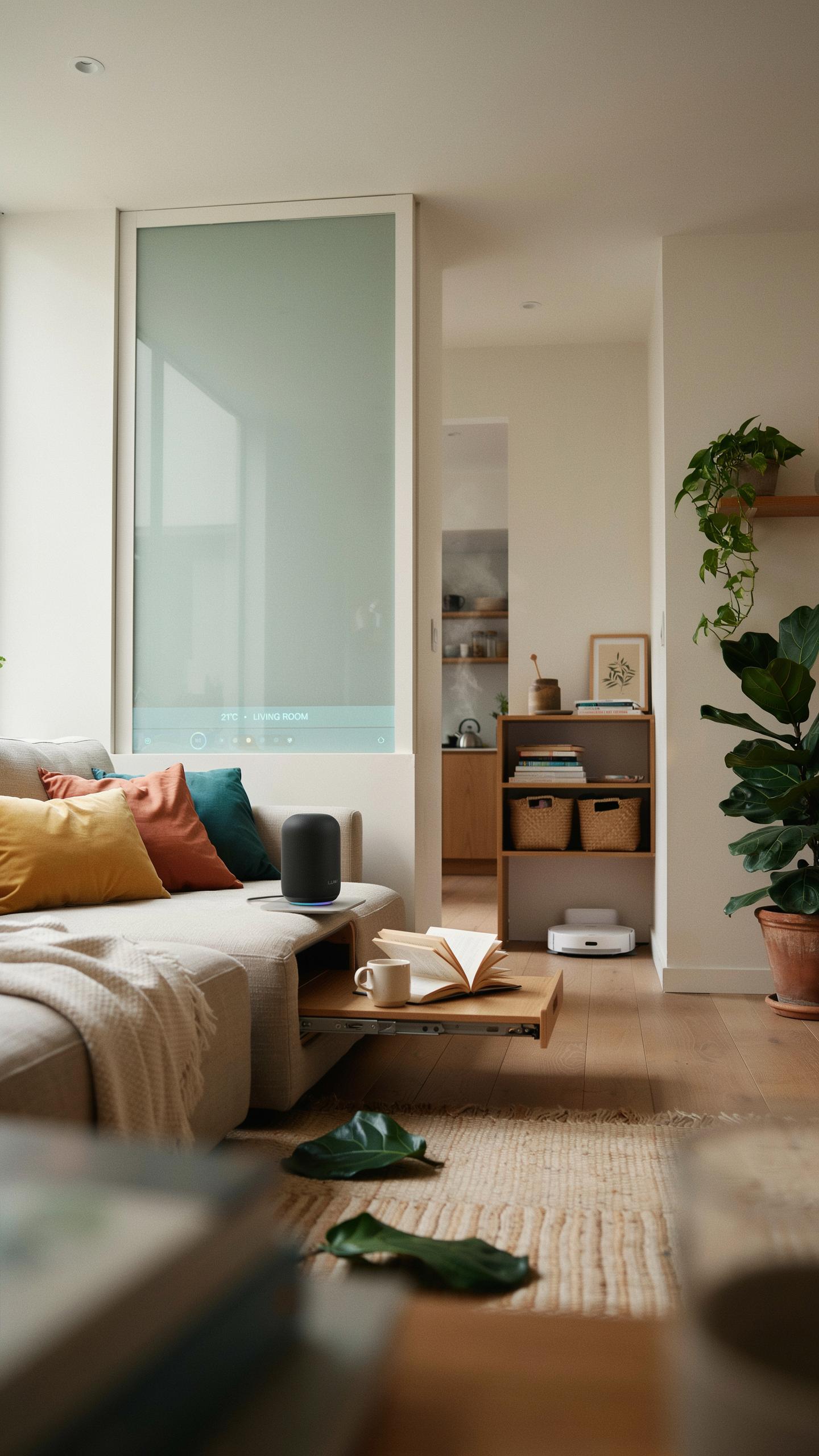
Foldable Furniture: Tables And Chairs That Disappear
Foldable furniture solves the core problem of small living rooms: you need functionality without permanent footprint. Wall-mounted drop leaf tables fold flat against walls and open only when needed. Folding chairs stack into closets or under beds. These pieces cost between 30 and 150 dollars depending on material and build quality. The mechanism is straightforward: hinges allow surfaces to collapse without tools or complexity.
The math is simple. A living room gains usable floor space when furniture vanishes after use. Folding tables typically measure 24 to 36 inches when open and collapse to 3 to 4 inches thick. Chairs designed for storage nest inside each other or hang on wall hooks. Quality foldable pieces use steel frames or solid wood, not flimsy particle board. This investment pays off immediately in rooms under 400 square feet.
Ottomans With Storage: Dual Purpose Decor
Storage ottomans function as seating and hidden storage simultaneously. Most models include a hinged top that opens to reveal compartment space inside. Prices range from 40 to 200 dollars depending on size and upholstery material. Fabric options include polyester, microsuede, and genuine leather. Wood frames and plywood bases ensure these pieces support weight without collapsing.

Position a storage ottoman at the foot of a sofa or in a corner to hold blankets, remote controls, and seasonal items. A typical ottoman stores 10 to 15 cubic feet of items while occupying the same floor space as regular seating. The piece replaces a coffee table and provides extra seating when guests arrive. This single gadget eliminates the need for separate storage bins and additional furniture pieces in cramped spaces.
Entryway Essentials Keeping Clutter At Bay
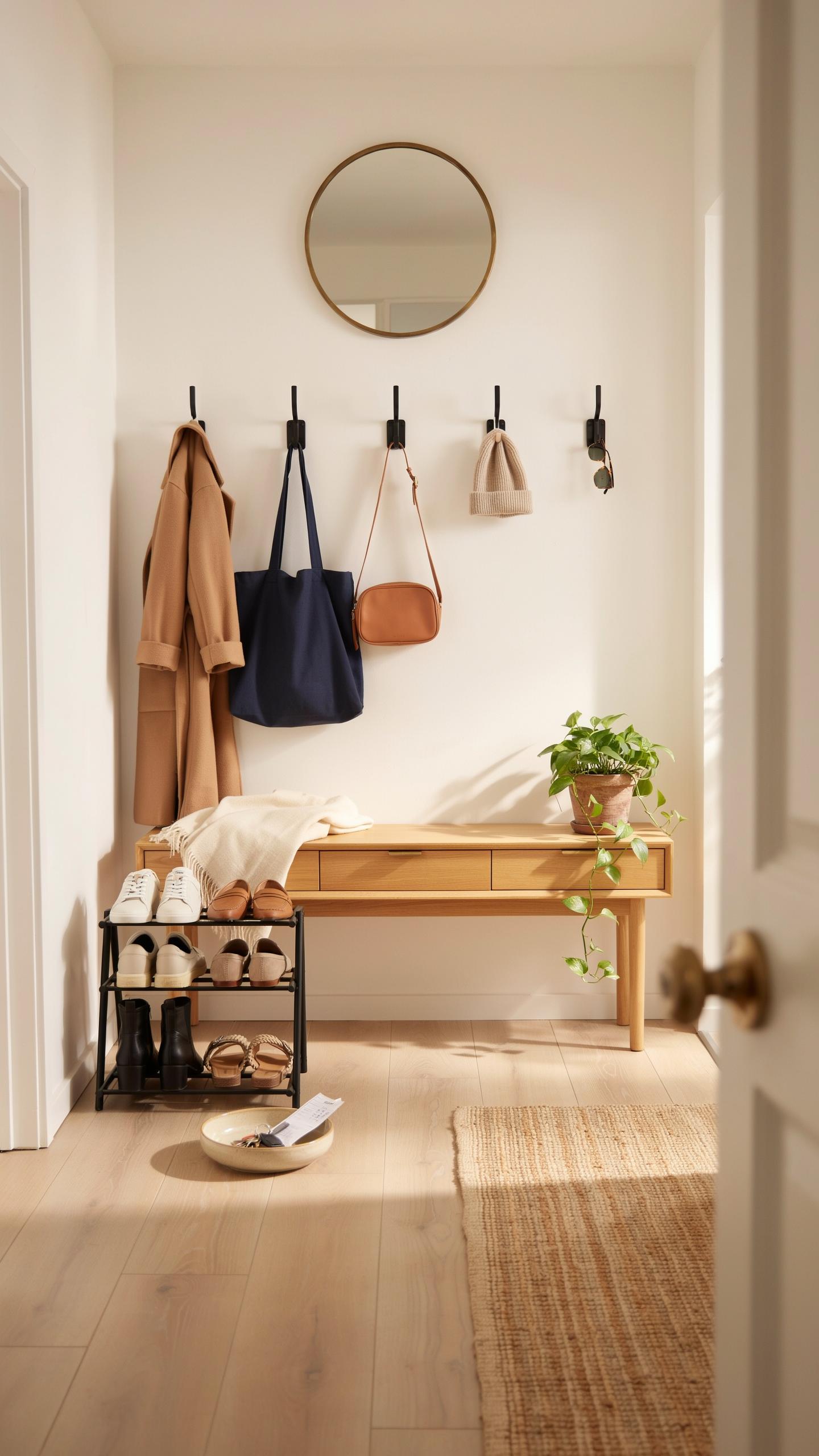
Slim Shoe Racks And Organizers
Shoe storage crushes small entryways fast. Slim racks solve this by using minimal floor space while holding multiple pairs. Metal or wood designs stack shoes vertically instead of spreading them horizontally. These racks typically measure 24 to 36 inches wide and cost between 15 to 40 dollars. They fit into corners or against walls without blocking walkways.
Over-the-door shoe organizers offer another angle. These hang on interior doors and hold 6 to 12 pairs depending on the model. They cost 10 to 25 dollars and take up zero floor or wall space. Fabric pockets keep shoes visible and contained. This approach works for renters who cannot drill or mount permanent fixtures.
Wall Mounted Hooks And Shelves: Maximizing Vertical Space
Walls in small apartments sit empty while floor space vanishes. Wall-mounted hooks hang coats, bags, and accessories 6 to 12 inches above head height. This keeps items accessible without consuming valuable real estate. Heavy-duty hooks cost 5 to 15 dollars and mount with screws or adhesive strips. They handle 10 to 25 pounds depending on the design.

Floating shelves above hooks create tiered storage zones. These span 24 to 48 inches wide and hold shoes, baskets, or décor items. Installation requires basic tools or adhesive strips for renters. Shelves cost 15 to 50 dollars per unit. Combined with hooks below, this system transforms blank walls into functional entryway command centers that free up every inch of floor space.
The Versatile Rolling Utility Cart A Must Have Home Gadget
From Kitchen Helper To Mobile Office
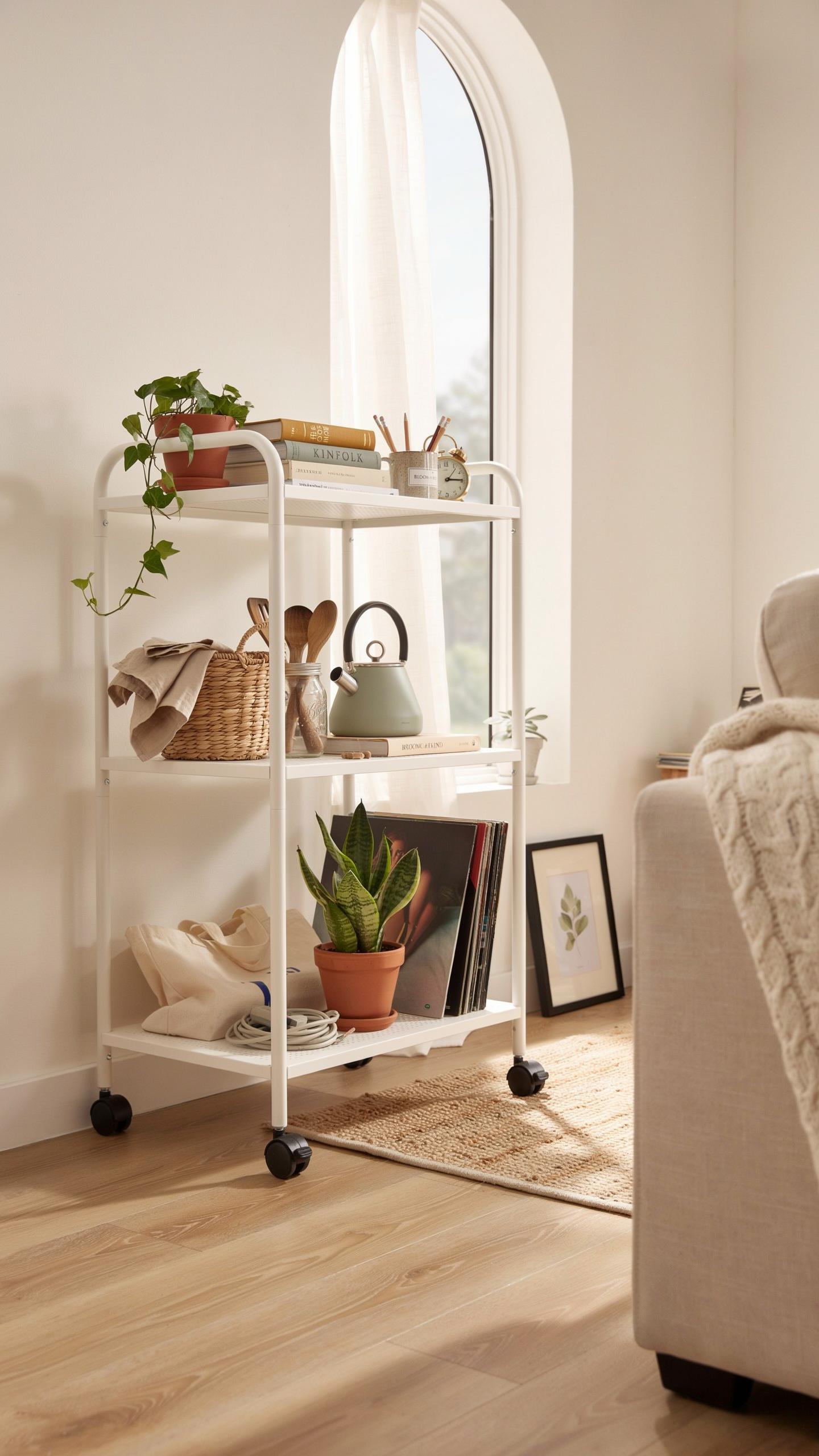
Rolling utility carts started as restaurant and hospital equipment. Manufacturers designed them to move items between spaces without taking up permanent floor area. Small apartments need this efficiency. A cart solves the core problem: you need storage and function without sacrificing square footage. Move it where you need it. Store it in a corner when you don’t.
The cart transforms based on your needs. Use it as a kitchen prep station one day and a work desk the next. Wheels make repositioning instant. No assembly of new furniture required. You gain multiple functional zones from one object. This matters in apartments where dedicated rooms don’t exist. One cart replaces the need for several stationary pieces.
Choosing The Right Cart For Your Needs
Cart selection depends on three factors: wheel type, tier material, and overall dimensions. Casters must lock to prevent movement during use. Tier construction determines weight capacity and durability. Measure your storage spaces first to ensure the cart fits through doorways and tight corners.
- Steel frame carts: Heaviest duty option, holds 100+ pounds per tier, resists denting and warping over years of use.
- Plastic or polypropylene carts: Lightweight and easy to clean, ideal for kitchens and bathrooms, typically hold 50-75 pounds per tier.
- Three tier versus four tier: Three tiers fit under most countertops; four tiers maximize vertical storage in rooms with high ceilings.
- Locking wheels versus standard: Locking wheels prevent unintended movement when you work on the cart; standard wheels offer easier repositioning.
- Cart dimensions: Measure width and depth against your available floor space; standard widths range from 16 to 20 inches.

Price ranges from $25 to $150 depending on materials and build quality. Budget carts serve temporary needs but develop wobbly tiers within months. Mid range options from established manufacturers last three to five years with regular use. Choose based on how long you’ll occupy your apartment and what you’ll store on the cart.
Embracing Folding Walls And Modular Designs
The Concept Of Flexible Living Spaces
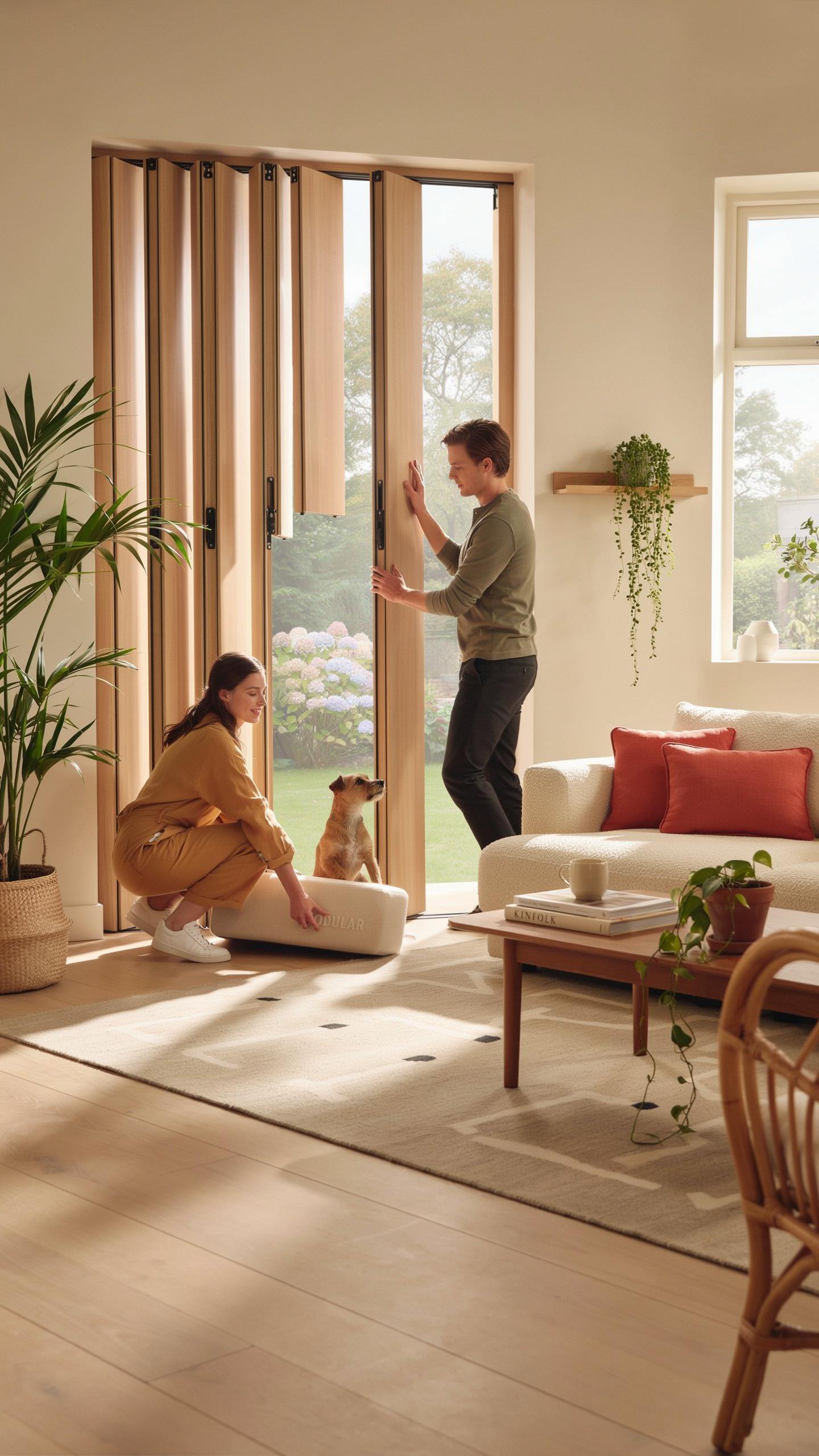
Flexible living spaces solve the core problem of small apartments: fixed layouts waste square footage. Folding walls and modular furniture let you reconfigure rooms on demand. You close off a bedroom wall during the day to expand your living area. You open it at night for privacy. This approach costs less than moving and delivers immediate functionality gains without permanent construction.
Modular design predates modern apartments. Military barracks and ships used movable partitions for decades to maximize usable space. Today, affordable folding wall panels and sliding room dividers bring this principle into residential units. Most systems install without tools or landlord approval. You control your space instead of your space controlling you.
DIY Solutions For Creating Adaptable Rooms
Build modular room dividers using tension rods and fabric panels. Mount rods floor-to-ceiling on walls you want to separate temporarily. Slide fabric panels along the rods to close or open space. This method costs between 30 and 80 dollars per divider. You remove everything when you move without damage to walls or surfaces.
Construct fold-down work surfaces using hinged plywood and wall-mounted brackets. Mount the bracket 30 to 36 inches high on a wall. Attach a hinged plywood board that folds down when you work and folds up when idle. A basic unit costs under 50 dollars in materials and supplies. This transforms wasted wall space into a functional desk that disappears instantly.
Smart Tech For Small Apartments Apartment Must Haves
Automated Organizers And Space Saving Electronics
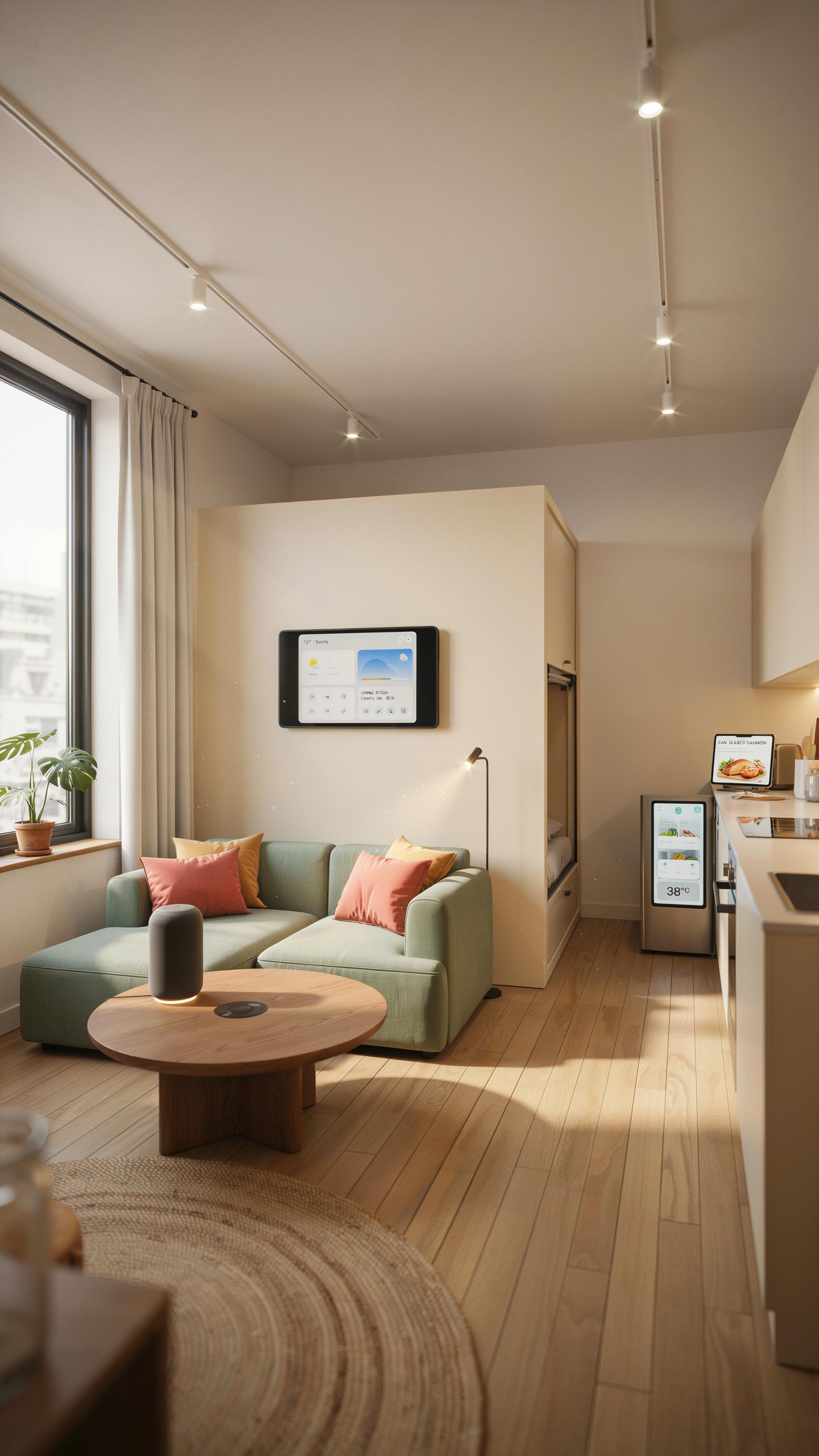
Automated organizers eliminate wasted motion and reduce clutter. Robotic vacuum cleaners handle floor cleaning without occupying storage space when not in use. Wall-mounted surge protectors with USB ports consolidate charging stations instead of sprawling cables across surfaces. Motorized shoe racks and automated closet systems maximize vertical storage. These devices work continuously or on schedules, freeing up your time and floor area simultaneously.
Smart power strips cut phantom energy drain and manage multiple devices from one outlet. Motion sensor trash cans open only when needed, saving visual space in bathrooms and kitchens. Compact dehumidifiers prevent moisture damage in tight spaces where air circulation is limited. Under-bed storage drawers on wheels pull out when needed and tuck away completely. Choose electronics that replace manual tasks rather than add to your gadget count.
Apps And Digital Tools For Efficient Living
Digital tools replace physical objects and reduce the items you need to store in your apartment. Apps eliminate paper clutter by managing bills, receipts, and documents on your phone or cloud storage. Automation apps coordinate your smart home devices and schedule tasks without additional hardware cluttering shelves.
- Budget tracking apps: Monitor spending across categories without maintaining physical receipts or expense notebooks in drawers and filing systems.
- Digital meal planning apps: Plan meals and create shopping lists on your phone instead of keeping cookbooks and paper notes around.
- Task management apps: Replace whiteboards and sticky notes by organizing to-do lists and reminders in a single digital location.
- Apartment layout apps: Use visualization tools to plan furniture placement and test arrangements before moving physical items around.
- Climate control apps: Monitor and adjust smart thermostats remotely, eliminating need for manual adjustments and wall controls cluttering your space.
- Inventory management apps: Keep track of pantry items, cleaning supplies, and household goods without printing lists or maintaining physical records.
These applications integrate with smart home systems to create automated routines. Your phone becomes your control center instead of multiple remotes and switches. Data syncs across devices, so information stays accessible without requiring backup copies stored in drawers or cabinets.
Frequently Asked Questions

What exactly are “cheap gadgets for small apartments” and why are they so useful?
Cheap gadgets for small apartments are clever, affordable tools designed to maximize limited living space. These items often serve multiple purposes, fold away, or utilize vertical areas, making them incredibly useful for decluttering and creating a more functional, aesthetically pleasing home without breaking the bank. They’re game-changers for tiny living!
How can I effectively integrate these space-saving gadgets into my already crowded apartment?
Start by identifying your apartment’s biggest clutter zones. Then, seek out cheap gadgets for small apartments that directly address those issues. Think vertical solutions like over-the-door organizers or stackable shelves. Prioritize items that can be easily hidden or repurposed to maintain a clean, uncluttered look even with new additions.
Where can I find reliable and affordable sources for these space-saving gadgets without sacrificing quality?
Excellent question! You can find fantastic cheap gadgets for small apartments at major online retailers, discount stores, and even dollar stores. Look for sales at home goods stores or explore second-hand apps for hidden gems. Always check reviews to ensure durability, even for budget-friendly items.