What Is A Digital Kitchen Scale With Nutrition App
Understanding The Basics Of A Smart Kitchen Scale
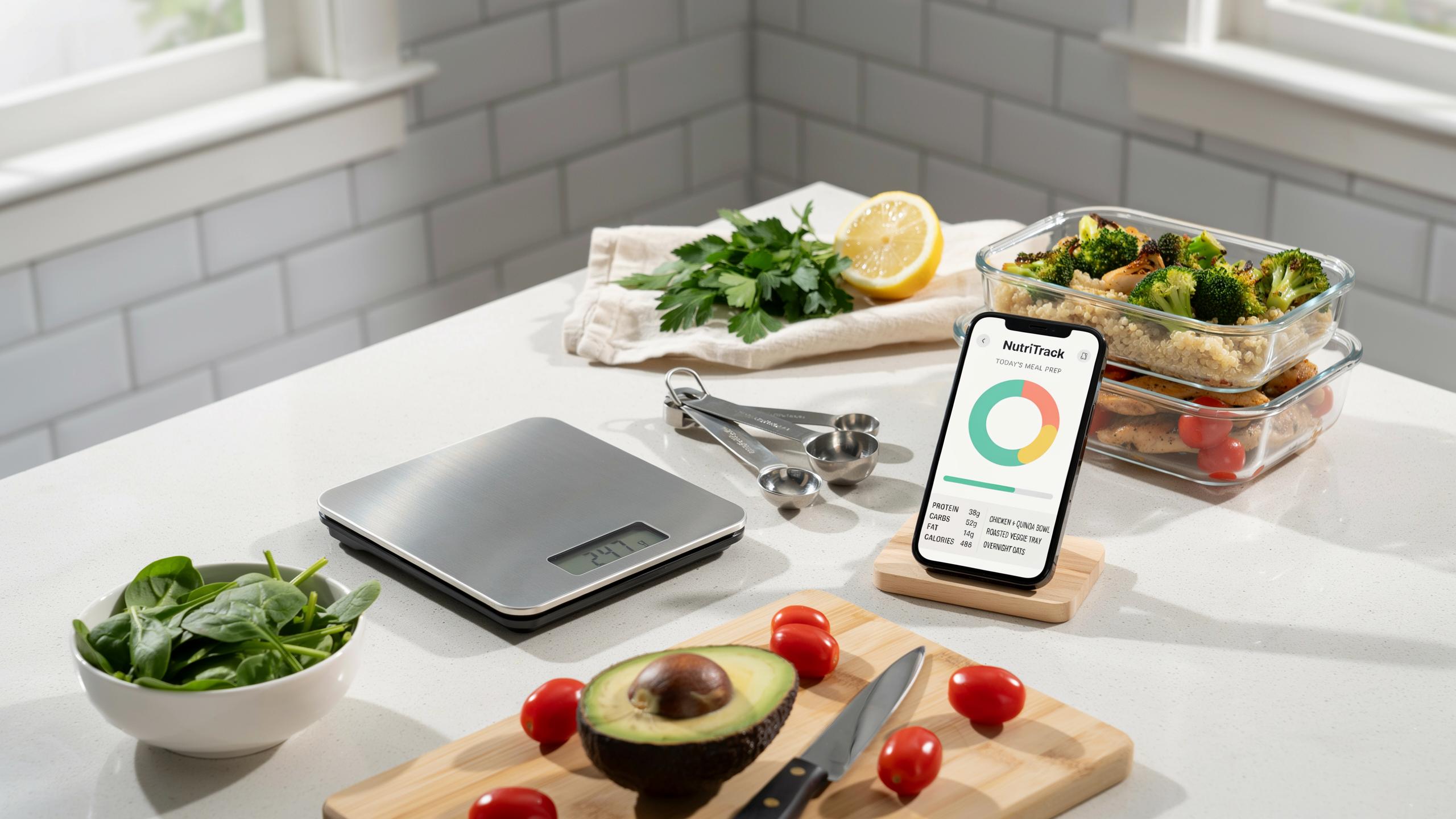
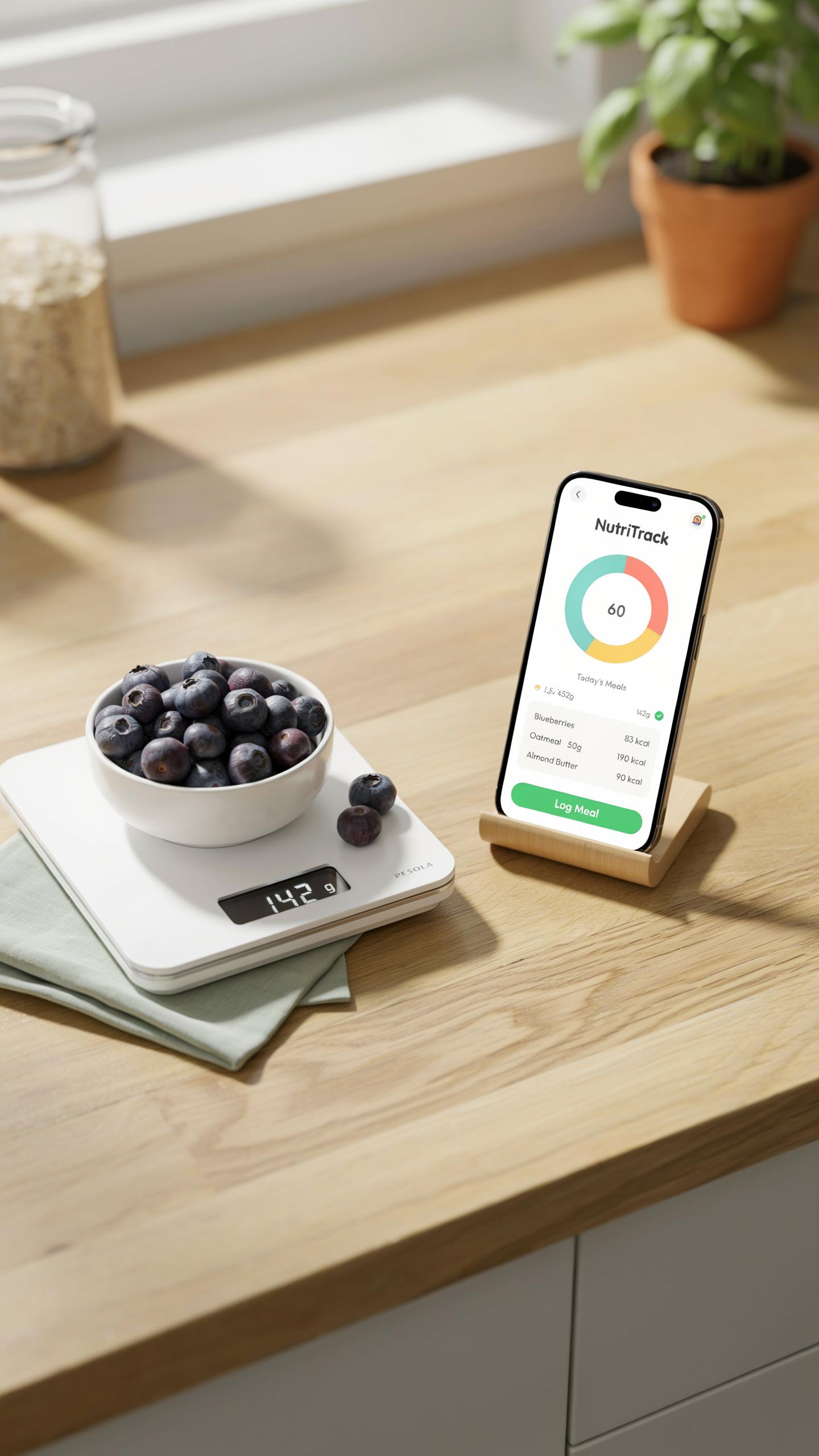
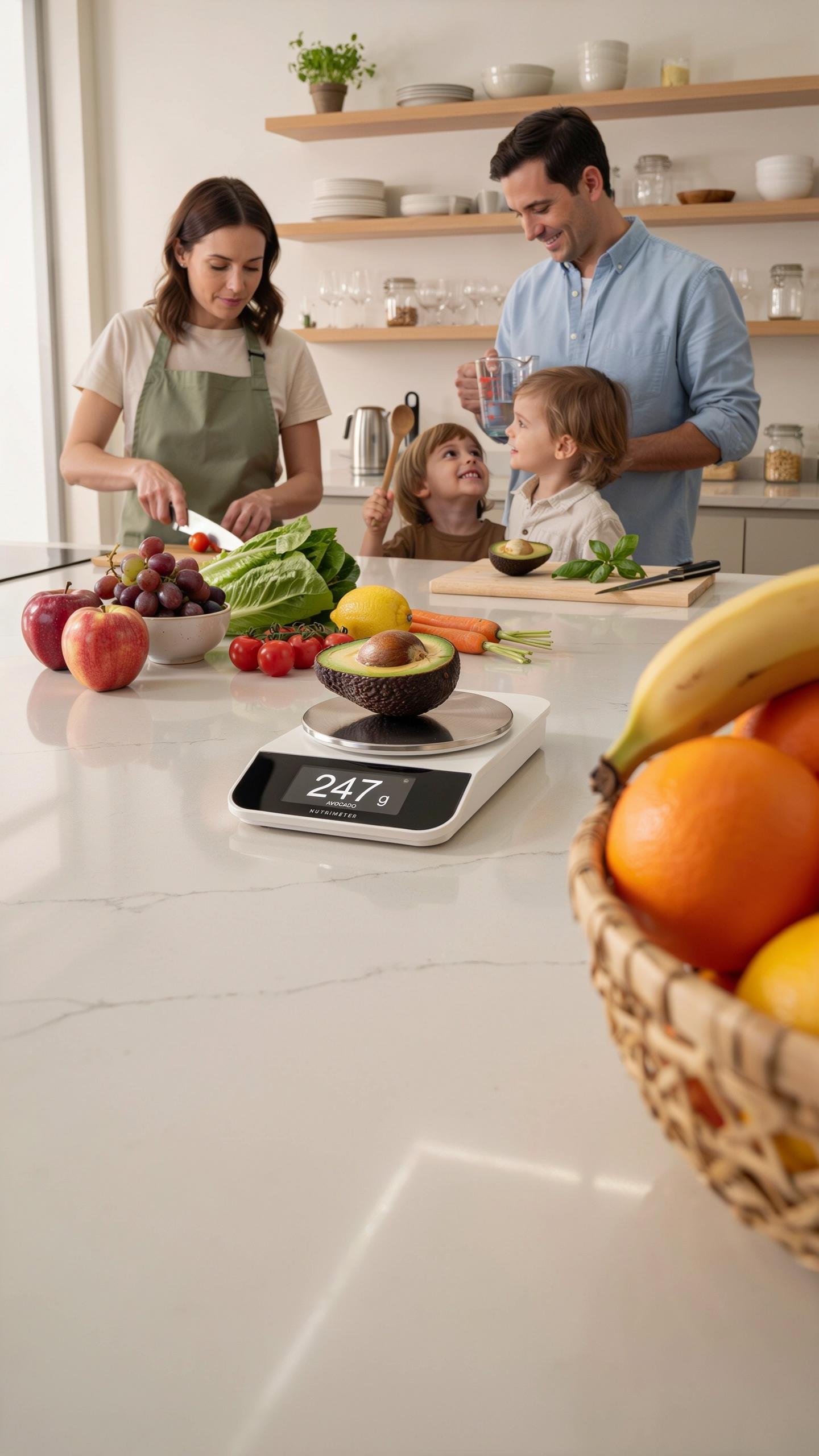
A digital kitchen scale with a nutrition app combines a weighing device with software that tracks macronutrients and calories. The scale measures food weight in grams or ounces. The connected app uses a database of foods to calculate nutritional content based on portion size. You place food on the scale, record the weight, and the app logs protein, carbs, fats, and calories automatically.
These devices work through either Bluetooth or WiFi connectivity. Some scales display nutrition data directly on their screen. Others sync exclusively with a smartphone app. The accuracy of nutritional information depends on the app’s food database size and update frequency. Most popular models connect to your phone within seconds and update their databases regularly through cloud servers.
The Evolution Of Food Scales
Kitchen scales began as mechanical balance devices using counterweights to measure ingredients. Spring scales followed, replacing counterweights with coiled springs that moved a needle along a dial. Digital scales emerged in the 1980s, replacing analog mechanisms with electronic sensors and LED displays. This shift made scales faster and more accurate for cooking and baking applications.
The addition of nutrition tracking represents the latest evolution in scale technology. Manufacturers integrated Bluetooth and WiFi capabilities starting in the early 2010s. Food databases grew exponentially as developers built libraries containing thousands of items. Today’s smart scales connect seamlessly to health and fitness apps, consolidating meal data with workout information. This integration turned a simple measuring tool into a comprehensive nutrition tracking system.

Why Use A Digital Kitchen Scale For Meal Prep
Achieving Accuracy In Portions
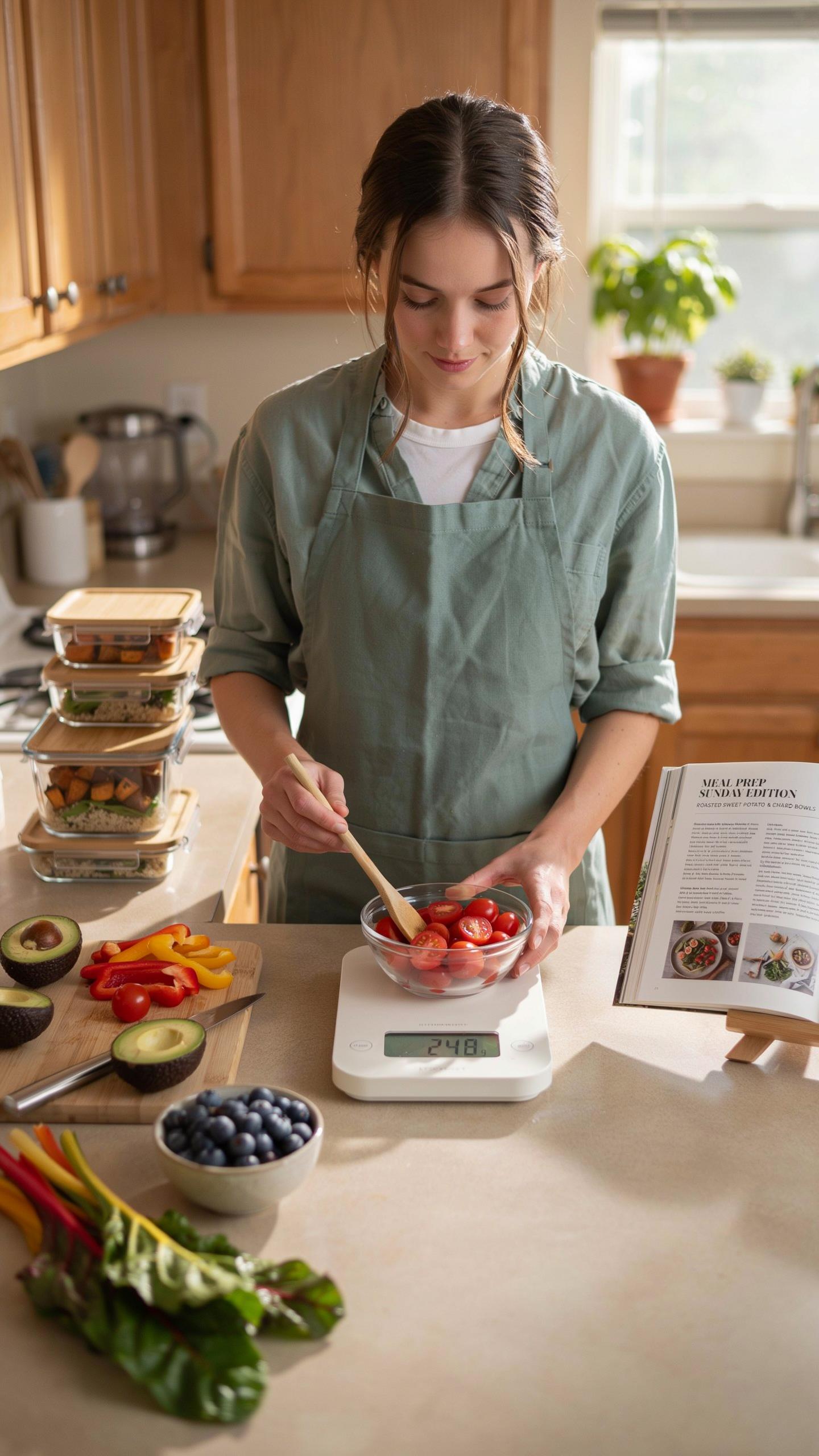
A digital kitchen scale measures ingredients by weight, not volume. Volume measurements like cups and tablespoons vary based on how you pack them. Weight eliminates this guesswork. When you weigh your food, you know exactly how many grams or ounces you’re using. This precision directly impacts your calorie tracking and macronutrient calculations. You hit your nutrition targets consistently.
Portion control becomes automatic with a scale. You’re not estimating or eyeballing amounts anymore. The scale tells you the exact weight of chicken, rice, vegetables, or any ingredient. This removes the bias that comes from visual judgment. Over time, you develop better intuition about portion sizes because you have real data backing your decisions. Your meal prep becomes reproducible and reliable.
Consistency In Cooking And Baking
Baking requires precision because chemical reactions depend on exact ingredient ratios. A cup of flour can weigh anywhere from 100 to 150 grams depending on how tightly you pack it. A digital scale removes this variable. When you measure by weight, your bread, cookies, and baked goods turn out the same every time. You avoid dense, dry, or failed batches caused by inconsistent ingredient amounts.

Cooking benefits from weight consistency too. A recipe that calls for 200 grams of chicken breast produces the same result each time you prepare it. Your sauces reach the right consistency. Your seasoning stays balanced. Your cooking time stays predictable. This consistency matters in meal prep because you’re making multiple portions at once. Small variations multiply across batches and ruin your whole week’s worth of meals.
How A Nutrition App Enhances Your Meal Prep
Tracking Calories And Macronutrients With Ease
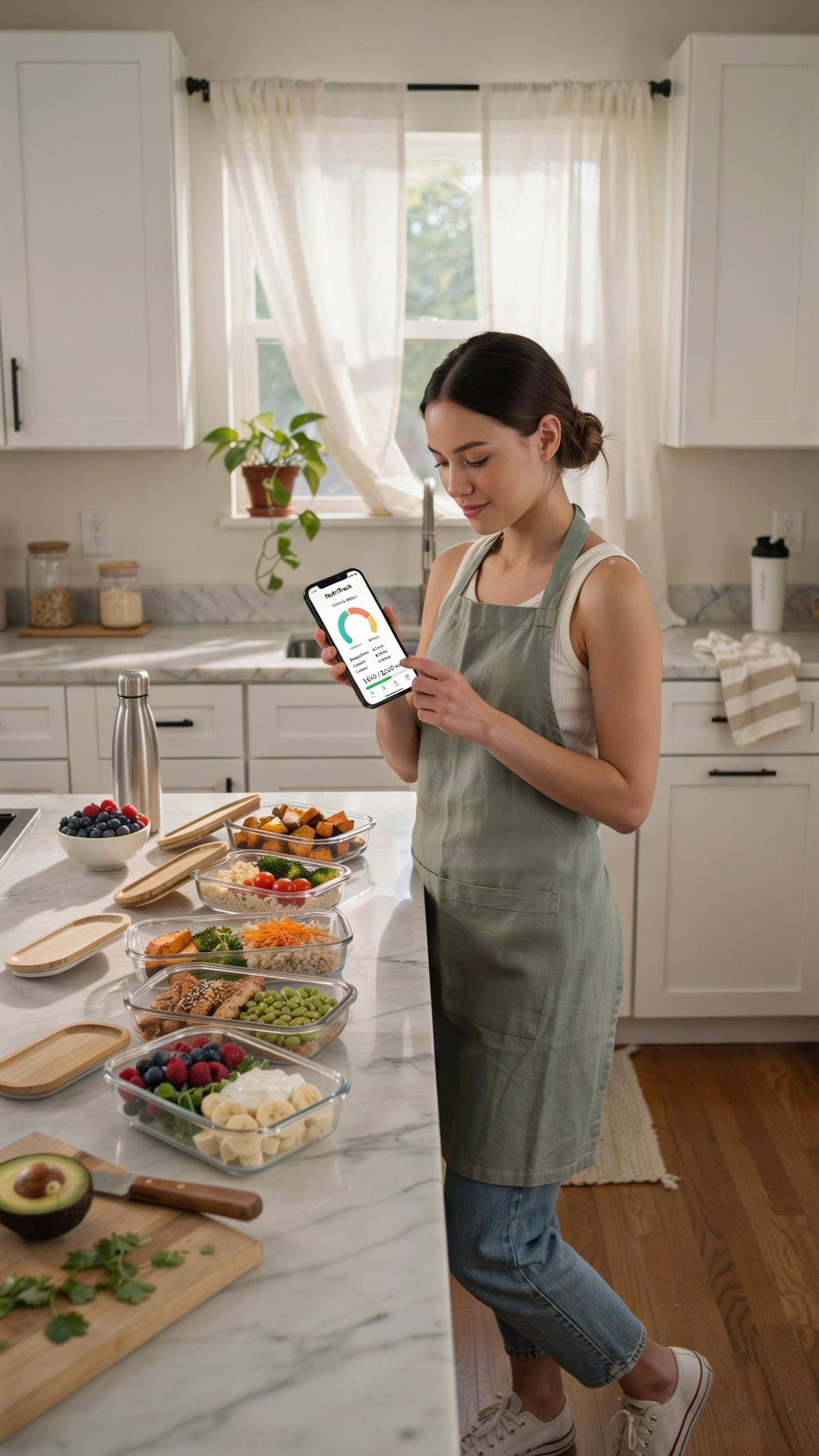
A nutrition app connected to your digital kitchen scale removes the guesswork from calorie counting. You weigh your food, and the app automatically logs it. The scale sends the weight data directly to your phone, eliminating manual entry errors. This automation saves time and increases accuracy in tracking your daily intake.
The app breaks down your meals into protein, carbohydrates, fats, and fiber. You see exactly what you consumed at each meal and throughout the day. This visibility lets you adjust portions in real time to hit your targets. Most people discover they misjudge portion sizes by 20 to 30 percent until they start weighing food.
Personalized Dietary Insights
Apps analyze your eating patterns and generate reports based on your actual data. They identify which meals support your goals and which ones derail them. Over weeks and months, you spot trends in your nutrition that would be invisible without tracking. This information guides decisions about which foods to buy and how to prepare them.
The app compares your intake against targets you set for your specific health goals. Whether you want to lose weight, build muscle, or manage a medical condition, the app adjusts recommendations accordingly. Real data replaces guessing. You move from following generic diet advice to executing a plan built on your actual eating behavior and results.
Key Features To Look For In Digital Kitchen Scales
Accuracy And Measurement Units
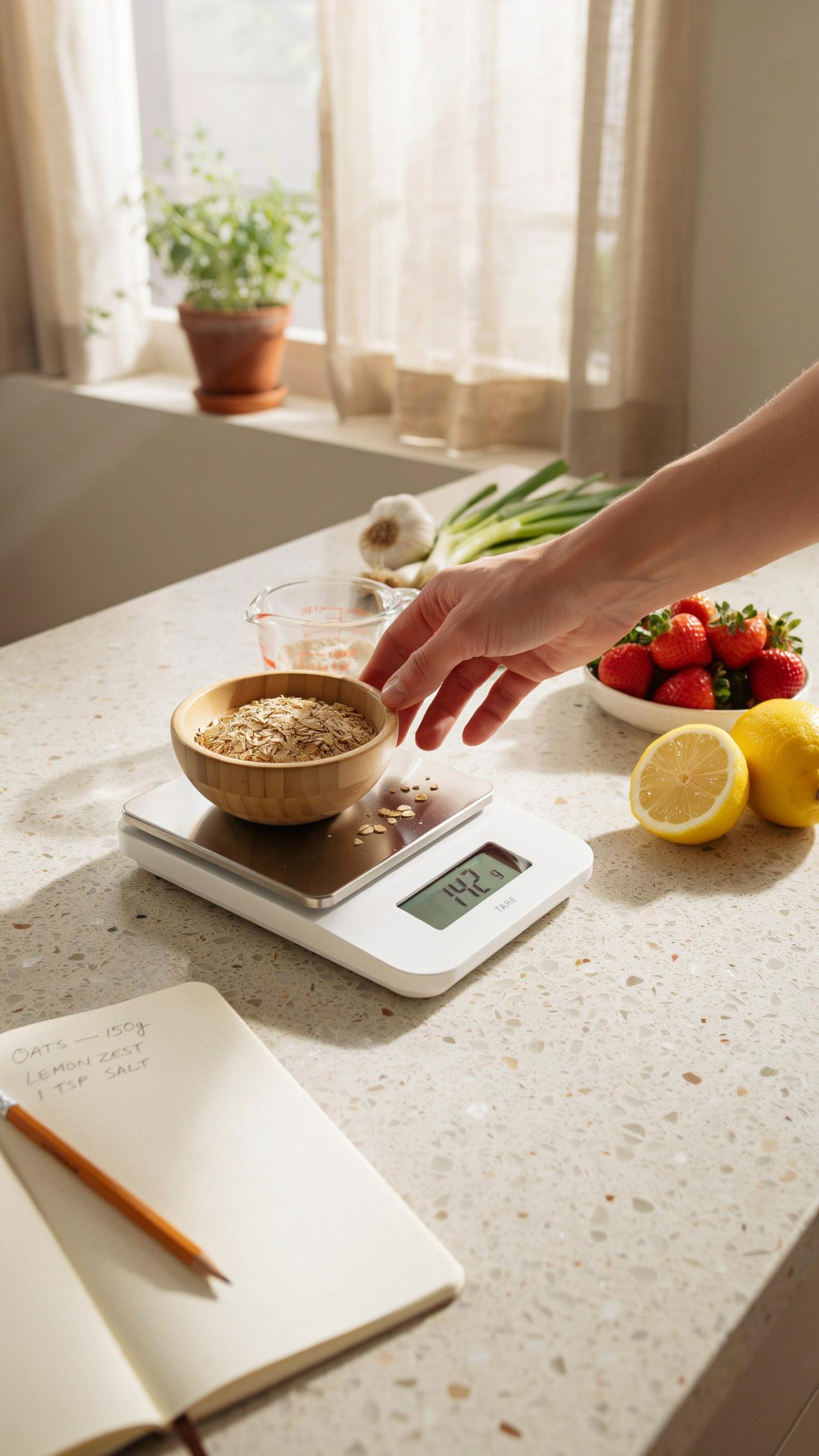
Precision matters in meal prep because macronutrient calculations depend on exact weights. Most quality digital scales measure to 0.1 grams, which gives you the data accuracy needed for nutrition tracking. Some scales read to 0.01 grams, but that level of precision rarely changes meal prep outcomes. You need accuracy that matches your nutrition app’s input requirements.
Unit versatility expands your scale’s usefulness across different recipes and dietary approaches. Standard options include grams, ounces, pounds, and milliliters for liquids. Some scales toggle between metric and imperial systems instantly. Choose scales offering grams and ounces at minimum, since nutrition apps typically default to these measurements for their databases.
Connectivity And App Integration
Bluetooth connectivity eliminates manual data entry between your scale and nutrition app. When your scale syncs with compatible apps, it transfers weight measurements automatically. This reduces errors from typing mistakes and saves time during meal prep sessions. Wi-Fi scales offer the same benefit but require your device to stay connected to your home network consistently.

App compatibility determines whether your scale actually works with your chosen nutrition software. Research which apps your target scale supports before purchasing. Some scales work with multiple platforms like MyFitnessPal or Cronometer, while others connect to proprietary apps only. Verify the app meets your tracking needs independently, since scale connectivity means nothing without functional software backing it.
Integrating Smart Nutrition Into Your Lifestyle
Streamlining Your Meal Planning Process
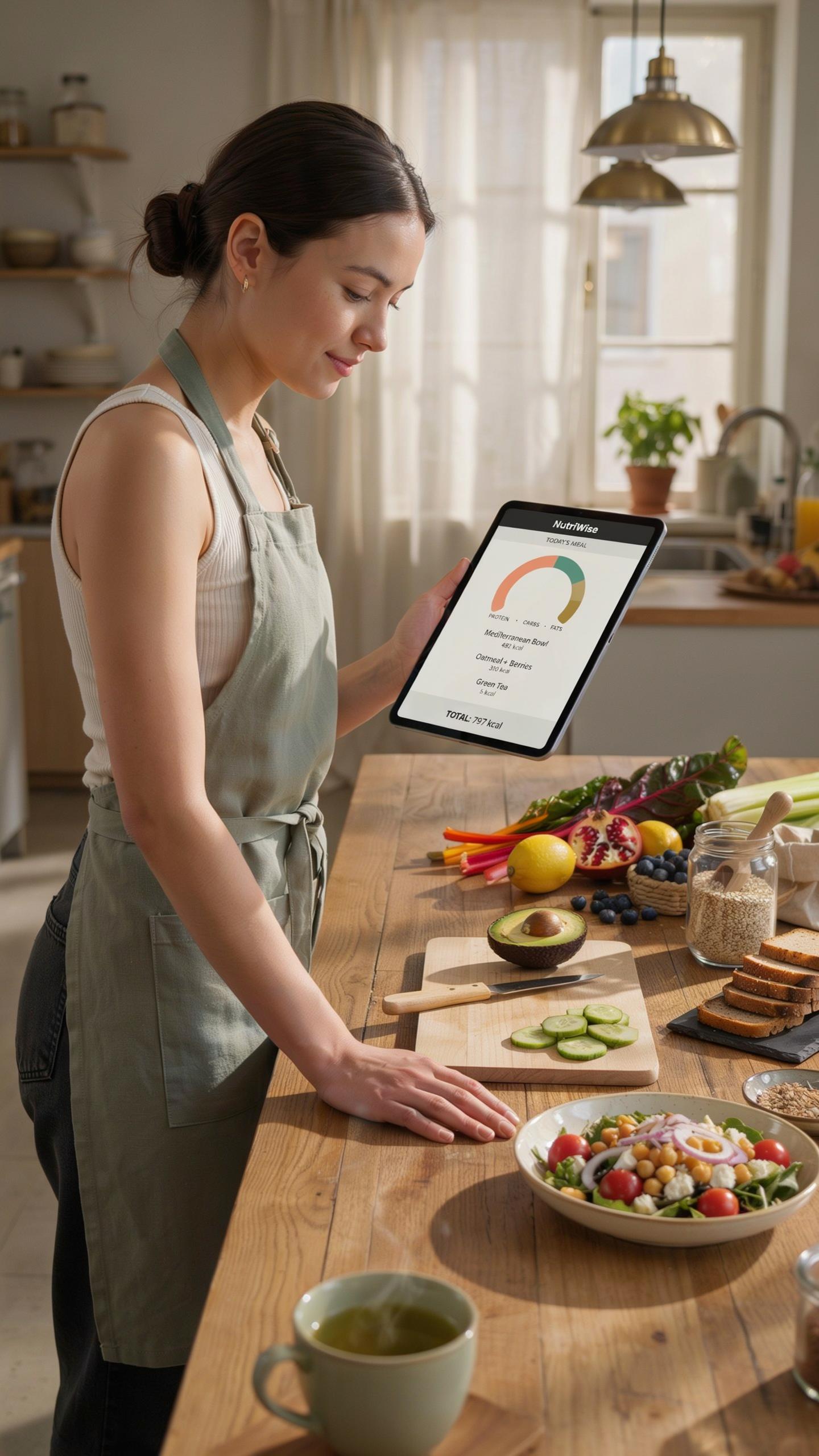
A digital kitchen scale with a nutrition app cuts meal prep time by eliminating guesswork. You weigh ingredients, the app logs macros automatically, and your plan builds itself. No more manual calculations or recipe hunting. You input what you cook, track portions in real time, and adjust recipes on the fly based on actual nutritional data.
The workflow becomes predictable after one week of use. You develop a routine: weigh, log, move forward. Most apps sync with grocery lists, so you buy exactly what you need. This reduces food waste and keeps your prep sessions focused. You spend less time thinking and more time executing your nutrition strategy.
Benefits Beyond Weight Loss
Accurate nutritional tracking supports muscle building, bone health, and energy management. Athletes use scales to hit specific protein targets daily. People managing diabetes track carbohydrate intake with precision that prevents blood sugar spikes. Those with food allergies or intolerances document reactions against exact portion sizes consumed.

Consistent data reveals patterns your memory misses. You spot which foods cause bloating, fatigue, or poor sleep. You identify micronutrient gaps by reviewing weekly logs. This information becomes actionable feedback for your doctor or dietitian. You make decisions based on your actual intake, not assumptions about it.
Choosing The Best Digital Food Scale For Your Needs
Factors To Consider: Size, Capacity, And Design
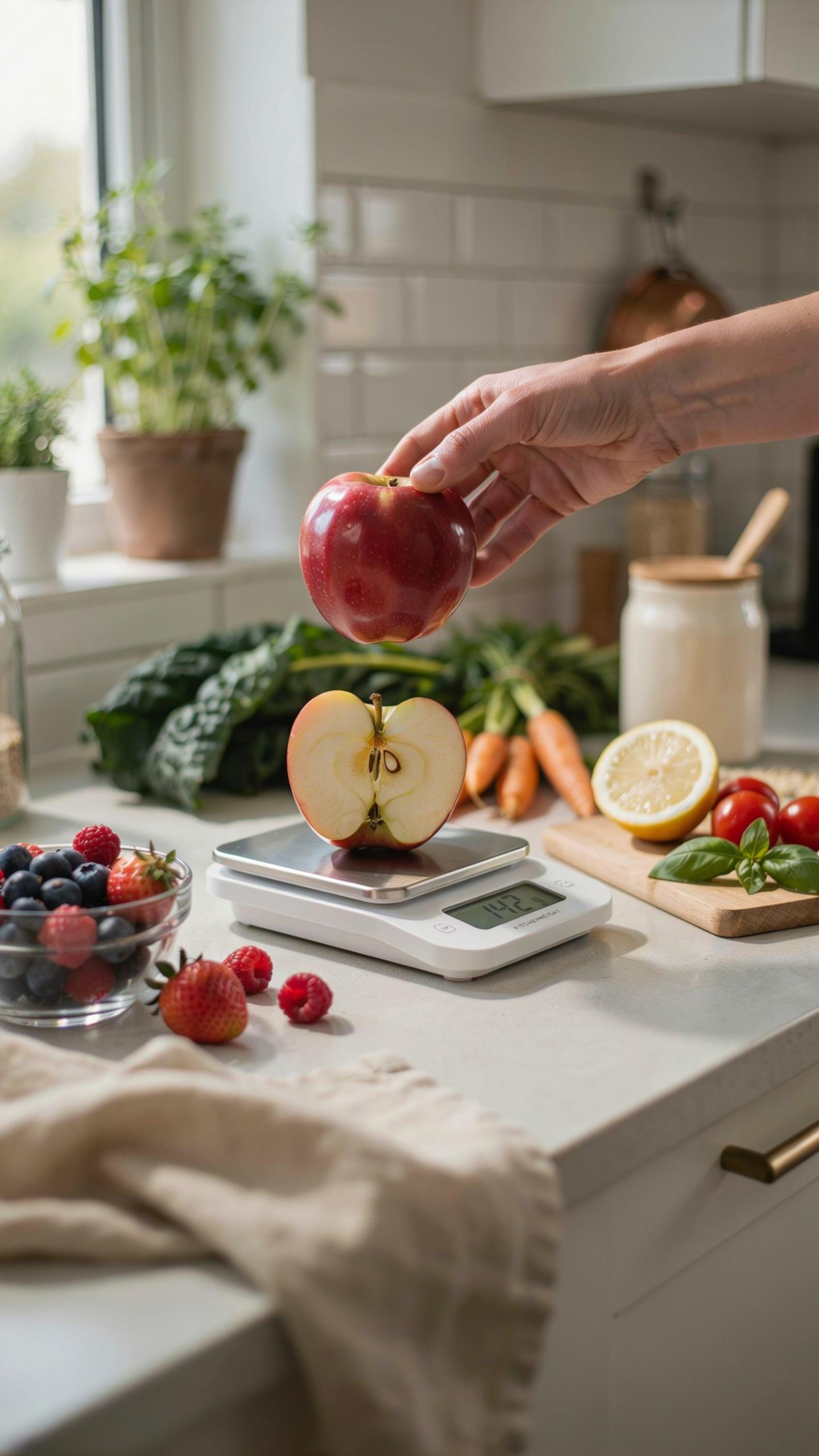
Physical dimensions matter because kitchen space varies. A compact scale fits tight countertops but limits workspace. Larger platforms accommodate bigger bowls and multiple ingredients. Check the footprint before buying. Most digital scales range from 5 by 5 inches to 8 by 10 inches.
Capacity determines what you can measure. Standard models handle 1 to 5 kilograms. Professional versions reach 10 kilograms or more. Choose capacity based on your largest typical ingredient batch. Heavier items like flour require higher weight limits. Glass or stainless steel platforms clean easier than plastic.
Imagine the wisdom our grandmothers held, measuring ingredients with practiced hands, now beautifully translated
— Unknown
Understanding Brand Reputation And Reviews
Research verified customer feedback on retail sites. Look for patterns in reviews, not isolated comments. Users report issues consistently across multiple reviewers when problems exist. Check return policies and warranty terms. Established brands typically offer longer warranties and better customer support channels.

Test brand reliability by examining how many years they’ve operated in the market. Brands producing scales for over a decade usually maintain quality standards. Read reviews mentioning accuracy issues, battery life, and app compatibility. Focus on feedback about the nutrition app integration since that’s central to meal prep functionality. Compare warranty lengths across competitors to identify commitment to durability.
Maximizing Your Meal Prep With A Smart Nutrition System
Tips For Efficient Use Of Your Weight Scale And App
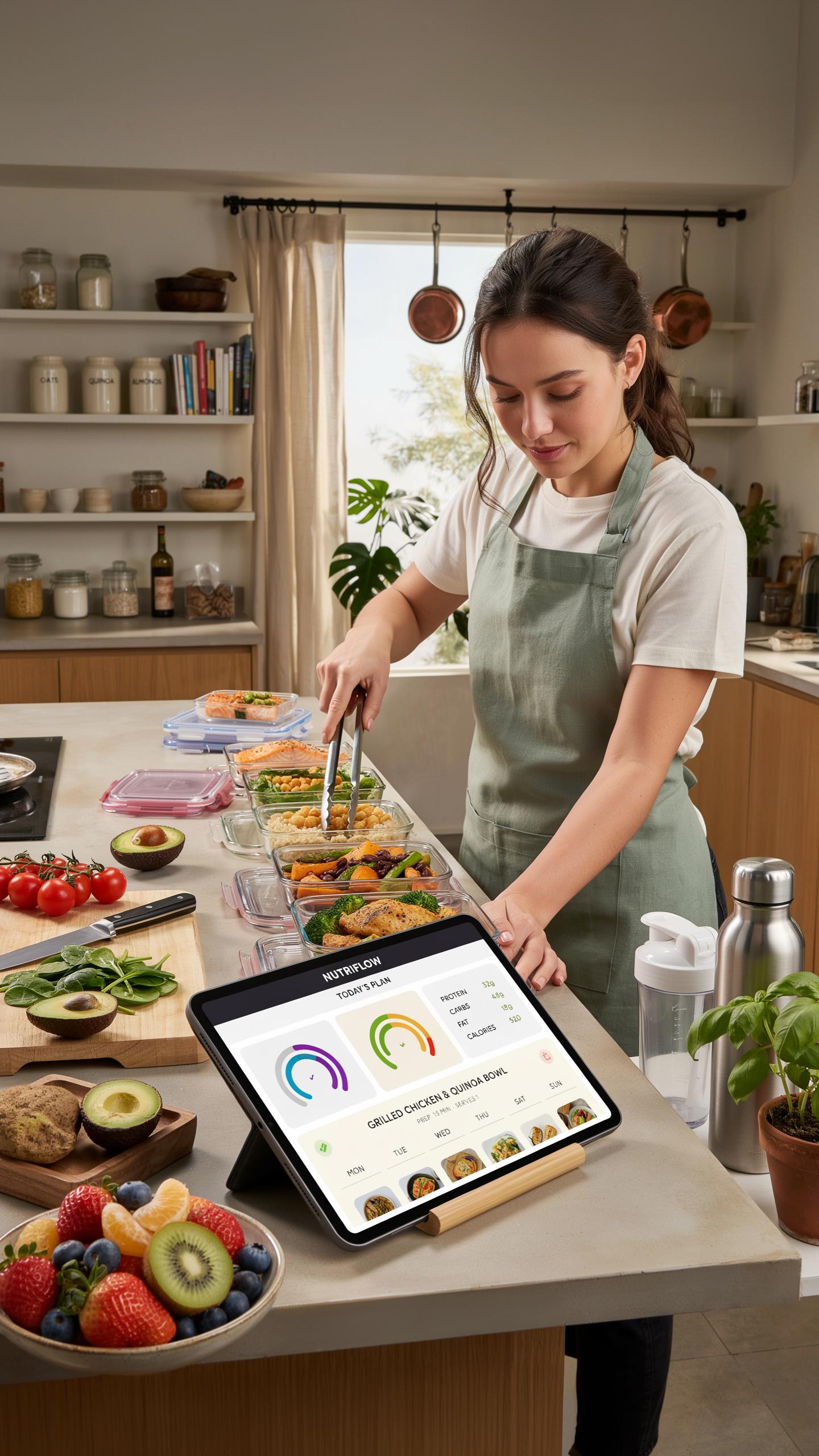
Calibrate your scale before each session. Place it on a flat, level surface away from drafts and vibrations. Zero out the scale between ingredients to prevent cumulative errors. Input your target portion sizes into the app before you start cooking. This workflow reduces decision-making time during prep and keeps you focused on the task.
The app’s database quality directly affects your results. Verify entries against USDA nutrition data or manufacturer labels before logging meals. Use the app’s barcode scanner when available. Manual entry introduces errors. Batch similar ingredients together to save time. Create custom recipes in the app for meals you prepare regularly.
Advanced Tracking Techniques For Health Goals
Establish your specific targets first: calorie intake, macronutrient ratios, or micronutrient thresholds. Your scale and app become tools to measure progress against these baselines. Track consistently for at least two weeks to establish patterns. Most apps display trends that reveal whether your current approach aligns with your objectives. Consistency matters more than perfection.
- Macro cycling: Adjust carbohydrate, protein, and fat ratios on different days based on activity level. Use your app to log different macro targets for training days versus rest days to optimize recovery and performance.
- Weekly averaging: Don’t obsess over daily totals. Track weekly averages instead. This approach accommodates natural variation while revealing true dietary patterns over time.
- Nutrient gap analysis: Most apps show which micronutrients you’re missing. Scale and log foods strategically to fill these gaps. Iron, vitamin D, and calcium are common deficiencies worth addressing.
- Pre logging: Log meals before eating to make real-time decisions. This tactic prevents overeating and forces awareness of portion sizes before consumption rather than after.
- Periodic audits: Every two weeks, verify that your app’s logged portions match what your scale actually measures. Portion creep happens. Regular checks keep your data honest and your results on track.
Advanced users adjust their tracking method based on results. If progress stalls, switch from calorie counting to macro tracking. If compliance drops, simplify to tracking one metric instead of three. Your scale measures objectively. Your app interprets that data. Use both to validate whether your strategy works or needs adjustment.
Common Misconceptions About Digital Kitchen Scales
Debunking Myths About Accuracy And Reliability
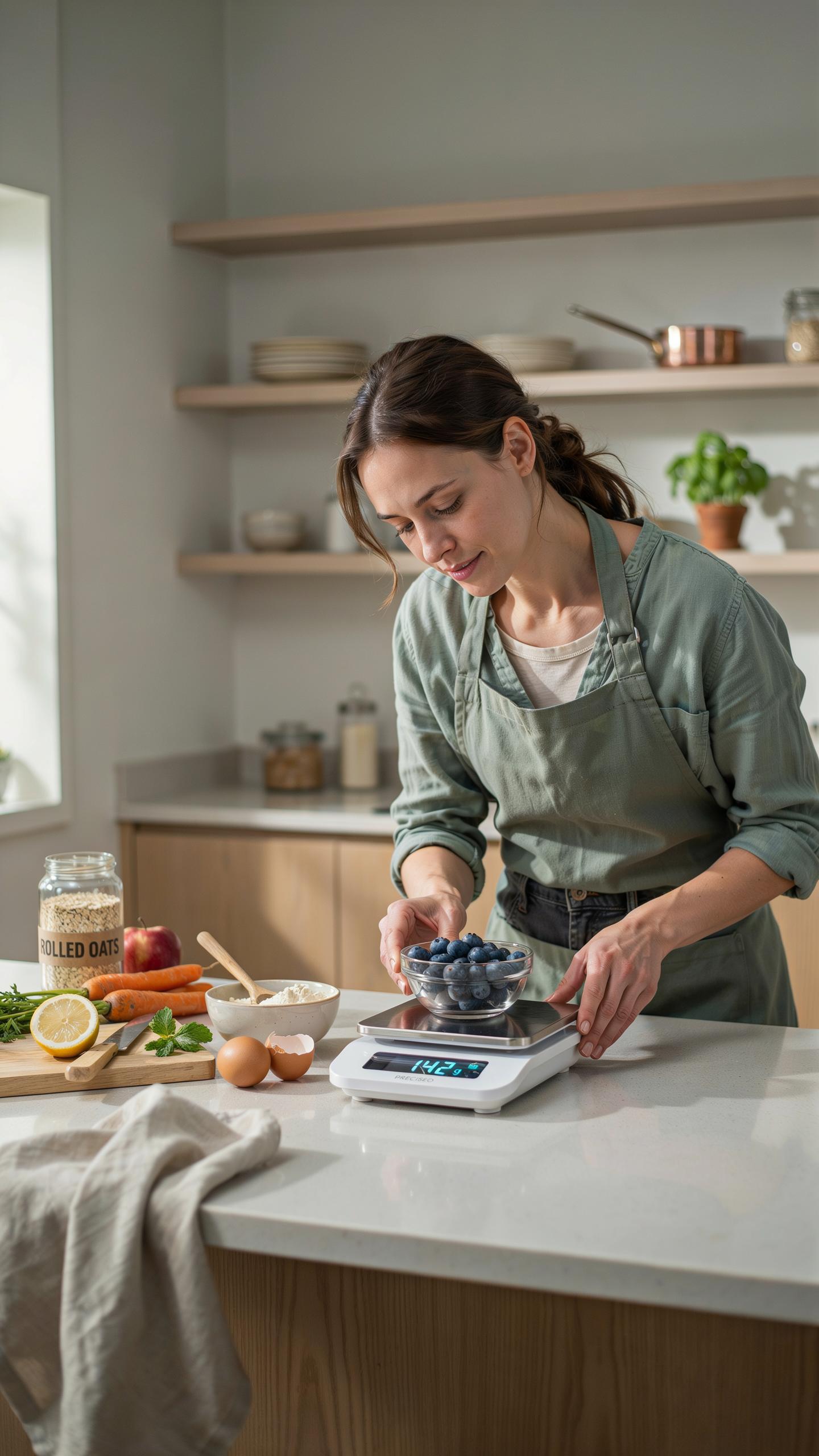
Modern digital kitchen scales measure weight to within 1 gram on standard models, with professional-grade versions achieving 0.1 gram precision. The sensor technology uses strain gauges that convert weight into electrical signals displayed on LCD screens. Accuracy issues stem from user error, not device failure. Placing scales on uneven surfaces, failing to tare between measurements, or exceeding maximum capacity causes reading errors. Scales maintain consistent accuracy across hundreds of weighings when maintained properly.
Battery drain and calibration drift are rare with current technology. Most scales use alkaline batteries lasting 12 to 24 months of regular use. Internal calibration systems auto-adjust for minor environmental changes like temperature fluctuations. Users should calibrate scales annually using standard weights if they perform frequent measurements. This simple step ensures measurements remain trustworthy for nutrition tracking and meal prep applications.
Is A Digital Food Scale Only For Professional Chefs
Digital scales serve home cooks and fitness enthusiasts equally well as professional chefs. Home users benefit from precise portion control for weight loss, muscle building, and managing dietary restrictions like diabetes or allergies. Recipes demanding exact ratios for baking or sauce making require scale accuracy that volume measurements cannot provide. The nutrition app integration connects directly to fitness apps and calorie counters, automating dietary tracking without manual entry.

Health-conscious individuals use scales to monitor daily intake accurately. Parents managing children’s nutrition, athletes optimizing macronutrient ratios, and individuals with medical conditions all rely on these tools. The learning curve is minimal since most scales display results in five seconds. Paired with nutrition apps, scales eliminate guesswork and provide real data for informed decisions about eating habits.
The Future Of Smart Kitchen Scales And Nutrition
Emerging Technologies In Food Scales
Artificial intelligence is entering kitchen scales to recognize food types automatically. Cameras paired with AI can identify items on the scale without manual entry. Bluetooth connectivity now links scales directly to phones and smart home systems. WiFi-enabled models sync data to cloud platforms for long-term tracking and analysis. These features reduce user friction and improve data accuracy in meal preparation workflows.
Machine learning algorithms will improve food recognition speed and accuracy over time. Scales with load cells will detect smaller weight increments for precise macronutrient tracking. Integration with voice assistants allows hands-free operation during cooking. Real-time feedback systems guide users through portion sizes during meal prep. These advances address the core pain point: making nutrition data capture effortless.
The Growing Trend Of Personalized Nutrition
Smart scales generate individual dietary data that apps translate into actionable nutrition plans. Users receive recommendations based on their actual food intake, medical history, and fitness goals. This data-driven approach replaces generic diet advice with measured personal results. Wearable devices now feed activity data into nutrition apps for comprehensive health profiles. The combination creates feedback loops that adapt recommendations as users progress.
Preventative health management depends on accurate nutritional data collection at the source. Smart kitchen scales capture this data automatically without requiring manual logging. Healthcare providers increasingly access patient nutrition data to guide clinical decisions. Employers use aggregated nutrition insights to design workplace wellness programs. This shift transforms nutrition from reactive dieting to proactive health optimization based on real measurements.
Frequently Asked Questions

What exactly is a digital kitchen scale with a nutrition app, and why would I need one for meal prep?
A digital kitchen scale with a nutrition app combines precise weighing with smart data. It helps you accurately measure ingredients, then automatically calculates nutritional information like calories, carbs, and protein directly through a connected app. This is invaluable for consistent, macro-friendly meal prep and achieving dietary goals effortlessly.
How do I connect and effectively use my new digital kitchen scale with nutrition app for tracking recipes?
Connecting is usually straightforward, typically via Bluetooth to your smartphone or tablet. Place your food on the scale, and the app will display its weight. You can often select the food item from a database in the app, which then instantly provides and tracks its nutritional values, making recipe logging incredibly simple.
Are digital kitchen scales with nutrition apps generally expensive, or are there affordable options for someone on a budget?
While some advanced models can be pricier, there are many affordable digital kitchen scales with nutrition app functionalities available. You don’t have to break the bank to get a reliable scale that connects to an app. Look for brands that balance essential features with a reasonable price point to fit your budget.