
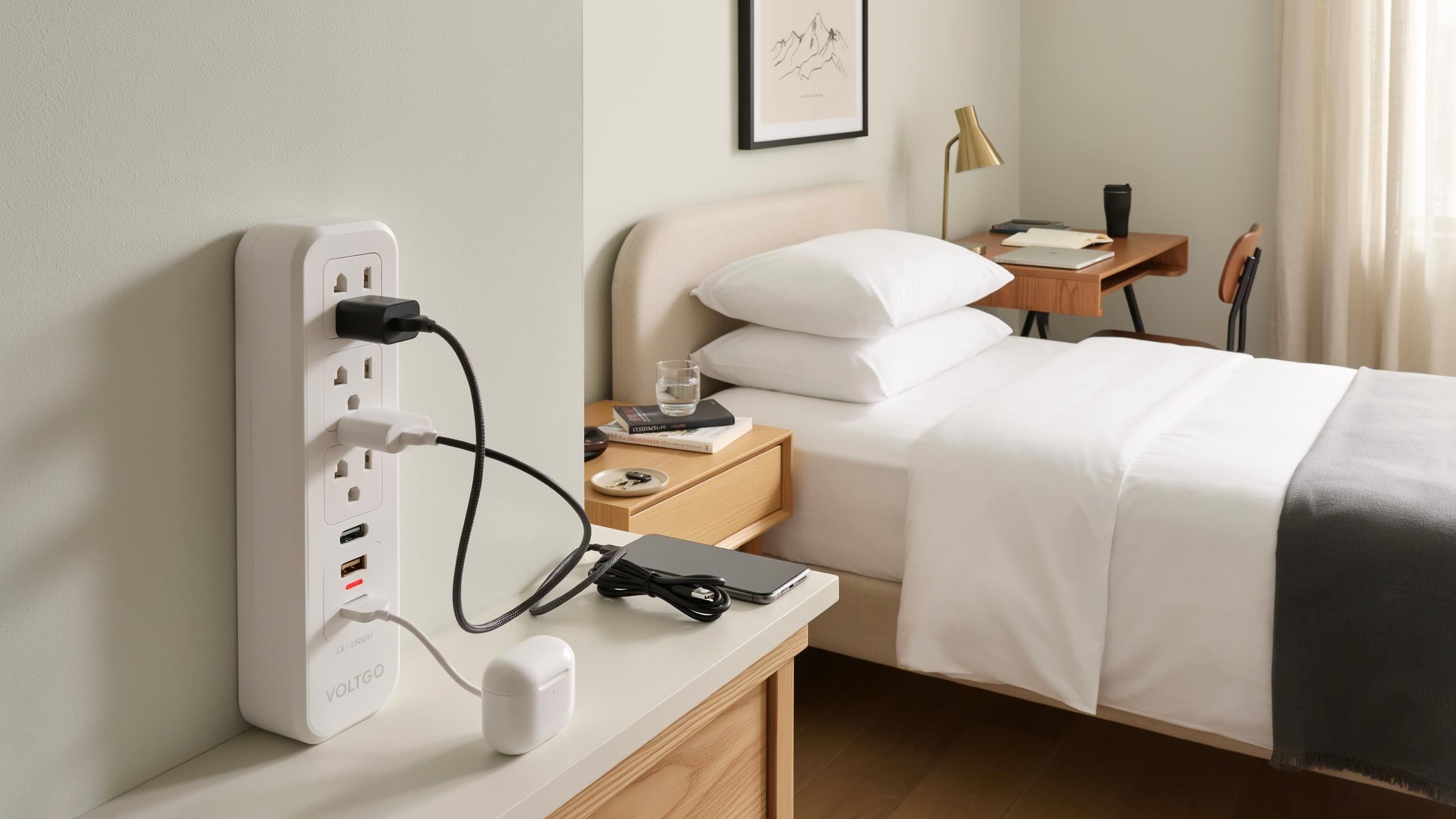
Why A Travel Size Power Strip Is Your Hotel Room Essential
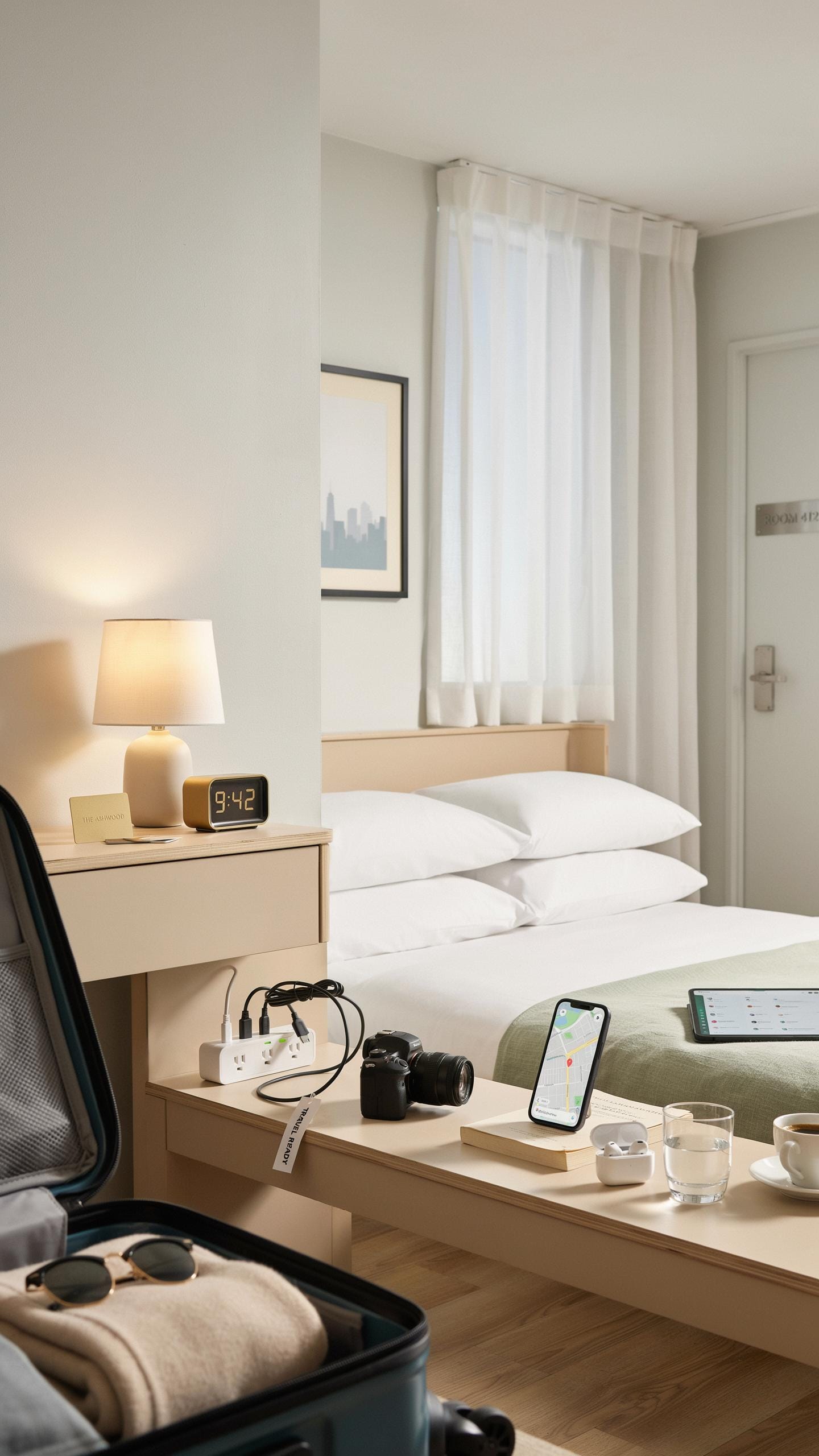
The Common Hotel Outlet Problem
Hotel rooms typically feature two to four outlets positioned in inconvenient locations. One outlet sits behind the bed. Another hides behind the desk or in a corner. This setup forces you to choose which devices get power and which remain dead. You cannot charge your phone, laptop, and tablet simultaneously without unplugging something else.
The outlet shortage becomes critical during business travel or extended stays. You need your devices charged and ready. Your phone demands constant power. Your laptop requires charging for work. Your smartwatch, headphones, and other gadgets add to the demand. Standard hotel rooms simply do not provide enough access points to meet modern charging needs.
Solving The Outlet Dilemma With A Portable Power Solution
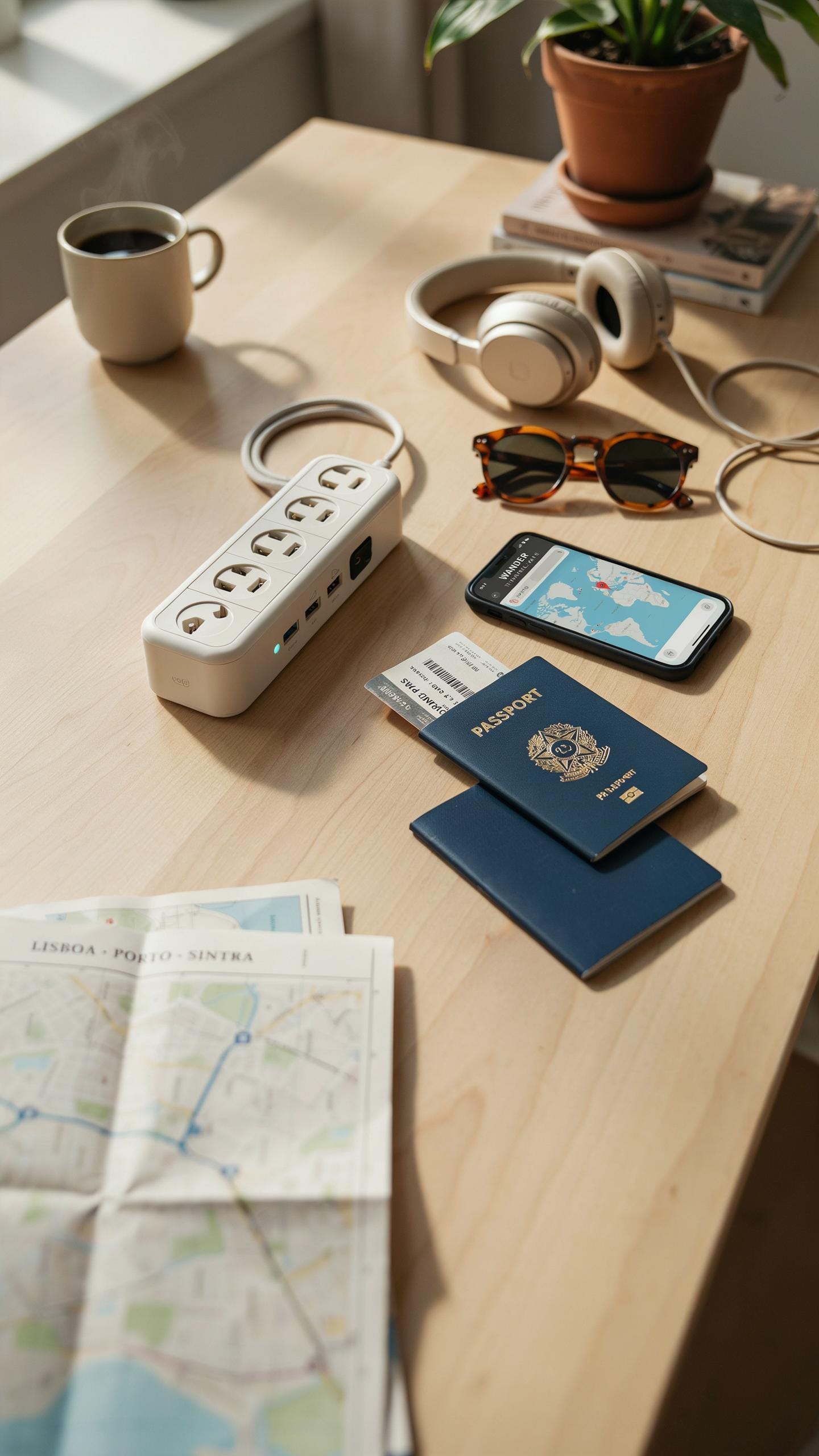
A travel size power strip solves this problem immediately. These compact units plug into a single outlet and deliver four to six additional outlets. You gain extra charging capacity without rewiring or requesting hotel maintenance. Everything charges at once. Your devices stay powered and accessible throughout your stay.
Portable power strips weigh between six and twelve ounces. They fit inside a carry-on bag or backpack. Some models measure just four inches long. The compact design means zero impact on your luggage space or travel weight. You arrive at your hotel ready to charge everything without delay or frustration.
Understanding The Benefits Of A Travel Power Strip
Charging Multiple Devices Simultaneously
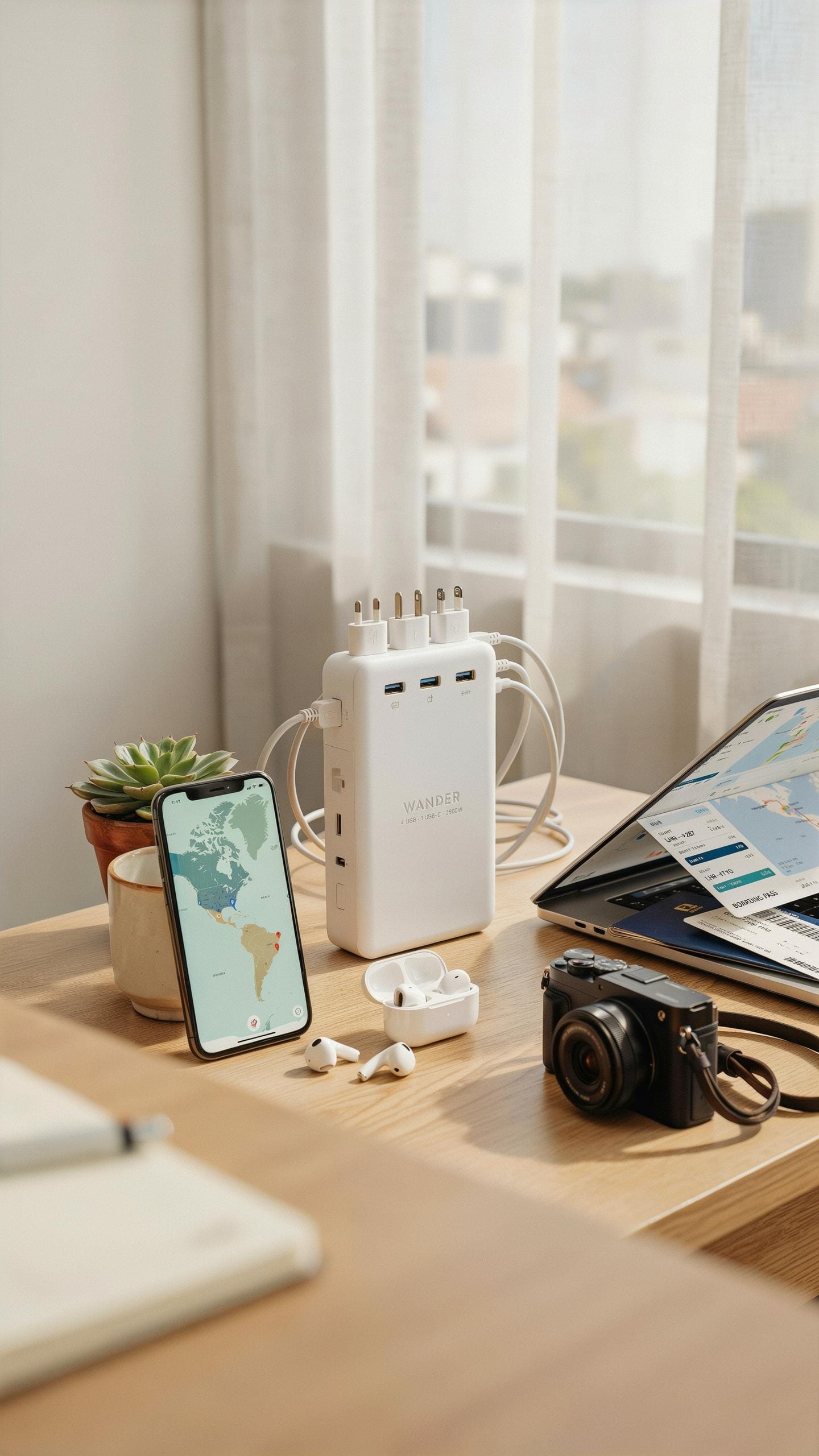
Hotel rooms typically offer one or two outlets, often positioned behind furniture or near the bed. A travel power strip solves this constraint by providing three to six additional outlets from a single plug. You charge your phone, tablet, laptop, and camera battery at once instead of rotating devices throughout the night. This eliminates the need to unplug and replug devices or wait for one to finish charging before starting another.
The math is straightforward: one outlet becomes four to six. Most travel power strips include two to four USB ports alongside standard outlets, meaning you handle both plug-dependent devices and USB-powered gadgets simultaneously. Your productivity stays uninterrupted because all your tools charge while you work, sleep, or prepare for the day. No more dead batteries derailing your plans.
Compact Design For Easy Packing
Travel power strips weigh between four and eight ounces and measure roughly the size of a deck of cards or smartphone. They fit into any luggage pocket, backpack, or carry-on without consuming meaningful space. Unlike full-size power strips used at home, these models collapse or fold flat, taking up minimal real estate in your bag.

The compact design serves a tactical purpose: you actually bring it. Full-size strips stay home because they take up space. Travel versions integrate into your packing routine without sacrifice. You pack this once and stop worrying about outlet access in every hotel room you enter across all future trips.
Key Features To Look For In A Travel Surge Protector
Surge Protection For Device Safety
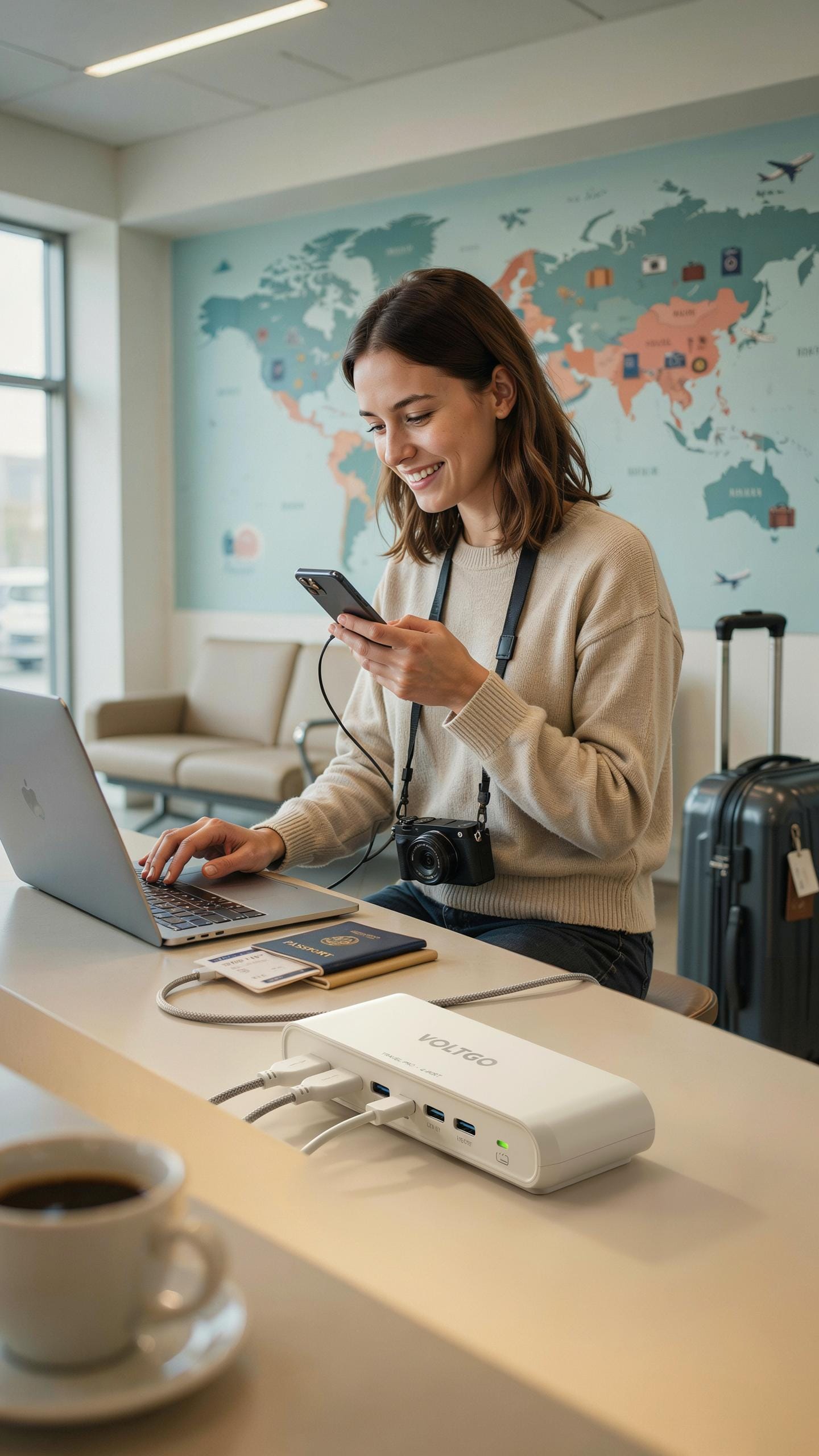
Voltage spikes happen in hotel rooms. Inconsistent electrical systems, lightning strikes, and power fluctuations damage phones, tablets, and laptops. A travel power strip with surge protection absorbs these spikes before they reach your devices. This feature prevents costly replacements and data loss. Hotels rarely offer surge protection on their outlets, making this a critical safety layer for your electronics.
Surge protection works by redirecting excess voltage away from your devices to a grounding wire. Quality units include metal oxide varistors that detect and clamp voltage spikes instantly. Most travel surge protectors handle spikes up to 600 joules. This standard protection covers typical hotel electrical hazards. Without it, one power surge wipes out multiple devices simultaneously.
USB Charging Ports For Added Convenience
Built in USB ports eliminate the need for separate chargers and adapters. Most modern travel power strips include two to four USB ports alongside traditional outlets. You charge phones, smartwatches, and tablets directly from the strip. This reduces the number of items you pack and simplifies charging routines. Hotels often lack sufficient outlets, so USB ports maximize your charging capacity per outlet used.
USB ports output standard 5 volt power, matching what phones and most small devices need. Some travel strips offer fast charging ports that deliver higher amperage. You charge multiple devices simultaneously from one hotel outlet. This setup saves outlet space for devices that require traditional plugs like laptops or hair dryers. USB ports make travel power strips more practical than standard surge protectors.
The Versatility Of An Outlet Extender For Travelers

Beyond Hotel Rooms: Use Cases For An Extender
An outlet extender solves outlet shortages in any temporary living space. Dorm rooms typically have one or two outlets per bed area, forcing students to choose which devices charge. Cruise cabins often feature outlets only near the bathroom or desk, leaving other areas unreachable. Even permanent homes benefit from extenders to organize cables and reduce clutter behind furniture.
The core problem remains constant across all environments: insufficient outlets relative to devices that need power. An extender doesn’t add outlets through magic. It redistributes existing power from one location to multiple devices in one area. This approach works equally well whether you’re in a hotel room, temporary rental, or your own house managing cable mess.
Remember the joy of exploring new lands, not the frustration of searching for a free socket. A compact power strip ensures your adventures are always charged, just like our memories.
Maximizing Limited Space And Outlets
One outlet becomes multiple usable ports with a single extender. Hotel rooms commonly have two to four outlets total, usually positioned near beds or desks only. This forces travelers to unplug devices repeatedly to charge others. An extender eliminates this friction by concentrating power in your actual work zone.

Space constraints demand smart placement. Extenders sit flat on nightstands, desks, or floors without requiring wall modifications or permanent installation. Multiple devices charge simultaneously instead of sequentially. You reclaim time and reduce decision fatigue about which device gets priority charging during your stay.
Considering An Extension Cord For Flexible Power Access

Reaching Distant Outlets With Ease
Hotel room layouts force you to work with outlet placement you don’t control. An extension cord solves this by reaching outlets positioned across the room, behind furniture, or in inconvenient corners. You charge devices exactly where you need them instead of clustering everything near a single wall outlet. This matters when your bed, desk, and sitting area sit far apart.
Standard extension cords come in lengths from 6 to 25 feet, giving you real flexibility in positioning your power strip or chargers. A 10 to 15 foot cord covers most hotel room scenarios without excess bulk in your luggage. Quality cords feature grounded three-prong plugs that match most outlets in North American hotels. Measure your hotel room’s layout mentally before selecting a cord length for your trip.
Safety Tips For Using Extension Cords While Traveling
A grounded extension cord with a three-prong plug protects your devices from electrical faults. Verify the cord has intact insulation with no cracks, cuts, or exposed wiring before plugging anything in. Cheap cords fail faster and create fire hazards in confined hotel spaces. Spend the extra money on a cord from a reputable manufacturer rated for your region’s voltage.

Never plug multiple high-draw devices into a single extension cord simultaneously. Phone chargers and small electronics draw minimal power, but hair dryers and space heaters demand far more. Check the extension cord’s amperage rating and stay well below the limit. Overloaded cords overheat and damage both your devices and the hotel’s electrical system.
Portable Power Solutions More Than Just Power Strips

Travel Adapters And Converters Explained
Travel adapters and converters solve different problems. Adapters change plug shapes to fit wall outlets in different countries. They pass electricity through unchanged. Converters transform voltage levels from one standard to another. Most countries use either 110-120V or 220-240V systems. Using the wrong voltage destroys electronics. Check your device specs before plugging in anywhere. Many devices auto-convert, but cheap electronics don’t. Buy adapters for plug shapes. Buy converters only for devices that don’t handle dual voltage.
Know your destination’s outlet type before traveling. North America uses Type A and B plugs. Europe uses Type C and E. Asia uses various types including A, B, and I. Combination adapters handle multiple plug types but add bulk. Single-purpose adapters stay compact. Converters add weight and cost significantly more than adapters. Buy a converter only if your hair dryer or charger lacks dual voltage markings. Most phone chargers and laptop adapters work worldwide without converters.
Exploring The Benefits Of A USB Charging Station
USB charging stations consolidate multiple devices into one outlet connection. Instead of carrying three wall adapters for phone, tablet, and camera, you plug one station into your hotel outlet. Most quality stations deliver 2-4 amps per port, charging devices at standard speed. This approach cuts down on outlet usage in rooms with limited plugs. The station itself takes one outlet, freeing others for your travel size power strip or lamp.

Dedicated USB stations outperform wall adapters daisy-chained together. Multi-device charging from one unit reduces heat buildup that shortens battery life. Most stations weigh under 8 ounces and fit in carry-on luggage easily. Look for stations with at least two ports to justify the purchase. Some models include one standard outlet plus USB ports, creating hybrid solutions. This design reduces your total device count and charging cable clutter significantly.
Specialized Power Strips Cruise And Dorm Room Essentials
Cruise Approved Power Strips: What To Look For
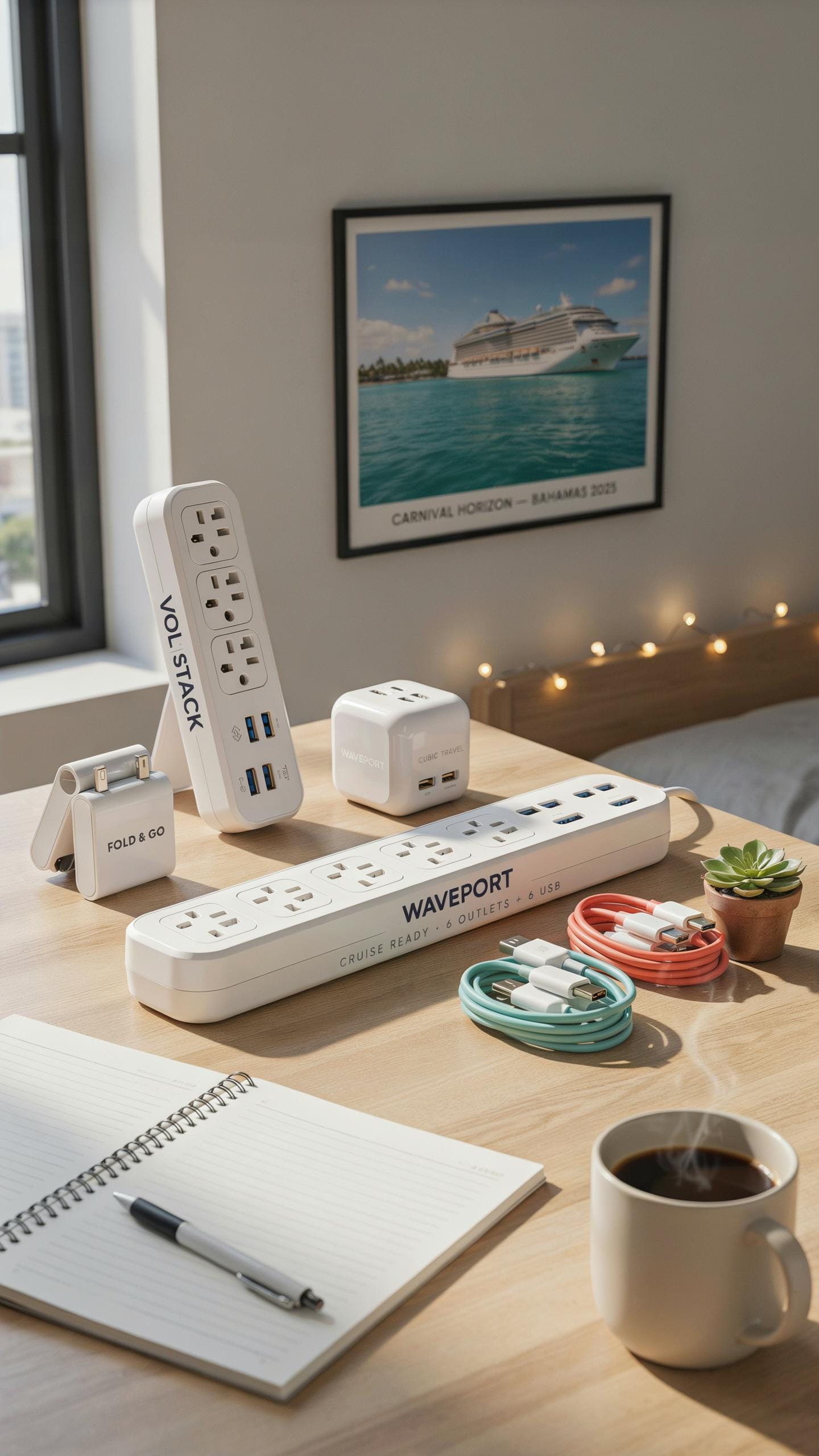
Cruise lines prohibit surge-protected power strips in cabins due to fire codes and electrical safety regulations. You need a basic power strip without surge protection features. Check your cruise line’s rules before boarding, as policies vary by company. Most lines allow non-surge models with four to six outlets. Verify the voltage rating matches your ship’s electrical system, typically 110V in North American waters. A compact design fits easily in tight cabin spaces.
Non-surge power strips cost less and meet cruise requirements reliably. Look for models rated for 15 amps maximum to comply with onboard standards. Avoid units with indicator lights, USB ports, or smart features, as these often contain surge protection components that trigger fire alarms. Call your cruise line directly to confirm their specific power strip specifications before your trip.
Dorm Room Power Solutions For Students
Dorm rooms demand power strips with extended cords and multiple outlets to service clustered electronics and shared spaces. A six-outlet model accommodates laptops, chargers, desk lamps, and monitors in one location. Cord length matters critically in dorms, where outlet placement rarely aligns with furniture arrangement. Choose 6-foot or 8-foot cords to reach across rooms without creating tripping hazards or tangled wires.

Students benefit from compact designs that fit under desks or behind nightstands without consuming valuable floor space. Metal construction outlasts plastic models through repeated moves and packing cycles typical of student life. Check your school’s dorm policies, as some institutions restrict surge-protected models. Invest in a unit rated for continuous use, since dorm power strips run longer daily hours than typical household applications.
Innovations In Travel Power Wrap Around Extension Cables
The Convenience Of Wrap Around Design
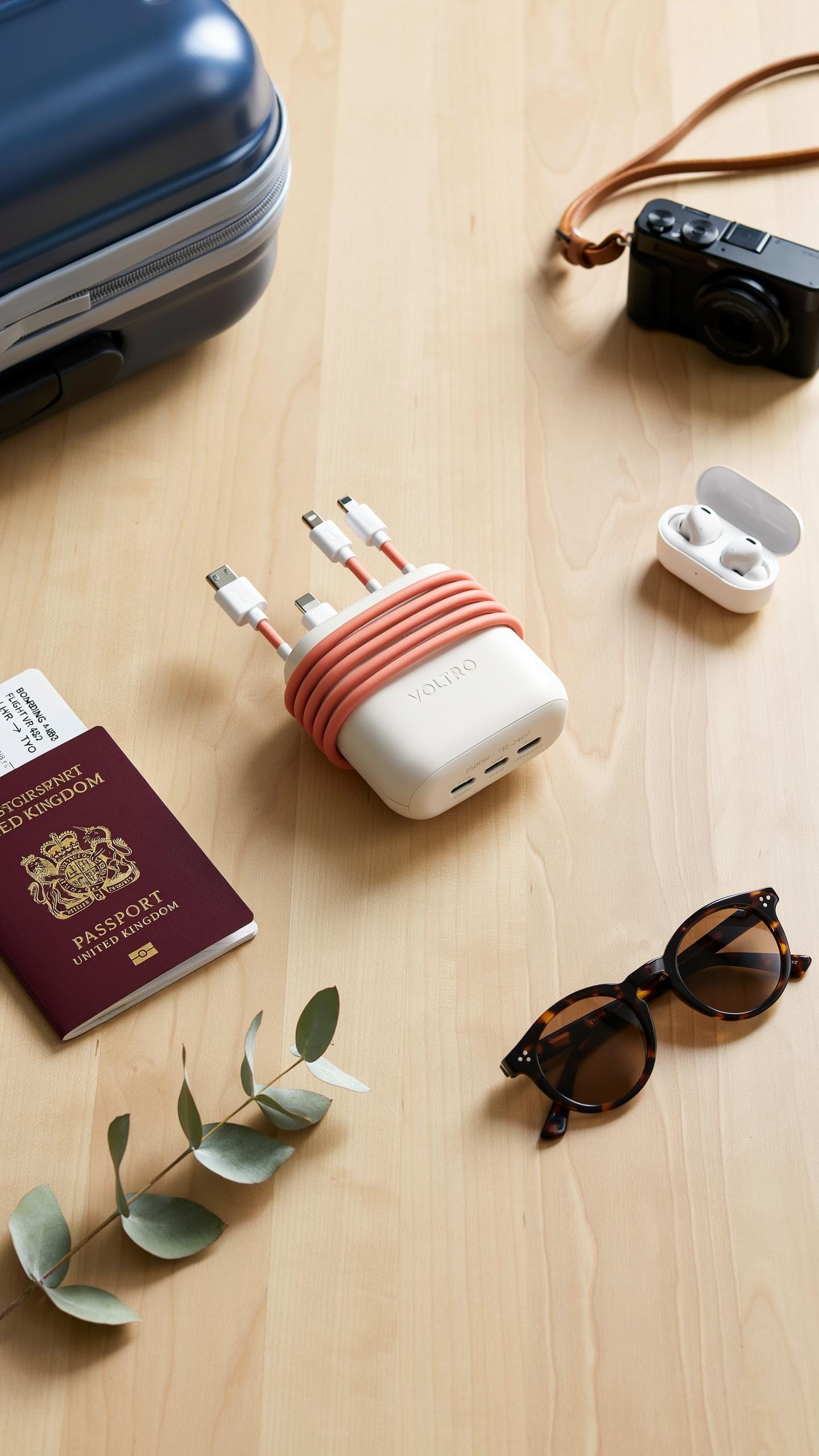
Wrap around extension cables solve a core problem for travelers: cable clutter. The design wraps the cord around a central spool or clip mechanism, keeping it contained during packing and transit. This prevents tangling with other items in your luggage and reduces the footprint in your bag. You unwind only what you need when you arrive at your hotel room.
The mechanism works through either adhesive straps, velcro bands, or rigid spools built into the cable itself. Users wrap the excess cord around these anchors before packing. Upon arrival, you simply unwind the length required to reach your outlet. Setup takes seconds instead of minutes spent untangling a knotted mess. This straightforward approach has become standard in travel power products because it directly addresses the pain point of cable management.
Space Saving And Practical Features
Wrap around cables often integrate multiple outlets and USB ports into designs that occupy minimal bag space. A typical travel model combines two to four AC outlets with one to three USB ports in a footprint smaller than a standard paperback book. The wrap mechanism means the entire unit stays compact even when fully wound. You carry one device instead of multiple adapters and extension cords.

The practical benefit extends beyond space savings to charging efficiency. Multiple outlets allow simultaneous charging of laptop, phone, tablet, and other devices from a single hotel outlet. USB ports eliminate the need for separate USB adapters for common devices. Some models include surge protection, protecting your electronics from power fluctuations common in certain hotel rooms and international destinations. This consolidation approach saves weight and packing volume while increasing your charging capacity.
Choosing The Best Travel Power Strip For Your Needs
Factors To Consider Before Purchase
Your power strip choice depends on three core variables: outlet count, device compatibility, and electrical safety. Count how many devices you charge simultaneously. Most travelers need three to six outlets. Check if you need USB ports for phones and tablets. Verify the strip handles your devices’ wattage. Look for surge protection ratings between 500 and 1000 joules. Consider the physical footprint of your hotel desk space.
- Outlet Count: Determine if you need three, four, six, or more outlets based on your typical device load during travel.
- USB Port Options: Built-in USB ports eliminate adapter needs for phones, tablets, and other standard USB devices.
- Surge Protection Rating: Choose strips rated between 500 to 1000 joules to protect expensive electronics from voltage spikes.
- Compact Design: Select dimensions under eight inches long so the strip fits standard hotel nightstands and desk spaces.
- Voltage Compatibility: If traveling internationally, verify the strip handles 110-240 volts or purchase a dual voltage model.
- Cord Length: A six to ten foot power cord gives you flexibility to position the strip away from the wall outlet.
Weight and portability matter on extended trips. Most travel strips weigh between four and twelve ounces. Lightweight models pack easily into carry-on luggage. Check the power cord storage method. Some strips have cord wraps or retractable cables. Verify the strip fits your travel bag compartments without occupying excessive space.
Top Recommendations For Every Traveler
Business travelers need reliability and professional appearance. Look for strips with four to six outlets and USB charging ports. Compact designs fit desk setups in corporate hotels. Choose models with indicator lights showing power status and surge protection activation. A six-foot cord reaches wall outlets behind desks or furniture. Prioritize surge protection ratings above 500 joules for expensive laptops and monitors.
Families and leisure travelers benefit from strips with higher outlet counts and multiple USB ports. Six-outlet models accommodate phones, tablets, cameras, and portable speakers simultaneously. USB ports reduce the number of individual adapters you pack. Longer power cords, eight to ten feet, let kids charge devices at safe distances from water hazards in bathrooms. Select strips with safety features like automatic shutoff or thermal protection to prevent overheating.
Students and budget travelers should focus on essential features without paying for unnecessary upgrades. A simple four-outlet strip handles laptops, phone chargers, and desk lamps. USB ports add value without significant cost increases. Lightweight models under eight ounces travel easily between dorms and home. Avoid premium brands for basic functionality. Standard surge protection of 500 joules meets typical student device needs adequately.
Frequently Asked Questions

What exactly is a travel size power strip and why do I need one for my hotel room?
A travel size power strip for hotel rooms is a compact, portable power strip designed to provide multiple outlets or USB ports from a single wall socket. Hotel rooms often have limited, inconveniently placed outlets, making it difficult to charge all your devices simultaneously. This handy gadget solves that problem effortlessly.
How do I choose the best travel size power strip for hotel rooms, considering different plug types and device needs?
When selecting a travel size power strip, prioritize models that are lightweight and have universal voltage compatibility if you travel internationally. Look for options with both AC outlets and USB ports. Also, consider models with a rotating plug or a flat plug design for easier access in tight spaces found in many hotel rooms.
Are there affordable options for a travel size power strip, or do they tend to be expensive?
Absolutely! You can find a high-quality travel size power strip for hotel rooms at a very reasonable price. Many reliable brands offer excellent, budget-friendly options that provide surge protection and multiple charging ports without breaking the bank. Shop around and compare features for the best value.