The Minimalist’s Protocol: Overlooked Utility, Not Novelty

What One Tool Does Best
You want to feel smart about gift-giving without spending real money. The mechanism that separates useful stocking stuffers from drawer clutter is constraint. When a tool does one job with precision, you actually use it. When it tries to do five things mediocrely, it becomes decoration.
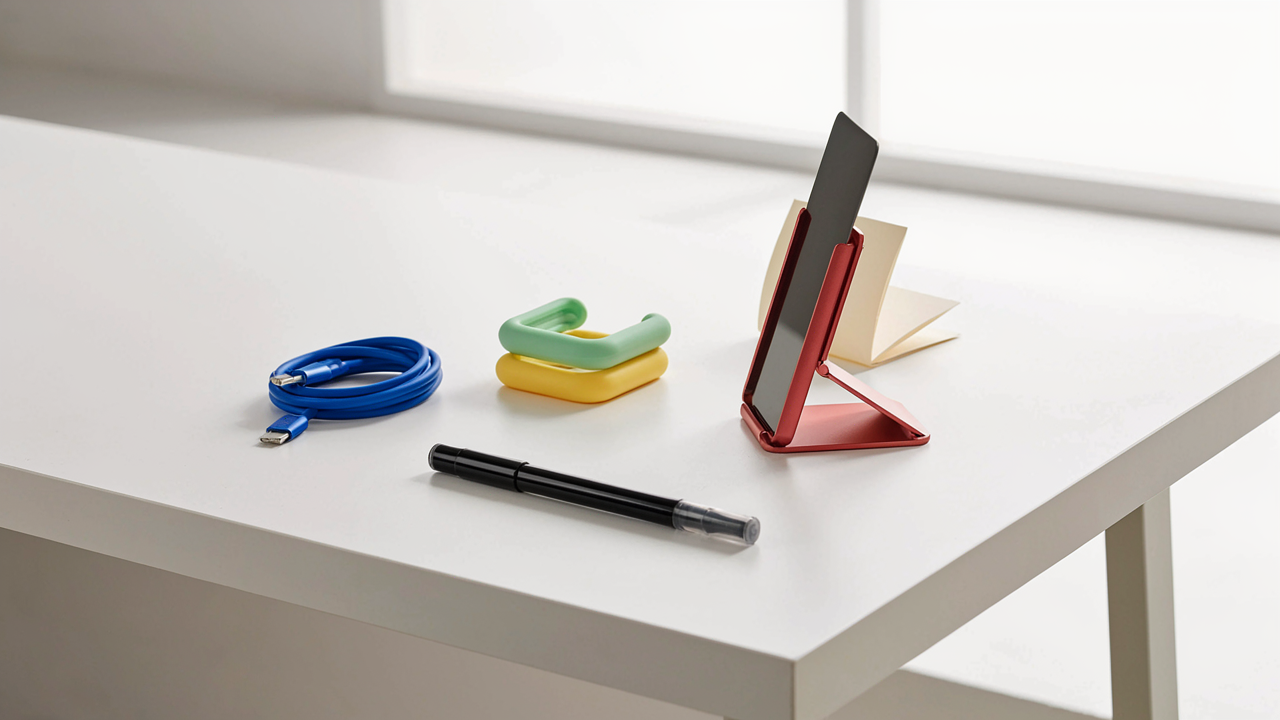
USB-C cables, cable organizers, phone stands, and screen cleaners dominate this price range because they solve friction points in daily device use. Each one addresses a specific problem: charging compatibility, cable chaos, viewing angle, or display dirt. No feature creep. No bloat. The best items under ten dollars are the ones that make you notice their absence the moment they’re not there.
Single Function Over Swiss Army Delusion
Everyone says multi-tool gifts are smarter because you get more. That’s backwards. A tool that tries to be everything becomes good at nothing, and you’ll reach for your phone’s built-in alternatives instead. Industrial design teaches us that constraint forces excellence. Apply that principle here: a dedicated screen protector is better than a case-protector-stand hybrid that does each job worse.
Real utility items under ten dollars excel because they’re obsessive about one outcome. A magnetic cable organizer keeps cords untangled. A lens cleaning pen removes smudges from camera glass. A USB hub expander increases port availability. You pick the tool that solves the specific friction your recipient actually experiences, not the one that promises to solve everything. This is how you guarantee the gift gets used past January.
Signal Vs. Noise: Useful Stocking Stuffers That Cut Through The Clutter

The Friction Tax Nobody Names
You want to feel like you nailed the gift without spending real money, which means you need proof the recipient will actually use it. The mechanism is friction: small annoyances repeat daily, and removing one saves cognitive load across hundreds of interactions. People don’t remember gifts that solve theoretical problems. They remember gifts that disappeared into routine because they worked.

A phone stand under ten dollars doesn’t sound like much because we’ve normalized neck strain as the cost of existence. But friction compounds. Every time someone props a phone against a water bottle or leans their head to watch a video, they’re paying a small tax. A basic adjustable stand costs five to eight dollars and eliminates that tax entirely. The gift gets used immediately and invisibly, which is exactly what stocking stuffers should do.
The Persistence Play
Most stocking stuffer advice tells you to grab anything on clearance or whatever looks cute. That’s lazy. A persistent micro-problem is something the person encounters every single week and hasn’t fixed because the activation energy to solve it exceeds the annoyance level. Your job is to drop the activation energy to zero.
A cable organizer or velcro tie set under ten dollars addresses the desktop chaos problem. Cables tangle. Chargers disappear into drawer purgatory. Nobody buys these for themselves because the problem doesn’t feel urgent enough to warrant a transaction. But once in place, they create immediate order. The person sees their desk cleaner and makes the connection to your gift. That’s the mechanism: you solved the problem before they consciously acknowledged it existed, which feels like actual thoughtfulness, not obligation shopping.
The Efficiency Multiplier: Small Upgrades, Big Impact
Amplify Existing Tools Without Replacement
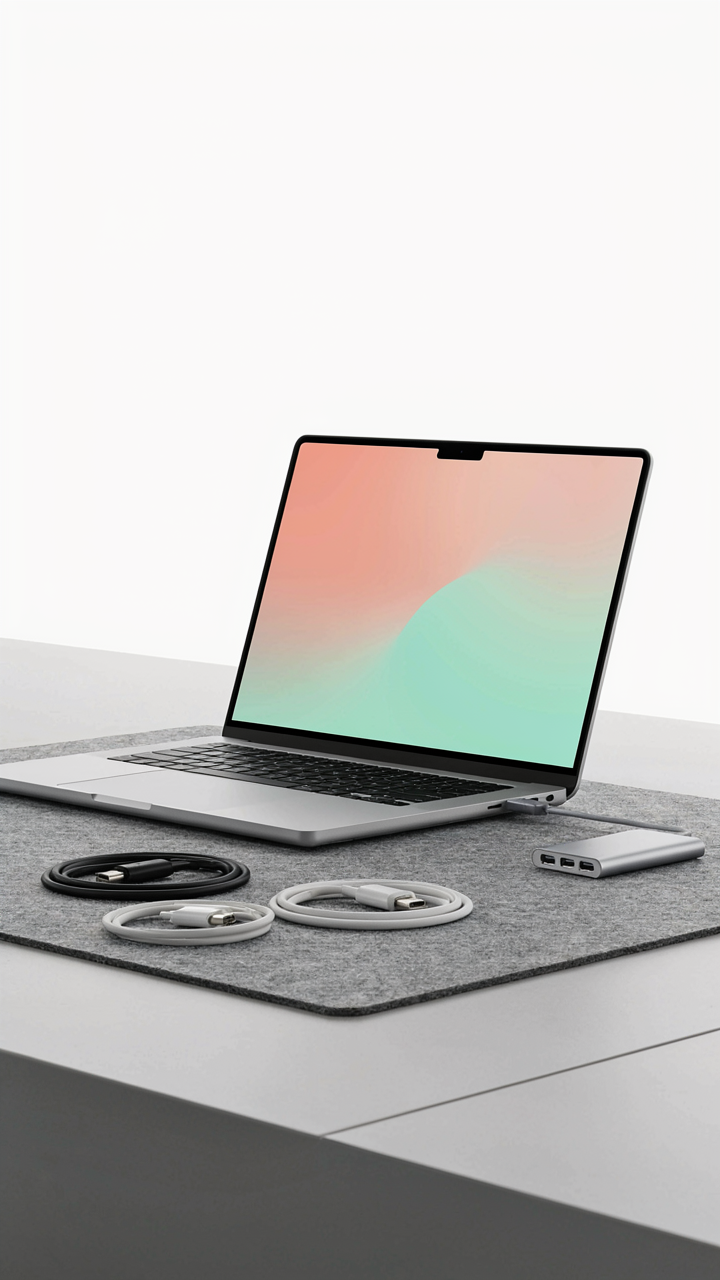
You want to believe that upgrading means buying new hardware. It doesn’t, and that assumption costs you time and money. Economics calls this “marginal utility”—the added value from one more unit of input. A cable organizer, a phone stand, or a USB hub under ten dollars doesn’t replace your laptop. It removes friction from the workflow you already have, compounding your output without capital investment.

The mechanism is simple: friction kills iteration. You check email on your phone while typing because your desk setup forces you to crane your neck. A five-dollar phone stand eliminates that switch tax. You lose files in Downloads because you lack cable management. A two-dollar velcro organizer solves it. These aren’t luxuries. They’re infrastructure fixes that unlock the productivity baked into gear you already own.
Eliminate Friction In Daily Digital Tasks
The common advice says to “optimize your setup.” Wrong framing. You’re not optimizing. You’re removing obstacles between your intention and execution. A USB-C hub under ten dollars lets you charge and transfer without unplugging three cables. A screen protector stops you from anxiety-checking your phone for scratches. Keyboard keycaps replace worn letters you’ve worn smooth. Each one collapses a micro-decision that burned cognitive load.
Real efficiency isn’t about doing more. It’s about removing the reasons you stop doing what works. Small tools force you to confront your actual workflow instead of fantasizing about ideal ones. You notice which cables get tangled. You see which surfaces need protection. You identify which tasks repeat. Then you solve the exact problem, not a imaginary one. Buy the tool that addresses your specific friction point, not what someone online recommends.
Beyond The Buzz: Gifts For Tech Lovers Who Value Substance
The Problems Nobody Mentions
You want to look thoughtful without spending money. The mechanism is simple: tech people don’t want more stuff. They want friction removed from their actual workflows. The generic advice tells you to buy gadgets. That’s wrong. Most tech lovers already own the gadgets. They own too many. What they lack are the small tools that solve the specific annoyances they encounter daily but haven’t bothered to fix because the ROI on a ten dollar solution felt too small to research.

The real gifts sit in the cable, connector, and adapter category. A quality USB-C hub under ten dollars eliminates the desk chaos of hunting for ports. A cable organizer prevents the daily fifteen-second hunt for the right connector. A magnetic phone mount removes the friction of propping devices up while troubleshooting. These aren’t exciting. They’re invisible. That’s the point. Tech people notice and remember the gift that solves something they didn’t realize was solvable.
Materials That Actually Last
Durability doesn’t come from marketing claims. It comes from material selection and design simplicity. The common advice suggests looking for “premium” options, but premium branding under ten dollars is fantasy. Real durability means fewer moving parts, thicker gauge metals, and proven materials that don’t degrade in six months.
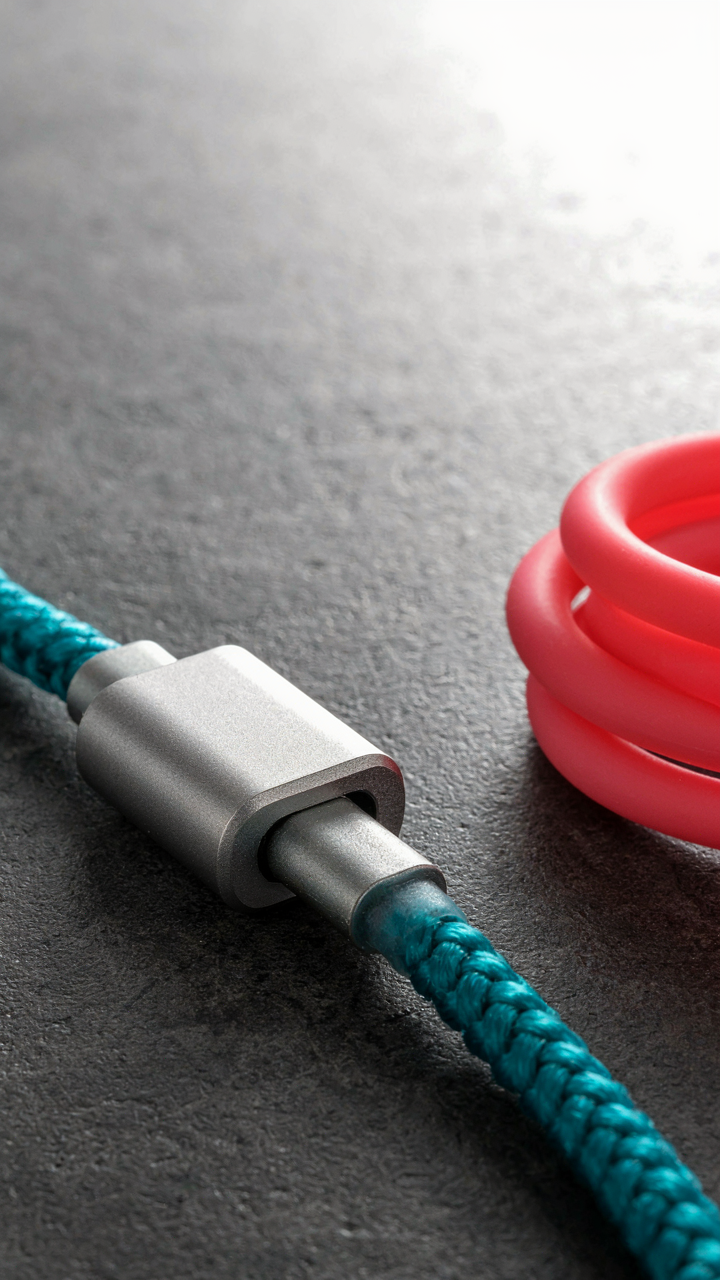
Braided cables outlast rubber by design. The woven exterior protects the inner conductor from UV damage and flexing stress. Silicone cable organizers resist cracking better than rigid plastic. Aluminum and stainless steel connectors don’t corrode like copper-only contacts exposed to air. The mechanism is metallurgy and material science applied to objects people use daily. Check the material composition before the brand name. A braided cable from an unknown maker outlasts a rubber cable from a famous company.
Asymmetric Warfare: Applying Military Strategy To Gifting

Where They Bleed Without Knowing It
You want to look thoughtful without spending money or time figuring out what people actually need. In military strategy, asymmetric warfare exploits an opponent’s assumed strength by attacking their weakest point instead. Most people don’t notice their tech friction until it interrupts them. A cable that tangles, a phone that won’t charge at the right angle, a screen that collects fingerprints they wipe constantly. These aren’t problems they’ll solve themselves because they’ve normalized the inconvenience. A sub-10 dollar gift targets exactly this: the daily annoyance they’ve stopped seeing.

The mechanism is simple. People don’t value what they already tolerate. But they remember who removed the friction. A USB-C cable organizer isn’t glamorous. It works because it eliminates the five-second hunt every morning. That’s not a gift. That’s leverage. You’re positioning yourself as the person who understands their environment better than they do.
Precision Over Presence
Everyone gives generic gifts and calls it thoughtfulness. Wrong. Precision means observing one specific failure point, not guessing at their interests. Watch how someone uses their tech for three days. Do they prop their phone at a bad angle? Do their earbuds tangle? Do they lose the charging cable in their bag? Do they squint at their screen in certain light? These aren’t personality traits. They’re architecture problems with cheap solutions.
A precision gift under 10 dollars does one job perfectly. A phone stand that actually holds at the angle they use. A cable tie that untangles in two seconds. A screen protector that stops glare. A lens cloth that actually removes fingerprints without streaking. The goal isn’t variety or surprise. It’s friction reduction. You deploy the solution to the exact problem you observed, not the problem you assume they have.
The Data Security Imperative: Small Defenses, Big Protection
Blocking Camera Lenses And Ports
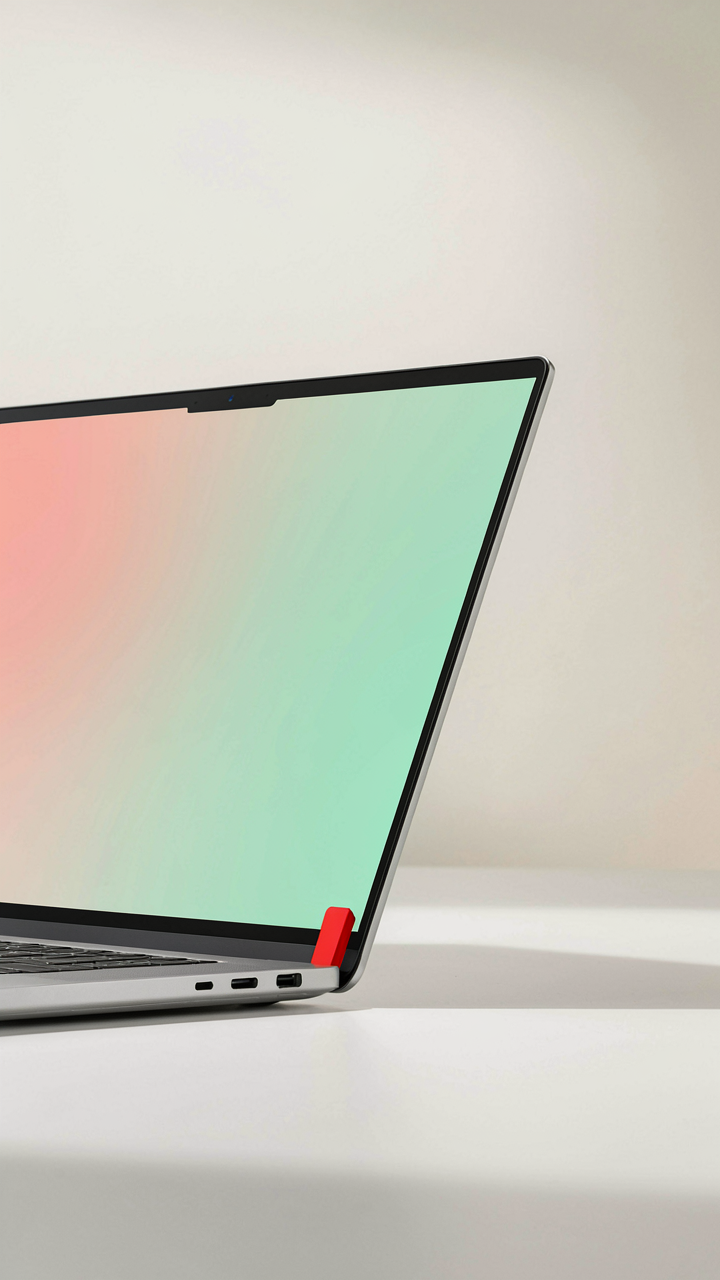
You want to believe your devices are safe because you trust the companies that built them. That’s the real reason this section matters to you. The mechanism is simpler than you think: a physical barrier stops what software cannot. Webcam covers and port blockers cost under ten dollars and remove the attack surface entirely. No exploit, no vulnerability patch, no zero-day matters if the hardware itself is sealed.

Port blockers slide into USB ports and prevent unauthorized data transfer or charging attacks. Webcam covers slip over built-in lenses on laptops and phones. Neither requires installation or technical knowledge. You install them once and they work forever. This is asymmetric defense: attackers invest resources in software exploits while you spend five dollars on a piece of plastic that renders those exploits useless.
Digital Hygiene For The Lazy
Everyone knows you should use strong passwords and two-factor authentication. What they don’t say is that most people won’t actually do it without friction removal. Economics applies here: reduce the cost of good behavior and compliance rises. Password managers under ten dollars lower that cost to near zero. They live on your device, autofill credentials, and eliminate the excuse of “I can’t remember a complex password.”
RFID blocking sleeves for credit cards and ID cost under ten dollars and stop skimming attacks before they happen. A basic cable organizer keeps charging ports and connection points accessible instead of tangled behind furniture where damage occurs. Simple USB surge protectors for under ten dollars stop power spikes that kill devices faster than any hacker ever could. The pattern: small tools that remove one friction point from security.
Stocking Stuffers For Young Adults: The Foundation Builder

The Cables Nobody Thinks To Buy
You’re buying these because you’re afraid of looking unprepared in front of people who matter. The mechanism is simple: young adults own devices but not the connectors to use them simultaneously. USB-C cables wear out faster than any other tech accessory because they carry power and data at once, meaning they handle current load. A dead cable kills productivity immediately.
- USB-C to USB-A Cable (6ft): Standard length for desk setups. Most people own only one cable, creating a bottleneck when charging and transferring files matter. Under five dollars for durable variants from established manufacturers.
- Lightning Cable (6ft): Apple devices still dominate young adult ownership. Genuine or certified third-party cables prevent slow charging and data corruption. The longer length solves the desk-to-outlet distance problem most people ignore.
- Micro USB Cable: Legacy Android devices and wireless earbuds still use this connector. Cheap insurance for the devices that still work but lack modern ports. Buy the braided version to avoid fraying after six months.
- USB-C Hub Adapter (Multi-Port): Single port on laptops creates a choke point. These adapters add HDMI, additional USB, and SD card slots simultaneously. Enables actual productivity instead of choosing which device to charge.
- Charging Cable with Built-In Stand: Desk organization tool that props the phone upright while charging. Eliminates the wasted motion of picking up a flat phone mid-charge. Particularly useful for video calls and content consumption during work breaks.

The real gift here is solving a friction point they experience daily but never verbalize. They won’t thank you for understanding the problem exists.
Tools That Sort Digital Chaos Into Usable Systems
Young adults mistake motion for progress, which is why they accumulate files and folders without structure. Organization software under ten dollars works differently than generic storage apps. It provides the container, but the user must define the system that actually persists. Most guides recommend apps and ignore the protocol that makes those apps useful.
Start with a task manager or note-taking tool that syncs across devices. The mechanism works only if it becomes the single source of truth for what matters this week. A phone calendar app or a five-dollar digital planner means nothing if they add tasks sporadically and never reference them. Protocol matters more than the tool. Set one recurring review every Sunday night where they log wins, failures, and next actions. This habit transforms a stocking stuffer into actual infrastructure instead of digital clutter they abandon by February.
Future Proofing Your Pockets: Stocking Stuffers 2025 Trends To Watch
The Consolidation Play
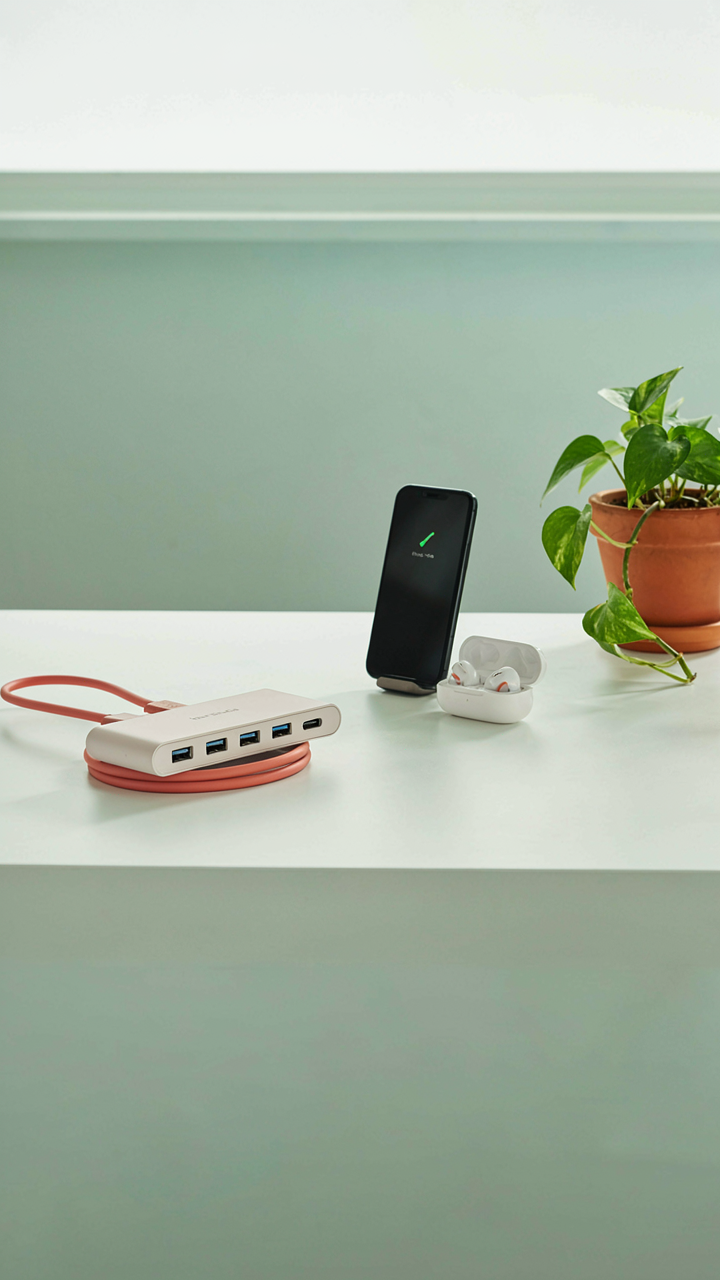
You want to look ahead because you’re afraid you’ll miss the shift and buy the wrong thing. The real mechanism at play is consolidation: tech under ten dollars is collapsing into tools that solve two problems instead of one. The market stopped rewarding single-function gadgets years ago. What moves now are items that layer utility. A USB hub that charges and organizes cables beats a cable organizer alone. A flashlight that doubles as a power bank beats a flashlight. This isn’t trend forecasting. It’s watching what manufacturers actually stopped making.

The sub-ten category amplifies this pressure. At higher price points, brands can afford to sell you specialization. At nine dollars, they can’t. They have to give you redundancy of function or die. That’s why emerging products under this threshold cluster around multi-use design. The winners in 2025 are the items that save you space and decisions, not the ones that do one thing perfectly. This is where your money actually goes if you’re paying attention to what’s shipping.
What Your Device Ecosystem Needs
Anticipating tech needs means reading your own stack backwards. Not forwards. Look at the devices you own right now, then identify the friction point between them. That gap is where sub-ten stocking stuffers live. Phone to laptop. Earbuds to charger. Tablet to wall outlet. The emerging category isn’t new gadget types. It’s connective tissue. USB C hubs, magnetic cable organizers, compact stands, adapter packs. These items don’t innovate. They close gaps in systems you already bought. The trend isn’t about discovery. It’s about completion. Products that make your existing tech actually work together without compromise move units fast. Retailers stock them deeper because they solve problems customers already know they have.
The 2025 play is inventory positioning, not innovation hunting. Stock stuffers that bridge known incompatibilities in the recipient’s life. If they use wireless earbuds and a laptop, a cable management pod hits. If they travel with a phone and tablet, a compact stand lands. If they have multiple devices, a multi-port charger organizer closes a loop they didn’t even know was open. The mechanism is simple: people don’t upgrade their problems. They upgrade the tools that solve them. Give them the solver under ten dollars and you’ve won the stocking stuffer game before December 24th.
The Real Obstacle Isn’t Your Budget; It’s Your Imagination’s Budget

Most people think cheap gifts fail because they cost ten dollars. Wrong. They fail because the giver spent thirty seconds choosing them. Your budget forces creativity. Spend an hour today matching one item on this list to one person’s actual problem, not their generic category. That ten dollar gift becomes the one they remember because you solved something specific. Constraints don’t limit gifts. They reveal who actually pays attention.