
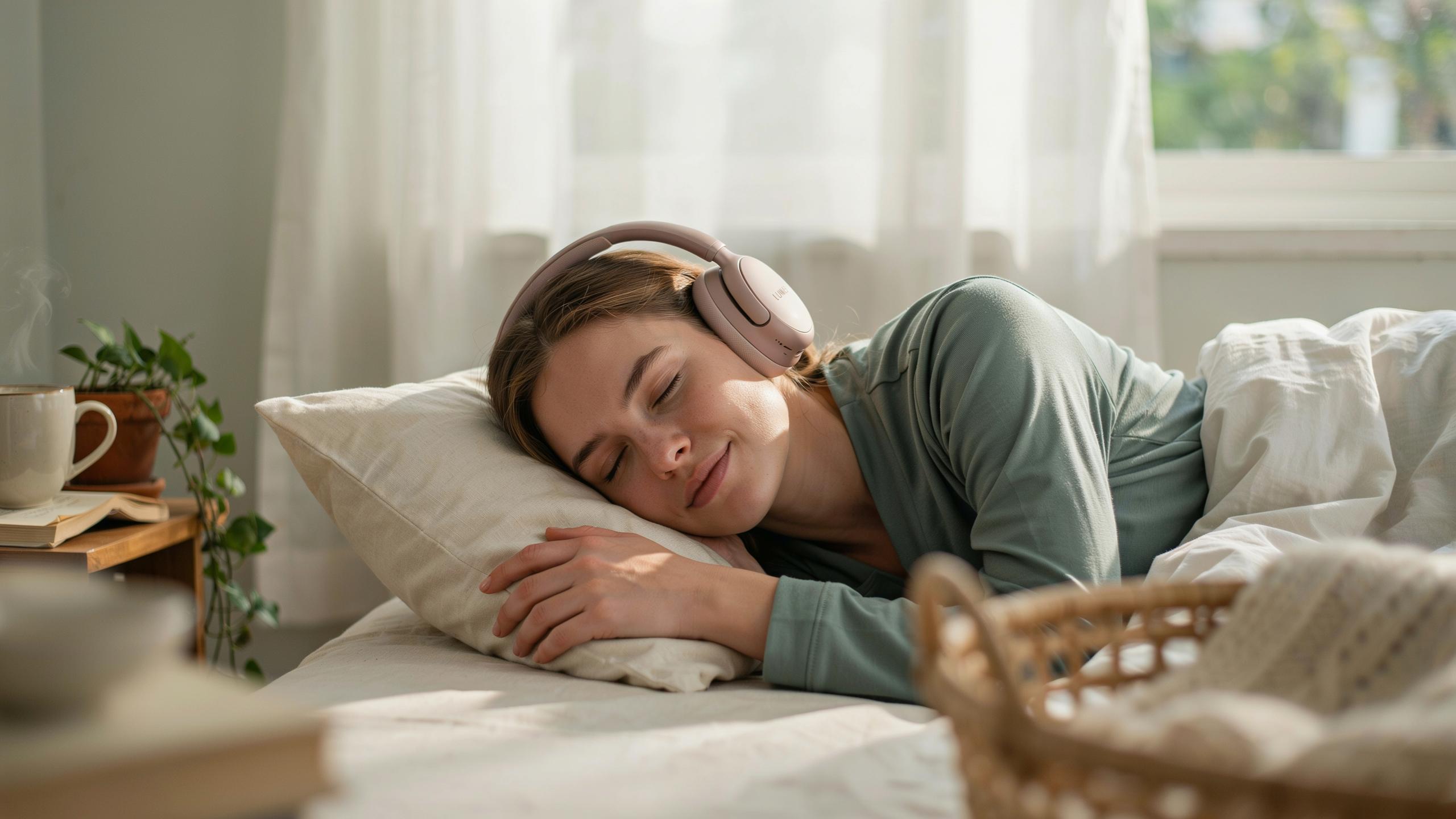
The Challenge Of Sleep Headphones For Side Sleepers
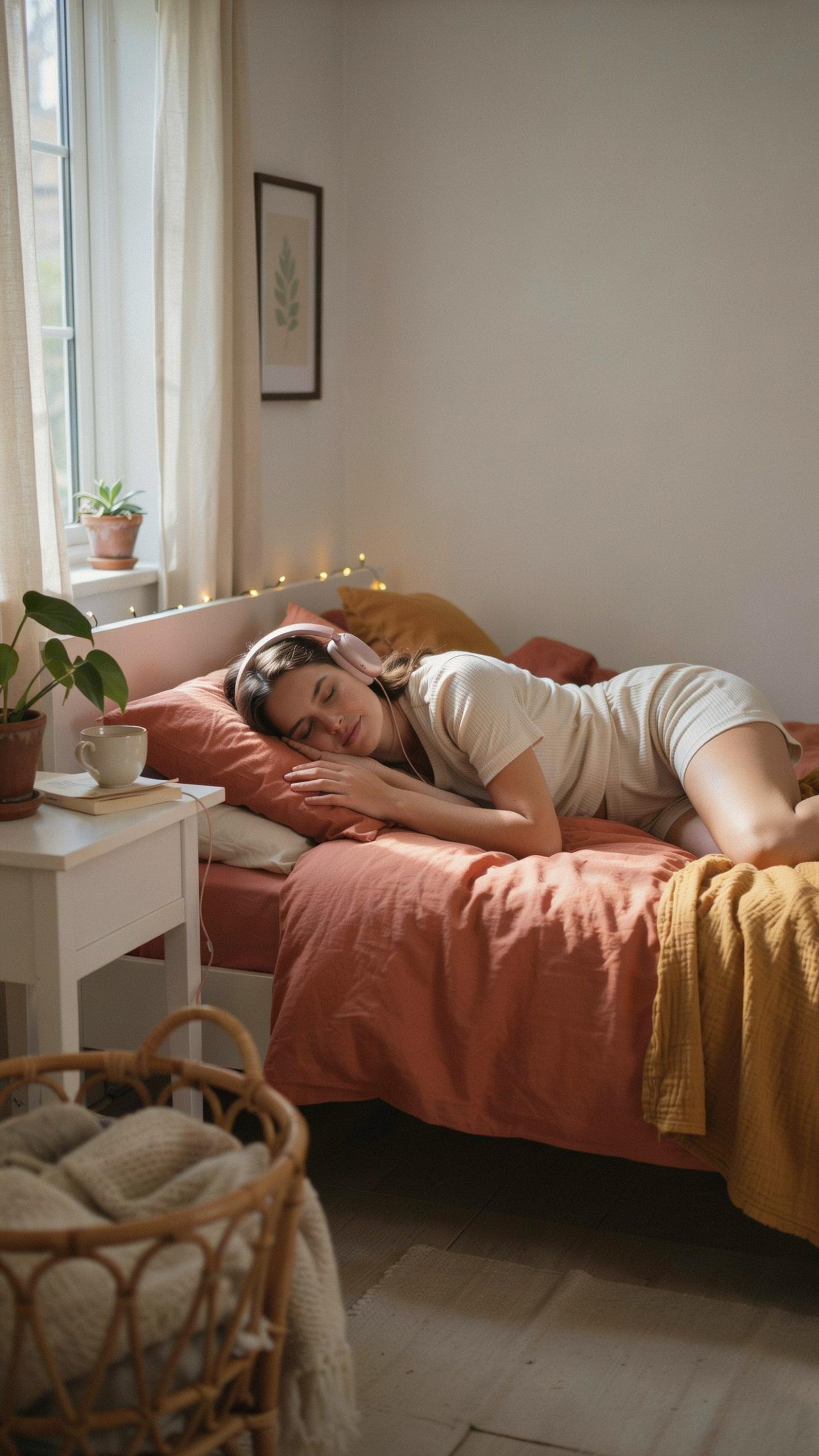
Understanding The Discomfort Of Traditional Headphones For Side Sleeping
Traditional headphones apply pressure to the ear and surrounding tissue when you sleep on your side. The ear canal compresses against the pillow, forcing the speaker driver deeper into the ear. This compression causes pain, soreness, and numbness in the cartilage. Over time, repeated pressure damages ear tissue and creates lasting discomfort that extends into waking hours.
Standard over-ear and in-ear designs were built for upright positions, not horizontal sleeping. The headband clamps down on the skull from above, restricting blood flow to the temporal area. The cup size and padding assume you sit upright, so side sleeping creates uneven pressure points. This mismatch between device design and sleep position generates cumulative strain throughout the night.
Why Conventional Headphones Disrupt Sleep Quality For Side Sleepers
Headphone pressure triggers the body’s stress response during sleep, elevating cortisol and adrenaline levels. Your nervous system interprets mechanical pressure as a threat, causing micro-arousals that fragment sleep cycles. These interruptions prevent you from reaching deep sleep stages where physical recovery occurs. The result is lighter, less restorative sleep even if you spend eight hours in bed.
Ear pain and discomfort create feedback loops that worsen sleep debt. Physical irritation pulls your attention inward, breaking sleep continuity and triggering conscious awareness multiple times per night. Your brain expends energy monitoring the pain instead of consolidating memories and processing emotions. This neurological drain compounds over weeks, leaving you fatigued despite adequate time asleep.

What Makes Sleep Headphones Ideal For Side Sleeping
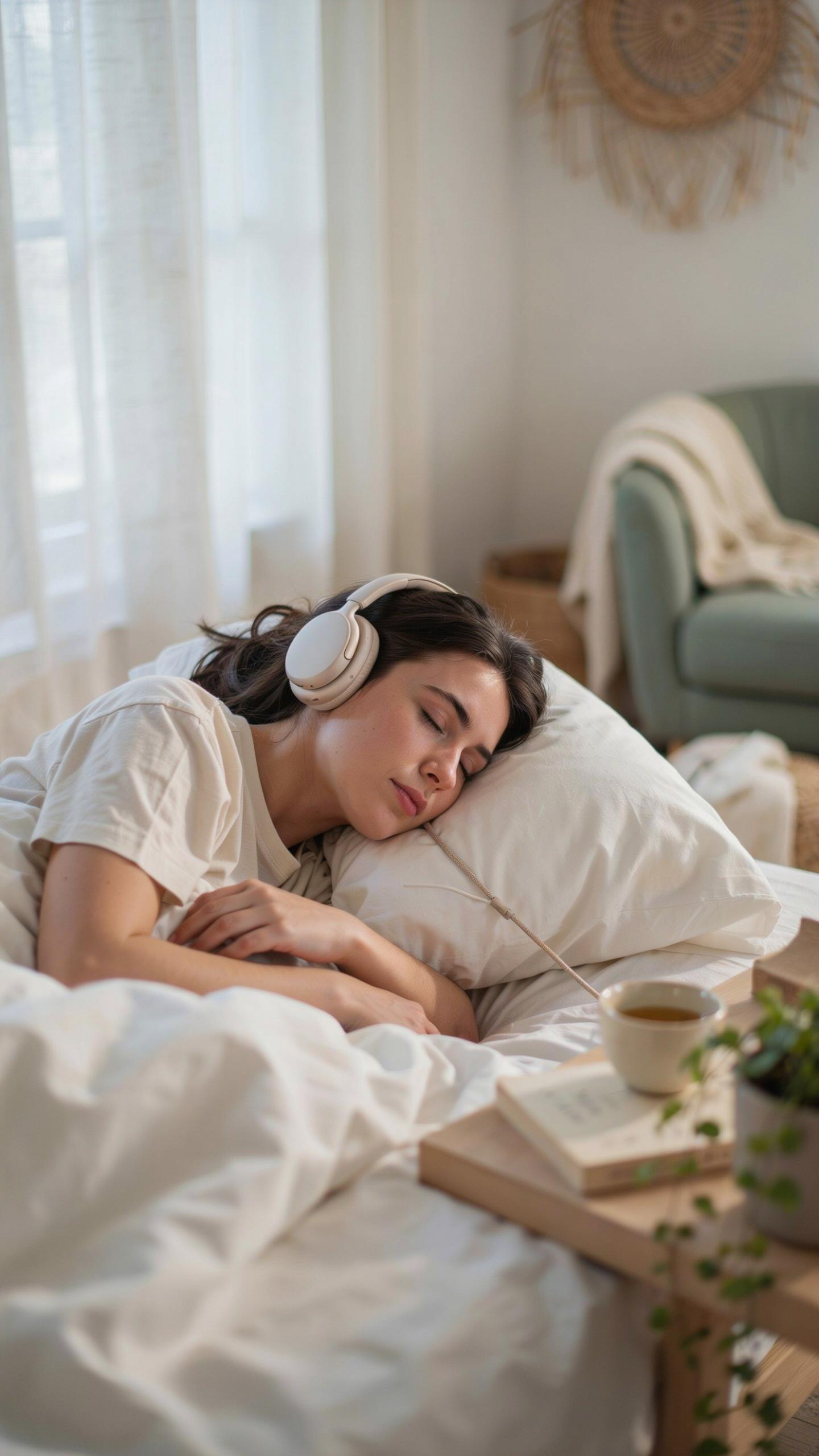
Key Features Of Specialized Sleep Headphones Designed For Comfort
Sleep headphones for side sleepers prioritize a flat profile and minimal bulk. Traditional over-ear headphones create pressure points where the ear cups contact the pillow. Manufacturers address this by using thin speaker designs, flexible headbands, and lightweight materials like memory foam or fabric-wrapped padding. The speaker placement sits flush against the ear without protruding, reducing contact stress during prolonged side sleeping positions.
Specialized sleep headphones incorporate soft, breathable materials to manage heat and moisture. Silicone ear tips mold to individual ear shapes without rigid components that dig into skin. Headbands feature elastic or adjustable construction to distribute pressure evenly across the head rather than concentrating force on specific points. Cable management becomes crucial, with designs that route wires away from the face and neck to prevent tangling or pressure during sleep movements.
How Their Design Promotes Uninterrupted Sleep And Prevents Pressure Points
Design engineers build sleep headphones with thinner, lighter frames that conform to pillow surfaces instead of creating hard contact zones. Memory foam ear cushions compress under weight, then rebound when pressure releases, preventing sustained indentation. This cycling action maintains consistent comfort throughout the night as sleepers shift positions. The engineering reduces the concentrated force that causes discomfort after extended wear periods.

Sleep headphone designs incorporate strategic padding distribution to move pressure away from vulnerable areas like the temple, ear cartilage, and jaw hinge. Flexible headband materials bend without snapping, allowing the device to adapt to pillow height and firmness variations. Some models use hook-style ear loops that anchor behind the ear instead of wrapping fully around the head, eliminating top-of-head pressure entirely. This approach lets side sleepers maintain neutral spine alignment while keeping earpieces secure throughout the night.
Exploring Different Types Of Sleep Headphones
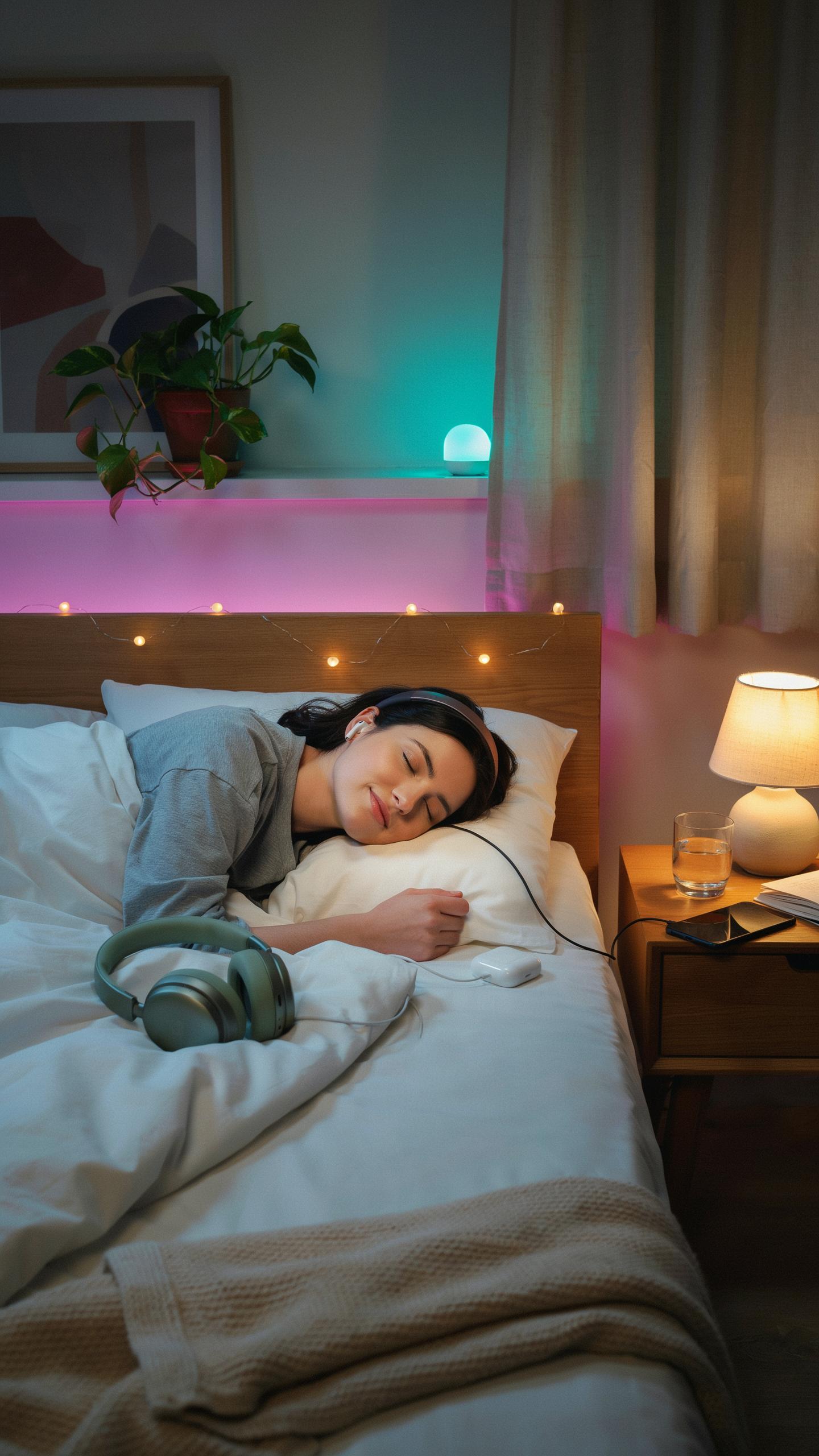
Headbands With Integrated Stereo Speakers
Headbands with integrated speakers solve a core problem for side sleepers: they eliminate earpieces that dig into ears during sustained lateral pressure. The speaker drivers mount directly into the fabric band itself, distributing audio across the head rather than concentrating it in one ear canal. This design approach reduces localized pressure points and allows for thinner, more flexible materials that conform to head shape without rigid structural elements.
Side sleepers benefit from the positioning stability these headbands provide. The band wraps around the crown and sides of the head, anchoring in place without relying on ear hooks or in-ear insertion. Wearers can shift positions throughout the night without the headphones slipping or rotating awkwardly. The flat speaker configuration also permits wider soundstage delivery, crucial for sleep audio like binaural beats or ambient soundscapes designed to work across full stereo separation.
Soft Flat Earphones
Soft, flat earphones take a different approach by minimizing physical bulk entirely. Manufacturers shape these earpieces as thin, flexible membranes rather than traditional rounded buds. The low profile means they apply less pressure to the ear canal and surrounding cartilage, reducing the compression discomfort that develops during hours of side sleeping on one ear.
This design works best for light sleepers or those who shift positions frequently. Flat earphones seat shallowly in the ear, making repositioning simple and reducing the jarring sensation of deeper insertion or removal. However, the tradeoff involves fit stability and noise isolation. They rely more on passive fit than active retention, so any head movement can dislodge them. Users must assess whether the comfort gain justifies potentially waking up to readjust.
Benefits Of Using Sleep Headphones For Deep Sleep

Blocking Out Disruptive Noise For A More Peaceful Environment
Environmental noise disrupts sleep cycles. Traffic, partner snoring, and household sounds trigger cortisol spikes that fragment REM and deep sleep stages. Sleep headphones for side sleepers solve this by creating a noise barrier. The speaker drivers sit flat against ears without pressure points, allowing side sleepers to block ambient noise without discomfort or ear pain during extended wear.
Sleep headphones work through two mechanisms: physical isolation and active noise cancellation. Flat-panel designs seal sound pathways while side sleepers rest on their preferred side. This prevents the ear canal compression that happens with traditional earbuds or over-ear headphones. The result is uninterrupted sleep architecture and consistent deep sleep duration throughout the night.
Facilitating Relaxation With Soothing Sounds And White Noise
White noise masks variable environmental sounds by providing consistent acoustic masking. Sleep research shows consistent background noise reduces arousals compared to silence or intermittent noise. Sleep headphones deliver pink noise, brown noise, or ambient soundscapes directly to ears while side sleepers maintain comfortable positioning. This approach keeps the brain engaged with predictable sound rather than reactive to unpredictable disruptions.

Audio content triggers parasympathetic nervous system activation through predictable stimulus patterns. Guided meditations, nature recordings, and rhythmic soundscapes lower heart rate and reduce muscle tension. For side sleepers, integrated headphones eliminate the need to reposition during the night, preventing disruptions that reset sleep stages. Consistent audio delivery maintains the relaxation state needed for sustained deep sleep cycles.
Key Features To Look For In Sleep Headphones For Side Sleepers
Comfort And Material: Prioritizing Softness And Breathability
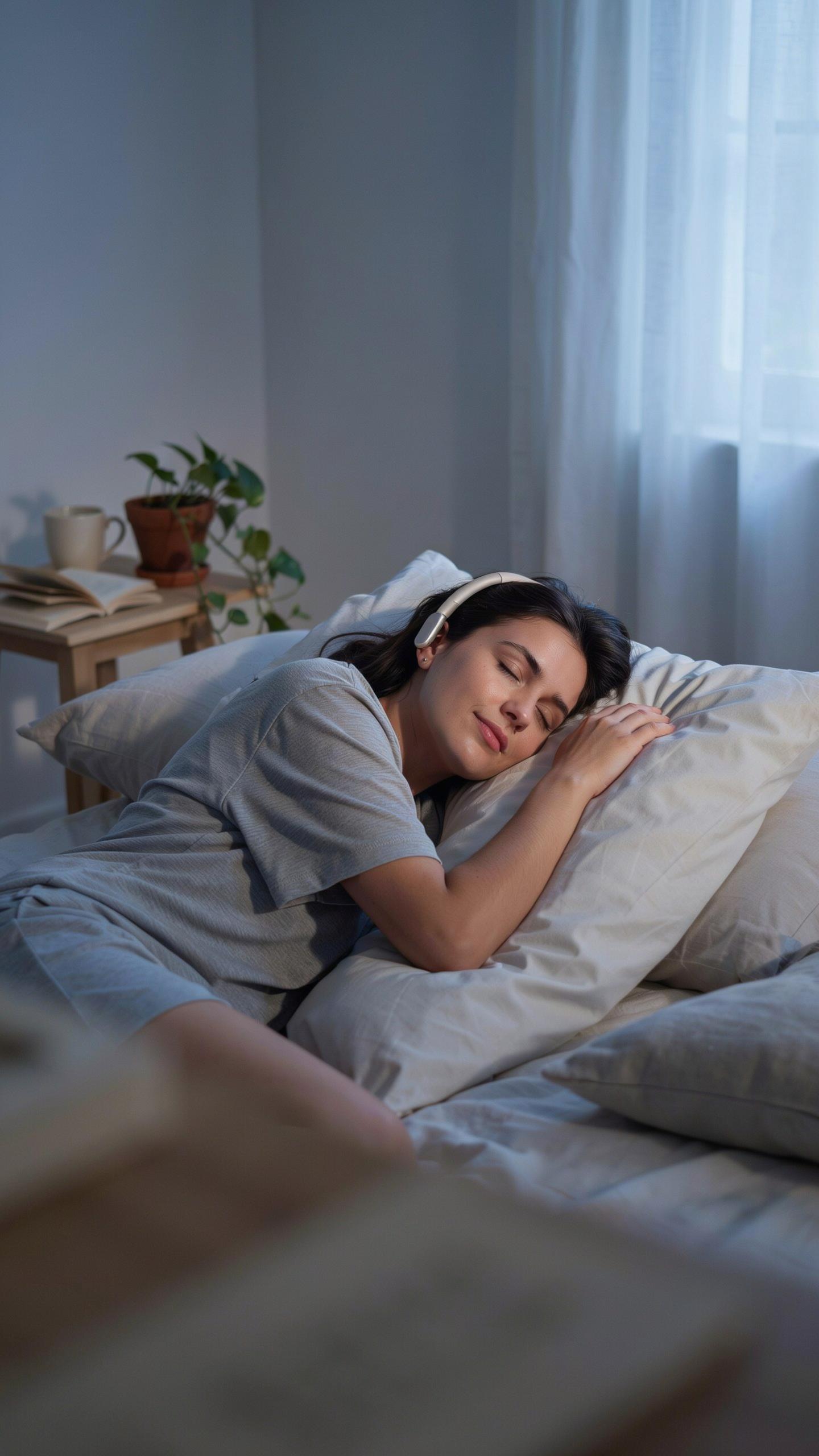
Side sleepers need headphones that won’t create pressure points where the ear contacts the pillow. Materials matter here. Memory foam ear cups conform to ear shape and reduce localized pressure. Gel-based padding absorbs heat better than solid foam, keeping ears from overheating during extended wear. The headband should use soft fabric wrapping rather than hard plastic. This prevents discomfort on the temple and side of the head where pressure builds.
Breathability directly impacts sleep quality for side sleepers. Fabric coverings on ear cups allow air circulation, preventing moisture buildup that wakes users mid-sleep. Microfiber and mesh materials work better than leather or vinyl for this reason. Lightweight designs under 150 grams reduce overall head and neck strain. Choose headphones with minimal clamping force, typically below 20 ounces of pressure per ear cup.
Battery Life And Connectivity: Essential For A Full Night’S Rest With Bluetooth Headphones
Sleep headphones need battery life matching your actual sleep duration. Most people sleep 7 to 9 hours. Headphones should deliver at least 10 hours of playback to cover a full sleep cycle plus buffer. Bluetooth 5.0 or newer provides stable connections up to 30 feet, preventing disconnections that jolt users awake. Connection drops waste battery power as the device repeatedly searches for the phone.

Charging speed matters for daily use. Headphones that charge fully in 2 hours work better than models requiring 4 to 6 hours. Low-battery indicators prevent the frustration of headphones dying mid-sleep. Check if the model supports quick charge features that add hours with 15 minutes of charging time. Battery degradation over time is inevitable, so look for models where replacement batteries are available separately rather than requiring full device replacement.
Integrating Sleep Headphones With A Sleep Mask
The Advantages Of A Combined Sleep Mask And Headphone Solution
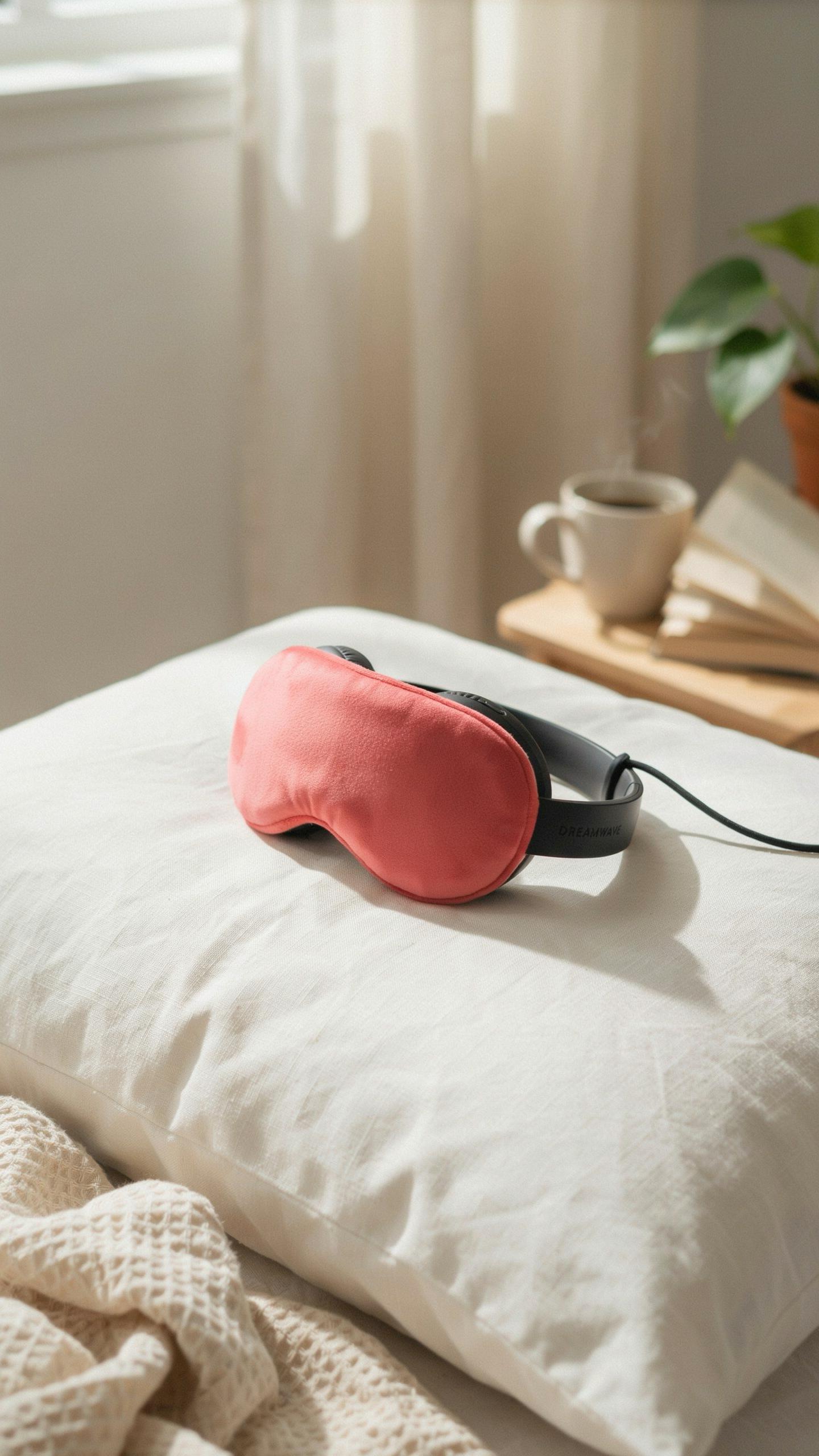
Combining a sleep mask with headphones addresses two separate sleep needs simultaneously. Side sleepers benefit because ear pressure from traditional headphones decreases when integrated into mask designs. A unified system reduces the number of items you wear, lowering overall contact points against your face and ears. This matters for side sleepers who already experience pressure on one ear from pillow contact.
Integrated solutions eliminate gaps between devices. When you wear a mask and separate headphones, they shift independently, creating inconsistent seal quality and sound delivery. Combined designs maintain stable positioning throughout the night. You avoid tangled wires between two separate products. The unified approach also reduces the chance of one device slipping while the other stays in place.
Drift into dreams, cradled by comfort, and let the gentle hum of peace guide your slumber, just as the softest lullaby once did.
Choosing Integrated Designs For Enhanced Darkness And Sound
Integrated sleep mask and headphone units control light and sound from a single device, simplifying your sleep environment. Manufacturers build these systems with aligned components that work together mechanically. The mask provides full light blocking while embedded speakers deliver audio without external components creating shadows or gaps. This coordination prevents light leaks around speakers or wires.

Material selection determines how well integrated designs perform for side sleepers. Quality units use memory foam that conforms to your face without creating pressure points. The foam layer behind the speakers absorbs vibrations, preventing sound from traveling through rigid surfaces into your ear. Wiring runs internally through the mask structure rather than externally, eliminating snags and reducing bulk on the sides of your head where side sleepers experience contact.
Top Recommendations Sleep Headphones For Side Sleepers

Highly Rated Models For Comfort And Sound Quality
Side sleepers need headphones that stay flat against the ear without creating pressure points on the temple or jaw. The best models use thin speaker housings and soft ear cups that conform to head shape without digging into bone. Sound quality matters less if you can’t wear them for eight hours straight. Comfort determines whether you actually use the product night after night.
- Philips DreamWear Headphones: Features an ultra-thin design with a headband that sits on top of the head rather than over the ears, reducing ear pressure during side sleeping.
- CozyPhones Sleep Headphones: Uses fleece-covered fabric headband with thin speakers embedded inside, designed specifically to accommodate side sleeping positions without discomfort.
- Maxrock Sleep Headphones: Offers a wrapped headband design with small speakers that position away from the ear canal, allowing side sleepers to rest without speaker protrusion.
- Acoustune HS1650CU: Lightweight in-ear monitors with secure fit and low profile, suitable for side sleepers who prefer earbuds over headband styles.
- Muse 2 Headband: Brain sensing headband with embedded audio that distributes pressure evenly across the forehead, leaving sides of head free for pressure-free side sleeping.
Each model trades different features based on your sleeping position and sensitivity to pressure. Headband styles work better for most side sleepers because they keep speakers away from ears. In-ear options work if you tolerate insertion and have smaller ear canals. Test return policies before buying since comfort varies by individual head shape and sleeping habits.
Budget And Preference Considerations
Budget tier determines what features you gain or sacrifice. Entry level options around $30-50 use basic headband designs with inconsistent sound and shorter battery life. Mid range options between $60-120 add better speaker quality, durability improvements, and longer battery performance. Premium models above $150 incorporate specialized materials and advanced audio processing but don’t always fit better for side sleepers.

Your specific preference shapes the right choice more than price does. If you sleep hot, avoid over-ear designs that trap heat. If you move frequently at night, choose secure headbands that won’t slip. If you care about music quality over sleep sounds, prioritize driver wattage and frequency response. If you only use them for white noise or sleep apps, save money and buy basic models. Consider warranty length and return windows since many sleep products need adjustment periods before you know if they work for your body.
Optimizing Your Sleep Environment With Sleep Headphones

Creating A Tranquil Bedroom Setup For Optimal Deep Sleep
Your bedroom temperature directly impacts sleep quality and headphone comfort. Keep your room between 60 and 67 degrees Fahrenheit. This range reduces core body temperature, which triggers deeper sleep. Side sleepers wearing headphones need extra attention to room setup since head pressure matters more when lying on one side.
Darkness controls melatonin production in your brain. Use blackout curtains or an eye mask to eliminate light completely. Ambient noise disrupts sleep cycles, which is where sleep headphones enter the equation. These devices let you control sound input rather than fighting random environmental noise, giving you direct command over your sleep conditions.
Tips For Adjusting To And Maintaining Consistent Use Of Your New Headphones
Your ears need adaptation time when wearing headphones during sleep. Start with short sessions of 30 to 60 minutes to let your ears adjust to the fit and pressure. Gradually increase duration over two to three weeks until you reach full night wear. This prevents ear soreness and allows your brain to accept the headphones as part of your sleep routine.

Clean your headphones weekly to maintain hygiene and comfort. Earwax and skin oils build up on ear cups and speaker components. Use a dry microfiber cloth for external surfaces and follow manufacturer guidelines for internal components. Regular maintenance extends the lifespan of your headphones and ensures they perform at full capacity for side sleeping use.
Maintenance And Care For Your Sleep Headphones
Keeping Your Sleep Headphones Clean And Hygienic
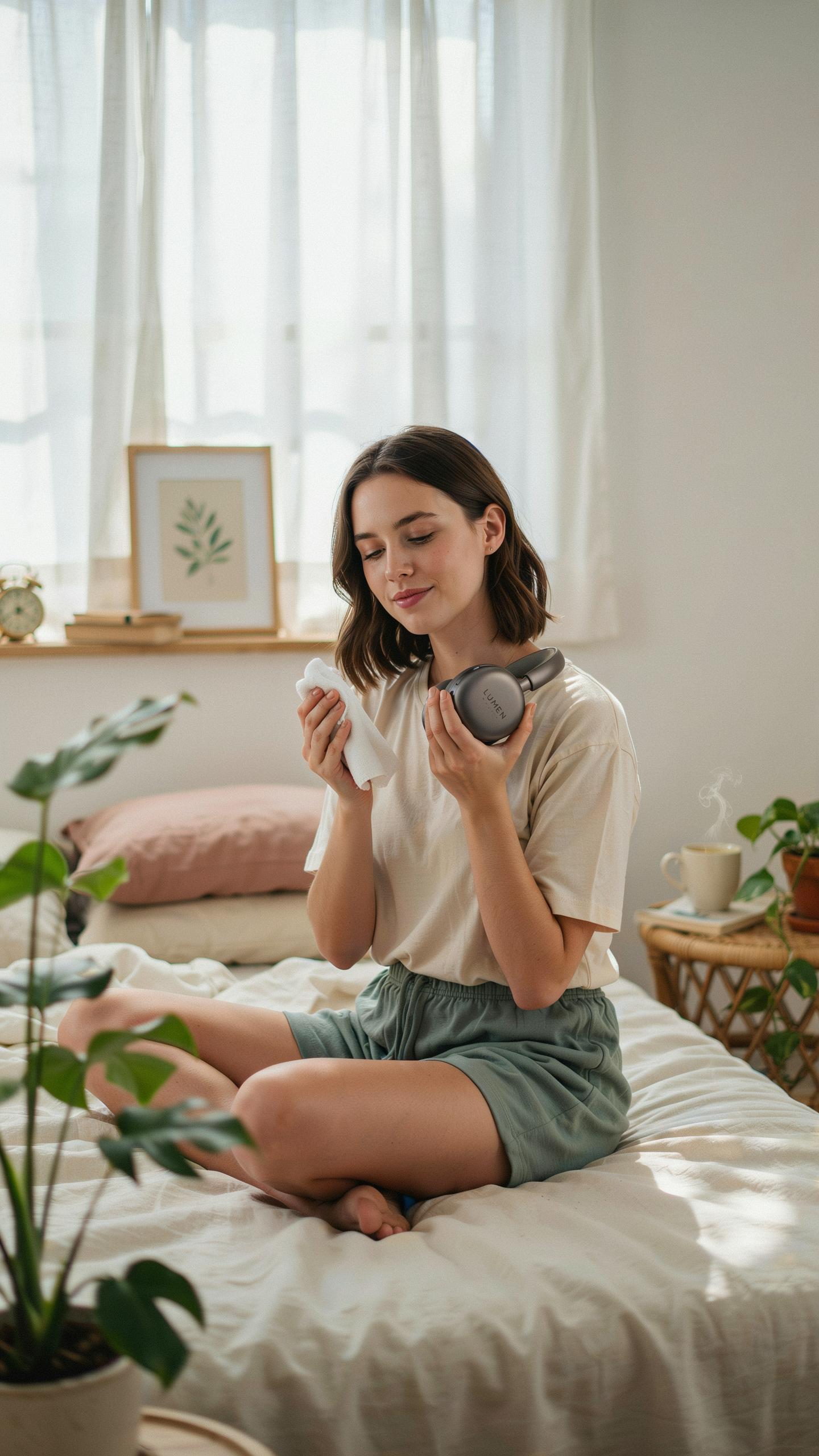
Sweat and earwax accumulate on sleep headphones faster than standard headphones because of extended wear and direct ear contact. Wipe down the ear cups and speaker mesh weekly with a dry microfiber cloth. For the earpieces, use a slightly damp cloth, then dry immediately. Never submerge the entire device in water unless the manufacturer explicitly states waterproof ratings.
Ear hygiene matters more with sleep headphones since they sit in your ears for hours. Clean the earpieces after every use if you sweat heavily at night. Check manufacturer guidelines before using cleaning solutions. Most devices only need water and cloth. Neglecting this step causes bacterial buildup, ear irritation, and reduces sound quality over time.
Extending The Lifespan Of Your Device For Lasting Comfort
Battery degradation accelerates with improper charging habits. Charge your headphones when the battery reaches 20 percent, not when fully drained. Store them in a cool, dry place away from direct heat and humidity. These conditions damage lithium ion batteries faster than anything else. Most sleep headphones lose noticeable battery capacity after 300 to 500 full charge cycles.
Cable and connector damage shortens device life significantly. If your headphones use cables, avoid wrapping them tightly or bending them at sharp angles. Store cables loosely in a small pouch. Replace ear tips when they harden or crack. Worn ear tips reduce comfort and allow moisture to penetrate the speaker housing, causing internal corrosion and failure.
Frequently Asked Questions

What exactly are sleep headphones for side sleepers, and why are they different from regular headphones?
Sleep headphones for side sleepers are designed with ultra-thin, soft speakers integrated into a comfortable headband or mask. Unlike bulky regular headphones, they eliminate pressure points and discomfort when lying on your side, allowing you to enjoy audio without sacrificing precious sleep. They’re specifically crafted for ultimate comfort throughout the night.
How do I choose the most comfortable sleep headphones for side sleepers to ensure they stay put all night?
When selecting sleep headphones for side sleepers, prioritize models with adjustable, breathable headbands made from soft, stretchy fabric. Look for flat, discreet speakers that won’t press into your ears. Consider the band’s snugness – it should be secure enough to stay put but not so tight it causes discomfort.
Are there affordable options for sleep headphones for side sleepers that still offer good quality and comfort?
Absolutely! You don’t have to break the bank to find comfortable sleep headphones for side sleepers. Many brands offer excellent budget-friendly options that prioritize soft materials and a low-profile design. Look for wireless versions with decent battery life and washable headbands for long-term value and hygiene.