

What Are Open Ear Earbuds And Why Choose Them

Understanding The Open Ear Design
Open ear earbuds sit on or near your ear without inserting deep into the ear canal. This design keeps your ear canal open, allowing ambient sound to pass through naturally. You hear both your audio content and your environment simultaneously. This differs fundamentally from traditional in-ear models that seal the canal and block outside noise completely.
The open ear approach emerged from the need for audio devices that don’t compromise situational awareness. Runners, cyclists, and office workers benefit most from this design. You maintain connection to traffic sounds, conversations, and alarms while listening to music or podcasts. The trade off is less noise isolation compared to sealed earbuds, but many users prioritize safety and comfort over maximum noise blocking.
Benefits For Everyday Listening
Open ear earbuds reduce ear fatigue during extended wear sessions. The absence of pressure inside your ear canal eliminates the discomfort that comes from prolonged seal contact. Many users report wearing them for eight hours or more without irritation. This makes them practical for work environments where you need audio access all day.
The open design creates a wider soundstage, which enhances audio perception for most content types. Podcasts feel more natural without the compressed feeling of sealed earbuds. Music listening improves because sound waves don’t bounce off sealed canal walls. You get more natural acoustics and better spatial awareness of where sounds originate in a mix.

Budgeting For Your Best Earbuds What To Expect

Defining Budget Friendly
In the open ear earbud market, budget-friendly typically means prices under $100 to $150. These models skip premium features like advanced noise cancellation or high-end materials. You get functional audio devices without the luxury price tag. Many deliver solid performance in their range despite cost constraints.
The term “budget” doesn’t mean poor quality. Manufacturers at this price point focus spending on core components that matter: drivers, battery life, and basic connectivity. You trade unnecessary extras for reliable everyday performance. This segment has grown substantially as more brands compete for cost-conscious buyers.
Balancing Cost And Features
Prioritize what actually affects your daily use. Battery life directly impacts convenience. Sound quality shapes your listening experience. Water resistance determines durability in various conditions. Choose two or three priorities rather than demanding everything at a lower price point.

Budget earbuds force trade-offs. You might get great sound but average battery life. Extended battery means less premium audio processing. Water resistance sometimes means higher cost elsewhere. Identify your non-negotiables first, then accept compromises on features you rarely use. This approach prevents buyer regret and ensures satisfaction with your purchase.
Key Features To Look For In Wireless Earbuds
Connectivity And Bluetooth Standards
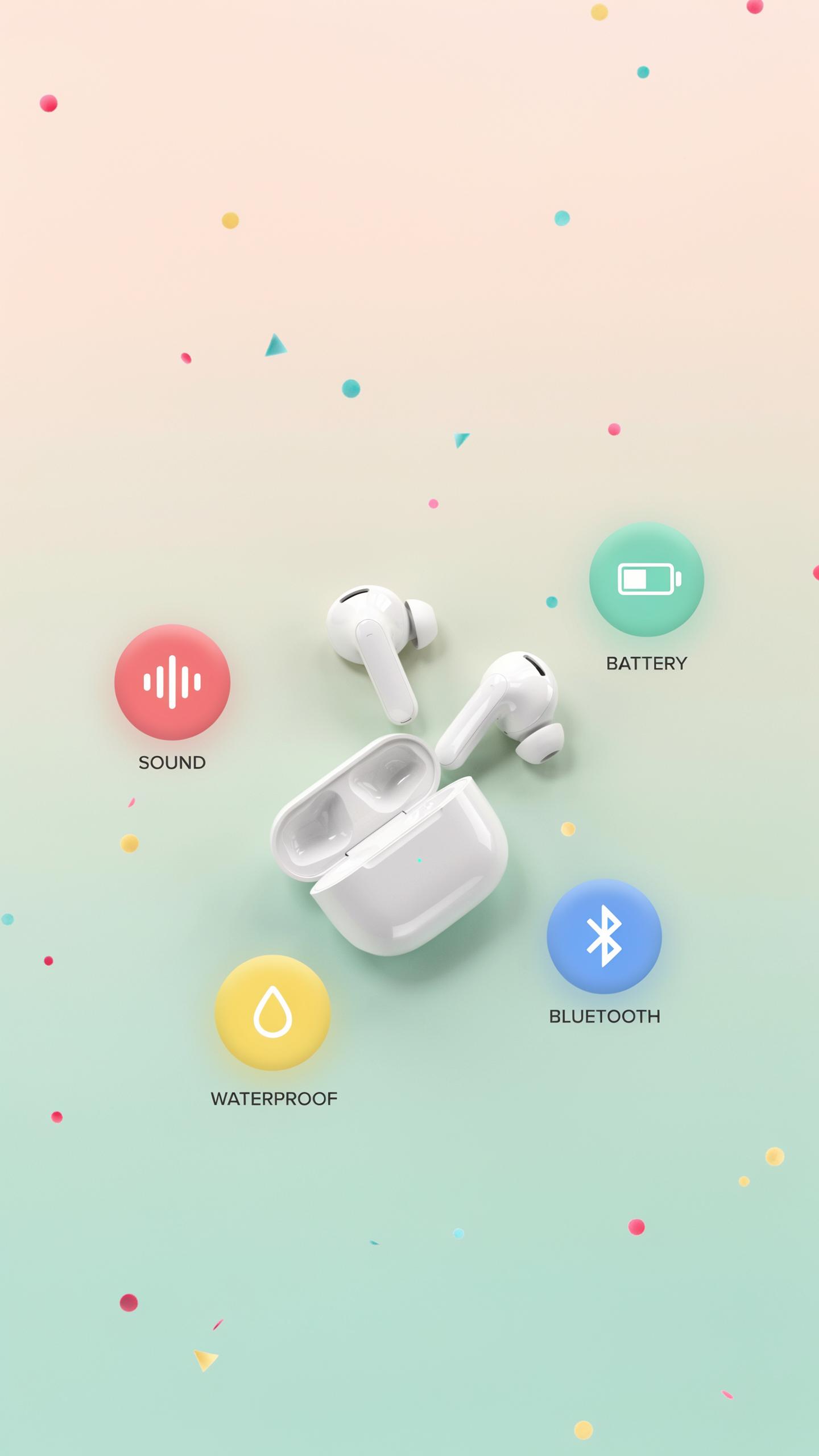
Open ear earbuds rely on Bluetooth to connect to your devices. Bluetooth 5.0 and higher versions deliver stable connections with reduced latency and better power efficiency than older standards. This matters for everyday listening because dropped connections interrupt music and calls. Check the product specifications before buying to confirm the Bluetooth version.
Newer Bluetooth versions also mean longer effective range. You can move further from your phone or laptop without losing signal. For budget models, Bluetooth 5.0 remains the baseline you should accept. Older Bluetooth 4.2 earbuds still work but drain battery faster and struggle in crowded wireless environments.
Battery Life And Charging Options
Total battery life includes both the earbuds and their charging case. Budget open ear earbuds typically offer 6 to 8 hours from the earbuds alone, with the case providing 24 to 32 additional hours. This combined capacity determines how long you can go without plugging in. Check the manufacturer’s specifications for real-world battery claims.

Charging speed matters for daily use. Fast charging lets you grab 2 to 3 hours of playback in 15 to 20 minutes. Wireless charging adds convenience but costs more on budget models. Most affordable options use standard USB-C wired charging, which is practical and reliable for everyday listening without extra expense.
Sound Quality For Listening To Music Beyond The Bass

Understanding Audio Drivers And Codecs
Audio drivers convert electrical signals into sound waves. Dynamic drivers dominate budget open ear earbuds because they cost less and deliver adequate volume for most listeners. Planar magnetic drivers exist in higher price tiers. Driver size ranges from 8mm to 16mm in this category, with larger drivers typically producing deeper bass but not always better overall sound.
Bluetooth codecs determine audio quality transmission from your phone or device to the earbuds. Standard SBC codec works universally but compresses audio more aggressively. aptX and LDAC codecs preserve more detail, though your source device must support them. Budget earbuds rarely include LDAC. Check your phone’s codec support before expecting premium audio performance from budget models.
The Importance Of A Balanced Sound Profile
Balanced sound means equal representation across the frequency spectrum: clear treble for vocals and instruments, present midrange for detail, and controlled bass that doesn’t overpower. Open ear designs naturally struggle with bass due to lack of ear canal seal, so manufacturers compensate through driver tuning. This tradeoff shapes what budget open ear models can deliver compared to sealed earbuds.

Music genres respond differently to sound profiles. Pop and hip hop demand stronger bass, while podcasts and audiobooks prioritize vocal clarity. Budget open ear earbuds typically excel at spoken content but compromise bass depth. Test multiple models with your preferred content before purchasing. No single profile works universally, so your specific use case determines which model suits you.
Comfort And Fit Essential For Open Ear Earbuds

Ergonomics And Design Variations
Open ear earbuds use three primary designs: ear hooks, bone conduction, and air conduction. Ear hooks wrap around the top of your ear for stability during movement. Bone conduction sits on your cheekbone and vibrates sound through bone rather than the ear canal. Air conduction models rest loosely in or near your ear without canal insertion.
Your ear shape determines which design works best. People with smaller ears may struggle with standard ear hooks. Those with sensitive ear canals prefer bone conduction or air conduction options. Active users need secure fits that won’t shift during running or workouts. Sedentary listening allows for lighter, less secure designs that prioritize comfort over stability.
Material And Build Quality
Lightweight plastics and silicone dominate budget open ear earbud construction. These materials keep earbuds under five grams per unit, reducing fatigue during extended wear. Soft touch coatings prevent slipping and improve grip without adding weight or bulk.

Build quality directly impacts how long you’ll actually wear the earbuds daily. Reinforced connection points between the earbud body and ear hook prevent cracking. Quality construction also resists sweat degradation for users who exercise regularly. Budget models that cut corners on materials fail faster and create discomfort through poor fit as components wear.
Top Contenders In The Budget Open Ear Earbuds Review

Reviewing Popular Affordable Models
The market offers several budget open ear earbuds under $100 that deliver functional audio without breaking the bank. Models like the Philips A4216, AfterShokz OpenMove, and basic bone conduction options provide open ear listening. These devices prioritize accessibility over premium features, making them practical for users who want ambient awareness while listening to audio.
Battery life on these models typically ranges from 6 to 8 hours per charge. Sound quality remains adequate for podcasts and casual music listening, though bass response stays limited compared to sealed earbuds. Comfort varies by design, with some users reporting fit issues during extended wear sessions. Durability appears solid across budget lines, with most units surviving daily use without failure.
Comparing Features And Value
Budget open ear earbuds compete primarily on battery duration, comfort fit, and water resistance ratings. Most models in this category offer IPX4 to IPX5 water resistance, suitable for light sweat and rain exposure. Sound reproduction focuses on voice clarity rather than audio fidelity, making them ideal for calls and spoken content over music playback.
- Battery Life: Most budget models deliver 6 to 8 hours per charge, with charging cases extending total usage to 24 to 30 hours depending on the model.
- Water Resistance: IPX4 to IPX5 ratings protect against sweat and light rain but don’t support full submersion or heavy water exposure.
- Sound Quality: Voice frequencies receive priority in audio tuning, delivering clear speech but limited bass and treble extension compared to premium options.
- Comfort And Fit: Open ear designs eliminate ear canal insertion, though arch fit and weight distribution affect long-term wearability for individual users.
- Connectivity: Bluetooth 5.0 or 5.1 provides stable connections at typical indoor and outdoor distances without significant dropouts.

Cost per feature remains the primary differentiator in the budget segment. You sacrifice audio depth and build refinement to access the open ear design at lower price points. Select models based on your primary use case: calls favor voice-optimized models, while fitness activities benefit from water resistance ratings and secure fit designs.
Special Mention Lenovo Open Earbuds And Other Innovators
Exploring Unique Offerings
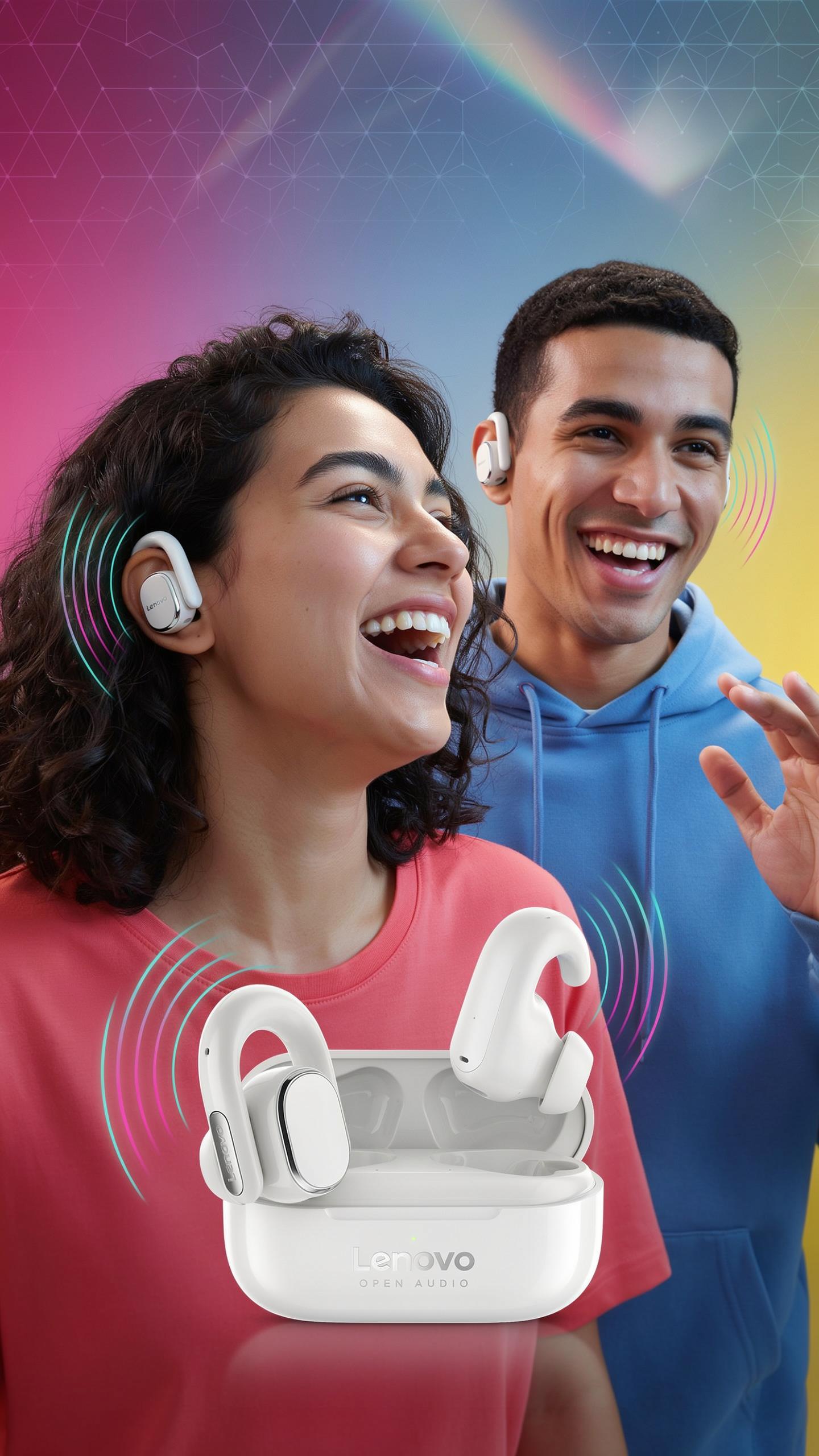
Lenovo entered the open ear market with a focus on bone conduction and directional audio delivery. Their approach prioritizes ambient sound awareness while maintaining private listening. The design uses mechanical vibration to transmit sound through bone rather than traditional speakers in the ear canal. This method appeals to users who need situational awareness during commutes or workouts. Lenovo’s entry signals corporate investment in open ear technology beyond consumer audio specialists.
Other manufacturers have pursued different strategies within the open ear category. Some brands emphasize lightweight construction and extended wear comfort. Others focus on wind noise reduction through directional microphone placement. A few competitors developed proprietary speaker angles to project sound without blocking ear canals completely. Market fragmentation shows that no single approach dominates yet, creating room for various design philosophies to coexist.
Emerging Technologies In Open Ear Audio
Audio processing advancements are addressing the core challenge of open ear design: preventing sound leakage while maintaining audio clarity. Directional speaker technology continues to improve, using computational audio to focus sound waves toward the listener’s ear. AI-driven noise cancellation adapted for open ear formats is under development. Battery efficiency improvements allow longer listening sessions from smaller power cells. These developments reduce the gap between open ear and traditional closed ear performance metrics.

Power management represents a key frontier for manufacturers. Custom chipsets designed specifically for open ear playback are emerging. These chips reduce energy consumption during audio processing and connectivity tasks. Improved Bluetooth protocols tailored for streaming to multiple open ear devices simultaneously show promise. Future iterations may support multi-device switching with minimal latency. These technical improvements address practical limitations that currently constrain open ear adoption among price conscious consumers.
Enhancing Your Experience Dolby Audio And Beyond

The Role Of Audio Enhancement Technologies
Budget open ear earbuds rarely include Dolby Audio as standard. When manufacturers do add this technology, it processes sound in real time to create depth and clarity. Dolby Audio works best for movies and gaming rather than music streaming. Check product specifications carefully since many budget models skip this feature entirely to reduce costs.
Compatibility matters more than inclusion at this price point. Some budget earbuds work with phones or devices that have Dolby Audio built in. This delivers enhancement without the earbud itself handling the processing. You gain the benefit without paying extra for the feature embedded in the hardware itself.
In every note, a sweet whisper of yesterday’s melodies, making the ordinary extraordinary, even on a budget.
Customization And Equalizer Settings
Budget open ear earbuds often ship with companion mobile apps that unlock equalizer control. These apps let you adjust bass, midrange, and treble to match your hearing preferences. You can create multiple profiles for different content types like podcasts, music, or calls. This flexibility transforms a basic earbud into a personalized audio tool at no extra cost.

Testing different EQ presets takes minutes and delivers measurable improvements. Start with preset options the app provides, then fine tune from there. Save your settings so they apply automatically when you connect your earbuds. This single feature can justify choosing one budget model over another based on software quality and app stability.
Maintenance And Care For Your Bluetooth Earbuds Open Ear

Cleaning And Storage Tips
Open ear earbuds collect debris from sweat, dust, and skin contact. Wipe down the exterior surfaces weekly using a dry microfiber cloth. For stubborn residue, slightly dampen the cloth with water and rub gently around the speaker mesh and charging contacts. Never submerge the earbuds or use excessive moisture near electrical components.
Store your earbuds in their charging case immediately after use. Keep the case in a cool, dry location away from direct sunlight and heat sources. This prevents moisture buildup inside the case and protects the earbuds from physical damage. Clean the charging contacts on both the earbuds and case monthly with a dry cloth to maintain reliable power transfer.
Troubleshooting Common Issues
Connectivity problems often stem from interference or outdated firmware. First, move your earbuds closer to your paired device and away from microwaves and wireless routers. Reset the earbuds by holding the button for ten to fifteen seconds until the LED flashes, then re-pair them with your phone or laptop.
Low volume and audio cutting out typically indicate low battery or loose connections. Check the battery level through your device’s Bluetooth menu. If volume remains low after charging, clean the speaker mesh with a dry cloth to remove dust blocking sound output. Charging failures usually mean dirty charging contacts. Wipe both the earbud contacts and case contacts with a dry cloth and try charging again.
Making Your Final Decision A Budget Open Ear Earbuds Review Summary
Recap Of Key Considerations
Sound quality matters most when earbuds cost under $100. You need balanced audio across vocals, mids, and bass without distortion at normal volumes. Comfort determines whether you wear them daily or they collect dust. Battery life should exceed six hours minimum for commute and work scenarios. Overall value means you get dependable performance without paying for unnecessary features you won’t use.
Weight and fit affect how long you tolerate wearing open ear designs. Heavier earbuds cause ear fatigue after two to three hours of continuous use. Secure fit prevents constant readjustment throughout the day. Water resistance protects against sweat during workouts and light rain during commutes. Warranty coverage matters because budget models fail more frequently than premium options.
Recommendations Based On Use Case
Athletes need sweat resistant designs with stable fit during movement. Choose earbuds rated IPX4 or higher for moisture protection. Secure ear hooks or fins prevent loss during running or gym sessions. Battery life should handle your longest workout without dropping below 20 percent charge. Test fit before purchasing to confirm they stay in place during jumping or lateral movements.
Commuters prioritize comfort and battery longevity over peak audio quality. Open ear designs work better for urban environments where you hear traffic and announcements. Eight hour battery life covers most full workday commutes without charging. Lightweight frames prevent ear strain during extended wearing periods. Noise isolation matters less since open ear designs don’t provide it anyway.
Office workers benefit from all day wear comfort and discreet appearance. Lightweight earbuds under five grams per side reduce neck strain. Open ear audio lets you hear colleagues and office notifications without removing earbuds. Twelve hour battery life eliminates midday charging anxiety. Professional appearance matters when you attend meetings and video calls frequently.
Frequently Asked Questions

What exactly are “open ear earbuds” and why should I consider them for everyday listening?
Open ear earbuds sit outside your ear canal, allowing you to hear your surroundings while enjoying audio. This design is perfect for safety during outdoor activities or staying aware in an office. Our budget open ear earbuds review explores models that offer this unique blend of audio and environmental awareness without breaking the bank.
How do I choose the best budget open ear earbuds for my specific needs, like exercise or commuting?
When selecting, consider features like water resistance for workouts, battery life for long commutes, and comfort for extended wear. Many budget open ear earbuds offer surprisingly good sound for their price point. Look for reviews that highlight these specific use cases to find your perfect match.
Can budget open ear earbuds still provide good sound quality, or am I sacrificing too much by going cheap?
Absolutely! While they may not rival premium audiophile headphones, many budget open ear earbuds deliver surprisingly clear and enjoyable sound for everyday listening. Our budget open ear earbuds review emphasizes that you don’t always need to spend a fortune to get a decent audio experience with the added benefit of situational awareness.