Why A Bluetooth Speaker Is Essential For Camping
Enhancing The Campsite Atmosphere
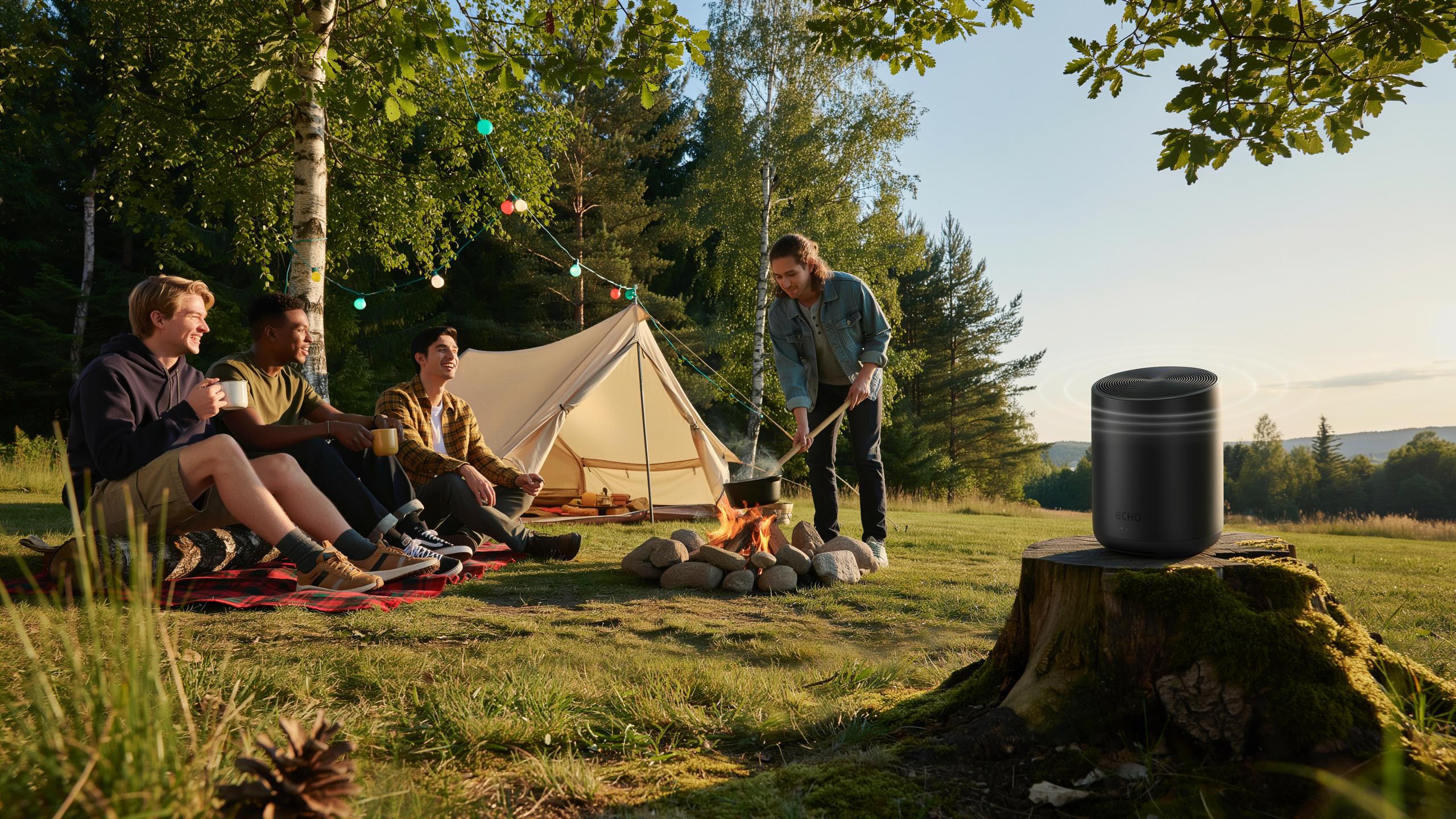
A portable speaker delivers consistent audio across your campsite without running cables or managing wired connections. You control music, podcasts, or ambient sounds from any location around your tent or fire pit. The speaker handles varied terrain and weather exposure better than leaving devices exposed. Audio quality remains stable across distance, giving everyone in your group equal access to entertainment.
Entertainment during downtime prevents boredom on multi-day trips. Campfires paired with background music create social focal points for your group. Morning coffee routines feel more complete with audio content. Speakers eliminate the need to huddle around a phone or laptop to hear anything worthwhile.
The Convenience Of Wireless Speakers
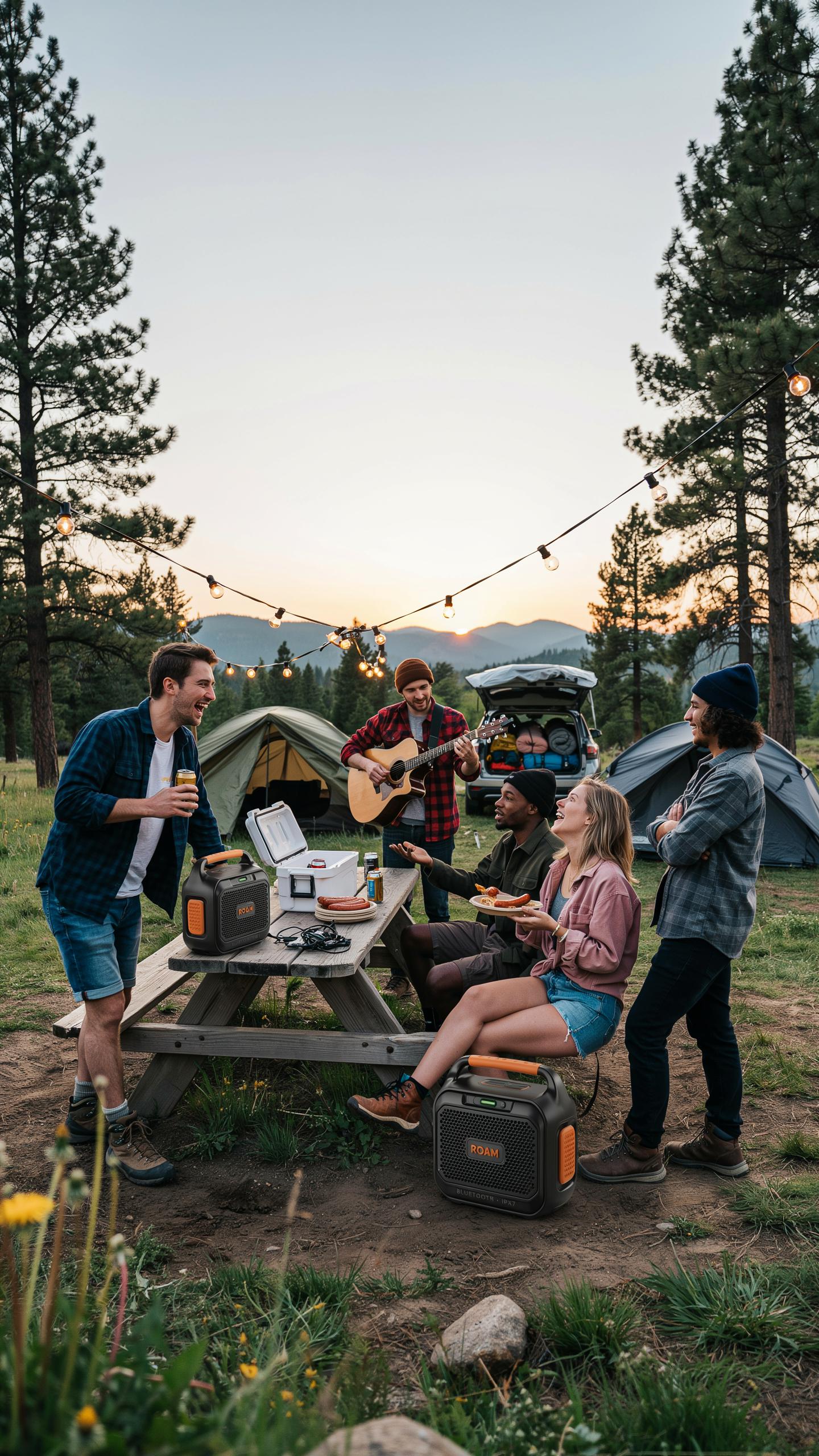
Bluetooth eliminates cable management in outdoor settings where tangles and damage occur easily. You move freely between camp activities without tethering to a fixed audio source. Battery powered speakers work independently from your phone or device, so you preserve your device’s power for navigation and emergencies. Wireless range typically extends 30 to 100 feet depending on the speaker model and terrain obstructions.
Setup takes seconds. You pair once, then reconnect automatically on future trips. No adapters, connectors, or compatibility concerns slow down your camping routine. Multiple devices can switch control without needing to disconnect and repair, so group members rotate DJ duties without technical friction.

Key Features Of Outdoor Speakers For Camping
Prioritizing Long Battery Life
Extended battery life determines whether your speaker functions for your entire trip or dies mid-use. Remote camping means no power outlets. You need a speaker that runs 12 hours minimum on a single charge. Most quality camping speakers deliver 15 to 30 hours depending on volume levels. Battery capacity measured in mAh directly impacts runtime. Higher mAh ratings mean longer playback before you need to recharge.
Volume setting affects battery drain significantly. Maximum volume depletes batteries faster than moderate levels. Plan your speaker choice based on typical usage patterns at your campsite. If you camp for multiple days without charging access, select speakers with 20 plus hour ratings. Lithium ion batteries in modern speakers hold charge better than older battery types and support repeated charge cycles without degradation.
Durability And Waterproof Speaker Ratings
Water resistance ratings use IP codes that indicate protection levels. IP67 rating means the speaker survives full submersion in water up to one meter for 30 minutes. IP68 rating offers even stronger protection for extended water exposure. Most serious camping speakers meet IP67 standards at minimum. This matters because tent condensation, rain, and accidental water contact happen regularly outdoors.

Rugged construction requires reinforced materials that withstand impact and weathering. Rubberized casing protects internal components from drops and impacts common in outdoor settings. UV resistant coatings prevent sun damage to speaker exterior over time. Metal grilles protect drivers while allowing sound to project clearly. These design elements work together to extend speaker lifespan through multiple camping seasons and harsh field conditions.
Understanding Bluetooth Speaker Technology
The Basics Of Wireless Connectivity
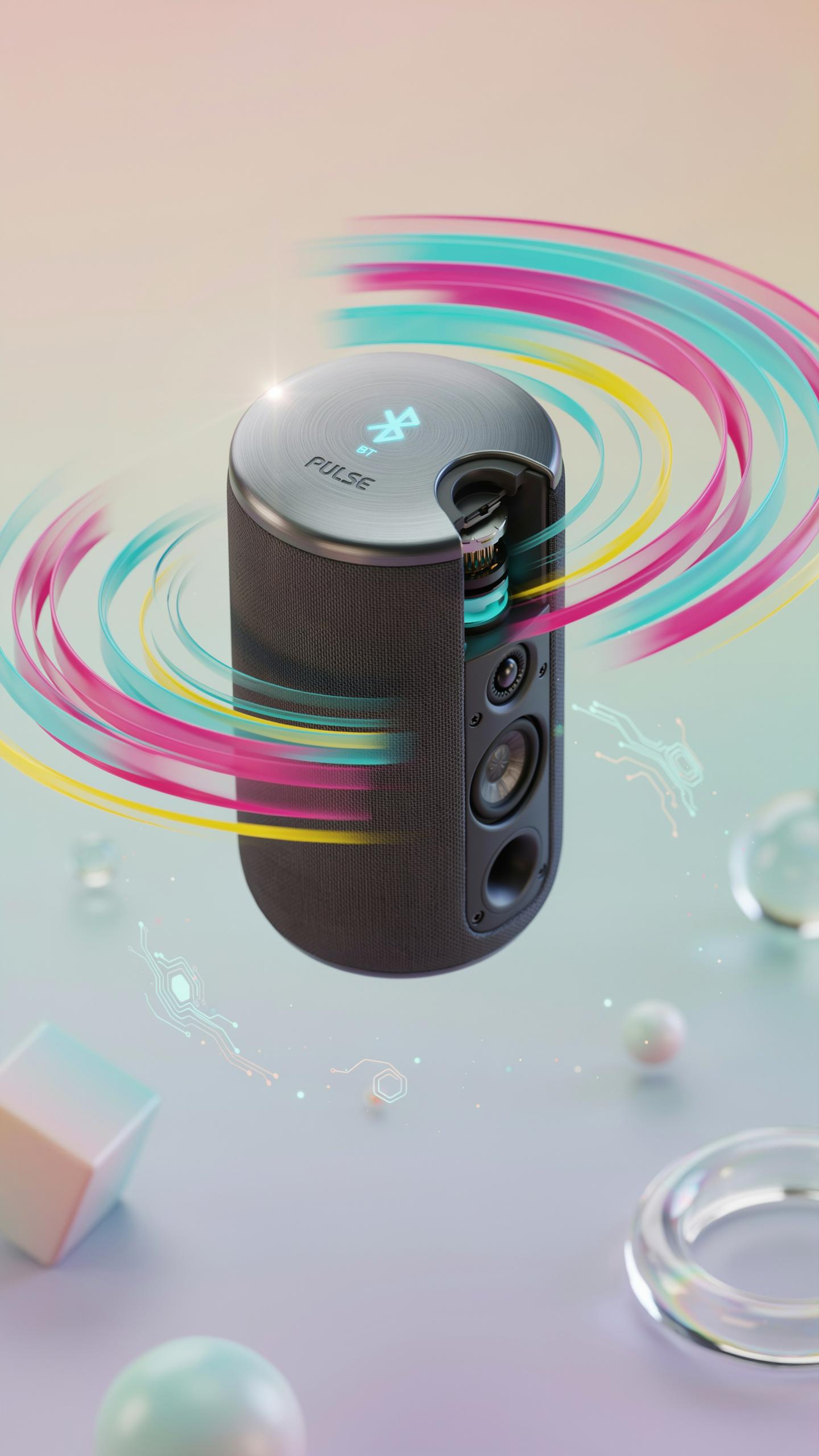
Bluetooth operates on the 2.4 GHz frequency band, the same spectrum used by Wi-Fi and microwaves. The technology transmits data in short bursts across this band, allowing devices to communicate without physical cables. Standard Bluetooth ranges from 30 to 240 feet depending on the version and speaker class, but outdoor environments reduce effective range significantly due to obstacles and interference.
Trees, water, and terrain obstruct Bluetooth signals in camping settings. You lose range when your phone sits in a backpack or tent. Rain and humidity don’t block signals but dense vegetation creates dead zones. Real-world camping conditions typically cut effective range to 50 to 100 feet from the speaker, requiring you to keep your device reasonably close for stable connectivity.
Codec Support And Audio Quality
Codecs compress audio data for wireless transmission, then decompress it for playback. Common camping speaker codecs include SBC, AAC, aptX, and LDAC. SBC handles all Bluetooth devices but offers lower quality. aptX reduces latency and improves clarity on compatible devices. LDAC transmits higher bitrate audio, though few budget camping speakers support it and your source device must support it too.

The codec your phone supports determines maximum audio quality you can achieve. Most Android phones support aptX, while iPhones use AAC through Apple’s ecosystem. A speaker with multiple codec support adapts to whatever device you bring camping. Bitrate matters more than codec choice for outdoor listening. Higher bitrates mean better sound, but battery drain increases proportionally on both speaker and phone.
Top Bluetooth Speakers Portable For Camping
Comparing Leading Models With Extended Playtime
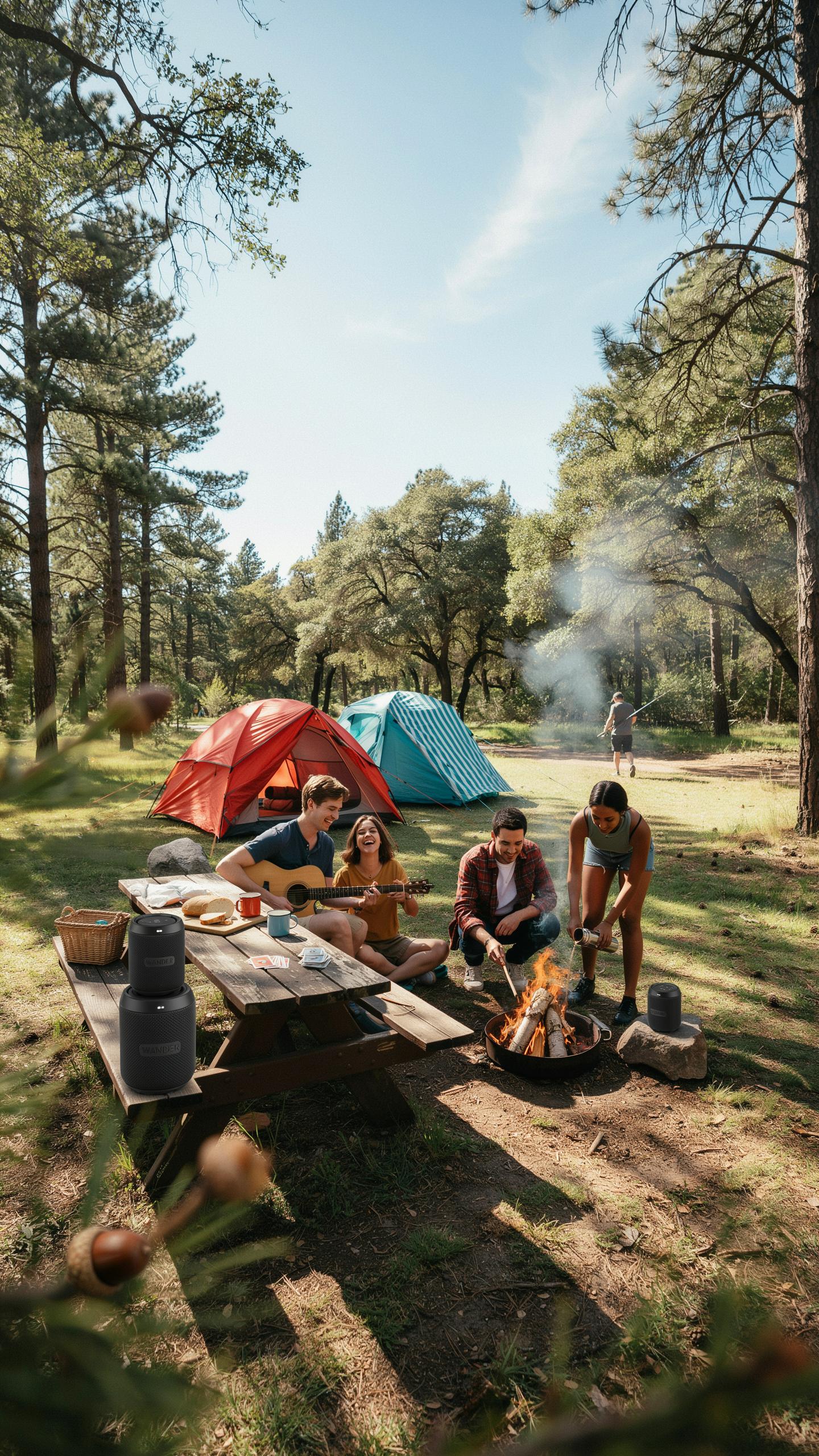
The JBL Charge 5 delivers 20 hours of battery life with a rugged design built for outdoor abuse. Its waterproof rating handles rain and splashes. The speaker weighs 285 grams and produces 40 watts of output. Real-world testing shows consistent performance across temperature ranges typical in camping environments.
The Ultimate Ears Megaboom 3 offers 20 hours of playtime and waterproof certification for submersion up to one meter. It connects via Bluetooth 5.3 for stable range up to 45 meters. The 430-gram speaker survives drops from 1.5 meters without damage. Users report reliable audio quality in open-air camping scenarios without significant battery drain issues.
Factors To Consider When Choosing
Battery capacity matters because it determines how many nights your speaker runs without recharging. Look for models rated for 15 hours minimum playtime. This covers two full days of typical camping use. Check manufacturer specs, not marketing claims. Actual playtime varies with volume levels and audio content.
- Waterproof Rating: Choose IPX7 or higher. IPX7 handles brief submersion. IPX8 provides complete water protection. Lower ratings fail in wet camping conditions.
- Weight and Portability: Keep total weight under 500 grams for day hikes. Lighter speakers reduce pack burden. Balance weight against speaker size and output power.
- Audio Output: 20 to 40 watts handles most camping group settings. Higher wattage doesn’t always mean better sound. Match output to your intended campsite size and audience.
- Charging Method: USB-C charges faster than micro USB. Solar charging adds convenience but takes longer. Choose based on your available power sources at camp.
- Temperature Range: Confirm operation specs between 0 to 40 degrees Celsius. Lithium batteries lose capacity in cold. High altitude camping requires checking altitude limits.
- Connectivity Options: Bluetooth 5.0 or higher ensures stable connections. AUX input provides backup if Bluetooth fails. Multi-device pairing helps when multiple people share the speaker.

Your budget determines the features you access. Entry-level speakers around 50 to 80 dollars offer basic waterproofing and 10 hour battery life. Mid-range options between 100 to 150 dollars include better sound and 15 to 20 hour playtime. Premium models above 150 dollars add durability, output power, and advanced connectivity features. Match spending to your camping frequency and performance needs.
Maximizing Battery Life On Your Portable Speaker
Tips For Extending Playback Time
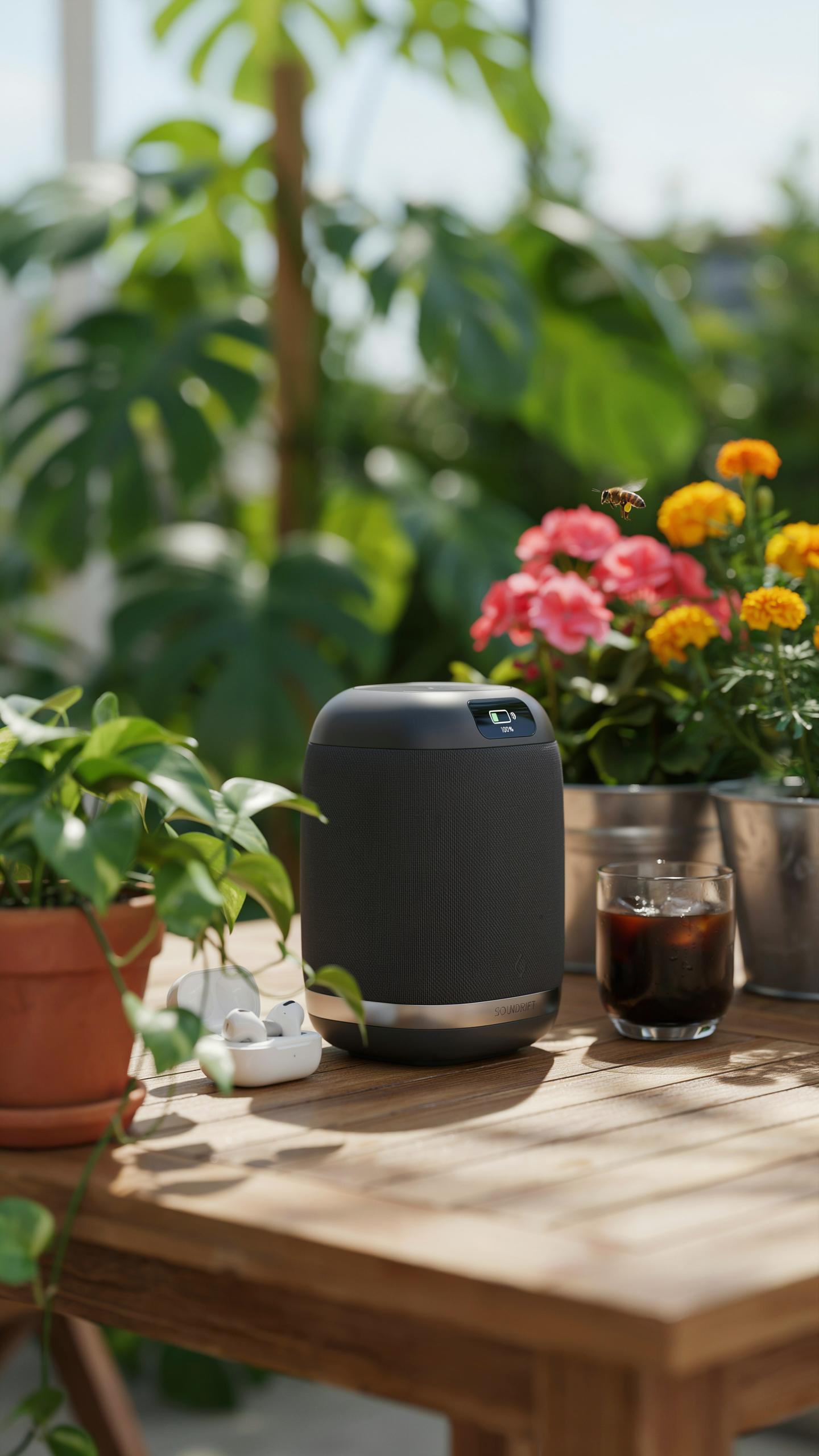
Battery drain accelerates when you push speaker volume to maximum levels. Running at 75 percent volume instead of 100 percent extends playback by 30 to 50 percent on most models. Lower volume demands less power from the amplifier and reduces heat generation, which also stresses batteries. Match volume to your environment rather than maxing output unnecessarily.
- Lower volume settings: Operating at 50 to 75 percent volume cuts battery drain significantly compared to maximum output modes.
- Disable wireless features when idle: Turn off Bluetooth when not actively playing music to prevent constant searching and connection attempts.
- Use wired audio input: Connect devices via aux cable or USB instead of Bluetooth to eliminate wireless power consumption entirely.
- Reduce bass boost levels: Heavy bass processing demands more power from the battery than standard audio playback.
- Keep speakers cool: Store and use speakers away from direct sunlight and heat sources to maintain battery efficiency and lifespan.
Temperature directly impacts battery performance. Cold environments slow chemical reactions inside batteries, reducing available capacity by up to 20 percent. Heat accelerates degradation. Store your speaker in an insulated case during extreme weather. Let cold batteries warm naturally before heavy use to avoid damage.
Charging Solutions In The Wild
Portable power banks rated for 20,000 to 30,000 milliamp hours can fully recharge most camping speakers multiple times. Choose models with USB-C output for faster charging speeds. Verify compatibility before buying, as some speakers require specific charging protocols. Store power banks in your pack where they stay at moderate temperatures and won’t get crushed.

Solar charging panels work but demand realistic expectations. A 10 to 15 watt solar panel generates enough power to trickle charge a speaker over several hours of direct sunlight. Panel efficiency drops significantly in cloudy conditions, shade, or when angled incorrectly. Combine solar panels with battery banks rather than relying on solar alone for reliable camp power.
Waterproof Speaker Protecting Your Investment
Understanding IP Ratings For Water Resistance
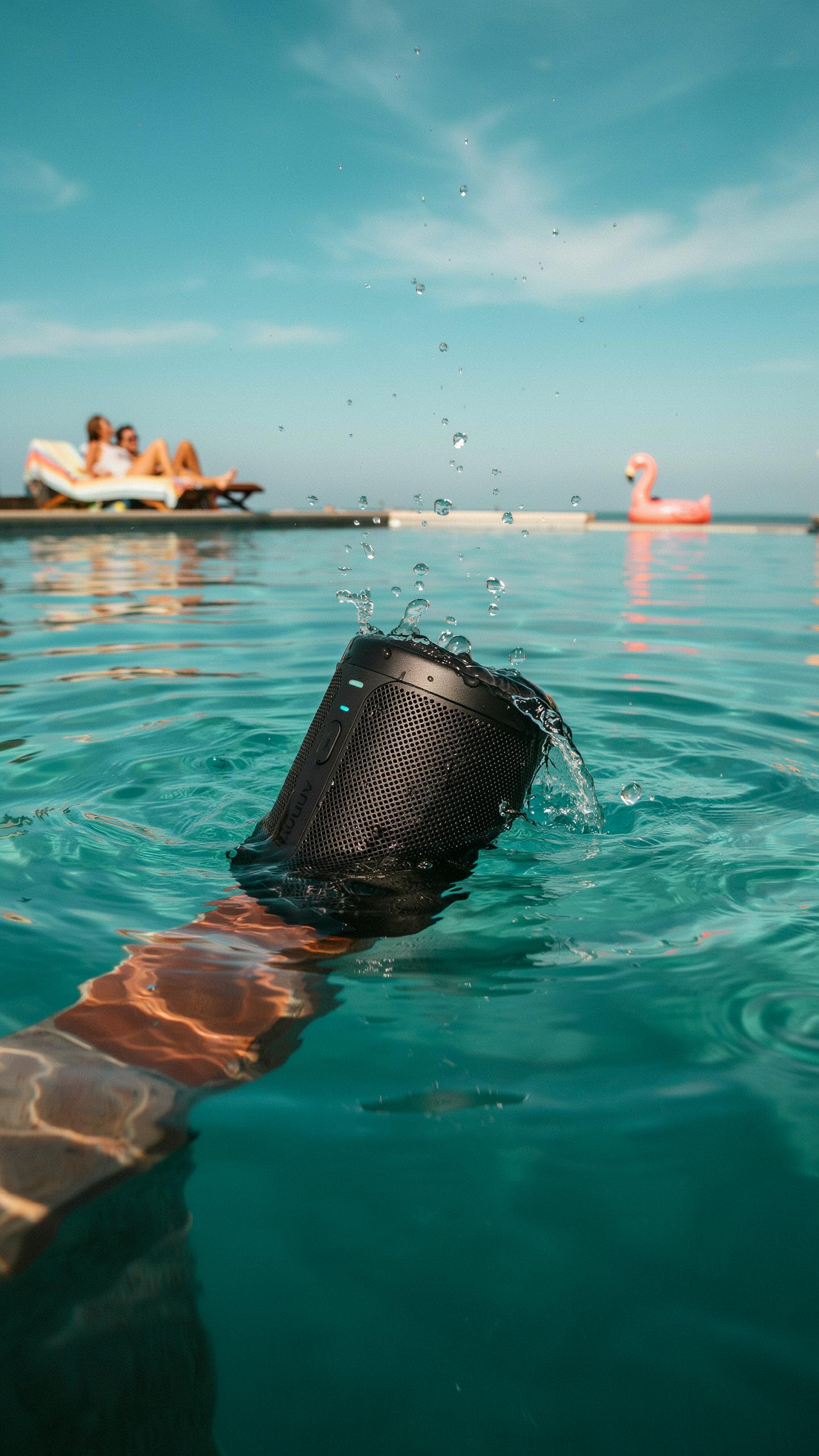
IP ratings tell you exactly what your speaker can handle in wet conditions. The “IP” stands for Ingress Protection. The first number rates dust resistance on a scale of 0 to 6, where 6 means complete dust protection. The second number rates water resistance from 0 to 8, where higher numbers mean deeper water submersion. A speaker rated IPX7 handles submersion up to one meter for thirty minutes. IPX8 rated speakers go deeper. Most camping speakers range from IPX5 to IPX8 for practical outdoor use.
The rating system cuts through marketing hype by giving you measurable performance data. IPX4 means the speaker resists splashing from any direction but won’t survive submersion. IPX5 handles water jets from a hose or light rain without damage. IPX6 withstands heavy jets and waves. For camping near water or in rain, IPX7 or IPX8 provides real protection for your investment. Check the manufacturer’s official specifications rather than product descriptions to confirm actual ratings.
Care And Maintenance For Outdoor Use
Clean your speaker after each camping trip to remove dirt, sand, and debris. Use a soft cloth slightly dampened with fresh water to wipe the exterior. Let the speaker dry completely before storing. Never use harsh chemicals or abrasive materials that damage the finish or protective coatings. Store the speaker in a cool, dry place away from direct sunlight when not in use.

Check charging ports and cable connections regularly for corrosion or buildup. If your speaker has removable rubber caps over ports, keep them closed when not charging. Inspect the speaker for cracks or damage to the waterproof seal before each trip. Replace damaged rubber seals immediately to maintain water resistance ratings. Proper maintenance extends battery life and prevents expensive repairs down the road.
Speaker Design And Portability
Compact Vs Powerful Finding The Balance
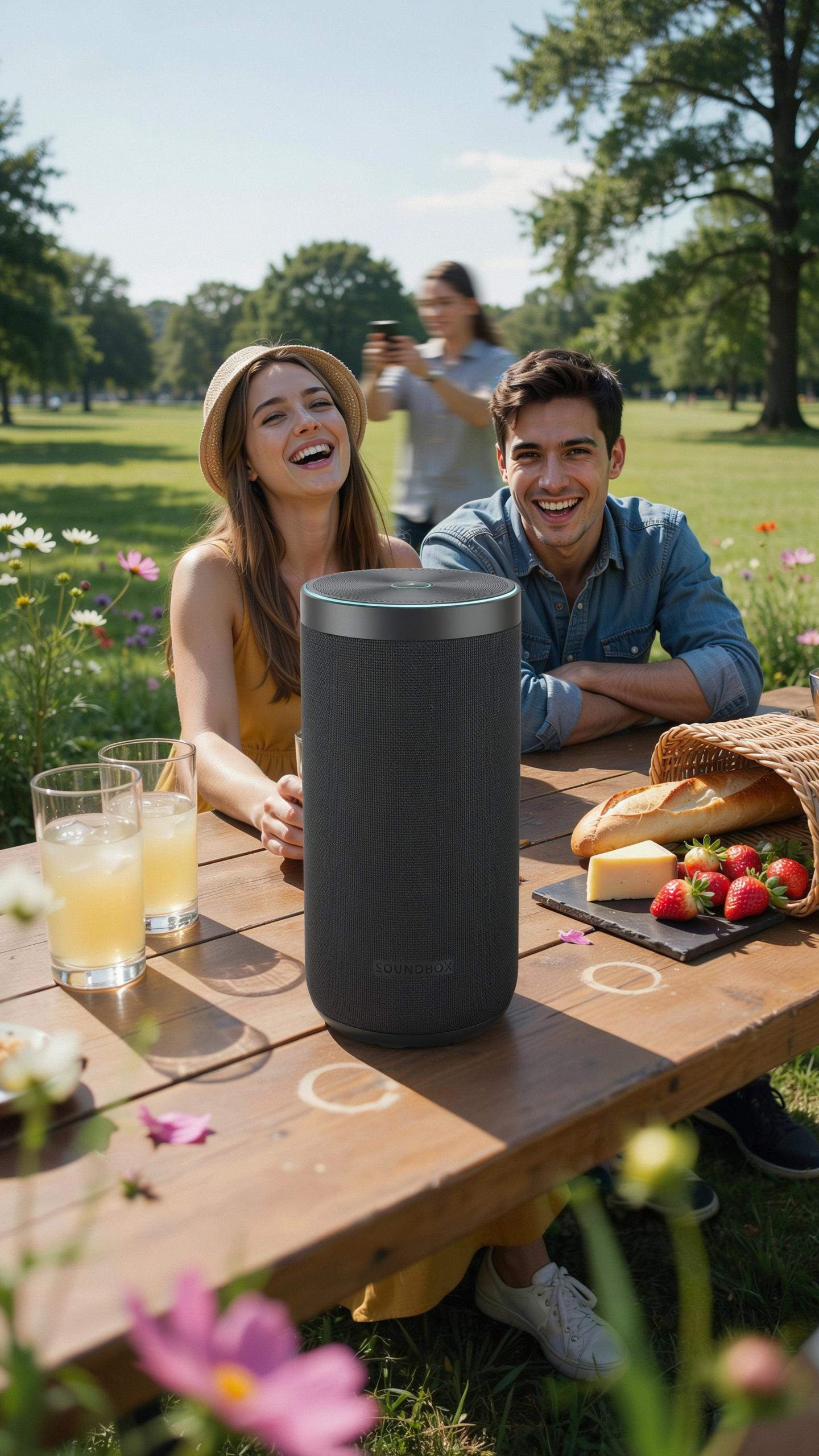
Smaller speakers sacrifice output power for weight savings. A speaker under one pound produces roughly 80-90 decibels maximum. Larger models weighing 2-3 pounds reach 100+ decibels but demand more pack space. You choose based on your campsite size and noise requirements. Solo camping near a tent needs less volume than group gatherings.
Battery drain increases with speaker size and power output. Compact models run 15-20 hours on a charge. Powerful speakers deplete their batteries in 8-12 hours despite larger capacity. Portability means carrying the speaker daily on hikes. Sound power means fewer battery cycles before needing recharge infrastructure you lack in remote areas.
Integrated Features For Campers
Carabiners attached to speaker bodies clip to backpack straps or tent loops. Handles molded into the housing let you carry speakers without additional gear. Rubberized bumpers protect against impact during transport and camp setup. Waterproofing ratings of IPX5 or IPX7 handle rain and accidental submersion near water sources. These features add minimal weight while solving real camp logistics problems.

Mounting options determine where you place audio during activities. Some speakers accept standard tripod threads for elevated positioning. Others use magnetic bases to attach to metal tent poles or cooking equipment. Pairing these features with long battery life means your speaker stays deployed all day without repositioning. This matters when you set up a basecamp for multi-day trips.
Beyond Music Additional Uses For Wireless Speakers Bluetooth
Using Your Speaker For Hands Free Calls
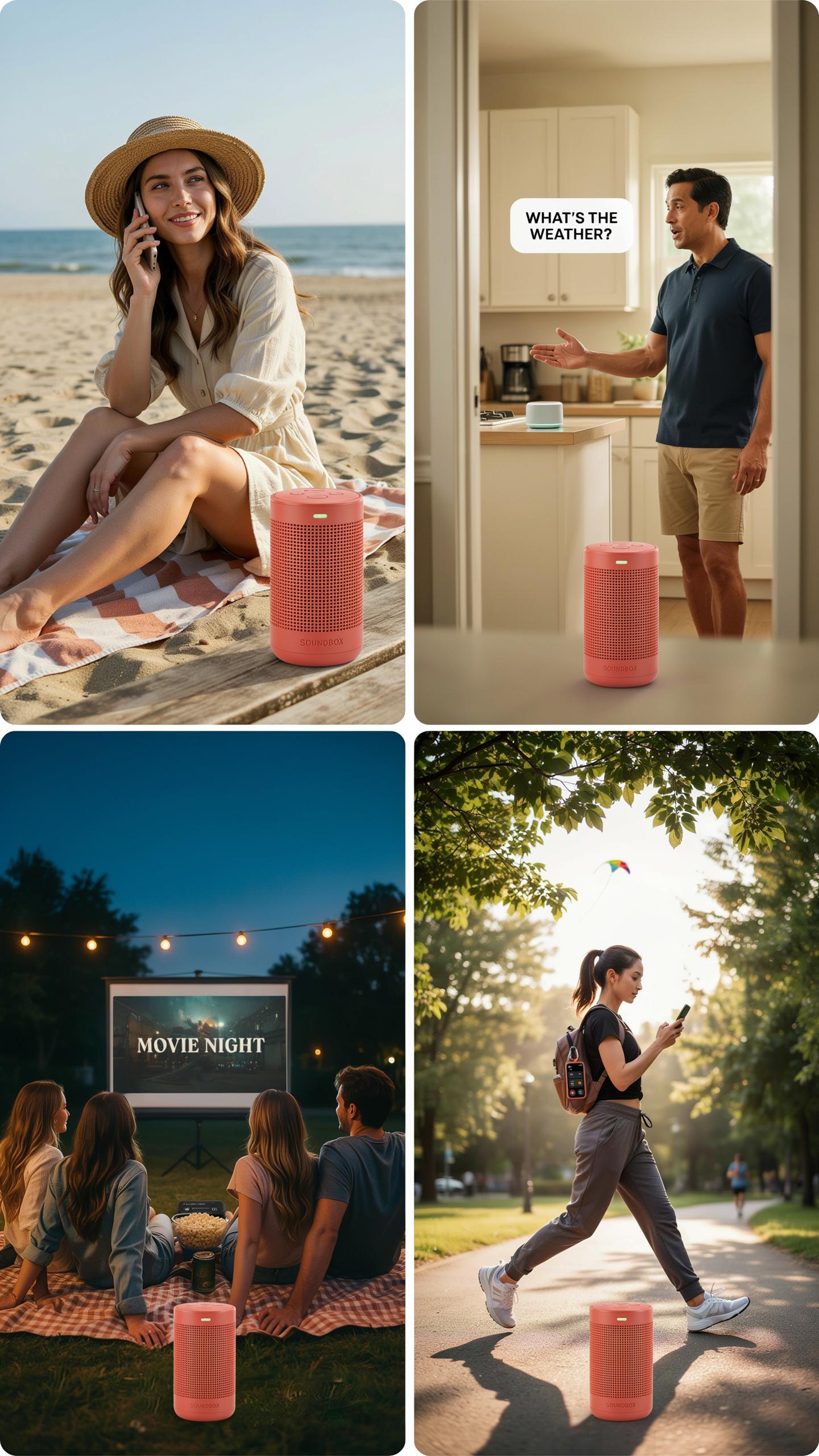
Bluetooth speakers handle phone calls through their built in microphones and speakers. When your phone connects to the speaker, incoming calls route through the device instead of your phone’s speaker. This matters in camp settings where you need your hands free to manage tasks or stay warm.
Most camping speakers deliver clear call audio in moderate noise environments. Wind and distant campfire noise don’t significantly degrade microphone pickup. However, heavy rain or proximity to running water creates problems. Test your speaker’s call quality before relying on it for emergencies.
As A Power Bank For Other Devices
Some Bluetooth speakers include USB ports that charge other devices. This feature works through a built in battery that powers both the speaker and your phone simultaneously. The trade off is real: charging another device reduces your speaker’s total runtime.

Check the speaker’s power output specifications before counting on this feature. A 5W USB port delivers slow charging to most phones. Speakers marketed as power banks typically offer higher output, but verify the exact wattage. Plan your camping trip assuming this feature cuts your speaker’s battery life by 30 to 50 percent.
Party Speakers When Sound Quality Matters Most
Achieving Rich Audio In Open Spaces
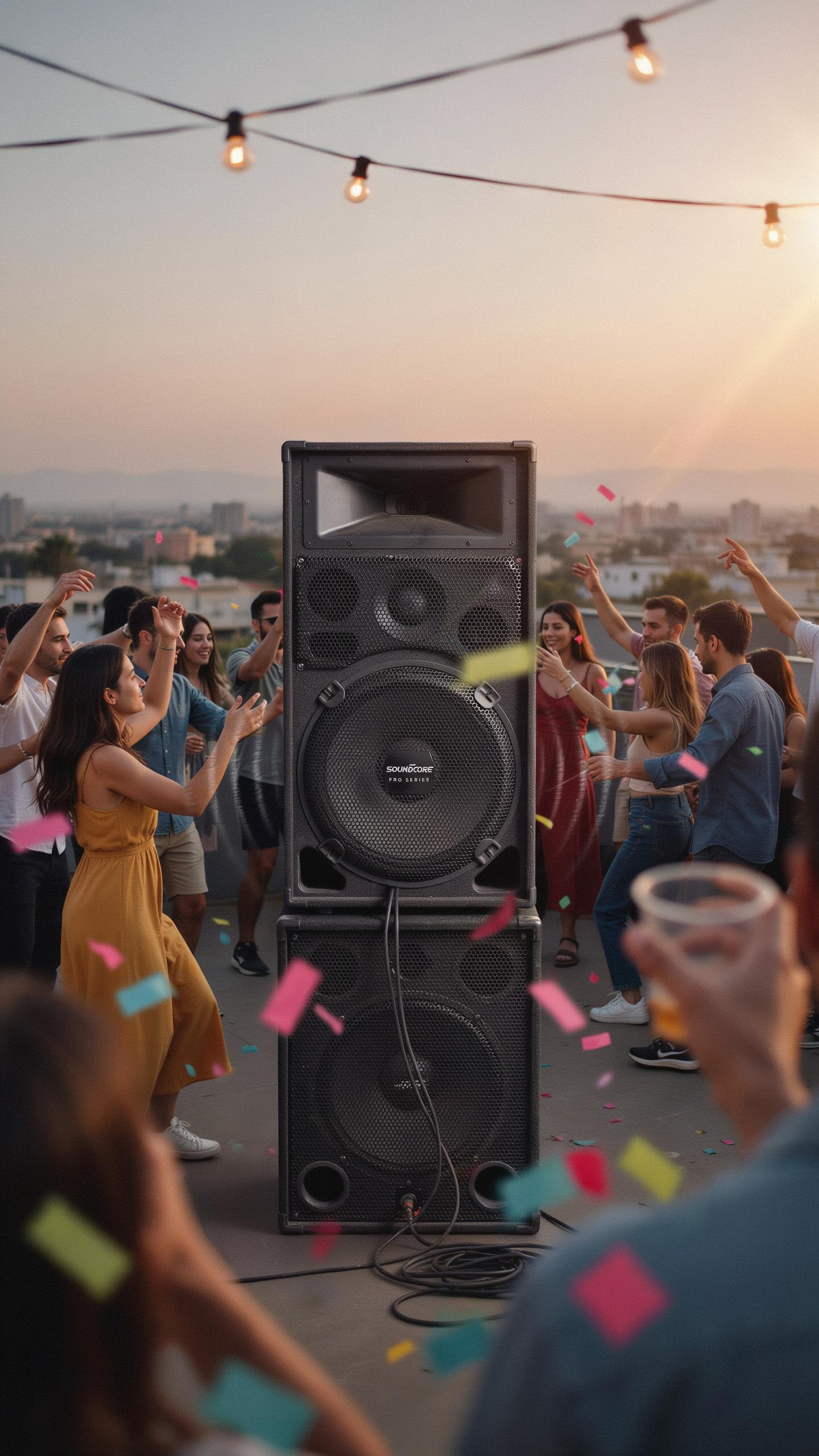
Open spaces absorb and scatter sound waves differently than enclosed rooms. You need higher wattage output to maintain volume across distance. Bass frequencies dissipate faster outdoors, so speakers with larger drivers and passive radiators perform better. Position speakers elevated and away from obstructions to project sound effectively across your campsite.
Wind and ambient noise create challenges that indoor settings don’t have. Choose speakers with at least 20 watts of output for reliable coverage beyond 30 feet. Materials matter here too. Rubber construction handles temperature swings and moisture better than plastic. Battery drain increases with higher volume, so balance your sound needs against runtime requirements.
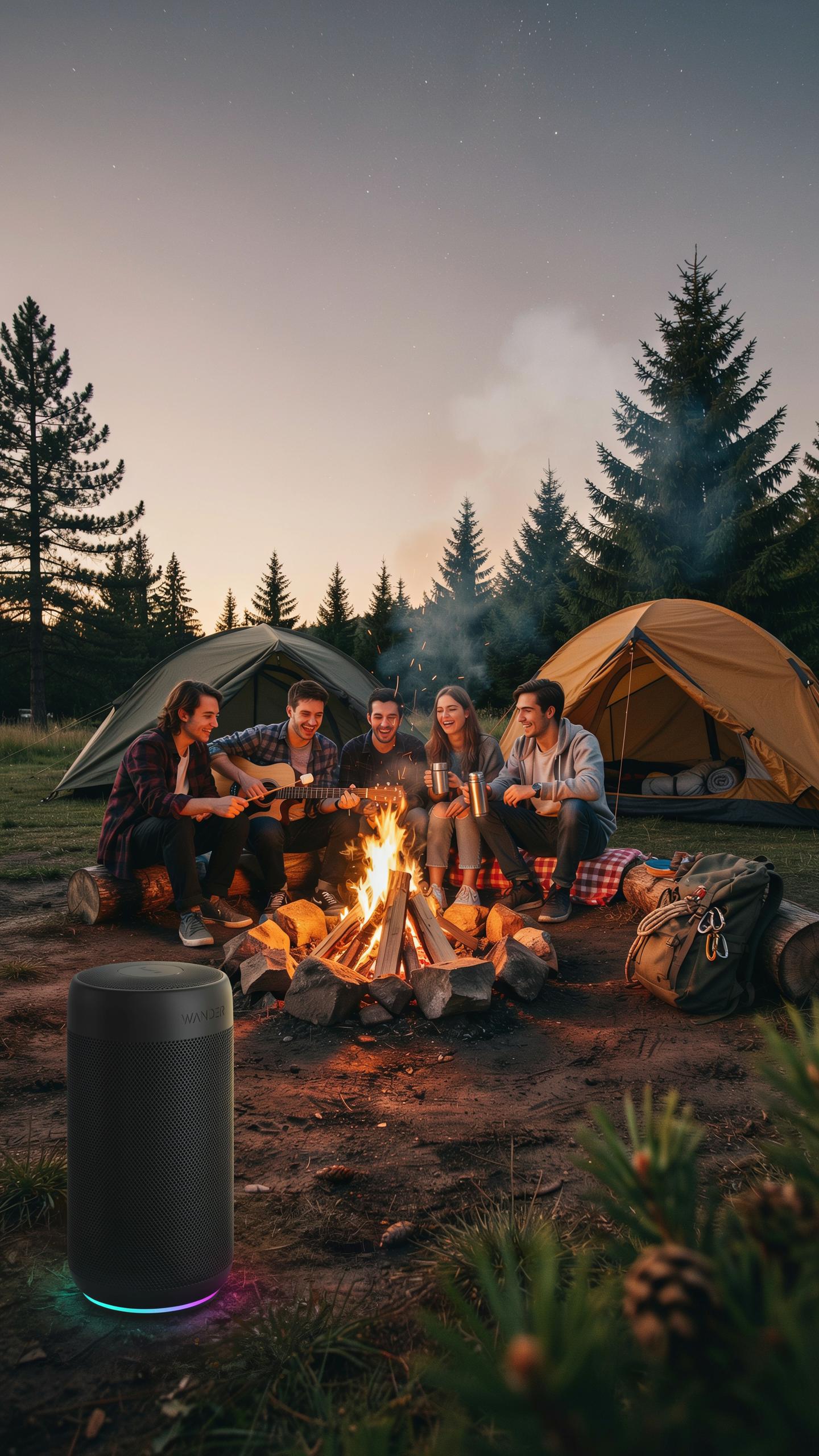
A good campfire, a sky full of stars, and the perfect soundtrack—that’s a camping memory worth keeping close, just like your reliable speaker.
Connecting Multiple Speakers For Stereo Sound
Most camping-grade Bluetooth speakers support stereo pairing through their native apps or standard Bluetooth protocols. You position one speaker on each side of your gathering area for directional sound separation. This setup delivers wider soundstage and more immersive audio than a single unit. Check your speaker’s manual for pairing instructions, as the process varies by manufacturer.
Stereo pairing does increase battery drain across both units since each speaker operates independently. You’ll sacrifice roughly 20 to 30 percent of runtime compared to running a single speaker. Plan charging accordingly if your trip extends beyond the combined battery life. Wireless connectivity between paired speakers remains stable within 30 feet under normal conditions, which suits most camping scenarios.
Future Of Bluetooth Speakers For Outdoor Adventures
Innovations In Battery Technology
Lithium ion and solid state battery chemistries are advancing toward higher energy density. Manufacturers are integrating these improvements into outdoor speakers to push playback beyond current 20-30 hour limits. Solar charging integration remains experimental but shows practical potential. Fast charging technology reduces downtime between camping trips.
Manufacturers focus on efficiency rather than raw capacity. Better power management chips waste less energy during operation. Heat dissipation improvements allow sustained output without performance throttling. Real world testing confirms that optimized firmware extends battery life by 15-25 percent compared to older models.
Smart Features And Connectivity Trends
Bluetooth 5.3 and 5.4 standards deliver improved range and power efficiency. Future outdoor speakers will maintain stable connections in remote terrain where previous versions dropped signal. Multi device pairing becomes seamless. Voice assistant integration adapts to outdoor environments and handles connectivity handoffs between multiple networks.
Manufacturers are developing offline functionality to reduce battery drain from constant connectivity searches. Adaptive audio processing adjusts sound output based on ambient noise levels and terrain. GPS integration enables location based features without draining battery reserves. Durability standards for smart components now match ruggedness expectations of the camping market.
Frequently Asked Questions

What exactly makes a Bluetooth speaker “good” for camping?
A good camping Bluetooth speaker needs rugged durability, often waterproof or water-resistant, to withstand outdoor conditions. Look for decent sound quality to fill open spaces and, crucially, a long-lasting battery. Portability is also key for easy transport in your gear.
How can I maximize the battery life of my Bluetooth speaker during a multi-day camping trip?
To maximize battery life, keep volume levels moderate and turn off the speaker when not in use. Consider disabling extra features like LED lights. A power bank is an excellent backup to ensure your bluetooth speaker with long battery life for camping stays charged throughout your adventure.
Are there affordable Bluetooth speakers with long battery life for camping that still perform well?
Absolutely! Many brands offer budget-friendly Bluetooth speakers with impressive battery endurance without sacrificing sound quality. Researching options from reputable brands focusing on features like IPX ratings and play time will help you find a great bluetooth speaker with long battery life for camping without breaking the bank.