The “$20 Illusion”: Why Budget Isn’t Your Biggest Problem

Cheap Doesn’t Mean Forgettable
You’re worried the recipient will think less of you for spending twenty dollars. That’s the real anxiety here. But the mechanism is simple: a twenty dollar tech gift fails not because of price, but because it solves a problem the person doesn’t actually have or doesn’t actually use. Economics calls this the concept of utility, and in secret santa exchanges, utility operates differently than retail. A cheap solution to a real friction point beats an expensive solution to an imagined one every single time.
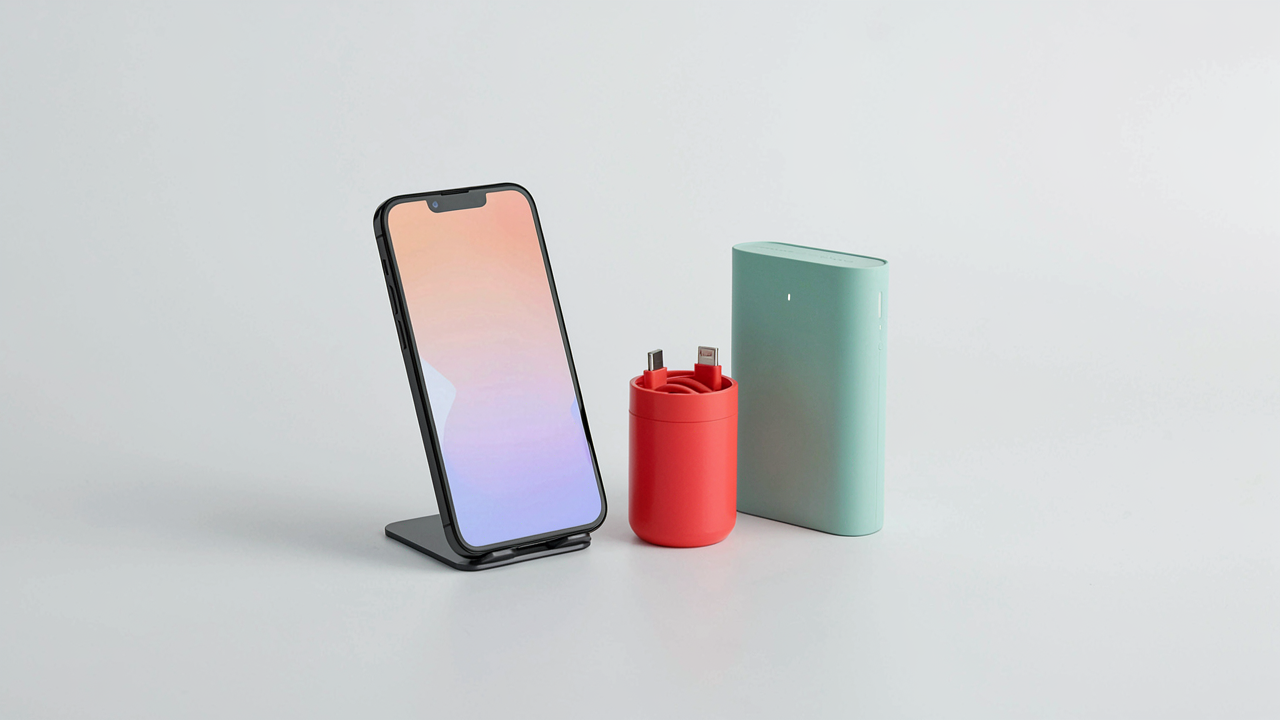
The market conditions around budget gifts create strange incentives. Retailers stock low-cost tech items designed to fill price points, not to solve problems. You inherit their backward logic when you assume the budget constrains your options. It doesn’t. It constrains the wrong options. A fifteen dollar phone stand that holds your device at the exact angle you use for video calls has higher perceived value than a forty dollar gadget designed for no specific use case. The recipient notices because they feel the difference the first time they use it.
Signal Over Specs
What you think matters in a gift exchange is technical specs and feature density. What actually matters is whether the receiver recognizes the gift as a solution to something they’ve complained about or struggled with. This is status signaling through practicality, not through brand names or price tags. A low-cost item that demonstrates you listened to a specific complaint lands harder than a mid-range generic option because it proves attention, not just spending power.
Perceived value in secret santa operates on a single lever: does this address a real friction point in the recipient’s actual life. The psychology breaks down when you reverse it. Expensive gifts without context read as generic. Budget gifts with specificity read as thoughtful. When you choose a twenty dollar item because it directly solves something the person mentioned offhand three weeks ago, you’ve created an asymmetry. The gift costs less but means more. The recipient recalibrates their sense of what the exchange actually measures. That mechanism is what you’re optimizing for, not the price tag itself.
Beyond Generic: Unearthing Underrated Tech

The Obscure Stuff Actually Gets Used
You want to look thoughtful without breaking the bank, which means you’re terrified of landing on the same $15 USB hub everyone else grabbed. The mechanism is simple: niche tech has lower saturation, which makes it memorable, but it still needs to solve a real problem or nobody touches it. The difference between a gift that sits in a drawer and one that gets daily use is whether the recipient already knew the problem existed. Mass-market tech pretends every problem is mass-market. Niche tech addresses the 20 percent of users who actually care about the gap.

USB-C hubs marketed as “multiport solutions” fail because they’re generic answers to undefined problems. Specialized gear like a phone cooling clip for mobile gamers, a single-cable organizer for desk workers, or a magnetic car mount for delivery drivers succeeds because it targets the behavior that’s already happening. The person who games on their phone will use a cooling clip every session. The person who has no use for it won’t even notice it exists. That’s the filter. Niche products under twenty dollars live or die on specificity, not features.
Utility Over The Feature Checklist
Most advice tells you to compare specs, which is backward. Economics calls this the substitution effect: people trade off quality for quantity when they can’t afford everything. That applies here. At under twenty dollars, you’re not buying a premium device. You’re buying a tool that solves one problem so well that it eliminates friction from a specific workflow. A product with five mediocre features and one exceptional one beats a product with five okay features and no standout strength. Specifications are theater. Friction reduction is real.
Test this by asking what problem vanishes when someone uses the gift daily. If the answer is vague, the product fails the test. A cable organizer reduces the five-minute desk untangling ritual to thirty seconds. A phone stand eliminates the hand-cramping position you hold during video calls. A battery pack with fast charging removes the anxiety of dying mid-commute. None of these need flashy specs. They just need to work consistently without requiring thought. Buy friction reduction, not feature lists.
The “Utility First” Protocol: Gifting What’s Actually Needed

Spot The Friction Point Before You Shop
You want to look thoughtful without spending real money. That’s the real reason you’re reading this. The mechanism is simple: people don’t remember gifts that solve nothing. They remember gifts that remove friction from their actual day. Friction is borrowed from physics, and in gifting it means resistance to completing a task someone does repeatedly. A $15 cable organizer eliminates friction if someone’s desk is a tangle. A phone stand eliminates friction if someone props their phone against a water bottle during video calls. The pattern isn’t about being clever. It’s about observation before purchase.

Most people skip this step entirely. They grab something that looks tech-adjacent and hope. Watch how the person actually lives for one week. Do they struggle with cable management? Do they squint at their phone in bed? Do they complain about dead batteries on their commute? These aren’t problems you invent. They’re problems they already have. Once you name the friction, the gift becomes obvious, and it lands under twenty dollars because you’re solving something specific, not impressing someone generic.
The Discipline Of Asking Without Asking
Don’t ask them what they want. That’s lazy and defeats the purpose. Real observation requires you to notice what they reach for, what breaks, what they complain about in passing, what slows them down. Their browser history is off limits, but their desk, their bag, their commute patterns are open intelligence. A USB-C hub matters only if they own USB-C devices and actually use multiple ports. A pop socket matters only if they hold their phone one-handed for extended periods. A battery pack matters only if they travel or work away from outlets regularly.
The art is noticing without broadcasting that you’re watching. Listen during conversations. Ask indirect questions about their workflow. See what adapters they carry. Check if their AirPods case is scratched, suggesting they use them daily and might need a protective case. This data tells you whether a tech gift solves a real problem or sits in a drawer. When you give something that directly addresses a friction point they experience, they use it immediately, remember you clearly, and the under-twenty dollar price point feels generous instead of cheap.
The Pareto Principle Of Gifting: 20% Effort, 80% Impact

Where Friction Lives, Not Where Algorithms Say It Does
You’re worried you’ll look cheap. That’s the real reason you’re reading this section. Economics borrows a concept called leverage: the ability to move a large mass with minimal force applied at the right point. In Secret Santa, leverage means identifying which 20% of gift attributes drive 80% of the recipient’s satisfaction, then building around that instead of spreading your budget thin across features nobody uses.

Most people reverse-engineer gifts. They price-hunt first, then hunt features second. This wastes money on specs that register as luxury but add zero friction reduction to daily life. The mechanism is simple: people don’t value what they already have working. They value what breaks their workflow or creates status uncertainty. Find that one problem your twenty dollars solves perfectly, and ignore everything else.
Utility Over Feature Count
Stop comparing spec sheets. A USB-C cable that never tangles does more for someone’s life than a device with twelve connectivity options that sits unused. Utility means the gift removes friction from something the recipient does repeatedly. Economics calls this diminishing returns: each additional feature costs money but delivers almost no additional satisfaction beyond the first.
The protocol is mechanical. First, identify one repeated friction point in the recipient’s day. Second, find a tool under twenty dollars that eliminates that friction completely. Third, verify they don’t already own it. The gap between “nice to have” and “solves something real” is where your twenty dollars compounds into genuine impact. Everything else is noise you’re paying for.
Presentation Over Price: Packaging Your Cheap Christmas Gifts

The Wrapping That Does The Work
You’re worried the gift looks cheap. That’s the real problem here, and wrapping solves it faster than any price tag ever could. Presentation operates on signal theory: the receiver’s brain processes what it sees before it processes what’s inside. Upgrade the exterior and you’ve already won half the battle before they even open it.

Stop using gift bags. Bags signal laziness and cost nothing, so they amplify the perception that your gift cost nothing. Kraft paper with twine works because it reads as intentional and considered, not as a shortcut. Matte paper in deep colors—charcoal, forest green, navy—photographs better mentally and physically absorbs light rather than reflecting it, which makes cheaper items look less plastic. Wrap tight. Messy wrapping screams “I didn’t care enough to measure.” Precision in execution is the only luxury poor gifts can afford.
The Note That Matters More Than The Thing
Handwritten notes work because they’re friction. Nobody writes anymore, which means a few sentences in your actual handwriting create disproportionate weight in someone’s mind. The note isn’t about flattery—that’s the generic mistake. It’s about specificity. Name one thing you’ve observed about them that connects to why you chose this gift.
If you give someone a USB-C hub under twenty dollars, don’t write “Hope you love this.” Write “I noticed your cables are always tangled on your desk—this keeps them organized in one spot.” You’ve moved from commodity to recognition. They remember why you gave it, not what it cost. Sign it. Keep it to three sentences. Put it where they find it after unwrapping, not before. The delayed impact sticks longer than anything you could have written on the tag.
The “Anti Clutter” Rule: Gifts That Don’t Add To The Noise

Function Over The Dopamine Hit
You want to give something that makes you look thoughtful without admitting you’re terrified of landing a dud that sits in a drawer. Here’s the mechanism: most tech gifts fail because they solve problems the recipient doesn’t have or didn’t ask for. Borrow from systems thinking—in that field, you eliminate waste by removing components that don’t serve the core function. A gift that actually gets used is a gift that replaces something broken or fills a genuine gap. That’s the only move that works at twenty dollars.

The difference between a gift that lands and one that gets regifted is whether it integrates into existing behavior or demands new behavior. A cable organizer works because it slots into a desk someone already uses. A novelty gadget asks the recipient to build a new habit. Pick tools that improve what they already do. Ask yourself one question before buying: does this make something they currently do easier, or does it require them to start something new?
Streamline, Don’t Expand
The common advice is to buy something “practical and fun.” Wrong framing. Practical and fun are competing goals at this price point. The real move is to eliminate friction from one specific daily task. A USB-C cable with a right-angle connector doesn’t add complexity—it solves a tangle problem under a desk. A phone stand that grips without leaving marks doesn’t demand learning. It just works.
Most people gift tech because they think the category itself impresses. It doesn’t. What impresses is recognizing what clutters someone’s life and removing it. A cable that lasts longer than cheap ones, a battery pack sized for a pocket instead of a backpack, a screen protector that doesn’t bubble—these succeed because they subtract friction, not add features. Test your gift choice this way: if the recipient never took it out of the box, would they notice its absence? If no, you’re buying noise. If yes, you’re buying utility.
Leveraging Scarcity: Timeless Secret Santa Gift Ideas

Items That Don’t Become Trash Next Year
You want to give something that makes you look thoughtful without actually thinking hard about it. Here’s the mechanism: scarcity in tech gifts isn’t about limited stock—it’s about functional longevity. Most gadgets under twenty dollars break or become obsolete within eighteen months. The ones that survive are tools, not toys. A cable organizer, a phone stand, or a USB hub solves a problem that persists across device generations. The receiver uses it daily, thinks of you, and doesn’t trash it when the trend dies.

The design principle here comes from industrial design, where durability is treated as a form of scarcity itself. A product that lasts five years instead of one is rare by default. Choose items made from materials that age without degrading: anodized aluminum, quality silicone, stainless steel. Avoid anything with trendy branding or aesthetic choices tied to the current year. A basic phone stand in matte black works in 2024 and 2027. Avoid the impulse to grab something “cute” or novelty-driven. Utility compounds over time.
The Permanence Principle
A lasting gift creates repeated activation of the receiver’s memory, which neuroscience calls context-dependent retrieval. Every time they use the item, the neural pathway to you strengthens. That’s not sentimentality—it’s how memory actually works. The cheap tech gift most people buy gets used once, forgotten, then discovered in a drawer two years later covered in dust. The opposite happens with a well-chosen utility item. They don’t think about whether it was a good gift. They just use it.
The psychology here is backward from what most gift-givers assume. You don’t build gratitude by impressing someone once. You build it through consistent, frictionless utility. A USB-C charging cable rated for fast charging and rated for long-term durability gets plugged in weekly. A desk cable management system organizes their workspace every day they work. A passive item that does its job without demanding attention creates positive feeling through repetition, not through moment-of-opening novelty. The mechanism is simple: embed yourself into their routine, not their memory of a single instant.
The “Experience Amplifier”: Gifting For The Giver, Not The Gift

What Your Gift Says About Your Judgment
You care about this section because you’re worried the gift reflects poorly on you. Here’s the mechanism: every gift under twenty dollars sits in a status zone where receivers make fast assumptions about your taste, effort, and self-awareness. In economics, this is signal theory. Your tech gift becomes a signal about your competence. A thoughtless gadget signals carelessness. A considered one signals you know how to allocate resources intelligently.

The gift recipient doesn’t evaluate your gift in isolation. They compare it against what they know about you, what they know about the price point, and what they’ve received from peers. A twenty-dollar USB-C hub from you lands differently than the same hub from someone known for generic gifting. The object remains unchanged. Your credibility shifts it.
How You Become The Person Who Gets Gifts Right
Stop assuming your job is picking the right product. Your job is building a narrative that makes the receiver feel seen, not handed a discount bin item. This means connecting the gift to something specific about them, not generic positivity. A USB power bank for someone who travels for work isn’t random. A cable organizer for someone whose desk is perpetually tangled isn’t luck. Each choice reveals you paid attention to their actual life, not their demographic category.
The narrative builds in the moment you hand it over. You don’t say “I got you a tech gift.” You say why it solves something real in their world. You reference the specific problem you noticed. You make the exchange a moment where they realize you watch how they actually live. That story becomes the gift’s real value, and it sticks longer than the object’s utility does. The receiver repeats that story to others, and suddenly you’re the person known for thoughtful choices, not budget shopping.
Avoiding The “Regret Loop”: Common Secret Santa Traps

Why Gift Cards Crater Under Twenty Dollars
You’re hoping a gift card signals thoughtfulness while requiring zero actual knowledge of the person. It doesn’t work that way. Economics calls this the “money illusion”—a gift card under twenty dollars feels like a constraint, not a choice. The recipient sees the ceiling immediately. A fifteen-dollar card to a coffee chain reads as “I spent the minimum” because the amount is visible and small. They know exactly what you spent and what you didn’t spend on them.

Physical tech gifts under twenty dollars avoid this trap because the recipient never knows the precise cost. A USB hub, phone stand, or cable organizer carries no price tag in the mind. They evaluate it on utility and design, not on whether you stretched your budget. A gift card forces comparison; a tool doesn’t. Choose objects, not promises.
Impulse Buying Versus The Thirty Minute Rule
Most people buy Secret Santa gifts on the last three days before the exchange. This creates a filter failure: you see something shiny, it costs under twenty dollars, and you assume it solves the problem. It doesn’t. The real cost isn’t money—it’s the recipient’s time unpacking something they don’t need or can’t use. Impulse buying treats the gift as a transaction you’re completing for yourself, not as an object that serves someone else.
Apply a simple gate: if you haven’t thought about the person’s actual setup or pain point for at least thirty minutes before buying, wait. Write down one specific problem the gift solves. “Cables everywhere” or “phone falls over at their desk” or “charging cables get tangled.” That single sentence separates a regrettable purchase from a useful one. Buy with a mechanism in mind, not momentum.
The Real Obstacle Isn’t Your Budget; It’s Your Inability To Think Beyond The Obvious
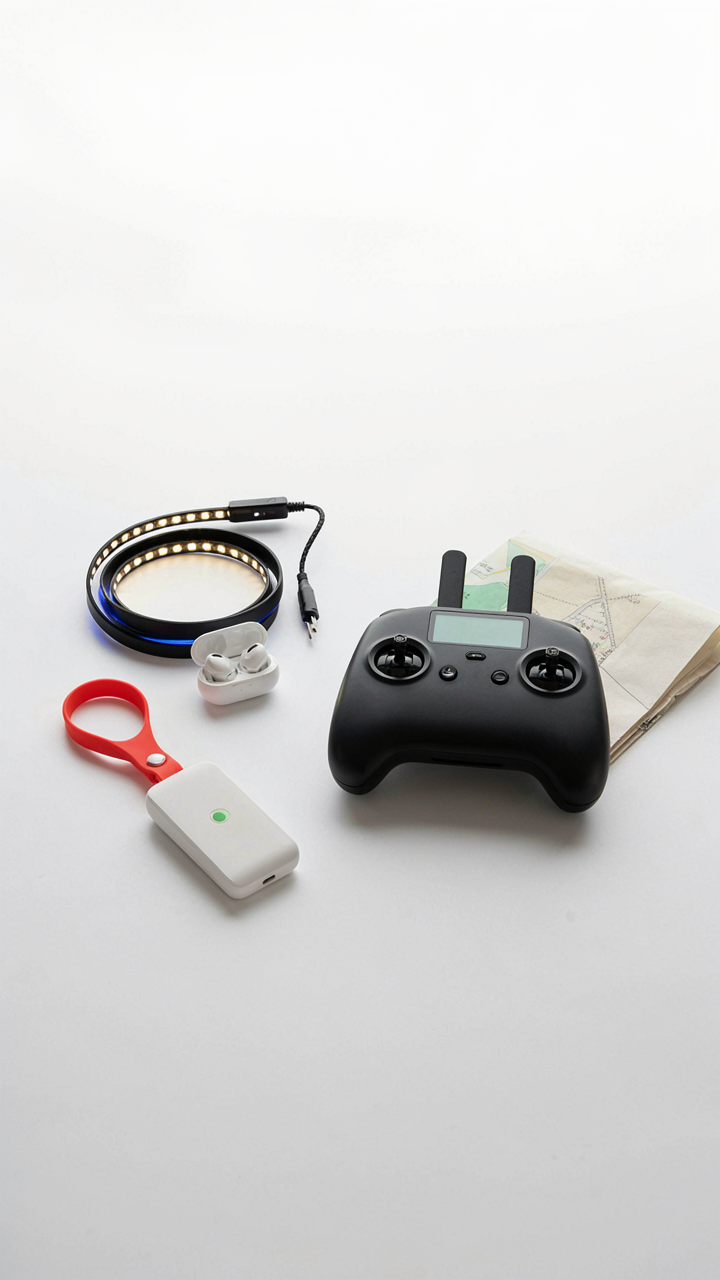
Most people fail at secret santa tech gifts because they shop like robots. They see “under twenty dollars” and immediately default to the same five items everyone else buys. Your move today is simple: ignore the bestseller lists and browse one category you’ve never considered before, like smart home gadgets or portable accessories. The person who wins secret santa isn’t the one with the biggest wallet. It’s the one willing to look where nobody else bothers to look.