
The “Proof, Not Promise” Principle For Etsy Listing Photos

Show The Work, Not The Fantasy
You want buyers to trust you because trust converts to sales, but you’re competing against their default assumption that handmade means inconsistent. Etsy photos work like evidence in economics: they reduce information asymmetry. The buyer can’t touch your product, so your images must eliminate doubt before it calcifies into a passed listing.
Most sellers photograph their best single angle and call it done. That’s insufficient. You need photos that answer the specific objections a skeptical buyer forms in five seconds. A ceramic mug doesn’t need artistic lighting—it needs a photo showing the glaze consistency, the handle thickness, the base finish. Show the exact object the buyer will receive, not an idealized version of it.
Address The Unspoken Question Directly
Buyers assume handmade items either fall apart or look different in person than online. Photograph this fear out of existence. Close-up detail shots of seams, stitching, joints, or surface texture do the work generic product shots cannot. A leather wallet needs a photo of the edge detail, the stitching pattern, and how the leather ages if that’s a selling point. A knitted sweater needs texture clarity at actual size.
The mechanism is simple: specificity kills skepticism. When you show exactly what someone will receive—with no editing tricks that obscure reality—you signal that you have nothing to hide. Include lifestyle or scale context in at least one photo, but never let styling override clarity. A photo of your item on a model or in use still must show construction quality with zero ambiguity.
Etsy Product Photography: The “Information Density” Protocol
Every Pixel Serves A Function
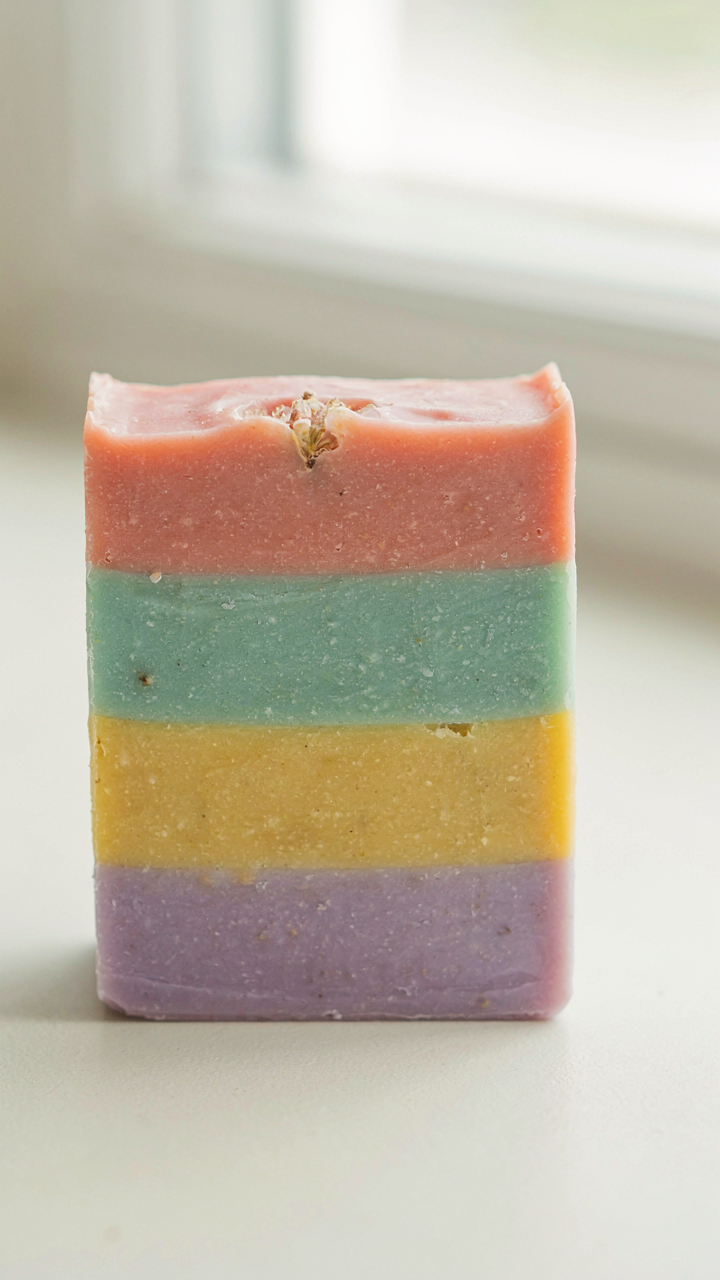
You want your photos to do the selling so you don’t have to. That’s the real fear here—that a blurry shot or missing detail will cost you a sale while you’re sleeping. Borrow from information theory: treat each photo like a data transmission channel. Your job is to maximize signal, eliminate noise. Every pixel either tells the buyer something they need to know or it doesn’t. Most Etsy photos waste pixels on mood lighting, empty space, and angles that look nice but tell nothing.

The mechanism is ruthless. A buyer scrolling through fifty listings in five minutes will spend two seconds on yours. In those two seconds, they need to know the material, the size reference, the construction quality, any defects, and whether the color matches their space. Artistic composition is a luxury you don’t own yet. Show the object clearly. Show it from angles that reveal construction. Show texture close enough that they can see the weave, the grain, the seams. Stack information, not aesthetics.
Clarity Over Composition
Most advice tells you to “make it beautiful” or “tell a story with your photos.” That’s incomplete guidance that tanks conversions. Beauty doesn’t move inventory. Ambiguity does the opposite. A potential buyer who can’t tell if something is handmade or mass-produced, can’t gauge size, or can’t see the actual finish will move to the next listing. They won’t ask questions. The friction is too high.
Shoot under consistent, bright, neutral lighting—daylight or a light box eliminates guesswork about the actual product color. Avoid shadows that obscure detail. Crop tight enough that the product fills the frame without feeling cramped. Show the back, the bottom, the tag, any manufacturer marks. If your item has flaws, show them. Hiding imperfections trains buyers to distrust your entire operation and return items. Transparency collapses returns and boosts repeat purchases faster than any marketing tactic. Take the first five photos with clinical precision. Only after the mechanical data is complete should you consider lifestyle context.
Beyond “Pretty”: The Behavioral Economics Of Etsy Photography

The Price Anchor Effect
You want to believe your photos don’t influence what buyers think your item is worth, but they do. Behavioral economics calls this the anchoring effect, and it works on photos the same way it works on numbers: the first reference point a buyer sees shapes every judgment that follows. Your photo is the anchor. If the first image shows your handmade item next to a cheap mass-produced comparison or in flat, fluorescent lighting, the buyer anchors to “factory-made quality.” If it anchors to craft quality, material integrity, and intentionality, the price perception shifts before you ever write the description.

The mistake most sellers make is treating the photo as decoration instead of a pricing mechanism. You’re not making something look nice. You’re establishing the reference point that justifies your price. A ceramic mug photographed in harsh overhead light anchors buyers to drugstore merchandise. The same mug photographed with directional window light, showing glaze texture and hand-thrown variation, anchors to artisan value. One photo costs you 30 percent of potential revenue. The other justifies a 40 percent markup. Shot the image in controlled conditions that reveal material quality, not in whatever light was convenient.
The Loss Frame
Buyers don’t think about what they’ll gain from your item. They think about what they’ll lose if they don’t buy it or what they’ll lose if it arrives defective. This is loss aversion, and it means your photos need to eliminate doubt before it forms. Generic advice says show lifestyle shots and multiple angles. That’s incomplete. The real mechanism is showing buyers exactly what they’re protecting themselves against: damage in shipping, mismatched color expectations, scale confusion, and quality variance.
One image should document the item’s structural integrity so buyers can’t worry about fragility. One should show exact color under neutral light so there’s no “it looked different online” regret. One should include a scale reference because buyers lose sleep over size surprises. One should show the bottom, back, or underside because that’s where defects hide and where buyers search for reassurance. You’re not being thorough. You’re preemptively answering the specific fears that kill sales in the checkout moment.
Etsy Shop Photography Tips: The “Contextual Framing” Method

Show The Hand, Not The Object
You want the photo to do the selling so you don’t have to. A product shot floating on white background is invisible because it doesn’t trigger the part of the buyer’s brain that says “I could own this.” Staging forces recognition. Put the item in someone’s hand, on a table next to coffee, worn on a body, integrated into a space. The buyer needs to see themselves in the frame first.

Contextual framing borrowed from theater production. In stage design, the “frame” isn’t just the stage itself but everything within the sightline that tells the story. Your product photo operates the same way. The mug isn’t the frame. The hand holding it is. The wooden cutting board isn’t the frame. The kitchen counter with fresh herbs scattered nearby is. Remove context, and you’ve removed the narrative that makes someone want to buy.
Feeling Comes Before Logic
Most Etsy sellers think photography is about making the product look good. Wrong. Photography is about making the buyer feel something they recognize in themselves. A handmade ceramic bowl isn’t special because of its glaze. It’s special because the photo shows someone using it during a moment that matters: breakfast on Sunday, a dinner with friends, a quiet meal alone. That feeling is what converts.
The common advice to “make it look professional” actually kills sales because professional means sterile. A product staged with intention beats a product lit like a catalog every single time. The buyer already knows they want a handmade item. They’re on Etsy. What they don’t know is whether this specific item will improve their life or reflect who they want to be. Your photo has to answer that question without words. Do this by showing genuine use, not staged perfection.
Selling Digital Photos On Etsy: The “Utility First” Lens

Show The Photo Doing Its Job
You want the buyer to feel smart for choosing your photo instead of the five hundred alternatives staring back at them. The real mechanism here is borrowed from industrial design: form follows function. Your photo’s form must prove its function before the buyer even reads the description. Show the digital file as the buyer will actually use it. Display it on a phone screen, printed on a wall, used as a social media graphic, or embedded in a presentation. Remove the abstraction. The moment a buyer imagines the photo solving their specific problem, friction drops.

The photo does not sell itself. Context sells it. A stock photo of a sunset means nothing. That same sunset framed on a laptop in an office workspace means everything. Buyers scroll past generalized images and stop on images that answer: “What does this do for me?” Frame every shot to show application, not just aesthetics. This is why lifestyle mockups and use-case photography outperform clean white-background product shots for digital files.
Technical Specifications Make Or Break Downloads
File format and resolution are not afterthoughts you mention in small print. They are the core value proposition. A buyer pays for files, not concepts. If your listing does not clearly state what the buyer receives, they will assume you are hiding something. Common advice says “just mention the resolution.” That is incomplete. Buyers need to know if the file works with their specific software and workflow.
- JPEG versus PNG: JPEG compresses images and loses quality in exchange for smaller file size. Use JPEG for photos. PNG preserves all detail with transparency support. Use PNG for graphics, logos, or designs meant for layering.
- Resolution in DPI and pixels: 300 DPI is the standard for print. 72 DPI works for screens. State both pixel dimensions (example: 5000×3000 pixels) and DPI so the buyer knows exactly what they get.
- File size in megabytes: Larger files mean more detail but slower downloads and storage demands. List exact file size so the buyer can assess before purchase. Do not surprise them after payment.
- Editable versus final: If the file is a Photoshop PSD, Canva template, or Illustrator AI, state that explicitly. If it is a flattened final image, state that too. Different buyers need different formats.
- Color profile and mode: RGB files work for digital use and print. CMYK is print-specific. State the color mode so the buyer does not waste time converting files or troubleshooting color shifts after download.
List every technical specification in your Etsy listing. Do not hide details in FAQ sections or assume the buyer will ask. The moment a buyer downloads a file and discovers it does not work with their software or size needs, the refund request follows. Technical transparency builds trust and eliminates friction before it starts.
The “Authenticity Signal” For Selling Photos On Etsy

Why Raw Beats Polished
You want your photos to look professional because you’re terrified buyers will think less of you if they see the reality of how handmade items actually get made. Here’s the mechanism: consumers have learned to distrust perfection. Stock photos trained them that way. Etsy exists because people rejected mass production’s sterile polish. Show them the opposite. A ceramic bowl with visible fingerprints from the maker, uneven glaze edges, casting seams on jewelry, tool marks on wood—these aren’t flaws. They’re proof of human labor in a world of AI-generated imagery and injection molding.

The shift from retail photography to documentary-style capture mirrors what happened in advertising during the late 2000s when brands abandoned airbrushed models for “real people.” Etsy buyers already expect this. They’re paying a premium specifically for what can’t be replicated by machines. A staged product shot under studio lights signals mass production. A shot showing the item in actual use, with natural light and honest shadows, signals craft. The difference determines whether a buyer clicks or scrolls.
Character In The Details
Imperfection isn’t a liability—it’s the only competitive advantage you have against price competition. Handmade items sell on differentiation, not cost efficiency. A linen napkin with loose weave texture visible in the photo proves it’s woven, not printed. A candle with wax pooling unevenly shows hand-pouring, not machine molding. A leather journal with natural creasing and color variation demonstrates real hide, not synthetic binding. These details confirm authenticity before checkout. The mechanism is simple: buyers verify value through visible evidence, not claims.
Don’t smooth out wood grain, hide thread inconsistencies, or photograph items from angles that obscure construction methods. Instead, use close-ups that expose the exact process that makes your work worth the markup. Show the hand at work in at least one photo per listing. Include shadows. Let real light hit the item naturally. This builds what economists call “information asymmetry resolution”—the buyer moves from doubt to certainty because your photos show what mass production can’t fake. This single shift converts more browsers than any price reduction.
Taking Photos For Etsy Shop: The “Visual Hierarchy” Blueprint

Where The Eye Lands First
You want buyers to notice the right thing because you’re afraid they’ll fixate on the wrong one. That’s the real stake. Visual hierarchy is borrowed from graphic design, but in product photography it works like contrast in physics: the eye moves toward the element with the highest visual “weight.” Make one thing dominant, everything else recedes.

Your first image needs a clear focal point. That’s the hero shot. Place your item where light hits it strongest, where color separation from the background is sharpest, where size occupies the most frame. Everything else in that frame serves as context, not competition. The mechanism: your brain processes images in milliseconds. If three things demand attention equally, the buyer’s eyes bounce around and the listing feels chaotic.
The Sequence That Tells A Story
Most sellers upload random photos and hope. You need a deliberate sequence that moves the viewer from decision to decision. The narrative arc is: overall form, detail proof, scale proof, problem solved, lifestyle context. This isn’t arbitrary. It’s cognitive scaffolding. Each image answers the question the previous one raised.
Image one shows what it is and why it exists. Image two zooms into material quality or craftsmanship so the buyer believes the price tag. Image three shows scale, usually with a hand or common object nearby. Image four demonstrates the item in use or the specific problem it solves. Image five places it in an environment, showing how it fits into a buyer’s actual life. This sequence compresses hesitation into confidence.
How To Take Pictures To Sell Items: The Constraint Driven Creativity Paradox

Your Phone Camera Is Enough
You’re here because you think gear is what’s holding you back. It’s not. The real bottleneck is decision-making. Constraint forces you to solve problems with intention instead of throwing money at them. Your phone camera captures enough resolution for Etsy listings. Most buyers view thumbnails at 300 pixels wide. Shoot in natural light, frame tightly, and you’ve eliminated 80 percent of what kills listings.

The gap between a phone shot and a DSLR shot is invisible to someone scrolling Etsy on mobile. What matters is contrast, focus, and staging. A $2,000 camera with bad lighting loses to a phone with good positioning every time. Stop waiting for better gear. Start shooting today with what you own.
Improvise Everything Else
The common advice here is garbage: “buy a lightbox.” You don’t need one. Tape white poster board around your item. Put it near a window. That’s your light modifier. A piece of plywood becomes a backdrop stand. A phone tripod costs eight dollars. A white bedsheet diffuses harsh sunlight for zero dollars. The constraint forces you to understand the mechanism: light quality matters more than light quantity.
Test setups before committing to a final shot. Move your item one inch left or right. Notice how shadow placement changes the perceived shape and depth. Use what you have. A mason jar filled with water becomes a makeshift reflector. A book becomes an item prop or stand. The photographer’s real skill surfaces when resources disappear. That’s when you actually learn composition.
Etsy Product Photos: The “Eliminate Friction” Imperative
Let Buyers Touch The Screen
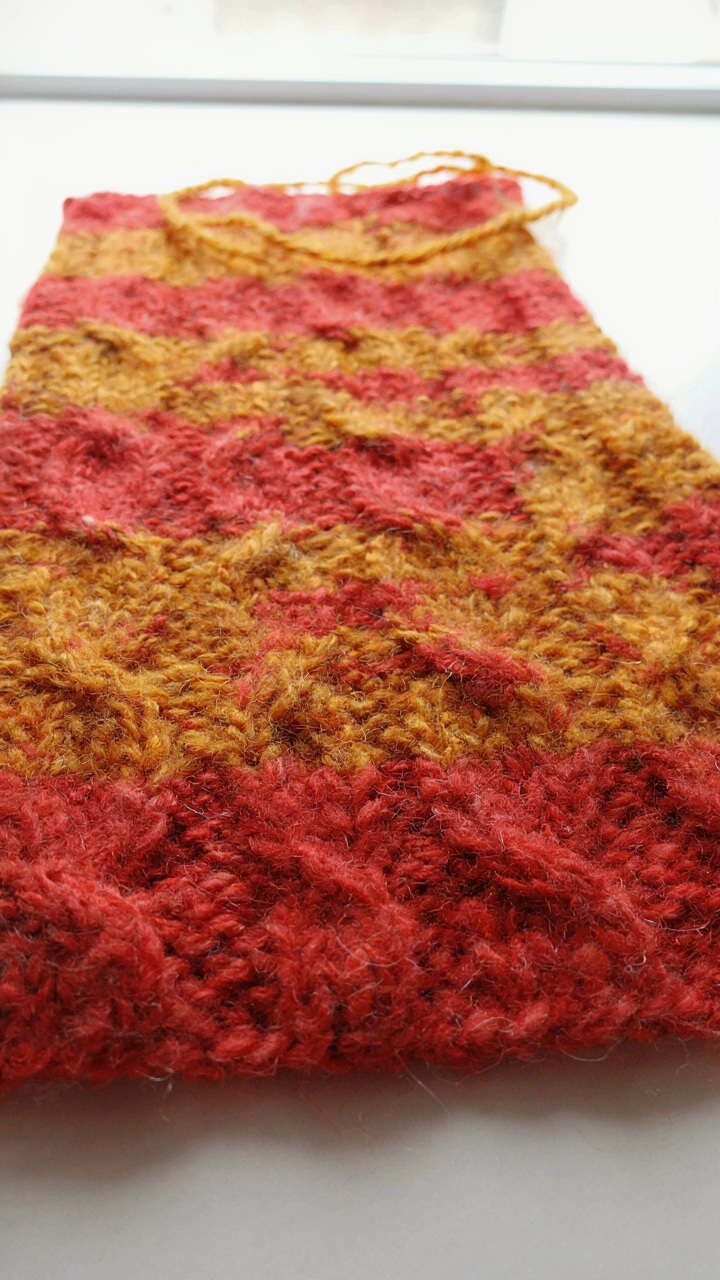
You want buyers to feel confident they won’t waste money on something that doesn’t match the image in their head. That fear is the only thing standing between them and checkout. Zoom capability isn’t a nice feature—it’s the mechanism that converts skeptics into customers. When you enable detailed magnification, you’re letting people inspect seams, weave patterns, glaze variations, and surface finish before they commit. This is psychology borrowed from retail: the ability to physically inspect merchandise removes the transaction barrier. On Etsy, zoom replaces your hands.

High resolution photos matter because they allow genuine magnification without pixelation. A 3000×3000 pixel image uploaded to Etsy gives buyers real power to see what they’re actually getting. Don’t skimp on file size or resolution thinking it will load faster—Etsy’s infrastructure handles large files, and buyers will zoom regardless. Show the texture close enough that they can nearly count the threads, see the paint strokes, or verify the hand-stitching quality. This single action removes more purchase hesitation than any description can.
Angles That Answer Unasked Questions
Most sellers show one front view and call it done. That’s incomplete. Buyers need a mental 3D model before money changes hands, and they build that model through strategic angle repetition. Show the front, back, sides, top, and bottom from angles that answer the specific doubt someone carries about handmade items: Will it wobble? Are the joints clean? Is the back finished or raw? Does it sit flat?
The real mechanism here is visual disambiguation. A flat lay photo answers zero spatial questions. An angled shot that shows depth, proportion, and how the item actually sits in space answers everything. Include a photo with the item in scale next to a human hand or familiar object—this removes guesswork about size, which is Etsy’s number one returns trigger. Rotate the item to reveal construction quality, not just aesthetics. Each angle serves a tactical purpose or you’re wasting a photo slot.
The “Future Proofing” Lens On Your Etsy Visuals

Build For Permanence, Not The Algorithm
You’re really asking: will my photos still sell this item in two years, or will I look dated? The mechanism is borrowed from architecture: load-bearing versus decorative elements. Your photos need load-bearing shots that survive trend cycles, and decorative shots that enhance without anchoring the listing. Load-bearing means: clean background, true color, honest scale, sharp focus on the product itself. These don’t expire. Decorative means: styling, context, mood. These date fast and need rotation.
Trends in product photography move like trends everywhere else. Matte backgrounds gave way to lifestyle shots, which gave way to flat-lay, which cycled back. What doesn’t cycle: the fundamentals of how human eyes evaluate a product they can’t touch. Lighting quality endures. Honest proportions endure. The primary shot showing exactly what you’re selling endures. Build your base layer around these. Refresh your context shots every eighteen months if you want, but your core gallery should look the same in three years as it does today.
The Replicable Shot List
You need a system, not inspiration. Most sellers shoot randomly and wonder why consistency breaks down on their tenth listing. The method: create a template of mandatory shots, shoot them identically for each product, then add two custom shots per item. Your mandatory shots are the load-bearing elements: flat lay of the full product, side profile, detail close-up of texture or signature element, scale reference with human hand or common object, and one lifestyle placement shot in a neutral setting. These five shots require the same lighting setup, same camera angle, same background. You replicate the process.
Document your setup in writing: tripod height, camera distance, lighting angle, time of day, background color. Photograph this setup itself. When you launch a new product, you recreate it exactly. This cuts shooting time by 60 percent and removes the guesswork that kills consistency across your shop. Your customer sees twenty listings and feels they’re browsing a cohesive brand, not a collection of accidents. Template your shots, iterate your styling.
The Real Obstacle Isn’t Your Camera; It’s Your Inability To See Your Product Through The Buyer’s Eyes

Stop photographing what you made. Start photographing what your customer needs to see before they hit buy. Your photos for Etsy listings fail because you’re still stuck in creator mode, showing off craftsmanship nobody asked for. Spend today taking five photos from your buyer’s perspective: What hesitation stops them? What detail closes the sale? What angle kills their doubt? Your camera doesn’t matter. Your perspective does.