The Illusion Of More Space: What Packing Cubes Actually Do

Compression Works Only Against Air, Not Physics
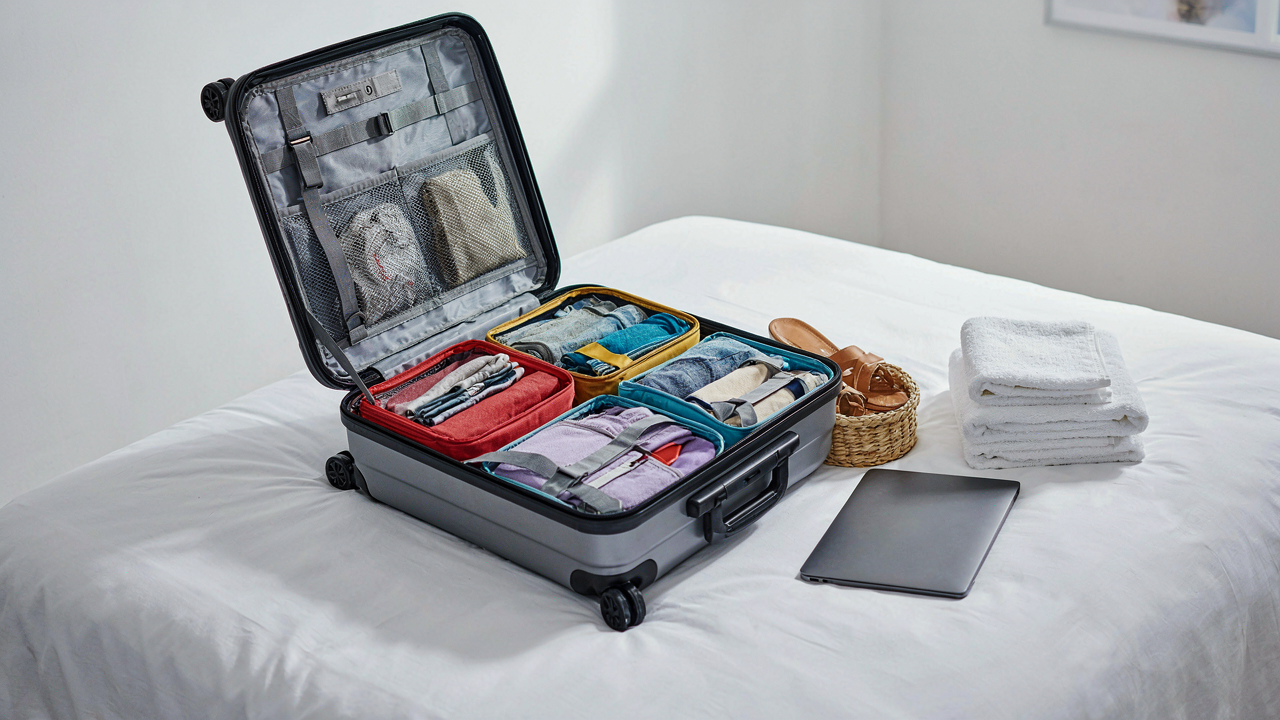
You want packing cubes to feel like you’ve discovered a cheat code. Here’s what actually happens: they don’t create space. Physics doesn’t work that way. Packing cubes use compression—a mechanical principle borrowed from materials engineering—to reduce the volume occupied by soft goods by removing trapped air. Your folded shirt takes up the same cubic inches whether it sits loose or compressed. The cube simply squeezes out the negative space between fabric fibers.
When you compress clothing into a cube, you’re applying external pressure that forces fabric to occupy less volume. This works because clothes contain air pockets between layers and weaves. A compression cube reduces those pockets by maybe 20 to 30 percent depending on fabric density and how hard you compress. You gain nothing if the cube itself takes up half the space you saved. The real advantage emerges only when you pack strategically around the cube’s shape, not when you treat compression as magic.
Organization Masquerades As Space Saving
Most advice treats packing cubes as space-savers. That’s wrong. They’re organization tools that create the illusion of saved space by making chaos visible. You see your clothes sorted into categories and assume you’ve packed more efficiently. You haven’t. You’ve just arranged items so you can find them without unpacking everything.
The actual mechanism is psychological compression, not physical compression. Your brain registers organized items as “efficient packing” because you can locate a specific shirt in seconds instead of ten minutes. Carry-on bags feel less cramped when items sit in designated zones. This is organization’s real value for travel: faster access and mental clarity, not cubic inches reclaimed. Effective packing comes from knowing your bag’s exact dimensions, choosing cubes that match those dimensions without wasted perimeter, and not overstuffing cubes so severely that you waste external pressure that could apply to the bag itself.
The Minimalist Carry On Protocol: Eliminating The Unnecessary

Strip Before You Cube
You want packing cubes to make you feel organized. That’s not what they do. They expose how much garbage you’re actually carrying. Most travelers pack first, then buy cubes hoping compression solves a decision problem it can’t. The real mechanism is ruthless subtraction. Before a single cube touches your bag, eliminate items that serve no function on your trip. This isn’t about minimalism as identity. It’s about physics: less volume means cubes work, and you move faster through airports.

Start with your entire pile of potential items. Remove anything you haven’t worn in the past three months at home. Remove duplicates of the same function. Remove the backup plan for a backup plan. Remove items you’re packing “just in case” without naming a specific scenario. The items that survive this cut are the only ones that enter your packing cube system. This single step reduces cube volume by 30 to 40 percent before compression even starts. Your cubes then become tools instead of excuses.
The Three Day Rotation Rule
Common advice says pack for your trip length. That’s incomplete. The real principle comes from supply chain management: inventory turns. Your clothing inventory should rotate through a three-day cycle regardless of total trip length. This means you own seven days of tops and bottoms, but they recycle every seventy-two hours through laundry or reuse. A two-week trip uses the same cube volume as a three-day trip because you rewear and wash.
Build your carry on around three days of clean clothes. Add one buffer outfit. For trips longer than four days, locate a laundry option before arrival or pack quick-dry fabrics that wash in a sink. This removes the psychological pressure to pack for every scenario. Your packing cubes shrink to realistic dimensions. You stop overpacking because the math forces a choice: travel light or solve laundry. Choose laundry. Cubes compress what actually belongs inside them, not what your anxiety tells you belongs there.
Beyond Best Packing Cubes: The Fabric & Form Factor Edge
Ripstop Nylon Versus Mesh: What Actually Matters
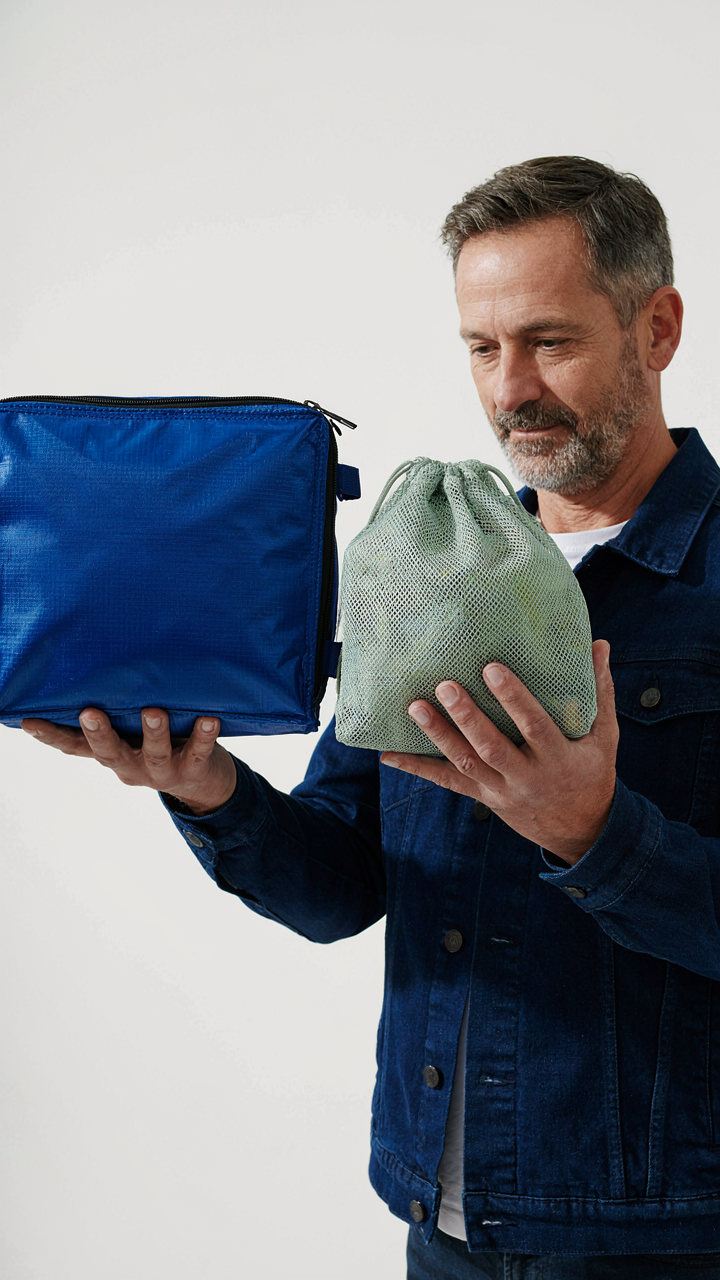
You want the cube that won’t fall apart mid-trip because replacing gear mid-journey wastes money and mental energy. Materials determine durability, and durability determines whether your cube lasts one trip or ten. Ripstop nylon uses a crosshatch weave pattern that stops tears from spreading, borrowed from aerospace and military gear where structural failure isn’t an option. Mesh cubes sacrifice this resilience for visibility, trading real protection for the convenience of seeing your socks without opening the cube.

Ripstop nylon weighs marginally more but handles repeated packing, dragging, and compression without degrading. Mesh works for light clothing in short trips, but the fabric deteriorates faster when pressed against sharp objects or rough airline handling. Pick ripstop if you travel more than twice yearly. Pick mesh only if you’re willing to replace cubes annually or pack exclusively soft items. The weight difference between them is negligible at the scale that matters for carry on compliance.
Structured Cubes Versus Unstructured: Matching Shape To Need
Unstructured cubes compress and conform to available space, which sounds logical until you realize they collapse into useless shapes once partially packed. Structured cubes maintain their form, forcing you to actually fill them properly rather than creating soft, lumpy voids that waste real estate in your bag. The geometry of your carry on bag determines which works: rectangular bags benefit from structured cubes that align cleanly along edges; softer, oddly-shaped bags work with unstructured ones that mold to gaps.
Structured cubes prevent the false economy of overstuffing. When a cube collapses, you pack denser, which invites wrinkles and makes items harder to locate. When a cube holds its shape, you pack to its limits deliberately and stop. Unstructured cubes also compress unevenly across multiple trips, eventually looking deformed and taking up more space than when new. Use structured cubes as your default. Reach for unstructured only when you’re filling specific odd gaps in your bag after structured cubes are positioned.
Strategic Carry On Packing Tips: Applying The “Load Bearing” Principle

Put Weight Where It Belongs
You want your carry on to feel effortless because you’re worried that a heavy bag signals you’re disorganized. Here’s the physics of it: load-bearing architecture places structural weight at the base to prevent collapse and distribute force downward. Your packing cubes work the same way. Heavy items anchored at the bottom of your bag create a stable foundation that prevents lighter items from compressing and your shoulders from carrying stress high up on your frame.
Dense items like shoes, toiletries, and tech sit at the bag’s bottom. This isn’t about making space. It’s about making the bag behaviorally stable. When heavy objects float in the middle or top, they shift during movement, throwing off balance and forcing your body to compensate. The bag also crushes lighter items above. Bottom-loaded packing cubes eliminate both problems in one move.
Balance The Center Of Gravity
Weight distribution isn’t aesthetic advice. It’s biomechanics. A bag that tilts left or right forces your stabilizer muscles to work harder, which accelerates fatigue and makes you more likely to set the bag down. Load-bearing principle here means centering mass along the bag’s vertical axis, not spreading it haphazardly. Packing cubes let you compartmentalize weight so it doesn’t bunch unevenly.
Place heavier cubes in the middle third of your bag’s depth, slightly toward the spine when you’re wearing it. Lighter cubes on the perimeter and top. This keeps the center of gravity close to your body, reducing the lever arm your arm and shoulder absorb. When weight sits in the bag’s true center, you carry less effort. When it’s offset, you carry strain.
The “One In, One Out” Travel Cubes Rule: Avoiding Accumulation

Pre Trip Inventory Matching Items To Duration
You’re afraid you’ll look unprepared. That fear drives you to overpack, which defeats the entire point of carry-on travel. The real mechanism is this: your packing cubes only work if you’ve predetermined exactly what goes in them before you leave home.

Start by calculating trip length in days, then multiply by the number of outfit rotations you actually need. A five-day trip needs two to three complete outfit sets, not seven. Most travelers pack for a theoretical worst-case scenario that never happens. Count your cube capacity in volume first—a standard compression cube holds roughly three to four days of clothing for one person—then match that to your actual itinerary and activities.
Post Trip Debrief Shedding Unused Items
The common advice here is garbage: people tell you to “reflect on what you didn’t wear” as though reflection alone changes behavior. It doesn’t. What actually works is a mechanical rule applied immediately after you return home, before you unpack.
Empty each cube and physically separate used items from unused items into two piles. The unused pile goes into a separate zone in your closet or a note in your phone. On your next trip of the same duration and climate, those unused items don’t get packed—they stay home. You repeat this cycle three times before trusting your core list. This creates a feedback loop where your packing cubes become calibrated to your actual travel needs, not your anxieties.
Smart Packing: The Systems Thinking Approach To Suitcase Organization
Feedback Loops Beat Static Plans
You want to feel competent before you leave home, so you pack the same way every trip and assume it works. It doesn’t. Cybernetics teaches us that systems need feedback loops to adapt, and your packing routine is no different. Each trip produces data: which cubes stayed organized, which items shifted, where compression failed. Most travelers ignore this entirely.

Track what actually happens on your next flight. Note which cube types held their shape in overhead bins. Record which compression levels made items wrinkle. Document whether your load distribution caused shoulder strain. Use this information to adjust your cube selection, arrangement, and packing density before your next trip. The system only improves when you treat each journey as an experiment that feeds the next one.
Constraints Create Efficiency
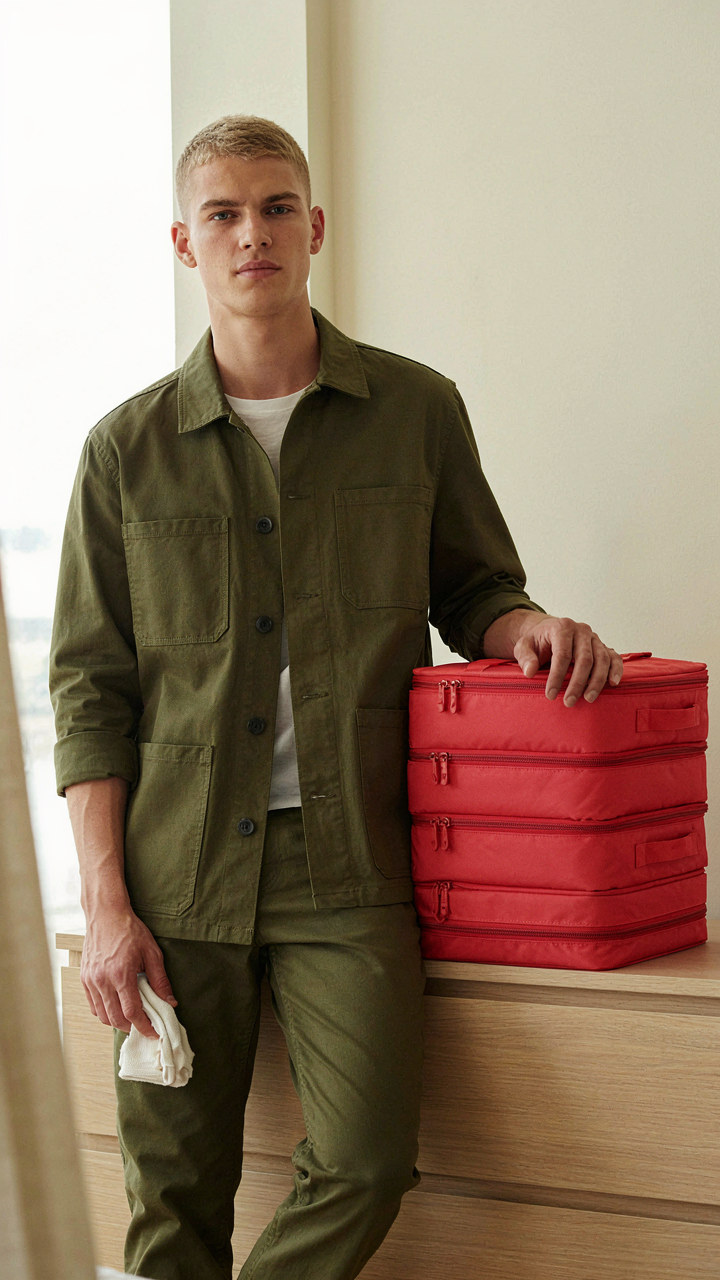
Everyone says minimize your items. That’s incomplete advice and misses the real mechanism. Emergent complexity in design emerges from strict constraints, not from having options. Impose one hard rule: each packing cube type handles one function only. Compression cubes compress. Flat cubes stack. Mesh cubes breathe for damp items. Simple rules force intelligent organization to emerge naturally.
When you have five cube types doing five things, you stop treating them as interchangeable objects and start treating them as a system. Your brain automatically sorts items by function before they enter a cube, not after. You place cubes in your carry on bag according to their purpose and access frequency, not randomly. Organization becomes structural, not aspirational. This is why professional packers use the same cube types repeatedly: the constraints do the thinking for you.
Packing Organizers: Beyond The Cube – Unsung Heroes

The Roll Versus Fold Decision
You want to feel like you’ve optimized something without actually measuring whether you saved space. Here’s the mechanism: rolling works because it reduces air pockets and creates uniform cylinders that stack predictably. Folding creates flat rectangles that waste vertical space in cubes unless they’re perfectly aligned. Dense fabrics like jeans and sweaters roll efficiently. Thin layers like t-shirts and underwear fold flat without penalty. The rule is material-dependent, not style-dependent.

Rolling isn’t universally superior. Test each garment type by packing a cube both ways and weighing the result. Dense items like outerwear gain nothing from rolling once compressed. Wrinkle-prone fabrics like linen and cotton blends fold better because rolling creases them along the cylinder axis. Your carry-on has limited cube space. Choose the method that maximizes density for that specific garment, then move on.
Extracting Value From Dead Space
Every cube has compartments the manufacturer designed but travelers ignore. Side pockets intended for accessories hold socks or underwear if you compress them first. Zippered sections on cube faces serve as secondary storage, not decoration. The real leverage is understanding that unused compartments represent lost weight capacity on your actual items.
Map every external and internal pocket before packing your first cube. Socks and compression items go into side slots. Electronics cables fit in zippered face compartments. This isn’t organization theater. You’re reclaiming structural space built into the cube’s design. The difference between using all compartments and ignoring them is roughly 15 to 20 percent more usable capacity per cube. Execute the mapping step once, then replicate the system every trip.
Travel Finds: The Multi Purpose Item Mandate

Versatile Clothing: Layering And Dual Purpose Garments
You want to feel prepared without looking like you overpacked, which is why this matters. The real mechanism is constraint economics: every garment must earn its space by serving multiple contexts. A merino wool shirt layers under jackets, works solo in warm climates, and doesn’t require washing between wears. This isn’t fashion advice. It’s math. You multiply outfit combinations without multiplying items.
- Merino wool base layers: Regulate temperature, resist odor for five to seven days, and transition between climates without breaking down like synthetic fibers.
- Neutral chinos or joggers: Pair with casual shirts for day travel, swap to a blazer for dinner, work across multiple climate zones without color clashing.
- Lightweight cardigans or overshirts: Layer over t-shirts in cold, wear solo when temperatures rise, compress flat inside packing cubes without permanent creasing.
- Dark jeans or travel pants: Hide stains better than light colors, layer under long sleeves in cold weather, stand alone in warm conditions.
- Structured tees in neutral colors: Stack efficiently in cubes, layer under everything, work as sleepwear or gym wear without dedicated space.

Pack these pieces into your packing cubes by category, not by outfit. This method forces you to see what actually works together before you leave home. When you repack at your destination, you know exactly which combinations repeat, and you’ve already saved three to four items compared to outfit-based packing.
Tech Consolidation: Single Chargers And Universal Adapters
The common advice is to “bring what you need for each device.” That’s lazy thinking that wastes your carry on space. Instead, audit your actual power requirements and buy consolidation hardware that handles multiple devices from one port. A single USB-C power bank with fast charging replaces three separate chargers and a cable clutter nightmare.
One universal travel adapter rated for your destination’s voltage handles plugs for phone, laptop, and headphones simultaneously. This means you carry one adapter, not five. Your packing cube space compresses by removing brick chargers and tangled cables. The payoff is immediate: you reclaim roughly 0.3 liters of cube space and eliminate the cognitive load of “did I pack the right charger?” You already know you have the one that matters.
The True Cost Of Carry On Packing: Time, Energy, And Mental Clutter

Reclaim Hours By Skipping The Baggage Claim
You want carry-on because you think you’re saving time. The real mechanism is that you’re eliminating the sunk cost of waiting. Airport security moves at a fixed speed regardless of your luggage choice. But baggage claim doesn’t. You land, walk to carousel, wait for your bag to appear, then move through the terminal. Carry-on bags hit your hands the moment you stand up. That’s a hard 15 to 30 minutes reclaimed on every flight. For frequent travelers, that compounds.

Packing cubes make carry-on viable for longer trips by compressing what would normally force you to check. Without them, you hit the weight or volume threshold and surrender your bag to the system. With them, you eliminate dead space and buy yourself those 15 to 30 minutes back across dozens of trips yearly. The time isn’t marginal. It’s systematic. Every trip where you own your luggage from departure to destination is a trip where you skip the chaos of the baggage claim floor.
The Decision Tax You Stop Paying
Psychology calls this cognitive load. Economics calls it decision fatigue. Both fields measure the same cost: your mental energy drains with each choice you make. When you pack without structure, you face constant micro-decisions. Which shirt goes where? How do I fit these pants? Do I need to repack? Packing cubes eliminate this entirely by creating zones. Shirts go in one cube. Bottoms in another. Toiletries in a third. The structure is set before you pack. Your brain stops working and starts executing.
The compounded effect matters more than the individual moment. A traveler who eliminates 20 small packing decisions saves not just time but mental clarity for the actual trip. You arrive focused instead of depleted. This is why experienced travelers reach for packing cubes on short trips too. The system reduces the tax. When you land, you’re not already exhausted from logistics. You’re ready to move.
Your Overpacked Bag Isn’t The Problem; It’s Your Resistance To Disciplined Elimination

Packing cubes don’t solve overpacking. They enable it. You stuff more into organized compartments and call it progress. The real move? Eliminate before you organize. Pick your destination. Lay out everything you think you need. Remove half. Now use packing cubes on what remains. This friction you feel isn’t inefficiency. It’s you finally deciding what actually matters. The best packing cube is the one that forces you to choose.