
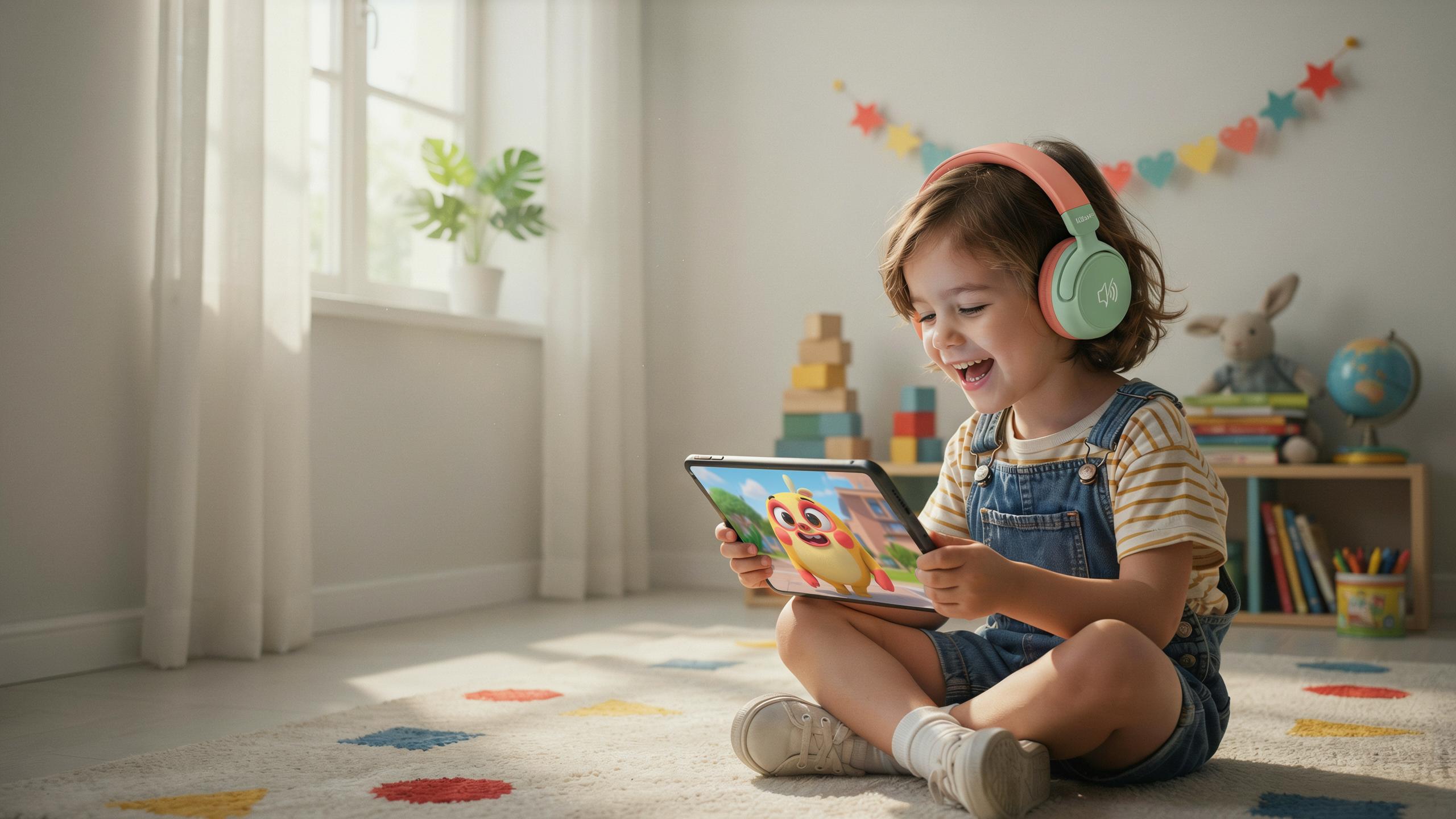
Why Kids Bluetooth Headphones Are Essential For Modern Families
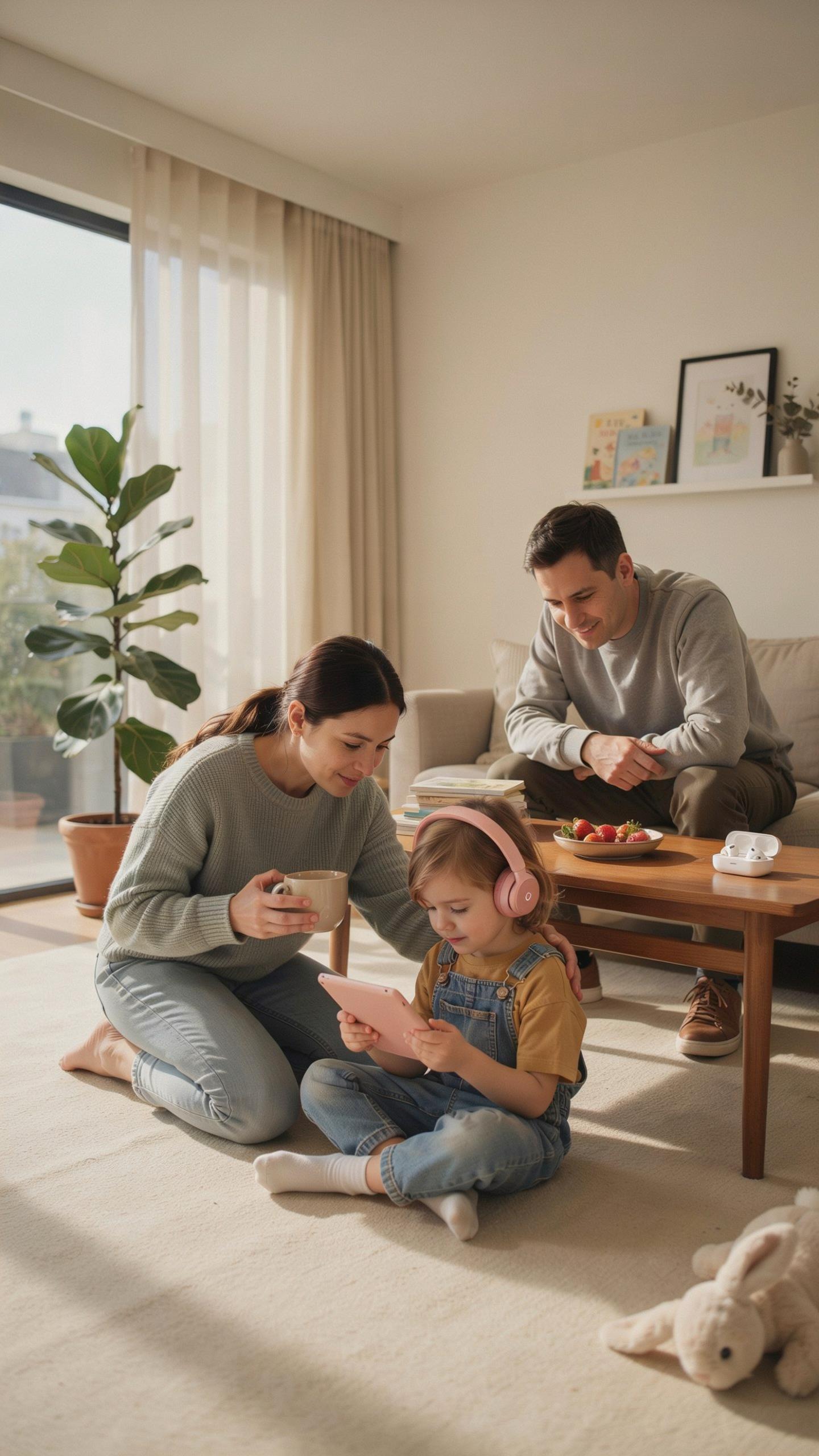
The Rise Of Digital Content For Children
Children consume digital media daily through tablets, smartphones, and laptops. Schools assign online learning tasks. Entertainment platforms stream content kids want to watch. Video conferencing connects remote classrooms. Headphones became necessary equipment, not optional accessories. Kids need audio devices to function in this environment.
Parents face a practical problem: uncontrolled volume exposure damages hearing. Traditional adult headphones lack safety features. Kids Bluetooth headphones with volume limits solve this directly. They let children access digital content while protecting their ears from damage. This makes them essential tools for modern family life.
The Importance Of Portability And Wireless Freedom
Bluetooth eliminates cable tangles that frustrate active children. Wireless connections let kids move freely without yanking headphones off their heads. They attend school, play outside, travel in cars, and use devices in multiple rooms. Wired headphones create hazards and restrict movement. Bluetooth technology grants independence while keeping audio accessible.
Volume limiting features built into Bluetooth headphones protect hearing during active use. Kids won’t accidentally increase volume while running or playing. Wireless design reduces physical damage from dropped cables or snagged cords. Portability means children carry one reliable device everywhere they need audio, whether at home, school, or during activities.

Understanding Volume Limit For Hearing Protection

The Dangers Of Excessive Noise Exposure For Young Ears
Children’s ears develop until approximately age 12. Prolonged exposure to sound levels above 85 decibels causes permanent damage to hair cells in the inner ear. These cells do not regenerate. Once damaged, they result in permanent hearing loss. Young ears are more vulnerable because the auditory system is still maturing and developing critical pathways.
Hearing damage accumulates over time. A child using standard headphones at high volumes risks noise-induced hearing loss before adolescence. Research shows that cumulative exposure matters more than isolated incidents. The developing brain also relies on clear hearing for language acquisition and social development. Damage during critical growth years affects speech recognition and academic performance.
How Volume Limiting Technology Works To Safeguard Hearing
Volume limiting technology uses hardware regulators to cap maximum output at safe levels. Most kids headphones restrict sound to 85 decibels or lower. A small circuit or mechanical component physically prevents the speaker from producing louder sound. This approach differs from software controls because the child cannot override it by turning up the device.

The limiter works automatically without user intervention. When sound tries to exceed the set threshold, the device reduces amplification instantly. This occurs regardless of the source device’s volume setting. Parents set the limit once during initial setup. The protection then remains constant during all listening sessions, making it impossible for children to damage their hearing through volume adjustment alone.
Key Features To Look For In Kids Headphones
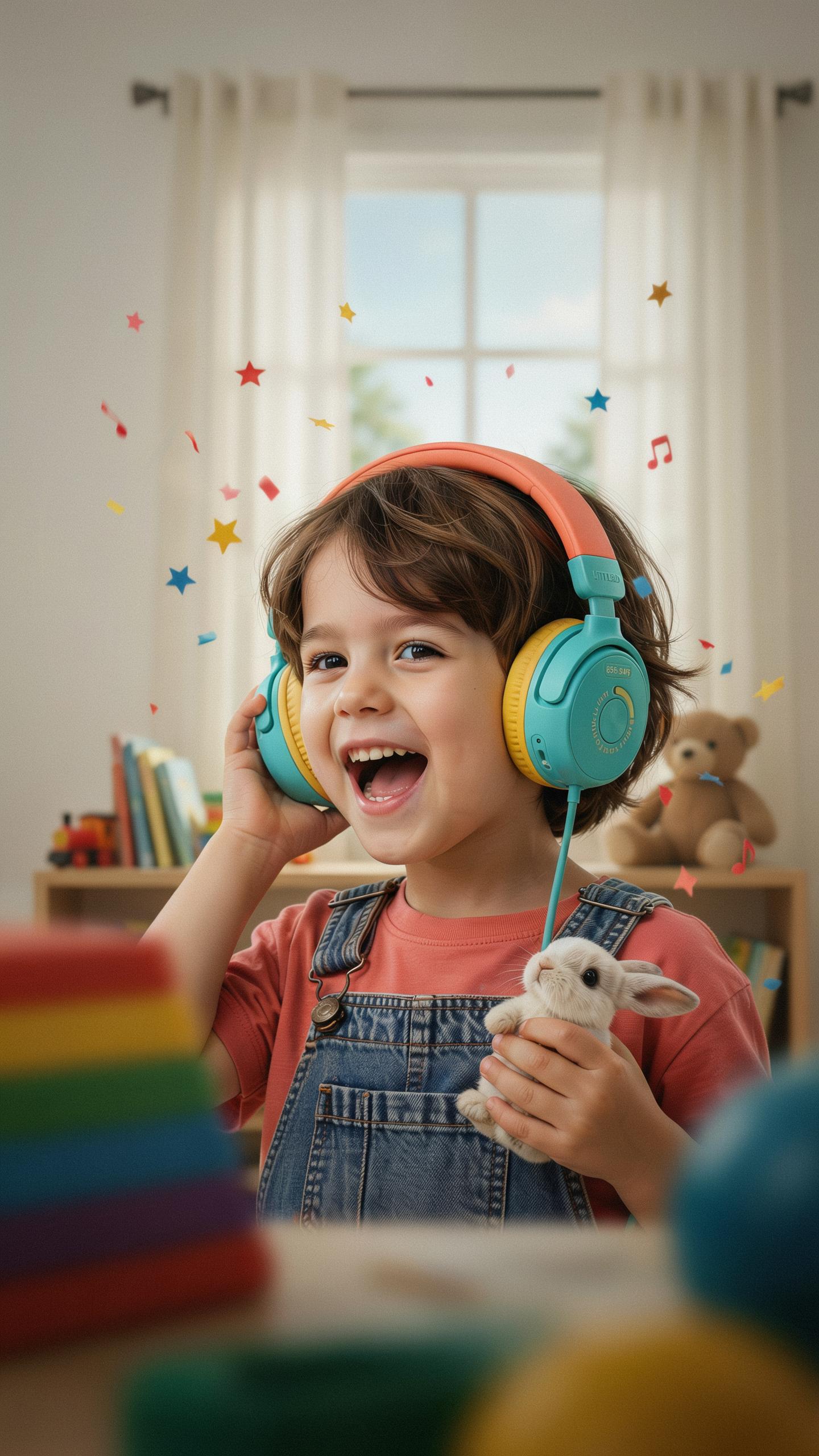
Comfort And Durability: Designed For Little Users
Kids headphones take consistent physical abuse. They get dropped, sat on, twisted, and thrown into backpacks. The materials must handle this punishment without breaking. Look for headphones with reinforced hinges, flexible headbands that bend without snapping, and ear cups made from durable plastics like polycarbonate rather than cheap ABS plastic that cracks easily.
Padding matters for comfort during extended wear. Memory foam ear cushions or silicone padding reduces pressure on small ears and prevents soreness during school days or travel. The headband should distribute weight evenly across the head. Lightweight construction keeps fatigue minimal, typically between 100 and 150 grams for children’s models. Quality construction directly impacts how long the headphones survive daily use.
Adjustable Headband And Ear Cup Design For Growing Kids
Kids grow fast, so headphones need adjustable headbands that span multiple sizes. Sliding mechanisms on both sides let parents tighten or loosen the fit without replacing the entire unit. This adjustment range extends the product lifespan across several years and multiple children if needed. A secure fit prevents headphones from slipping during active play or movement.

Ear cup swivel and rotation features accommodate different head shapes and sizes. Some models rotate up to 90 degrees to fit properly on smaller or larger heads. Adjustable ear cups ensure the speaker aligns directly over the ear canal, which improves sound quality and comfort. The fit should feel snug but never restrictive or cause pressure points that hurt after 30 minutes of wear.
Bluetooth Headphones Convenience And Connectivity

Seamless Pairing And Compatibility With Devices
Bluetooth pairing on kids headphones works through a standardized wireless protocol that connects to tablets, smartphones, and other devices within range. Most children’s Bluetooth headphones pair quickly through a simple process: activate pairing mode, find the headphones in your device’s Bluetooth settings, and select them to connect. Once paired, the headphones remember your device and reconnect automatically on future uses.
Compatibility spans across iOS and Android platforms without restrictions. Kids headphones with volume limits use the same Bluetooth technology as adult models, meaning they work with any device supporting Bluetooth audio. Parents should verify the specific Bluetooth version the headphones support, as newer versions offer improved stability and faster connection times. Most modern kids headphones support Bluetooth 4.0 or higher, ensuring reliable performance across current devices.
Remember those long car rides, filled with music and laughter, without a care in the world? Now, with a little wisdom and technology, our children can enjoy their own adventures, safely cradled in sound.
Battery Life And Play Time For Extended Use
Battery life directly impacts how long children can use headphones between charges. Most kids Bluetooth headphones provide between 8 to 20 hours of playtime on a single charge, depending on the model and volume level. Extended battery life matters for travel, school use, and long entertainment sessions. Parents should check manufacturer specifications for actual playtime rather than marketing claims, as real-world performance varies based on usage patterns.

Charging time typically ranges from 1 to 3 hours using USB or proprietary charging cables. Fast-charging capabilities now appear on many mid-range and premium models, allowing shorter charge times. Parents benefit from headphones offering quick top-ups for emergency situations. Battery degradation occurs naturally over time, so selecting headphones with easily replaceable batteries or strong manufacturer warranties protects your investment across multiple years of use.
Toddler Headphones Vs Older Kids WhatS The Difference
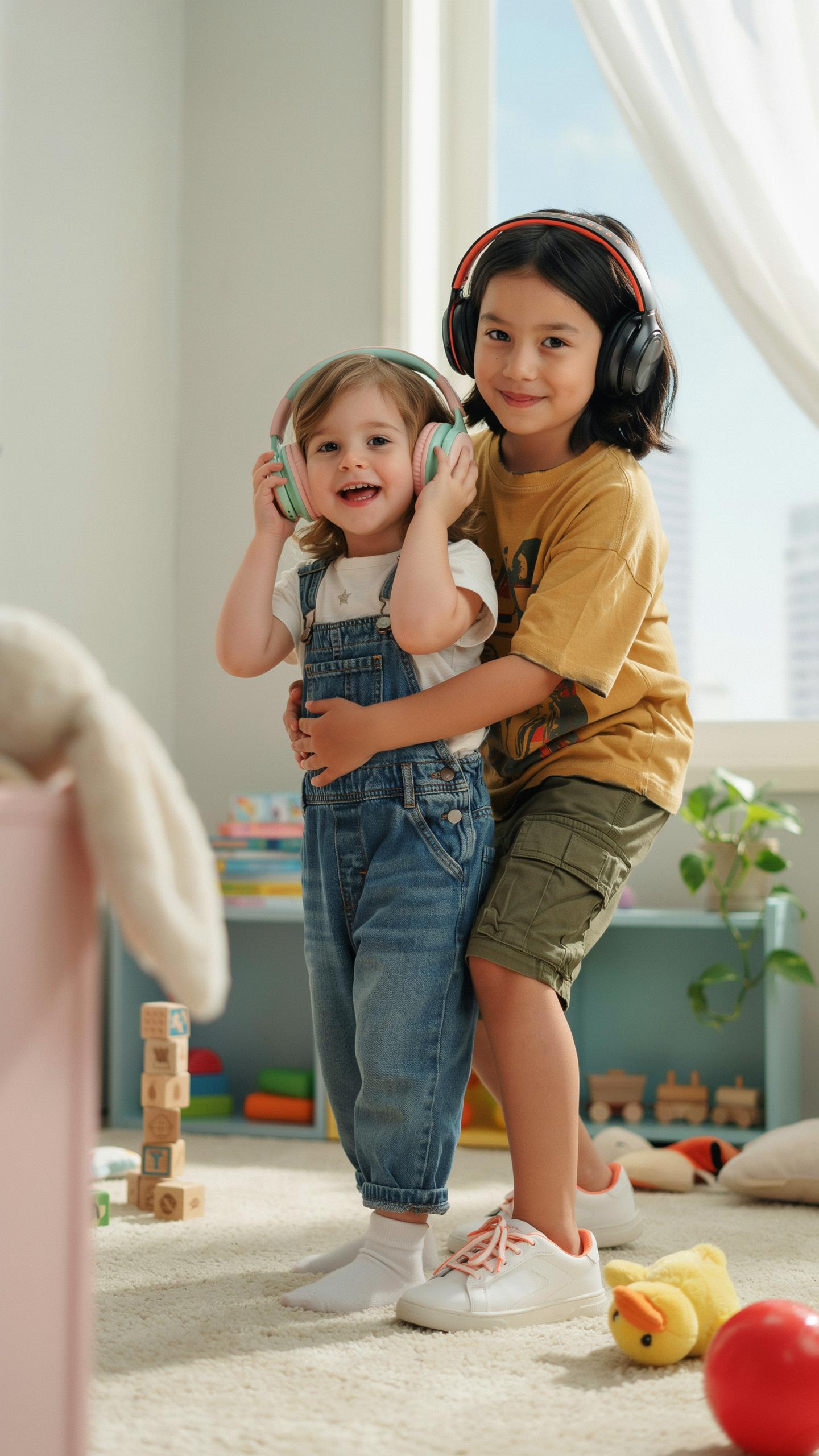
Specific Design Considerations For Toddlers
Toddler headphones require smaller ear cups because their heads measure significantly less than older children and adults. Manufacturers design these headphones with circumference ranges typically between 4 to 6 inches. Softer padding materials like silicone or foam protect delicate ears from pressure and irritation. Volume limits cap output at 85 decibels or lower to prevent hearing damage during the critical developmental years when auditory pathways form.
Weight matters for toddlers since neck and shoulder fatigue occurs quickly with heavier devices. Manufacturers use lightweight plastics and minimal padding to keep total weight under 100 grams. Durability demands increase because toddlers drop headphones repeatedly and chew on components. Reinforced cables with strain relief at connection points withstand tugging and bending that would break standard headphone wires.
Evolving Needs As Children Grow
Children ages 6 to 10 need larger ear cups and adjustable headbands that accommodate growing head sizes. Standard circumference ranges expand to 5.5 to 7 inches. Volume limits gradually increase from 85 decibels to 94 decibels as children develop more resilient hearing structures. Comfort becomes more important because kids wear headphones for longer periods during school activities and entertainment.

Older children benefit from added features like noise isolation or active noise cancellation at safe levels. Battery life requirements grow from 4 to 8 hours for toddlers to 10 to 15 hours for older children. Control placement shifts to accessible buttons that kids can operate independently without adult assistance. Aesthetic preferences emerge as children approach adolescence, making design choices matter more than practical engineering alone.
Beyond Volume Limits Additional Security And Safety Features
Durable And Child Safe Materials
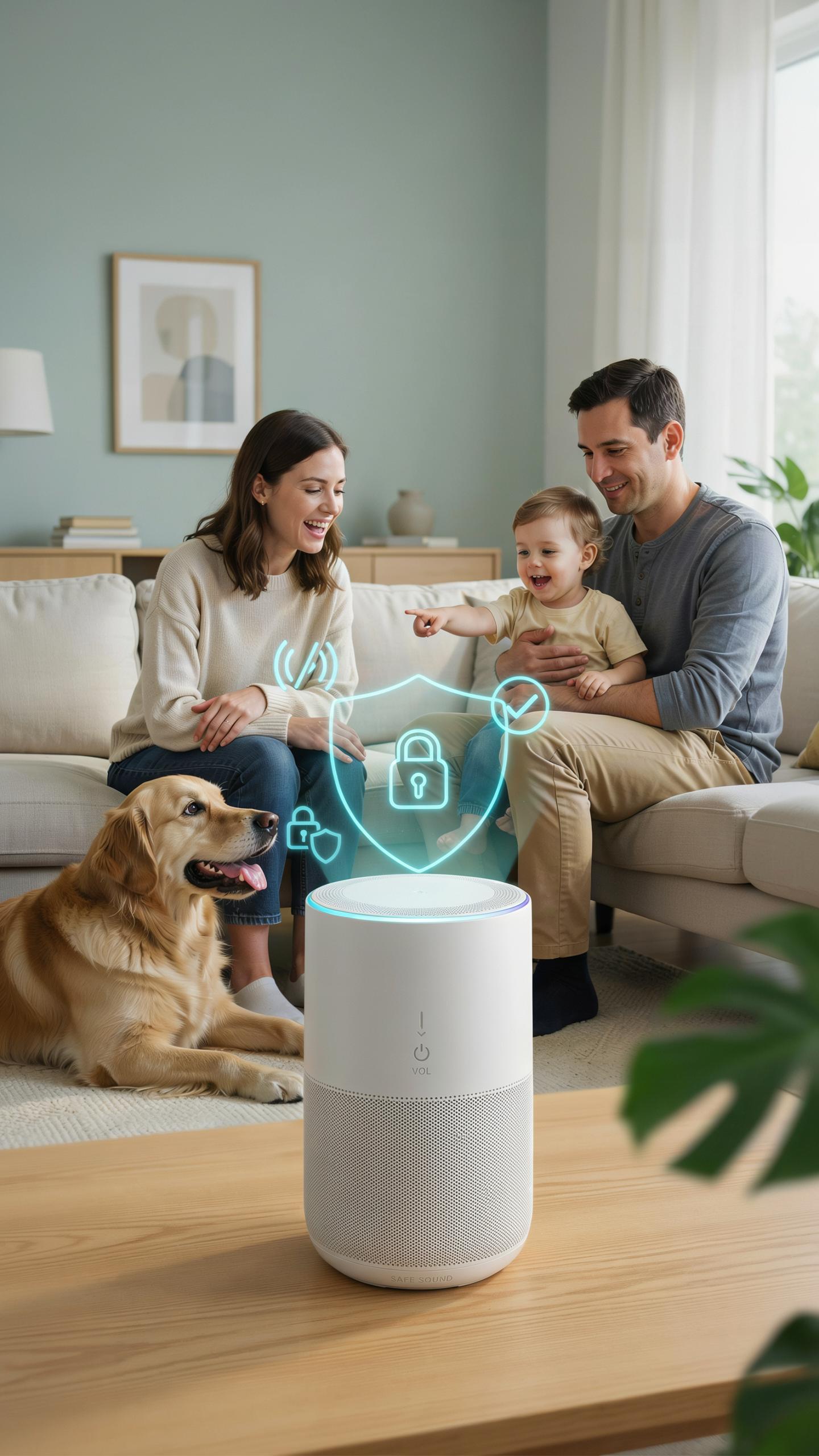
Manufacturers build kids headphones from materials chosen specifically for durability and safety. Common choices include reinforced plastics, silicone ear cushions, and flexible headbands designed to bend without breaking. These materials withstand drops, impacts, and rough handling that comes with children’s use. Non-toxic plastics meet regulatory standards like those established by the Consumer Product Safety Commission to eliminate harmful chemicals.
Metal components appear in premium models but require careful design to avoid sharp edges or pinch points. Manufacturers test materials for chemical safety and structural integrity before release. Silicone components resist degradation from sweat and saliva. The goal remains straightforward: build headphones that survive real-world child usage without creating injury risks or releasing toxic substances.
Parental Control Options And Monitoring
Several headphone models now include companion apps that let parents adjust volume caps, track usage time, and disable features remotely. These apps connect via Bluetooth to the headphones and sync settings across multiple devices. Parents can set time limits, create schedules for usage, and receive notifications when children exceed preset parameters. Some models allow password protection to prevent kids from changing volume settings or disabling safety features.

App based controls vary significantly between manufacturers. Not all kids headphones offer this functionality, so parents must verify capabilities before purchase. Basic models rely on physical volume limiters only, while premium options integrate software controls. Monitoring features typically log usage data without recording audio content. Parents should review privacy policies to understand what data manufacturers collect and how they store it.
Making The Right Choice Tips For Buying Kids Bluetooth Headphones
What To Consider Before You Buy
Start with your budget. Kids headphones range from 20 dollars to over 100 dollars. Higher price doesn’t guarantee better safety features. Set a realistic spending limit before you compare models. This prevents overpaying for features your child doesn’t need.
- Volume Limit Certification: Verify the headphones have a maximum output of 85 decibels or lower. Look for compliance with EN 71-29 or similar safety standards. This protects developing hearing from damage during extended use.
- Build Quality And Durability: Choose headphones with reinforced hinges and flexible components. Kids drop, bend, and stress equipment constantly. Durable materials reduce replacement costs and safety risks from broken parts.
- Comfort And Fit: Measure your child’s head to ensure proper sizing. Adjustable headbands accommodate growth over time. Lightweight designs reduce fatigue during longer listening sessions.
- Battery Life: Look for at least 10 to 20 hours of battery duration. Longer battery life means fewer daily charges and consistent headphone availability. Check if the model supports quick charging for emergency situations.
- User Reviews From Parents: Search for feedback on parenting forums and retail sites. Real parents report issues manufacturers omit from descriptions. Focus on reviews mentioning durability, volume reliability, and actual safety performance.
- Warranty And Support: Confirm the manufacturer offers at least a one year warranty. Check if customer service responds quickly to defect reports. Strong support protects your investment when problems arise.
After you narrow your options, test models in person when possible. Listen to the volume output yourself. Confirm the headphones feel comfortable on your child without pressure points.
Common Mistakes To Avoid When Purchasing Headphones For Kids
Parents often choose headphones based on color and brand popularity rather than safety specifications. A flashy design means nothing if the volume limit fails or the device breaks after two weeks. Verify that safety features work before purchasing. Ask the retailer for volume output documentation and independent test results.

Buying adult headphones and assuming a volume limit app will solve the problem creates unnecessary risk. Software controls lack the hardware protection that certified kids headphones provide. Adult headphones can produce dangerous sound levels even with app restrictions. Never substitute adult models when kid specific options exist with proper engineering safeguards built in.
Maintaining And Caring For Kids Headphones
Cleaning And Storage For Longevity And Hygiene
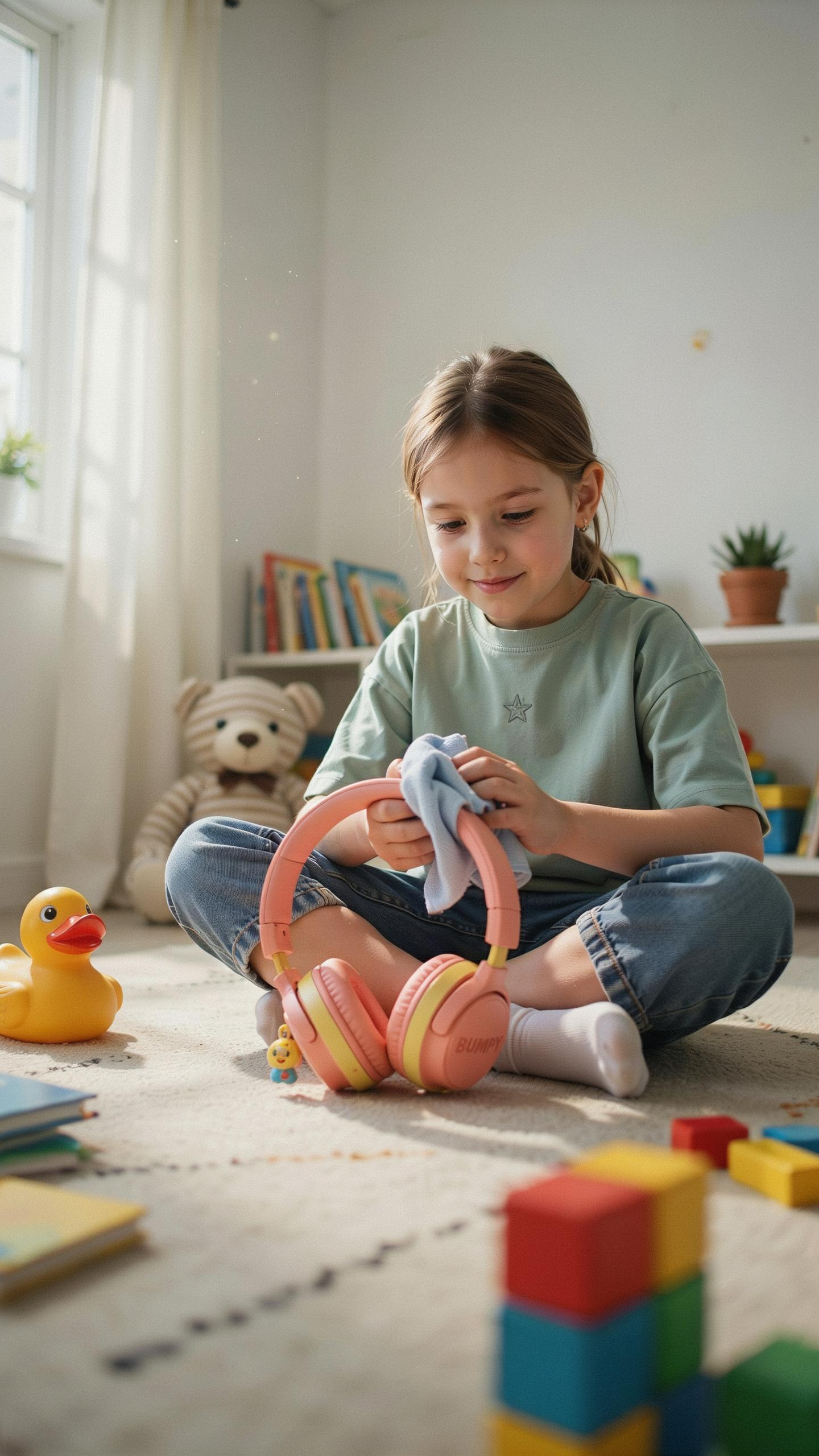
Kids expose headphones to sweat, dirt, and food residue daily. Wipe ear cups and headbands with a slightly damp microfiber cloth weekly. Use a dry cloth to remove moisture immediately after cleaning. Never submerge headphones in water or use harsh chemicals that damage plastic and adhesives.
Store headphones in a protective case when not in use. Keep them away from direct heat, sunlight, and humidity. Coil cables loosely to prevent internal wire damage. Store in a cool, dry location between 32 and 77 degrees Fahrenheit for optimal preservation. Check storage areas for moisture buildup that promotes mold growth.
Troubleshooting Common Issues With Bluetooth Connectivity
Bluetooth headphones frequently disconnect when the device moves beyond range or when interference occurs. Reset the connection by turning both headphones and the paired device off for 30 seconds, then restart. Move the audio source closer to the headphones. Remove other wireless devices like routers or microwaves that operate on the 2.4 GHz frequency.

Volume limiter features sometimes malfunction due to outdated firmware or software glitches. Update the headphones through the manufacturer’s app if available. Factory reset the headphones by holding the power button for 10 to 15 seconds until lights flash. If issues persist, check whether the parent control setting activated accidentally in paired device settings.
Frequently Asked Questions
What exactly are kids Bluetooth headphones with volume limit, and why are they important for my child?
Kids Bluetooth headphones with volume limit are wireless headphones designed specifically for children, incorporating a built-in safety feature that restricts the maximum sound output. This volume limiting is crucial for protecting young, developing ears from potential hearing damage, allowing kids to enjoy audio safely.
How do I connect kids Bluetooth headphones with volume limit to my child’s tablet or smartphone?
Connecting kids Bluetooth headphones with volume limit is typically straightforward. First, ensure the headphones are charged and in pairing mode (usually indicated by a flashing light). Then, go to the Bluetooth settings on your child’s device, select the headphone’s name from the available devices, and confirm the connection.
Are there affordable options for kids Bluetooth headphones with volume limit that still offer good quality and safety features?
Absolutely! Many reputable brands offer excellent and affordable kids Bluetooth headphones with volume limit. When shopping, look for features like comfortable ear cups, durable construction, and clear indication of the volume limiting standard (often 85dB). You can find great value without compromising on your child’s hearing safety.