The Pre Flight Chronometer Protocol
Start Shifting Sleep Three Days Before Departure
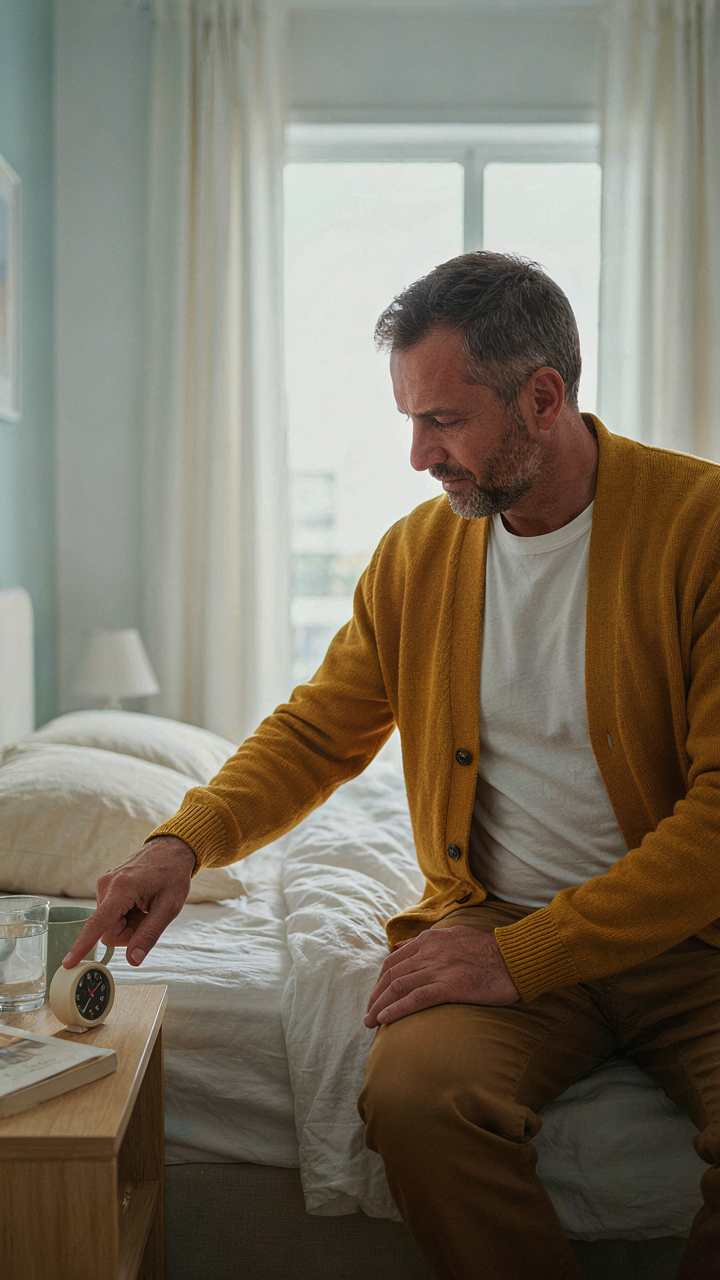
You want your kid unconscious during takeoff so you can breathe. The mechanism is simple: circadian rhythm shifts take time, and most parents wait until the night before the flight. That’s too late. Your child’s sleep schedule is locked by their internal clock, which doesn’t reset in one night. Biology calls this phase shifting—the deliberate movement of your body’s natural rhythm. You’re doing the same thing, just with intention.
Begin adjusting bedtime and wake time three days before the flight, moving toward the destination’s schedule in small increments. If flying east across five time zones, shift bedtime earlier by roughly ninety minutes per day for those three days. If flying west, shift later instead. Your goal isn’t perfect alignment—it’s reducing the gap so jet lag doesn’t sabotage sleep the night of travel. A child whose body clock is already partially synced to destination time will sleep more reliably on the plane than one whose biology still thinks they’re home.
Anchor Wake Time First, Bedtime Second
Most parents adjust bedtime and ignore morning wake time. This is backward. Your circadian rhythm anchors to light exposure and wake time more strongly than to bedtime alone. Start by waking your child earlier or later depending on direction of travel, then let bedtime follow naturally as their body accumulates sleep pressure. If your child wakes at the new time and gets outdoor light immediately, their clock shifts faster than if you only adjust bedtime without matching wake time.
The sequence matters: shifted wake time plus morning light exposure creates the strongest signal. Bedtime will adjust within one to two days once the morning anchor is set. On day three pre-flight, your child’s schedule should closely mirror destination time. This reduces the biological friction on flight day and makes sleep on the plane possible rather than theoretical.
De Sensory Pod Design: Overnight Flight With Kids
Sound Isolation Without The Earplugs
You want your kid asleep so you get peace on the flight. That’s the real reason you’re reading this. The mechanism is simple: the brain won’t transition to sleep while processing novel or unpredictable audio. Airport noise, engine hum, and overhead announcements are all unpredictable. Noise cancellation—borrowed from acoustic engineering—works on a physics principle called destructive interference. Two sound waves of equal amplitude but opposite phase cancel each other. Kids’ ears are more sensitive to frequency changes than adults, so ambient noise hijacks their attention harder.
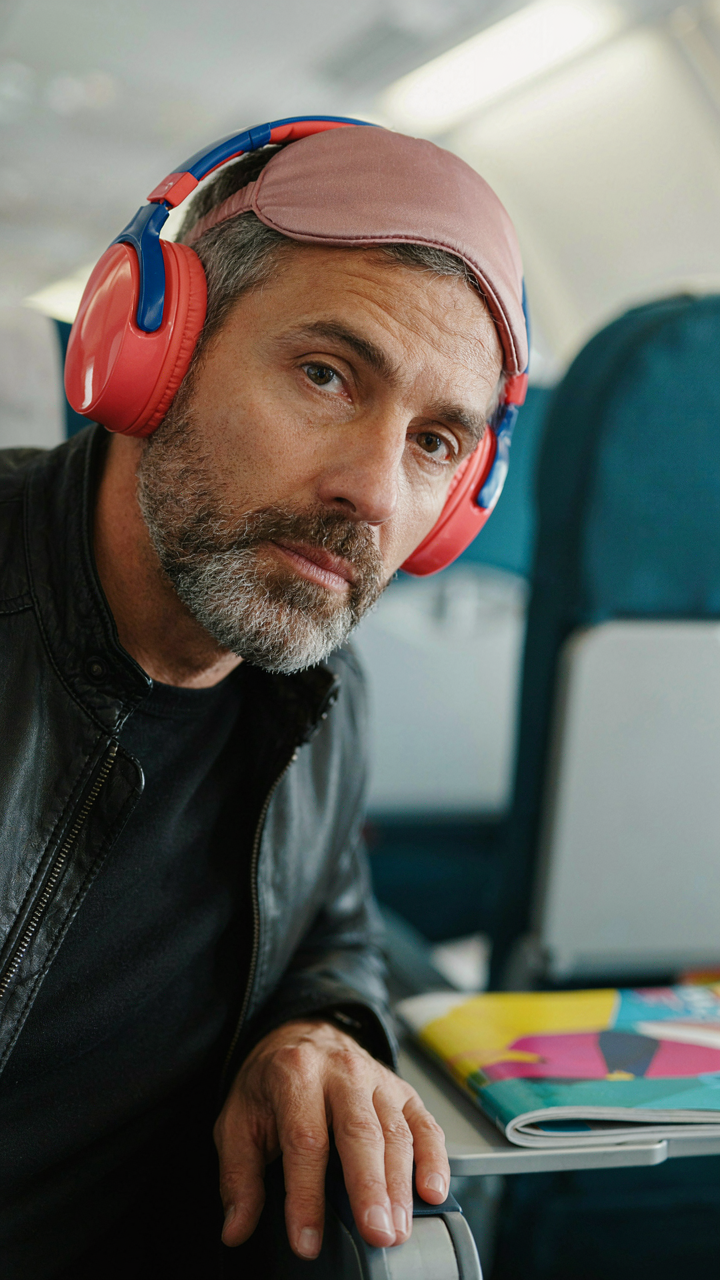
Passive barriers work better than active noise cancellation for children on planes. A combination of over-ear headphones playing white noise or brown noise, plus foam earplugs designed for kids, creates layered dampening. Start the audio 30 minutes before takeoff so the brain habituates to it as the new baseline. When takeoff happens, the kid’s nervous system has already normalized the sound environment. Don’t wait until the engines start to introduce audio. The delay between unfamiliar noise and sleep onset doubles if you introduce it mid-flight.
Complete Darkness Protocol
Light is the primary circadian anchor. Melatonin production requires darkness, and a single overhead reading light from three rows back can disrupt it. Most parents bring a basic eye mask and call it solved. That’s incomplete. A real setup includes a blackout eye mask with nose bridge padding (eliminates the light seep at the bottom), window shade pulled fully closed, and a small blanket draped over the seat headrest to block light from above and the sides. The goal is zero perceptible light variation.
Timing matters as much as equipment. On an eastbound overnight flight, initiate darkness two hours before the plane’s wheels leave the ground. The nervous system needs time to shift out of day-mode consciousness. A sudden blackout at wheels-up will trigger alertness instead of drowsiness. If the flight departs at 10 PM local time, begin the darkness protocol at 8 PM. This pre-adaptation to dark conditions accelerates the onset of sleep by 45 to 60 minutes compared to flipping on a mask mid-flight.
The Biometric Entrainment Method
Cool The Core, Not The Skin
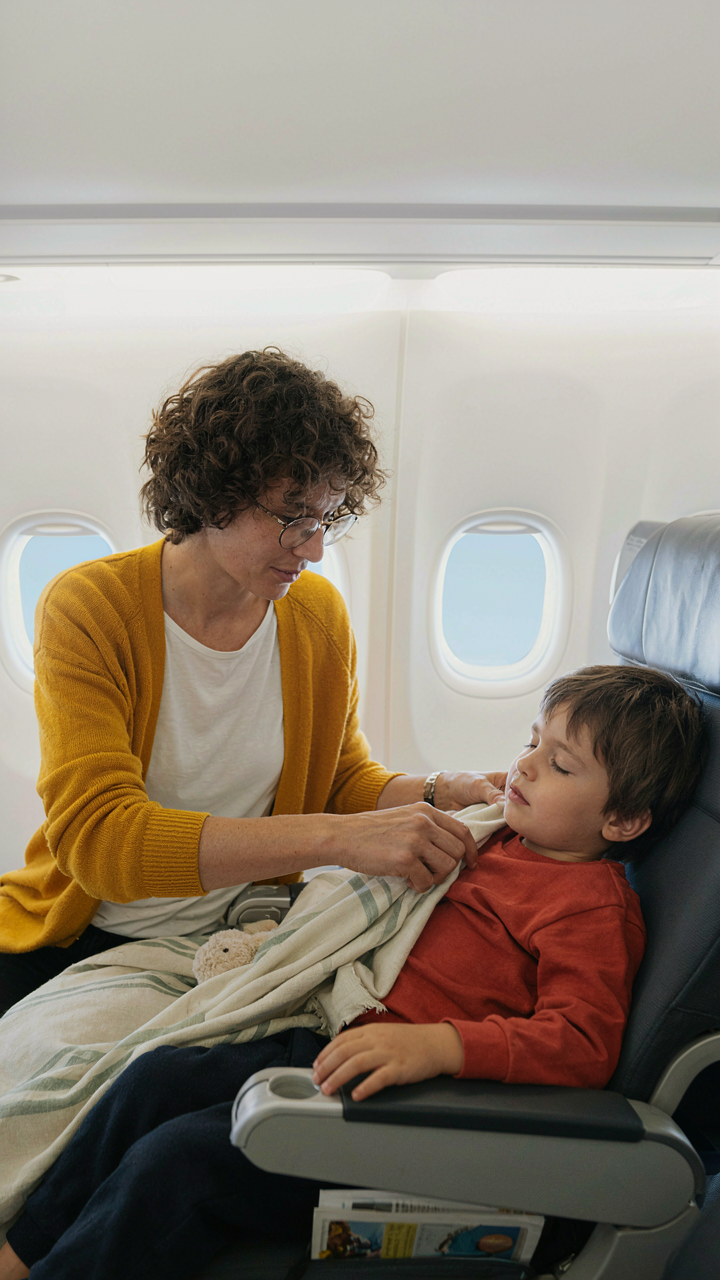
You want your kid asleep so you can reclaim three hours of peace. The mechanism nobody mentions is this: temperature regulation is thermodynamics applied to human behavior. Drop core body temperature, and the brain shifts into sleep mode automatically. Most parents get this backwards. They bundle kids in blankets. That’s wrong.
The trick is creating a temperature gradient. Dress your child in layers you can remove mid-flight. Start with a base layer, add a light sweater. Twenty to thirty minutes before you want them unconscious, remove the outer layer and expose their forearms and neck to cool cabin air. Core temperature drops faster than you’d expect. The body interprets this drop as the signal to initiate sleep.
Activate Rest Mode Through Pressure
The parasympathetic nervous system is your actual control lever here. It’s the biological off-switch. Most sleep advice skips straight to melatonin or white noise. Both miss the real pathway: mechanoreceptors in the skin that trigger the rest response when stimulated correctly. You don’t need a weighted blanket. You need sustained, gentle pressure.
Weighted compression socks or a snug wrap around the torso works better than you’d think. Apply firm, even pressure across the torso or limbs before takeoff. Hold it steady for ten minutes. This activates the parasympathetic system faster than any distraction. Combine this with the temperature drop from the previous method, and you’ve stacked two biological signals pointing toward sleep. The kid’s nervous system stops fighting and surrenders.
Seat To Sleep Conversion: Flight Bed For Kids
Travel Bed Options Worth Evaluating
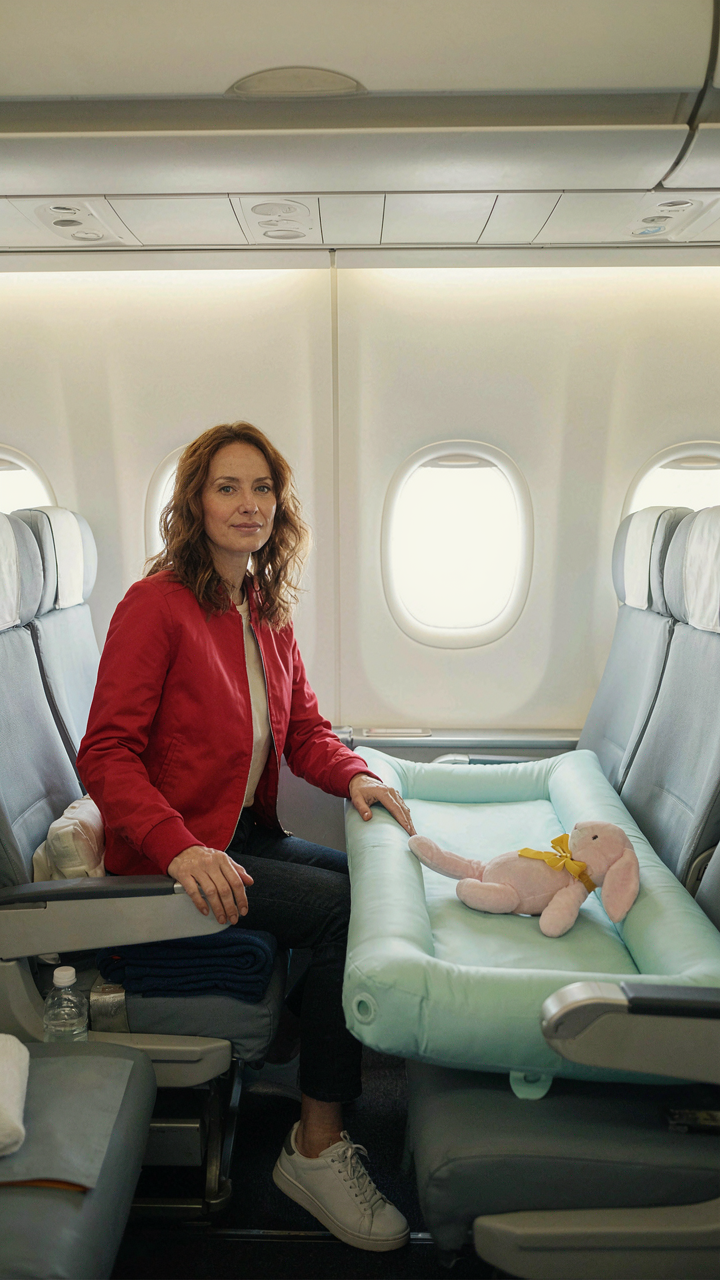
You want your kid unconscious so you get peace. The real mechanism here is surface familiarity—kids sleep better on something that approximates their bed, not on a hard airplane seat. Inflatable travel beds create that cognitive anchor without requiring you to haul a full mattress.
- Inflatable toddler beds: Designed for ages 2-6, these sit on the floor or across two seats. They’re 20-30 inches wide, hold firm for 6-8 hours per flight, and pack down to the size of a water bottle.
- Seat extenders and cushions: These bridge the gap between two economy seats or extend a single seat into a makeshift bed. They work best for kids under 50 pounds and add 8-12 inches of usable length.
- Memory foam travel pillows with body support: Not a bed, but they create postural alignment that prevents neck strain from waking kids mid-sleep. Standard pillows allow the head to collapse sideways, triggering micro-arousals.
- Lap desks or bed trays: These attach to the seat in front or use your lap as a base. They’re lightweight alternatives for kids who’ll sleep sitting upright but need a stable surface for their torso.
- Airplane seat hammocks: These suspend a fabric surface between the seat back and tray table. They work for kids 3-8 and eliminate contact with the seat itself, reducing temperature regulation problems that interrupt sleep.
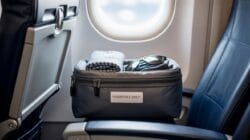
The key differentiator isn’t comfort—it’s consistency. Your kid’s nervous system recognizes “this is where I sleep” and triggers the appropriate neurochemistry. Don’t overthink the brand. Pick one that fits your seat configuration and your luggage budget, then use it the same way every flight so the association compounds.
Securing Sleep Devices Without Hazard
The FAA doesn’t regulate inflatable beds or seat extenders—they fall into a gray zone. This means the manufacturer’s responsibility stops at the point of sale. Your responsibility is ensuring the device doesn’t become a projectile or obstruct emergency egress.
A sleep device is safe if it meets two conditions: it stays in place during turbulence without sliding into the aisle, and it allows your child to exit their seat in under five seconds without climbing over restraints. Test this on the ground before takeoff. Secure inflatable beds to the seat frame using seat belt loops—thread the belt through a loop on the bed’s edge so the bed and child move as one unit. For seat extenders, verify they don’t block the seat pocket or tray table mechanism. If your child wears a lap belt while on an extended sleep surface, ensure the belt still clicks into the buckle without twisted fabric underneath. Never use a sleep device in the bulkhead row—flight attendants need unobstructed access, and FAA regulations prohibit non-standard configurations there. Inform the flight crew about your device setup during boarding. They’ll tell you immediately if it violates their specific aircraft rules.
The Nutrient Nudge: Airplane Sleeping Hacks For Kids
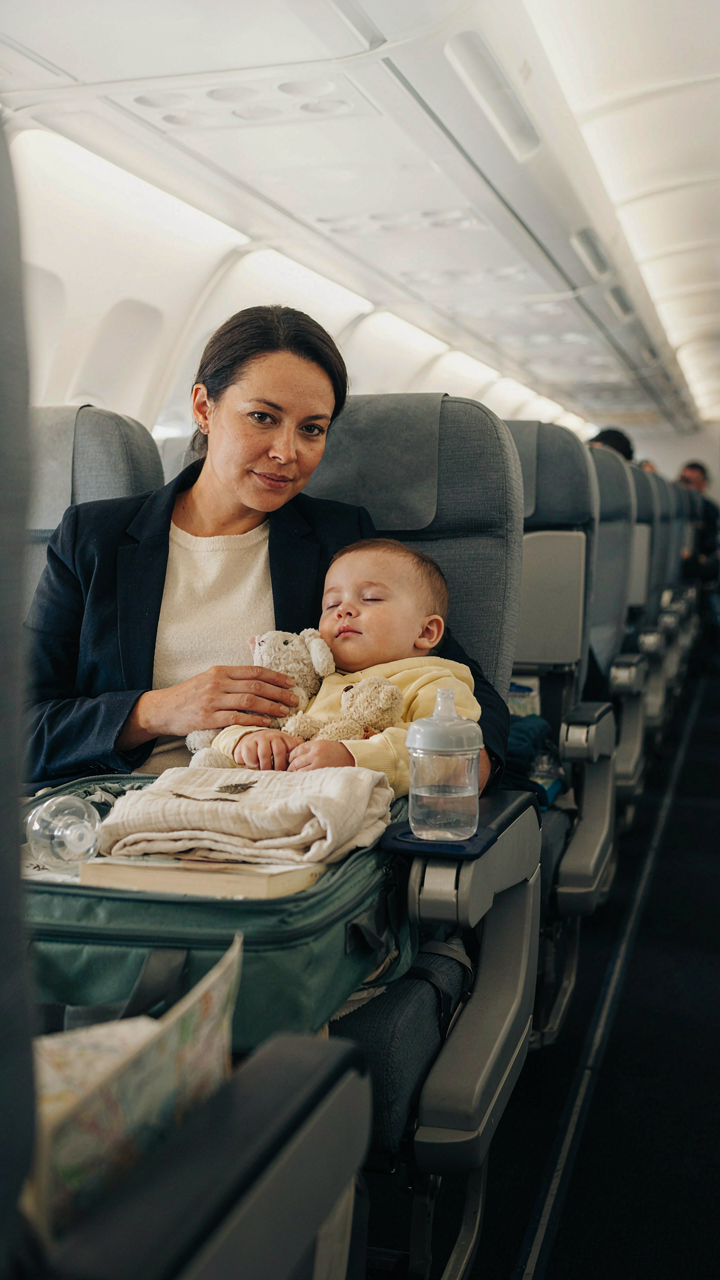
What Actually Makes Kids Sleep On Planes
You want this section because you’re tired of your kid bouncing off the cabin walls while you white-knuckle through turbulence. The real mechanism: sleep is a neurochemical state, not a behavioral one. Melatonin production and serotonin availability determine whether your kid’s brain will shut down or stay in fight mode. Food timing and composition trigger these states directly. Most parents ignore this entirely and just hope exhaustion wins.

Carbohydrates increase tryptophan availability in the brain, which converts to serotonin, which feeds melatonin production. This is basic neurobiology. A meal heavy in refined carbs followed by a two-hour window creates the conditions for sleep. But the mechanism only works if you time it right and pair it with low stimulation. Feed your kid chicken nuggets and apple juice two hours before the flight, not thirty minutes before boarding.
Cut The Stimulants Before Takeoff
Common advice says avoid sugar. That’s incomplete and misses the real problem. Sugar itself doesn’t prevent sleep. Caffeine and high-stimulant foods activate the nervous system directly and extend wakefulness. A kid on a plane doesn’t need activation.
Remove caffeine entirely. That includes chocolate, cola, iced tea, and anything with cocoa. Check labels on “kid-friendly” snacks because manufacturers hide caffeine in unexpected places. But caffeine is only half the equation. High-sodium processed snacks trigger thirst and agitation. Plain, salty chips activate your kid’s nervous system the same way a stressful situation does. The protocol: provide a substantial carb-based meal three hours before flight time, then nothing but water for the final two hours before sleep is supposed to happen.
Environmental Fortification: Long Flights With Kids
Cabin Pressure And Ear Discomfort
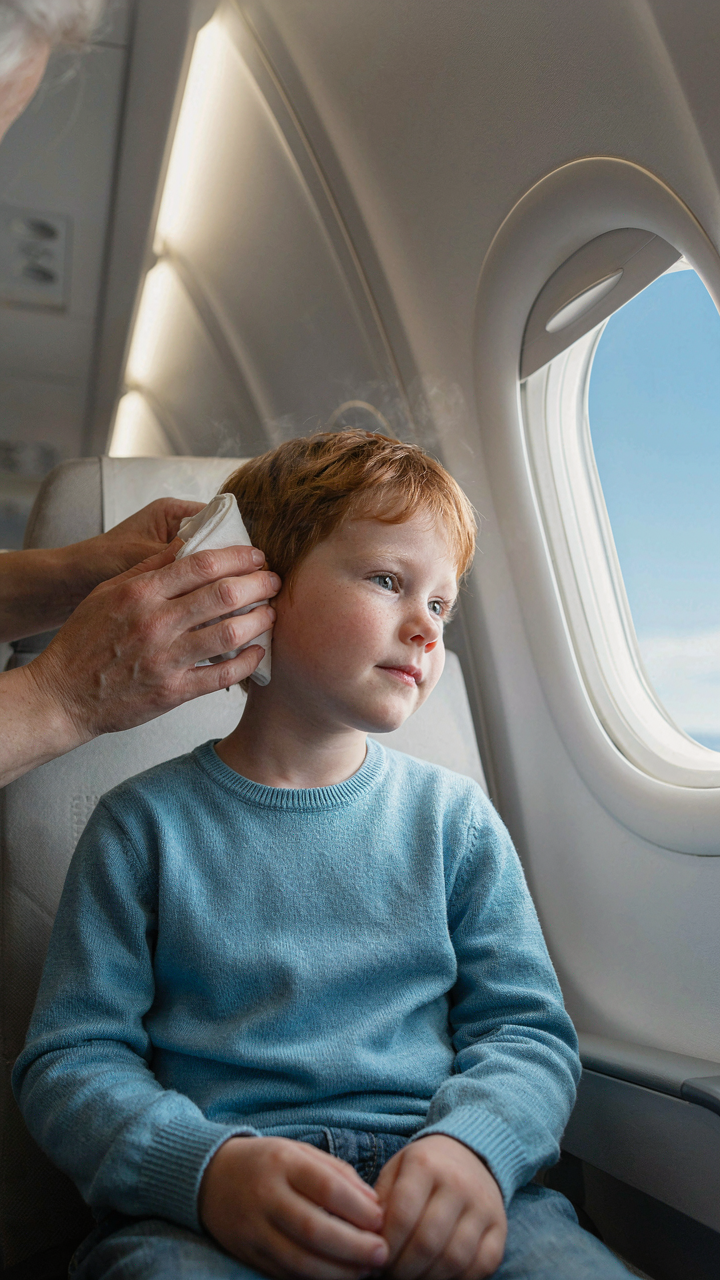
You want your kid asleep so you get peace. The real blocker isn’t fatigue—it’s physical pain from pressure changes. Aerodynamics teaches us about pressure gradients: the cabin maintains roughly 8,000 feet of simulated altitude, which creates a differential between middle ear pressure and ambient pressure. Kids’ Eustachian tubes don’t equalize as efficiently as adults’, so pressure builds and creates otalgia that keeps them wired.
The standard advice—”chew gum”—fails with young kids. Instead, start nasal decongestant 30 minutes before takeoff and landing. Pseudoephedrine works better than phenylephrine for this purpose. Have your child swallow during descent, not ascend, since the pressure drop is sharper. A warm compress on the ears 10 minutes before descent reduces inflammation enough to let pressure equalize naturally. If your child sleeps through descent, that’s your win: no pressure spike while they’re conscious means no pain response that jolts them awake.
Humidity And Respiratory Comfort
Cabin air sits at 10-15 percent humidity. That’s drier than most deserts, and a dehydrated child’s mucous membranes become irritable, triggering micro-awakenings throughout the flight. You can’t change the cabin humidity, so you change the microclimate around your child’s face and airway.
Hydrate continuously from pushback through landing—not water alone, but electrolyte solutions. Oral rehydration salts work because they drive fluid retention at the cellular level. A saline nasal spray before sleep, not after, prevents the blocked nose that disrupts sleep cycles. For flights over six hours, apply a thin layer of petroleum jelly inside your child’s nostrils every two hours. This sounds minor. It prevents the dry-airway arousals that shatter your flight plan.
The Pavlovian Pre Sleep Sequence
Build The Same Routine Every Flight
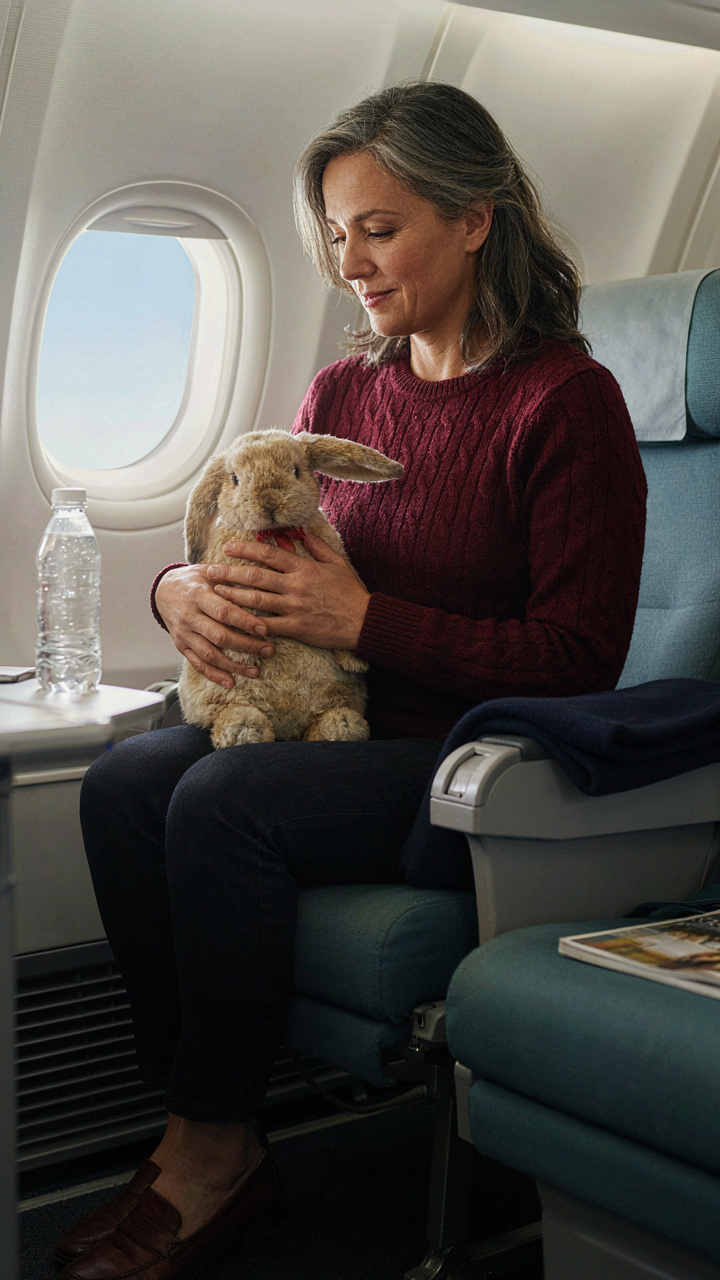
You want your kid asleep so you can have peace. That’s not weakness—it’s logistics. The mechanism here is classical conditioning: repetition builds automatic responses. Do the same sequence before every flight, and the kid’s nervous system learns to interpret those signals as “sleep mode activated.”
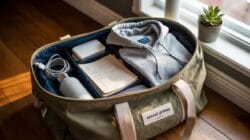
Start three days before departure. Run the exact routine nightly: bath, specific pajamas, one book, lights off, white noise. On flight day, execute it identically in the cabin. The brain doesn’t care if you’re at home or 35,000 feet—it recognizes the pattern and triggers the sleep state. Consistency is the entire game.
Objects That Signal Shutdown
Attach sleep to a specific object, not a location. This is behavioral anchoring: the object becomes the trigger, not the environment. Most parents miss this and wonder why their kid won’t sleep without “the right conditions.” Wrong. You engineer the conditions to travel with you.
Choose one item: a particular stuffed animal, blanket, or pillowcase. Use only that item during pre-sleep routines for two weeks before the trip. On the plane, introduce it exactly when you’d introduce it at home. The kid’s brain recognizes the object and moves into sleep mode. The object travels; the signal travels. That’s the entire mechanism.
Zone Defense: Toddler Travel Bed For Airplane

The Sealed Micro Environment
You want your kid asleep so you can sit undisturbed for five hours. That’s the real reason you’re reading this. The mechanism is simple: a travel bed creates a physical and psychological boundary that signals “this is where sleeping happens,” which matters because children’s brains anchor behavior to context. The plane seat itself signals chaos and novelty. A travel bed overwrites that signal.
A toddler travel bed is not luxury. It’s a perimeter. The best models use mesh walls that let you see your child while containing their movement, preventing them from rolling into the aisle or waking themselves through startle reflexes. The bed should fit snugly in the seat well without gaps where limbs can slip through. Measure your airline seat depth before purchasing. Most toddler beds run 24 to 28 inches long and work for kids up to 40 pounds, though younger toddlers derive more benefit because they’re more prone to micro-movements that trigger waking.
Blocking The Noise And Light Leaks
Military operations use the concept of noise discipline to maintain operational security. Apply the same logic here: external stimulus leakage determines whether your child stays asleep or jolts awake. The plane cabin produces constant low-frequency rumble, unexpected announcements, and light shifts from the galley. Your job is absorption, not just masking.
Pair the travel bed with a white noise app set to 60 to 65 decibels playing airplane cabin ambience. This sounds counterintuitive, but consistent background noise masks the irregular spikes that actually wake kids. Add a clip-on blackout shade to the window seat or use a lightweight blackout curtain rod rigged between the seats if your child is in a middle or aisle seat. The darkness triggers melatonin release. Start both the noise and darkness 20 minutes before you expect sleep onset to let the nervous system downshift first.
Post Landing Re Calibration: Flying With Kids
Light Exposure Timing
You want your kid adjusted fast because jet lag makes them unbearable and unpredictable, and that’s your real problem. Circadian rhythm operates on light cues, not willpower. When you land, light becomes your control mechanism. The first 24 to 48 hours determine whether your child resets or fights the new timezone for a week.
Get direct sunlight on your child’s face within an hour of landing. East-facing light in the morning, west-facing in the afternoon. Don’t sunglasses them. Don’t keep them indoors to “rest.” The photoreceptors in their eyes need unfiltered natural light to signal the brain that the day has actually changed. This is non negotiable if you want sleep that night.
Strategic Activity Placement
The real advice here isn’t “tire them out.” That’s lazy. You’re aligning their hunger and alertness hormones to local time, which requires action at specific windows. If you land in the morning at your destination, stay awake with scheduled movement until local bedtime. If you land at night, keep activity minimal until local morning arrives.
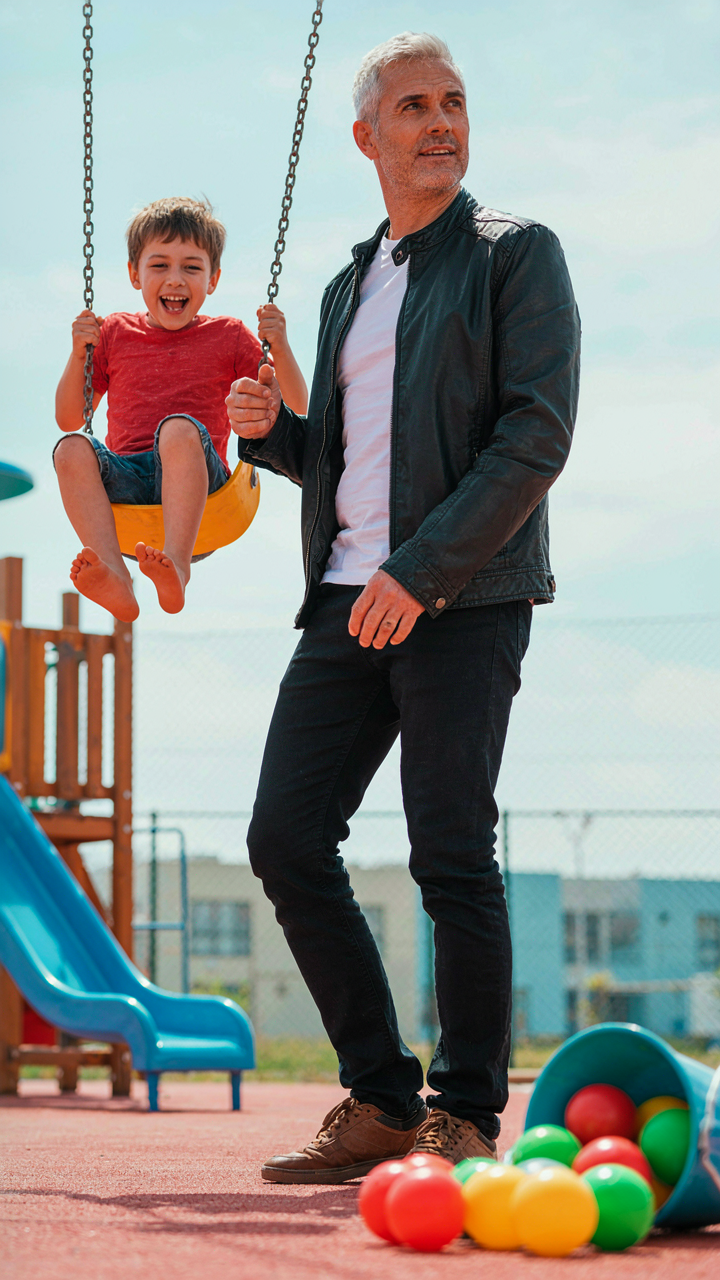
Schedule physical activity during the destination’s afternoon hours, when melatonin is lowest. Playground time, walking, light play. Nothing intense two hours before local bedtime. Eating meals on the new schedule matters more than the activity itself—your child’s digestive system is a secondary circadian clock. Stick to meal times for the destination timezone starting immediately after landing. Your child syncs to structure faster than you think.
Your True Obstacle Isn’t The Kid; It’s Your Resistance To Engineering The Environment

Most parents blame the plane. They blame the kid’s temperament. They blame bad luck. The real problem sits between their ears. You’re hoping sleep happens instead of building the conditions that make it inevitable. Stop negotiating with chaos. Pick one variable today: melatonin timing, seat selection, or a weighted blanket. Control that variable ruthlessly on your next flight. You don’t need a better kid. You need to stop treating an engineered sleep environment like a luxury and start treating it like non-negotiable.