The Minimalist Lab: Less Gear, More Genius

Why Your Workbench Became A Graveyard
You think clutter is a productivity problem. It’s not. You’re afraid that fewer tools mean fewer options, and fewer options mean you’ll hit a wall on a project. The real mechanism is different: clutter taxes working memory. Every tool you own but don’t use creates cognitive load. Your brain catalogs it. Evaluates it. Wonders if you should use it. This friction compounds on every session until tinkering feels like navigating a storage unit instead of building something.
The hobbyists who ship projects fastest own the fewest tools. They know their constraints. Constraints force creativity because you solve problems with what’s in front of you instead of shopping for a new widget. A dense workbench isn’t a sign of capability. It’s a sign you haven’t committed to a methodology yet. Worse, it signals that you’ve been treating tool acquisition as progress instead of a means to an end.
The Tools That Actually Matter
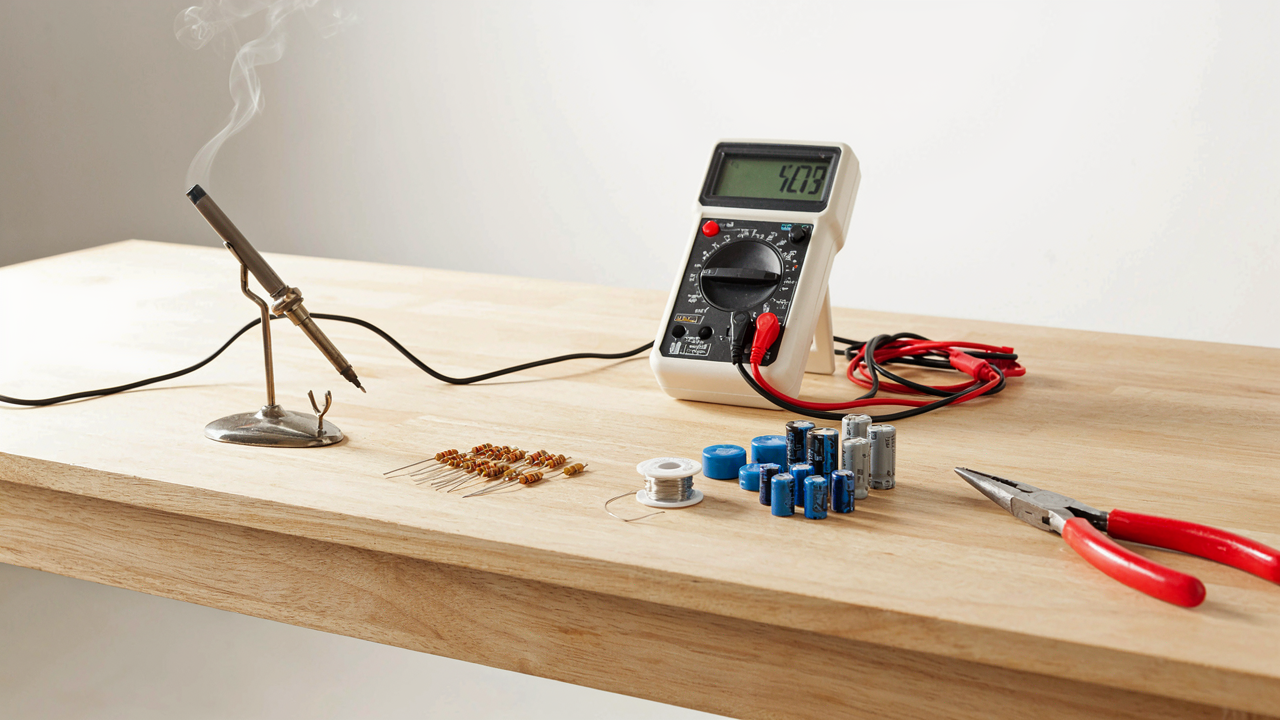
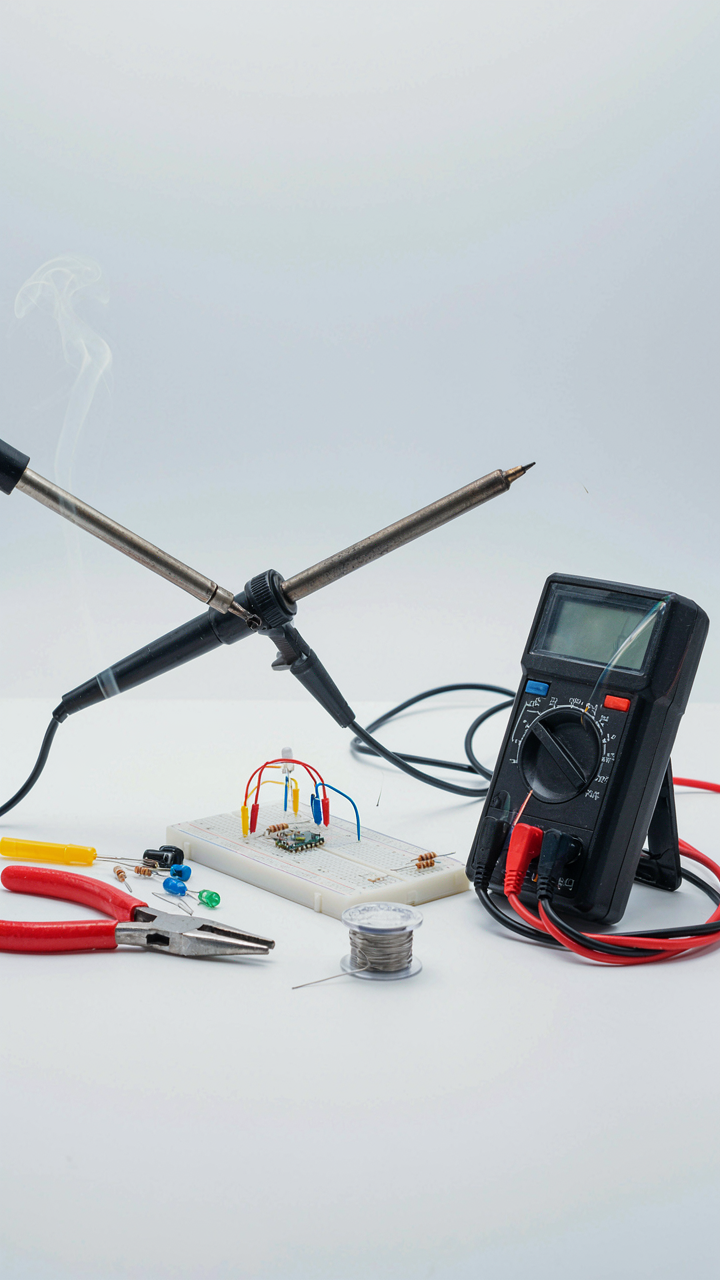
Stop buying budget multimeters and soldering iron knockoffs. The common advice is to start cheap and upgrade. Wrong. You’ll upgrade anyway after destroying components or wasting time on measurement error. Buy once: a quality digital multimeter that holds calibration, a temperature-controlled soldering iron with replaceable tips, and a decent magnification station. These three tools handle 80 percent of diagnosis and assembly work.
The mechanism here comes from industrial quality control: signal-to-noise ratio. A cheap multimeter adds noise to your measurements, forcing you to question results instead of trusting data. A temperature-controlled iron keeps component leads at safe heat for the exact duration needed, no guessing. A magnification station with actual illumination eliminates eyestrain that kills focus sessions. Invest in tools that reduce friction per use, not tools that expand your capability list.
Beyond The Box: Real Electronic Engineering Gifts

The Hardware That Teaches Systems Thinking
You want to look like you understand electronics without actually building anything meaningful. Here’s what matters: open-source hardware platforms force you to think in systems, not components. Economics calls this “revealed preference”—what you actually do reveals what you value. A hobbyist who owns an Arduino but never ships a project has a decoration. A hobbyist who owns a platform and builds constraints into it learns how real engineers think.

Arduino, Raspberry Pi, and ESP32 boards aren’t gifts because they’re trendy. They’re gifts because they collapse the gap between idea and working prototype to hours instead of weeks. The person receiving one doesn’t need you to explain what it does. They need you to remove friction from the moment they unbox it. A board plus a starter kit with documented projects gives them a path, not a puzzle.
The Software That Removes Friction
Forget the “learn to code” angle—that’s what everyone says and it’s incomplete. The real mechanism is opportunity cost. LTspice, KiCad, and Fusion 360 are free, but they have learning curves that kill momentum. Circuit simulation software that runs immediately accelerates the feedback loop between thought and validation. Simulation time compresses design iteration from “build, test, fail, rebuild” into “simulate, adjust, simulate, build once.”
A gift subscription to professional-grade software or a license for Altium Designer removes a barrier that costs hobbyists real time. The hobbyist who simulates before soldering catches 80 percent of their mistakes before they waste components or hours debugging dead circuits. When you gift software access, you’re gifting the permission to iterate fast. The mechanism is velocity: faster iteration compounds into mastery.
The “Beginner’s Mind” Protocol: Foundational Electronics Projects DIY

Start With Signal, Not Specs
You want to feel competent fast, which is why most gift guides point you toward Arduino starter kits and pre-assembled boards. That’s the trap. The mechanism is simple: specs feel like progress until they don’t. You memorize voltage ratings and pin configurations without understanding what electricity actually does in a circuit. A gift that bypasses this requires teaching the student to read a circuit like a sentence, not memorize its vocabulary. Start with tactile, observable behavior: a simple LED circuit, a resistor limiting current, a switch breaking the path. These aren’t quaint training wheels. They’re the foundation that makes every advanced project legible instead of mysterious.

The real constraint isn’t knowledge. It’s attention span. Give a hobbyist a circuit that produces visible feedback within minutes of assembly, not hours of troubleshooting. A simple breadboard setup with an LED, battery, and resistor teaches current flow, voltage drop, and component selection faster than any explanation ever will. The gift here isn’t the components. It’s the experience of seeing cause and effect immediately. This is how your brain actually learns electricity: through observation, not theory.
Build Power Through Limitation
Economics calls this resource scarcity, and it’s the engine of problem-solving. When a tinkerer has infinite options and unlimited power, they freeze. When they have one power source, five components, and a single goal, they innovate. Bad gifts remove constraints. Good ones add the right ones. A fixed-voltage power supply, a small component kit with deliberate gaps, or a project that requires reusing parts from earlier builds forces real thinking instead of endless shopping. The hobbyist stops asking what to build and starts asking how to build it with what they have.
The protocol works like this: give one gift that completes a single, specific circuit. Not a mega-kit with 500 components gathering dust. A 5V regulator, a handful of resistors in common values, three LED colors, two switches. The constraint forces engagement with component selection and trade-offs. They learn why a 220-ohm resistor works for an LED and a 10k resistor doesn’t. They build something that works, then they modify it. This is where learning actually happens, not in the moment of purchase but in the moment of limitation.
The Scarcity Advantage: Why Curated Components Beat Bulk
The Cost Of Choosing From Too Much
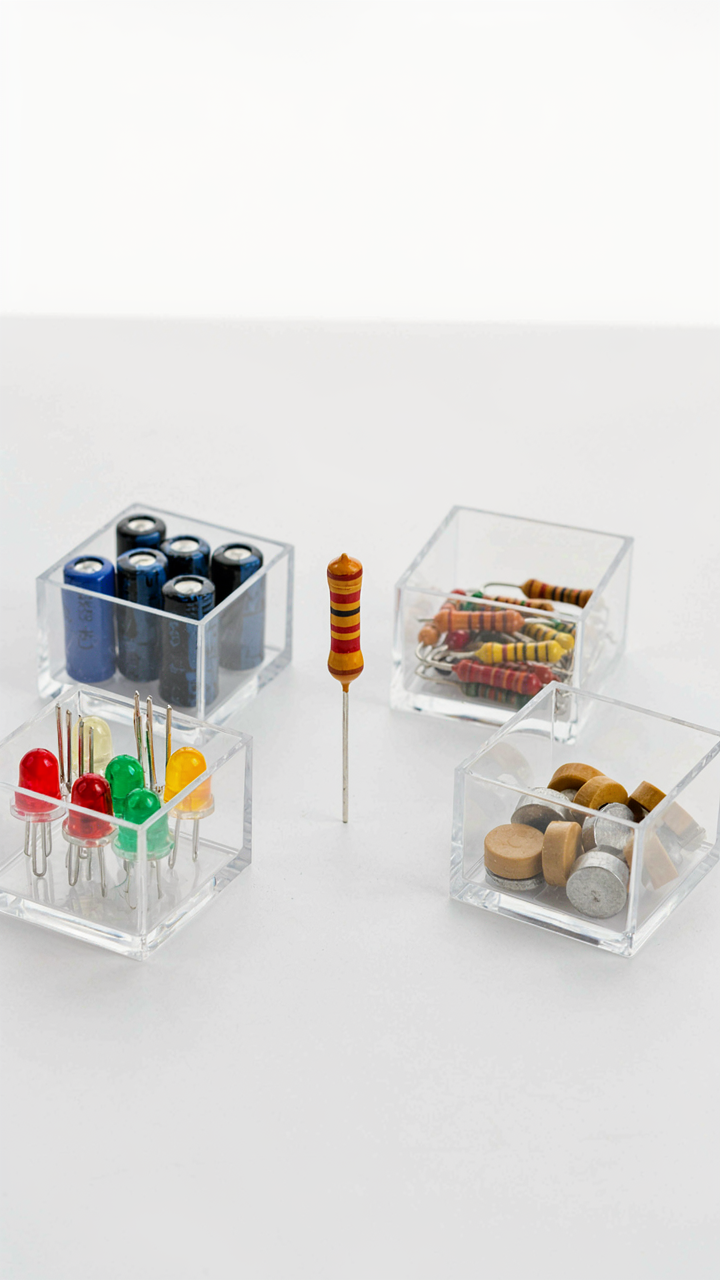
You want to feel prepared, so you assume more options mean more readiness. Economics calls this opportunity cost, and it applies directly to component selection: every resistor you don’t need is mental overhead that delays the one you do. A hobbyist staring at 500 assorted parts wastes cognitive load just filtering noise.

The mechanism is simple. Your brain treats inventory like a decision tree. Each extra component adds a branch. More branches mean slower traversal to the part you actually need right now. A curated gift forces constraint, which sharpens focus. When you own only the resistors and capacitors you’ll realistically use this quarter, you grab them faster and start building instead of planning.
Speed Through Deliberate Limits
Focused inventory reduces problem solving time because you know exactly what you have. No searching through drawers. No second-guessing whether that unmarked component is what you think it is. When a circuit fails, you move faster to diagnosis and repair if you’ve already mapped your available tools.
Gifts that impose intelligent constraints actually accelerate competence. A precision soldering iron with three specific tip sizes beats a 20-piece kit where half are wrong for your board size. A hand tool roll with eight carefully chosen tools beats a toolbox bloated with duplicates. Give components in quantities that match actual project scope, not retail bulk economics. This forces the hobbyist to commit to finishing what they start, which is where skill compounds.
The Antifragile Workshop: Tech Gifts For Men That Endure
Build For Repair, Not Replacement
You want to give a gift that signals you understand quality. That’s the real motive here. Antifragility, borrowed from risk management, means a system that gains strength under stress rather than breaking. Most electronics fail because they were designed to be thrown away, not fixed. A repairable tool is one built with accessible components, replaceable batteries, standard fasteners, and documentation that doesn’t require a PhD to decode.

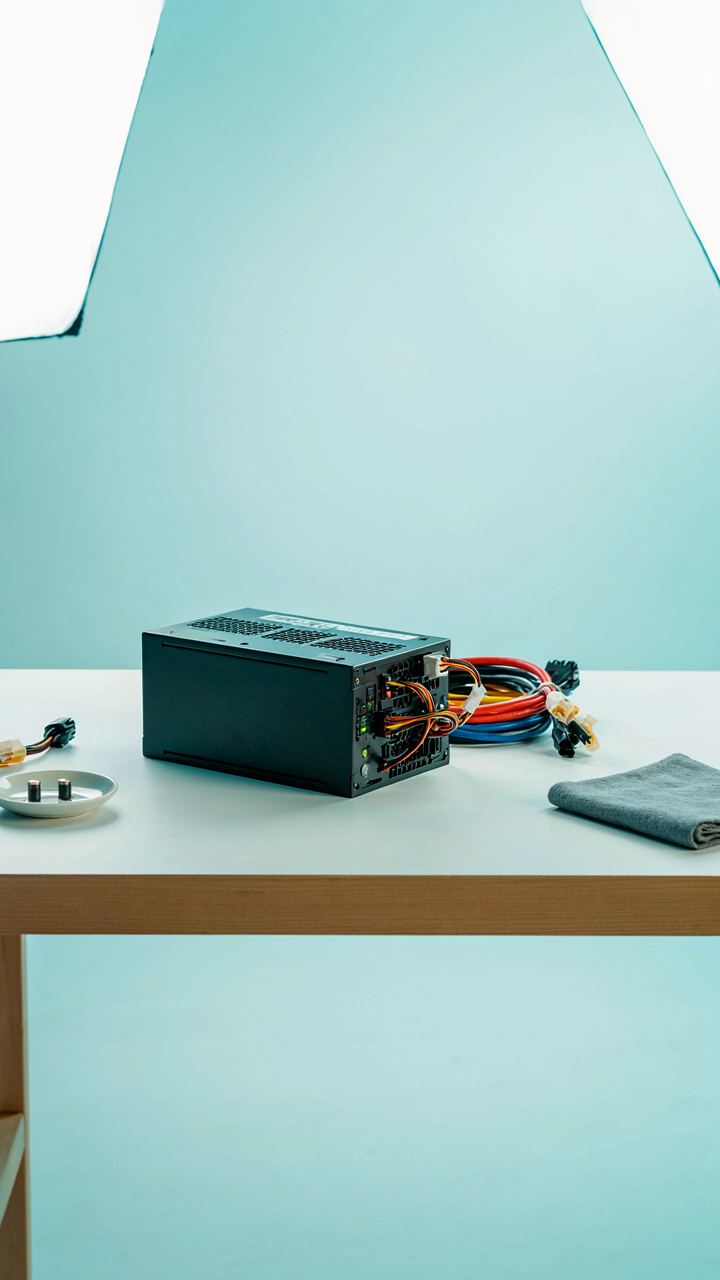
Soldering stations with modular heating elements, multimeters with replaceable probes and batteries, and power supplies with user-accessible fuses outlast disposable alternatives by decades. These tools don’t just survive—they improve with use because the owner learns their quirks and maintains them properly. Give something built to be opened without voiding a warranty. The mechanism is simple: design for disassembly equals design for mastery.
When Planned Obsolescence Starves The Mind
The common advice says to buy the latest model because it has more features. That’s wrong. Planned obsolescence isn’t a feature set problem—it’s a control mechanism. Manufacturers intentionally build products to fail or become incompatible so you buy replacements. Every time a hobbyist replaces a tool because it died instead of fixing it, they lose the learning loop that made them better at their craft.
A microcontroller development board from ten years ago still teaches the same principles as today’s version, but only if you can actually repair it when components fail. Tools designed for longevity force the user to understand their mechanics deeply. Give gifts from manufacturers with repair cultures: companies that sell replacement parts, publish schematics, and don’t sue people for opening products. This creates a feedback loop where the hobbyist becomes more capable, not more dependent.
The Iteration Imperative: Best Electronics Kits For Adults
Kits That Demand Redesign
You want a kit that makes you look competent without forcing you to actually think differently. The mechanism is simple: kits designed for modification work because they give you a starting point that’s already functional, then create friction that demands you change it. This removes the blank page paralysis.

Most kits ship as sealed systems. You build them, they work, you’re done. That’s a toy, not a tool. Real tinkering kits come with exposed solder points, modular sections, and intentional gaps in the design. They’re built to fail in interesting ways when you push them.
- Teensy-based microcontroller kits: Stripped-down Arduino variants designed for integration into custom projects. You’re not building the board, you’re building around it.
- Radio frequency modules with breadboard layouts: RF kits that separate transmitter from receiver on exposed headers, forcing you to rewire signal paths and add filters.
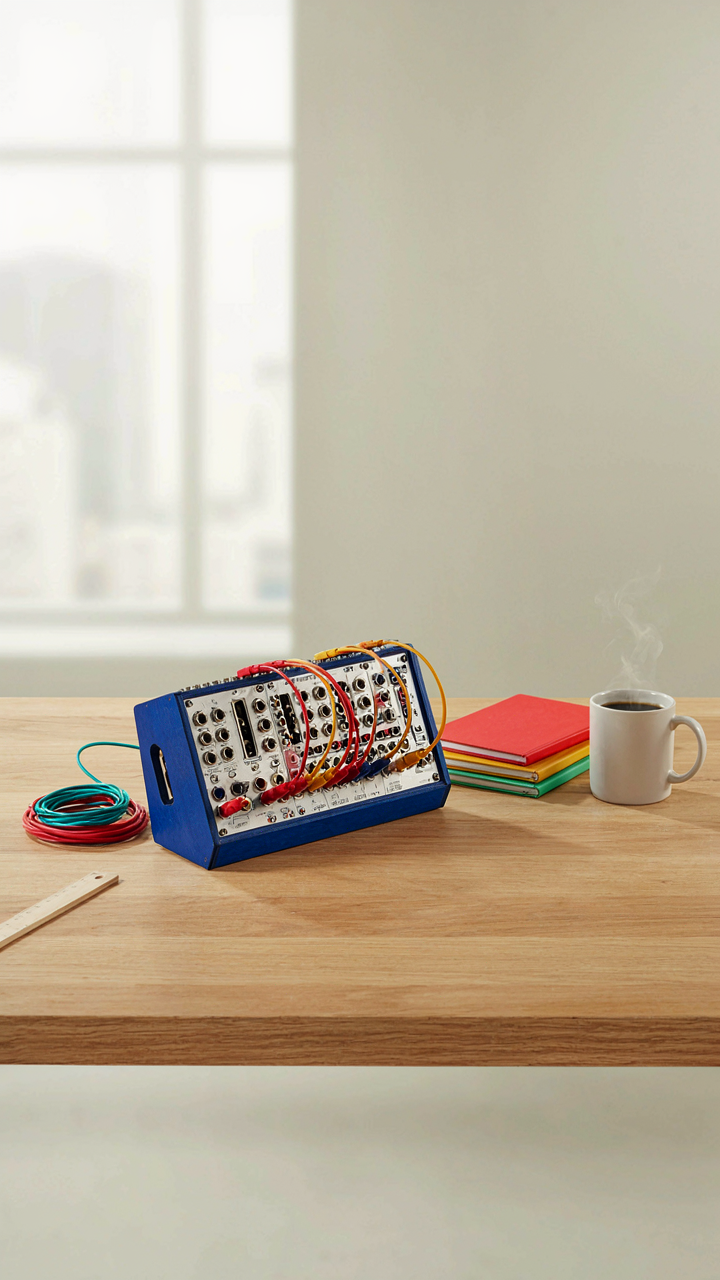
- Modular synthesizer starter kits: Eurorack format pieces with open architecture. You can reroute audio paths, swap modules, and redesign signal flow without starting over.
- Solderless breadboard systems with component libraries: Large format breadboards paired with bulk resistors, capacitors, and transistors. Encourages rapid circuit changes without commitment.
- Open-source robotics platforms with swappable sensor bays: Robot frames designed so motors, sensors, and microcontrollers snap in and out. You iterate on the hardware stack, not just code.
The difference between a gift and a doorstop is whether the recipient can break it and rebuild it faster than they got bored with it. Kits with exposed architecture compress that cycle.
The Feedback Loop That Teaches
Cybernetics, the study of control systems and feedback, shows that learning accelerates when the response time between action and result collapses. A hobbyist holding a soldering iron needs to see consequences immediately, not weeks later.
This is why breadboard prototyping outperforms PCB design for beginners. You twist a wire, the LED blinks or it doesn’t. You know in seconds if your logic was sound. The feedback loop in breadboard work is measured in minutes. PCB iteration is measured in shipping delays. Both have their place, but if you’re buying a gift for someone still building intuition, speed of feedback matters more than polish of execution.
The second mechanic is incremental complexity. Kits that let you add one component, test it, understand it, then add the next one create sustained engagement. Kits that dump twenty components at once and ask you to solder them all before anything powers on create frustration. The difference is whether the kit’s internal structure mirrors how your nervous system actually learns. You don’t acquire skills through theoretical overload. You acquire them through rapid loop cycles where each cycle confirms or contradicts your last assumption.

Beyond The Instructions: DIY Electronic Project Kit Mastery

Taking Apart To Understand
You want the kit that makes you look smart without admitting you don’t know how things work yet. The mechanism is simple: reverse engineering forces you to map signal flow, component relationships, and failure points instead of following a schematic like instructions on a frozen dinner.
Most kits hide the real architecture. They bundle components in black boxes or pre-assembled modules so you assemble, not understand. A gift that exposes internals—through schematics, through accessible PCB layouts, through components you can actually trace—flips this. You read the circuit. You predict what happens when you change a resistor value. That’s where mastery starts, not after.
When The Kit Says No
Breaking the kit’s intended use case is where learning accelerates. Not recklessly—deliberately. The kit designer chose specific frequency ranges, voltage levels, and component tolerances for safety and simplicity. Violating those constraints teaches you why they existed.
A signal generator kit built for audio frequencies becomes interesting when you push it into RF territory and watch it fail. A motor control kit becomes education when you reverse polarity or overdrive the input stage and examine the damage pattern. The hobbyist who gifts a kit understanding this isn’t just giving parts—they’re enabling controlled disobedience as a learning protocol.

The Apprenticeship Framework: Beginner Electronics Learning Kit Ideas
Build Before You Buy Kits
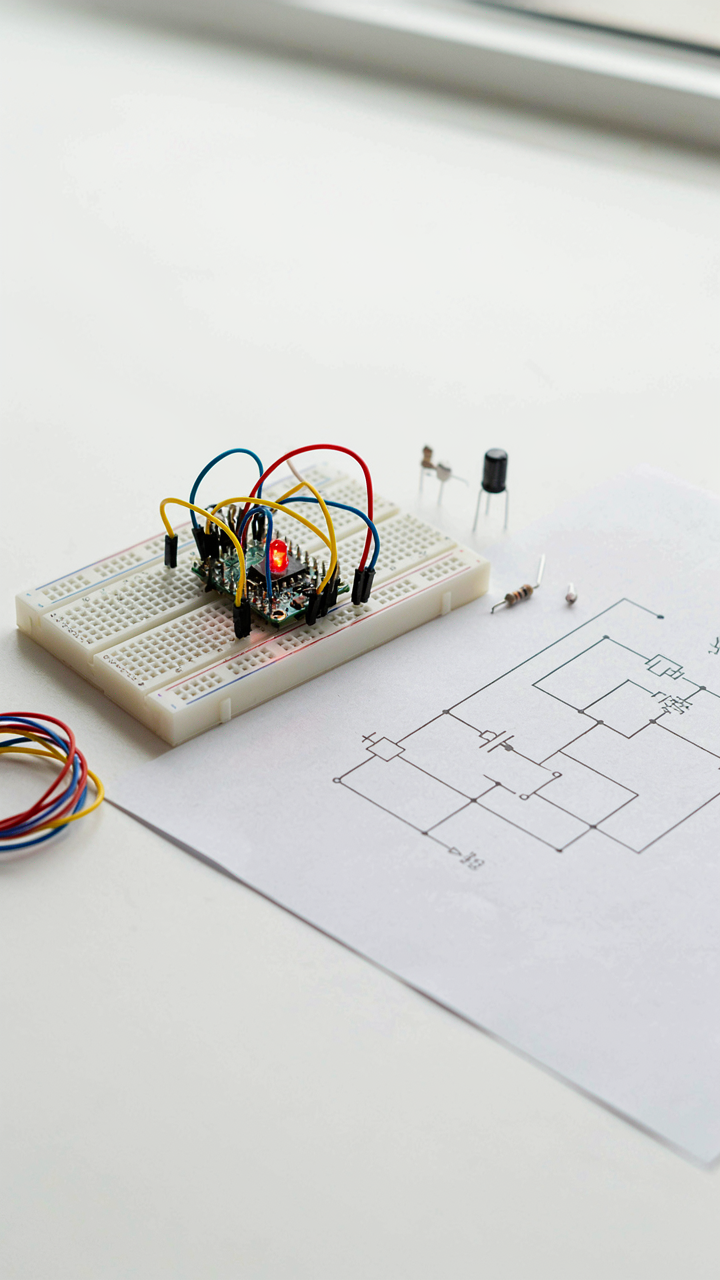
You want the gift to prove they’re serious about this so you don’t feel foolish later. The real mechanism is this: progression matters more than comprehensiveness. A beginner doesn’t need 500 components. They need to complete one functional circuit, understand why it works, then add one constraint that forces them to solve a new problem.
Electronics learning mirrors skill acquisition in any domain where feedback is immediate and measurable. The gift isn’t the kit itself but the permission structure to fail without cost. Solderless breadboards let them test ideas before committing to solder. Start with a kit that includes LED circuits, resistor calculations, and basic transistor switching. After completion, they move to the next layer. This prevents the common trap of overwhelming them with options and killing momentum.
Finding Your People Without The Noise
Most advice treats communities as optional social extras. Wrong. The gift of access to the right community often compounds more than the components themselves. Discord servers, local maker spaces, and subreddits like r/electronics create feedback loops that paid courses can’t replicate because they’re populated by people solving real problems right now.
A hobbyist surrounded by people who have already failed at their next challenge will ask better questions and iterate faster. The mechanism is asymmetric information correction. They learn what problems actually matter before investing time in dead ends. Help them identify one active community aligned with their specific interest—RF circuits, embedded systems, Arduino projects, whatever. Then introduce them to one person already doing that work. One introduction compounds. Mass community recommendations do nothing.

Component Intelligence: Beginner Electronics Kit Components Breakdown
What Actually Lives Inside A Kit
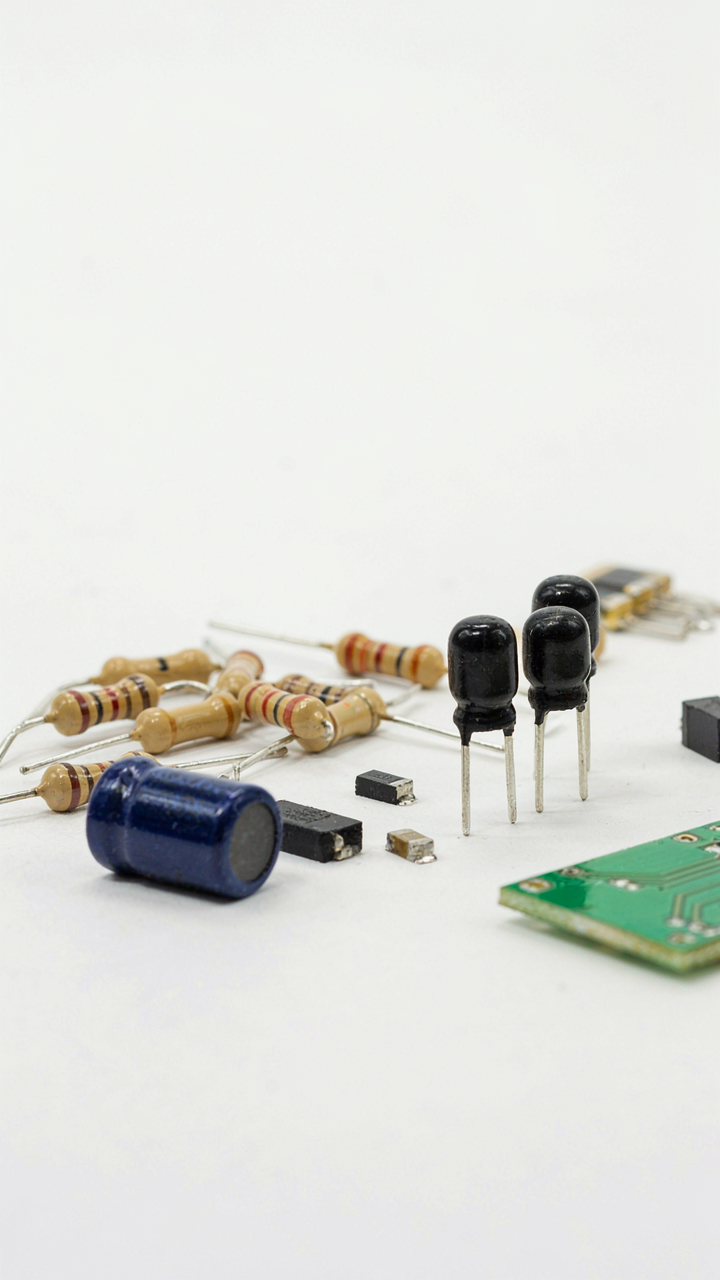
You want to feel competent without doing the work. That’s the real reason you’re reading this. Here’s the mechanism: a beginner kit works because it forces constraints. Economics calls this the scarcity principle applied to learning. Instead of facing ten thousand component options, you get exactly what builds one thing well. Resistors, LEDs, capacitors, transistors, and a microcontroller form the skeleton. Each component does one job. Resistors limit current. LEDs emit light. Capacitors store charge temporarily. Transistors amplify or switch signals. A microcontroller runs code that orchestrates them all.
The common advice says “start simple.” Wrong framing. You don’t start simple because simplicity helps you learn faster. You start simple because it’s the only way to build anything at all. A hobbyist with thirty components and one working project learns more than someone with three hundred components and zero finished circuits. The kit manufacturer already made the selection decision for you. That’s the actual value proposition. They eliminated decision paralysis by shipping exactly the parts that work together, not parts that sit in a drawer for three years.
Density Over Abundance
The real trade-off isn’t cost per component. It’s friction per learning cycle. A kit with two hundred mediocre resistors teaches you nothing you couldn’t learn with five quality resistors and a clear understanding of tolerance ratings. This is operations logic: you optimize for throughput, not inventory. Most beginner kits fail not because they lack components but because they include cheap versions that behave inconsistently. A resistor that drifts two percent in value won’t work the same way twice. A capacitor with poor temperature stability won’t perform reliably. The hobbyist thinks the circuit is wrong. The circuit is fine. The component is unstable.
A kit worth buying contains fewer components, each one accurate enough to teach real principles. Tolerance matters. A one percent resistor teaches precision. A ten percent resistor teaches frustration. Temperature stability matters. A ceramic capacitor that shifts with heat teaches you nothing useful. A film capacitor or a quality ceramic teaches how circuits actually behave. When selecting a kit as a gift, verify the component specifications, not the component count. One datasheet check beats a hundred marketing claims.
The Real Obstacle Isn’t Finding The Right Gift; It’s Your Own Fear Of Embracing True Utility Over Impressive But Ultimately Useless Complexity
Most people buy gadgets that look cool on a shelf instead of tools that actually get used. You do this because you confuse complexity with value. Stop. Pick one gift today that solves a real problem your hobbyist actually faces, not one that impresses people at parties. The best tool disappears into the work because it works so well you forget you’re using it.