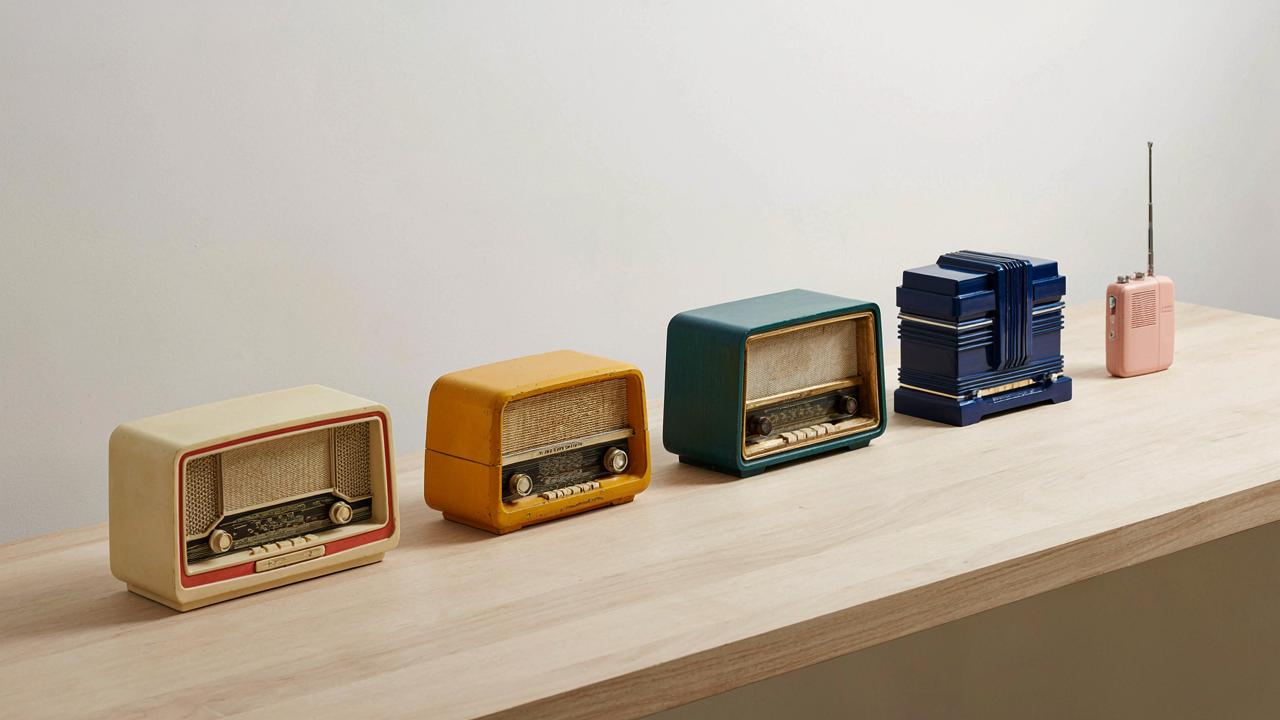
The Sentiment Trap: Why Your Old Radio Isn’t Worth What You Think
You’re Hoping It’s Valuable Because You Need It To Be
You want this radio to be worth money because admitting it isn’t means you wasted shelf space on something nobody wants. That fear wires your brain to ignore market signals. Antique radio value operates like supply and demand in economics: scarcity alone doesn’t set price. Demand has to exist. A radio your grandmother owned isn’t scarce if ten thousand people own the same model. The market doesn’t care about your connection to it.
Most people conflate rarity with value, then stop looking. They see a 1940s console radio still in original wood and think “old equals valuable.” Original condition matters only if collectors are actively bidding for that specific model. If nobody collects 1940s Philco table radios with torn cloth speakers, original condition is irrelevant. You’re pricing based on the radio’s age and your feelings about it, not on what someone will actually pay.
Restoration Won’t Save A Radio Nobody Wants
The advice says restoring an antique radio increases its value. That’s incomplete and sometimes wrong. Restoration increases value only if the market wants that specific model restored. A rare tube radio from the 1920s with documented historical significance gains value from professional restoration. A common mid-century plastic radio loses value because restoration costs exceed collector demand for it.
Here’s the real mechanism: restoration is an expense, not a value multiplier. You spend 300 dollars refurbishing circuits and refoaming speakers on a radio worth 80 dollars in working condition. The math fails. Serious collectors want original or documented factory condition, not amateur rebuilds. Check sold listings on actual auction sites, not asking prices. If the model you own hasn’t sold in two years, restoration won’t change that. Before touching anything, verify collector demand exists for that exact model in your region.
The Rarity Matrix: How True Scarcity Drives Vintage Radio Value

Production Numbers Tell The Real Story
You want to believe you found treasure. The truth is simpler: most radios aren’t rare, they’re just old. Think like an economist here. Supply and demand sets price. A radio manufacturer produced a million units across five years, and enough survived that you can find three on eBay this month. That’s not scarcity. That’s inventory.

The radios that command real money got made in small batches, often for specific markets or brief production runs. Philco’s high-end console models from the late 1930s, certain Zenith offerings, and niche manufacturers like Crosley or Majestic with limited regional distribution create actual constraints. Check original sales figures and production timelines. If the factory made fifty thousand units and five hundred remain, you have rarity. If it made five hundred thousand, survival rate doesn’t rescue the value.
When History Destroys Supply
Wars, depression, and material shortages delete entire product categories from existence. Scarcity isn’t romantic—it’s often brutal. During World War II, copper and certain electronic components got rationed for military use. Consumer radio production dropped or shifted to military contracts. Models made between 1942 and 1945 exist in far fewer numbers than pre-war sets. That’s not because collectors value them more. It’s because fewer units shipped in the first place.
Electronics recycling and wartime scrap metal drives of the 1940s destroyed thousands of radios. Families donated sets to collection centers. Tube shortages in the 1950s pushed people to replace older sets instead of repair them. The Depression forced manufacturers out of business entirely, meaning certain product lines ended abruptly with no continuation model. Fewer radios made plus active destruction equals authentic scarcity. Document the historical context before you price anything.
Condition Is King: Beyond A Fresh Coat Of Paint

Original Components And Untouched Circuitry
You want to believe a restored radio is worth more because it looks better. It isn’t. The mechanism at work here borrows from economics: original equipment commands a premium because supply is fixed, but restoration creates substitutes. A radio with original components, original wiring, and untouched circuitry holds value that a refurbished unit cannot match, even if the refurbished one works perfectly.

Collectors and serious buyers distinguish between “original condition” and “working condition” because they’re investing in historical authenticity, not function. A 1940s tube radio with factory-original transformers, capacitors still in their paper wrapping, and unmolested wiring demonstrates provenance. Once you replace components, you’ve created a hybrid object. The original parts become scrap. Buyers specifically seeking preservation-grade examples will pay substantially more for radios where the original manufacturer’s hand is still visible inside the chassis.
The Real Cost Of Restoration
The common advice says restoration adds value. That’s incomplete. Restoration adds cosmetic appeal and immediate functionality, but it erases value in the collector market by destroying originality. A radio that costs three hundred dollars to restore might sell for less than an unrestored example in original condition, because you’ve destroyed what made it rare: its untouched state.
Restoration cost pitfalls emerge when you hire someone unfamiliar with period-correct standards. They replace paper capacitors with modern film capacitors. They use modern solder. They install three-prong plugs instead of restoring original two-prong wiring safely. They paint chassis that should show patina. You pay labor, get a modernized radio, and watch its collector value crater. Before spending money on restoration, determine whether you’re selling to casual buyers who want function or collectors who want authenticity. Those are opposite markets with opposite price floors.
The Provenance Protocol: Tracing A Radio’s History
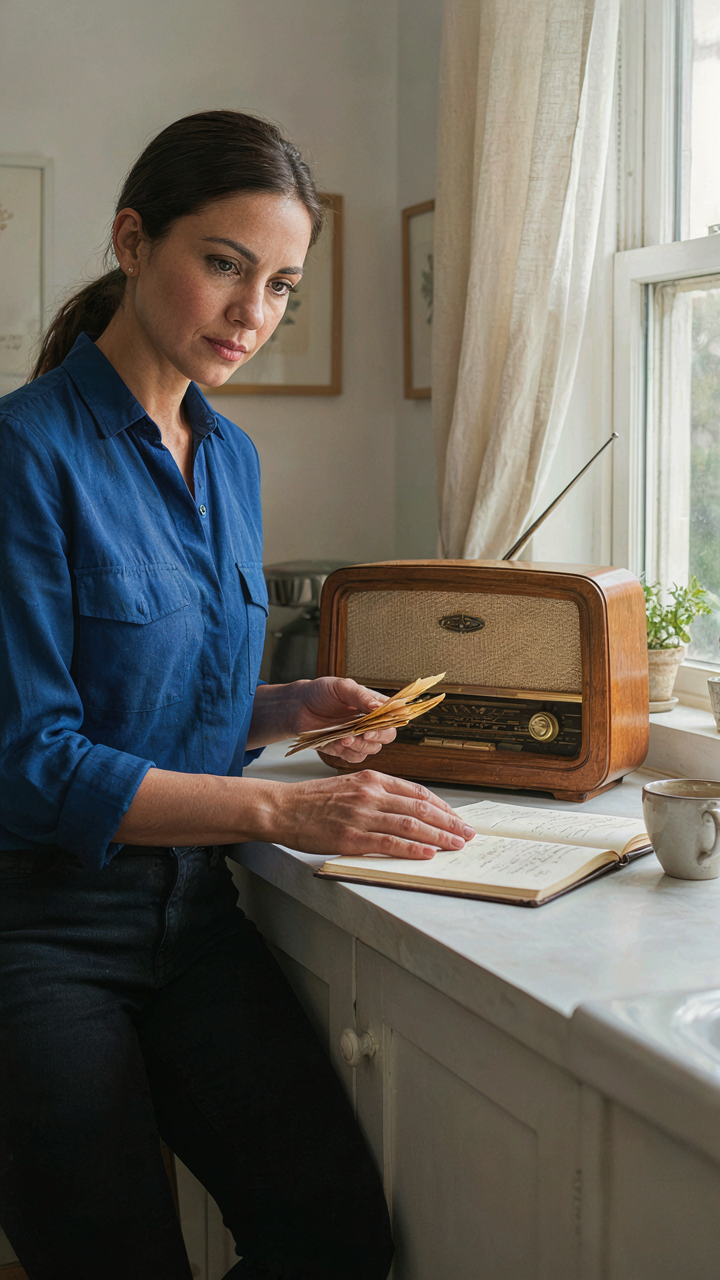
Ownership Chain And Location History
You want provenance because it’s the only thing separating a $40 radio from a $400 one, and you know it. Here’s the mechanism: radios with documented ownership chains command premiums because they’ve survived the culling process that destroys most old electronics. Every owner who kept it instead of throwing it away selected for rarity and condition. A radio that belonged to a radio engineer, a broadcaster, or a collector gets valued higher because those people maintained equipment with purpose. Find original documentation. Search for sales receipts, letters, original packaging, or repair logs. Contact radio clubs and historical societies in the region where the radio lived. Estate sale records sometimes list provenance details. Ask the seller directly where they acquired it and who owned it before. Build backward from the current owner to the manufacture date if possible.

Documentation transforms a radio from anonymous to traceable, which shifts buyer psychology from speculation to confidence. A Zenith console radio with a family’s ownership history typed on a note card from 1952 onward changes the story. Collectors pay for narrative continuity, not just the object. Previous locations matter only if they carry historical weight. A radio that sat in a small-town pharmacy versus one that belonged to a radio station tells different stories to different buyers. The geographic anchor matters less than the functional context. Secure what you can verify, photograph everything, and date the provenance materials clearly.
Historical Significance And Market Movement
Think of this through the lens of economics: a radio’s value compounds based on its scarcity multiplied by its cultural position. A 1920s Crosley Bandbox carries historical weight because Crosley pioneered affordable mass-market radio. A 1940s Philco with solid mahogany cabinet sits higher than an identical model with veneer because 1940s collectors value material authenticity. But most people confuse “old” with “historically significant.” A radio’s era alone doesn’t justify higher pricing. What moves the needle is the intersection of rarity, functionality, and cultural moment. A 1930s RCA Victor with an art deco cabinet that survived cosmetically intact commands more than a restored version because restoration destroys historical integrity. The radio market rewards original condition over aesthetic perfection, which is backwards from furniture collecting.
Historical significance anchors to specific design movements, not decades. Radios from the art deco period (roughly 1920s-1930s) hold their value because that design language remains visually desirable. Tube radios from the transistor revolution (1950s-1960s) represent a technological inflection point, which appeals to electronics historians. A radio that appears in period advertising or shows up in a museum catalog gains documented cultural relevance. The rarest radios are prototypes, limited production runs, and models made for specific markets or retailers. Verify significance through radio collector databases, auction house archives, and published radio history books before claiming historical weight justifies premium pricing.
Unmasking The Market: Real World Demand For Antique Radios

Where Prices Actually Form
You’re checking eBay because you want proof your radio is worth something. Here’s the mechanism: price discovery happens where friction is lowest, and eBay sold listings show what people actually paid, not what sellers hoped for. Economics calls this price equilibration, and antique radios follow it exactly. A 1930s cathedral radio that listed for $800 but sold for $180 tells you the market demand faster than any estimate guide.

Sold listings matter infinitely more than asking prices. Filter by completed auctions over the past 90 days to see real movement. Look at condition descriptions, shipping costs, and final hammer prices. A working radio in original condition commands 3 to 5 times what a “parts only” unit moves for. Specialized auction houses like Worthpoint track high-end pieces, but the median collector price lives on eBay where volume creates honest signals.
Collector Networks Where Taste Shapes Value
The real market isn’t democratic. Specific collector communities prize certain brands and eras while ignoring others completely, and their consensus rewires demand. A Philco tabletop radio from 1936 sells briskly in vintage electronics forums because that community values Art Deco industrial design. The same era Crosley in generic condition sits for months. This isn’t about the radio, it’s about cultural alignment within a specific tribe.
Radio clubs and online collector forums like the Antique Radio Forum operate as micro markets with their own hierarchies. Zenith, RCA, and Philco dominate desirability among serious collectors, while lesser-known manufacturers struggle for buyers at any price. To find real demand, join these communities, observe what gets discussed, what gets sold locally, and what gets passed over repeatedly. Then price accordingly instead of guessing based on the radio’s age alone.
The “1920s Radio” Illusion: Not All Old Is Gold
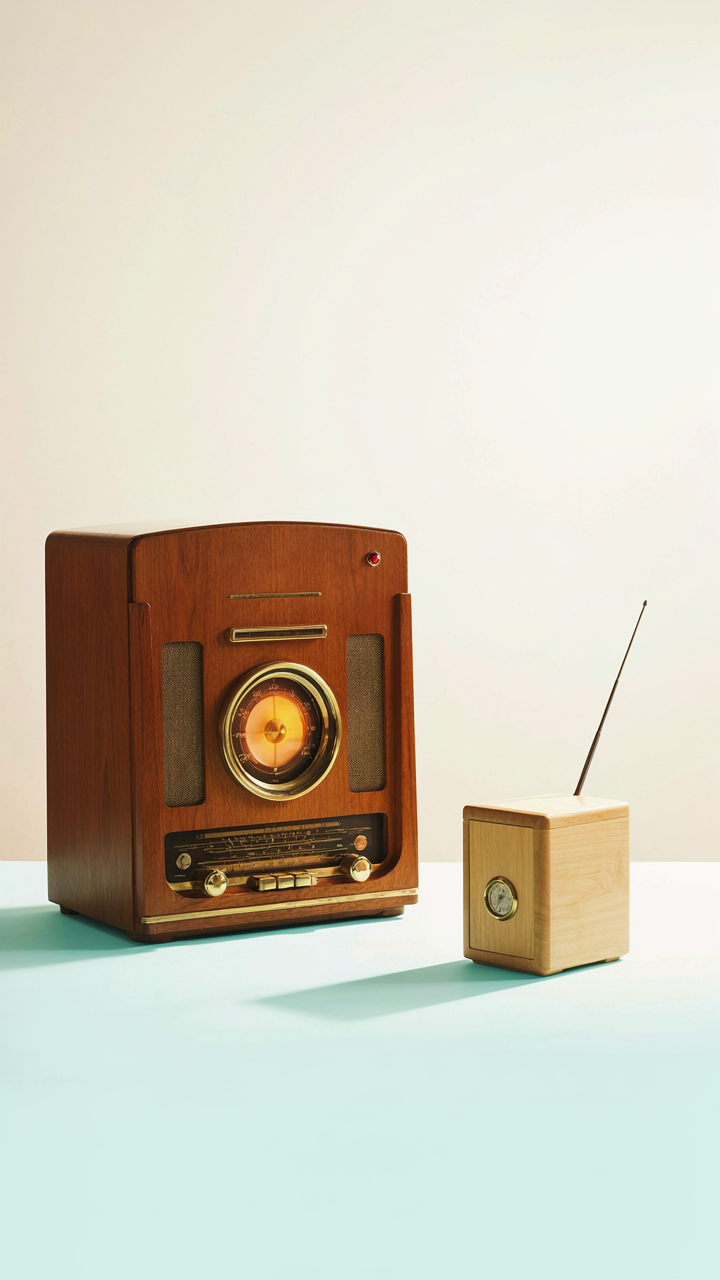
When Production Numbers Determine Price, Not Age
You want that dusty radio to be rare and valuable, but rarity is what actually matters, not how long it’s been sitting in an attic. Economics teaches us about supply and demand, and antique radios obey this ruthlessly. A 1920s Crosley or Atwater Kent model that sold 50,000 units is worth less than a 1930s radio made in runs of 500, period.

Mass-produced models flooded the market because manufacturers competed on volume. Philco, RCA, and Zenith built radios as commodity products. Limited-run sets, regional manufacturers, and experimental models created scarcity that collectors actually pay for. Check production estimates against auction results and dealer catalogs. A set’s age means nothing if ten thousand examples still exist.
The Tube Obsolescence Trap
Technological progress kills radio value faster than most collectors admit. As tube quality improved and shortwave became standard in the late 1930s, earlier models became functionally dated. A radio that works is worth more than a dead one, but a working 1922 crystal set cannot compete with a functioning 1938 console receiver at auction.
Battery-powered sets lost value once AC tube radios dominated homes. Regenerative circuits gave way to superheterodyne designs that made earlier receivers sound inferior and perform worse. Check the schematic type and tube complement before assuming age equals collector demand. Functional obsolescence is a mechanism that works backward on value.
Restoration Roulette: When To Fix And When To Sell As Is
The Math Behind Your Gut Feeling
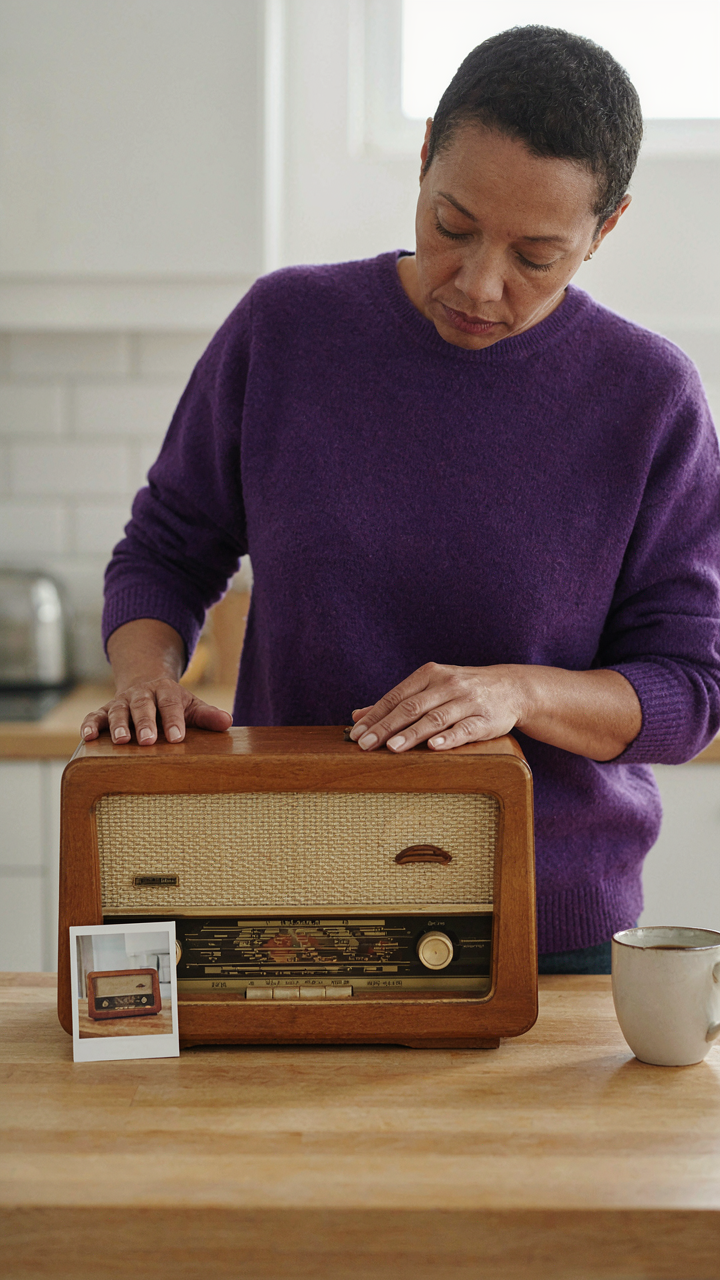
You want to restore because you believe it increases value. That’s the hidden motive. But restoration is an economic problem disguised as a preservation problem. You’re spending labor and parts on an asset that depreciates regardless. The mechanism is simple: restoration costs climb faster than market price climbs. A radio worth 400 dollars today costs 600 dollars to restore properly. You’ve just created negative equity before you list it.

Most restoration decisions fail because owners estimate labor at zero. They assume their time is free. It isn’t. A tube radio needing capacitor replacement, speaker repair, and chassis cleaning takes 15 to 25 hours for someone competent. At any billable rate above 25 dollars per hour, you’ve already exceeded what a collector will pay for the finished piece. Sell it as-is to someone who enjoys the project, or restore only models with documented scarcity and proven collector demand.
Gaming The Room Versus Honoring The Timeline
The “gaming decor” trap is real, and it wrecks value. You refinish a 1940s Philco cabinet in modern stain, rewire with new insulation, and add LED backlighting because it looks sharp on Instagram. You’ve destroyed historical authenticity for current aesthetic appeal. The buyers with actual money want period-correct radios, not retrofitted approximations. Collectors recognize what was original in 1942 and what you added last month.
- Tube Configuration: Preserve original tube count and type. Substituting modern equivalents or reducing tubes for “efficiency” breaks historical accuracy and signals amateur work to serious buyers.
- Capacitor Replacement: Use period-appropriate materials when possible. Modern film capacitors function better but look wrong inside the chassis to trained eyes examining restoration quality.
- Speaker Cones: Match original paper composition and cone shape. Modern foam or synthetic materials last longer but contradict the radio’s original engineering and sound character.
- Cabinet Finish: Strip and refinish only to match documented original finishes. Walnut, mahogany, or bakelite require different techniques. Wrong finish choice costs 200 to 400 dollars in perceived value loss.
- Dial Restoration: Replace cracked dial glass or reprint faded dial faces using period typefaces and inks. Modern printing methods leave artifacts that betray non-original work to collectors.
The path forward is documentation. Photograph the radio before you touch it. Note what was original, what was previously modified, and what you intend to repair versus replace. Buyers of high-value radios pay premiums for radios with known histories. Radios restored to period specifications command 15 to 30 percent higher prices than modernized versions. Document everything in writing with photos, then list the restoration approach upfront.
The “Old Radios” Delusion: What Experts Actually Seek
Originality Beats Age Every Time
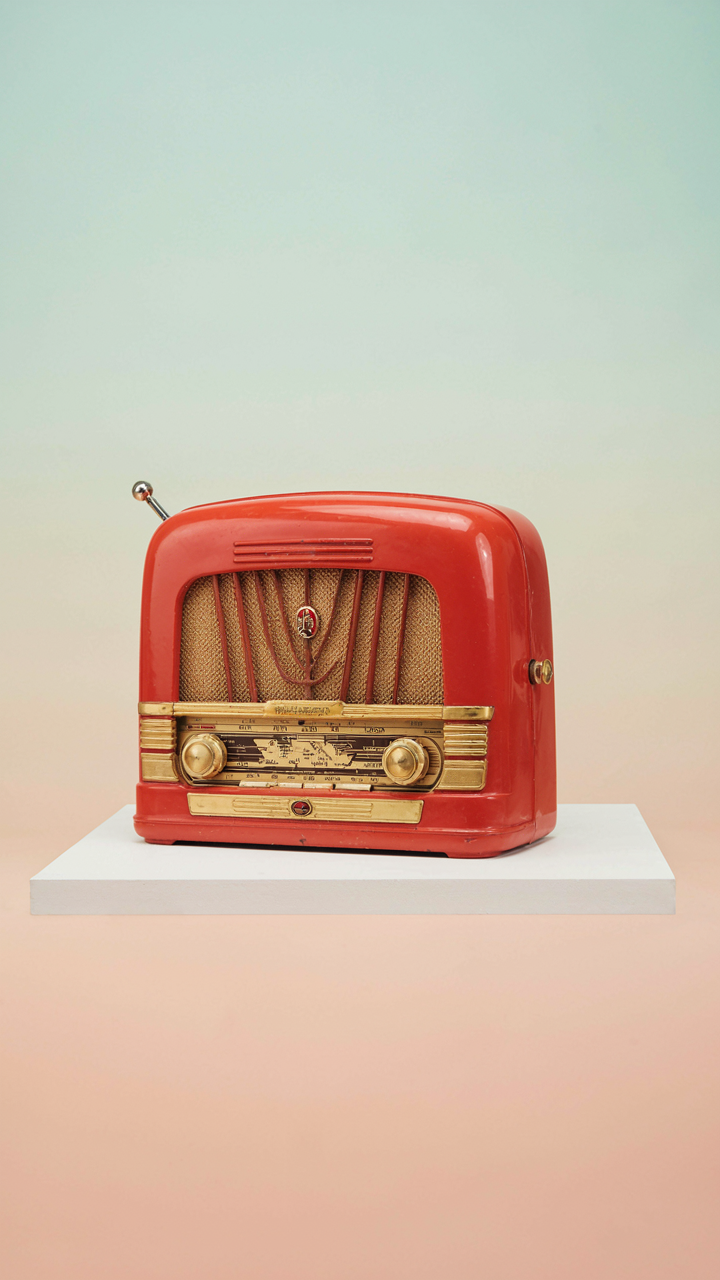
You want to believe your grandmother’s radio is worth money because it’s old. That’s not how this works. Originality drives antique radio value, not age alone. A 1920s set with replaced components, rewired internals, or mismatched tubes sells for a fraction of an identical model in original condition. Collectors use restoration ecology’s concept of “baseline integrity”—the closer a radio stays to factory specification, the higher its market position. Original tubes, original capacitors, original transformers, original paint, original decals. Each deviation compounds downward.

The mechanic is simple: an original radio proves unbroken chain of authenticity. You can verify manufacture date, original materials, and design intent. A restored radio becomes a guessing game. Did the restorer source correct-era components? Did they match the original circuit topology? Did they preserve factory calibration marks? Buyers hedge their bets on originals. Before you touch anything, photograph every serial number, component marking, and tube code. Document what you have, then decide whether restoration destroys more value than it creates.
What Collectors Actually Hunt For
This is where most sellers miss the real signal. Scarcity matters less than you think. Demand matters more. A common 1950s transistor radio in perfect original condition outsells a rare 1930s tube set with a cracked cabinet and missing knobs because the 1950s radio has an active buyer base. Collectors specialize by era, brand, or design movement. Philco enthusiasts ignore Zenith. Art deco purists ignore streamline moderne. Radio history divides by technology transition points: crystal sets, tube eras by wattage class, early transistor, and solid-state integration. Your radio’s value sits at the intersection of scarcity within its category and collector density in that category.
Check completed sales on specialist auction platforms, not generalist sites. Look for radios matching your model’s exact production year and cabinet material. Note the final bid, not the asking price. If five identical units sold in the last two years between 150 and 280 dollars, your radio slots there. If you find none, your radio either has no collector base or occupies a niche deep enough that one sale might not happen for years. That distinction determines whether you restore, list locally, or donate. Don’t estimate value based on age alone. Cross-reference actual transaction data in your radio’s specific category.
The Arbitrage Opportunity: Finding Value In The Undervalued
Where Markets Misprice Information
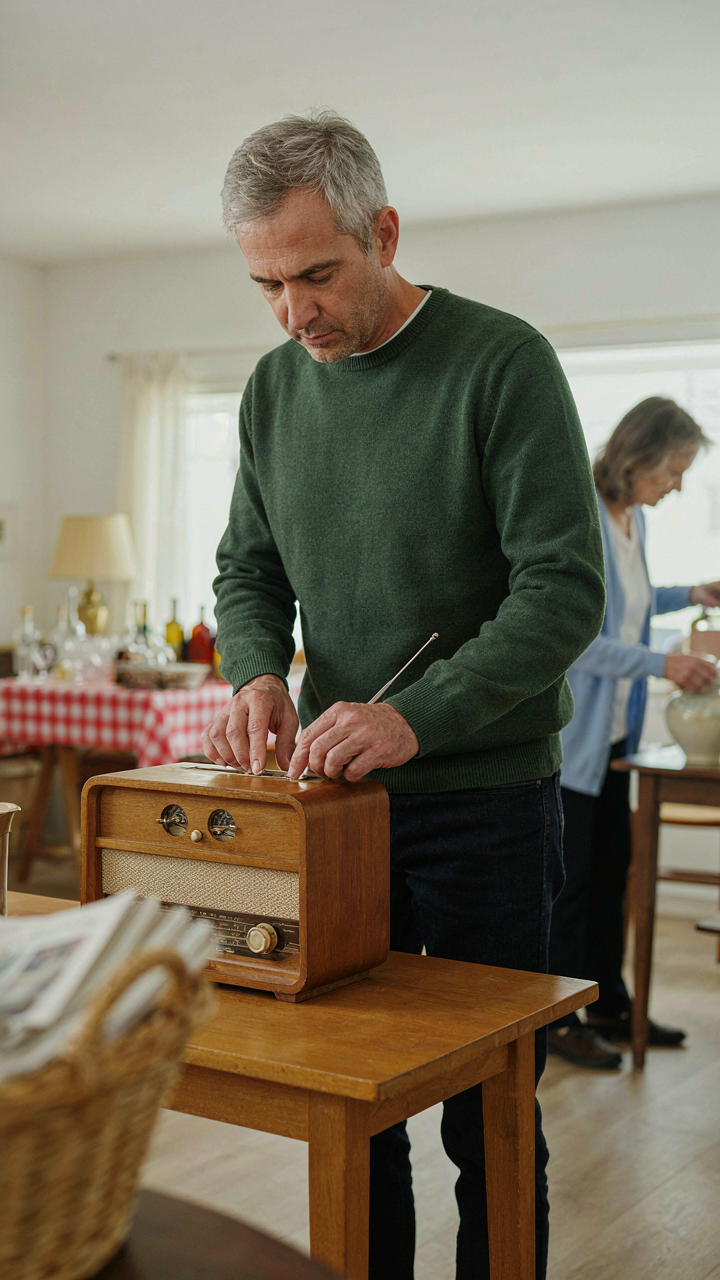
You want to feel smart about spotting something everyone else missed. That’s not wrong, but it’s not the mechanism either. Market inefficiencies in antique radios exist because most sellers and buyers operate on incomplete data, not intuition. Economics calls this information asymmetry, and in vintage radio markets it manifests as a gap between what a radio actually sells for and what it should based on its rarity, condition, and historical significance. A table radio from the 1930s with original paint and working tubes might fetch fifty dollars at an estate sale, then resell for three hundred on a specialized platform where the right buyer exists. The gap isn’t luck. It’s friction between where inventory sits and where buyers who know the actual value can reach it.

The mechanism is simple: most radios move through generalist channels—local auctions, Facebook Marketplace, broad eBay categories—where a Philco cathedral model competes visually with every other “vintage radio” listing. Specialized vintage radio communities, dedicated collector forums, and period-specific auction houses have buyers with real knowledge of production runs, variant models, and restoration costs. A radio underpriced in a general market stays underpriced until someone with domain knowledge extracts it and moves it to the right channel. Your job is becoming that intermediary layer between lazy liquidity and informed demand.
Concentrating Capital On Model Specific Bets
Portfolio theory teaches diversification to reduce unsystematic risk, but in antique radio acquisition, the opposite move often wins. Betting small across twenty random radios guarantees mediocre returns. Betting heavy on deep research into one specific model line—say, early Zenith console radios from 1933 to 1936—concentrates your capital where you can actually develop an edge. You learn production volumes, identify which cabinet finishes were rarer, spot which models were manufactured for specific regional markets. That specificity is your actual asset.
The radios that appreciate are the ones where you’ve done the work that most collectors haven’t. A wood-cased RCA Radiola from the mid-1920s with original cloth covering and intact tube complement will command premium pricing only if you can document its production year and explain why that year matters to the buyer. Start with one manufacturer or one style. Research patent dates, catalog archives, and production timelines until you understand the vertical of that specific segment better than casual buyers do. Then you buy with conviction, not hope. Your concentration becomes a moat.
The Futility Of Nostalgia: Why Your Sentimental Value Is Worthless To Buyers
Personal Connection Clouds Market Reality
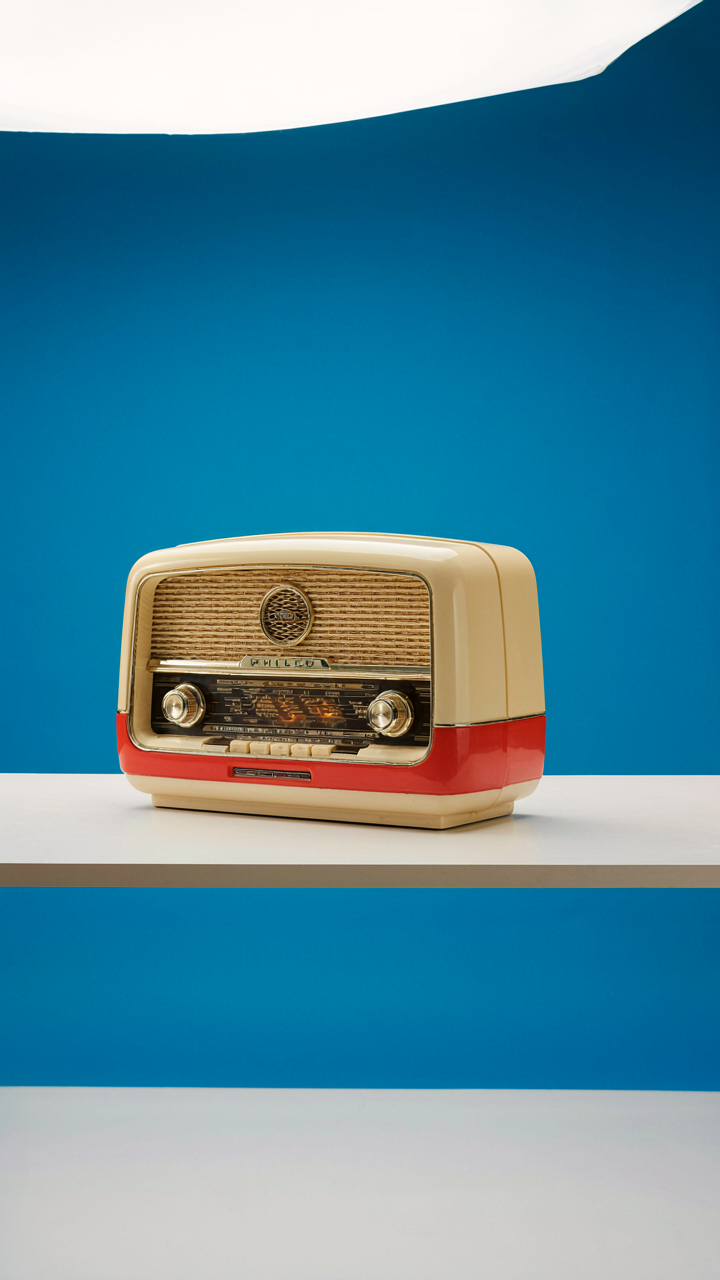
You’re hoping the radio means something because you inherited it, and that story should matter to someone else’s wallet. It won’t. The gap between what you feel and what a buyer pays is where most sellers get blindsided. A 1950s Philco represents design history to collectors, raw materials and scarcity to dealers, and a dusty box to everyone else. Your memory of listening to it with your grandmother has zero resale mechanism.
The mechanism at work here borrows from economics: price reflects supply meeting actual demand, not emotional attachment. Your radio’s value lives in its chassis condition, tube integrity, case material, and whether serious collectors actively hunt that specific model. Nostalgia is inventory cost, not inventory value. Strip the sentiment and look at what remains: a functional object, a design artifact, or parts. Only one of those sells.
What Buyers Actually Track
Forget the narrative you built around the radio. Collectors chase specific criteria: original tube complement, presence of all capacitors, intact dial graphics, working transformers, and model rarity within their niche. A buyer doesn’t care that your uncle repaired radios professionally unless that repair proves the set actually works and improved its condition. They care whether the previous owner’s competence increased utility, not whether sentiment was involved.
The real buyer motivation is completeness and functionality within known design boundaries. A working RCA tube radio from 1938 with original tubes and no modifications has resale velocity because dealers and collectors have price history for it. A sentimental story about finding it in an attic adds friction to the sale process. Lead with specifications: tube count, case material, original or reproduction dial, schematic availability, and whether it powers on. That’s what moves the asking price.
Your Fear Of Missing Out Is The Most Expensive Restoration You’ll Ever Undertake
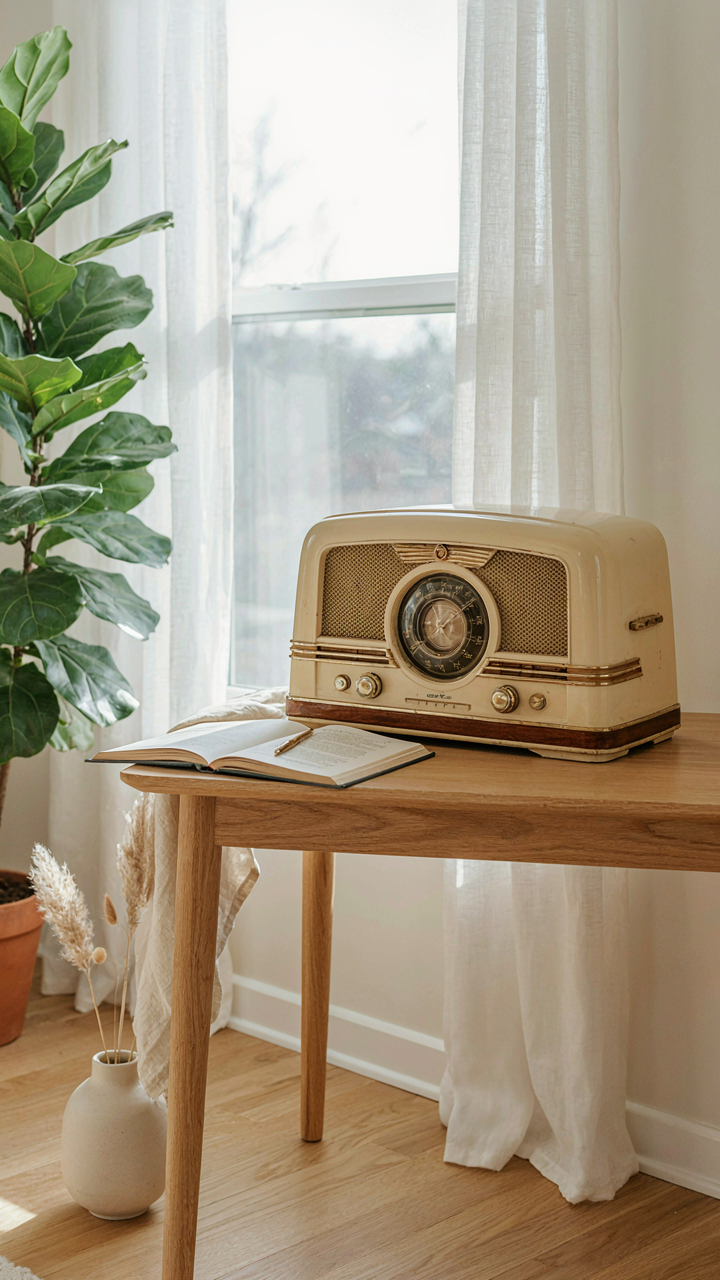
You’ll spend more money chasing a radio you think you should own than you’ll ever recover selling it. The market doesn’t reward panic. It rewards patience and specificity. Stop scrolling listings at midnight looking for “the one.” Pick three radios you actually understand. Research their real sale history. Then wait. The right piece at the right price arrives when you’re not desperate. Desperation is the tax you pay for not doing the work upfront. Move slow or move your money elsewhere.