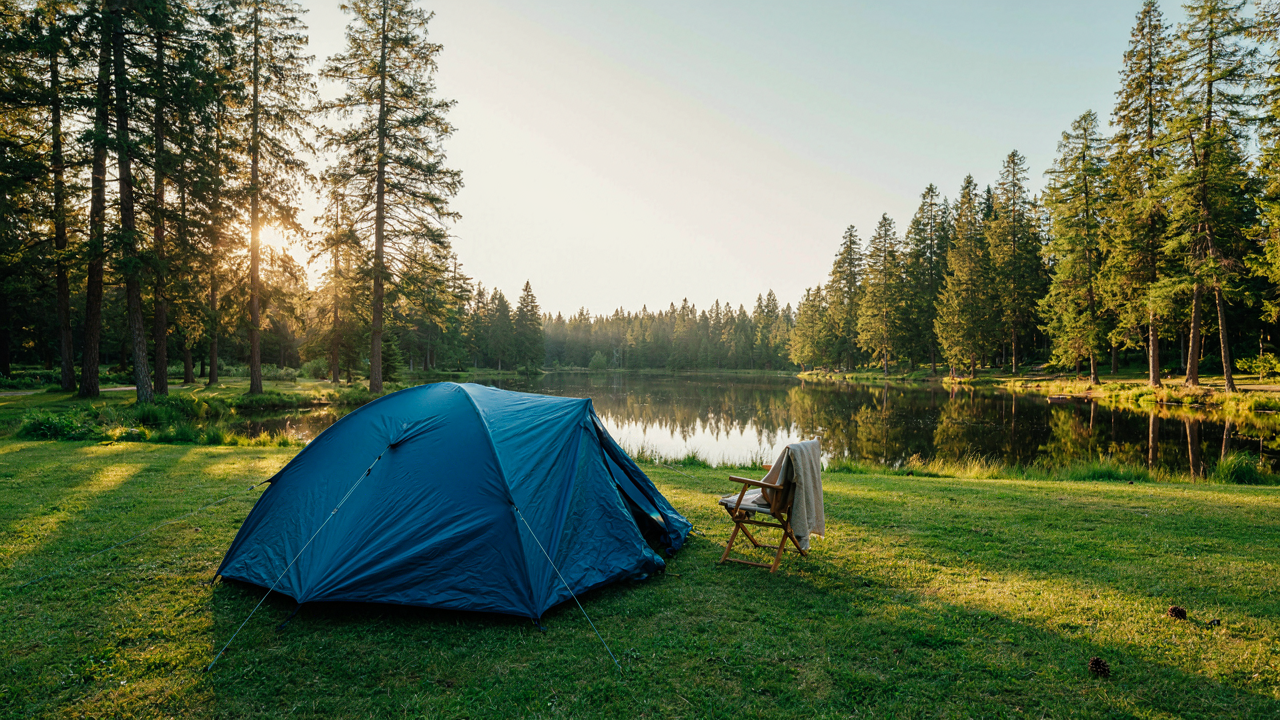
The Illusion Of The Perfect First Time Camping Checklist

Generic Lists Create Decision Paralysis Instead Of Readiness
You want the checklist because you’re afraid of looking unprepared. That fear is the real problem here, not the missing items. Every generic camping list you find online treats all trips the same, which means it treats your trip like nobody’s trip. You end up buying gear you’ll never use and still forget what actually matters because the signal got buried in noise.
The mechanism is simple: abundance of options triggers paralysis. Your brain can’t prioritize when everything gets equal weight. A 50-item list doesn’t make you safer or more prepared. It makes you freeze at the gear store, second-guess yourself at the trailhead, and pack things that add weight without adding value. The lists work for the person writing them, not for you.
Your Specific Trip Is The Only Input That Matters
Camping in established campgrounds differs entirely from backcountry trips, which differ from car camping in cold weather. Borrowing from systems design, your constraints are like load-bearing walls: they determine what structure works. A three-season tent matters for alpine trips but creates weight penalties in summer car camping where a cheaper two-season option handles the environment fine. Your checklist isn’t universal because your trip isn’t universal.
Start with these variables: location, season, duration, distance from your car, and whether you need to carry everything on your back. A beach camping trip needs different water management than mountain camping. Winter trips require insulation knowledge that summer trips ignore completely. Once you map these actual constraints, you cut your list by half and stop buying gear designed for scenarios you’ll never face. This filter is your protocol before you write down a single item.
Minimalist Camp List: The “Less Is More” Mandate

The True Cost Of Gear You Don’t Need
You want to feel prepared. That’s why you’re eyeing a 47-piece camping kit instead of asking what actually keeps you alive in the woods. Unnecessary gear costs money, adds weight, and creates decision fatigue when you’re tired and cold. Economics calls this “dead weight”—resources consumed that produce zero output. In camping, dead weight is literal: every ounce you carry reduces mobility and increases fatigue. Most first-timers overpack by 40 to 60 percent. You need shelter, fire, water, food, and light. Everything else is negotiable until you camp 10 times and actually know what friction points exist in your routine.
The mechanism is simple: constraint forces clarity. When you have three options, you waste mental energy. When you have one proven option, you execute. Start with a base kit under 20 pounds. Add only what solves a specific problem from your last trip. The gear you buy today based on fear becomes the gear you resent carrying tomorrow. Your first camping trip teaches you what you need. Your second trip confirms it. Your third trip is when you start optimizing.
Multi Functional Items Beat Specialty Gear
Forget the single-use tool. A bandana handles wound care, water filtering, sweat control, and pack organization without taking up real space. This is systems thinking applied to logistics: design for maximum output per input. The knife replaces three tools. The rope replaces four. The tarp becomes shelter, ground cover, or wind break depending on how you rig it. Most beginners buy one thing per problem instead of one thing per ten problems.
The cost difference is stark. Specialty gear is cheap individually but accumulates fast. A multi-tool runs 25 to 40 dollars and handles cutting, opening, and adjusting. A sleeping bag is a sleeping bag, but a merino wool base layer works for camp, hiking, and sleeping in cold conditions. Start by listing your 15 essential functions on a trip: shelter, sleep, warmth, light, water, fire, food, navigation, first aid, repair, clothing, hygiene, waste, pack carry, and site comfort. Then build a kit where each item covers at least two functions. When you can’t reduce further without losing capability, you’re done.
Smart Gear, Smarter Decisions: Beyond The Gadget Hype

The Problem Tech Actually Solves
You want the gear to prove you’re prepared. That’s the trap. Most first-time campers buy devices that sound smart instead of tools that work. The mechanism is simple: anxiety gets channeled into purchases, not competence. A GPS watch doesn’t teach you to read terrain. A heated blanket doesn’t teach you to build a fire. You end up with dead batteries and no backup plan because the device promised to handle it.

Real camping problems are mechanical, not digital. Your tent leaks because the rain fly doesn’t extend far enough or you pitched on a slope. Your food attracts bears because you didn’t hang it properly. Your sleeping bag fails because you chose the wrong temperature rating for the season. Tech solves none of these. Start with the manual skill. Add tech only when the skill becomes reliable and the device solves something you cannot do alone.
Skills That Devices Cannot Replace
Manual competence is not nostalgia. It’s redundancy. In survival contexts, redundancy means living. A headlamp fails, but you know how to use the moon and understand why you don’t stare at a light source before entering darkness. A water filter breaks, but you know how to boil, where to source water, and what animal signs mean the source is compromised. These are not optional enhancements. These are the foundation.
The mistake in common gear lists is treating manual skills as backstops instead of primaries. They should be reversed. Learn to navigate by map and compass first. Then use GPS as verification, not replacement. Learn to cook on a camp stove with one match. Then bring backup fuel and lighters as insurance. The sequence matters because it determines what you do when the device fails, not if it fails.
The “Adaptive Systems” Protocol For First Camping Trip Packing Lists

Setup Loops That Actually Correct Themselves
You want a packing list that won’t fail you because you’re terrified of looking incompetent in front of people or wasting money on gear that sits unused. The real mechanism is borrowed from cybernetics: a feedback loop. Your first camp setup won’t be perfect, and trying to predict every variable beforehand is a waste of energy. Instead, pack gear that lets you adjust in real time. A headlamp with adjustable brightness beats a fixed flashlight. A sleeping pad you can fold or extend beats one rigid design. The goal is catching problems while you’re still on-site, not discovering them after you’re home.
This means your packing list needs deliberate redundancy in adjustable gear, not backup items. Bring paracord instead of a single fixed-length rope. Bring a multi-tool instead of five specific tools. Each of these creates a feedback loop: you use it, you learn what works, you adjust the next trip. Your first camping checklist isn’t about completeness. It’s about packing variables, not constants. The mechanism: test one system, observe the result, modify the next iteration. That’s how you actually learn what you need.
Conditions You Cannot Predict Become Your Advantage
Antifragility from systems theory says some things benefit from stress and disorder rather than suffering from them. Your packing list can work the same way. You’ll encounter weather you didn’t forecast, terrain rougher than expected, or sleeping patterns that shift. Generic advice says “pack for worst case.” That’s lazy. Instead, pack gear that improves with unexpected conditions rather than failing under them. A tarp works in rain, wind, or full sun. A sleeping quilt adapts to temperature swings better than a fixed-temperature bag. Wool clothing performs in wet and dry conditions alike.
The mechanism is choosing multipurpose gear over single-use items. A lightweight cookset works for boiling water, heating meals, or even as a wash basin. A sturdy backpack handles overloaded weight or awkward shapes without breaking down. When conditions surprise you, these tools don’t just survive. They perform better. Your first trip will expose which items actually scale with demand and which collapse. Pack only those that do.
Mastering Tent Camping Essentials: Shelter As Strategy

Where You Pitch Determines Everything
You want to believe gear matters most because it’s easier to buy your way out of a mistake than to learn how terrain works. Here’s what actually decides if your trip tanks: location. Think of site selection like defensive architecture—the structure protects you only if you’ve positioned it correctly. Wind, water, and temperature gradients don’t care about your tent brand. A $40 tent on high ground with windbreak beats a $400 tent in a drainage basin.
Scout for two non-negotiables before you set stakes. First, terrain that slopes slightly for water runoff—never a flat depression where rain pools. Second, natural barriers on the weather side, whether dense trees, rock formations, or ridge lines. The leeward position isn’t a comfort upgrade. It’s the difference between sleeping dry and waking in a puddle. Most first-timers ignore this because it seems abstract compared to checking a packing list.
Assembling Your Shelter Without Wasted Motion
Setup speed matters because you’re racing daylight and fatigue. Poor assembly technique means fumbling poles, wrestling fabric, and learning by failure when conditions worsen. The mechanism here is simple: understand your tent’s load path before you need it. Poles distribute tension across the fabric shell. Anchor points take downward and outward force. If you don’t know how your specific tent works, you’ll either under-tension it or waste thirty minutes over-correcting.
Practice assembly once at home on flat ground in daylight. Not because you’re paranoid, but because muscle memory eliminates decision-making in the field. When you arrive at camp with one hour of usable light, your hands should already know where every stake goes. Lay out your tent, identify which poles slot into which sleeves, and establish the staking sequence before your first trip. This single protocol step cuts actual setup time from thirty minutes to under ten.
The Unspoken Camping Tips: What Experience Really Teaches
Reading The Ground Before You Settle
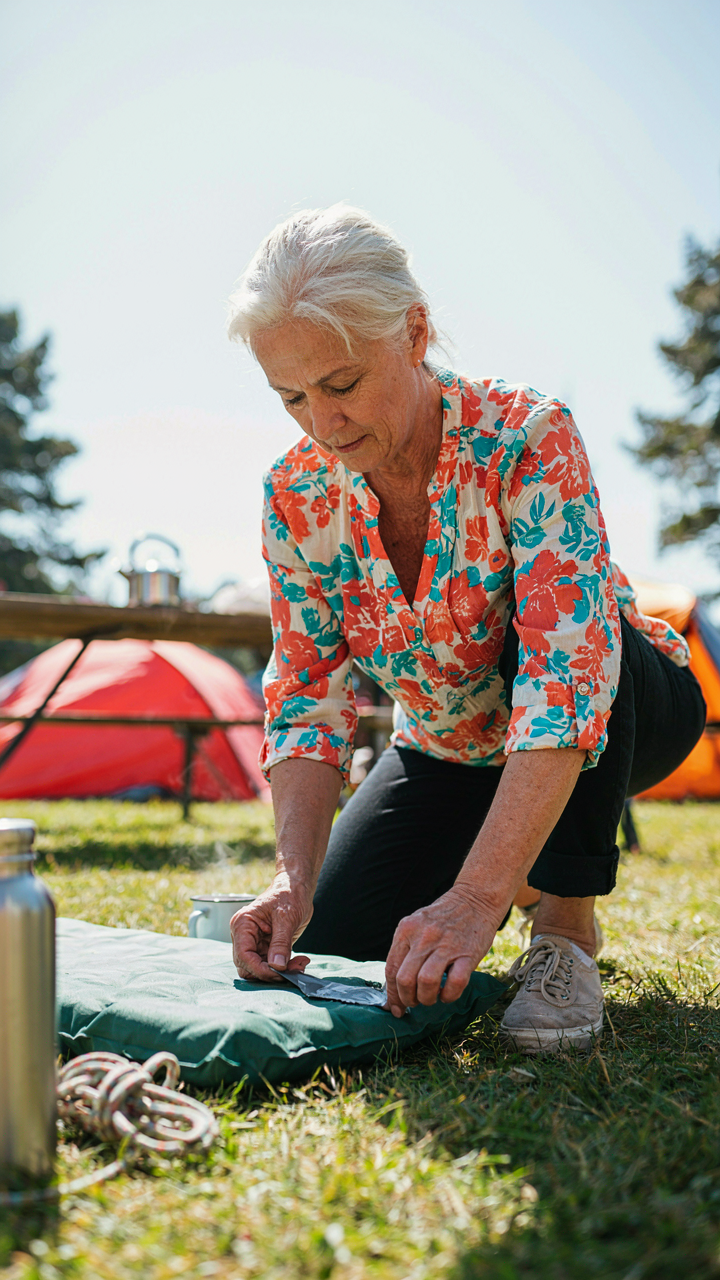
You want to feel competent in the wilderness, like you know what you’re doing. The mechanism that separates prepared campers from unprepared ones isn’t gear knowledge—it’s pattern recognition applied to terrain. Before you drive stakes or unroll your bag, you’re reading the land like an archaeologist reads a dig site: drainage patterns, soil density, wind direction, tree health, animal signs.

Spend fifteen minutes walking the perimeter of your intended campsite before setup. Look for pooling water after rain, dead branches overhead, animal trails, and soil that compacts under foot weight versus soil that stays soft. These observations reveal whether water collects near your tent, whether widow-makers will fall during wind, and whether you’ve chosen ground that will stay dry or turn to mud. Most checklists skip this step because it can’t be packed or purchased.
Solving Problems With What You Have
Generic advice says “bring backup supplies for everything.” That’s wrong. What matters is developing the habit of constraint-based problem-solving in the moment, which is what field engineers call working within material limits. Your first camping trip will present unexpected issues—a stake won’t hold in rocky soil, your sleeping pad leaks, weather shifts.
The protocol is simple: identify the problem in concrete terms (not feelings), list available resources on site and in your pack, then test the lowest-cost solution first. A leaking pad gets duct tape from your repair kit. A stake won’t penetrate rock, so you use a heavier rock to anchor the guyline. You don’t panic and call for rescue. This muscle memory compounds across trips and becomes your actual edge over time.
Survival Of The Prepared: Camping Needs List For Emergencies

The First Aid Kit You’ll Actually Use
You want this section because you’re afraid you’ll panic if something goes wrong. The mechanism is simple: panic happens when you don’t know what to do next. A first aid kit isn’t insurance—it’s a decision tree you’ve already made before the moment arrives. Most people pack bandages and call it done. That’s incomplete. A functional kit solves the problems that actually happen on camping trips: blisters that prevent walking, minor cuts that get infected in humidity, sprains that kill your trip, and pain that ruins sleep. Build it around injury probability, not pharmaceutical completeness.
- Blister treatment: Moleskin or blister pads prevent worse damage than bandages alone. Blisters end camping trips faster than almost any other injury because they compound with every step.
- Antibiotic ointment: Cuts get dirty. Dirt becomes infection. A small tube of bacitracin stops this chain reaction before it starts in outdoor conditions.
- Pain relief: Ibuprofen handles inflammation from sprains and overuse. Pack more than you think you need—it doubles as a sleep aid on uncomfortable nights.
- Adhesive bandages and gauze: Different wounds need different coverage. Include both for flexibility, not just one or the other.
- Elastic wrap or tape: Supports ankles and knees without immobilizing them completely. Lets you limp out if needed instead of sitting stuck.

The kit lives in a waterproof container in your pack, not buried. You need to find it in poor light without searching. Check it before every trip—medications degrade, bandages deteriorate in humidity, and half-empty containers waste space. The real value isn’t the contents. The real value is knowing exactly what you have and where it is.
Navigate Out Without Help
Signaling and self rescue operate on the same principle as military communication: redundancy. If one system fails, the others work. Most first timers assume their phone will save them. Phones die, lose signal, or get dropped into rivers. You need independent systems that work when everything else fails. This means you carry tools that don’t require batteries, networks, or luck.
A whistle travels farther than your voice and requires no battery. Three short blasts is the universal distress signal. A headlamp with extra batteries lets rescuers see you at night and you see the trail. A map and compass work offline—load them before the trip starts, study them beforehand, and know your approximate location at all times. If you need to move under your own power, these tools get you out. If someone needs to find you, they amplify your presence. The protocol is simple: before you leave camp on any hike, tell someone exactly where you’re going and when you’ll return. If you don’t check in by that time, they call for help. That accountability system prevents most rescue situations entirely.
Beyond Gear: Your Mental First Time Camping Checklist

Know Your Surroundings Before You Need To
You want this section because you’re afraid of looking incompetent in front of people who camp regularly. The real mechanism is simple: situational awareness isn’t about paranoia—it’s about reducing decision-making load when something actually goes wrong. The more you know about your environment before darkness falls, the fewer variables you process in a crisis moment.

Spend your first hour at the campsite mapping the terrain. Walk the perimeter. Identify water sources, the nearest exit, where the sun sets relative to your tent, and which direction the wind pushes smoke. Note uneven ground, low branches, and dead wood overhead. This isn’t busywork. Your brain builds a spatial model that runs on autopilot, freeing your conscious attention for actual problems instead of navigation.
Discomfort Is Information, Not Failure
Generic camping advice tells you to “embrace the experience” and “disconnect from comfort.” That’s incomplete. Discomfort that teaches you something—cold that shows you your sleeping bag rating was wrong, or ground hardness that reveals why camp padding matters—is useful feedback. Discomfort that’s just preventable suffering is waste.
Set a clear distinction before you go: some discomfort you’ll tolerate to learn. Some you’ll solve with better gear or technique next time. The protocol is simple. When something bothers you, write it down immediately. Not as complaint, but as data. What caused it? What would fix it? Then decide if it’s a gap in your checklist or just the price of being outdoors. This turns a rough night into a system you improve, not a reason to quit.
The Post Trip Debrief: Refining Your Camping Packing List
What Actually Worked In The Field
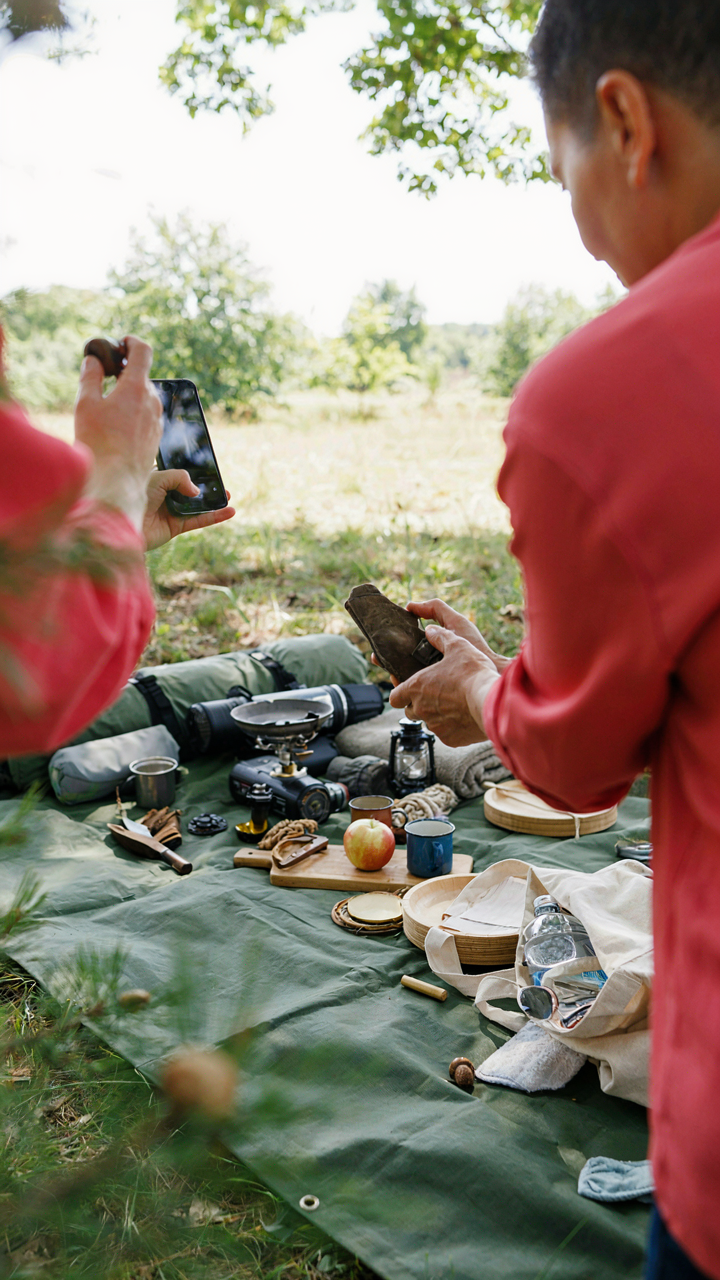
You want to feel like you made the right choices. Here’s the real mechanism: your brain will rationalize whatever you brought, so you need a system that separates what you used from what you merely carried. Take photos of your gear setup before you pack it away. The next morning, while the trip is fresh, mark what you actually touched versus what stayed in your pack untouched. This isn’t about guilt. It’s data collection.
Now audit the gear that worked. Did your sleeping bag keep you warm at the actual temperature you experienced? Did your tent stakes hold in the soil type you found? Did your cooking setup actually let you prepare food efficiently, or did you eat granola bars instead? Most people skip this because they’re already mentally done with the trip. That avoidance costs you money on the next one.
Building Your Next List From Evidence
Common advice says to ask yourself what you’d do differently. Wrong. You’ll forget half of it by next week, and your memory will distort what mattered. Instead, create a simple spreadsheet with three columns: item name, used/unused, and notes. Rate each item as essential, useful, or dead weight. Items rated dead weight get eliminated immediately. Useful items get flagged for potential downgrades to lighter or cheaper versions. Essential items become your anchor gear.
The mechanism here is constraint-based iteration, borrowed from engineering: each trip teaches you which variables matter most under specific conditions. Temperature, weather, terrain, and trip duration all change your actual needs. Build a checklist template based on trip type, not one generic list for all camping. A three-season backpacking trip requires different gear than car camping in summer. Update your template after every trip by moving items between columns based on real performance, not assumptions.
The Continuous Improvement Camping List Packing Cycle
Your Gear Evolves Or Your Trips Stay Mediocre
You want permission to buy more stuff. That’s the real driver here. But the mechanism is simpler: every camping trip generates data about what actually works versus what looked good in a review. Like iteration in product development, each expedition is a test cycle that reveals friction points your planning phase couldn’t predict. You pack based on theory. Reality corrects you.
The first trip proves you wrong on at least three items. You bring redundant gear, underestimate weight distribution, or discover that something you bought performs differently in actual conditions than in controlled settings. The novice stops there and blames the gear. The person who improves camps again, notes what failed, and adjusts the list. This is the only way your checklist becomes personal and effective instead of generic.
Failure Data Beats Success Stories
Everyone celebrates what went right on a trip. Nobody writes down why the headlamp died early or the sleeping pad compressed faster than expected or the cooking setup wasted time. But those failures are the only signals worth tracking. Success stories teach you nothing because conditions change and so do your needs. One good campout tells you what worked that specific weekend. Ten bad experiences teach you what won’t work anywhere.
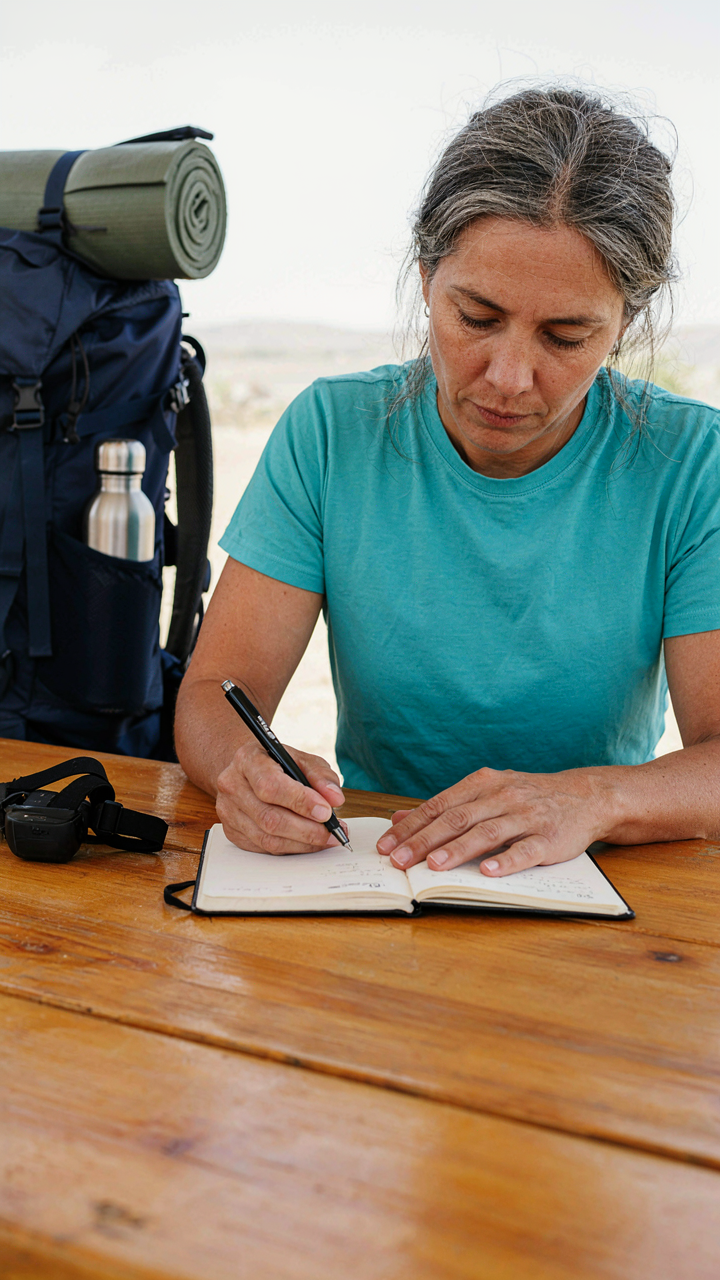
Create a simple post-trip log. Not a journal. A list. What broke, what slowed you down, what you didn’t use at all, what you wished you had. After three trips, patterns emerge. You’ll see that you consistently overpack cooking equipment or that your water system fails in cold weather or that you chose the wrong tent for wind exposure. This data becomes your next checklist iteration. The mechanism is ruthless: collect the problems, eliminate them one cycle at a time.
The Real Obstacle Isn’t What You Pack, But Your Belief In Rigid Plans Over Adaptable Intelligence

Most people fail at camping because they treat the checklist like scripture instead of a starting point. You don’t need perfect gear. You need permission to figure things out. Stop waiting for the ideal conditions or complete setup. Pick a date this month, grab what you have, and go. The only skill that matters is the one you build by actually being outside. Your first trip teaches you more than any article ever will.