The Circadian Reset Protocol: Beyond Melatonin

Manipulate Light Before You Leave
You want to land looking functional because you care what people think of you. But here’s what actually matters: your circadian rhythm is a biological oscillator, and light is the only input that truly resets it. Melatonin is noise compared to what light exposure does. Three to five days before your flight, start shifting your light environment deliberately. Morning light if you’re flying east. Evening light if you’re flying west. This primes your internal clock before the flight even begins.
The mechanism is simple. Your suprachiasmatic nucleus responds to light intensity and wavelength, not to the time on your watch. Bright light between 2,000 and 10,000 lux suppresses melatonin and signals “day” to your body. You can’t fake this with supplements. A two-hour walk in direct sunlight beats any pill. Time this exposure backward from your landing time, not from your departure. If you land in a city at 8 AM, you need your body primed to be alert then. Adjust your light schedule three to five days prior to anchor that rhythm shift before you board.
Fast To Recalibrate Your Clock
Fasting is the second input your circadian rhythm respects. Food timing signals the body more powerfully than most travelers realize. Your digestive system has its own clock, separate from your brain’s, and meal timing synchronizes both. Stop eating solid food eight to twelve hours before your flight. Your stomach acid production and hormone release will reset faster than your brain’s melatonin cycle alone would allow.
Eat lightly before boarding only if you must. Once airborne, skip the airline meal entirely. When you land, your first substantial meal should align with breakfast in that destination’s time zone, not your origin’s. This single shift resets your metabolic clock faster than sleeping does. Most travelers eat on airplane time, which locks them into the wrong circadian phase for days. Your digestive system is your second clock. Use it strategically.
Deconstructing The “Sleep Environment” Fallacy
Noise Cancellation Versus Active Sound Engineering
You want to believe that blocking noise is the answer because it feels like control. It isn’t. The difference between passive noise cancellation and active sound engineering is the difference between removal and replacement. Passive systems (foam, earplugs, standard noise-canceling headphones) reduce volume. Active sound engineering, borrowed from acoustic physics, uses phase inversion to cancel sound waves before they reach your ear. On an overnight flight, your body doesn’t care about silence as much as it cares about predictability.
Standard noise-canceling headphones reduce cabin noise by roughly 15 to 20 decibels. That’s meaningful but incomplete. The real mechanism: your nervous system reacts to sudden changes in sound more than constant volume. An engine hum at 80 decibels stays constant. A baby crying at 100 decibels for three minutes disrupts your sleep architecture. Active sound engineering masks these disruptions by playing inverse frequencies, creating the illusion of acoustic flatness. Use noise-canceling headphones paired with a consistent, neutral soundscape (brown noise or engine simulation apps) rather than expecting silence to do the work.
Temperature Regulation Through Micro Climate Control
Cabin temperature sits between 68 and 72 degrees Fahrenheit on most aircraft. Your body needs it cooler to sleep. Most overnight flight advice tells you to “dress in layers” or “bring a blanket.” That’s incomplete. Micro-climate control means regulating temperature at the point of contact with your skin, not the entire cabin. Your core temperature must drop 2 to 3 degrees for sleep onset. A standard airline blanket traps heat and prevents this drop.
The mechanism: melatonin production accelerates when peripheral skin temperature rises and core temperature drops. You achieve this by cooling your extremities while your core stays warm. Wear merino wool socks (they regulate without trapping excess heat) and use a breathable, lightweight compression blanket instead of the cabin blanket. Position the overhead air vent to blow directly at your face and upper body. This creates a micro-climate that mimics the temperature gradient your body needs to transition into deep sleep, not just rest.
Flight Essentials: The Non Negotiable Arsenal

What You Actually Need To Pack
You want to feel like you have a plan. That’s why you’re reading this. The mechanism is simple: your brain treats physical preparation as a proxy for control, so it stops worrying. But most people pack theater instead of tools. You don’t need more items. You need the right ones positioned to solve the actual problems that wreck sleep on planes: temperature swings, light intrusion, neck collapse, and cabin pressure effects on your sinuses.
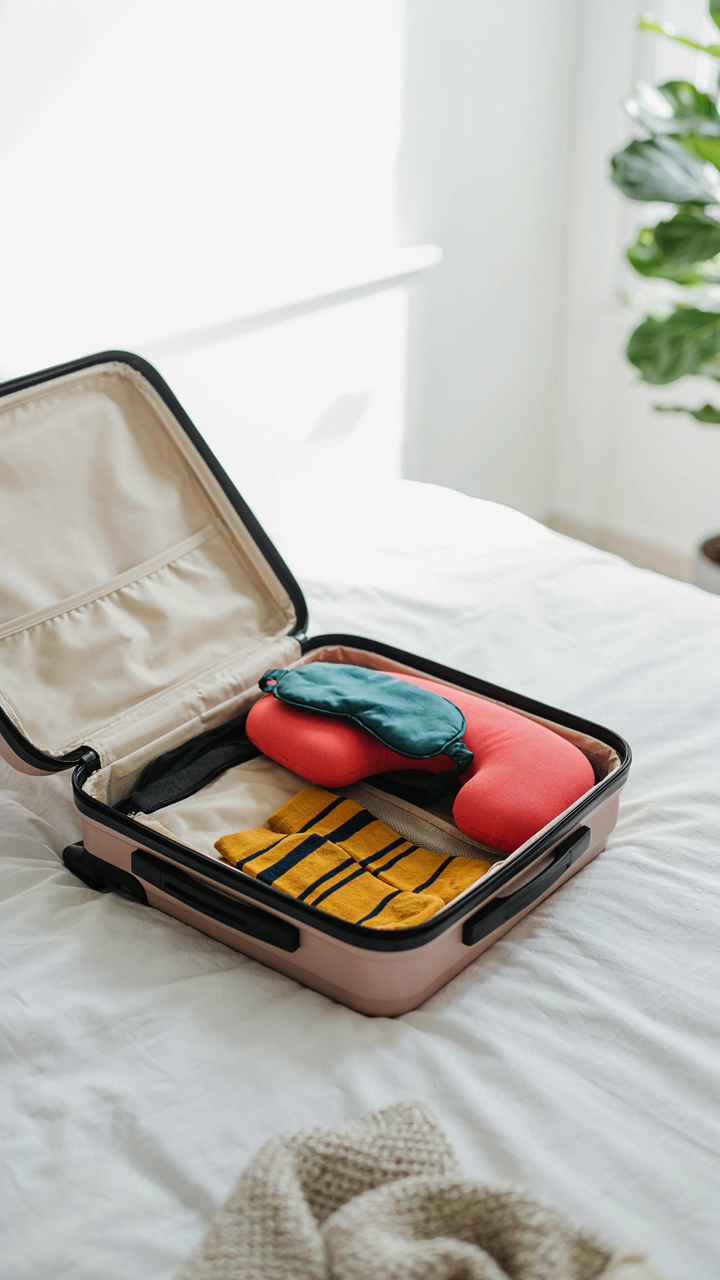
- Neck pillow with memory foam: Supports your head during sleep without forcing your neck into angles that cause morning pain. The memory foam variant holds position better than inflatable versions on turbulence.
- Eye mask (opaque silicone or fabric): Blocks cabin lights and window glare completely. Fabric masks distribute pressure more evenly than hard plastic frames, reducing pressure headaches.
- Compression socks: Counteracts cabin pressure changes and blood pooling in legs during long immobility. Wear them for flights over six hours to reduce swelling and DVT risk.
- Ear plugs or noise-canceling earbuds: Cabin noise peaks at 70-80 decibels. Foam ear plugs reduce this by 20-30 decibels without the battery dependency of electronics.
- Saline nasal spray: Cabin air sits at 10-20 percent humidity. Saline maintains nasal moisture and prevents sinus pressure buildup that wakes you mid-sleep.
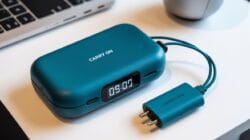
Carry these in a small pouch you can access without opening your main luggage. The weight penalty is negligible. The sleep payoff is measurable. Most people leave these behind because they underestimate how different your body behaves at 35,000 feet. Cabin conditions aren’t normal. Your tools shouldn’t be either.
Why Standard Comfort Items Backfire
Everyone suggests a blanket. Everyone is wrong about why it matters. The consensus treats blankets as emotional objects, but the actual mechanism is thermoregulation under pressure. Cabin temperature drops as altitude increases, but your metabolism also shifts during the decompression process. A thin airline blanket or one you bring yourself creates a microclimate your body recognizes as a sleep signal. But here’s where most people fail: they layer wrong. They wear their flight clothes under the blanket, trapping moisture against their skin. This creates micro-wake cycles as your nervous system detects dampness and activates cooling responses.
Wear lightweight, moisture-wicking layers under a blanket. Cotton traps sweat. Merino wool or synthetic blends wick it away. The blanket then becomes a regulator, not a trap. Pillows provided by airlines compress flat within two hours and offer no cervical support. Your neck pillow prevents the forward head slump that cuts off air and triggers micro-arousals throughout the flight. One quality neck pillow eliminates more sleep disruption than anything else you’ll pack.
The Jet Lag Contradiction: Adapt Or Suffer

Shifting Your Clock Before You Leave
You want to land looking sharp, not like you’ve been hit by a truck. That’s the real reason you’re reading this. The mechanism is simple: your circadian rhythm is a biological oscillator that governs when your body releases cortisol, melatonin, and digestive enzymes. You can’t fight the oscillator. You can only nudge it before departure.
Start adjusting your sleep and meal timing three to four days before your flight, moving incrementally toward your destination’s time zone. If flying east, go to bed earlier each night and eat breakfast earlier. If flying west, delay sleep and meals. This isn’t willpower theater—it’s pre-loading your circadian system so you land partially synchronized instead of fully inverted. Your body will still feel the shift, but you’ve removed the worst of it.
Daylight And Movement On Arrival
The common advice says “get sunlight immediately.” That’s incomplete. Light is a circadian reset button, but timing matters more than intensity. Bright light exposure to your eyes directly tells your oscillator when the new day actually starts—but only if you’re placing it at the right phase of your cycle.
Land in the morning at your destination and seek direct sunlight within two hours. Avoid napping, even if you’re destroyed. Walk outdoors for at least 20 minutes. This combination of light stimulus plus physical activity accelerates the shift faster than light alone. Your circadian rhythm will begin recalibrating to the local schedule during that walk, not fighting it in a dark hotel room.
Mastering Sleep On A Plane: The Physics Of Position

Seat Recline For Spinal Alignment
You want to believe that just “relaxing” will work. It won’t. Physics doesn’t care about intention. Think of your spine as a load-bearing column: the seat recline angle directly determines how pressure distributes across your vertebrae and discs. Most people don’t recline enough because they fear social friction. That’s the real barrier, not logistics.

A recline of 40 to 50 degrees creates the closest approximation to lying flat without actually lying down. At this angle, your cervical spine stops fighting gravity. Your lumbar curve maintains a neutral position rather than collapsing into flexion. Recline less than 30 degrees and you’re fighting compression for hours. Recline past 60 and your head angles forward into neck strain. The sweet spot is mechanical, not subjective. Set your recline before takeoff, then leave it alone.
Strategic Pillow Placement For Spinal Support
Most plane pillow advice is backward. People stuff a pillow behind their head and wonder why they wake up with neck pain. Biomechanics shows the real leverage point: support the gap between your head and shoulder, not the back of your skull. That gap is where cervical misalignment happens on flights.
Use a travel pillow or rolled blanket to fill the space between your reclined seat and the side wall. Position it at shoulder height, not neck height. This setup keeps your head from tilting sideways into the armrest or window during sleep cycles. Your neck stays neutral instead of twisting into a 6-hour contortion. The pillow isn’t comfort furniture. It’s a structural correction that prevents you from waking stiff.
Hydration As A Performance Multiplier (Not Just Thirst Quencher)

When To Drink Water On The Flight
You want to sleep well on a plane so you don’t arrive looking wrecked. The real mechanism is this: dehydration compresses your blood volume, which forces your heart to work harder and your nervous system to stay alert. You can’t sleep when your body is in mild stress mode.
The standard advice to “drink water throughout the flight” is too vague to execute. Drink 8 ounces every 90 minutes starting at takeoff. Avoid the first 30 minutes after boarding when cabin pressure is still stabilizing. Stop drinking 90 minutes before your landing time so you’re not waking to use the bathroom during your final sleep window.
Electrolytes Keep Your Cells From Failing
Water alone doesn’t restore what the cabin environment strips from you. Sodium and potassium regulate cell hydration at the molecular level. On a flight, the air is 15% humidity or lower. Your body loses electrolytes through respiration and sweating, even in a cool cabin.
Bring electrolyte powder or tablets. Mix one serving into your water around hour two of the flight. This prevents the bloated, dehydrated feeling that wakes you at 3 AM. The electrolytes keep cellular fluid balanced so your nervous system doesn’t misfire and jolt you awake when you should be deep asleep.
The Pre Flight Pre Mortem: Avoiding Common Pitfalls
What Actually Kills Your Sleep
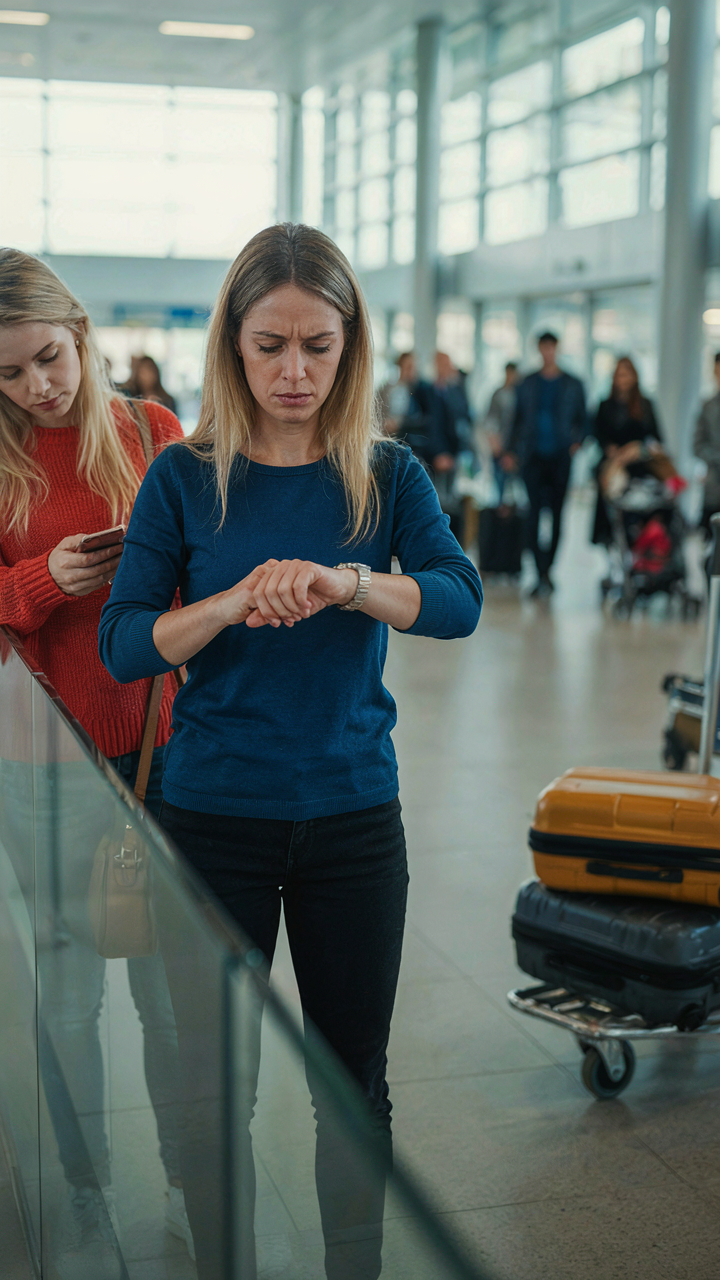
You want this section because you’re afraid of wasting eight hours in a metal tube with nothing to show for it but exhaustion. The real mechanism is simple: most people sabotage their sleep 24 to 48 hours before boarding, not during the flight. Caffeine consumed after 2 PM lingers in your bloodstream for up to ten hours. Alcohol dehydrates you and fragments REM sleep. Screen time within three hours of departure disrupts melatonin production. None of this is mysterious, but people ignore it anyway because the damage feels invisible until you land wrecked.

The pre flight environment is where you win or lose. Your body doesn’t reset on demand just because you boarded a plane. It responds to what you fed it, how much light you exposed it to, and whether you moved or stayed still. The mistake isn’t something you do on the flight. It’s everything you do before you step onto it.
Damage Control When You Have No Time
You didn’t plan ahead. That’s the reality for most overnight flights. Real mitigation isn’t sexy, but it works: cut caffeine completely at your departure gate. Drink electrolyte water instead of plain water for the first two hours. Avoid alcohol entirely on the flight because your goal is sleep, not drowsiness followed by fragmented rest. This won’t give you eight perfect hours, but it stops you from actively destroying what sleep you do get.
The last tactical move is body temperature. Wear layers you can remove. Lower cabin temperatures accelerate melatonin production. If you have 30 minutes before boarding, take a brief walk outside to reset your circadian rhythm with natural light. Don’t medicate with melatonin pills as a rescue plan. Your nervous system is already stressed from travel. Synthetic melatonin often creates grogginess on landing without delivering real rest. Work with your existing biology instead of fighting it with supplements.
The Post Flight Reintegration Protocol

Light Exposure Within Two Hours Of Landing
You want to feel normal again without losing days to jet lag fog. Here’s the mechanism: circadian rhythm operates on a light-sensitive clock called the suprachiasmatic nucleus. Sunlight resets this clock faster than any other stimulus. Get direct sunlight within two hours of landing, especially on your face and eyes. The timing matters more than the duration. Even 15 minutes works if the light intensity is high enough.

The common advice to “avoid light if you landed in the evening” is backward for most travelers. Your circadian system doesn’t care about local clock time initially. It responds to actual light wavelengths and intensity. If you landed at 6 AM local time, get outside immediately. If you landed at 6 PM, still go outside. You’re anchoring your internal clock to the new environment, not fighting against it. Sunlight exposure is the single most powerful tool you have.
Movement Restores Blood Flow And Wakefulness
Your body is compressed and stagnant after eight to twelve hours in a seat. Sitting still during flight triggers blood pooling in the legs and reduced oxygen circulation to the brain. Walk for twenty minutes immediately after deplaning, even if you feel exhausted. Movement increases heart rate, improves blood flow, and signals to your nervous system that the travel stress has ended.
Don’t confuse movement with exercise. You don’t need to run or hit the gym. A steady walk at normal pace works better than intense activity because it avoids overstimulating a system already in survival mode. Walk outside if possible to combine light exposure and movement. This dual action resets both your circadian rhythm and your autonomic nervous system. Do this before checking into your hotel or heading home. The protocol stops with movement completed, not planned.
The Real Problem Isn’t The Flight; It’s Your Resistance To Biological Reality
You don’t need better overnight flight sleep tips. You need to stop fighting your body’s demand for darkness, cool air, and horizontal positioning. Most people treat sleep like a nice bonus instead of a non-negotiable system requirement. Your next flight leaves in two weeks. Today, buy blackout eye covers and melatonin. Stop negotiating with biology and start respecting it, because the person who lands rested isn’t the one with the best tips—it’s the one who actually uses them.