
The Myth Of The “Quick Buy”: Why Convenience Kills Thoughtfulness

Speed Traps Your Brain Into Mediocrity
You’re buying last minute because you’re afraid of looking thoughtless. But here’s what actually happens: speed creates a decision vacuum, and your brain fills it with whatever’s loudest. In economics, this is called satisficing—settling for “good enough” under time pressure instead of optimizing for actual impact. Last minute tech gifts exploit this exact weakness. You scan bestseller lists, read the first review, and checkout. The recipient gets another forgettable gadget. You get relief.
The problem isn’t the timeline. It’s that you’re outsourcing your judgment to availability and marketing noise. Real thoughtfulness requires one decision constraint that most people skip: knowing what problem the gift actually solves for that specific person. Last minute shopping trains you to ignore this step entirely. You default to universal items—wireless earbuds, phone stands, portable chargers—because they require zero knowledge of the recipient. Convenience becomes a mask for laziness.
Gifts People Actually Use Still Exist
Landfills aren’t full of tech gifts because they arrived late. They’re full because they solved zero problems for the person holding them. A wireless charger bought on December 23rd lands the same way as one bought in October if neither matches what the recipient actually needs. The calendar doesn’t determine usefulness. Alignment does.
The mechanism is simple: a tech gift survives only if it reduces friction in something the person already does. Noise-canceling earbuds work for someone commuting daily. A desk lamp with USB ports works for someone who has a desk setup worth optimizing. A portable battery works for someone who travels or works remote. The gift doesn’t need to be novel. It needs to close a gap that exists in their current life. Buy today, but buy something that actually fits into their existing behavior, not something that requires them to change how they live.
Beyond Generic: Unearthing Tech Inspired Gift Suggestions That Actually Matter

What They Actually Need, Not What Trends Say
You’re shopping last-minute because you’re afraid of looking like you don’t care, but you also don’t want to waste money on something the recipient will discard in three months. The mechanism here is simple: people don’t use gifts because gifts target the fantasy version of someone, not the actual one. The gap between who someone thinks they are and who they actually are kills ninety percent of tech purchases. Stop asking what’s trendy. Start asking what problem they solve daily and fail at solving.

The recipient either uses something or they don’t. There’s no middle ground with tech. A noise-cancelling earbud they actually wear beats a productivity app they download and forget. Look at their phone home screen. Check their desk. Notice what’s worn, what’s replaced, what they talk about fixing. That’s your signal. You’re not buying a product. You’re buying permission to stop thinking about their problem, and they’re accepting a tool that proves you watched how they actually live.
Recurring Value Over One Time Purchases
The common advice here is wrong: subscriptions feel cheap because people confuse “low upfront cost” with “low commitment.” Subscriptions aren’t gifts. They’re ongoing problems you’re solving on their behalf. From economics, this is called “recurring revenue” for a reason. It compounds. A one-time gadget sits on a shelf. A subscription they use every month reminds them you understood their actual habit.
The catch is you need to know the habit exists before you gift the subscription. A music streaming upgrade means nothing to someone who listens to podcasts. A cloud storage plan only works for someone drowning in files. Twelve months of a service they’ll cancel after two months proves you guessed. Pick something they’re already paying for themselves, then extend it. That’s how you gift the thing they wanted but never justified buying.
The “Scarcity Heuristic” Method: Leveraging Limited Availability
When Scarcity Becomes The Selling Point
You want to feel like you made a smart choice, not a desperate one. That’s why scarcity works on you. Economics calls this the scarcity principle: people assign higher value to things they perceive as rare or running out. Last-minute tech gifts hit this exact trigger because stock depletion is real, not manufactured. Retailers don’t need to fake it. The clock plus limited units creates genuine urgency that shifts your brain from browsing to buying.

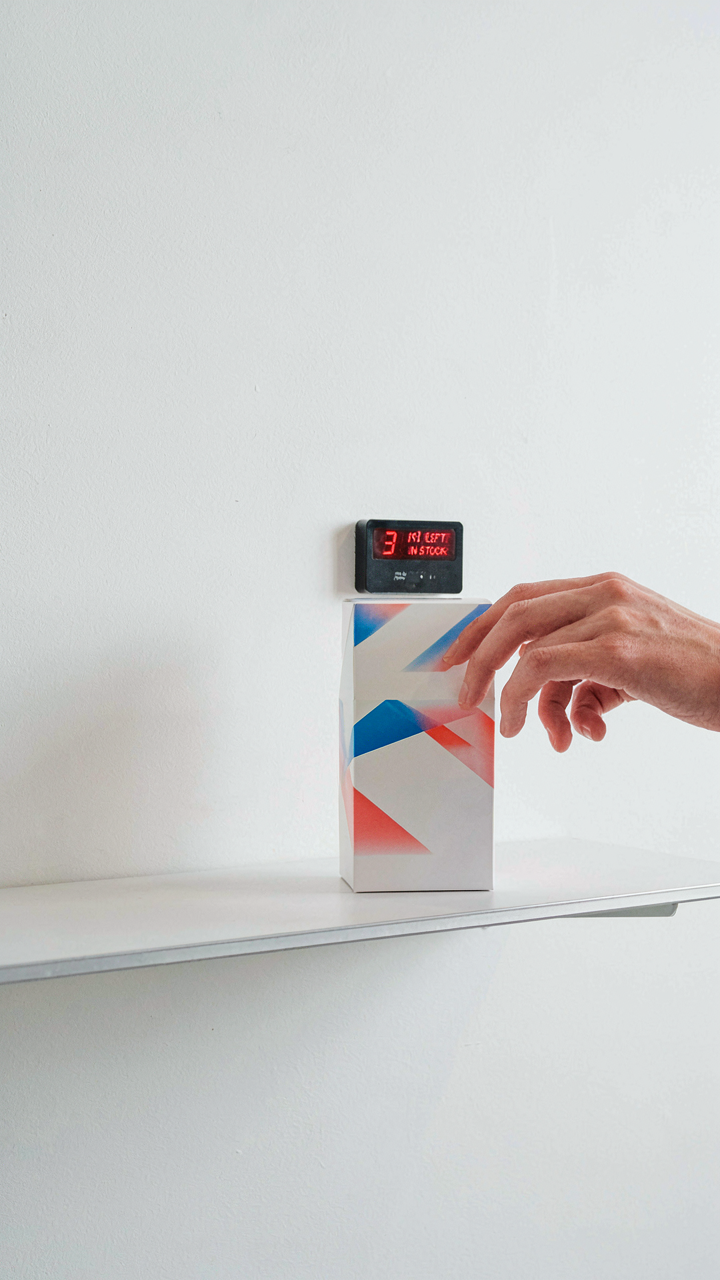
The mechanism is straightforward. When a product shows “only 3 left in stock” or “ships tomorrow only,” your decision timeline collapses. You stop comparing alternatives. You stop second-guessing. The friction of choice disappears because the alternative is worse than the current option. This isn’t manipulation. It’s how your threat-response system works. Limited inventory on fast-shipping items forces a clean decision: buy now or lose access entirely.
The Compressed Decision Window
Everyone says to “act fast” on limited deals. That’s lazy advice that misses what actually happens in your head. When you compress the decision window, you bypass your critical filter. You move from evaluation mode into acquisition mode. Your brain stops asking “do I need this” and starts asking “will this be gone.” The psychology isn’t about pressure. It’s about removing the option to delay, which is where most purchase abandonment happens anyway.
Real scarcity on tech gifts works because you can verify it. Check the inventory counter. See the ship date. These aren’t vague claims. They’re measurable facts that trigger the same urgency whether you’re buying in December or June. The difference in last-minute gifting is that scarcity aligns with your actual constraint: time. You don’t have weeks to hunt for bargains. You need something that arrives and works now. Stock limitations become your permission to commit to a decision.
Digital Downloads & Experiences: The Untapped Goldmine Of Cool Tech Gifts

Software Licenses And Creative Tools
You’re buying this because you’re terrified of looking cheap, and digital gifts feel invisible so they must be worthless. Wrong. The mechanism is simple: software licenses remove friction from someone’s existing workflow. They solve a specific problem today, not someday.

Adobe Creative Cloud, Figma, or specialized tools like Final Cut Pro deliver immediate utility. The recipient doesn’t need to wait for shipping. No unboxing theater. They start working within minutes. This is the fastest path from purchase to actual use, which means the fastest path to gratitude.
Online Courses And Skill Development
Economics borrowed the term “time preference” from behavioral finance: people value immediate rewards over future ones, yet skill development works backwards. You’re betting the recipient values growth more than comfort, so pick courses tied to their stated goal, not generic browsing.
MasterClass, Skillshare, Udemy, or specialized platforms like Codecademy work because they’re specific. “Learn Python” beats “improve yourself” every time. The gift lands in their inbox. They control when they engage. No guilt if they don’t start immediately. The transaction is clean. Payment clears today. Access opens today. They decide the pace.
Gadgets And Gizmos: When Less Is Actually More

The Restraint Principle
You want to look like someone who has their life together, and you think a tool proves it. The real mechanism is subtraction, not addition. In systems design, engineers call this constraint-driven optimization. Every added feature increases failure points. Last minute tech gifts fail when they promise too much. The best ones do one thing precisely. A single-purpose device stays reliable because it has fewer moving parts, fewer software updates to break it, fewer reasons to fail on day two.

The best last minute gifts are not the newest releases or the most buzzed products. They’re the ones that solve a specific problem without solving five others simultaneously. Most people buy the opposite. They chase specs and feature lists because specs are easy to compare. A device with fewer features forces you to evaluate whether it actually matches what the recipient needs. That friction is the entire filter worth keeping.
When Options Become Obstacles
Everyone says “find what matches their lifestyle.” That’s lazy. The real problem with complex tech gifts is that they require a decision architecture the recipient never asked for. Cognitive load compounds. Each menu, each setting, each notification preference becomes a micro-decision that erodes the actual value of the tool. A three-button device beats a fifty-button device because the recipient never has to wonder if they’re using it wrong.
Look for items built around constraints, not abundance. A digital clock that only displays time. A portable speaker with manual volume and power controls. A charging cable with a single connector type that covers their devices. These aren’t boring. They’re clear. The recipient opens it, understands what it does in under ten seconds, and uses it immediately. That speed of adoption is what separates gifts that stay in drawers from gifts that become part of someone’s actual day.
The Antifragile Gifting Protocol: Building Resilience, Not Redundancy

Gifts That Gain From Disorder
You’re afraid of buying the wrong thing and looking stupid. So you’re shopping for something safe, predictable, forgettable. That’s the trap. Borrowed from economics: antifragile systems don’t just survive stress, they improve from it. A tech gift that gains from disorder isn’t one that works “no matter what.” It’s one that becomes more valuable the moment circumstances change.

Most last-minute tech gifts assume stability. A speaker works best in quiet rooms. Earbuds assume you’ll use them the way marketing intended. But portable power banks, USB-C hubs, and modular cables thrive under chaos. The more unpredictable your recipient’s setup becomes, the more these tools matter. They solve problems that haven’t even appeared yet.
Gifts That Adapt And Evolve With Use
Generic advice says buy something the person “will definitely use.” Wrong. That’s not a gift. That’s an obligation you’re hoping sticks. Real adaptation means the gift becomes more integrated into their life over time, not less. The recipient discovers new uses you didn’t anticipate.
Wireless charging pads, quality USB-C cables, and phone stands accomplish this. They don’t dictate behavior. Instead, they create conditions where behavior changes. A stand on a desk becomes a teleprompter, a streaming prop, a video call angle tool. The recipient’s workflow evolves, and the gift evolves with it. Buy something with low friction and multiple uses, then let the person’s actual needs reshape what it becomes.
Smart Gadget Solutions Beyond The Hype Cycle

What Actually Solves Problems
You’re afraid you’ll look stupid giving a gift that breaks in two weeks or becomes obsolete by spring. Here’s the mechanism: marketing creates urgency around features, not outcomes. A gadget with genuine utility does one thing reliably and integrates into someone’s existing workflow without requiring a tutorial. Most last-minute tech gifts fail because they solve problems nobody has.

Start by identifying what the person actually does daily. Not what they say they want to do. Not what the product promises they’ll do. What they currently do, repeatedly, that takes friction or time. A portable charger lands because phones die. Noise-canceling earbuds work because commutes are real. Smart home devices sit in drawers because people don’t naturally reorganize their entire environment around one impulse purchase. The difference is immediate utility versus aspirational utility.
Matching Gifts To Existing Systems
Ecosystem lock-in isn’t conspiracy. It’s engineering. Someone with an iPhone doesn’t want a Samsung tablet, not because of brand loyalty but because syncing fails, features disappear, and setup becomes a tax on their time. Last-minute tech gifts work when they extend what someone already owns, not when they ask them to adopt a new platform.
Ask one question: does this person already use this brand’s ecosystem? If they have AirPods, an Apple Watch lands. If they’re in Google’s world, a Nest product fits. If they don’t have an existing anchor device, pick something that works standalone without requiring setup. Portable speakers, basic smartwatches that sync across platforms, universal chargers, and phone accessories require no ecosystem decision. They plug in and work today, not after someone reads documentation tonight.
Best Tech Gifts: Redefining Value, Not Just Price

Quality Over Quantity Wins Every Time
You’re actually afraid the gift won’t matter, so you’re hunting for permission to spend less and feel better about it. That fear is misplaced. The mechanism is simple: one object that works perfectly creates more gratitude than five objects that work adequately. The brain registers reliability as respect. When someone gives you something that doesn’t break, doesn’t frustrate, doesn’t demand replacement in six months, they’ve signaled that your time matters to them. That signal compounds.

The common advice says “expensive equals better.” Wrong. Expensive often means marketing budget, not engineering. What actually moves the needle is durability matched to use case. A $40 cable that survives 500 plug cycles beats a $15 cable that fails after 50. A charger that maintains voltage stability preserves battery health longer than a cheap alternative that degrades it monthly. The person receiving the gift notices this in the background of their life, not consciously, but the effect accumulates.
The Experience Multiplier Effect
Borrowed from physics, an amplifier increases signal by multiplying input voltage. Technology does the same thing to how someone spends time: it either multiplies the quality of an activity or it doesn’t. A gift that amplifies an existing habit creates more impact than a gift that introduces a new one. The recipient already knows how to use the activity. They just needed the better tool.
- Wireless earbuds with solid battery stability: Transforms commutes and workouts by removing cable friction. Quality audio codecs preserve detail that cheap alternatives compress away, reshaping how someone experiences music or podcasts daily.
- Portable power bank with consistent wattage: Eliminates the anxiety of a dying phone during actual use. A reliable bank keeps devices at functional capacity without voltage drops that degrade charging speed or damage battery cells over time.
- Mechanical keyboard for remote workers: Multiplies typing speed and reduces hand fatigue during the 6-8 hours someone already spends at their desk. The tactile feedback also increases typing accuracy, which saves mental energy.
- External SSD with fast read write speeds: Accelerates file transfers and backup workflows that someone already performs regularly. The time saved compounds across hundreds of transfers, adding up to recovered hours annually.
- Monitor light bar with flicker reduction: Extends screen time comfort by reducing eye strain during video calls and deep work. The recipient notices the difference immediately and feels it compound across weeks of use.
The multiplier works because you’re not introducing friction into a new behavior. You’re removing friction from an existing one. The person doesn’t need to change their routine or learn new habits. They just get more of what they already do, executed better. That’s why these gifts stick.
Gadget Gifts For Men: Dispelling Gendered Assumptions

The Real Problem With Gendered Tech
You’re worried that picking the “wrong” tech gift makes you look like you don’t understand the person. The mechanism at work here is category bias, a psychology term describing how we default to stereotypes when information is incomplete. We assume men want gaming headsets or smartwatches because marketing has hammered that association into our neurons for two decades. But actual human needs don’t sort by gender. Someone’s job, hobby, or pain point does.

The fastest path through this is abandoning the assumption that maleness correlates with tech preference. A man who codes needs nothing from a man who gardens. A man who travels needs nothing from a man who restores furniture. Last minute tech gifts work when they solve a specific friction point, not when they match a demographic checkbox. Start by naming what the person actually does, then find tools that reduce friction in that domain.
Utility Beats Symbolism Every Time
Common advice says you should pick tech that “looks impressive” or “signals status.” That’s backwards and costs you credibility. Practical innovation speaks louder than polish because it changes how someone spends their time. A wireless charging pad that sits on a desk is invisible. A USB-C hub that consolidates five cables into one slot gets used daily and noticed immediately. The second gift wins because it removes a genuine problem.
The last minute advantage is that you can verify utility instantly. Read actual user reviews on Amazon or Best Buy focused on the specific use case, not hype. If fifty people mention the same friction point being solved, that’s your signal. Avoid anything positioned as “cool” or “futuristic.” Those gifts end up in drawers. Pick the tool that makes someone’s existing workflow easier, and you’ve won before they unwrap it.
Tech Gift Ideas: The Art Of Deliberate Selection

Pick Gifts That Survive The First Month
You want to look smart for giving something useful. The real mechanism is this: most tech gifts fail because they solve a problem the recipient doesn’t actually have or doesn’t prioritize enough to use. Utility isn’t about features. It’s about friction. A device survives past week two only if it reduces friction in something the person already does daily. Not something they think they should do. Something they actually do.
Start by identifying one specific friction point in the recipient’s existing routine, not an aspirational version of them. If they complain about phone battery dying mid-day, a power bank works. If they never mentioned battery anxiety, a power bank sits in a drawer. The gift lands only when it removes an obstacle from behavior that’s already happening. Ask yourself: what does this person do every single day that takes longer or feels worse than it should? That’s your entry point. Everything else is waste.
Make The Recommendation Fit The Person, Not The Category
Generic advice says “personalize your gift.” That’s incomplete. Personalization isn’t about engraving their name on something or picking their favorite color. It’s about mapping the gift to how they actually operate. Economics calls this “elasticity of preference” – how much someone values something changes based on context, not just the object itself. A camera means nothing to someone who doesn’t take photos. A microphone means nothing to someone who doesn’t record. The same product has zero value and maximum value depending on one variable: whether it matches their existing behavior.
The second layer is price sensitivity plus abandonment risk. A 200-dollar device bought last-minute for someone you’ve met twice has high abandonment probability. They’ll feel obligated to try it, then guilt about not using it. A 40-dollar device that addresses their actual workflow doesn’t carry that weight. Cheaper, better-fitting gifts get used. Expensive, flashy, one-size-fits-all tech gifts get stored. Pick something that fits their current life, not the life you think they should have.
The Real Obstacle Isn’t Time; It’s Your Inability To Anticipate Value Before It’s Urgent

You don’t have a last-minute problem. You have a taste problem. Everyone buys tech gifts when panic sets in, which is why you end up with the same wireless earbuds as five other people. The real move is training yourself to notice what people actually use daily before December hits. Open your phone right now and text three people you’re buying for. Ask them one question: what annoys you most about your current setup? Their answer is your gift. You’ll land something they actually wanted instead of something they’ll regret owning. The difference between a forgotten gift and a remembered one isn’t timing, it’s paying attention.