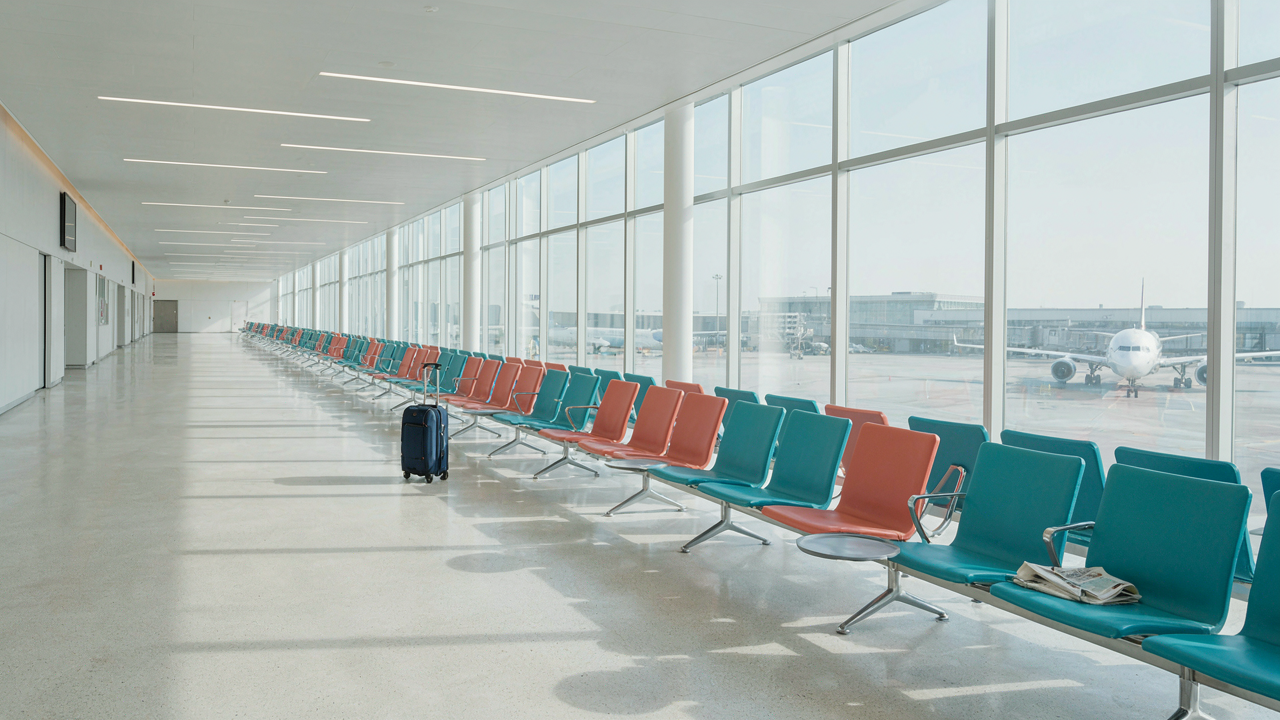
The Myth Of The Luxury Airport Lounge Aesthetic
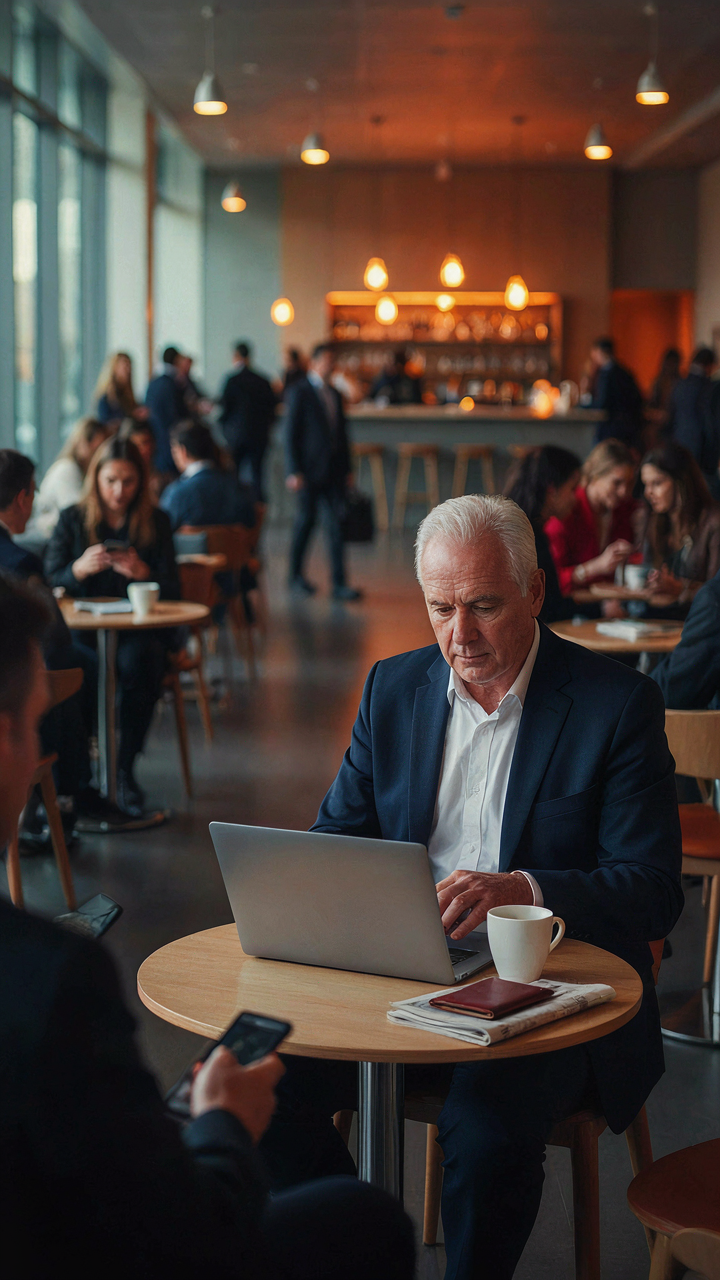
Exclusivity Creates Distraction, Not Focus
You want the lounge because you think exclusivity signals you belong in a room where real work happens. It doesn’t. In attention economics, a scarce resource signals value, but scarcity of access doesn’t translate to scarcity of interruption. Premium lounges pack more people into defined spaces—business travelers, families connecting flights, status-seekers working the free WiFi. The aesthetic suggests calm. The reality is density disguised as luxury.
Most airport lounges operate at near capacity during peak hours. Plush seating and soft lighting mask an environment designed for transaction, not focus. You’re surrounded by people checking email, taking calls, and performing productivity theater. The moment someone recognizes a colleague or spots a competitor, the room becomes a networking venue whether you consent or not. Quiet work requires isolation or at minimum, anonymity. Lounges eliminate both.
The Premium Access Productivity Trap
The cost-benefit math fails because you’re measuring wrong. You pay for access assuming it buys you a better working environment. You’re actually paying to feel like you should be working better. This is the sunk cost fallacy wearing a membership card. A day pass or membership fee creates psychological pressure to justify the purchase by sitting there, which keeps you there longer, which reduces actual output because sitting longer doesn’t equal working harder.
Real productivity math asks: what’s the hourly output per dollar spent, and where else could that dollar go? A $50 lounge day pass converts to focused coworking space in many cities, a hotel room day rate, or a library with zero cost. When you remove the status element—the thing that actually made you want the lounge in the first place—the environment stops competing on any meaningful metric except prestige. Stop paying for prestige. Start measuring output instead.
Deconstructing The Airport Lounge Interior Design Fallacy

Open Plan Noise Defeats Focus Work
You want to believe a premium lounge gives you status. It doesn’t. The mechanism that kills deep work in most lounges is borrowed from acoustics: sound pressure level compounds in open spaces. A lounge’s defining feature—the open floor plan designed to feel spacious and “luxury”—is acoustically identical to a conference room with no walls. Every conversation, every rolling suitcase, every notification bleeds into your frequency.
The common pitch is that lounges are quiet retreats. They’re not. Most lounge operators design for visual privacy through furniture clusters, not acoustic isolation. You sit in an open grid with dozens of others, separated by fabric partitions that stop nothing below 250 hertz. Your brain processes this ambient chaos as vigilance work, burning cognitive fuel on filtering noise rather than on your actual task. That’s the real cost.
The Illusion Of Contained Privacy
Airport lounges engineer a false sense of seclusion. You see private seating areas and assume they function as private spaces. They function as private-looking spaces. The difference is material. Lounge architects use visual blocking—high-back chairs, plants, partition walls—while ignoring the airborne sound transmission that moves freely through and over these barriers. You feel private. Acoustically, you’re not.
The physics is simple: low-frequency sound travels around obstacles. A businessman on a call two chairs away broadcasts at 70 decibels. His voice penetrates the gap between your partition and the ceiling, travels over it, and lands in your work zone with full intensity. You notice it. Your focus fractures. The lounge sells you the appearance of isolation while delivering a crowded room with better upholstery. The mechanism is visual design masquerading as acoustic design.
The “Scarcity Zone” Protocol For Focus
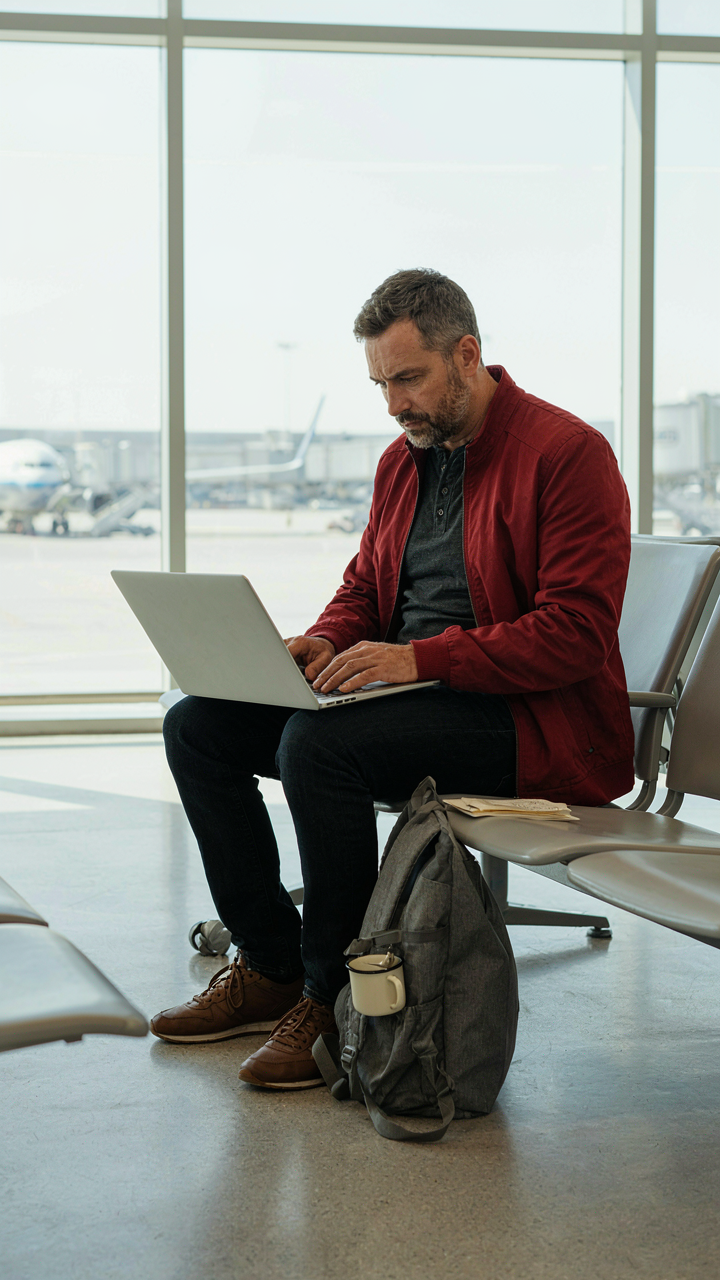
Finding Hidden Corridors And Gates
You want a lounge pass but can’t justify the cost. The real mechanism is scarcity: low-traffic zones create behavioral isolation. Airports engineer passenger flow like retail stores. Most travelers follow signage and cluster near main corridors. Gates scheduled for departure in 4+ hours sit empty because no one needs them yet. These dead zones have seating, power outlets, and Wi-Fi. Walk past your departure gate toward gates scheduled 6 hours out. The architecture does the work for you.

Most airport work advice tells you to find a quiet corner. That’s incomplete. Quiet corners get discovered. What matters is architectural intention: gates assigned to future flights are designed for waiting, equipped identically to your gate, but operate under different pedestrian traffic patterns. Nobody markets this because it requires actual airport navigation. You’re competing for attention with people scrolling phones in the same mediocre café. Move to a zone the airport built for people who don’t exist yet. The scarcity isn’t space. It’s knowledge of where space actually sits unused.
Off Peak Timing Compounds The Effect
Temporal leverage means you win before you sit down. Economics calls this demand elasticity, and airports operate on predictable cycles. Morning banks arrive between 6 AM and 9 AM. Afternoon banks peak 11 AM to 2 PM. Evening surges hit 4 PM to 6 PM. Between these windows, the terminal empties. Arrive during a bank and fight crowds. Arrive between banks and own the space. A 10 AM arrival finds gate areas that felt full at 9:45 AM now half empty. A 2:30 PM arrival precedes the evening rush by 90 minutes.
The common move is to work from your gate. That’s fine if your flight leaves soon. But if you have a 6 hour layover, your gate gets reassigned or fills with new passengers after you land. Work from a gate for a flight departing after your own flight time by at least 4 hours. Book your work session for 10 AM to 1 PM or 2:30 PM to 5 PM. Check the departures board when you land. Identify a gate with a departure time minimum 4 hours beyond your flight. Set up there. The flow pattern shifts when new passengers for that gate arrive about 90 minutes before departure. Leave before that wave hits.
The “Dark Horse” Workspaces: Beyond The Obvious Airport Lounge
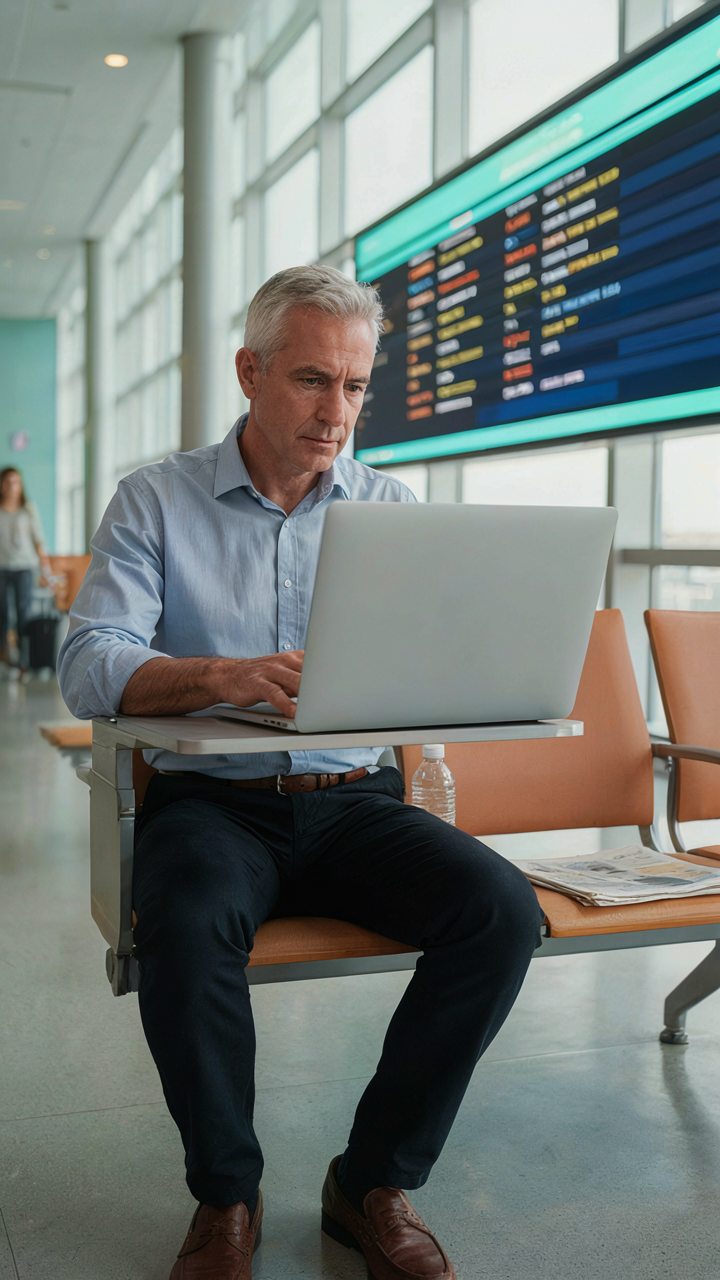
Sitting Close To Your Gate
You want the lounge membership because it signals you’ve arrived. The real mechanism is different: proximity kills friction. Gate areas near your departure point eliminate the walk back when boarding starts, the mental load of timing, the risk of missing an announcement. You work in short sprints, not deep focus sessions. This forces you to be selective about what you tackle, which is the opposite of what most people need to learn about work.
Most advice says to find a quiet corner anywhere in the terminal. That’s incomplete. The gate area near your departure creates a natural timer. You know exactly when you must stop. This constraint sharpens output because you can’t pretend to work for three hours. You block 45 minutes for one task, execute it, then wait. The psychological effect matters more than the location itself.
Empty Gates And Their Hidden Potential
Gates during off peak hours function like abandoned office space. Borrowing from real estate economics, you’re exploiting what’s called “dead inventory” – assets with zero marginal cost to occupy once they exist. Most travelers never notice that gates serve the same space for multiple flights throughout the day. Between departures, especially mid afternoon and early evening, entire gate areas sit empty with seating, outlets, and visibility of departure times.
- Gates 45 minutes before a departure: Heavy foot traffic as passengers board and move through, making focus difficult. Avoid this window.
- Gates 2-3 hours after a departure: Completely clear. Seats available, quiet environment, and you can work unmolested for 90 minutes before the next flight boards.
- Regional airline gates in terminal branches: Lower traffic volume by default. Use flight tracking apps to find gates serving smaller carriers with fewer passengers per flight.
- Gates near ground transportation hubs: Overlooked because travelers prioritize distance from parking or rental car pickups, creating natural solitude in nearby seating areas.
- International departure gates during domestic peak hours: Counter intuitive timing. Most travelers cluster around domestic flights mid day. International gates stay quiet because those flights depart early morning or late evening.
The mechanism is simple: you need empty space with furniture and infrastructure already built. Airports spend millions creating these spaces. Most people hunt for lounges or coffee shops instead of recognizing free, purpose built workspaces already exist in plain sight. Check your airport’s flight board, pick a gate with no activity for the next two hours, and sit down.
The “Monk Mode” Strategy: Crafting Your Own Quiet Zone
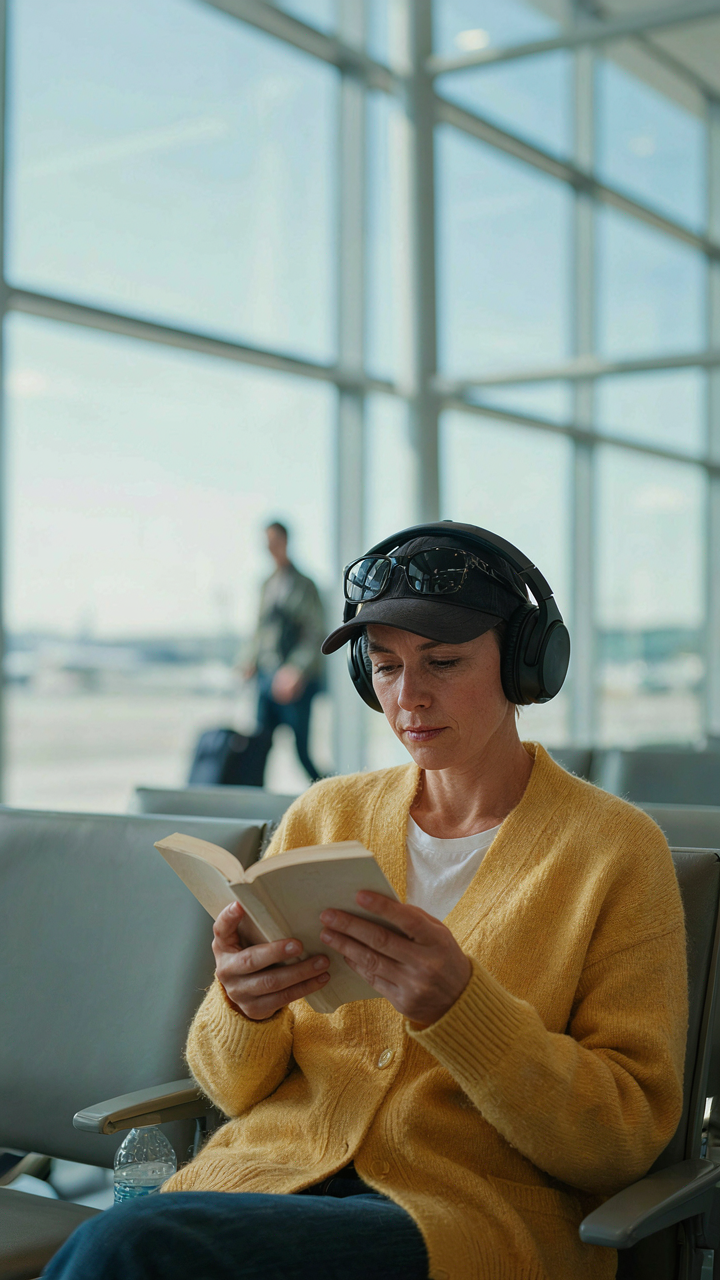
Noise Canceling Tech: Your Personal Airport Lounge Design
You want to feel like you belong somewhere expensive without paying for it. That’s the real drive here. The mechanism is acoustic isolation, borrowed from sound engineering: active noise cancellation works by generating an inverse sound wave that cancels ambient noise before it reaches your ear. Most people think ANC just makes things quieter. Wrong. It creates a perceptual boundary between you and the environment. That boundary is what turns any seat into a lounge substitute.

Mid-range ANC headphones (Sony WF-C700N, Anker Soundcore Space A40) run 80 to 150 dollars and handle airport noise effectively. Over-ear options like Sony WH-CH720N extend battery life to ten hours, critical for full workday coverage. The tactical move: use ANC without music. Silence amplified by noise cancellation feels different than ambient noise, signaling to your brain that focus is possible. Pair this with a simple hat or sunglasses to signal unavailability to nearby people. The combination creates a psychological and acoustic perimeter that works in any chair.
Pre Downloaded Resources: The Internet Free Productivity Hack
Most people treat internet access as mandatory for work. It isn’t. Offline capacity is a productivity lever because it removes the friction point where you abandon your task. Download your work documents, writing projects, reference materials, and learning resources before you arrive at the airport. Use Google Drive offline mode, Notion offline apps, or export PDFs directly to your device.
The second layer: pre-download one long-form learning resource or research document. A book chapter, a course module, a technical specification. When your mind wants to drift toward email or news, you have a predetermined task that requires zero connection. This becomes your escape valve, a sanctioned way to shift focus without breaking the work session entirely. The protocol is simple: audit your actual work needs before travel, download everything, verify your downloads offline at home, then trust the system when you’re in the terminal.
The “Psychological Perimeter” Method

Defensible Space Against Intrusion
You want to work in peace without paying lounge fees or looking desperate at a coffee shop. The mechanism is borrowed from military strategy: perimeter defense. You’re not actually protecting territory. You’re establishing a mental boundary that signals to your brain and others that you occupy a controlled zone. Most people think finding a quiet spot ends the work. It doesn’t. Your nervous system stays porous until you physically demarcate your space.

The gate agent lounge, business center, or even a neutral corner near airport retail already provides structural perimeter. Your job is to reinforce it psychologically. Plant yourself facing one direction only. Put your back against a wall or partition. Use your bag or jacket to mark the boundary where others shouldn’t sit. This isn’t paranoia. It’s reducing the cognitive load your brain spends monitoring threats. When your perimeter is clear, your focus shifts from defense to work.
Ambient Sound As A Camouflage Layer
The common advice is to use noise-canceling headphones or silence. Both miss the mechanism. Your brain doesn’t need quiet. It needs predictable sound that masks unpredictable interruptions. Airport terminals have high ambient noise that’s inconsistent: announcements, rolling luggage, conversations at random intervals. These interruptions spike your attention. Consistent ambient sound masks these spikes.
Play white noise, brown noise, or lo-fi ambient music at 45 to 55 decibels through standard headphones. This creates an acoustic perimeter. Your brain learns the pattern and stops reacting. Unpredictable airport noise now sits behind your intentional soundscape instead of breaking through. You work longer without fatigue because your nervous system isn’t on high alert. The goal is predictability masking unpredictability, not silence masking noise. Test this with apps like myNoise.net or Noisli for 20 minutes before boarding.
Maximizing Micro Productivity In The Airport Waiting Area
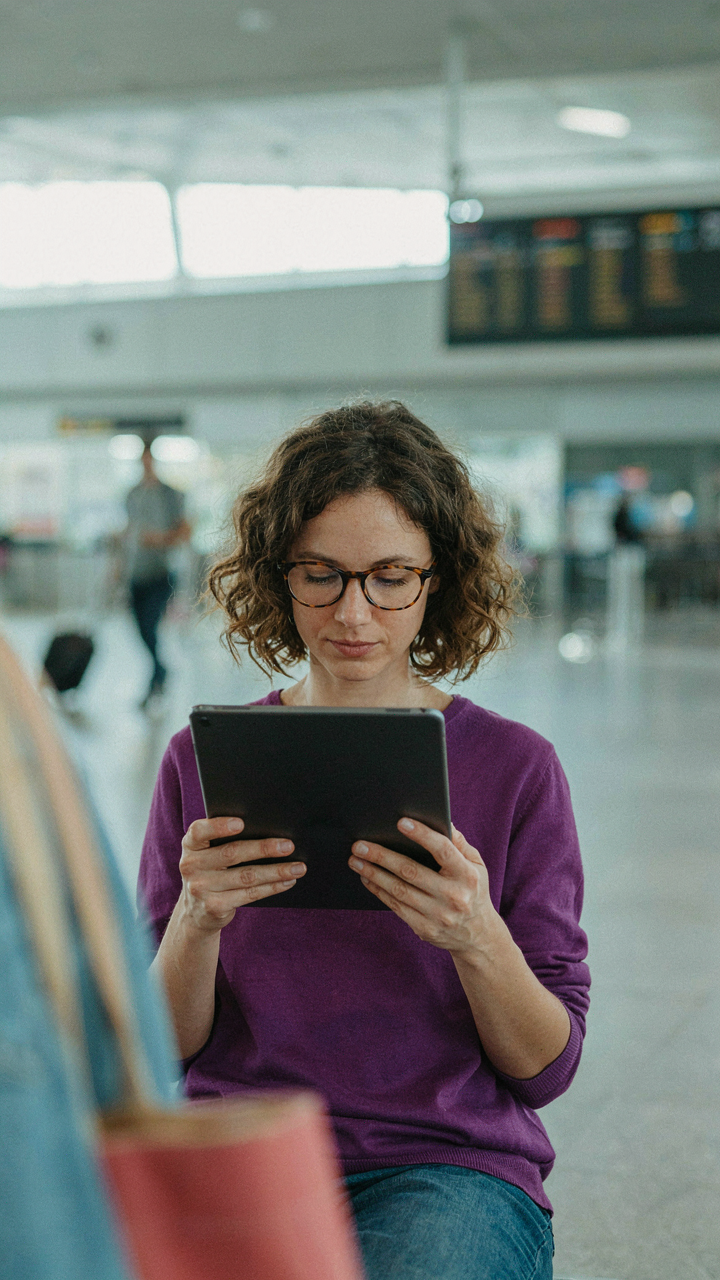
Work In Units That Fit The Container
You’re here because you want to convince yourself you’re productive during dead time, not because you actually have deep work to finish. The mechanism is simple: task chunking from manufacturing—breaking a job into discrete units that fit the constraints of your environment. An airport terminal isn’t a workshop. It’s a 90-minute sprint, interrupted by announcements and boarding calls. Your brain knows this. So it resists starting anything that demands continuity.

Chunk work into tasks that complete within 45 minutes and require zero context switching. Email triage, editing a single document section, writing a short-form post, organizing notes from a meeting, or reviewing code for syntax errors. These aren’t your main work. They’re the work that survives interruption. Terminal seating, gate areas, and hotel lobbies have one advantage: time pressure clarifies what matters. Use it.
Know When To Stop Expanding
Most advice on airport productivity misses the real trap. People don’t fail because they lack focus. They fail because they add scope mid-task when boredom hits. You sit down to outline a proposal. Halfway through, you decide to research competitor approaches. Then you update your template. Then you message a colleague for input. Suddenly, your 45-minute window is gone and nothing shipped.
Set the task scope before you open your laptop. Write it down. Specific deliverable, word count or concrete output, duration. When the urge to expand hits, you recognize it for what it is: resistance dressed as ambition. Close the laptop when time expires or the task completes, whichever comes first. This friction point—the moment you feel tempted to keep going—is where discipline actually lives.
The “Anti Lounge” Mindset: Reclaiming Your Focus From Airport Design Interior
Rejecting The Curated Distraction
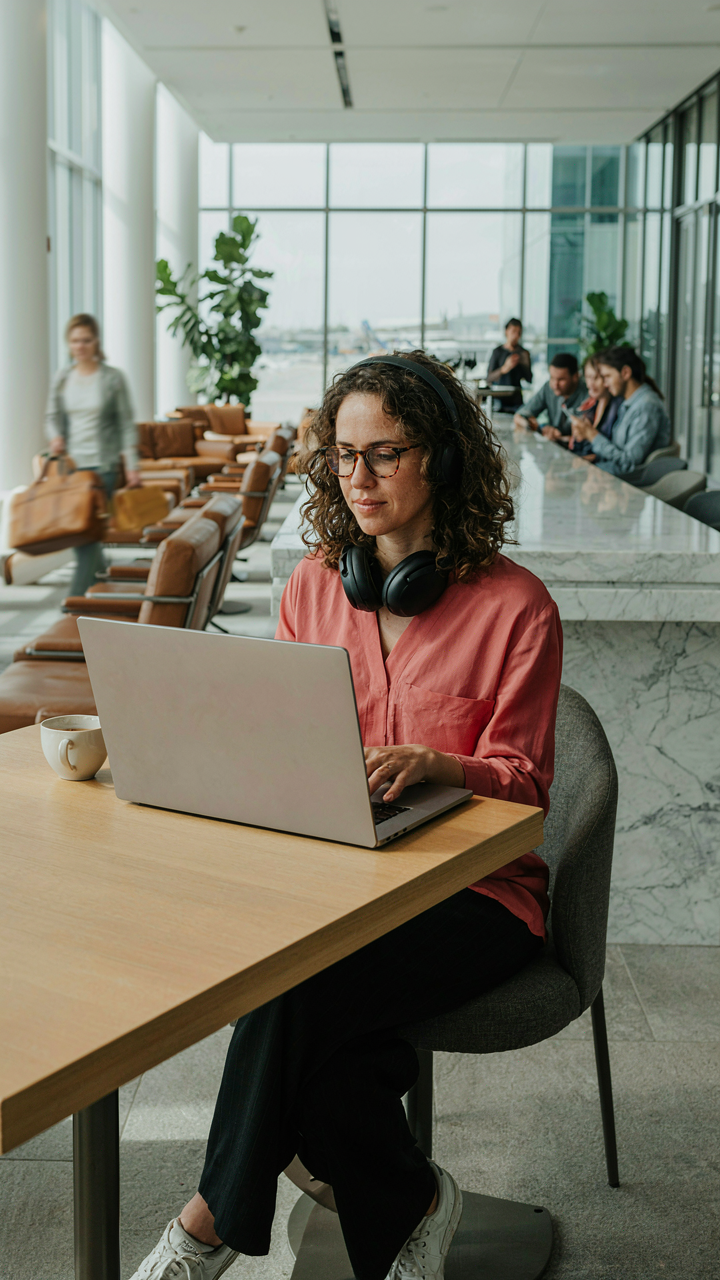
You want the lounge because you think it signals you’re someone important enough to be there. That’s the real reason. But airport lounges are engineered environments designed to keep you consuming—food stations, alcohol, ambient noise, the constant micro-decisions about what to eat or where to sit. They’re optimized for distraction masquerading as comfort. The mechanism is simple: luxury lounges use scarcity and status as the hook, then exploit your presence through environmental design that fragments attention.

The lounge industry learned this from hospitality design, not from productivity research. Designers use what’s called the “anchor tenant” approach in commercial spaces—place high-value offerings at the center so foot traffic flows past secondary options. Lounges apply this to your brain. Every visual element, from the espresso bar to the seating clusters, pulls focus. The noise floor alone—conversations, clinking glasses, ambient music—sits right at the threshold where your brain stops filtering and starts working harder to concentrate. You pay for access to a space that makes deep work harder.
Sovereignty Over Your Surroundings
Locus of control is a psychology term describing whether you believe your outcomes come from internal action or external forces. Airport lounges exploit external locus by making you dependent on their environment to feel productive. You sit there thinking the lounge made you focus, when really you’re just trapped in proximity to your flight. The real move is inverting this: build protocols that work anywhere, so the location becomes irrelevant.
Start with silence as your baseline, not as something you hunt for. Turn off all notifications on your device. Close unnecessary tabs. Set a 90-minute work block with a specific output goal before you touch anything else at the airport—email, food, or exploration. Use a noise-canceling headset even without audio playing, or play brown noise at consistent volume. The mechanism isn’t finding the perfect spot. It’s reducing decision fatigue so your environment stops mattering. When you land at a gate area with plastic chairs and chaos, you’ll work just as hard because you’ve already removed the variables that actually kill focus.
The Terminal As Your Personal Think Tank

Reclaiming Dead Time As Productive Work
You want a lounge alternative because you’re tired of paying for access to a room full of mediocre coffee and people checking email. The real mechanism is this: airports force constraint. No distractions beyond your control, limited seating, a defined endpoint. Most people waste this by scrolling. You exploit it by working on problems that require friction to solve well.
The terminal removes the false choice between productivity and comfort. You’re not “treating yourself” to a quiet space. You’re using environmental pressure as a tool. Gate areas, smaller terminals, and corners near restrooms tend toward emptiness during off-peak hours. Bring noise-canceling headphones, position yourself where foot traffic doesn’t cross your line of sight, and set a time boundary tied to your flight. The constraint becomes the asset.
Creative Output Under Airport Constraints
Economics calls this “scarcity premium.” In airport economics, scarcity premium means limited time plus zero escape routes equals focused output. Most work environments let you quit whenever attention falters. The terminal doesn’t. You’re committed to the space until boarding.
This forces prioritization that office environments obscure. You don’t tinker with non-essential tasks. You identify which single problem matters most, then attack it directly. Bring one document or project, not five. Use the bathroom break as your only interruption point. When your flight boards, your session ends and your brain shifts modes. This sharp transition actually improves retention and creative resolution better than open-ended work sessions that bleed into everything else. Set your timer for ninety minutes, eliminate all browser tabs except what you need, and begin immediately after security.
The Real Obstacle Isn’t Finding A Quiet Spot; It’s Your Addiction To External Validation For Focused Work
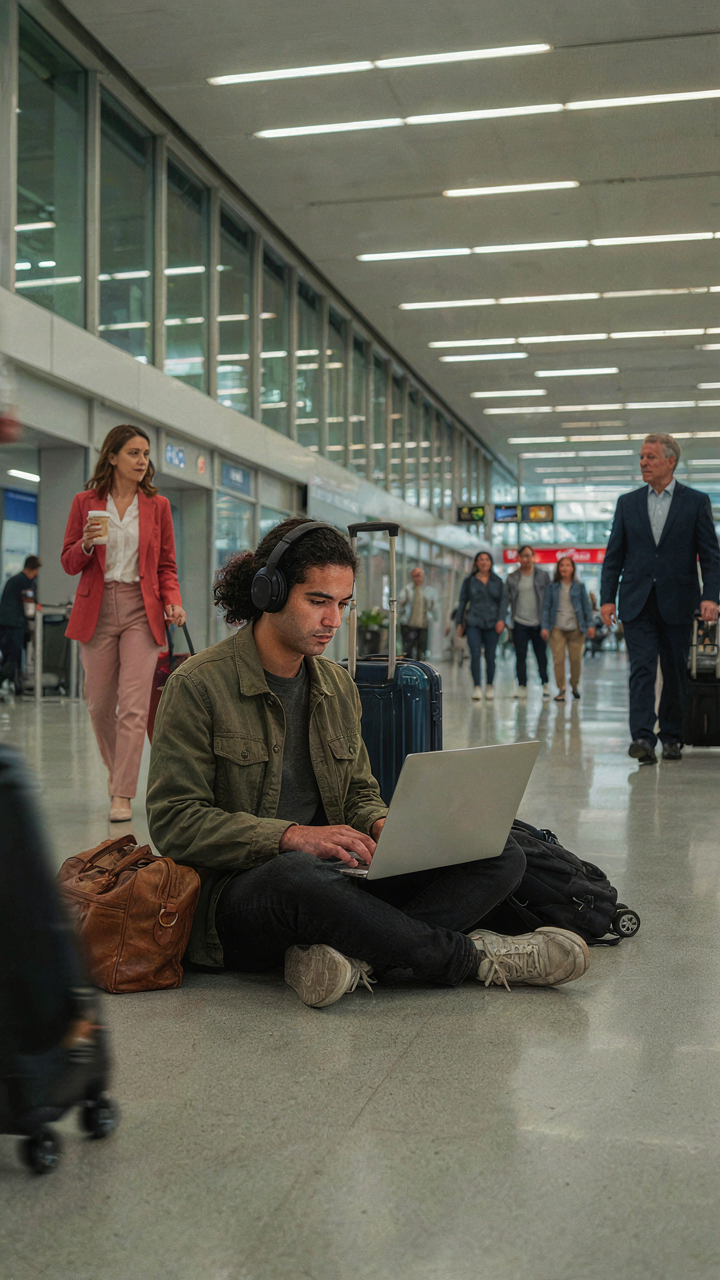
You don’t need a lounge. You need to stop performing productivity for an imaginary audience. The airport lounge, the coffee shop, the coworking space—they’re all props in a show you’re running for yourself. Real work happens anywhere because real work doesn’t require permission from your environment. Today, pick one task and finish it in the loudest, worst place you can find. You’ll either discover you can focus anywhere or admit the real problem was never the noise.