
The Myth Of More: Why Excess Gear Destroys Camp Organization
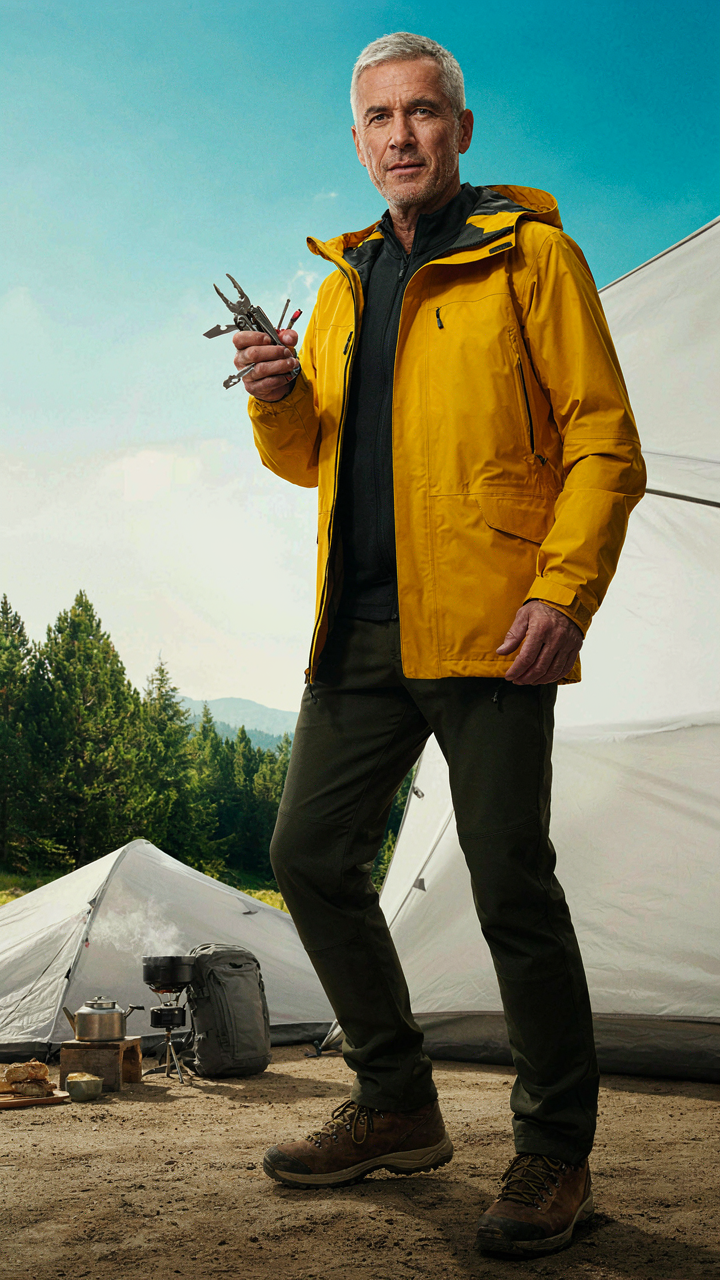
Minimalism: The True Foundation Of Efficient Camping Storage Ideas
You want to believe that a better storage system will fix your mess. It won’t. The real problem is you brought too much. Minimalism in camping isn’t philosophy—it’s physics. Every item occupies space and demands a location. Add more items, and your organizational system collapses under the load, not because the system is bad, but because you violated its carrying capacity.
The camping industry profits from selling you storage solutions for gear you don’t need. Tents with extra pockets. Organizers for the organizers. None of this matters if you cut your gear load in half first. Start by auditing what you actually use during a typical trip. If an item hasn’t touched the ground in three camping trips, remove it. Your camp gets organized the moment you stop treating extra capacity as insurance and start treating it as waste.
One Item, Many Uses: Maximizing Utility, Minimizing Bulk
Economy of purpose beats redundancy every time. A carabiner isn’t just for clipping. It hangs cookware, secures tarps, and fastens bear bags. A bandana dries dishes, filters water, marks trails, and wraps hot cookware handles. When each piece performs multiple functions, you need fewer pieces. The math is simple: fewer items means fewer locations to track, fewer spots to organize, fewer decisions about where things go.
This isn’t about being clever with your gear—it’s about refusing to carry single-purpose items into the field. A dedicated pot holder takes up space a bandana already occupies. A separate water filter wastes weight when your cooking pot handles that job. Before packing anything, ask what else it does. Multi-use gear isn’t a bonus feature. It’s the only rational approach to camp organization.
The First Principle Of Camp Organization: Designated Zones
The Kitchen Zone Demands Proximity
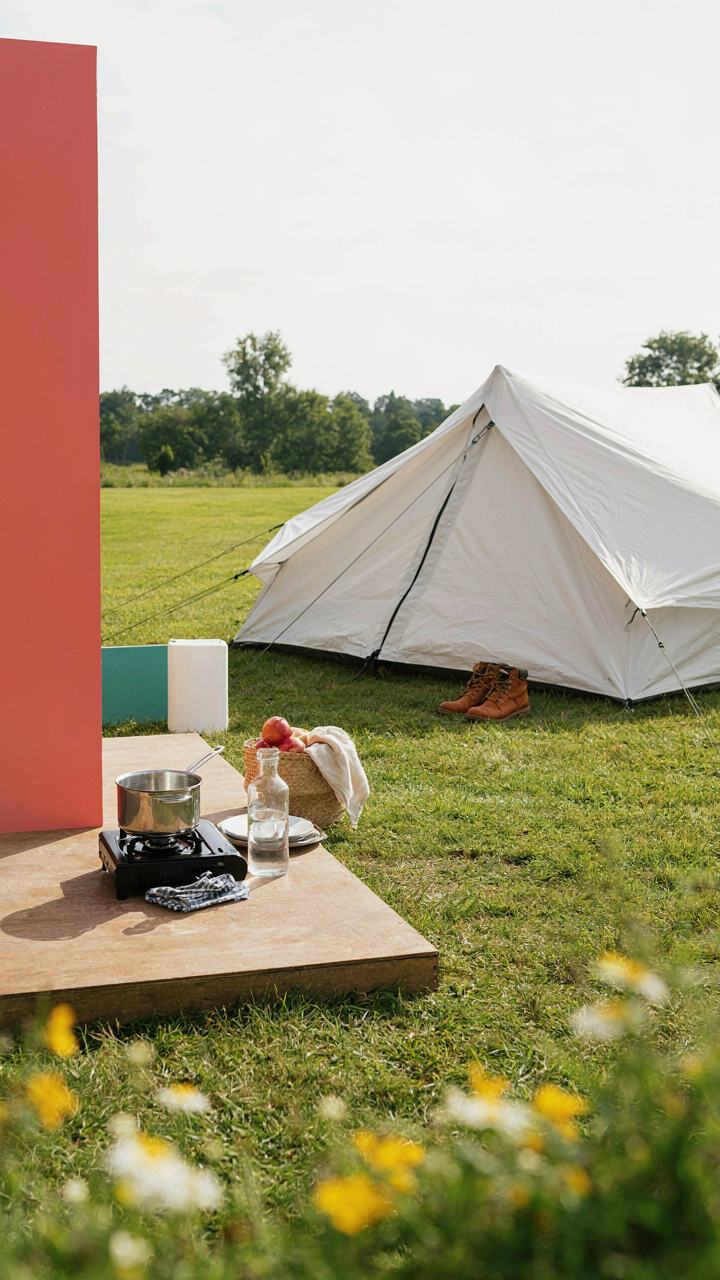
You want your camp to look intentional because it signals you have control. Here’s the mechanism: everything you touch repeatedly must live within arm’s reach or you’ll abandon the system entirely. Kitchen organization mirrors the industrial principle of workflow density—minimize distance between task stages to cut wasted motion and decision fatigue.

Your prep, cooking, and cleaning stations should occupy a tight ten-by-ten-foot radius maximum. This means your cutting board, stove, water container, and wash basin form a closed loop. The moment you scatter these across camp, you’ll start leaving dirty pans where they fall and storing food in random pockets instead of a centralized box. Tight spacing forces efficiency because inefficiency becomes immediate friction.
Sleep Space Stays Sanctuaries
A sleeping area works only when it remains untouched by daily camp life. Keep tents and personal gear on one side of camp, away from the kitchen, fire pit, and entry points. This prevents contamination from food odors, smoke, and foot traffic that destroys sleep quality and attracts wildlife to your shelter.
Your sleeping zone needs one clear rule: nothing gets stored there except what you sleep in and what you wear tomorrow. No food, no cooking equipment, no communal items. This physical separation tells your brain the space serves one function. When you blur boundaries, tents become storage dumps. When you enforce them, they stay clean and your sleep stays uninterrupted.
The “One Touch” Rule For Camping Gear Organization

Put It Away The Moment You’re Done
You want a clean camp because mess signals incompetence, and incompetence costs you—in comfort, in safety, in how others perceive your capability. The real mechanism is friction. Every item left out creates a decision tax. You see it again, think about it again, move it again. Chaos compounds. The one-touch rule borrows from manufacturing’s lean production: move inventory once from input to final position. No staging areas. No “I’ll organize this later” piles that grow like mold.

The moment you finish with a tool, a cooking item, or a piece of gear, it goes directly into its designated spot. Not on a rock. Not on the picnic table. Not “near” where it belongs. This eliminates the secondary effort entirely. Your brain stops treating that item as a live problem. When you’re tired at dusk, this discipline saves you hours of invisible friction. Fatigue kills attention, and disorganized camps are where people lose track of critical gear or waste daylight searching for basics.
Direct Storage Beats Staging Spots
Most camping advice tells you to “organize as you go,” which sounds right but misses the point. Staging—putting something in a temporary spot to organize later—creates a false efficiency. You think you’re saving time. You’re not. You’re doubling the handling. Lean manufacturing solved this decades ago: intermediate steps waste resources. Apply it directly. Design your camp so every item has one path from use to storage, no stops in between.
This means placing your gear station, cooler, cooking zone, and sleeping area in spatial relation to how you actually use them. Your stove doesn’t live fifty feet from where you prep food. Your first aid kit isn’t buried in a bag. Your flashlights have a hook, not a bag. When you finish with something, the storage location is obvious and requires no decision-making. You build this into setup, not into nightly cleanup routines. The protocol is simple: during camp setup, assign every item a fixed location. During the stay, every item returns there immediately after use. No exceptions.
Vertical Thinking: Unlocking Hidden Tent Camping Organization Storage

Hanging Organizers: Utilizing Tent Walls And Overhead Space
You want to feel like you have control over your camp setup because chaos leaks into everything else—meals take longer, you can’t find gear when you need it, and the whole trip degrades. The mechanism is simple: vertical real estate in a tent stays unused because most people default to floor-level storage. Hanging organizers exploit gravity’s inverse. They use the dead space between your head and the tent peak, converting wasted cubic feet into accessible pockets. Gear hangers, shoe organizers, and fabric wall pockets mount on tent poles or adhesive strips without damaging fabric. You gain 40 to 60 percent more usable storage by moving items off the ground.

The common advice tells you to “maximize your space,” which is meaningless. What actually works: install one hanging organizer at eye level when standing inside the tent for daily items—toiletries, charging cables, snacks—and a second one overhead for lightweight off-rotation gear. Weight matters here. Never hang anything heavier than five pounds on standard tent fabric or pole attachments. The attachment point fails long before the organizer does. Test your setup before the trip by loading it and checking for sag or pull on the tent structure.
Multi Tiered Shelving: Compact, Accessible Storage Solutions
Shelving in a tent sounds impractical until you realize stacking vertically on a small footprint beats spreading horizontally across your sleeping area. Camp-specific shelving units—collapsible three to five-tier stands made from aluminum or plastic—take up roughly 12 to 16 inches of floor space while holding 15 to 25 pounds distributed across their height. You compartmentalize: cooking supplies on the lower tiers, lighter items and electronics on top. Access improves because you see everything at once without digging through a pile.
Set your shelving 12 inches from the tent wall to allow airflow and prevent condensation damage to stored items. Load heavier items on lower shelves to keep the center of gravity stable, especially in wind or on uneven ground. Start with one small unit to test workflow before adding more. If your tent feels cramped after setup, the shelving is too large for your space—go smaller or stick with hanging solutions.
The Pre Mortem Packing Protocol For Organized Camping Ideas

Pack For Every Scenario, But Only What’s Essential
You want the security of knowing you won’t get stranded without something you need. That fear drives people to overpack until their car looks like a storage unit on wheels. The mechanism is simple: constraint forces prioritization. Military logistics teams use this principle called “load bearing capacity”—the hard limit on what moves. Your campsite has the same limit. Once you know what actually fits and functions in your space, you stop bringing redundant gear.

Start by listing genuine scenarios: weather shifts, equipment failure, unexpected guests, multi day stays. Against each scenario, write one item that solves it. Not three backups. One. A broken tent stakes requires stakes and a hammer. Bad weather requires one tarp. A guest needs one extra sleeping pad. This isn’t about pessimism. It’s about efficiency. You identify what actually prevents failure, then you stop.
Visualize Your Campsite Layout Before You Leave Home
Flow design comes from architecture and manufacturing. Architects call it “circulation”—how people move through space without collision or wasted steps. Camp sites operate identically. Before packing, sketch your site: where the tent goes, where you cook, where you store gear, where you sit. Now trace the paths you’ll walk daily. That walk from tent to fire to food storage becomes your packing priority.
Pack items in the sequence you’ll use them at camp. Tent gear goes in last so it comes out first. Kitchen items cluster together. Tools and repair supplies go in one container, not scattered. When you arrive, this sequence means you unload once and everything lands in its zone. You’ve eliminated the chaos of unpacking three times because you forgot where the stove went. Packing is just reverse engineering your campsite workflow.
The “FIFO” Method For Food & Consumables (First In, First Out)
Rotate Stock Like A Warehouse Operator
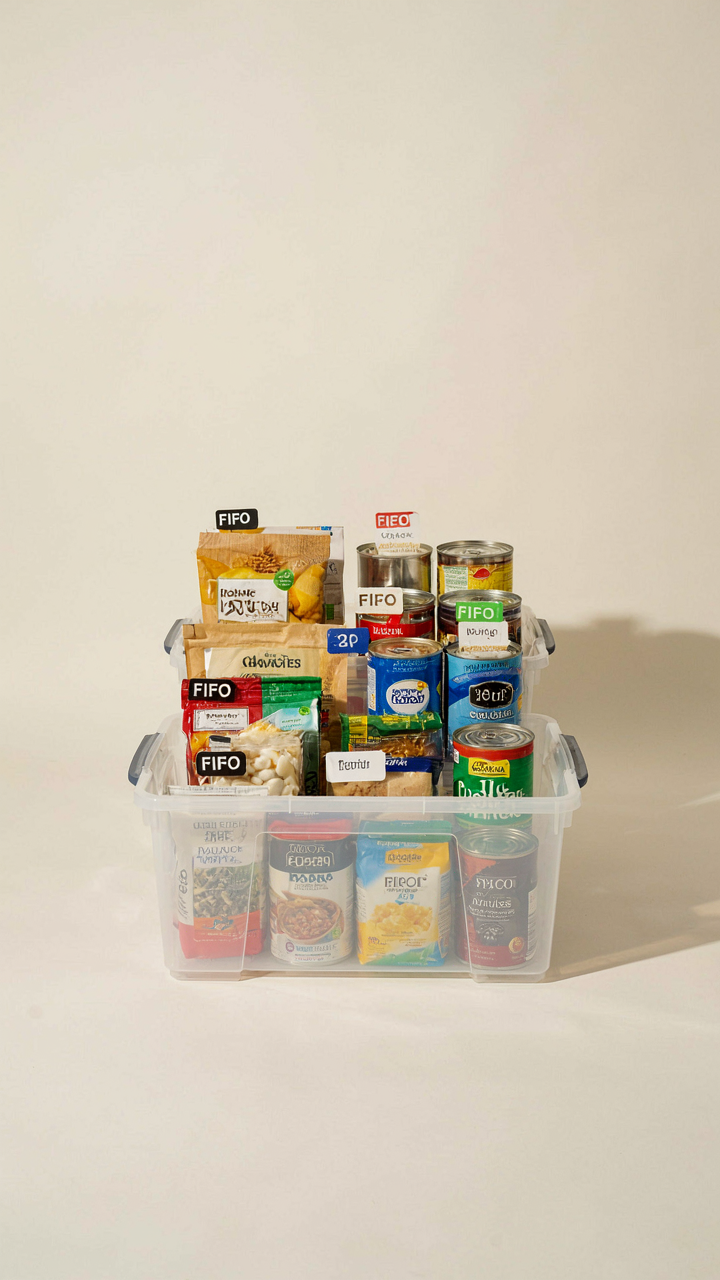
You want to feel organized without actually tracking anything. The real mechanism here is borrowed from retail inventory management: FIFO minimizes waste and prevents the psychological burden of deciding what to eat. You consume older items first, period. This isn’t optional at a campsite where food spoils faster and space is finite. The alternative is opening five containers of the same thing because you forgot what you packed, then hauling half of it home.

Set up one designated zone for all food and consumables. Label items with packing dates using a marker on the container itself, not a separate list you’ll lose. When you restock from your cooler or supply bags, place new items behind older ones. This forces you to grab what’s oldest first without thinking. Consistency matters more than perfection. One person manages this zone so decisions stay centralized and items don’t migrate to random tents.
Know Your Inventory Before You Need It
Visible storage means you stop buying duplicates and wasting money on food you already have. Most campers pack blind, assume they’re out of something, then find three of them later. The mechanism is simple: what you see, you use. What you can’t see gets forgotten and abandoned.
Create a small, open-faced shelf or designated clear container stack where all consumables live. Coffee, salt, pain relievers, first aid supplies, batteries, matches. Everything visible in one place. Use clear containers instead of opaque ones so you spot shortages without opening every bag. Before any resupply run to the store, walk through this zone once. You’ll cut unnecessary purchases by half. This one protocol stops the chaos of redundant packing.
The Military Ruck Principle: Weight Distribution & Accessibility
Heavy Items Low And Close To Body
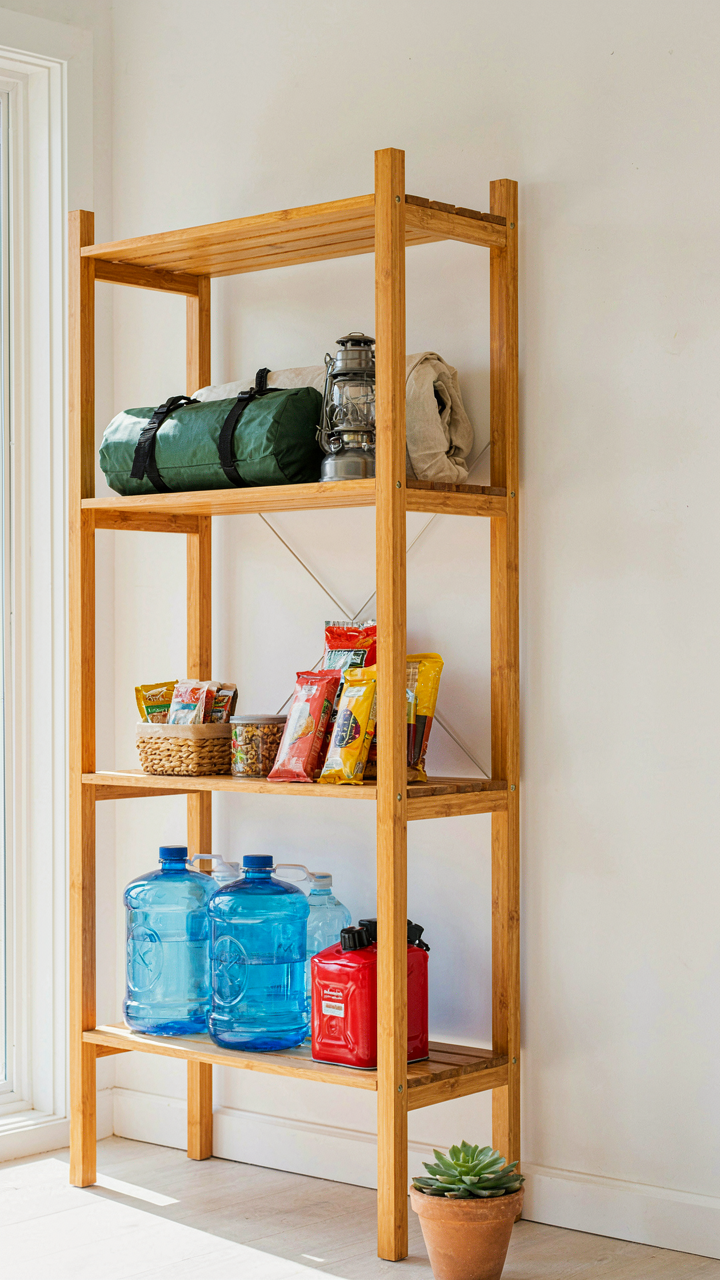
You want your camp to feel controlled because chaos signals incompetence. Here’s the mechanism: load-bearing physics. Military rucksack design places weight low and centered against the body because it preserves your center of gravity and reduces strain on shoulders and lower back. Apply this to your campsite storage. Dense items—fuel, water, tools, canned goods—go into lower containers or the bottom tier of your pack system. This keeps your camp’s “weight” stable and doesn’t topple when you move through tight spaces or reach for something else.

Most people stack randomly and wonder why their gear tips or feels unstable during transport between camp zones. The real cost isn’t effort; it’s the mental friction of managing chaos. Store your heaviest items in low, durable containers first. Use ground-level placement or bottom shelves of camp storage systems. This simple sequencing prevents repeated adjustments and keeps your camp functional without overthinking.
Frequently Used Items Top And Outer
Easy access isn’t about comfort; it’s about eliminating wasted minutes that compound across a trip. Place items you’ll grab multiple times per day—cooking utensils, water bottles, first aid, flashlight—in top compartments or on outer-facing edges of your storage. This eliminates the rummaging tax. You grab what you need without displacing everything else. Psychological friction vanishes when your hand reaches the right thing on the first try.
The mistake is treating “accessibility” as optional polish rather than structural requirement. Build your pack or storage container with frequency mapping: daily items form the outer layer, weekly items sit middle, backup supplies rest deep. Use clear containers or labeled sections so visual scanning takes seconds instead of minutes. This transforms your campsite from a place you manage into a place that manages itself.
The Containerization Fallacy: When Bins Betray Camping Organization

Why Bins Breed Disorder
You want bins because you believe they solve the problem. They don’t. You’re hoping a container makes chaos disappear, but bins just hide it and multiply it. The real mechanism at work is entropy: disorder increases when you treat containers as permission to defer decisions. Each bin becomes a black hole. You toss items in because “it goes somewhere,” not because you know where. Six months later you own twelve bins and no idea what’s in half of them.

The camping industry profits from this exact behavior. Sell someone a storage solution and they stop asking whether they need the items at all. Bins feel like progress. They’re not. They’re a tax on your attention. Every container you add is another decision point you’ll avoid, which means you’ll eventually search through multiple bins to find one thing. This is the opposite of organization.
Containers That Actually Work
Organization isn’t about aesthetics. It’s about access time and decision clarity. In systems theory, this is called “information density”—the amount of useful data you can extract from a space without friction. Strategic containers reduce friction by housing only items that share both a function and a retrieval frequency.
- Cooking fuel and stove maintenance: A single, labeled container keeps butane, lighter fluid, and cleaning cloths together. You touch this container once per trip during setup and breakdown.
- First aid and camp repair: Items you might need urgently should live in one visible container. Bandages, blister treatment, patch kits, and multi-tool go nowhere else.
- Rope, stakes, and fasteners: Group these by function, not material. One container for everything needed to secure a tarp or bear bag.
- Nighttime essentials: Flashlight, batteries, headlamp, and glow stick in one spot. You retrieve this once, at dusk, then return it once, at dawn.
- Toiletries and hygiene: Soap, toothbrush, sunscreen, and bug spray grouped by use location. Tent toiletries separate from campfire toiletries.
The rule is simple: one container, one purpose, one retrieval pattern. Never create a “miscellaneous” bin. That’s where organization dies. When you need something, you know which container to open because the container’s label tells you what you’re solving for, not what you’re storing.
The Command Center Approach To Store Camping Gear
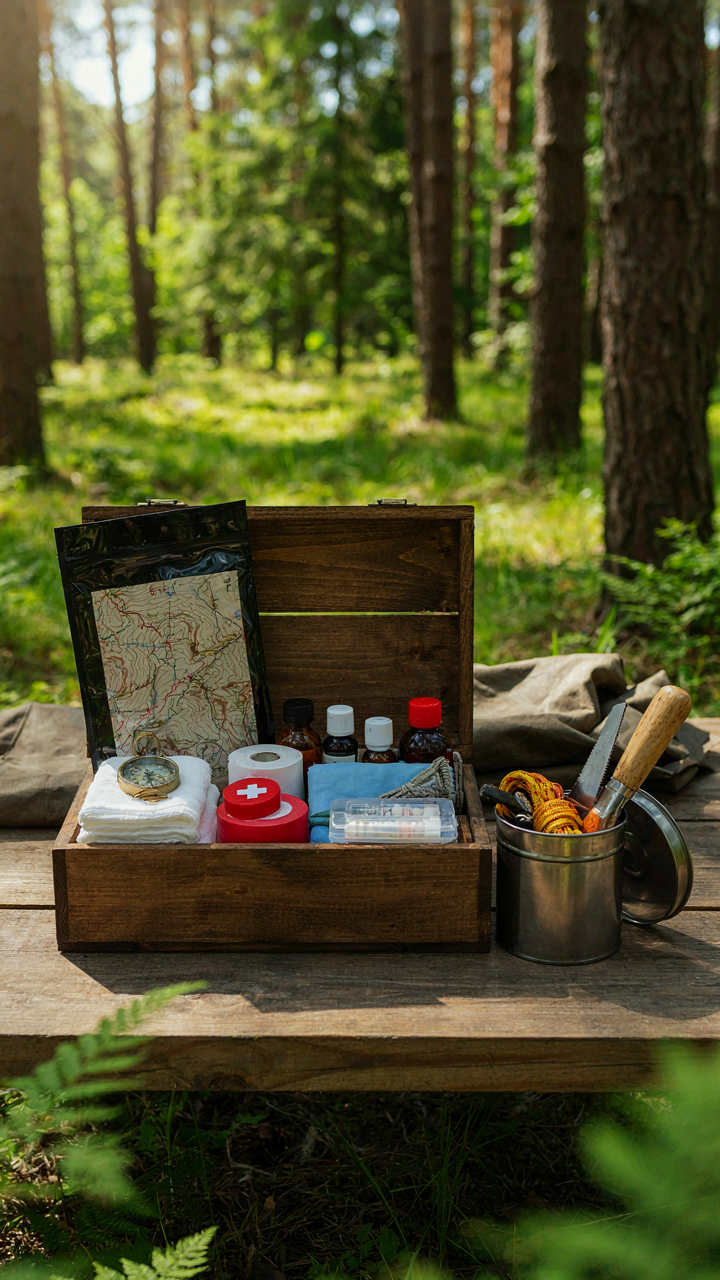
One Designated Hub For All Tools And Essentials
You want everyone at camp to think you have your life together. The real mechanism is friction. Every second someone spends hunting for the first aid kit or a wrench is a second the group loses cohesion and you lose credibility. Centralize everything in one physical location, not spread across tents or vehicle compartments. This mirrors supply chain logistics, where reducing node points cuts waste. One command center beats ten scattered stashes.
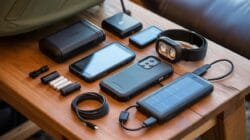
Make this zone the actual center of your campsite layout, not an afterthought wedged behind a tent. Use a weatherproof bin, crate, or pegboard system. Label compartments clearly so retrieval takes seconds, not minutes. Stock it with tools you actually use, first aid supplies organized by injury type, maps in a waterproof sleeve, and batteries in one container. The command center succeeds only when people find what they need faster than they could ask someone else.
Everyone Knows Where Everything Lands
The common advice says label things and hope people cooperate. That doesn’t work. People forget labels. They get lazy. They prioritize speed over precision. Instead, establish a protocol: every item returns to its labeled spot after use, no exceptions, every single time. This is a standing rule, not a suggestion. When camp breaks down, it’s because shared responsibility collapses, and shared responsibility collapses when nobody enforces the system.
Walk through your command center with everyone once before activities start. Show the layout. Name who owns which sections if the group is large. Create visible consequences: if someone can’t find the flashlight because the last user didn’t return it, that person gets stuck with night duty next time. Enforcement through natural consequence beats nagging. When the group feels the friction of a lost item directly, the system locks in.
The “Post Camp Debrief”: Refining Your Camping Organization System

Capture Friction Before You Forget It
You want to feel like the trips after this one will be smoother, less chaotic, less like you’re solving the same problems twice. That’s the real driver here. The mechanism is simple: friction at camp creates data, but only if you document it while the memory is hot. Most campers skip this step entirely and repeat the same organizational failures for years.
Write down what broke your system during the trip, not what went well. The friction points are the signal. Did you waste fifteen minutes finding the cooking utensils because they weren’t where you expected? Did rain soak your gear because the tarp positioning failed? Did you run out of accessible water storage? These aren’t minor annoyances. They’re evidence of a design flaw in your base camp layout. Capture them within forty-eight hours of breaking camp, or the specifics dissolve and you’ll rebuild from intuition alone.
Test One Variable Per Trip
This comes from experimental design: isolate the variable you’re testing so you know what caused the change. Don’t reorganize your entire campsite between trips. Pick one element you struggled with last time and redesign only that system.
If your cooking station was cramped, rearrange it and nothing else. If your gear storage got wet, test a new tarp configuration and nothing else. Track what changed and whether the problem improved or worsened. After three to four trips of single-variable testing, you’ll have a campsite organization system built on evidence, not guessing. Document each test outcome in the same format so you can reference patterns across seasons and terrain types.
Your Biggest Camping Obstacle Isn’t Gear; It’s The Indecision You Refuse To Organize

Most campers waste energy deciding where things go instead of actually using their campsite. You already know what belongs in your cooler, your tent, and your supply station. Stop overthinking it. Pick a system today and commit to it for three trips. The organization itself doesn’t matter. The decision does. You don’t fail because your setup was wrong. You fail because you never stopped rearranging long enough to actually camp.