

The Quest For Uninterrupted Workouts With Wireless Earbuds

Why Traditional Earbuds Fall Short During Intense Workouts
Traditional earbuds rely on passive fit alone. They sit in your ear canal without any securing mechanism. Sweat, head movement, and impact from running or jumping dislodge them. You spend more time adjusting them than listening to music. This constant shifting breaks your focus and kills your workout momentum.
The cable adds another failure point. It catches on clothing, weights, and equipment. Tension from the cord pulls earbuds out of position. You also can’t move freely without the cable creating drag and discomfort. Traditional designs simply weren’t engineered for athletic demands.
The Rise Of True Wireless Earbuds For Active Lifestyles
True wireless earbuds emerged in the mid-2010s to solve these exact problems. Manufacturers ditched cables entirely and built in stabilizing components like ear fins, wings, and reinforced ear loops. These features anchor the buds securely during high-impact movement. The result is consistent audio delivery without constant readjustment during your session.
Modern true wireless earbuds integrate sweat resistance and water protection directly into their design. Materials like silicone and specialized polymers handle moisture exposure. Battery technology improved to deliver four to eight hours of continuous playback. These advances transformed wireless earbuds from a convenience gadget into a legitimate workout tool that stays in place.

Understanding Secure Fit Key To Earbud Headphones For Intense Workouts

Ergonomic Design And Ear Tip Options For Stability
Earbud fit depends on matching the ear tip size to your ear canal. Manufacturers include multiple tip sizes, typically ranging from extra small to large. Getting this wrong causes earbuds to slip during movement. Test each size during stationary activity first. The right fit seals the canal without forcing or creating discomfort.
Ergonomic design shapes the earbud body to match ear anatomy. Contoured shells sit flush against the concha and anti-tragus. This reduces pressure points and distributes weight evenly. Better weight distribution means earbuds stay put during running, jumping, and lateral movement. Some brands angle the nozzle to match ear canal entry naturally.
Wingtips And Ear Hooks: Enhancing In Ear Security
Wingtips are rigid extensions that brace against the ear’s inner ridge. They work mechanically by creating a second point of contact beyond the ear canal. This dual contact system resists dislodging forces during intense activity. Not all workouts require them, but high-impact exercise demands their support. Wingtips add minimal weight and pack flat for storage.

Ear hooks loop over the top of the ear and anchor the earbud body. This design prevents upward movement and handles repeated head motion effectively. Runners and CrossFit athletes benefit most from this configuration. Hooks add stability but require proper sizing for comfort during long sessions. Some users find hooks restrictive, so this remains a personal preference based on ear shape and workout intensity.
Battery Life And Play Time Powering Your Longest Sessions
Extended Playback For Marathons And All Day Use
Most workout earbuds deliver 6 to 10 hours of continuous playback per charge. This window covers standard training sessions, commutes, and work days without requiring a mid-day top-up. Real-world performance depends on volume level, codec selection, and active noise cancellation usage. Higher volumes and ANC drain batteries faster than baseline operation.
Manufacturers rate battery specs under controlled lab conditions, not actual workout stress. Heat from your ears, sweat exposure, and temperature fluctuations reduce stated numbers by 10 to 20 percent. Plan for the lower end of advertised ranges during intense outdoor training. Indoor gym sessions typically see better battery retention than outdoor running or cycling.
Charging Cases: Your Portable Power Solution
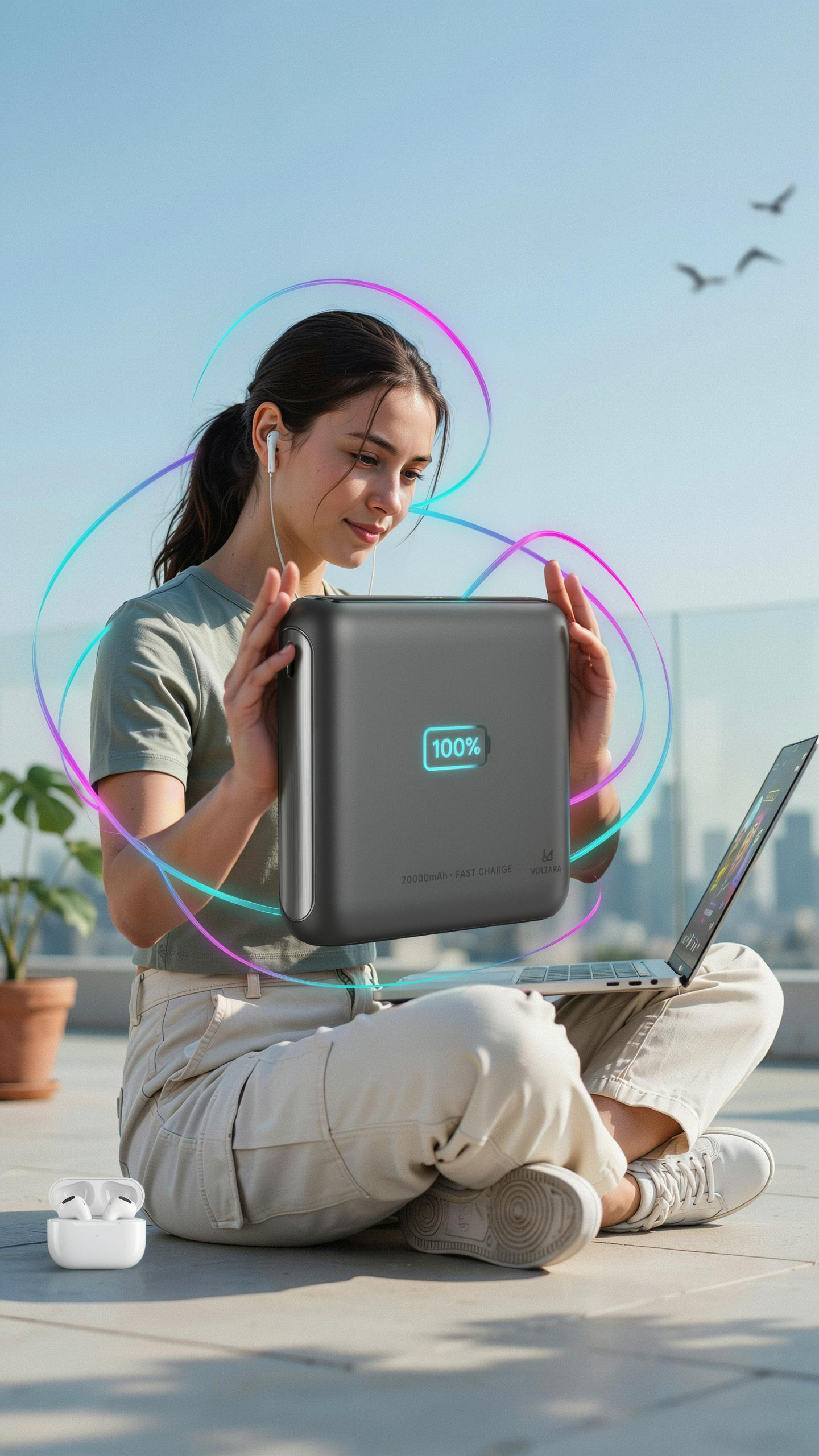
Charging cases store 20 to 80 additional hours of listening time depending on the model. A compact case adds minimal weight to your gym bag or running pack while extending your total listening window. Cases use lithium polymer batteries that degrade slowly over time, typically retaining 80 percent capacity after 300 full charge cycles.

USB-C charging ports have become standard on most modern cases, delivering faster recharge times than older micro-USB connectors. Most cases fully charge earbuds in 60 to 90 minutes and reach full case capacity in 2 to 4 hours. Wireless charging cases exist but add thickness and weight, making them impractical for workout-specific use.
Sweat And Water Resistance Essential For Intense Workout
IP Ratings Explained: What They Mean For Your Earbuds
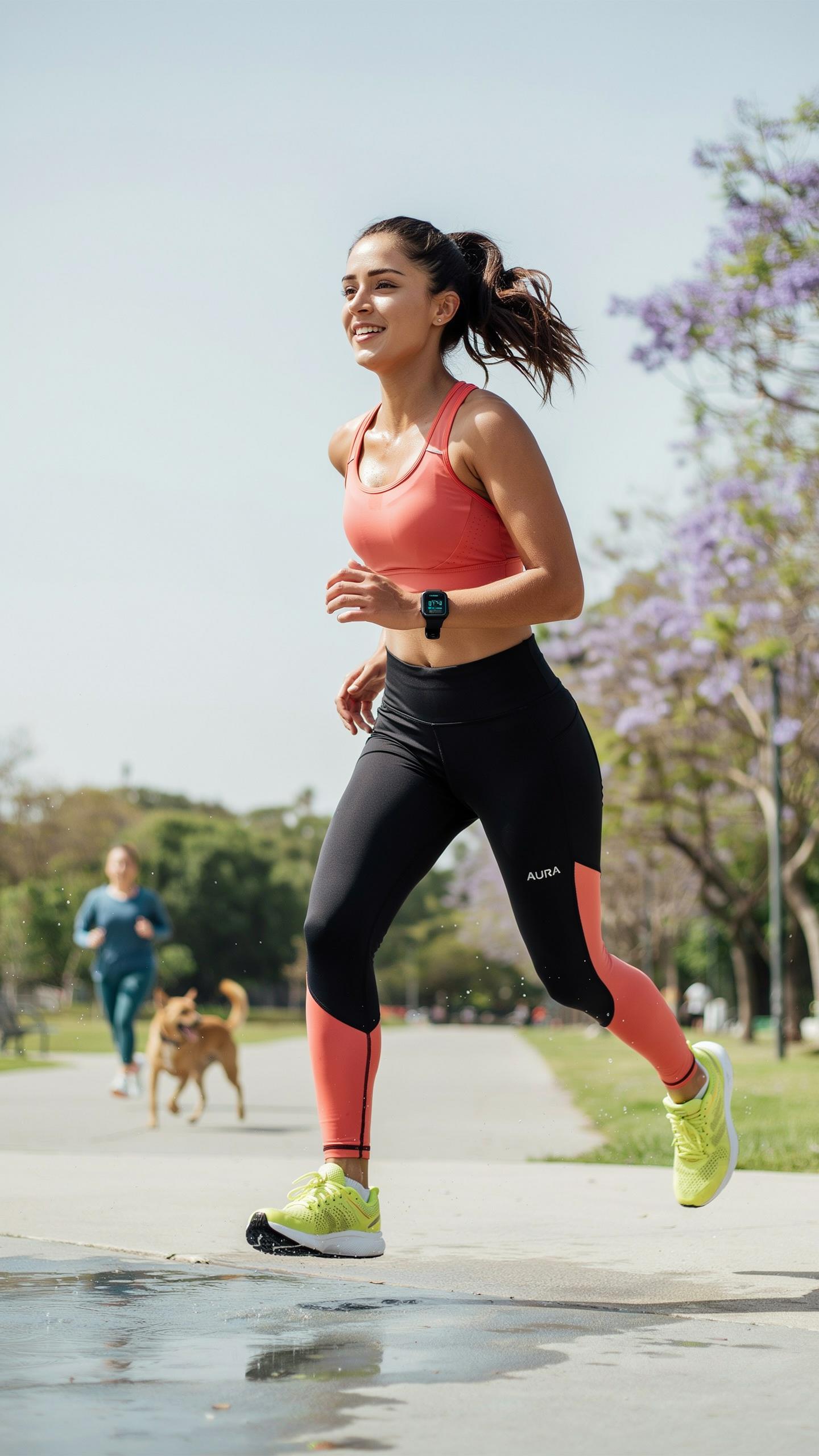
IP ratings use two digits to measure protection levels. The first digit rates dust resistance from 0 to 6. The second digit rates water resistance from 0 to 8. For workout earbuds, you need at least IPX4 rating. This means water jets from any direction won’t damage the earbuds during sweat exposure or light rain.
IPX5 and IPX6 ratings offer stronger water protection through direct water jets and powerful spray. IPX7 earbuds survive temporary immersion in water up to one meter. IPX8 earbuds handle full submersion and work during swimming. Most serious workout earbuds land between IPX4 and IPX7, balancing protection with cost. You rarely need IPX8 unless you swim regularly during workouts.
Durability Features For Active Use
Sealed charging cases prevent sweat from corroding battery contacts and internal electronics. Hydrophobic coatings on driver diaphragms repel moisture without blocking sound. Reinforced strain relief at cable connection points eliminates the common failure point where wires break from repetitive flexing during intense movement and handling.

Materials matter in the earbud construction. Premium models use stainless steel or titanium mesh grilles instead of plastic. Rubberized coatings on stems improve grip when hands are wet. Replaceable ear tips allow you to swap worn or damaged pieces instead of discarding entire earbuds. Quality hinges on the charging case prevent premature cracking from daily use and impact drops during workouts.
Noise Cancelling Vs Awareness Finding Your Workout Sweet Spot
Active Noise Cancellation For Focused Training
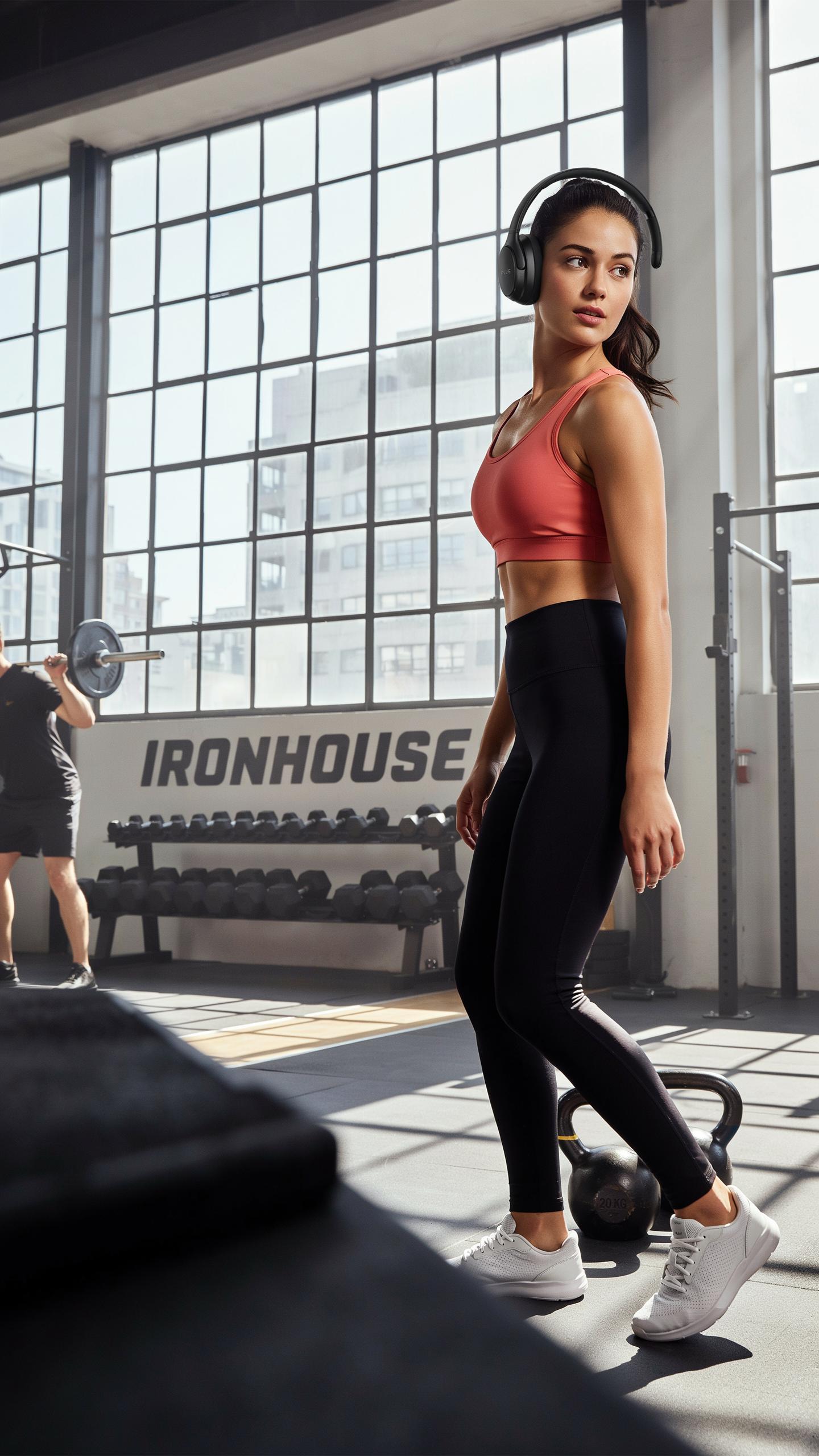
Active noise cancellation reduces ambient sound by generating inverse sound waves. This technology works best in stable environments like gyms with consistent mechanical noise from equipment. ANC drains battery faster than standard playback, typically reducing runtime by 25 to 40 percent depending on the model and intensity level used during your session.
ANC excels for treadmill running and indoor cycling where external noise remains predictable. The technology struggles with variable outdoor sounds like traffic patterns and wind noise. Choose ANC when you need sustained focus on your workout without environmental distractions pulling your attention away from your training intensity and form.
Remember those days of tangled wires and lost focus? Now, with earbuds that stay put, every stride and every beat is a step closer to your best self, a sweet freedom.
Transparency Modes For Outdoor Safety
Transparency modes pipe external sound directly into your ears while you listen to music or podcasts. This feature lets you hear approaching vehicles, cyclists, and pedestrians without removing your earbuds. Most transparency implementations use built-in microphones to capture ambient audio and mix it with your media at adjustable levels.

Outdoor runners and cyclists benefit most from transparency modes during dawn, dusk, and night sessions. The mode uses minimal battery since it bypasses active processing. Enable transparency on busy streets and shared paths where situational awareness directly impacts your safety and ability to react to sudden obstacles or traffic changes.
Seamless Connectivity Bluetooth Earphones And Wireless Headphones
Bluetooth Standards And Their Impact On Performance
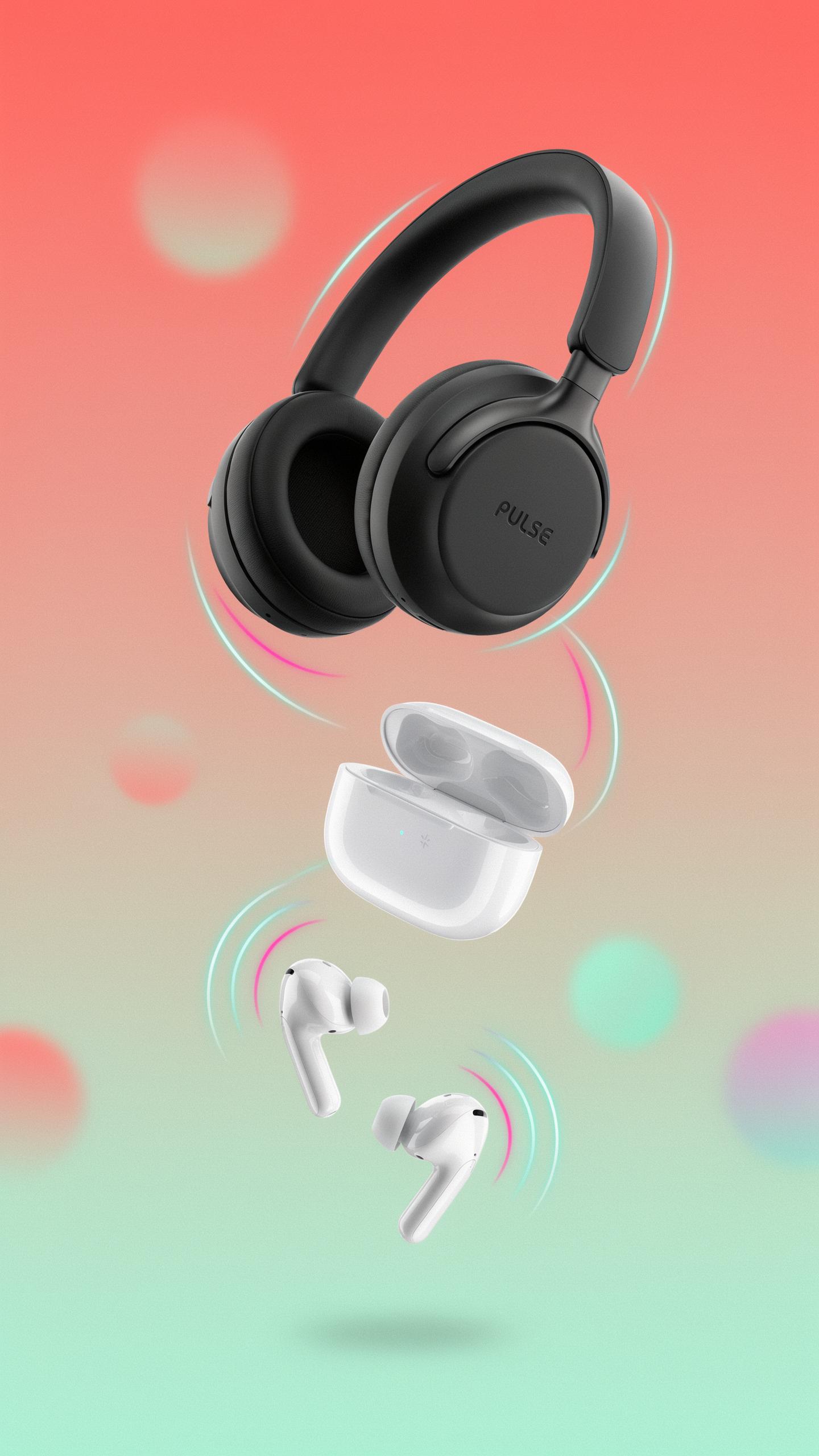
Bluetooth version matters for workout earbuds. Bluetooth 5.0 and 5.2 deliver better range and stability than older versions. These standards reduce latency and handle interference from gym equipment and crowded wireless environments. Newer versions consume less power, extending battery life during extended workouts. You get stronger connections with fewer dropouts when manufacturers implement current Bluetooth standards properly.
Codec selection directly affects audio quality and power drain. aptX and LDAC codecs transmit higher quality audio but demand more battery resources. Standard SBC codec uses less power but delivers lower quality. Most workout earbuds prioritize battery life over premium audio, making SBC or AAC codecs the default choice. Understanding this tradeoff helps you pick earbuds that match your priorities.
Multi Device Pairing And Quick Switching
Multi-device pairing saves time during transitions between phone calls, smartwatch notifications, and music streaming. Most current earbuds remember between two and eight paired devices automatically. Quick switching happens within seconds when you toggle between devices without manual reconnection. This feature proves essential during workouts when you need audio from multiple sources without stopping to adjust settings.

The speed of device switching depends on Bluetooth radio performance and firmware quality. Premium earbuds switch sources in under two seconds. Budget models sometimes lag or drop connection during transitions. Test switching speed before purchasing if you regularly move between devices during workouts. Poor switching performance creates frustrating gaps in audio and delays in call acceptance during exercise.
Sound Quality And Audio Enhancements Beyond Just Staying In

Drivers And Audio Codecs For Premium Sound
Driver size directly impacts frequency response and output power. Workout earbuds use drivers ranging from 5mm to 13mm. Larger drivers move more air and deliver deeper bass, but size constraints limit options in compact earbuds. Smaller drivers sacrifice low-end extension but fit securely in ear canals. The trade-off between fit and sound quality determines your listening experience during intense activity.
Audio codecs determine how your device compresses and transmits sound to earbuds. Common codecs include SBC, AAC, aptX, LDAC, and LHDC. Each codec offers different bitrates and latency profiles. AAC handles standard Bluetooth streaming effectively. aptX reduces latency for video sync. LDAC transmits higher bitrates on compatible devices. Your phone and earbuds must both support the same codec to benefit from its advantages.
The Impact Of Dolby Audio On Workout Motivation
Dolby Audio creates spatial sound and dynamic range enhancement through post-processing algorithms. This technology doesn’t require additional hardware in earbuds. It adjusts audio signals in real time to emphasize clarity and separation. During workouts, enhanced audio clarity helps you hear music lyrics and beat patterns more distinctly. Sharper audio definition can increase workout engagement and consistency.

Music motivation depends on how well you hear the elements driving your pace. Dolby Audio emphasizes vocals and percussion, making rhythm tracks punch harder. Your brain responds to clear beat patterns with improved cadence matching. However, Dolby Audio demands processing power from your device, which may drain battery faster. Assess whether the audio enhancement justifies the battery trade-off for your typical workout duration.
Top Features To Consider When Buying True Wireless Earbuds For Workouts

Key Specifications For Optimal Workout Performance
Workout earbuds must handle sweat, impact, and movement without fail. IP ratings matter here. IPX4 rating means water resistance against splashing. IPX5 or higher handles sweat and light rain. IPX7 enables brief submersion. Check the earbud rating separately from the case rating, as they differ. Battery life needs a minimum of 5 hours per charge for most workouts. Heavier sessions demand 6 to 8 hours. Codec support affects audio latency. AAC and SBC are standard. aptX provides lower latency for Android devices. The fit system determines whether earbuds stay in place during movement.
- IP Rating: IPX4 handles sweat. IPX5 to IPX7 manages rain and submersion. Check earbud and case ratings separately.
- Battery Life: Minimum 5 hours for standard workouts. Aim for 6 to 8 hours for endurance sessions. Case adds 15 to 30 hours total.
- Codec Support: AAC and SBC are universal. aptX reduces lag on Android. LDAC provides high quality audio on supported devices.
- Fit System: Ear hooks, wings, or fins prevent slippage. Multiple sizes ensure proper seal. Silicone or memory foam tips adapt to ear shape.
- Frequency Response: 20Hz to 20kHz covers human hearing. Emphasis at 100Hz to 5kHz boosts bass and midrange clarity during cardio.
Real testing reveals what marketing claims cannot. Users report fit failures immediately. Sweat damage becomes obvious within weeks of ownership. Battery degradation shows over months of use. Reviews from verified purchasers expose design flaws that controlled environments miss. Look for reviews mentioning your specific activity level, whether running, cycling, or gym training. Consistency across many reviews indicates reliable performance, not just one person’s experience.
User Reviews And Real World Performance
Verified purchase reviews trump promotional content. Buyers test earbuds through actual workouts under real conditions. They report specific failure points, like connector corrosion or seal loss after 6 months. They note which fit options work for different ear shapes and activity types. Negative reviews often identify problems faster than positive ones because users explain what broke and why. Cross reference complaints across multiple platforms to spot patterns.

Temperature extremes and humidity expose weaknesses. Earbuds performing well in dry indoor gyms may fail during outdoor summer runs. Cold weather can reduce battery performance or crack brittle plastic components. Users in harsh climates report these issues consistently. Pay attention to geographic clustering in reviews. High failure rates reported from humid or tropical regions indicate poor moisture sealing. Users in multiple climates provide the most reliable performance data.
Maintenance And Care For Your Workout Earbuds
Cleaning And Storage Best Practices
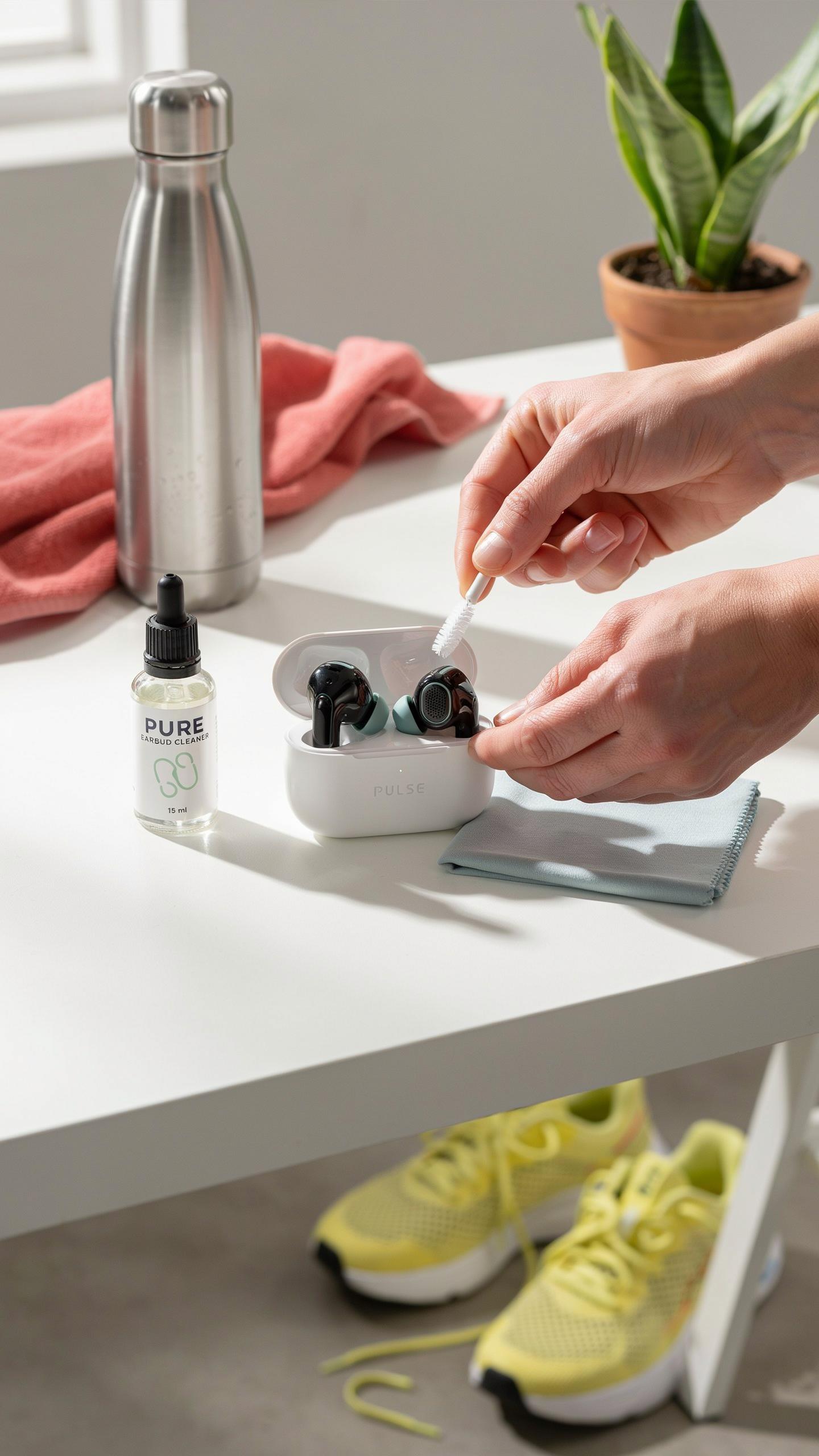
Sweat and moisture damage earbuds faster than any other factor. Clean your earbuds after every workout using a dry microfiber cloth. Wipe the speaker mesh, charging contacts, and exterior surfaces thoroughly. Store them in a cool, dry location away from direct sunlight and humidity. Never leave them in your gym bag overnight while damp.
The charging case requires equal attention. Wipe the interior contacts monthly with a dry cloth to prevent corrosion. Remove any debris from the case opening. Store the case with the lid open in low-humidity environments. Replace the included ear tips regularly, typically every three to six months, as they degrade from sweat exposure and frequent insertion.
Troubleshooting Common Issues
Connection drops during workouts stem from two sources: interference and distance. Keep your phone within ten meters of your earbuds. Move away from Wi Fi routers, microwaves, and crowded Bluetooth environments. Reset your earbuds by placing them in the case for thirty seconds, then removing them. Unpair and re pair the device if drops persist after moving to a cleaner RF space.
Battery drain accelerates in hot environments and with continuous use. Reduce active noise cancellation if battery life drops suddenly. Charge the case fully before extended workouts. If one earbud loses charge faster, the battery in that unit may be failing. Contact the manufacturer for replacement if both earbuds drain within six months of purchase under normal use conditions.
Frequently Asked Questions

What makes certain true wireless earbuds better suited for workouts than regular ones?
True wireless earbuds for workouts are designed with features like secure fit technologies (ear hooks, wing tips), sweat and water resistance (IPX ratings), and durable materials. These specialized elements ensure they stay comfortably in place and withstand the rigors of exercise, unlike standard earbuds that might slip out or be damaged by moisture.
How can I ensure my true wireless earbuds for workouts stay securely in my ears during intense exercise?
To keep your true wireless earbuds for workouts secure, experiment with different sized ear tips and wing tips provided. Many come with various options to create a snug, personalized seal. Additionally, properly inserting them with a slight twist can lock them into place, preventing movement during even the most vigorous activities.
Are there affordable true wireless earbuds for workouts that still offer good performance and a secure fit?
Absolutely! Many brands now offer excellent budget-friendly true wireless earbuds for workouts. Look for models with IPX4 or higher water resistance and included ear fins or hooks. While they might lack some premium features, you can still find reliable options that provide a stable connection and comfortable fit without breaking the bank.