

Understanding Active Noise Cancellation ANC Technology

How ANC Works To Silence Your Surroundings
Active Noise Cancellation uses built-in microphones to pick up ambient sound around you. The headphones analyze this noise in real time and generate an inverse sound wave. This inverse wave cancels out the original noise through destructive interference. The result is quieter surroundings without raising volume levels. ANC works best on consistent, low-frequency sounds like engine rumble and air conditioning hum that you encounter on trains, buses, and planes during commutes.
The effectiveness of ANC depends on noise consistency and frequency range. Steady sounds at lower frequencies are easier to cancel than variable or high-pitched noises. Train and bus engine noise falls into this sweet spot for ANC performance. Unpredictable sounds like conversations or car horns are harder for the technology to handle. This is why ANC performs reliably on your daily commute but has limitations in chaotic environments.
The Difference Between Active And Passive Noise Isolation
Passive noise isolation blocks sound through physical barriers. The earcups seal around your ears, and the eartips create a barrier in your ear canal. Materials like foam and rubber in the headphone design absorb sound energy before it reaches your eardrums. This method requires no power and works on all frequency ranges. Passive isolation alone reduces noise by around 15 to 20 decibels depending on fit and design quality.
Premium commute headphones combine both ANC and passive isolation for maximum noise reduction. ANC handles low frequencies while passive isolation tackles higher frequencies and environmental blocking. This dual approach gives you better overall sound reduction than either method alone. The combination means fewer distractions during your commute and lower required volume levels. You experience more consistent noise reduction across different commute scenarios and sound environments.

Why Noise Cancelling Headphones Are Essential For Commuters

Minimizing Distractions On Public Transport
Noise cancelling headphones reduce ambient sound by up to 20-30 decibels on average. Public transit exposes commuters to engine rumble, door chimes, announcements, and passenger conversations. Active noise cancellation technology captures these sounds and produces inverse sound waves to neutralize them. This directly lowers the noise floor you experience during your commute.
The practical benefit is straightforward: you control your acoustic environment instead of letting transit noise control you. Lower volume requirements on your audio source also protect long-term hearing health. Commuters report measurable stress reduction when external noise decreases, which compounds over weeks and months of daily travel.
Enhancing Focus And Productivity During Travel
Noise cancelling headphones create acoustic separation between you and your surroundings. This separation allows your brain to dedicate processing power to work tasks, podcasts, or audiobooks rather than filtering background noise. Studies on cognitive load show that reduced environmental noise improves concentration on complex mental tasks.

Your commute time becomes productive time instead of dead time. Professionals use this window for learning, work preparation, or strategic thinking. The ability to maintain focus without constant interruptions from transit noise makes the difference between a wasted hour and a purposeful one. Consistency matters: daily commutes add up to significant time investment over a year.
Wireless Noise Cancelling Headphones Freedom And Convenience

The Advantages Of Bluetooth Connectivity
Bluetooth technology eliminates the physical tether between your headphones and audio source. During commutes, this means you move through trains, buses, or crowded platforms without wire snags or entanglement issues. Your phone stays in your pocket or bag while audio streams directly to your ears. This setup reduces the risk of accidentally yanking wires and damaging either your headphones or device.
Wireless connectivity also expands your movement range. Most Bluetooth headphones maintain stable connections within 30 feet of your paired device. On commutes, this covers walking through stations, switching between transit cars, or moving around waiting areas without dropouts. You handle coat changes, bag adjustments, and seat shifts without managing cables. Practical freedom translates directly to reduced commute friction.
Seamless Pairing And Multi Device Support
Modern wireless headphones connect to multiple devices simultaneously through Bluetooth pairing memory. You register your headphones once with your phone, laptop, and tablet. When you switch devices, your headphones often recognize and connect automatically. This saves setup time each commute and eliminates the need to manually unpair and repair constantly.

The multi-device capability addresses real commute scenarios. Your phone handles your morning transit, then you switch to your laptop when you reach work. Your headphones follow that transition without input. Some models allow switching between two active connections, meaning you stay paired to both simultaneously and can take calls on your phone while using your laptop. This flexibility supports how commuters actually work across devices throughout their day.
Key Features To Look For In Commuter Headphones

Comfort And Fit For Extended Wear
Comfort determines whether you’ll actually wear your headphones daily. Your ears and head experience pressure from headphone clamps and earcup contact. Plush earcups reduce this pressure by distributing weight across a larger surface area. Adjustable headbands accommodate different head sizes and prevent slipping during movement. Lightweight designs matter because every gram adds strain over hours of wear.
Test headphones before buying whenever possible. Wear them for at least 30 minutes to identify pressure points. Many commuters wear headphones for one to three hours daily. Even minor discomfort compounds over weeks and months. Prioritize models with replaceable ear pads since materials degrade from sweat and friction over time.
Robust Build Quality And Portability
Commuter headphones face constant stress from daily transit. You drop them, stuff them in bags, and expose them to temperature changes. Foldable designs reduce size for backpacks and coat pockets. Hinges and joints must be reinforced at stress points to prevent cracking. Metal components outlast plastic alternatives in high-wear areas like headband extensions.

Carrying cases provide essential protection during commutes. Hard cases protect against crushing impacts in crowded trains or buses. Cable management compartments prevent tangling and damage. Choose headphones with reinforced cable connectors where wires meet earcups, as this is the most common failure point. Quality manufacturing at connection points directly extends your headphones’ lifespan.
Battery Life A Critical Factor For Wireless Headphones
Maximizing Playback Time For Long Journeys
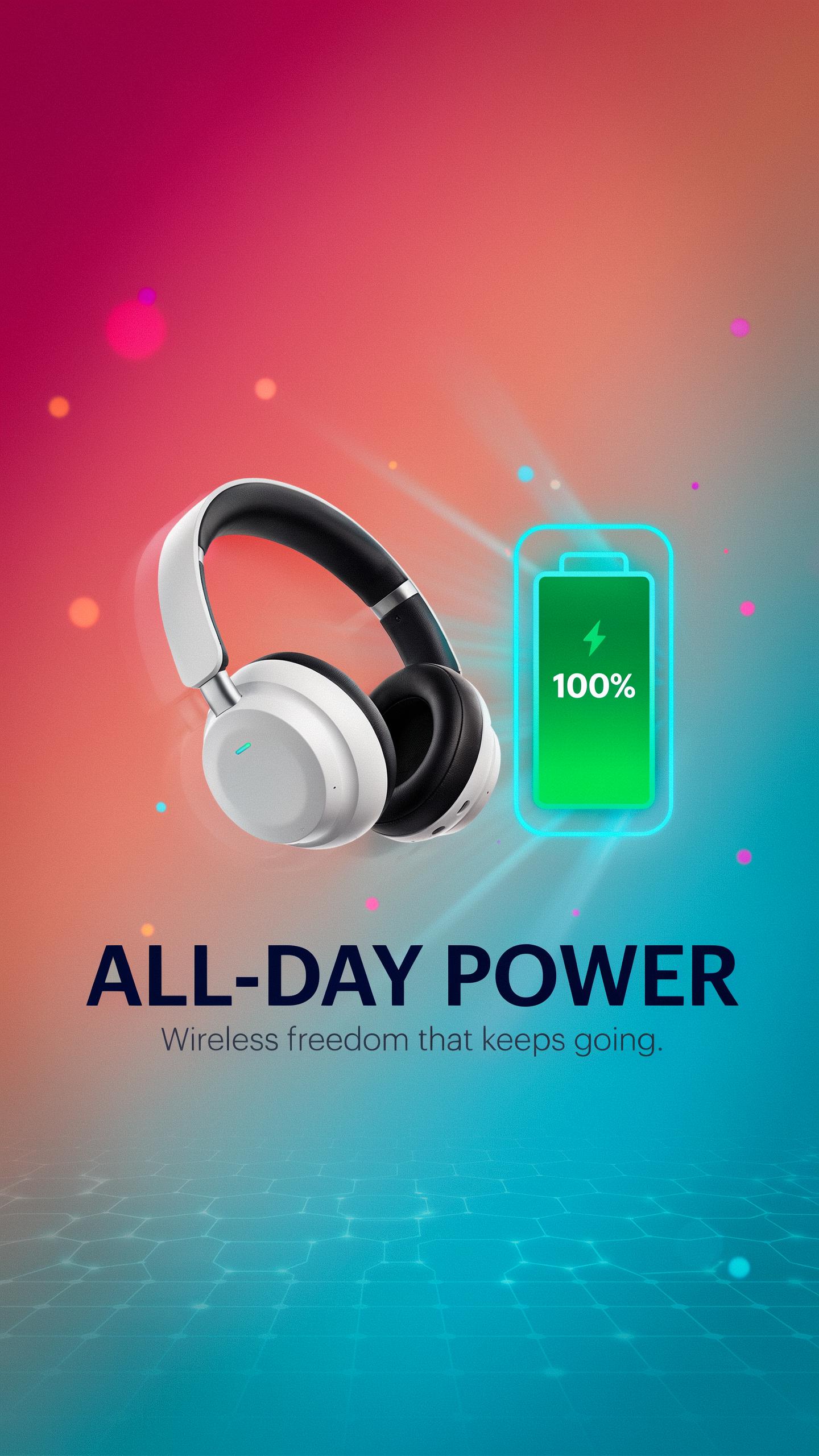
Battery life determines whether your headphones survive your commute without dying mid-journey. Most commuters need headphones lasting at least 20 to 30 hours per charge. This range covers multiple round trips without requiring daily recharging. Models achieving this threshold eliminate the anxiety of unexpected power loss during your commute.
Real-world battery performance varies based on noise cancellation intensity and volume levels. Active noise cancellation consumes more power than passive listening. Running ANC at maximum drain depletes batteries faster than using lower settings. For daily commuters, understanding your model’s actual runtime under typical conditions matters more than manufacturer claims.
Fast Charging Capabilities And Power Management
Quick charging features deliver practical value for commuters with unpredictable schedules. A 10 to 15 minute charge on many modern models provides 3 to 5 hours of listening time. This solves the problem of forgotten overnight charging. Fast charging transforms dead batteries into usable devices during lunch breaks or morning routines.

Efficient power management extends overall battery lifespan and reduces replacement frequency. Headphones with adaptive power systems adjust consumption based on usage patterns and environmental conditions. Better power management means your battery maintains capacity longer across months and years of daily use. This translates to lower total cost of ownership over the product lifecycle.
Sound Quality And Audio Experience
Balanced Audio Profile For Various Genres
Noise cancellation alone won’t keep you satisfied during a commute. Your headphones must deliver solid sound across music genres you actually listen to. A balanced profile means clear treble, defined midrange, and controlled bass. This matters because commuters switch between podcasts, rock, hip hop, and classical throughout the week. Poor tuning makes everything sound flat or boomy after a few days of use.
Test headphones with your go-to tracks before buying. Spotify or Apple Music work fine for this. Pay attention to vocals and instruments you know well. If vocals sound hollow or drums lack punch, move on. Premium models from Sony, Bose, and Apple deliver balanced profiles because they tune drivers specifically for this range. Budget options often emphasize bass or treble to mask driver limitations, which gets fatiguing fast.
High Resolution Audio Support Optional But Beneficial
High-resolution audio means frequencies above 20kHz that human ears technically cannot detect. Some headphones support LDAC, aptX HD, or LHDC codecs to handle this data. On paper, this sounds like the next logical upgrade. In practice, the improvement matters only to people with trained ears and lossless audio files.

For commuting, standard Bluetooth codecs like AAC and aptX deliver sufficient quality. Your phone’s Spotify stream won’t benefit from high-resolution support anyway. Invest in this feature only if you carry a dedicated audio player with FLAC files or use Apple Music lossless. Otherwise, channel that budget toward longer battery life or better active noise cancellation, which impacts your commute experience far more directly.
Top Contenders Sony Headphones And Other Leading Brands
Reviewing Popular Sony Noise Cancelling Models
Sony dominates the noise cancelling market through aggressive R&D in active noise cancellation. The WH-1000XM5 delivers measurable ANC performance that reduces low-frequency engine and train noise by 8-10 decibels compared to passive isolation alone. Battery life reaches 12 hours of continuous playback. These headphones weigh 250 grams and use memory foam ear cups that distribute pressure evenly during extended wear.
The WH-1000XM5 uses eight microphones to detect ambient sound and generate counter-frequencies in real-time. Touch controls respond consistently without requiring app navigation for basic functions. Sound signature leans neutral in the midrange, avoiding the bass bloat common in consumer headphones. For subway and bus commutes, this matters because you need accuracy across voice frequencies to hear stop announcements clearly.
Other Highly Rated Noise Cancelling Options
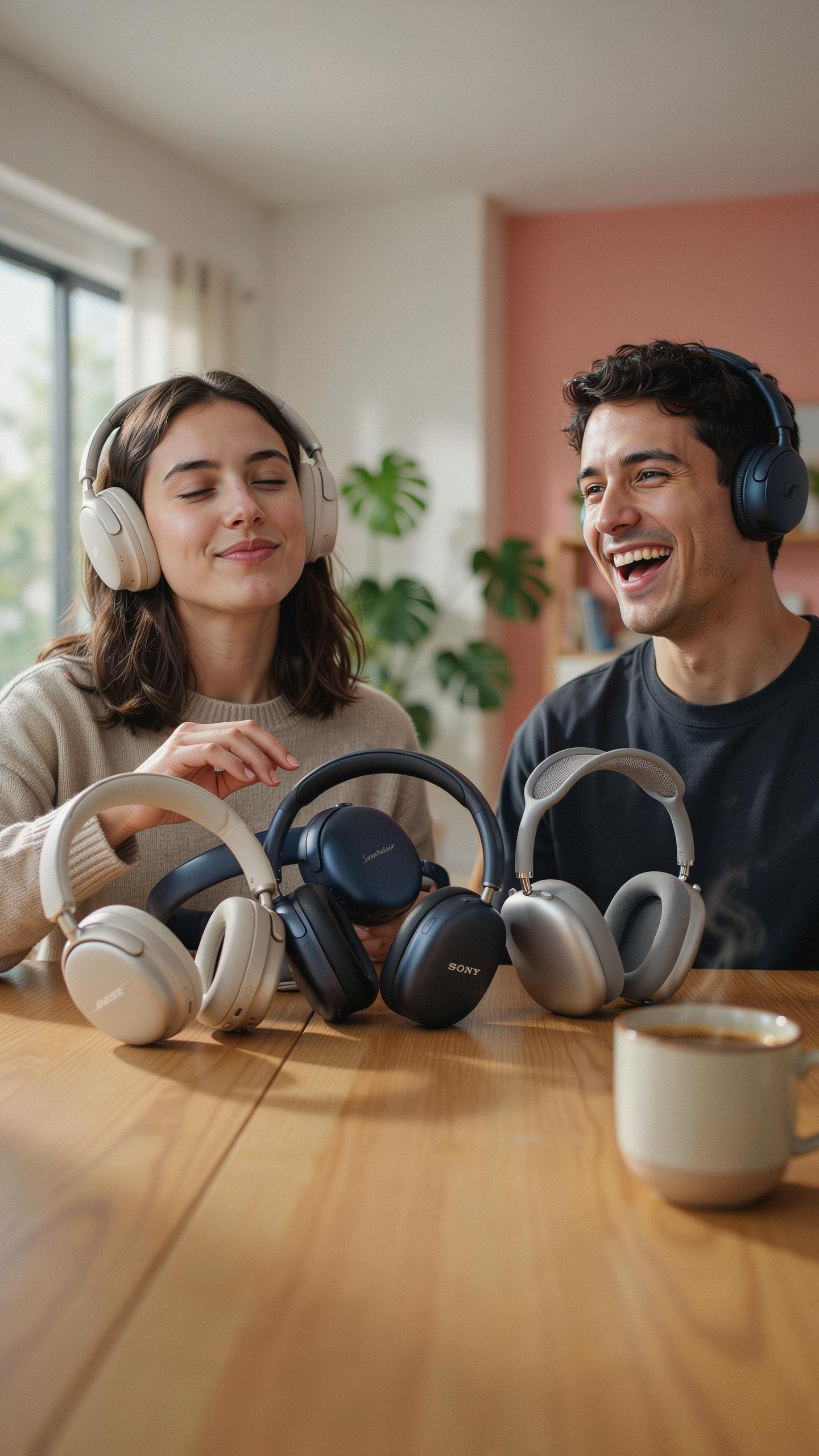
Bose QuietComfort 45 competes directly with Sony through different engineering choices. Bose prioritizes isolation comfort over raw ANC depth. Their headphones use a sealed design that blocks 15-20 percent more passive noise than Sony’s open architecture. Weight sits at 240 grams, slightly lighter than Sony. Battery performance matches at 12 hours, though real-world results vary based on ANC settings and volume levels.

Sennheiser Momentum 4 and Apple AirPods Max occupy different market positions. Sennheiser targets value-conscious commuters with 60-hour battery claims and three-year warranty coverage. Apple AirPods Max start at 549 dollars and integrate tightly with iOS devices through spatial audio and automatic switching between Apple products. None of these options universally outperform Sony in ANC strength, but each solves specific commute pain points through different feature sets and price structures.
Smart Features And User Experience

Ambient Sound Modes And Transparency Features
Ambient sound modes let you hear your environment without removing your headphones. Public transit requires awareness of announcements, station names, and approaching vehicles. Most modern noise cancelling headphones offer passthrough audio that pipes external sound directly into your ears. This feature matters for commuter safety and situational awareness during your journey.
Transparency modes vary in quality across models. Some headphones blend ambient sound naturally with your music, while others create a hollow effect. Premium models from Sony and Bose deliver clearer passthrough audio. Test transparency features before buying since poor implementation defeats the safety purpose during daily commutes.
Intuitive Controls And Companion Apps
Physical buttons and touch controls determine how quickly you adjust settings during commutes. Responsive controls let you toggle ANC levels, switch tracks, and manage calls without reaching for your phone. Most commuters prefer simple button layouts over complex touch gestures that require concentration. Control design directly impacts your daily experience.

Companion apps unlock customization that physical controls cannot provide. These apps let you fine-tune ANC intensity, create sound profiles, and update firmware. Quality apps respond quickly and offer logical menu structures. Poor app design creates frustration, so test the app experience before committing to a purchase.
Making The Investment Cost Vs Benefits

Evaluating Price Points And Value For Money
Noise cancelling headphones range from under 100 dollars to over 400 dollars. Budget models around 100 to 150 dollars deliver solid noise cancelling performance for commuters. Mid-range options between 150 and 250 dollars add better sound quality and longer battery life. Premium models exceed 250 dollars but offer marginal improvements for most commuting scenarios.
The value equation depends on your commute length and environment. A 30-minute train ride justifies a 150-dollar investment more easily than a 10-minute car drive. Mid-range headphones deliver the best return on investment for typical daily commuters. You gain effective noise cancellation without paying for features you won’t use.
In the quiet hum of my journey, I find a peaceful escape, a little bubble of serenity amidst the city’s symphony. It’s a small investment for a daily dose of calm.
Long Term Benefits Of A Peaceful Commute
Noise cancelling headphones reduce auditory stress during daily travel. Your nervous system experiences less constant stimulation from engine noise, conversations, and ambient sound. This lowered stress state carries into your workday and improves your starting mental condition. Studies on occupational stress show that commute quality directly impacts workplace performance.
A quieter commute allows focused thinking time or mental rest before work begins. You arrive at your destination less fatigued and more prepared for tasks ahead. Over months and years, this consistent stress reduction compounds into measurable productivity gains. The investment pays dividends through reduced burnout and improved overall wellness.
Tips For Choosing The Best Noise Cancelling Headphones

Considering Your Specific Commute Environment
Different commute settings demand different ANC performance. Engine noise, human voices, and track rumble each occupy distinct frequency ranges. Headphones engineered for train commutes may underperform on buses. Match your headphone specs to your actual noise sources, not generic marketing claims.
- Train commutes: Prioritize headphones with strong low-frequency ANC. Train noise concentrates below 500Hz. Brands like Sony and Bose excel here with proven attenuation at these levels.
- Bus commutes: Look for mid-range ANC strength. Engine noise and tire rumble span 300Hz to 2kHz. Balance ANC capability with battery life since buses demand shorter listening windows.
- Car commutes: Engine and road noise occupy lower frequencies. ANC performance at 50Hz to 300Hz matters most. Verify test data before buying, as many headphones struggle with true low-frequency reduction.
- Airplane travel: Multi-frequency ANC works best. Aircraft cabin noise spans the entire spectrum. Consider over-ear models with larger drivers for sustained comfort on longer flights.
- Office or mixed environments: Human speech centers around 500Hz to 4kHz. Choose headphones with targeted ANC in this band rather than just low-frequency focus.
Your commute environment determines which specs matter. Don’t buy based on brand reputation alone. Test headphones in your actual commute setting if possible. Specifications prove more valuable than marketing buzzwords when matching equipment to real-world noise conditions.
Testing Comfort And Sound Before Purchase
Comfort becomes critical when wearing headphones daily for 30 to 90 minutes. Head size, ear shape, and pressure tolerance vary significantly across individuals. A headphone that feels fine for 15 minutes in a store may cause pain during your actual commute. Always wear test units for at least 30 minutes before deciding.
Sound signature preferences differ from person to person. Bass-heavy tuning appeals to some but fatigues others quickly. Midrange clarity matters for podcasts and calls. High-frequency response affects music enjoyment and hearing comfort. Test with content you actually listen to during commutes. Pair comfort testing with sound evaluation to catch issues that emerge only with extended use.
Frequently Asked Questions

What exactly are noise-cancelling headphones and how do they make my commute better?
Noise-cancelling headphones use active technology to counteract unwanted ambient sounds, like bus engines or train chatter, creating a quieter listening experience. This allows you to focus on your audio, reduce stress, and arrive at your destination feeling more refreshed, making noise cancelling headphones for daily commute incredibly beneficial.
How do I choose the right size and fit for noise-cancelling headphones for daily commute to ensure comfort during long journeys?
For optimal comfort and noise isolation, look for headphones with adjustable headbands and plush, circumaural (over-ear) earcups that fully enclose your ears without excessive pressure. Consider trying different models in person if possible to assess how they feel during an extended wear, ensuring a snug yet comfortable fit.
Are there affordable options for noise-cancelling headphones that still offer good performance for a daily commute?
Absolutely! While premium models exist, many brands offer excellent mid-range noise-cancelling headphones for daily commute that provide substantial noise reduction and good sound quality without breaking the bank. Look for reputable brands known for their audio quality in the $100-$200 range; you’ll find great value.