
Why A Portable Bluetooth Speaker Is Essential For Outdoor Parties
The Freedom Of Wireless Sound
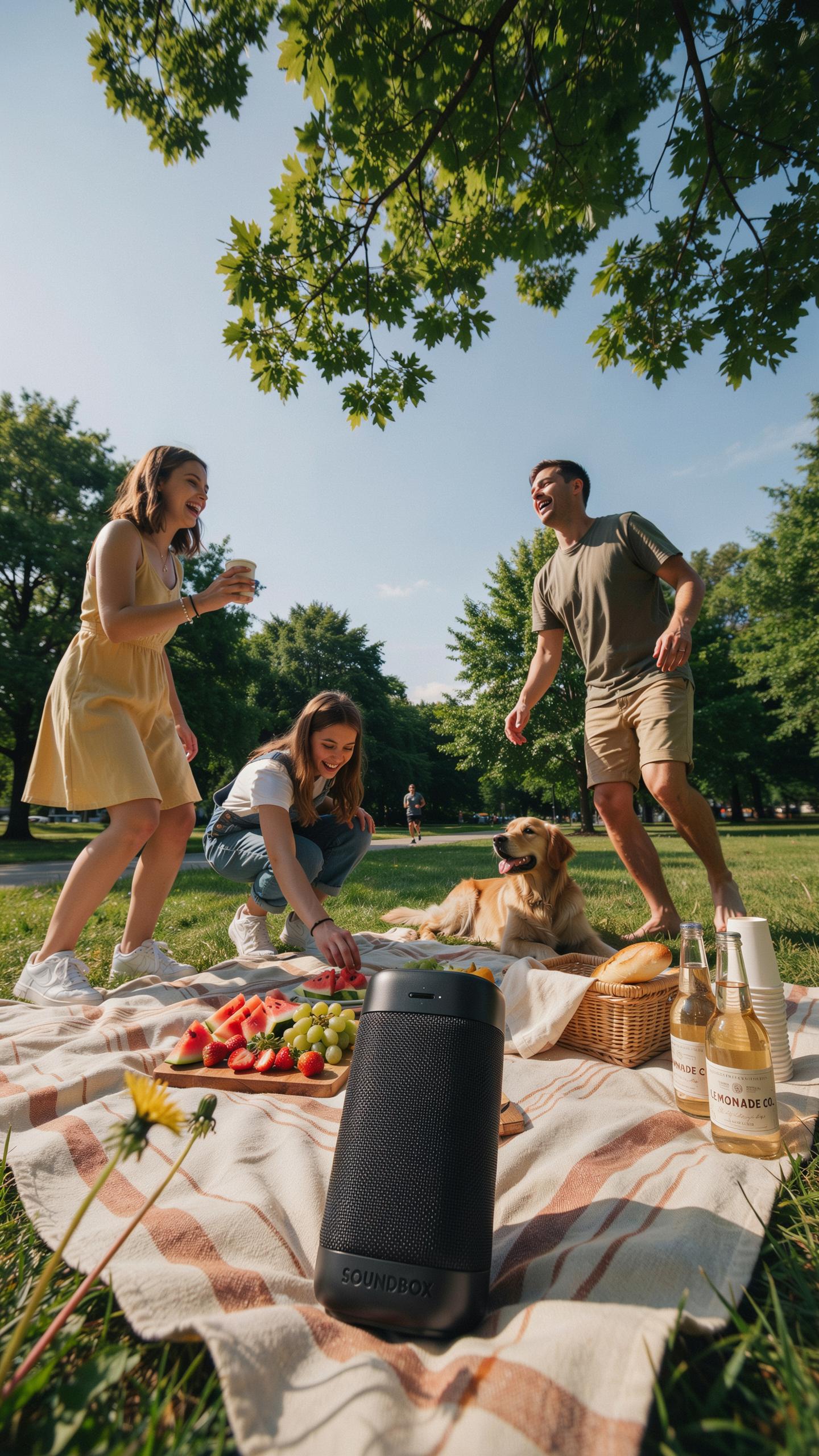
Wireless audio eliminates the need for long cables running across your outdoor space. You position the speaker anywhere within range, typically 30 to 100 feet depending on the model and environmental interference. This flexibility lets you adjust sound placement based on where guests gather, without tripping hazards or equipment restrictions. Setup takes minutes instead of hours. You control volume and track selection from your phone while moving around the party.
Bluetooth connectivity works reliably in outdoor settings when you stay within the effective range. Weather, trees, and structures can reduce signal strength, but modern speakers handle typical backyard conditions. You avoid the hassle of running extension cords or finding electrical outlets. Battery powered models give you complete independence from power sources. This portability defines outdoor entertainment in the current era.
Setting The Mood: Music’S Role In Gatherings
Audio quality directly impacts how guests experience your event. A portable Bluetooth speaker delivers consistent sound across your outdoor area rather than having music concentrated in one spot. Adequate volume ensures conversation remains possible while maintaining background music presence. Poor audio quality or inadequate volume forces guests to strain to hear what matters. The right speaker makes music feel intentional rather than incidental.
Music selection and volume control happen in real time based on the party’s energy. You adjust songs, pause for toasts, or increase volume as more guests arrive. This responsiveness creates a dynamic atmosphere that guests feel but rarely notice consciously. A capable speaker handles genre variety without distorting at higher volumes. Strategic audio placement makes your outdoor space feel cohesive and intentional.

What Makes A Great Outdoor Speaker
Loudness And Clarity Sound Projection Outdoors
Outdoor environments demand higher wattage than indoor spaces because sound dissipates rapidly without walls to contain it. A speaker’s wattage directly correlates to maximum output capacity. However, wattage alone doesn’t determine quality. Audio engineering matters more. Drivers, amplifiers, and frequency response curves determine whether your speaker delivers punchy bass or muddy distortion at peak volume. Real outdoor performance requires both power and precision.
Clarity at high volumes separates functional speakers from party speakers. Many budget models max out at 85-90 decibels before distorting. Premium outdoor speakers maintain clarity at 100+ decibels through better driver design and amplifier tuning. Test actual decibel output, not manufacturer claims. Sound travels differently outdoors than in controlled environments. Directional audio design and speaker placement affect how far sound projects and whether it reaches all party areas evenly.
Durability And Design For The Elements
IP ratings measure water and dust resistance using standardized testing. IP67 means full dust protection and water submersion up to one meter. IP65 provides dust protection and water jet resistance without submersion capability. For outdoor parties, IP65 as a minimum prevents damage from rain and splashing. However, IP rating alone doesn’t indicate overall durability. Battery compartments, charging ports, and cable connections fail first when exposed to moisture.
Material selection determines long-term performance outdoors. Rubber compounds, silicone grommets, and anodized aluminum resist weather damage better than plastic. Speakers exposed to direct sunlight degrade faster due to UV radiation. Design matters tactically. Carrying handles make transport easier for repeated outdoor use. Non-slip bases prevent sliding on wet surfaces. Internal drainage channels and hydrophobic foam prevent water pooling inside enclosures during wet conditions.
Key Features Of Bluetooth Speakers Portable For Outdoor Use
Battery Life: Keeping The Party Going
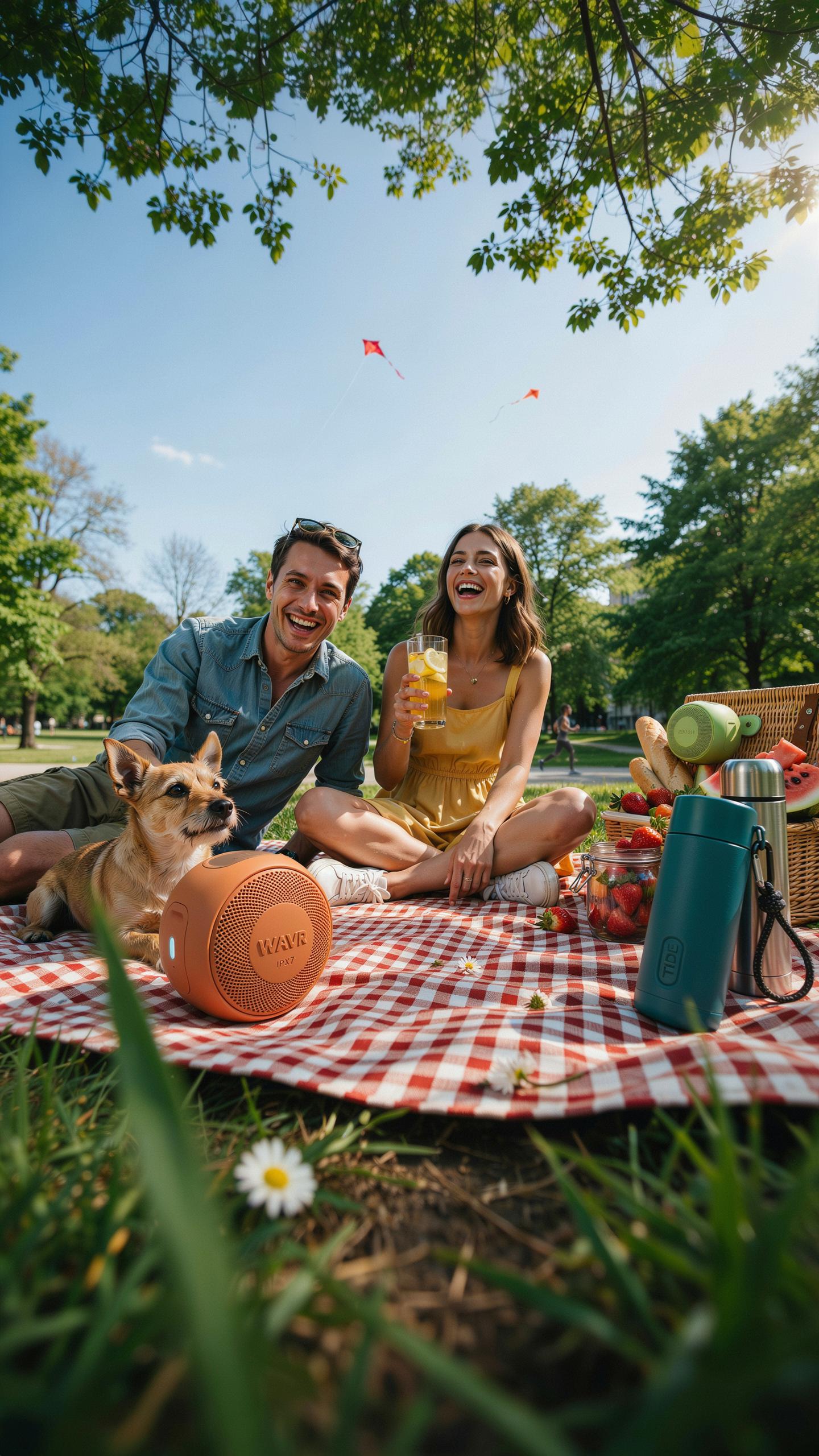
Battery capacity determines how long your speaker operates without recharging. Most portable outdoor speakers offer between 8 to 20 hours of continuous playback, depending on wattage and battery size. Higher volume output drains batteries faster. Manufacturers measure capacity in milliamp-hours, with larger numbers indicating longer runtime before you need power.
Quick-charge functionality reduces downtime between events. Many modern speakers support 30 to 60-minute charging cycles that reach 80 percent capacity. USB-C connections charge faster than older micro-USB standards. Check the watt-hour rating on your speaker’s battery to predict real-world performance at your typical volume level.
Connectivity And Range: Bluetooth Technology Explained
Bluetooth 5.0 and 5.3 versions deliver better range and stability than older standards. Bluetooth 4.2 typically covers 30 to 100 meters in open space. Bluetooth 5.0 extends this to 100 to 150 meters. Physical obstacles like trees, buildings, and human bodies reduce effective range regardless of version.

Signal stability depends on interference from WiFi networks, cellular towers, and other wireless devices operating on the 2.4 GHz frequency. Pairing your phone directly to the speaker eliminates intermediate connections that degrade sound quality. Multi-point connectivity allows some speakers to connect to two devices simultaneously, useful when switching audio sources during outdoor events.
Waterproof Speaker Options For Any Weather
Understanding IP Ratings: What Do They Mean?
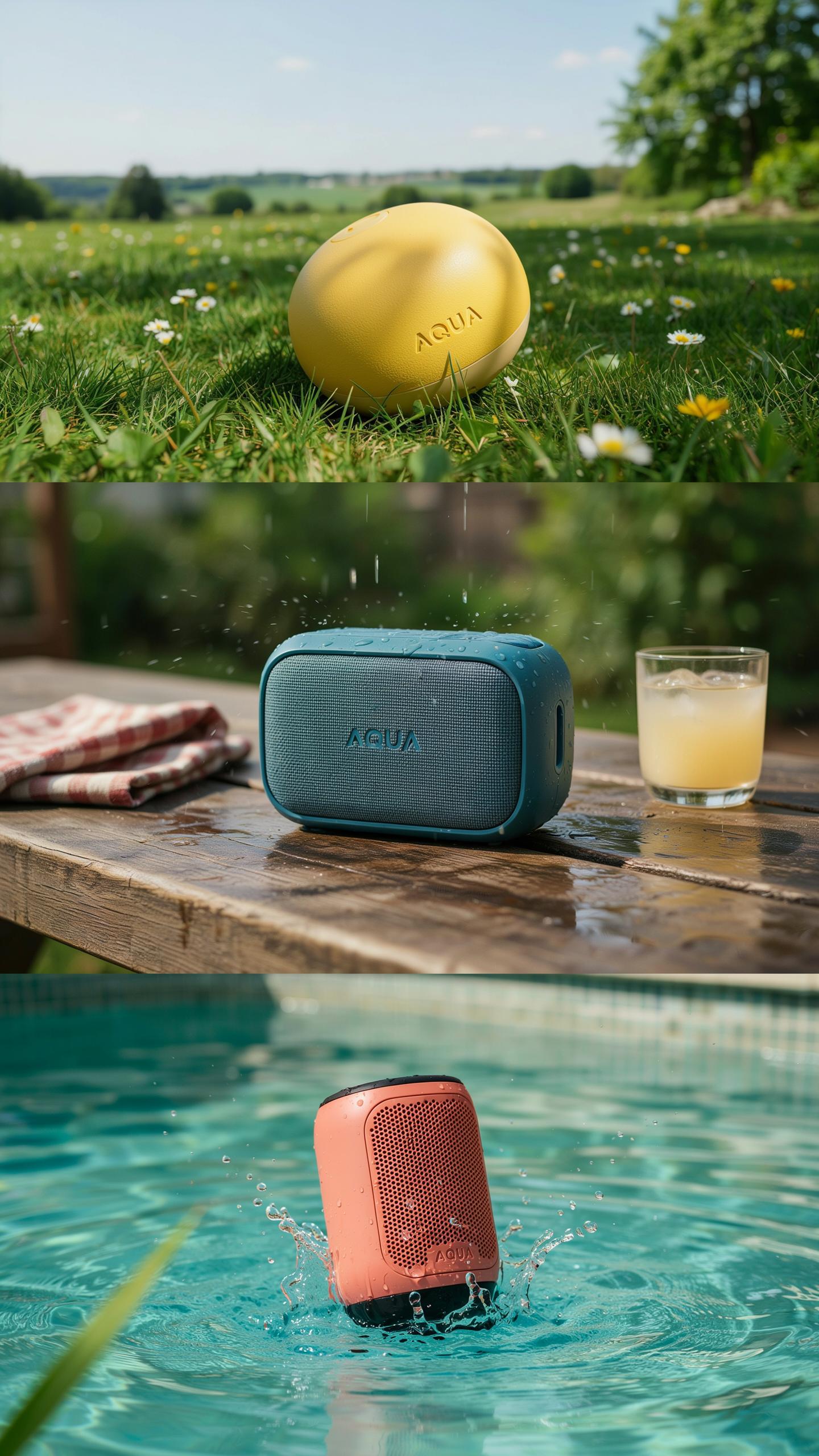
IP ratings consist of two digits that tell you exactly how a speaker handles water and dust. The first digit rates dust protection from 0 to 6. The second digit rates water resistance from 0 to 8. For outdoor parties, you need at least IP54 to handle rain and splashes without damage. Most quality portable speakers sit between IP54 and IP67.
IP54 means the speaker resists splashing water from any direction. IP65 protects against water jets from any angle. IP67 allows temporary submersion up to one meter for 30 minutes. IP68 speakers survive longer submersion at greater depths, but manufacturers set their own limits. Check the specs because the rating alone doesn’t tell you how deep or how long.
Beyond Splashes: Fully Submersible Choices
Speakers rated IP67 or higher handle full immersion, making them reliable for pool parties and beach settings. You don’t worry about accidental drops into water or extended exposure to rain. These units use sealed enclosures and waterproof connectors to keep moisture out. The trade off is typically higher cost and sometimes slightly reduced sound output compared to non-waterproof models.
IP68 rated speakers offer the most submersion capability, though depth limits vary by model. Some survive 10 feet underwater, others handle much less. Review manufacturer specifications for exact depth ratings and duration limits. For casual outdoor parties near water, IP67 delivers the protection you need without premium pricing.
Comparing Popular Outdoor Speakers Top Picks
High Performance Bluetooth Speakers For Audiophiles
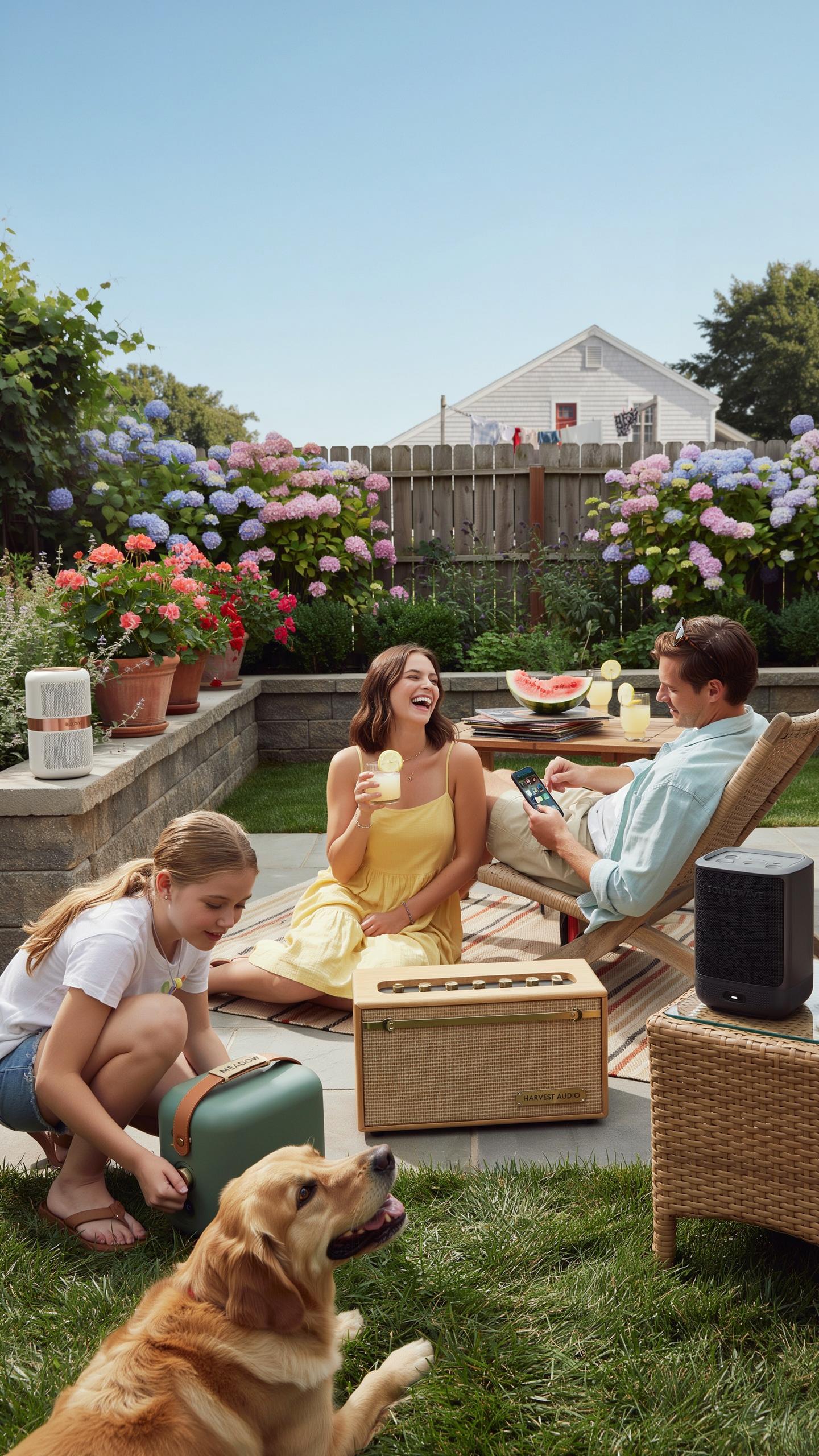
Premium outdoor speakers prioritize driver quality and frequency response over portability. Models like the Bose SoundLink Revolve and Ultimate Ears Hyperboom deliver balanced audio across 20Hz to 20kHz ranges. These units use larger drivers and passive radiators to reproduce bass without distortion. You pay 300 to 500 dollars for this performance tier. The trade off is weight and battery life versus sound fidelity.
These speakers employ metal housings and multi driver configurations. They handle 360 degree sound projection effectively in open spaces. Battery runtime reaches 12 to 24 hours depending on volume levels. Waterproofing meets IP67 standards, withstanding submersion and dirt. Audiophiles accept the bulk because outdoor acoustics reward larger speaker systems with cleaner mids and controlled bass response.
Budget Friendly Options That Still Deliver
Cost effective speakers between 50 and 150 dollars cover most outdoor party needs without compromising core functionality. The JBL Flip 6 and Anker Soundcore Move offer balanced sound profiles and solid construction. These models use single driver configurations with passive bass radiators. They deliver adequate volume for small to medium gatherings without distortion at maximum output.

Budget speakers prioritize durability and battery efficiency over premium sound signatures. Expect 8 to 12 hour battery life and IP67 waterproofing across this category. Manufacturers use plastic housings with rubberized grips to reduce costs while maintaining drop resistance. These speakers produce clean audio up to 85 decibels, sufficient for backyard environments. Value speakers serve practical outdoor needs without unnecessary features that inflate pricing.
Maximizing Your Wireless Speakers Performance
Placement Strategies For Optimal Sound Dispersion
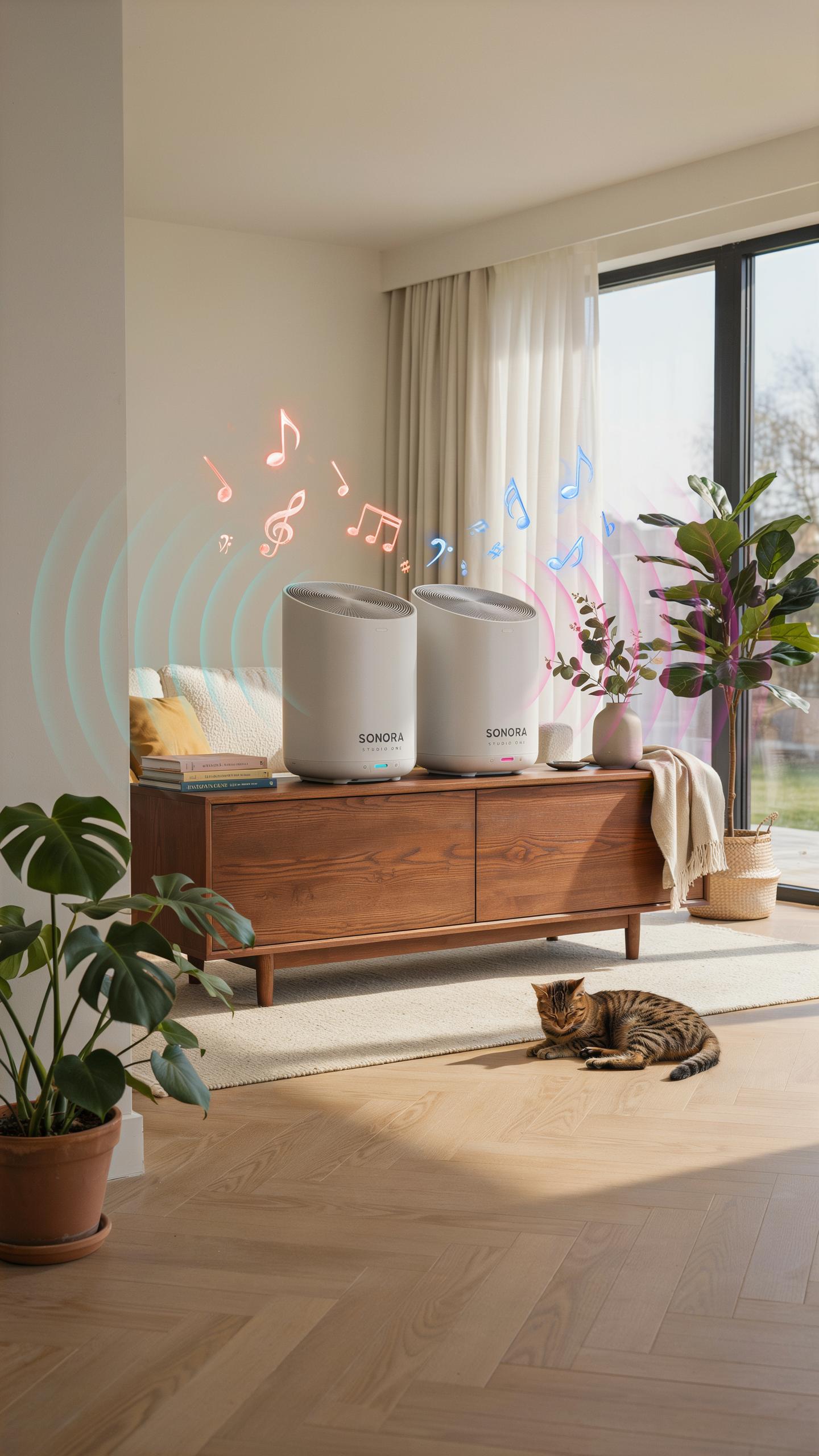
Position your speaker at ear level or slightly above ground. This prevents sound from bouncing off the ground and creating dead zones. Elevated placement spreads audio more evenly across your gathering space. Avoid corners and enclosed areas where sound reflects and distorts. Open spaces allow sound waves to travel without obstruction or interference.
Distance matters. Place the speaker 10 to 15 feet from your main crowd area. This gives sound room to spread before reaching listeners. Too close creates audio fatigue. Too far reduces volume and clarity. Test different positions during setup to find the sweet spot for your specific venue.
The fondest memories are often set to the perfect soundtrack, carried on the breeze by a speaker that sparks joy.
Pairing Multiple Party Speakers For Stereo Or Amplified Sound
Most modern portable Bluetooth speakers support stereo pairing or party mode. Check your speaker’s manual for the exact pairing procedure, as methods vary by manufacturer. Typically, you activate pairing mode on both devices, then connect them through the host speaker’s app or settings menu. Once paired, audio streams to both units simultaneously from a single source device.

Stereo pairing positions two speakers apart to create left and right channels. Party mode amplifies volume by summing audio output across multiple speakers. Placement determines results. Position stereo speakers 20 to 30 feet apart for distinct channel separation. For volume amplification, cluster speakers strategically around your party space to eliminate coverage gaps and ensure consistent audio throughout.
Speaker Design Aesthetics Meet Functionality
Style And Portability: Finding Your Perfect Match
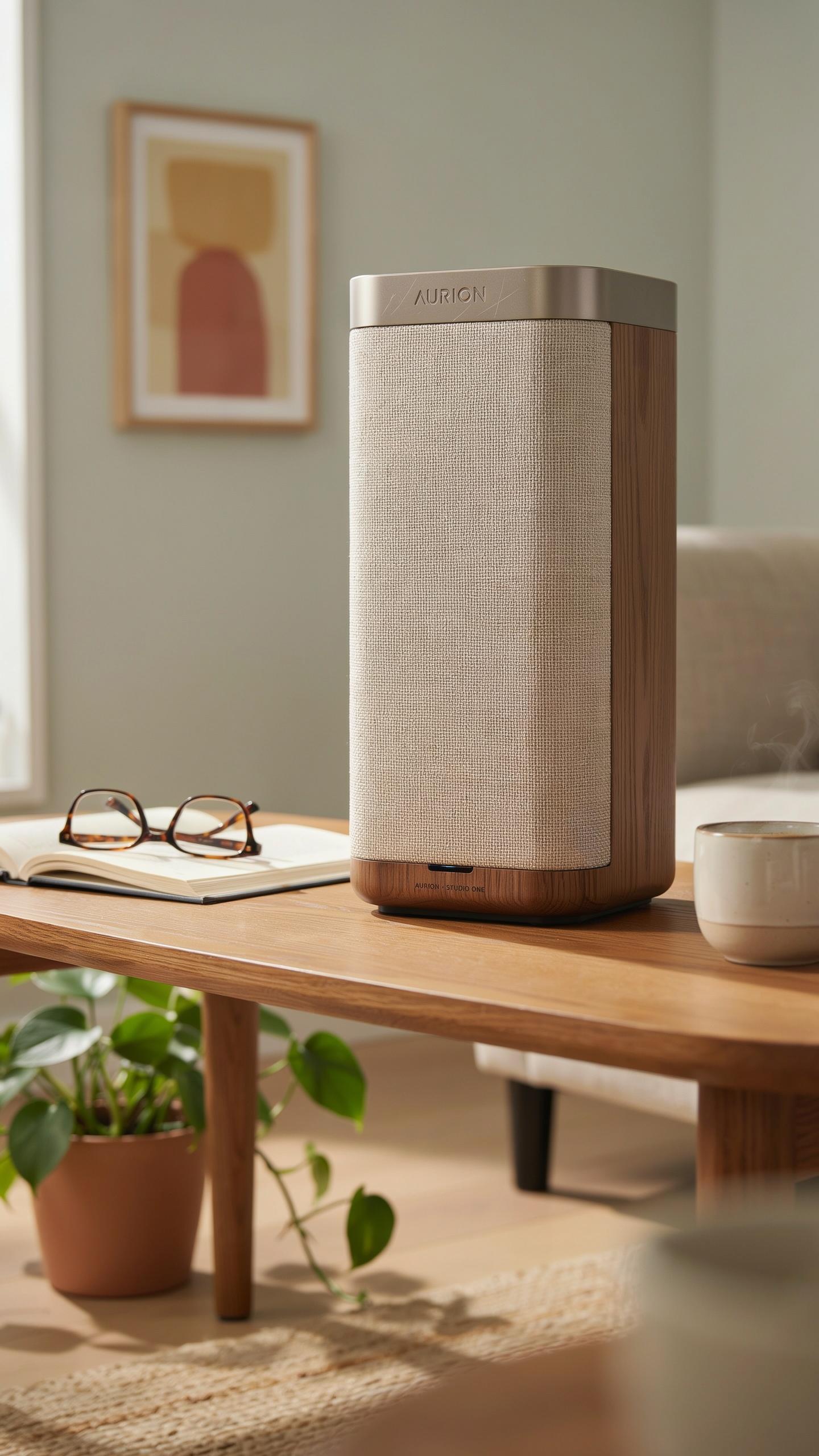
Portable outdoor speakers come in three dominant form factors: cylindrical tubes, rectangular boxes, and compact cubes. Cylindrical designs like the Ultimate Ears Boom series distribute weight evenly and roll easily into bags. Rectangular models offer larger driver configurations for higher output. Cube shapes prioritize stackability and fit standard cup holders. Material choice matters operationally. Rubber grips reduce hand fatigue during transport. Metal grilles protect drivers from impacts. Fabric coverings control dust ingress but trap moisture, requiring air drying after wet conditions.
Color selection affects both visibility and heat absorption. Dark colors absorb more solar radiation, causing internal temperatures to rise during extended outdoor use. Light colors reflect heat but show dirt more obviously. Most manufacturers offer matte finishes to reduce glare and fingerprints. Weight distribution determines shoulder-carry comfort. Speakers under two pounds remain portable for all-day events. Models exceeding four pounds require handle redesign or backpack straps to prevent fatigue. Grip placement near the center of mass reduces strain during extended carrying.
Integrated Features: Lights, Microphones, And More
LED light integration serves dual purposes: visual entertainment and situational awareness. RGB lights sync to music beats through built-in microprocessors that analyze audio frequency. Some speakers offer over 16 million color combinations through companion apps. This feature requires additional processing power, which increases battery drain by 10 to 15 percent. Standard implementations consume minimal extra power because lights run at lower brightness during daylight hours.

Integrated microphones enable voice calling and karaoke modes without external hardware. Microphone placement on speaker edges rather than tops reduces wind noise during outdoor use. Dual-microphone configurations with noise cancellation filters work better than single units in high-ambient-noise environments like parks and beaches. Karaoke features typically include echo effects and vocal pitch adjustment through app controls. These functions operate independently from music playback, allowing real-time processing without lag. Battery impact scales with feature complexity: karaoke modes consume 5 to 8 percent additional power compared to standard playback.
Maintenance And Care For Your Bluetooth Speaker

Cleaning And Storage Best Practices
Water and dust damage your speaker’s internal components. Clean the exterior with a dry microfiber cloth after each use. For stubborn dirt, use a slightly damp cloth on non-speaker surfaces only. Never spray liquid directly on the device. Store speakers in a cool, dry place away from direct sunlight and extreme temperatures. Temperature swings degrade battery performance and damage circuits faster than regular use.
Battery health matters for long-term reliability. Charge your speaker fully before storing it for extended periods. Leave it completely drained and it loses capacity permanently. Check the manufacturer’s recommended storage temperature range, typically between 32°F and 77°F. Keep the speaker in a protective case or bag to prevent physical damage from impacts and abrasion during transport to outdoor events.
Troubleshooting Common Connectivity Issues
Bluetooth range limitations cause most audio dropouts during outdoor parties. Keep your paired device within 30 feet of the speaker for stable connection. Remove obstacles like trees, fences, and buildings between devices. Interference from WiFi routers, microwaves, and cell towers disrupts the 2.4 GHz frequency Bluetooth uses. Move away from these sources or power them down temporarily to restore connection quality.

Pairing failures happen when devices retain old connection data. Forget the speaker from your device’s Bluetooth settings, then restart both the speaker and phone. Ensure your speaker has adequate battery charge before attempting to pair. Update the speaker’s firmware if the manufacturer offers an app with this feature. If problems persist after these steps, reset the speaker to factory settings using the designated button or app function.
Making The Right Choice Your Portable Speaker Buying Guide
Considering Your Specific Outdoor Party Needs
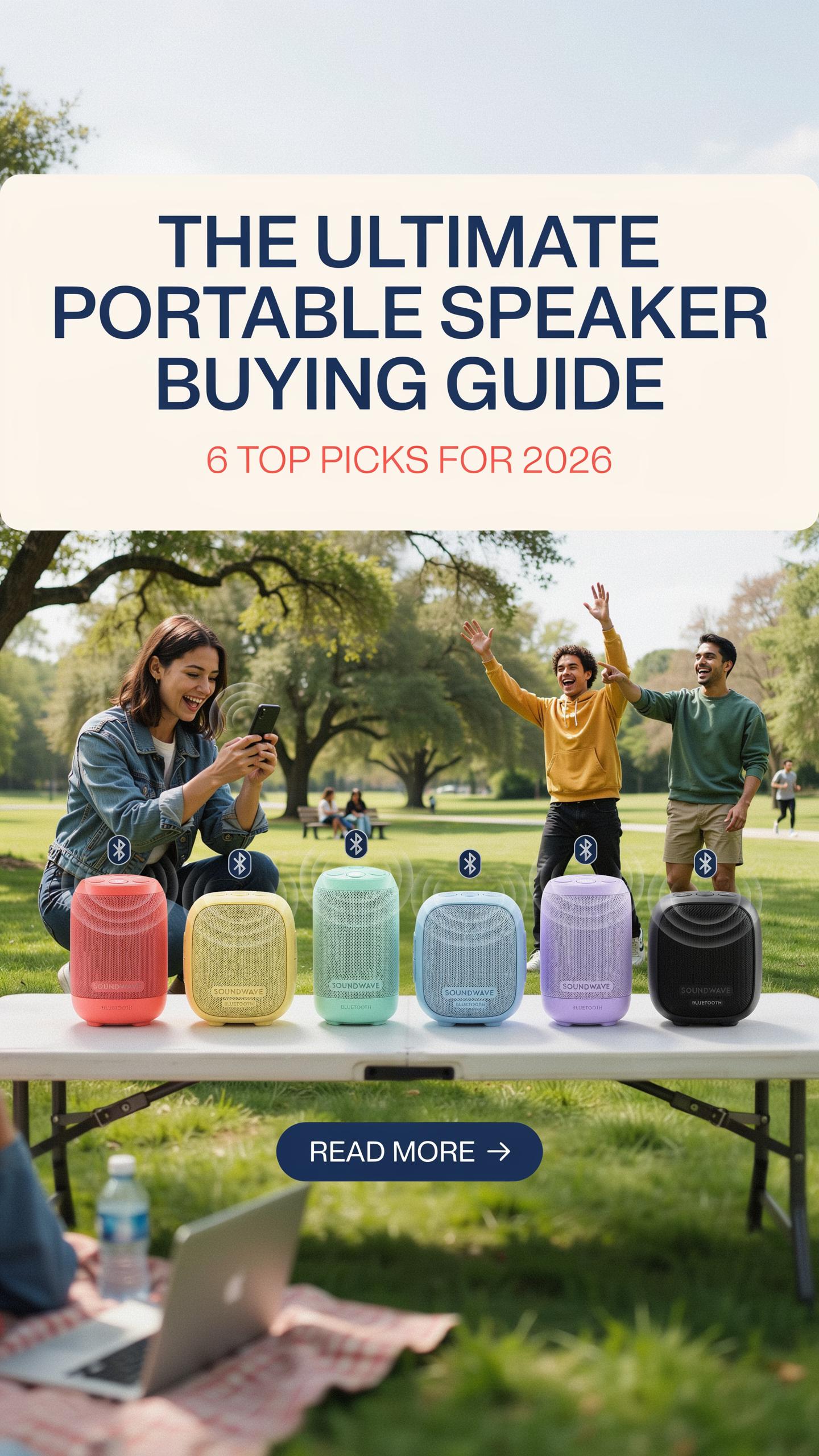
Start by defining your actual requirements instead of chasing features you don’t need. Party size, venue type, distance from power sources, and weather conditions drive your speaker choice. A backyard gathering differs vastly from a beach setup or camping trip. Get specific about what you’ll play and where you’ll play it.
- Party Size: Estimate attendee count and outdoor space dimensions. Twenty people in a backyard need different output than fifty people spread across an open field.
- Battery Life: Calculate how long your event runs without access to charging. Most parties last 4-8 hours, so match battery capacity to your specific timeline.
- Weather Exposure: Determine water resistance needs based on location. Beach and poolside require IPX7 or higher ratings. Covered patios need less protection.
- Portability Constraints: Evaluate how far you’ll carry the speaker and whether you need a carrying case. Weight and handle design matter for longer distances.
- Audio Quality Standards: Decide if you prioritize bass response or overall clarity. Electronic music and hip hop benefit from stronger bass. Acoustic sets need balanced midrange.
- Budget Allocation: Set a firm spending limit upfront. Quality portable speakers range from 50 dollars to 500 dollars with proportional performance gains.
Once you clarify these variables, you eliminate 70 percent of available options immediately. This narrows your search to speakers that actually fit your situation. You avoid overpaying for unused capabilities or underpaying for necessary features.
Reading Reviews And Expert Recommendations
Professional reviewers test speakers under controlled conditions and document real-world performance. They measure battery life, sound output, and durability metrics that manufacturers sometimes overstate. Multiple independent sources reveal patterns that single reviews miss. Cross-reference at least three reputable tech publications before deciding.
Real user reviews on retail sites show how speakers perform after months of actual use. Look for recurring complaints about specific failure points or durability issues. Pay attention to feedback from users in climates and settings matching your needs. Discount outlier reviews and focus on consensus patterns across fifty plus verified purchases.
Frequently Asked Questions

What exactly makes a portable Bluetooth speaker ideal for outdoor parties, as opposed to just any Bluetooth speaker?
A portable Bluetooth speaker for outdoor parties needs to be rugged and weather-resistant, often with an IPX rating for splash or dust proofing. Key features also include long battery life, loud and clear sound projection for open spaces, and often a durable design to withstand bumps and drops, ensuring your music keeps playing.
How do I connect multiple portable Bluetooth speakers for a larger outdoor party sound experience?
Many modern portable Bluetooth speakers for outdoor parties offer “Party Mode” or “Stereo Pairing” features. You’ll typically connect your device to one speaker, then follow the manufacturer’s instructions (often a specific button press) to link it wirelessly with compatible secondary speakers. This creates a wider, more immersive soundstage for your gathering.
Are there good quality portable Bluetooth speakers for outdoor parties available on a tighter budget?
Absolutely! While premium models exist, many brands offer excellent quality portable Bluetooth speakers for outdoor parties at various price points. Look for speakers with decent battery life and at least an IPX4 splash rating. Reading reviews for sound quality and durability within your budget range will help you find a great option without overspending.