Why Gadget Gifts For Fitness Lovers Are Essential For Tracking Everything
The Data Driven Approach To Fitness
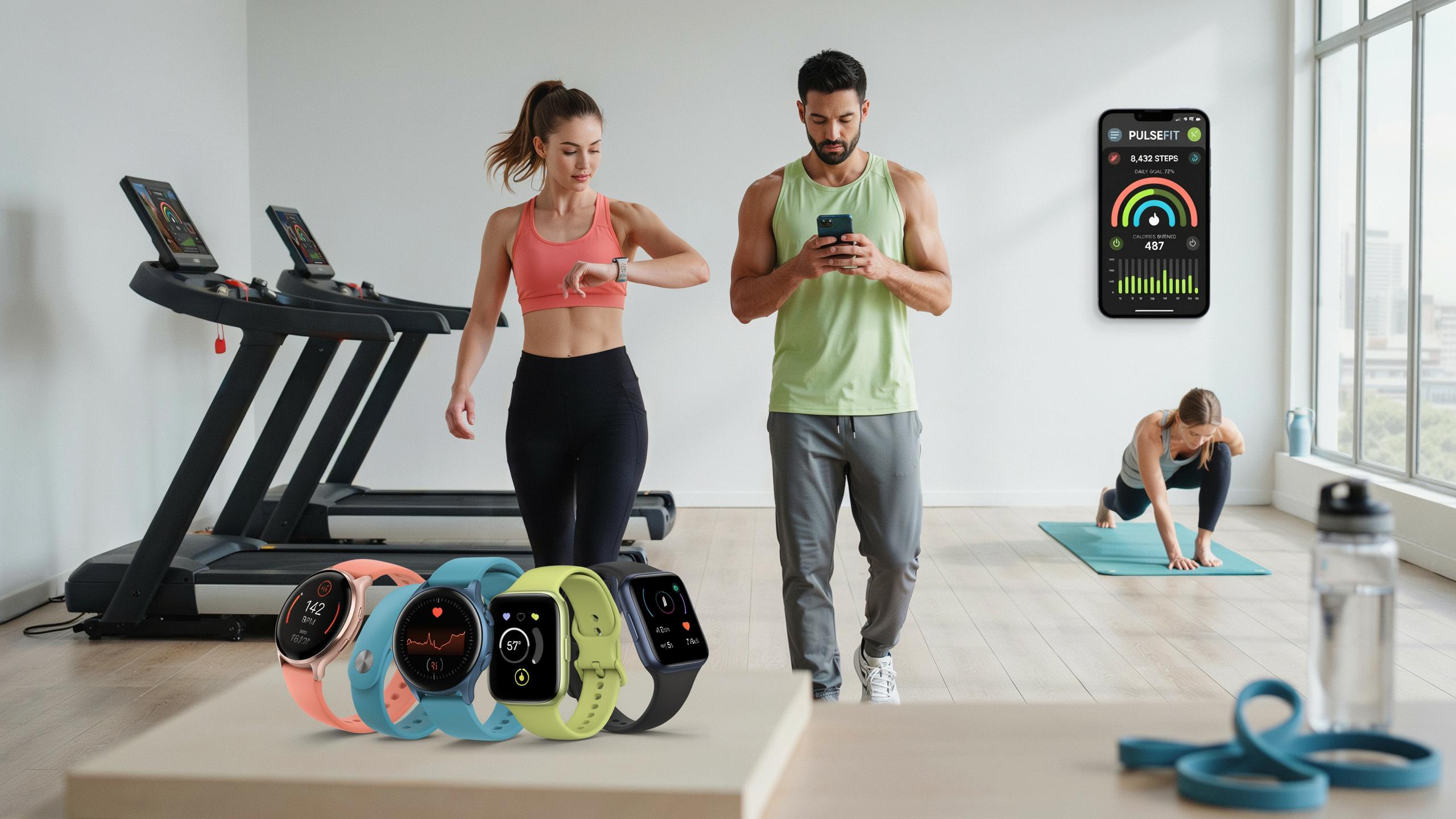
Tracking transforms fitness from guesswork into measurable progress. Numbers reveal what actually works. When someone logs workouts, heart rate, calories, or distance, they stop relying on feeling and start relying on facts. This shift matters because the human brain responds to concrete data. Progress becomes visible, not imagined. Gadgets deliver this data automatically, removing the friction of manual logging.
Data drives decisions that improve results. A fitness tracker shows which workouts deliver the best heart rate response. It reveals sleep patterns that affect recovery. It tracks consistency over weeks and months, exposing the real gaps between intention and execution. Without gadgets, this information stays hidden. With them, fitness lovers make adjustments that actually move the needle on their goals.
Understanding The Why Behind Tracking
Monitoring progress activates the brain’s reward system. Humans respond to feedback. When a gadget confirms that someone ran faster than last week or completed more reps, it triggers dopamine. This chemical response reinforces the behavior, making it easier to repeat. Tracking creates a feedback loop that sustains motivation longer than willpower alone. Gadgets provide this feedback instantly and continuously.
Performance data builds accountability without judgment. A wearable doesn’t shame or praise. It simply records what happened. This neutrality matters because it removes emotion from the equation. Someone sees their numbers, evaluates honestly, and adjusts. Over time, this pattern develops self awareness and ownership. The psychological benefit comes from knowing exactly where someone stands, which removes uncertainty and guesswork from fitness decisions.

Smartwatches And Fitness Trackers The Core Of Workout Gifts
Beyond Steps: Advanced Metrics For Serious Athletes
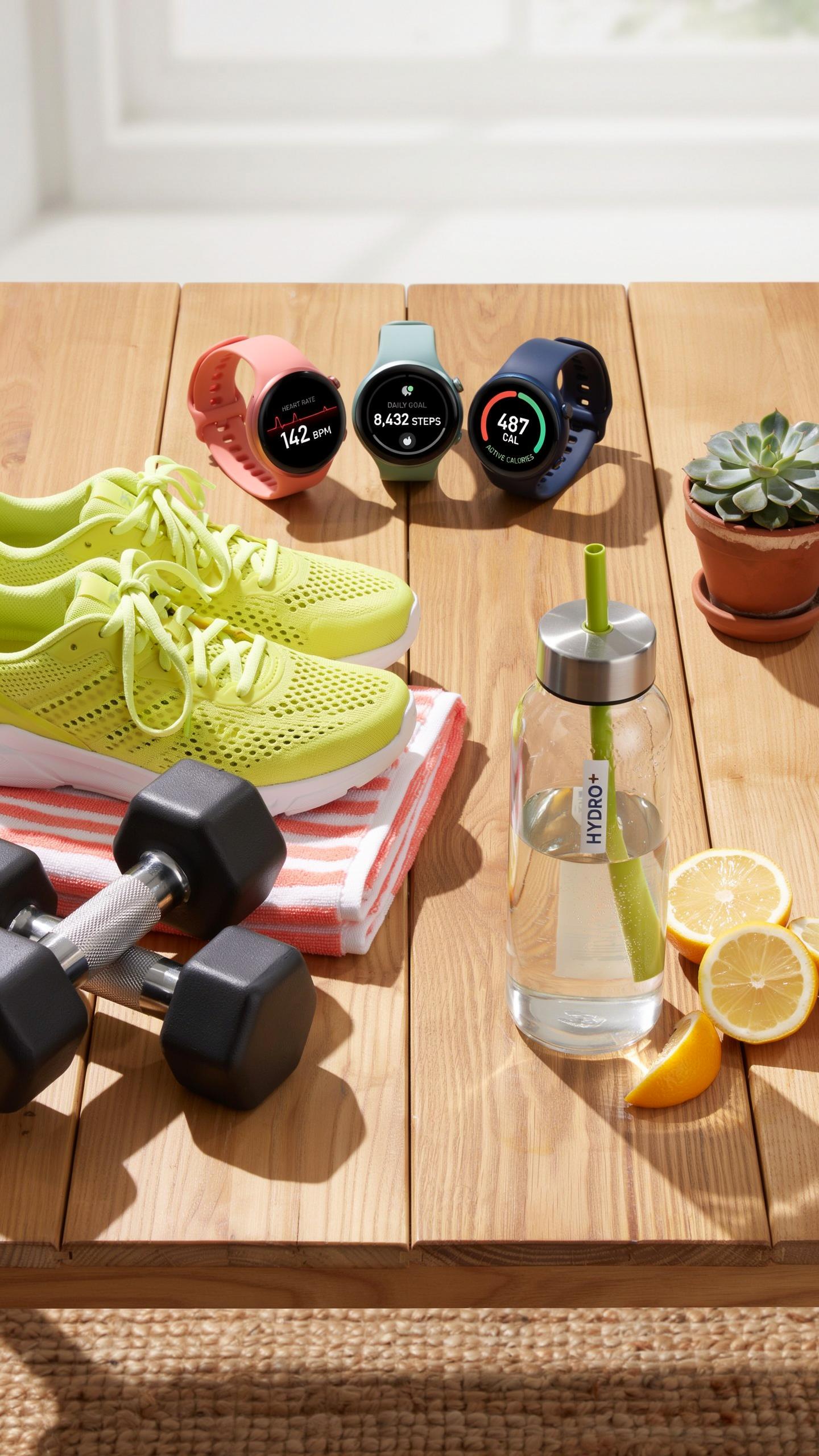
Heart rate variability measures the time gap between heartbeats. Athletes use this data to track recovery and readiness. Sleep stage tracking breaks down light, deep, and REM sleep to show recovery quality. VO2 max estimates aerobic capacity based on heart rate response during exertion. These metrics reveal what basic step counts cannot.
Serious athletes leverage these advanced metrics to optimize training schedules and prevent overtraining. Heart rate variability indicates whether the body recovered enough for intense workouts. Sleep stage data shows if recovery is adequate or if rest days are needed. VO2 max tracking measures fitness gains over time. Devices that capture these metrics provide actionable data beyond surface-level activity counts.
Top Picks For Comprehensive Tracking
Most fitness trackers fall into three categories: basic wristbands, full smartwatches, and specialized sports watches. Basic trackers handle steps and heart rate. Full smartwatches add notifications, payments, and apps. Specialized sports watches target runners and cyclists with GPS and sport-specific metrics. Choose based on what metrics matter most for your training style.
- Garmin Epix: GPS smartwatch with AMOLED display, sleep stage tracking, and sport-specific training metrics for runners and cyclists.
- Apple Watch Ultra: Rugged smartwatch with heart rate variability, sleep tracking, and ecosystem integration for iPhone users.
- Whoop Band: Wearable focused on recovery metrics, strain, and sleep data without a screen for minimal distraction.
- Polar Vantage V3: Sports watch designed for endurance athletes with training load tracking and heart rate variability monitoring.
- Fitbit Sense 2: Fitness tracker combining heart rate variability, sleep stages, and stress management tools at accessible price point.

These devices vary in accuracy based on sensor quality and algorithm design. Garmin and Polar excel at sports-specific tracking. Apple Watch offers broad functionality for general fitness. Whoop specializes in recovery data. Fitbit balances features and affordability. Select based on your primary training focus and ecosystem preference.
GPS Devices Guiding Their Journey With Precision Exercise Gifts
For Runners, Cyclists, And Outdoor Adventurers
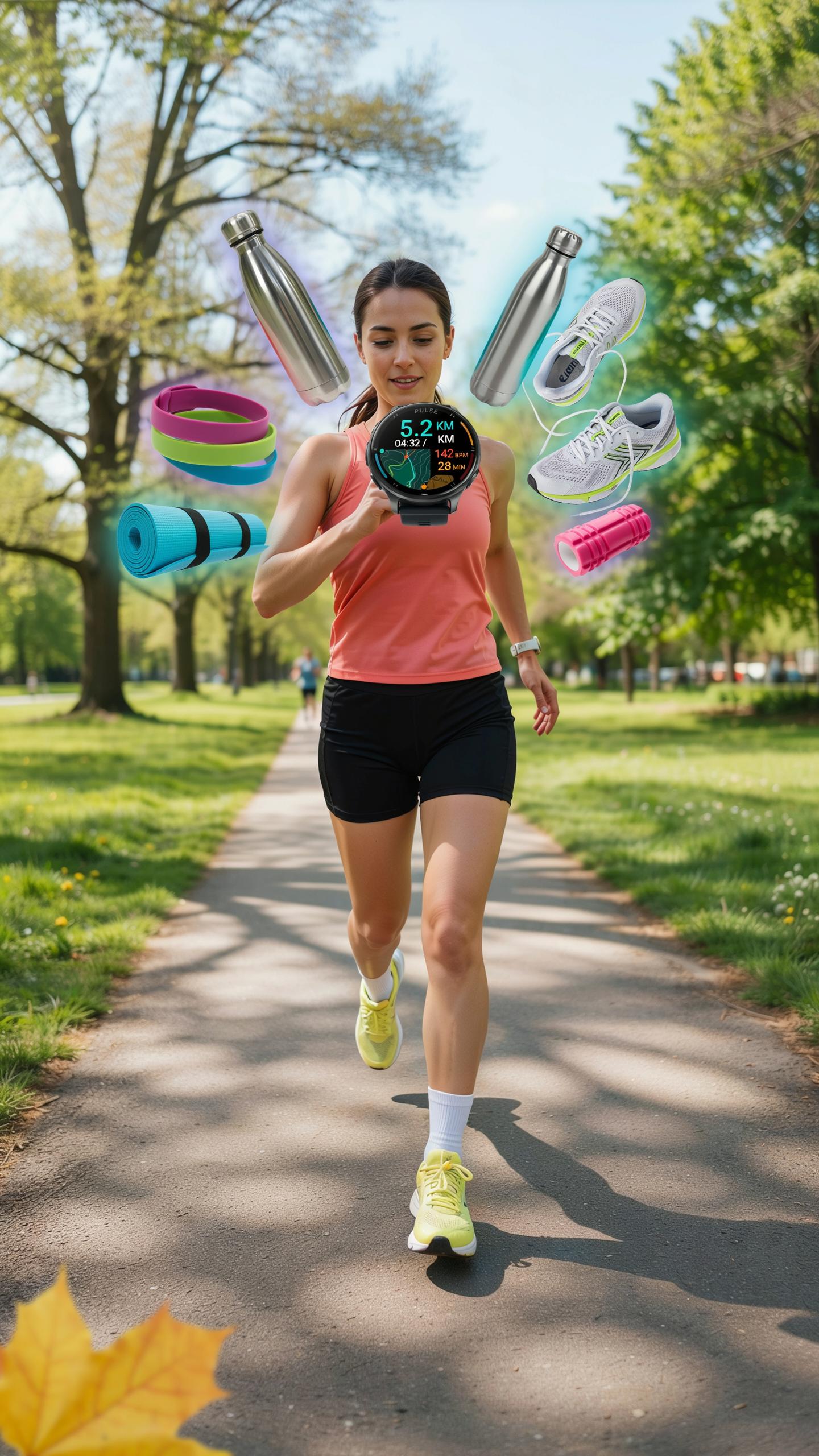
GPS watches and cycling computers capture real-time location data and translate it into actionable performance metrics. Runners get pace per mile, split times, and elevation changes. Cyclists track speed, power output, and route analysis. These devices store workout history that athletes reference to identify training patterns and measure progress over weeks and months.
The core value lies in route mapping accuracy. GPS units record the exact path taken, then display it visually so athletes see where they ran or rode. This data feeds into training software where users compare efforts on the same route or discover new paths others have completed. Athletes use this information to plan workouts, find challenging terrain, and benchmark personal records against their own previous attempts.
Navigation And Safety Features
Modern GPS devices include emergency alert capabilities that notify selected contacts when activated. Some models broadcast live location data to family or training partners during outdoor activities. This real-time sharing works through cellular or internet connectivity and updates contact information at regular intervals so people know exactly where the wearer is moving.

Geofencing features send notifications when users enter or exit predefined zones. Athletes set boundaries around their training areas and receive alerts if they stray outside normal routes. Certain devices integrate with emergency services in specific regions, allowing dispatchers to access location coordinates if an alert is triggered. This combination of tracking and notification creates accountability and response capability for solo outdoor training sessions.
Smart Scales A Foundation For Gifts For Fitness Lovers
Beyond Weight: Body Composition Analysis
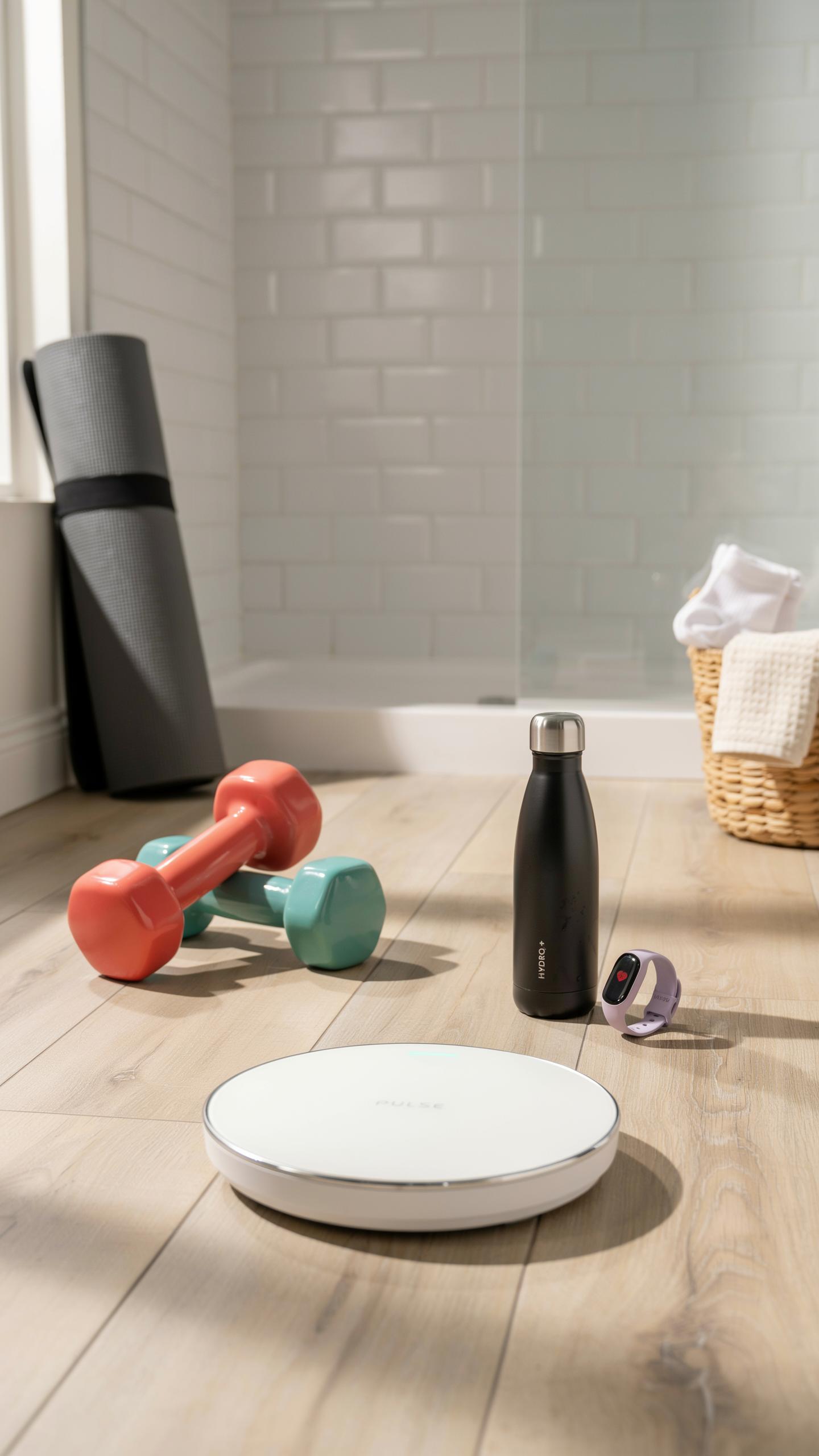
Smart scales measure more than weight. They use bioelectrical impedance analysis to estimate body fat percentage, muscle mass, bone density, and water weight. This data reveals what’s actually changing in your body. Two people at the same weight show completely different compositions. Fitness trackers need this breakdown to measure real progress.
Body composition data guides training decisions. High muscle mass with low body fat indicates effective workouts. Rising body fat despite stable weight signals dietary issues. Bone density tracking matters for long-term health, especially in strength training. Smart scales provide the metrics that weight alone cannot deliver.
Integration With Fitness Ecosystems
Smart scales sync with popular fitness platforms like Apple Health, Google Fit, Strava, and MyFitnessPal. This integration centralizes health data in one place. Your scale readings automatically populate your fitness dashboard. You see correlations between workouts, nutrition, and body composition changes. Connected data eliminates manual logging and reduces tracking friction.

The ecosystem approach reveals patterns individual gadgets miss. Your scale data combines with sleep trackers, heart rate monitors, and activity logs. Fitness apps use this combined information to adjust recommendations. Training intensity recommendations adjust based on body composition trends. Integration transforms isolated measurements into actionable intelligence for training optimization.
Heart Rate Monitors Precision In Every Beat For Gift Ideas For Fitness Lovers
Chest Straps Vs. Optical Sensors: Which Is Best?
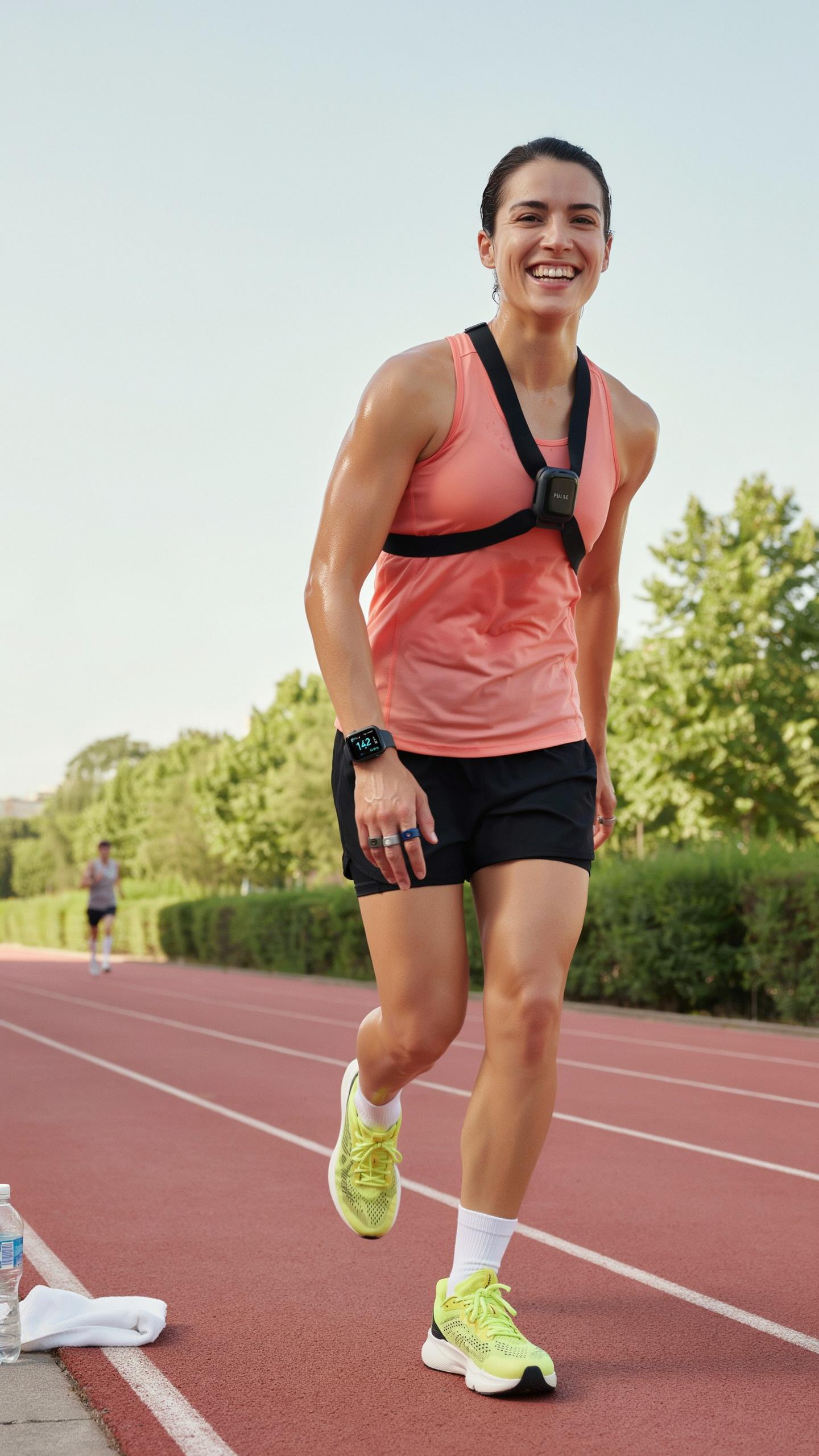
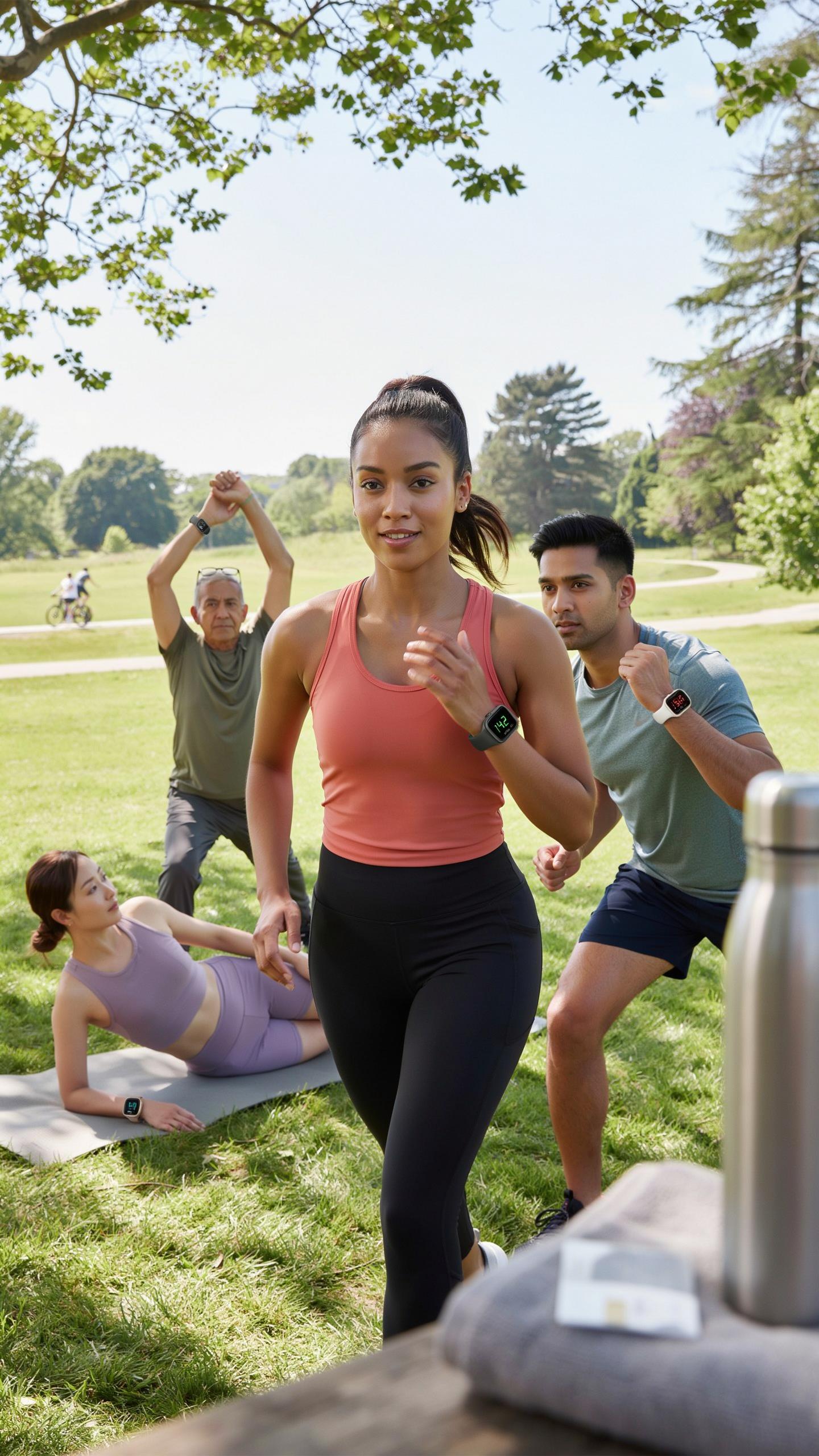
Chest straps use electrocardiogram technology to detect electrical signals from heart contractions. They transmit data via Bluetooth or ANT+ to watches, apps, or fitness trackers. Chest straps deliver accuracy rates above 99% across all heart rates and exercise intensities. They work reliably during swimming and water sports where optical sensors fail completely.
Optical sensors use light to measure blood flow through the wrist. They’re built into smartwatches and fitness trackers, eliminating the need for additional hardware. Optical sensors struggle during high-intensity intervals and outdoor running with direct sunlight. For steady-state cardio like jogging or cycling, optical accuracy ranges from 90-95% depending on skin tone, wrist fit, and movement.
Training Zones And Performance Optimization
Heart rate zones divide effort into five categories based on maximum heart rate percentages. Zone 1 runs at 50-60% max heart rate for recovery. Zone 2 sits at 60-70% for aerobic base building. Zone 3 reaches 70-80% for tempo work. Zone 4 climbs to 80-90% for threshold training. Zone 5 hits 90-100% for maximum effort sprints. Most runners spend 80% of training in zones 1 and 2 to build aerobic capacity without overtraining.

Heart rate data reveals workout effectiveness and recovery status instantly. Training consistently in zone 2 builds aerobic engine efficiency better than random high-intensity efforts. Athletes use heart rate variability metrics to detect fatigue and adjust intensity before burnout happens. Wearable monitors sync with training apps to log zones automatically and track progress against previous sessions. This removes guesswork and prevents injuries caused by inadequate recovery between hard efforts.
Recovery Tools Essential Gifts For Workout Lovers
Smart Sleep Trackers For Optimal Rest
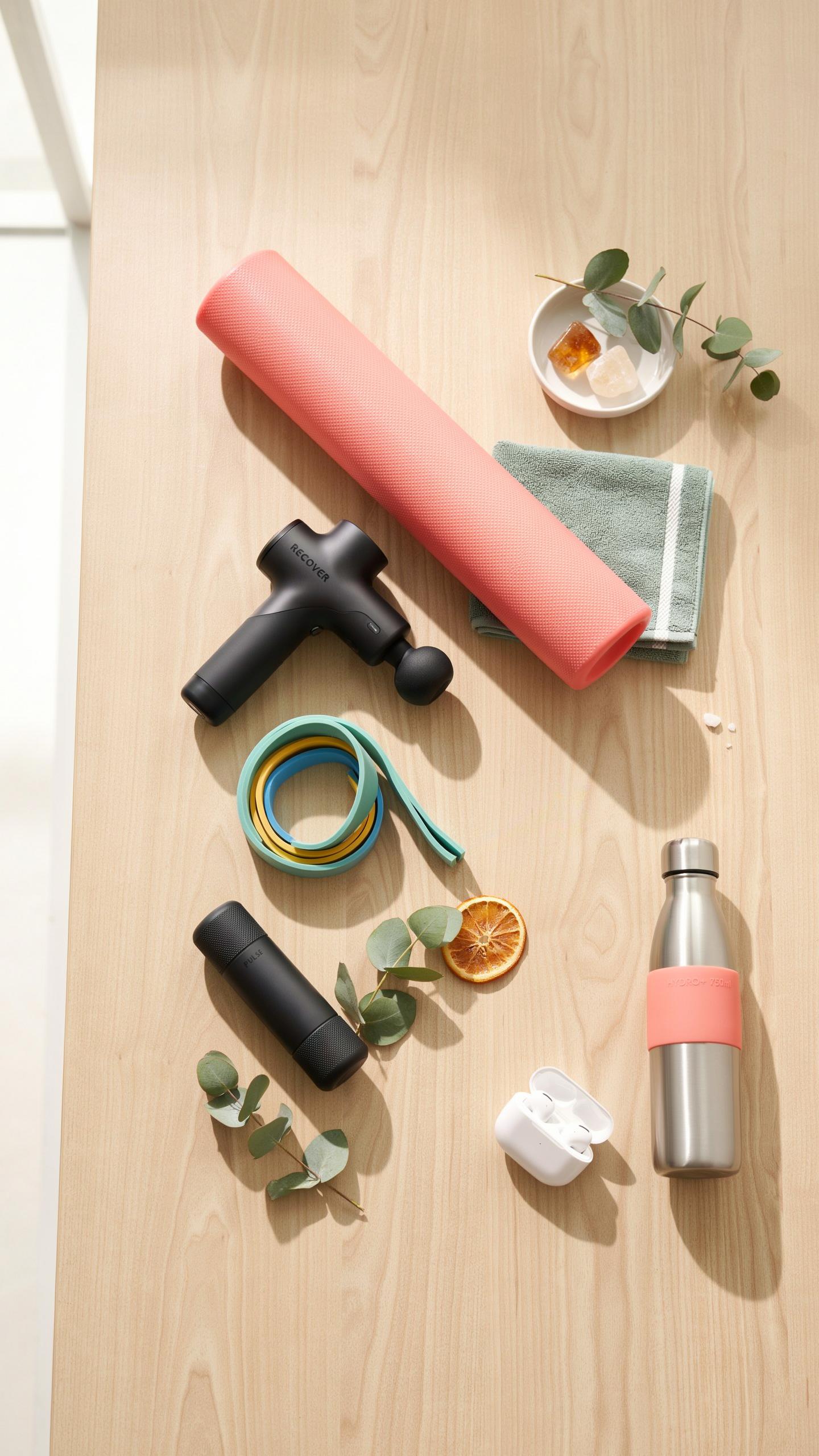
Sleep tracking devices measure heart rate variability, REM cycles, and total sleep duration. This data directly impacts recovery because muscles repair during deep sleep stages. Fitness trackers that monitor sleep patterns show users exactly when they achieve restorative rest. Athletes who track sleep data can correlate poor sleep nights with reduced workout performance. The connection between sleep metrics and next-day strength gains is measurable and actionable.
Most sleep trackers use wearables or bedside devices to collect nighttime biometrics. Users see their sleep score, wake episodes, and time in each sleep stage. This information helps identify patterns that hurt recovery. Someone might discover they need one extra hour to hit peak performance. The tactical advantage comes from adjusting sleep habits based on actual data, not guesswork.
Every step, every beat, every victory recorded reminds us of the journey taken and the strength gained.
Massage Devices And Their Data Integration
Percussive massage devices deliver rapid bursts to muscle tissue, increasing blood flow and reducing soreness. Brands now integrate Bluetooth connectivity to track massage duration, intensity, and targeted muscle groups. The data shows which areas receive treatment and recovery progress over time. Users build massage routines based on workout history and soreness patterns. These devices move beyond simple recovery tools into data collection instruments that inform training decisions.

Advanced massage guns log session frequency and muscle recovery metrics within companion apps. Some models track changes in muscle tension and correlate this with workout intensity. The integration creates a feedback loop where massage sessions become quantifiable recovery variables. Fitness trackers now sync massage data alongside sleep and activity metrics. This consolidated approach lets users see the complete recovery picture and adjust training load accordingly.
Smart Gym Accessories Elevate Their Workouts
Connected Jump Ropes And Resistance Bands
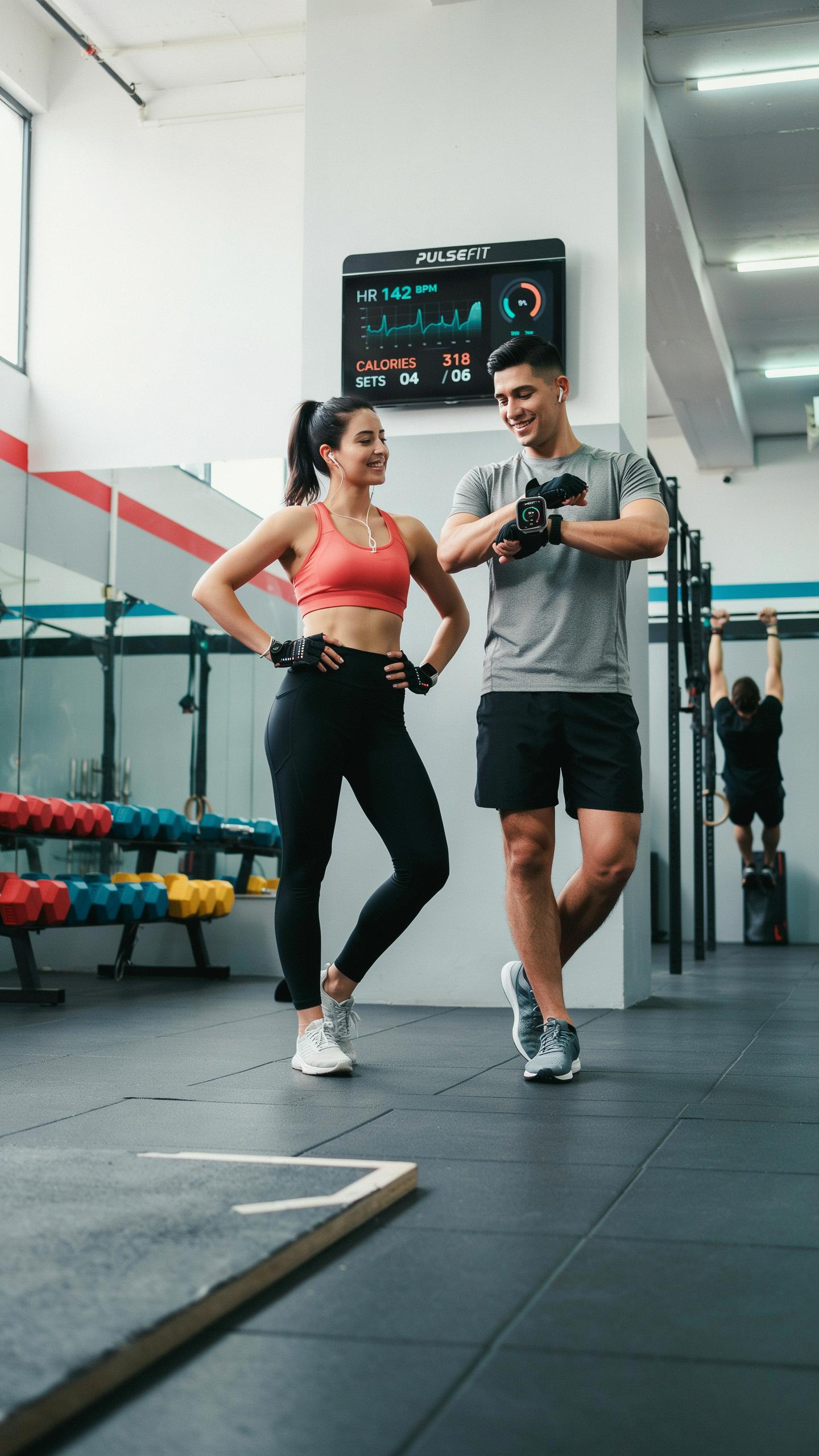
Connected jump ropes track jump count, calories burned, and workout duration through built-in sensors that sync to smartphone apps. Users see real-time feedback on cadence and form patterns. Brands like Tangram offer rope systems that record every jump. Smart resistance bands use tension sensors to log reps, weight resistance levels, and range of motion data. Both accessories work offline and upload sessions later for detailed progress analysis.
These gadgets appeal to fitness trackers because they quantify performance metrics that free equipment cannot capture. Jump rope data reveals endurance improvements over weeks. Resistance band tracking shows strength gains through progressive overload patterns. The accessories cost between 50 and 200 dollars depending on features. Most connect via Bluetooth to popular fitness apps like Apple Health or Strava for centralized tracking.
Form Coaching And Technique Enhancement
Wearable sensors and AI cameras detect exercise form errors in real time by analyzing body position and movement patterns. Devices like Forme and Uptivo use computer vision to monitor squat depth, rep completion, and joint alignment during workouts. They send audio or app notifications when form breaks down. This prevents injury and ensures exercises target intended muscle groups effectively.

Form coaching gadgets eliminate the need for constant trainer feedback. Users receive immediate corrections during sets without stopping. Some systems provide post-workout analysis with video replay and form scoring. This technology works for compound lifts like squats, deadlifts, and bench presses. Fitness enthusiasts who train alone gain the most value from these devices since they replicate in-person coaching accuracy.
Hydration And Nutrition Trackers Fueling Success
Smart Water Bottles And Hydration Reminders
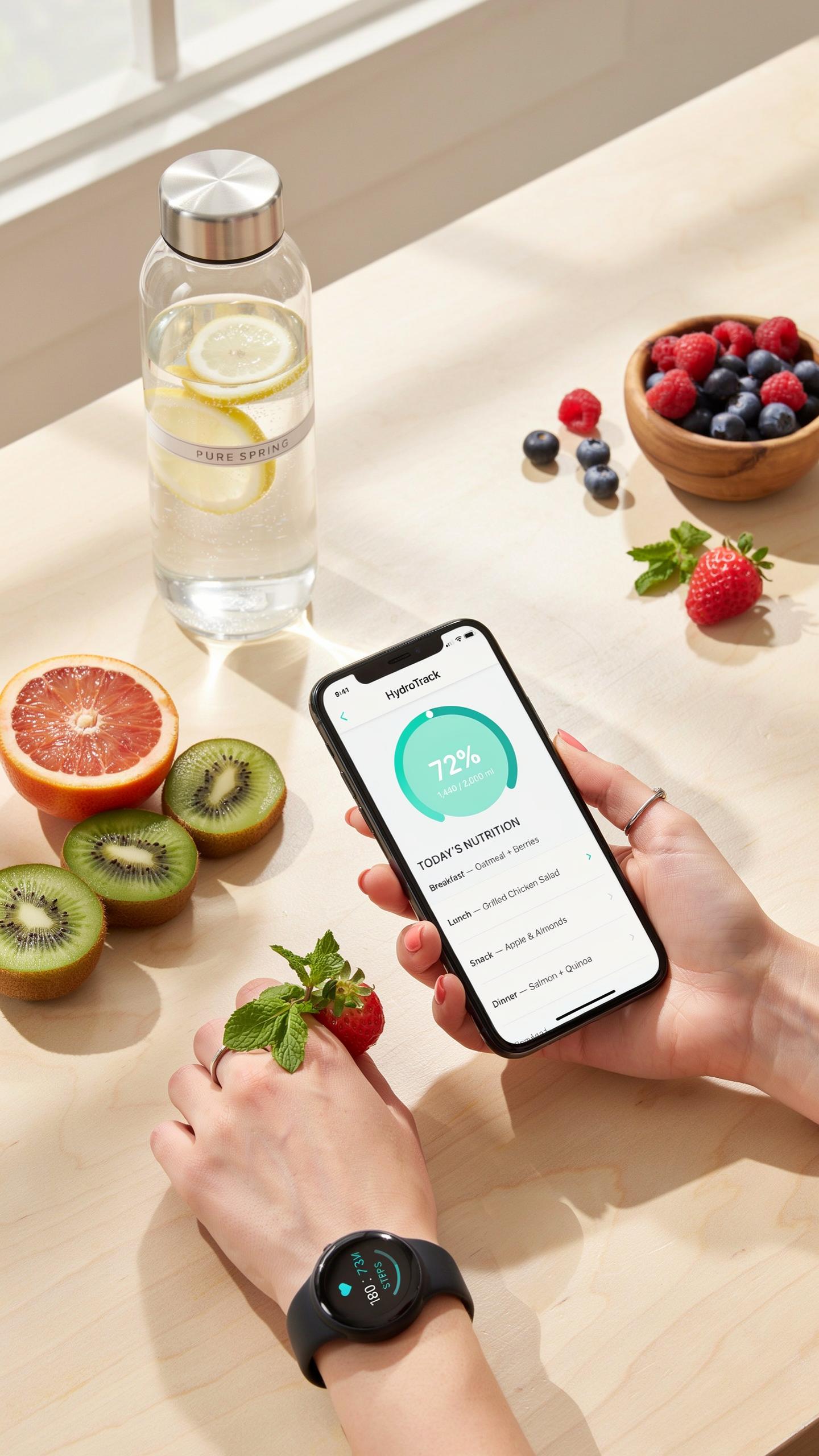
Smart water bottles track fluid intake through sensors that measure volume consumed throughout the day. These devices connect to mobile apps and deliver push notifications when you fall behind hydration goals. The bottles use simple sensor technology to log each sip and sync data with fitness platforms. Users get real-time feedback on daily water consumption patterns, which directly impacts workout performance and recovery.
Hydration reminders work by analyzing your activity level, environment, and personal metrics to determine optimal intake timing. The apps factor in workout intensity, sweat rate, and ambient temperature to customize alerts for individual needs. Most systems allow manual input if sensors miss recorded consumption. This data-driven approach removes guesswork from hydration strategy and prevents the performance dips caused by dehydration during training.
Food Logging Apps And Calorie Tracking Tools
Food logging apps use barcode scanning and image recognition to identify meals and automatically populate nutritional data. Users photograph meals or scan packaging, and the app estimates portion sizes and macronutrient breakdowns. These tools connect with fitness trackers to show the relationship between caloric intake and energy expenditure. The database accuracy depends on whether foods come from branded products or restaurant entries versus homemade meals.

Calorie tracking tools provide granular monitoring of protein, carbohydrates, fats, fiber, and micronutrients beyond total calories. Most platforms let you set custom macronutrient targets based on your training goals and body composition objectives. You can export data to identify eating patterns and adjust nutrition strategy based on performance outcomes. Integration with wearables shows how specific meals affect subsequent workout recovery and energy levels during sessions.
Gifts For Active Women Tailored Tech For Her Fitness Journey
Wearables Designed For Comfort And Style
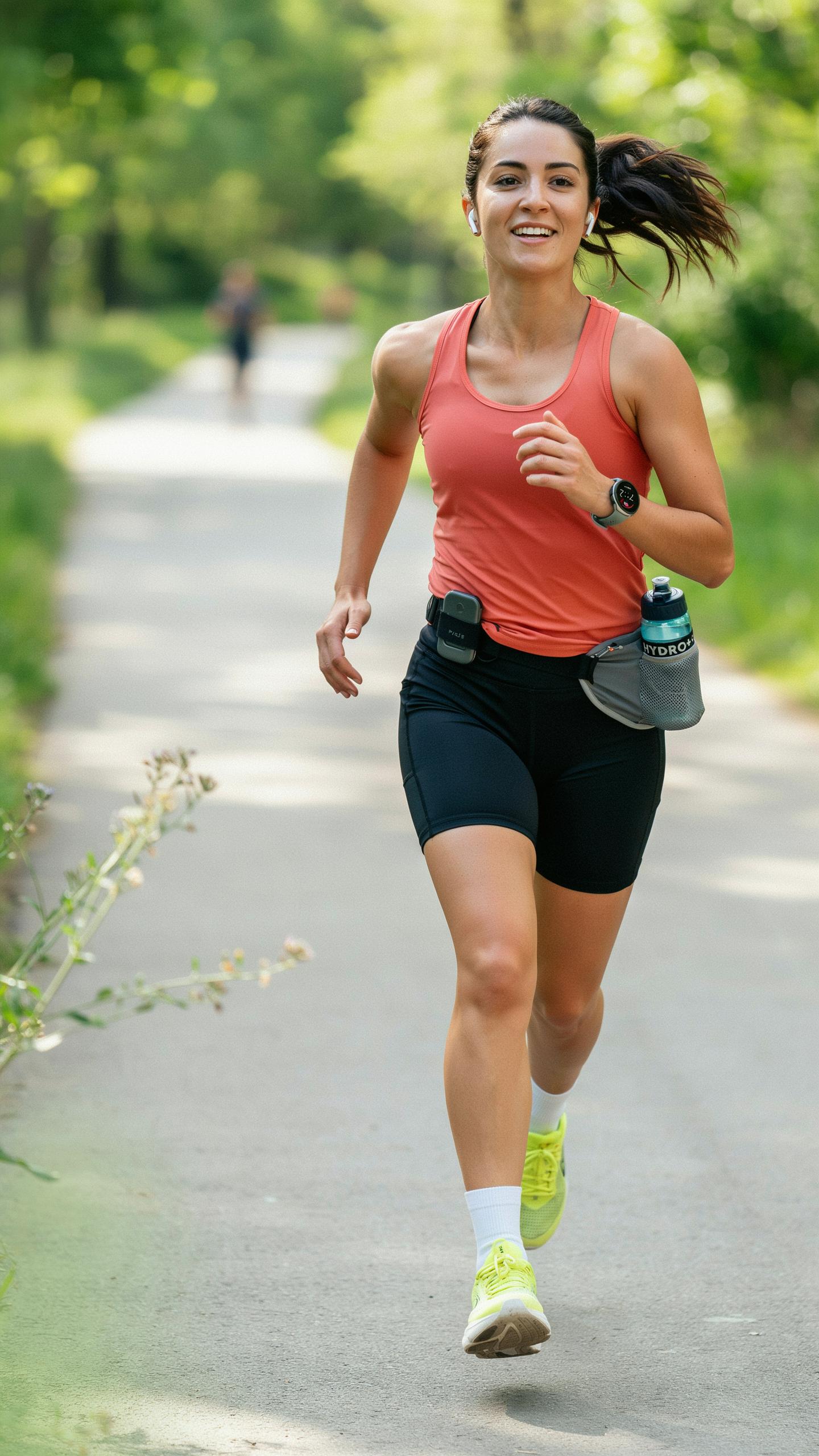
Women’s wearables differ from unisex models in band width, case diameter, and weight distribution. Smaller case sizes fit wrists under 6.5 inches. Lighter bands reduce fatigue during extended wear. Brands offer interchangeable straps in materials like silicone, leather, and metal to match different contexts. Color options extend beyond basic black and silver.
Comfort drives long-term usage. A tracker worn consistently outperforms a more advanced device left in a drawer. Women report higher satisfaction with devices under 40 grams. Slim profiles prevent snagging on clothing or hair. Moisture-wicking materials prevent skin irritation during workouts and daily wear.
Specific Features For Women’S Health Tracking
Menstrual cycle tracking calculates period timing and predicts fertile windows. Apps log flow intensity, symptoms, and mood changes across cycles. This data informs training intensity decisions. Athletes optimize workouts around hormonal phases to prevent injury and boost performance. Devices sync data with health apps for consolidated tracking.
Pregnancy tracking monitors weight gain, workout intensity, and heart rate zones during each trimester. Wearables flag when heart rate exceeds safe thresholds during exercise. Calorie burn calculations adjust for pregnancy’s metabolic changes. Post-pregnancy, devices track recovery milestones and clearance for high-impact activities. These features eliminate guesswork during a critical period.
Fitness Gift Ideas For Men Powering His Performance
Rugged Devices For Intense Workouts
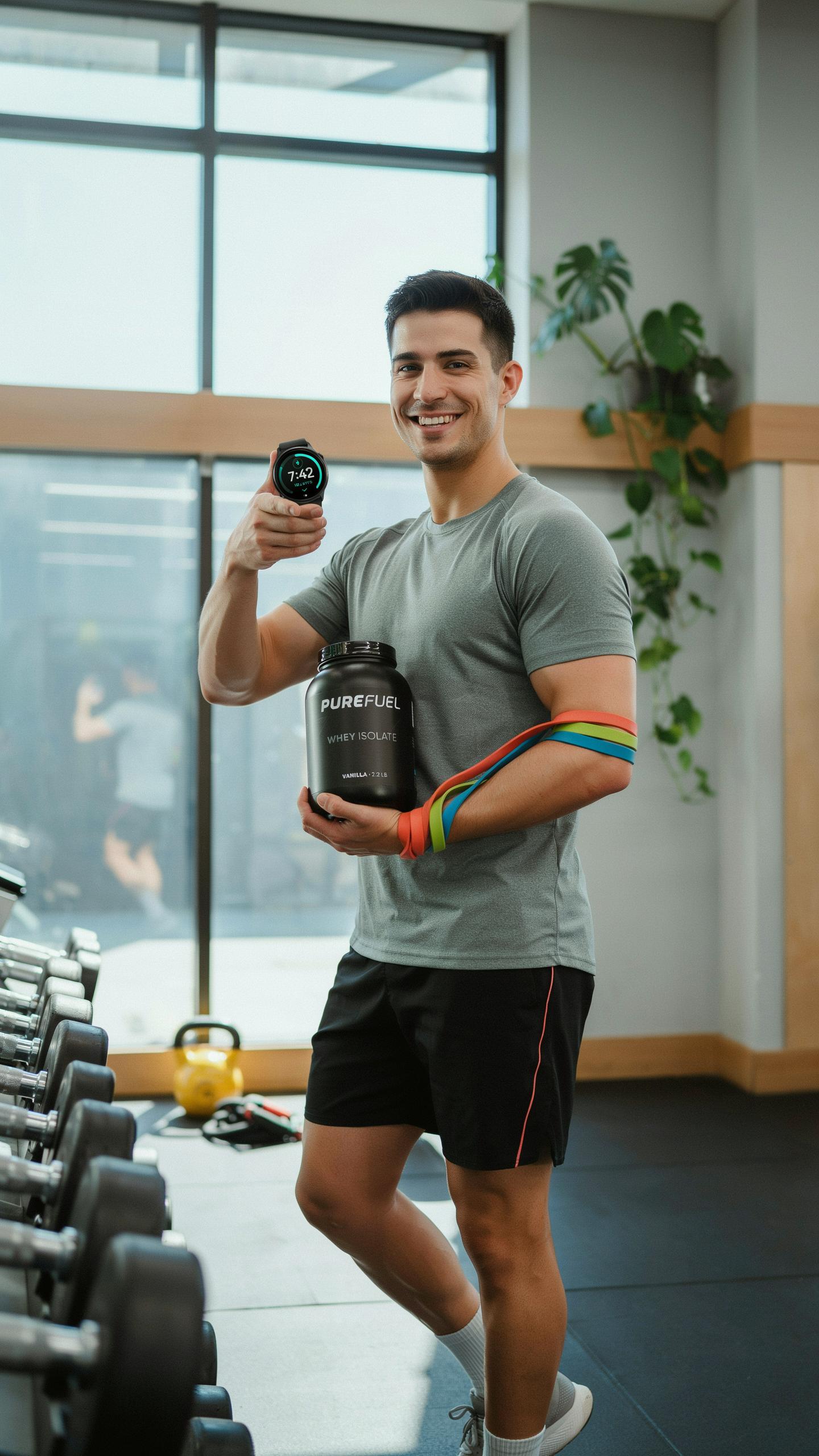
Men pushing hard in CrossFit boxes, trail running, or heavy lifting need devices that survive impact, sweat, and temperature swings. Military-grade smartwatches with reinforced cases handle drops and abrasion without failing. Water resistance ratings of 5 ATM or higher work for pool training and outdoor conditions. Battery life matters more than aesthetics here. Devices built with Gorilla Glass and stainless steel frames outlast cheaper alternatives. Look for brands that spec their durability claims instead of vague marketing language.
GPS watches designed for multisport training track running, cycling, and swimming without switching devices. The best models sync instantly to phones and upload data in seconds. Real-time metrics during workouts matter less than reliable data collection afterward. Devices with offline functionality work on remote trails where cell service disappears. Charging every few days beats charging daily when you need consistency. Choose watches tested in actual competition environments, not just laboratory conditions.
Performance Analytics And Strength Training Focus
Wearables built for strength training capture what matters: power output, bar velocity, and recovery status between sets. Accelerometers and gyroscopes track movement speed during lifts more accurately than heart rate alone. Some devices detect load on joints and muscle activation patterns through motion analysis. This data reveals which lifts cause fatigue and which allow recovery. Men can adjust volume and intensity based on real metrics instead of guessing. Recovery recommendations become personalized after the device learns individual patterns over weeks.
Advanced wearables measure muscle oxygen saturation and blood flow during workouts. This shows which muscles worked hardest and how efficiently they recovered post-exercise. Sleep tracking paired with workout data identifies when the body needs extra rest days. VO2 max estimates help men benchmark cardiovascular fitness against their own baseline and age groups. Strength athletes gain tactical advantages by knowing exact fatigue levels before heavy sessions. Data exports to fitness apps create custom training plans based on performance history.
Frequently Asked Questions

What are the essential types of gadgets a fitness enthusiast should consider to start tracking their progress?
For beginners, a reliable fitness tracker (like a smartwatch or band) is key for monitoring steps, heart rate, and sleep. Adding smart scales for weight and body composition, or a basic GPS watch for run tracking, provides a great foundation. These tools offer valuable data to kickstart their fitness journey effectively.
How can I ensure the fitness gadgets I gift are compatible and work together seamlessly for comprehensive data tracking?
When choosing gadget gifts for fitness lovers, always check for cross-platform compatibility and app integration. Many brands use their own ecosystems, but some devices can sync with popular third-party apps like Apple Health or Google Fit. Reading reviews about data syncing capabilities will help you make an informed choice.
Are there affordable yet effective gadget gifts for fitness lovers who are on a tight budget but still want quality tracking?
Absolutely! You don’t need to break the bank for great fitness tracking. Consider entry-level fitness bands from reputable brands, which offer core features like step counting, heart rate monitoring, and sleep analysis at a fraction of the cost. Basic smart scales or simple pedometers also make excellent, budget-friendly gadget gifts for fitness lovers.