

Setting Up Their Study Hub Essential Tech Items For Students

Laptops And Tablets: The Core Of Academic Success
A laptop remains non-negotiable for college work. Most students need a device that runs standard software, handles document creation, video conferencing, and basic coding if required by their major. Windows and Mac systems dominate campus environments. Students should prioritize processing power and battery life over brand prestige. A mid-range machine lasts four years with proper care.
Tablets serve a different function than laptops. They excel at note-taking, reading PDFs, and annotating documents. Many students pair tablets with styluses for handwritten notes in lectures. Tablets don’t replace laptops for major assignments or programming work. They function best as supplementary devices that reduce paper usage and organize research materials.
Portable Monitors: Boosting Productivity In Small Spaces
Dorm rooms lack desk real estate. Portable monitors solve this problem by adding screen space without occupying permanent furniture. These displays connect via USB-C or HDMI and fold for transport. A second screen doubles a student’s ability to reference sources while writing papers. Many models weigh under two pounds and cost between 150 and 300 dollars.
Students studying engineering, design, or data analysis benefit most from dual monitors. Coding requires comparing multiple windows. Video editing demands workspace. However, portable monitors demand consideration of weight and battery power before purchase. USB-powered options eliminate cable clutter in cramped rooms. Battery-powered versions offer maximum flexibility on campus.

Staying Connected College Technology Essentials

Noise Cancelling Headphones: Focus In A Busy Dorm
Dorm rooms lack privacy. Roommates, hallway noise, and adjacent rooms create constant distraction. Noise-cancelling headphones solve this problem by using active noise cancellation technology that reduces ambient sound by 20 to 30 decibels. This lets students focus on work, attend online classes, or sleep without interference. The investment pays off through improved study efficiency and better sleep quality.
Most noise-cancelling headphones use lithium-ion batteries lasting 20 to 40 hours per charge. Models range from 100 to 400 dollars depending on brand and features. Mid-range options around 150 to 250 dollars deliver solid performance for college budgets. Students should prioritize comfort for extended wear and lightweight designs that won’t cause ear fatigue during long study sessions.
Portable Chargers: Keeping Devices Powered On The Go
College students juggle multiple devices simultaneously. Smartphones, laptops, tablets, and smartwatches drain battery throughout the day. Portable chargers extend usage time when wall outlets aren’t available during classes, library sessions, or campus activities. A single portable charger keeps devices operational for an entire day of movement between locations.

Capacity matters more than price. Chargers rated 20,000 to 30,000 milliamp hours handle multiple device charges. Fast charging technology cuts recharge time from hours to 30 to 60 minutes. Students benefit from chargers with multiple output ports that charge two to three devices simultaneously, making them practical for shared dorm spaces and group study sessions.
Dorm Room Entertainment College Gadgets For Downtime
Streaming Devices: Accessing Content Anywhere
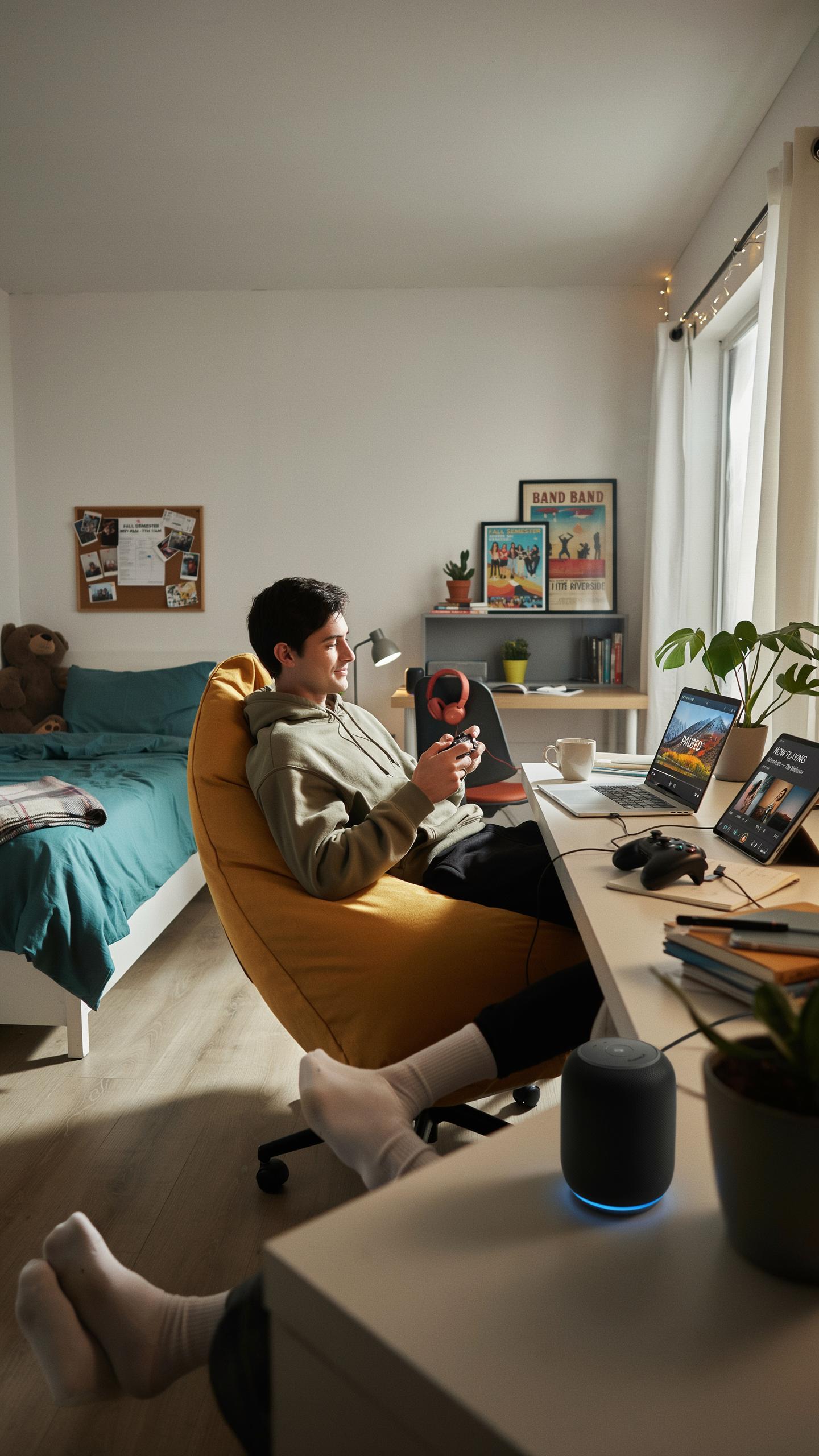
Streaming devices solve a core dorm problem: shared TV access. Most college housing has limited common areas with televisions. A personal streaming device like a Fire TV Stick or Roku connects to any monitor or TV your roommate owns. You control what plays without negotiating content choices. These devices run Netflix, Disney Plus, Hulu, and other major platforms directly from their apps.
The setup takes minutes and requires only an HDMI port and WiFi connection. Dorm internet typically handles streaming without issues. These devices cost between 25 and 40 dollars, making them affordable for student budgets. They solve entertainment friction and let you watch content on your schedule, not your roommate’s.
Bluetooth Speakers: Enhancing Their Audio Experience
Bluetooth speakers give college students portable audio without headphones always in their ears. Dorm rooms benefit from a single speaker for studying with background music or gaming sessions. Most modern speakers range from 30 to 150 dollars depending on size and battery life. Portability matters here because students move between study spots, friend’s rooms, and outdoor spaces constantly.

Battery life typically runs eight to twenty hours per charge depending on the model and volume level. Water resistance matters for dorm life where spills happen regularly near desks and beds. A solid Bluetooth speaker replaces the need for expensive dorm-size sound systems and takes up minimal space on a shelf or desk.
Smart Living Tech Accessories For Students
Smart Plugs: Automating Dorm Room Devices
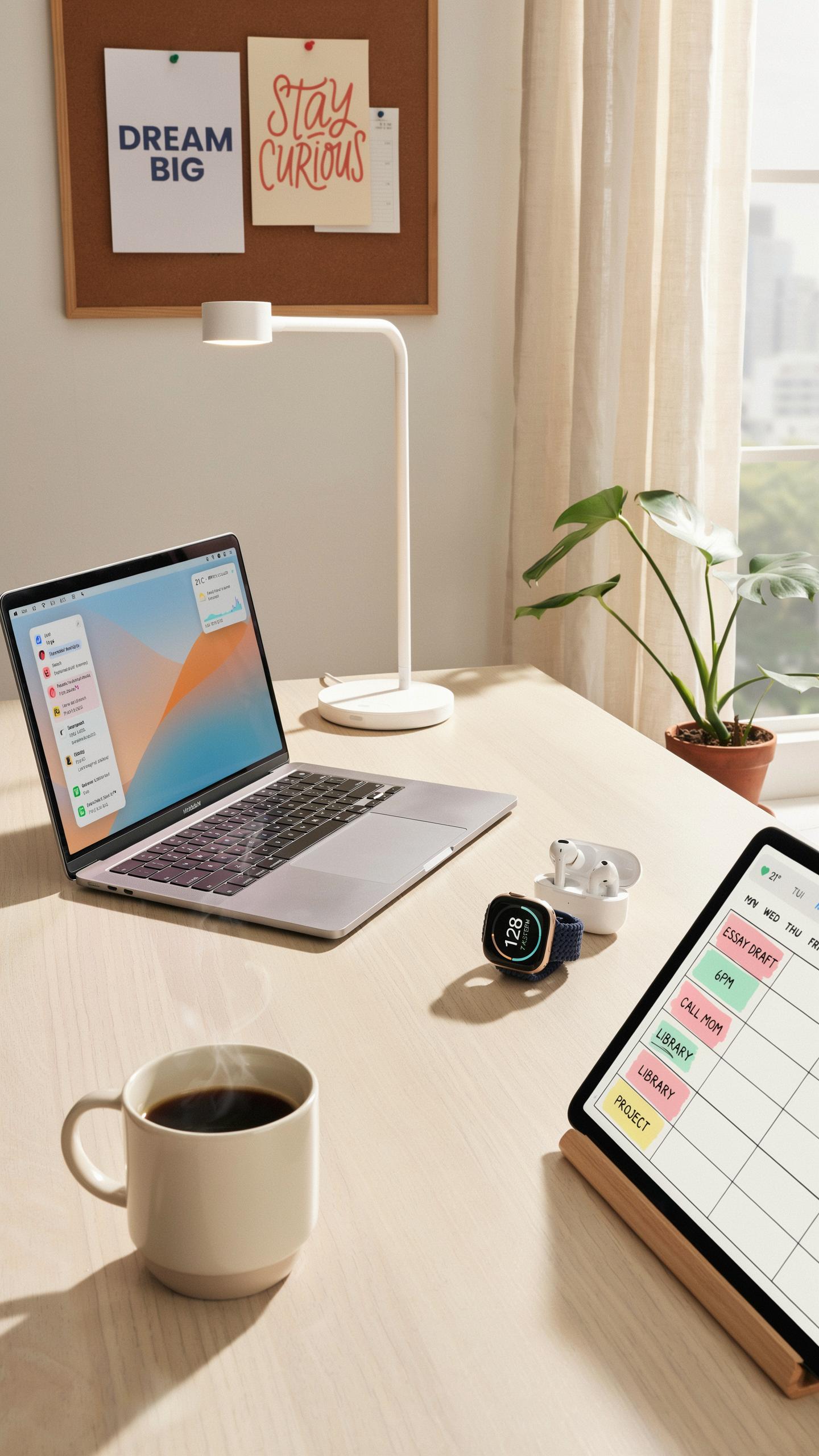
Smart plugs let students control power remotely through smartphones. They work with most outlets and require only a WiFi connection. Students plug lamps, fans, or chargers into them, then turn devices on or off from bed or class. This saves energy by eliminating phantom power drain. Most smart plugs cost between 15 and 30 dollars.
Smart plugs integrate with voice assistants like Alexa or Google Home. Students can schedule devices to turn on at specific times, which helps manage study sessions or morning routines. They also monitor energy usage, showing which devices consume the most power. This data helps students make informed decisions about electricity consumption in dorms where utility costs matter.
LED Light Strips: Personalizing Their Space
LED light strips stick directly onto walls or furniture without damage. Students use them to add ambient lighting that reduces eye strain during late study sessions. The strips come in multiple colors and brightness levels, allowing customization that matches personal preferences. Installation takes minutes and requires no drilling or permanent installation. Most strips run on batteries or USB power.

These lights adjust brightness and color through smartphone apps or remote controls. Students can set them to specific hues that enhance focus or create a relaxing environment after classes. LED strips use significantly less electricity than traditional desk lamps, reducing dorm power consumption. They last thousands of hours, making them reliable throughout a student’s college years without frequent replacement.
Health And Wellness Tech For A Balanced College Life

Fitness Trackers: Encouraging Active Habits
Fitness trackers monitor daily movement, heart rate, and sleep patterns. College students use them to maintain exercise routines amid academic pressure. Devices like Fitbit and Apple Watch track steps, calories burned, and workout intensity. They sync with phones to display real-time data. Most trackers last 5 to 7 days per charge, requiring minimal maintenance during busy semesters.
The ROI is straightforward. Students who track activity see measurable increases in daily movement. Wearables create accountability through goal-setting features and progress visualization. Many trackers cost between 50 and 300 dollars, making them accessible for dorm life. The data helps students identify sedentary patterns during exam periods and adjust accordingly.
Smart Water Bottles: Staying Hydrated Through Study Sessions
Smart water bottles send phone notifications reminding users to drink water at set intervals. They track daily hydration intake and sync with health apps. Brands like HidrateSpark and Thermos Smart use lights and app alerts to prompt drinking. The bottles themselves are durable, leak-proof, and fit standard cup holders in backpacks.

Hydration directly impacts cognitive function and energy levels during study sessions. Dehydration causes fatigue, headaches, and reduced concentration. A smart bottle removes the decision-making from drinking water. Students studying for hours forget to hydrate. These devices cost between 30 and 100 dollars and require charging every 1 to 2 weeks, making them practical for dorm living.
Security And Peace Of Mind College Essentials
Portable Safes: Protecting Valuables In A Shared Space
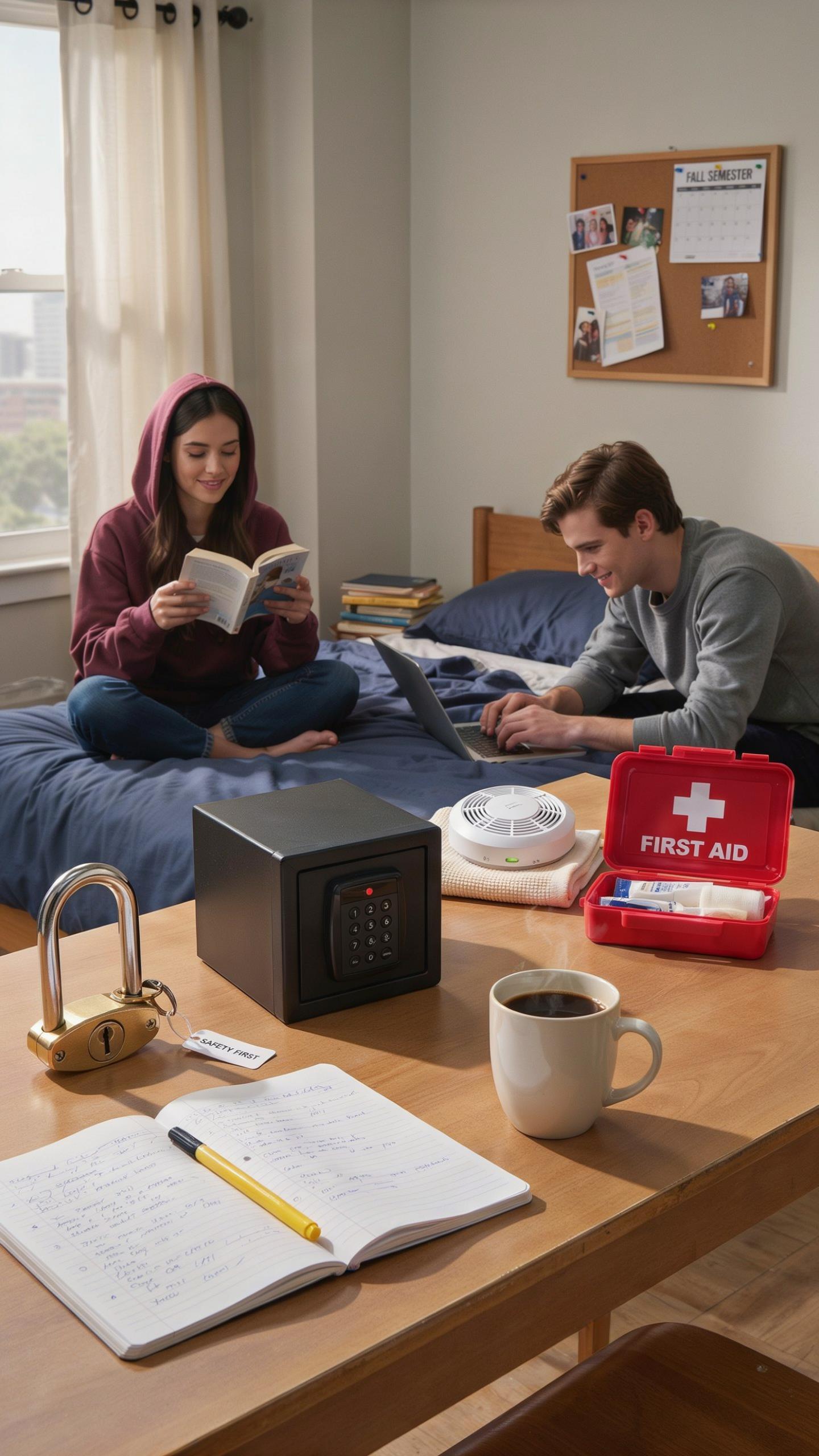
Dorm rooms lack privacy. Roommates, guests, and hallway traffic create theft risk. A portable safe secures laptops, phones, cash, and documents when you leave. Steel construction and combination locks provide basic protection. Sizes range from small bedside units to larger floor models. Weight matters for portability between semesters and room changes.
Choose safes bolted to furniture or fixed to walls for added security. Digital locks offer speed over combination dials. Fireproof models protect documents and irreplaceable items beyond theft. Budget options start around 30 dollars for basic models. Premium units cost 100 to 300 dollars depending on capacity and features.
Tracking Devices: Keeping Tabs On Important Items
Tracking devices locate lost or stolen items through GPS or Bluetooth. Attach them to laptops, backpacks, keys, or wallets. Bluetooth trackers work within 100 to 400 feet depending on the model. GPS trackers provide real-time location but require subscription services. Battery life varies from weeks to months based on usage patterns.

Most devices connect to smartphone apps for immediate alerts. Precision finding features emit sounds to help locate nearby items. Some trackers survive water exposure and impact from drops. Popular options include Apple AirTag, Tile, and Samsung SmartTag models. Choose based on your existing device ecosystem and required range coverage.
Connectivity On The Go Best Devices For College

Mobile Hotspots: Reliable Internet Access Anywhere
A mobile hotspot gives you internet without depending on campus WiFi. Most hotspots connect to your phone’s cellular data and broadcast WiFi to laptops, tablets, and other devices. Use one when you’re studying off campus, traveling home, or in areas where WiFi drops. This tool keeps you working during connectivity gaps that otherwise kill your productivity.
Mobile hotspots range from standalone devices to built-in phone features. Standalone units like Netgear or Franklin devices offer longer battery life and work independently from your phone. Phone-based hotspots drain battery faster but eliminate another device to carry. Choose based on your data plan and how often you need backup internet away from campus networks.
USB Hubs And Adapters: Expanding Device Connectivity
Modern laptops ship with limited ports, forcing you to choose between charging and connecting peripherals. USB hubs solve this by adding multiple ports to a single connection. You’ll plug in external hard drives, printers, keyboards, and charging cables simultaneously. A hub turns one port into four, six, or more depending on the model you buy.
- USB 3.0 Multi Port Hubs: Deliver faster data transfer speeds than USB 2.0. Choose models with five to seven ports for maximum flexibility in your dorm setup.
- USB C Hubs: Match modern laptop connections. Many include power delivery to charge your laptop while connecting other devices without reducing your charging speed.
- Adapter Combos: Bundle USB, HDMI, SD card readers, and audio jacks in one unit. These work well for connecting projectors during group study sessions or presentations.
- Powered Hubs: Include their own power source, preventing voltage drops that slow data transfer. Essential when connecting multiple high power devices like external drives and printers.
- Docking Stations: Combine hub functions with a stable base for your laptop. Prop your screen higher and connect everything in one motion when you arrive at your desk.

Adapters fill gaps between old and new technology standards. Your projector might use HDMI while your laptop only has USB C. An adapter bridges that gap in seconds. Keep several adapters in your backpack for unexpected compatibility issues in study lounges, classrooms, or group project spaces.
Organization And Productivity College Students

Digital Planners And Stylus Pens: Streamlining Notes
Digital planners replace paper notebooks with tablets and stylus pens. Students write directly on screens, search notes instantly, and sync across devices. This eliminates lost pages and reduces physical clutter in dorm rooms. Popular options include iPad with Apple Pencil and Samsung tablets with S Pen. The handwriting-to-text feature saves time during study sessions and exam prep.
Stylus pens offer pressure sensitivity that mimics real writing. This matters for students who take extensive notes or sketch diagrams for STEM classes. Battery life ranges from 10 to 40 hours depending on the model. Most stylus pens cost between 50 and 150 dollars. They work on compatible tablets only, so verify device compatibility before purchasing.
Let technology be your bridge to connection and discovery in this exciting new chapter, a thoughtful gift making every dorm room feel like home.
Cable Organizers: Taming The Dorm Room Clutter
Dorm rooms contain multiple charging cables, headphone wires, and USB cords that tangle easily. Cable organizers prevent damage to wires and keep desk space functional. Velcro straps, clips, and sleeves contain cables without tangling. These organizers cost 5 to 25 dollars and install in minutes. They work on any cable type and reposition without leaving marks on furniture.

Wireless charging reduces cable need but doesn’t eliminate it entirely. Students still need cables for laptops, monitors, and devices that lack wireless options. Desktop cable management boxes hide power strips and contain excess cord length. Adhesive clips mount on desk edges or walls without drilling holes. Organized cables extend device lifespan and make dorm rooms look intentional and functional.
Amazon Gadgets Convenient And Accessible Tech
Echo Dot: Voice Controlled Assistance For Dorm Life
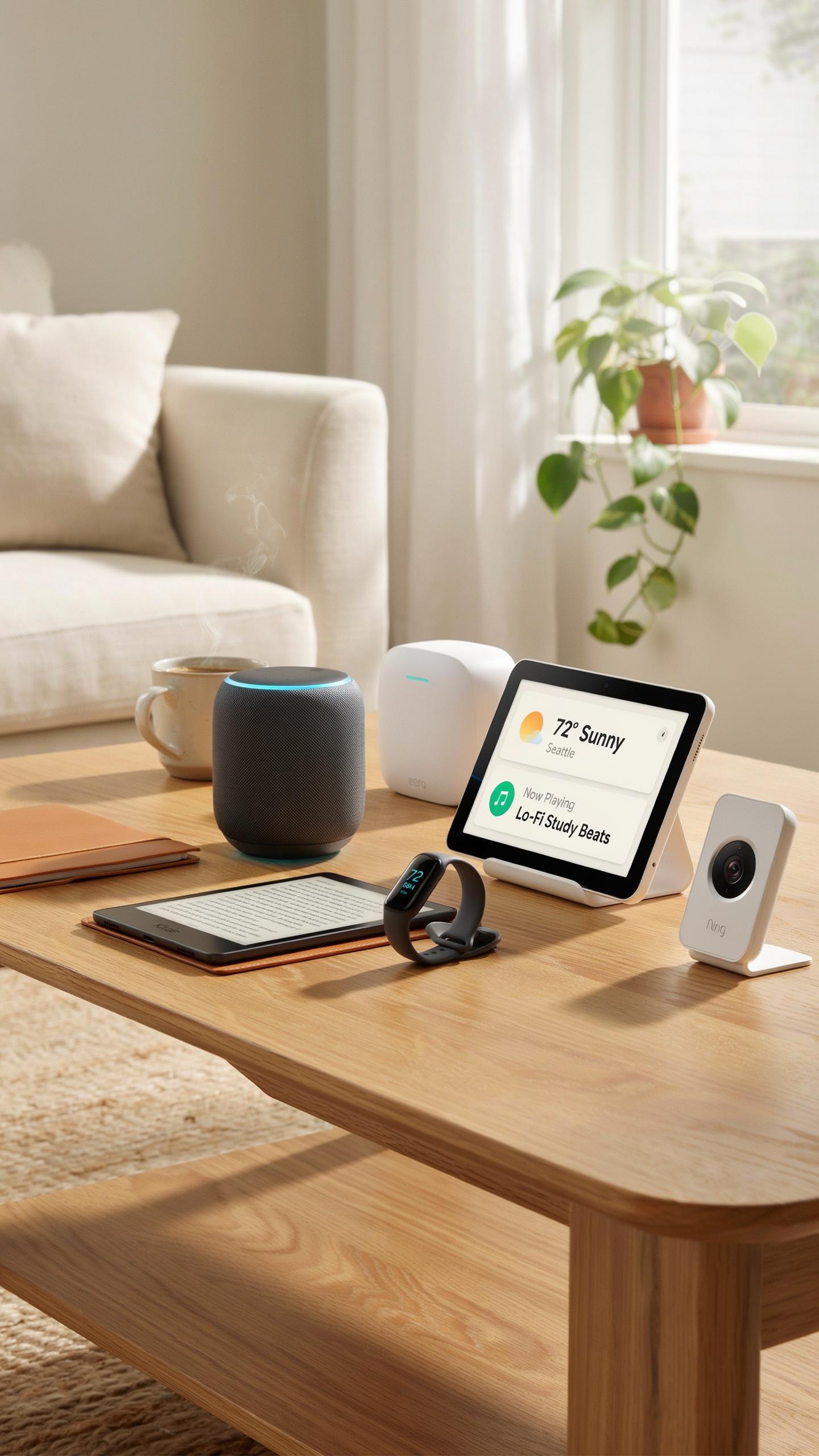
The Echo Dot handles routine tasks without requiring you to stop what you’re doing. Set alarms, check weather, control smart lights, and play music through voice commands. The compact size fits on any desk or shelf. Integration with Amazon services means seamless access to your Prime account and shopping capabilities directly from your room.
Dorm life involves managing multiple responsibilities simultaneously. The Echo Dot reduces friction by centralizing information and control. You can ask it questions while studying, set reminders for assignments, or manage your smart home devices if your dorm allows them. The device costs under fifty dollars, making it an affordable addition to your tech setup.
Kindle Paperwhite: A Portable Library For Leisure And Study
The Kindle Paperwhite stores thousands of books in a device thinner than a paperback. The e-ink display reduces eye strain compared to reading on phones or laptops. Built-in lighting lets you read in any lighting condition, including late-night study sessions. Battery life extends for weeks between charges, eliminating the need for constant charging.
College reading lists require access to multiple texts simultaneously. The Kindle Paperwhite consolidates textbooks, novels, and research materials into one lightweight device. Many college libraries offer free e-book lending through services compatible with Kindle devices. The waterproof design handles the inevitable dorm spills and bathroom reading sessions without risk of damage.
Photography And Creativity Capturing College Memories

Instant Cameras: Documenting Dorm Life And Friendships
Instant cameras deliver physical prints within minutes of taking a shot. Models like the Fujifilm Instax and Polaroid Now produce credit-card-sized prints that students tape to dorm walls or share immediately. These cameras require no smartphone connection, no cloud uploads, and no editing apps. They work in real time, making them ideal for capturing unplanned social moments.
College life moves fast, and instant prints become tangible records of that era. Students build physical collections in dorms, creating visual timelines without relying on digital storage or social media. Film costs range from 50 cents to one dollar per shot, making the format deliberate rather than disposable. This constraint encourages purposeful photography instead of endless digital scrolling.
Portable Photo Printers: Sharing Memories Instantly
Portable photo printers connect to smartphones via Bluetooth and produce prints in under a minute. Devices like the HP Sprocket and Canon Selphy print at sizes ranging from 2×3 inches to 4×6 inches. Students photograph dorm events, parties, and study sessions, then print copies to distribute immediately. No waiting for a lab or managing cloud storage.
These printers work with both smartphone photos and digital files already stored on campus computers. Print quality rivals traditional lab output, making photos suitable for bulletin boards, lockers, or care packages home. Battery life typically supports 100 to 200 prints per charge, covering most weekend social events. The combination of instant printing and wireless capability solves the gap between digital capture and physical sharing.
Frequently Asked Questions

What are some essential tech gifts for college students moving into a dorm?
Essential tech gifts for college students often include noise-canceling headphones for studying, portable chargers for on-the-go power, and smart speakers for entertainment and organization. These items help create a comfortable and productive dorm environment, making the transition smoother and more enjoyable for any new resident.
How can I choose the best tech gifts for college students to help them stay organized in their small dorm room?
To help college students stay organized, consider tech gifts like smart storage solutions or multi-device charging stations. These maximize space and keep cables tidy. Also, a portable label maker can be surprisingly useful for categorizing items efficiently in a small dorm. Look for compact and multifunctional options.
Are there affordable tech gifts for college students that are still useful and high-quality?
Absolutely! Many affordable yet high-quality tech gifts for college students exist. Think about items like compact power strips with USB ports, LED desk lamps with built-in chargers, or even stylish cable organizers. These budget-friendly options can significantly improve a dorm room’s functionality without breaking the bank, offering great value.