
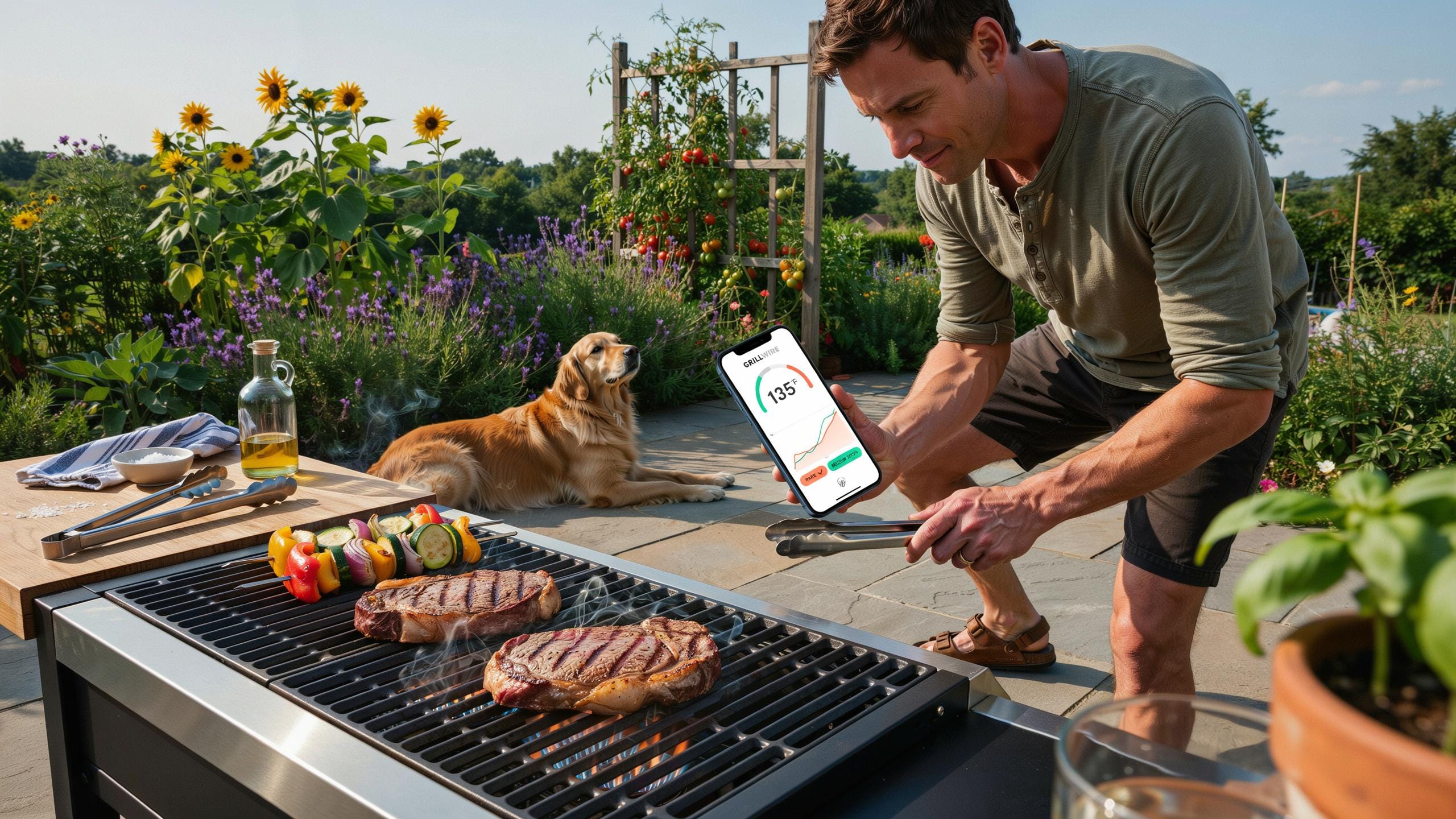
The Evolution Of The Smart Meat Thermometer
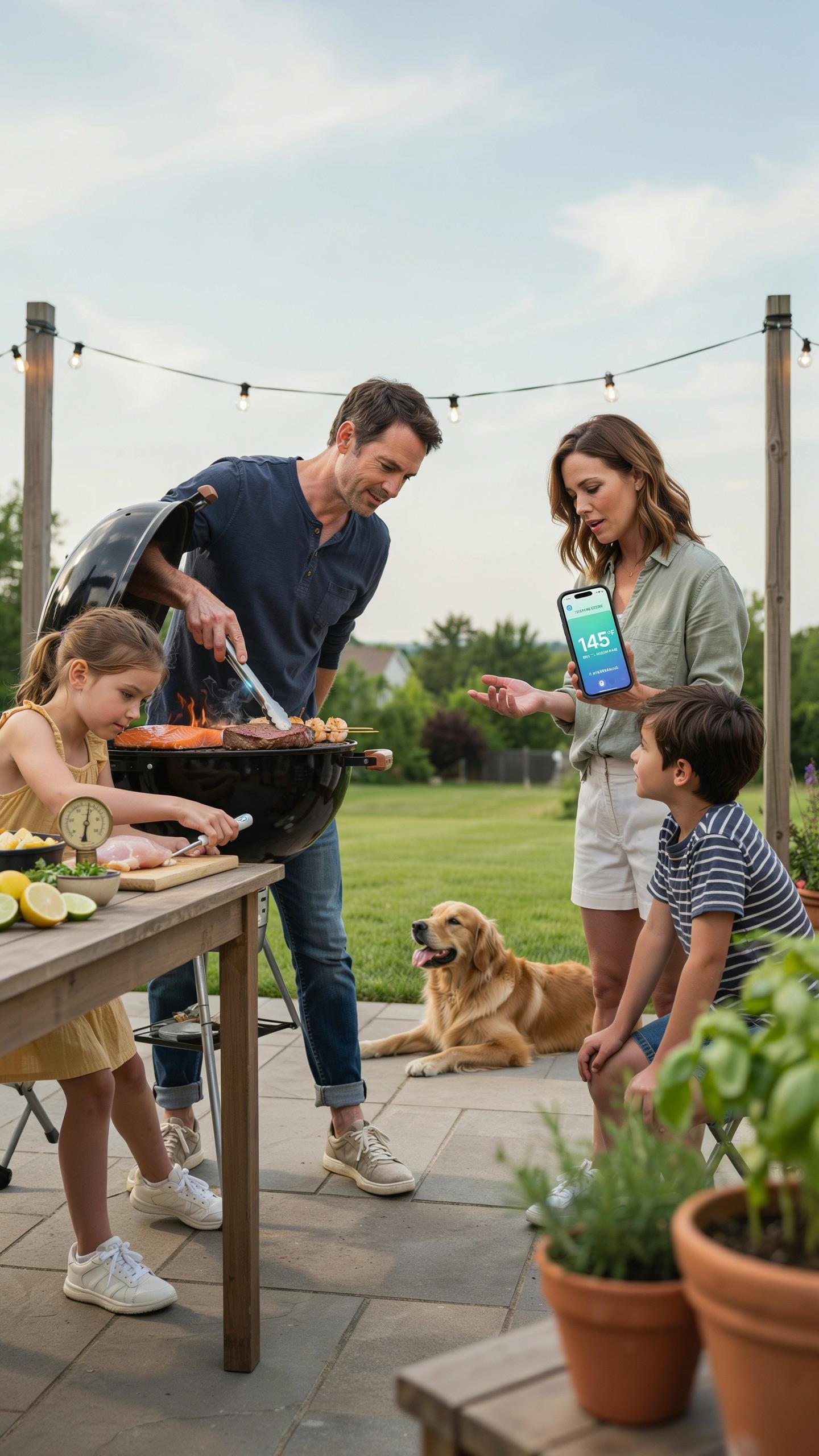
From Basic To Brilliant: Tracing The Thermometer’S Journey
Traditional meat thermometers relied on analog dials and manual insertion. Users stuck a probe into meat, waited for the needle to settle, and read the temperature directly. This method worked but demanded constant checking and guesswork about doneness levels. The process was slow and required the cook to open the grill repeatedly, losing heat with each interruption.
Digital thermometers replaced analog versions in the 1980s and 1990s, introducing LCD displays and faster read times. Battery-powered probes eliminated the need to memorize temperature ranges. However, cooks still had to physically check the device and remember proper temperatures for different meats. The real shift came when manufacturers added wireless connectivity and smartphone integration, transforming a simple tool into a connected kitchen system that delivers real-time alerts and data tracking.
Why A Smart Thermometer Is A Must Have Kitchen Gadget
Smart meat thermometers eliminate guesswork by sending temperature readings directly to your phone via Bluetooth or WiFi. You monitor doneness from anywhere on your property instead of standing over the grill. The app stores temperature history and alerts you when meat reaches target temperatures, preventing both undercooked and overcooked results.
Multiple probe capabilities on many models let you track different items simultaneously. This matters for complex meals where chicken, beef, and vegetables need different final temperatures. The apps provide preset temperatures for various proteins and cooking styles, removing the burden of remembering standards. Smart thermometers transform grilling from reactive work into managed, data-driven cooking.

Precision Grilling How A Smart Meat Thermometer Transforms Your BBQ
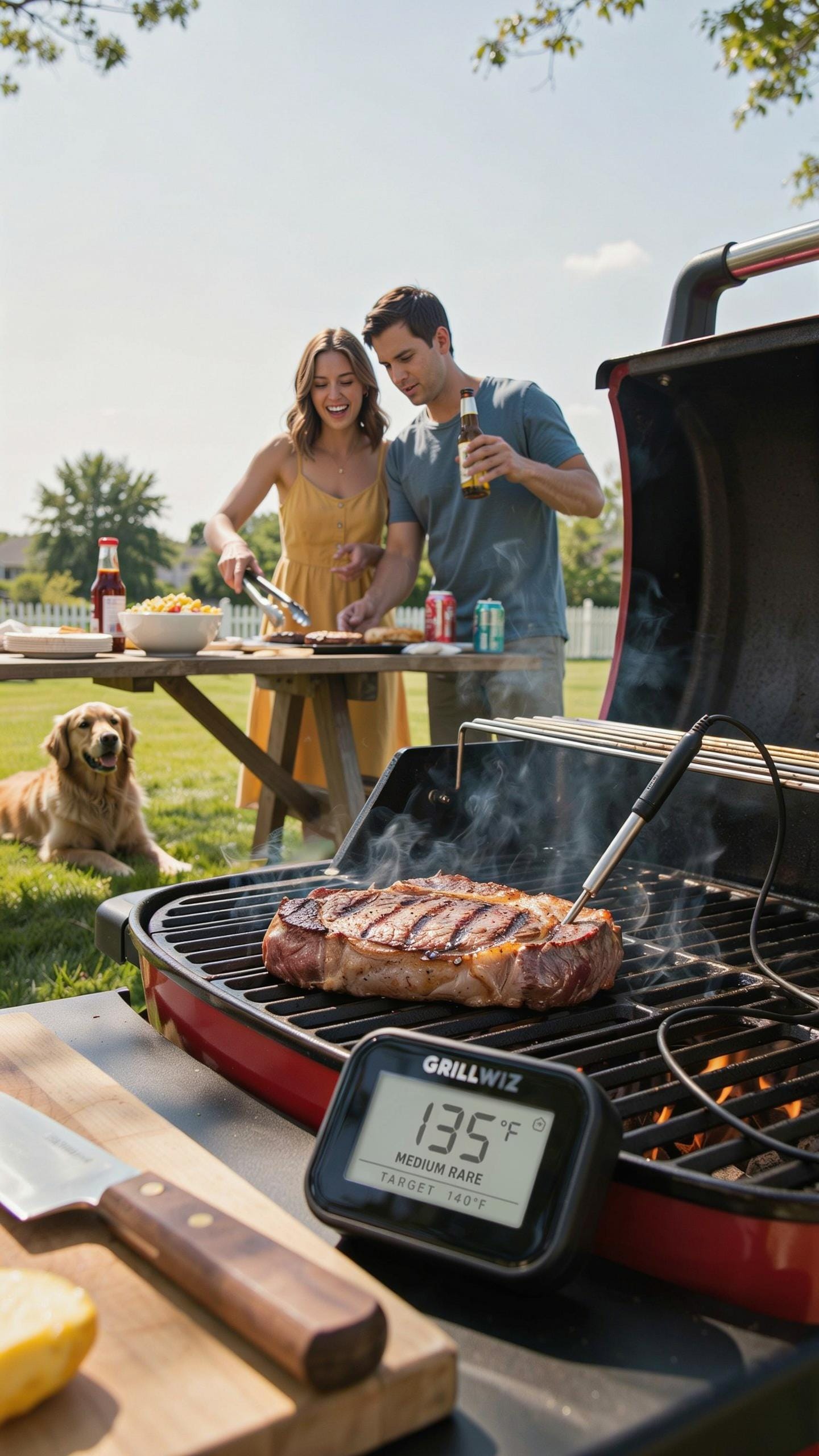
Achieving Perfect Doneness: No More Guesswork
A smart meat thermometer with app eliminates temperature estimation. The device transmits real-time internal meat temperatures to your smartphone. You see exact readings instead of relying on touch tests or timing. Most units alert you when meat reaches target temperatures. This removes the primary cause of overcooked or undercooked protein.
The app displays temperature curves showing how meat cooks over time. You watch progress without opening the grill or checking manually. This keeps heat consistent and reduces cooking time variance. Different cuts and thicknesses cook at different rates. The app tracks these differences and notifies you at precise doneness levels.
Managing Multiple Cuts: Grilling Like A Pro
Smart thermometers with multiple probes monitor different meats simultaneously. You grill chicken, beef, and fish at the same time without mixing up results. Each probe connects to the app independently. The system labels each probe so you know which temperature reading matches which meat.

Professional pitmasters use this approach to handle complex cookouts efficiently. You coordinate timing so everything finishes when guests arrive. The app shows all temperatures on one screen. You make adjustments to individual grills or heat zones based on what each probe reports. This eliminates guesswork and failed timing that ruins meals.
Understanding The Core The Food Thermometer Technology
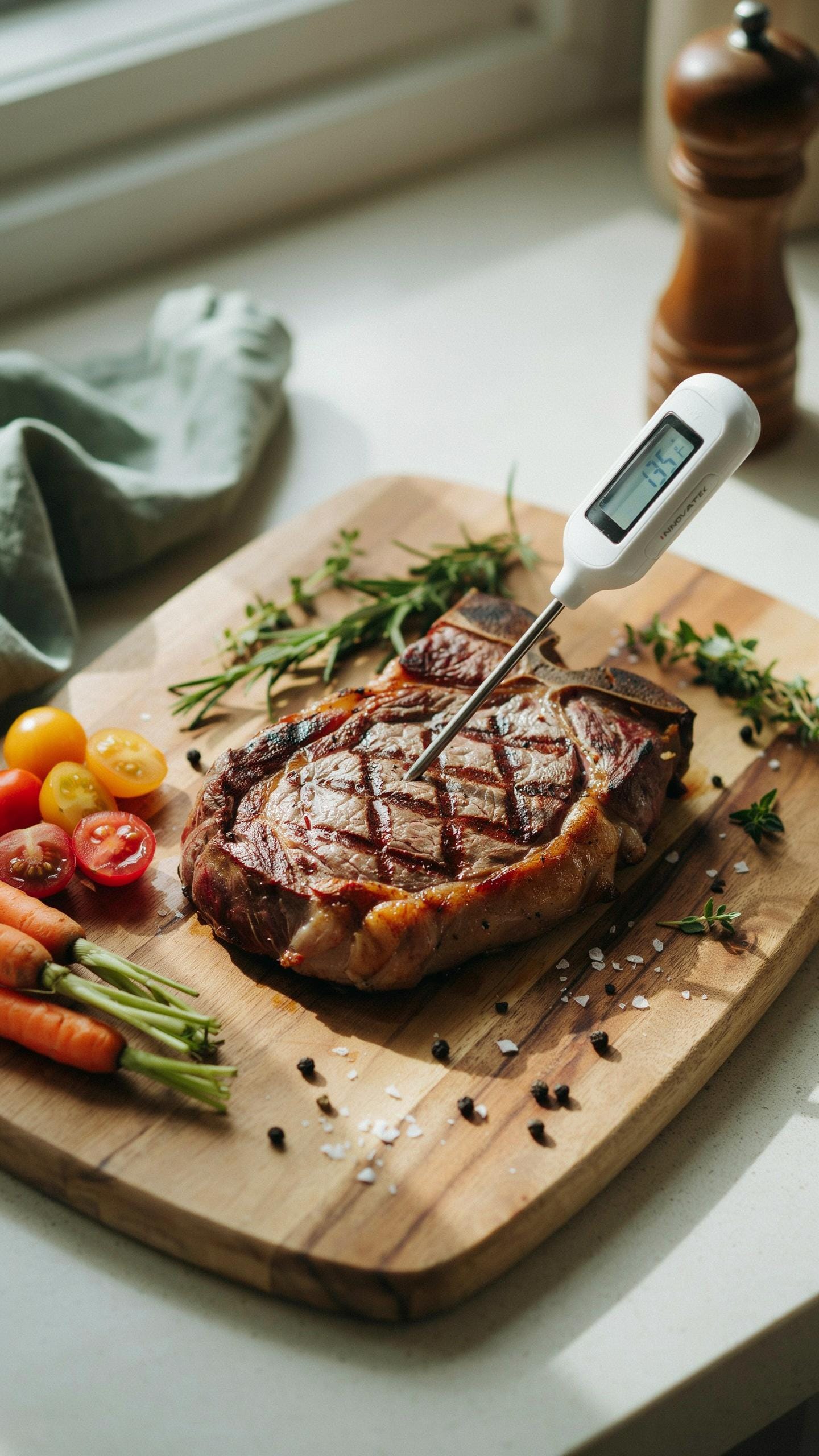
Sensors And Accuracy: The Science Behind The Readings
Smart meat thermometers use thermistor or thermocouple sensors to measure temperature. Thermistors change electrical resistance based on heat exposure. Thermocouples generate voltage when two different metals experience temperature differences. Both methods translate heat into digital readings your app displays in real time.
Accuracy depends on sensor quality and probe design. Most consumer models read within plus or minus two to three degrees Fahrenheit. Probe placement matters significantly. The sensor must reach the thickest part of meat without touching bone or fat. Poor placement produces unreliable readings that compromise your cooking results.
Wireless Connectivity: Bluetooth Vs Wi Fi
Bluetooth thermometers connect directly to your phone without requiring an internet connection. Range typically extends thirty to one hundred feet depending on model and environment. This works well for backyard grilling where you stay close to the device. Bluetooth uses less battery power and establishes connections faster than Wi-Fi alternatives.
Wi-Fi thermometers connect through your home network and enable remote monitoring from anywhere. You can check temperatures from inside your house or away from home entirely. Wi-Fi consumes more battery and requires a network connection to function. Choose Bluetooth for convenience and simplicity. Choose Wi-Fi when you need extended range and remote access capabilities.
The Power Of The App Your Digital Cooking Assistant
Remote Monitoring And Notifications: Freedom To Mingling
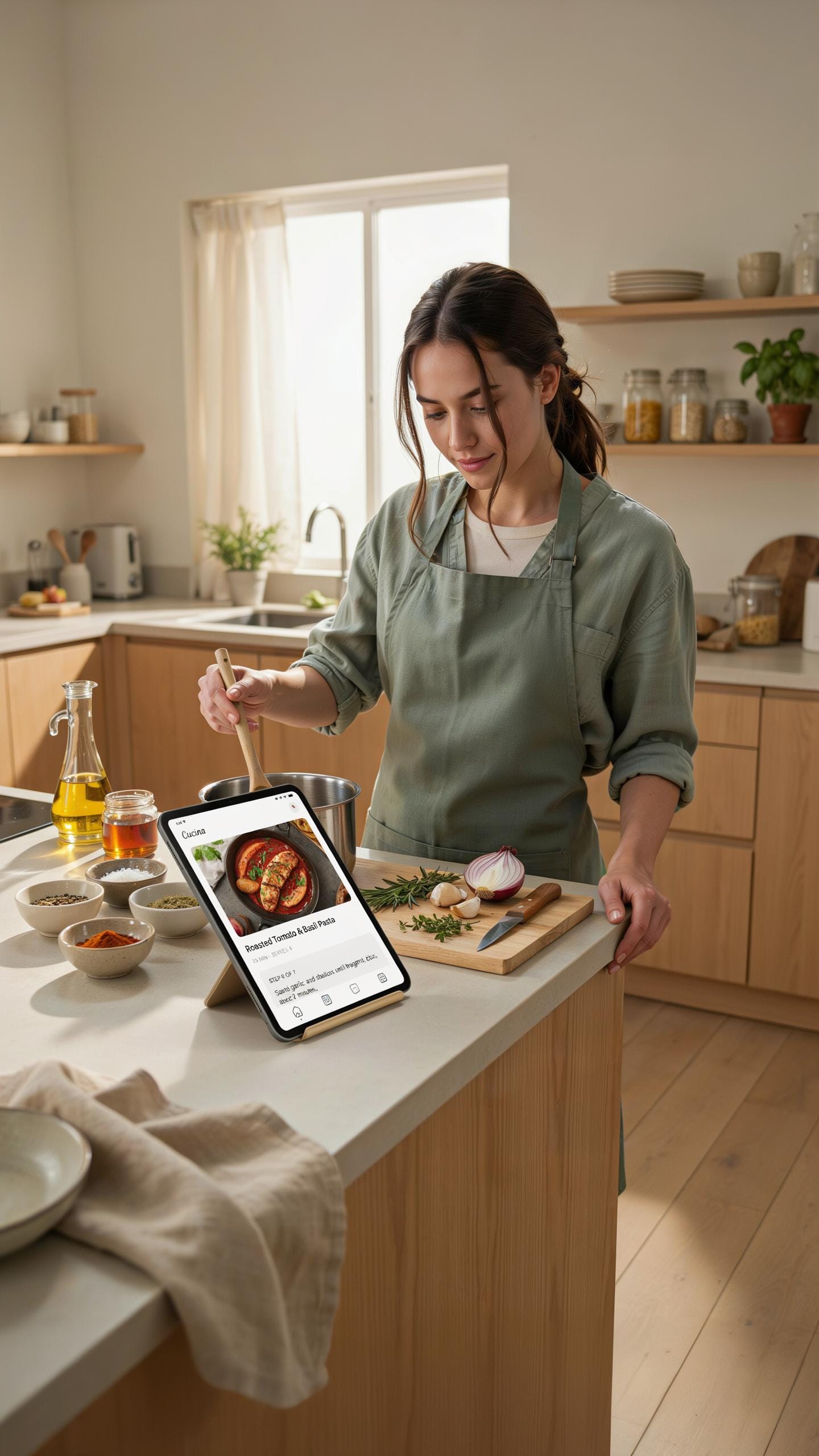
The app sends real-time temperature alerts to your phone, eliminating the need to stand by the grill. You monitor meat doneness from inside your home, at a gathering, or anywhere within your wifi or Bluetooth range. This frees you to handle other tasks and guests without sacrificing food quality or safety.
Notifications trigger when your meat reaches target temperatures or when something goes wrong. You get alerts if the grill temperature drops unexpectedly or if a probe disconnects. This system catches problems before they ruin your meal, giving you control without constant manual checking.
Remember those summer nights, perfecting each sizzle with a knowing wink? Now, your smart thermometer app ensures every nostalgic bite is just as perfect, a true mastery of flavor.
Pre Set Programs And Customization: Tailoring To Your Taste
Most smart thermometer apps ship with built-in cooking profiles for common proteins and desired doneness levels. You select beef, chicken, pork, or fish and choose rare, medium, or well-done. The app calculates exact target temperatures and adjusts alerts accordingly, removing guesswork from the equation.
- Beef Profiles: Covers rare to well-done with specific temperature ranges for each doneness level, accounting for carryover cooking.
- Poultry Programs: Enforces food safety minimums while allowing customization for texture preferences in breasts versus thighs.
- Pork Settings: Adjusts targets based on modern USDA guidelines, balancing safety with moisture retention for optimal results.
- Fish and Seafood: Provides gentle temperature curves to prevent overcooking delicate flesh while ensuring harmful bacteria elimination.
- Custom Presets: Lets you save personal recipes and previous cook sessions for quick replication on future grills.

Custom presets save time on repeat cooks. You build a profile once, name it, and recall it instantly next time you grill the same cut. This feature eliminates manual data entry and ensures consistency across multiple cooking sessions with identical results.
Cooking Thermometer For Every Occasion Beyond Grilling Oven Meat
Roasting In The Oven: Consistent Results Every Time
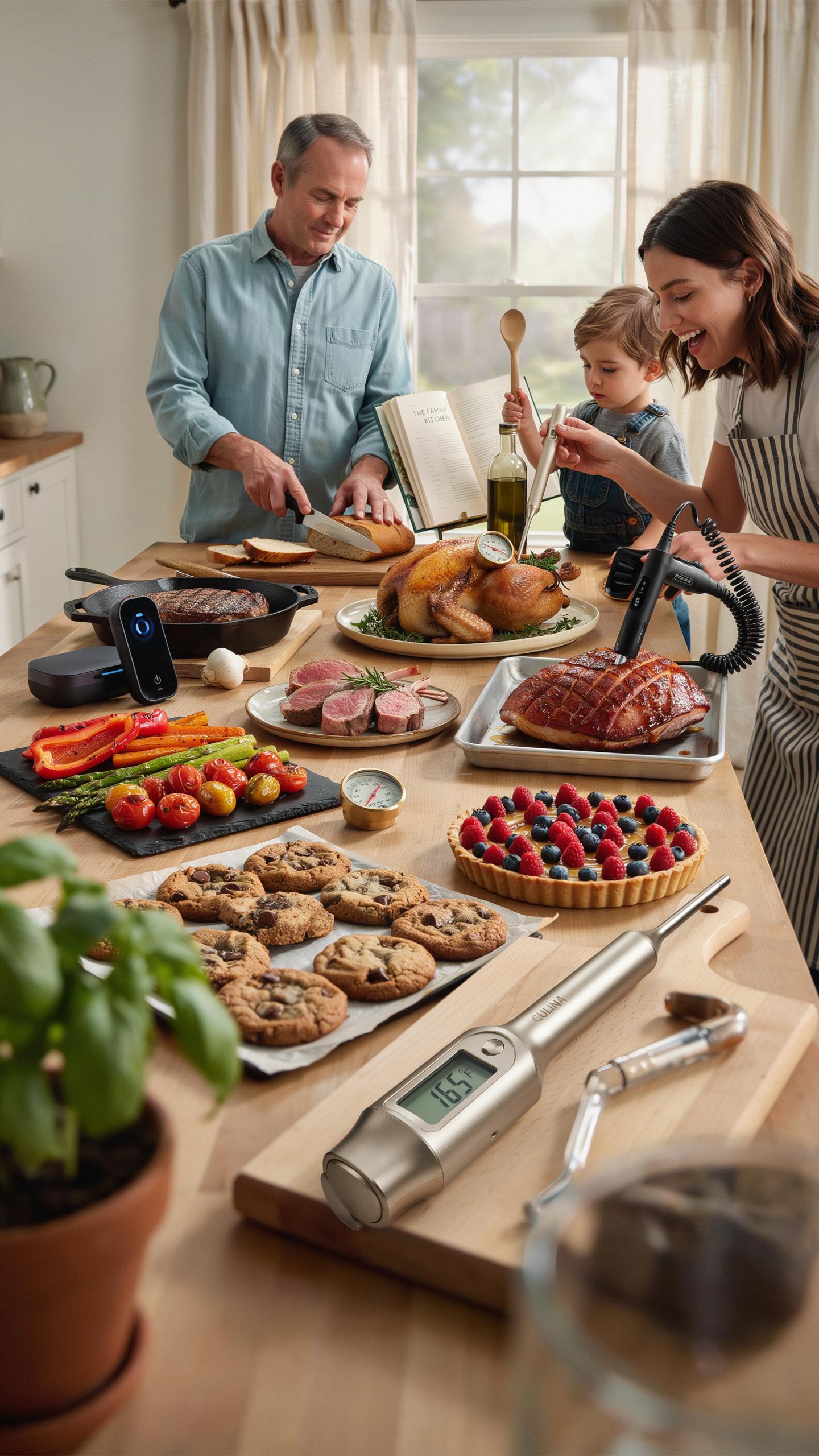
Oven roasting demands precision that a smart meat thermometer with app delivers consistently. The app monitors internal temperature in real time, eliminating guesswork on doneness. You set target temperatures for different proteins and the device alerts you when meat reaches exact specifications. This works for poultry, beef, pork, and lamb with equal accuracy across conventional and convection ovens.
Smart thermometers track temperature curves throughout cooking, showing you exactly when meat plateaus during the stall phase. This data helps you understand your oven’s behavior and adjust future cook times accordingly. The app records historical roasts, building a reference library for your equipment. You replicate successful roasts by matching previous temperature progressions rather than relying on time estimates.
Smoking And Slow Cooking: Low And Slow Perfection
Smoking requires maintaining steady pit temperatures while monitoring meat’s internal rise. A smart meat thermometer with app handles both simultaneously, sending alerts if your smoker drifts outside your target range. You monitor the cook from indoors, eliminating the need to open the pit and lose heat. The app tracks the entire cook, showing exactly how long meat took to climb from 165 to 203 degrees.

Low and slow cooking benefits from the app’s ability to catch the stall phase when it happens. You gain visibility into how different wood, fuel types, and weather patterns affect your smoke chamber. The data logging features let you compare ribeye cooks across different seasons and conditions. This transforms smoking from trial and error into a documented process you can refine systematically.
Choosing Your Ideal Smart Meat Thermometer
Key Features To Look For Probes Range And Battery Life
Probe quality determines your thermometer’s accuracy and durability. Look for stainless steel probes that resist corrosion and handle repeated use. Dual probes let you monitor two temperatures simultaneously, useful for tracking both meat and ambient grill temperature. Single probe models work fine for beginners but limit your monitoring capability.
Range matters for flexibility. Most smart thermometers transmit data between 100 and 300 feet. Distance varies based on obstacles, terrain, and interference from other wireless devices. Choose a range that covers your grilling setup without gaps. Battery life typically runs 40 to 100 hours per charge depending on model and usage patterns. Replaceable batteries offer more convenience than rechargeable units for extended grilling sessions.
Top Brands And Models A Comparative Overview
MEATER makes the most recognized smart thermometer. Their plus model offers 165 feet range and tracks both meat and ambient temperature. ThermoPro’s TempSpike delivers 300 feet range with dual probes at a lower price point. Both use smartphone apps for real time monitoring and send notifications when meat reaches target temperature.

GrillEye Pro focuses on multi probe capability with up to six simultaneous temperature readings. Inkbird models target budget conscious users without sacrificing core functionality. Bluetooth connectivity on most systems limits range compared to WiFi options. Select based on probe count, transmission distance, and whether you need WiFi or Bluetooth connectivity. Price ranges from 50 dollars for basic models to 300 dollars for premium multi probe systems.
Elevating Your Steak Game Tips For Perfect Steak
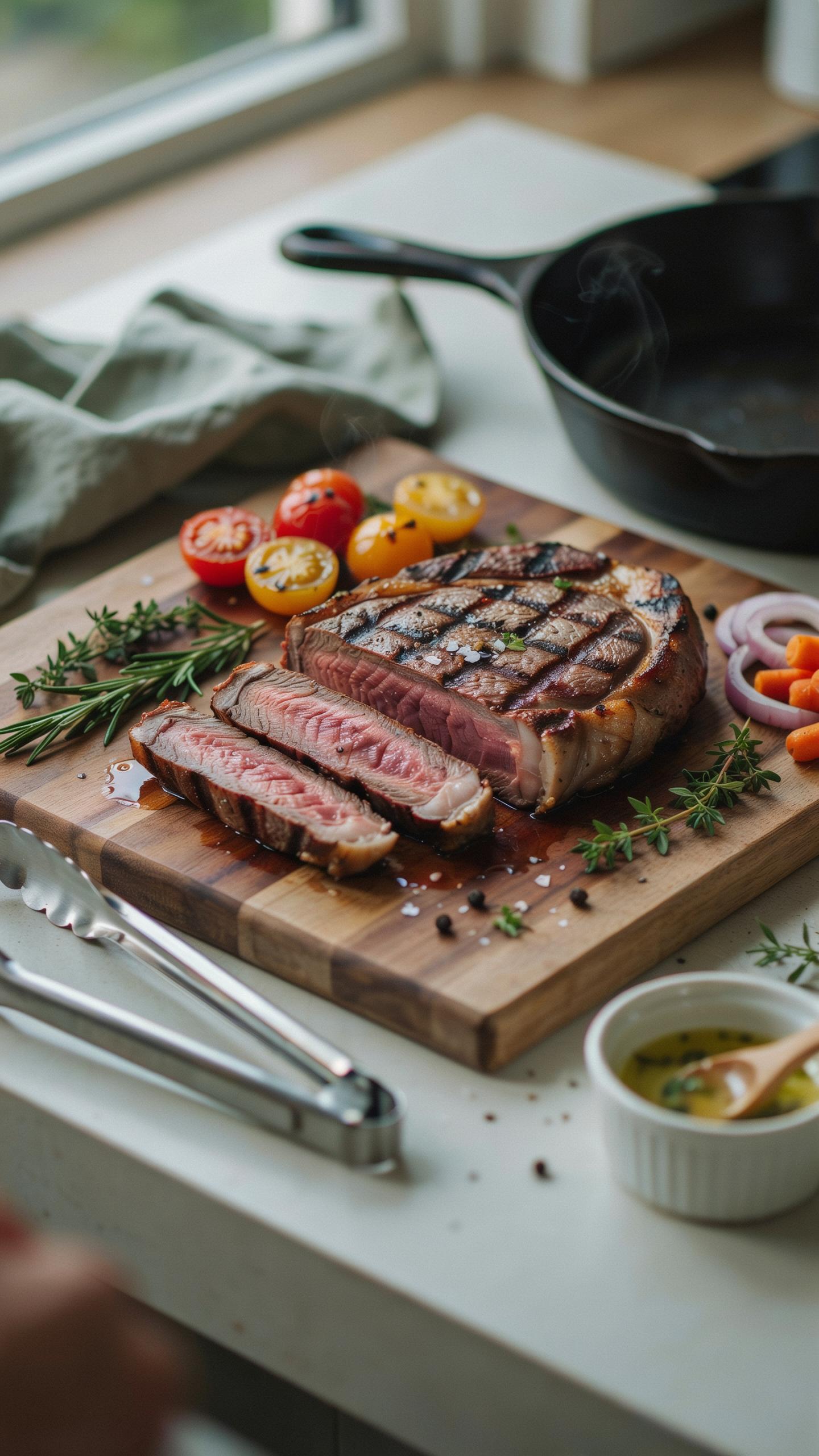
Temperature Guidelines For Different Steak Doneness Levels
A smart meat thermometer app removes guesswork from steak cooking. The device reads internal temperature in real time and sends data to your phone. You monitor doneness without cutting into the meat. This preserves juices and ensures consistent results across multiple steaks. Different cuts and thicknesses cook at different rates, making precision temperature tracking essential for achieving your target doneness.
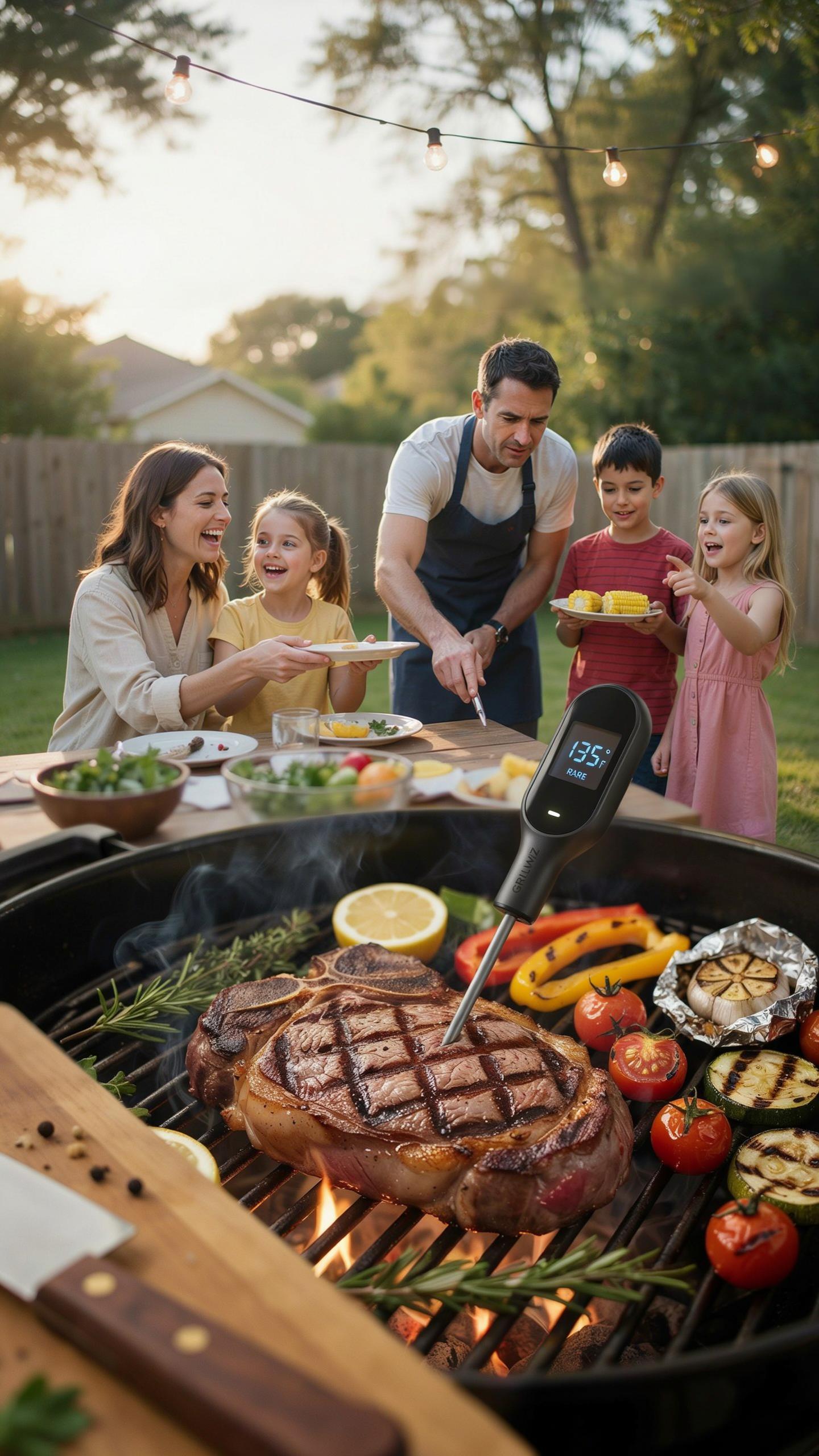
The USDA defines steak doneness by internal temperature, not cooking time. Rare reaches 125°F, medium rare hits 135°F, medium lands at 145°F, and well done exceeds 160°F. A smart thermometer alerts you when your steak reaches the target temperature. Remove the steak five degrees before your goal doneness to account for carryover cooking. The app logs temperature data, helping you calibrate future cooks based on what worked.
Resting Your Steak: The Final Touch For Juiciness
Resting allows muscle fibers to relax and reabsorb moisture after cooking. A smart thermometer tracks internal temperature during the resting period. You observe carryover cooking as the steak temperature rises three to five degrees. This resting phase typically lasts five to ten minutes depending on steak thickness. The app records these trends, giving you data to optimize resting times on your next cook.
Cut into a rested steak and juice stays on the plate instead of bleeding out. A cold steak cut immediately after cooking loses moisture because muscle fibers remain contracted. Your smart thermometer confirms when carryover cooking stops, signaling the steak is ready to serve. This approach works for all steak cuts and thicknesses. The precision from app monitoring delivers noticeably juicier results compared to guessing resting duration.
Caring For Your Smart Meat Thermometer
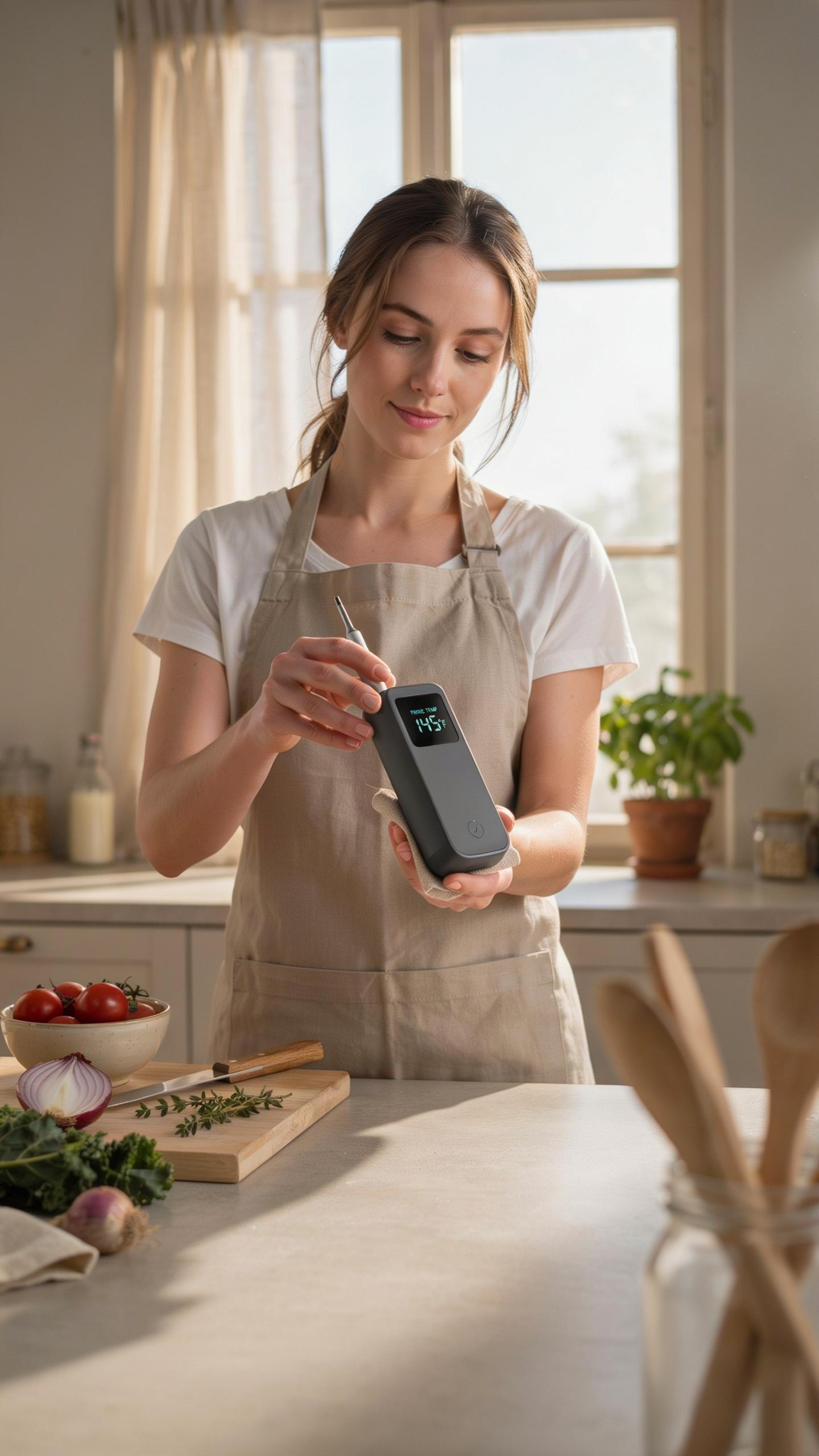
Cleaning And Maintenance Ensuring Longevity
Remove the probe immediately after use. Wipe the metal shaft with a damp cloth while still warm. Never submerge the wireless transmitter unit in water. Allow all components to dry completely before storing. Check the charging port for debris and clean with a dry cloth. Most manufacturers recommend cleaning within minutes of use to prevent residue buildup.
Battery replacement extends device lifespan significantly. Replace batteries according to your device’s manual, typically annually or when low battery alerts appear. Store the thermometer in a cool, dry location away from direct heat or moisture. Keep the probe tip protected during storage to prevent damage. Verify all connections remain tight before each grilling session. Proper storage prevents corrosion and maintains wireless signal strength.
Troubleshooting Common Issues A Quick Guide
Connection drops between probe and app happen when devices stray beyond Bluetooth range. Most smart thermometers transmit effectively within 100 to 150 feet in open space. Obstacles like metal structures or dense walls reduce this range. Move the receiving device closer to the grill or thermometer. Restart both the app and the thermometer to reset the connection. Check that Bluetooth is enabled on your phone or tablet.

Inaccurate temperature readings indicate probe issues or calibration drift. Verify the probe sits fully in meat without touching bone or fat, which conduct heat differently. Cold calibration tests using ice water reveal whether recalibration is necessary. Consult your manual for recalibration procedures specific to your model. Clean the probe thoroughly if readings suddenly spike or drop. A damaged probe requires replacement rather than repair.
Future Of Cooking Innovations In Smart Thermometer Technology
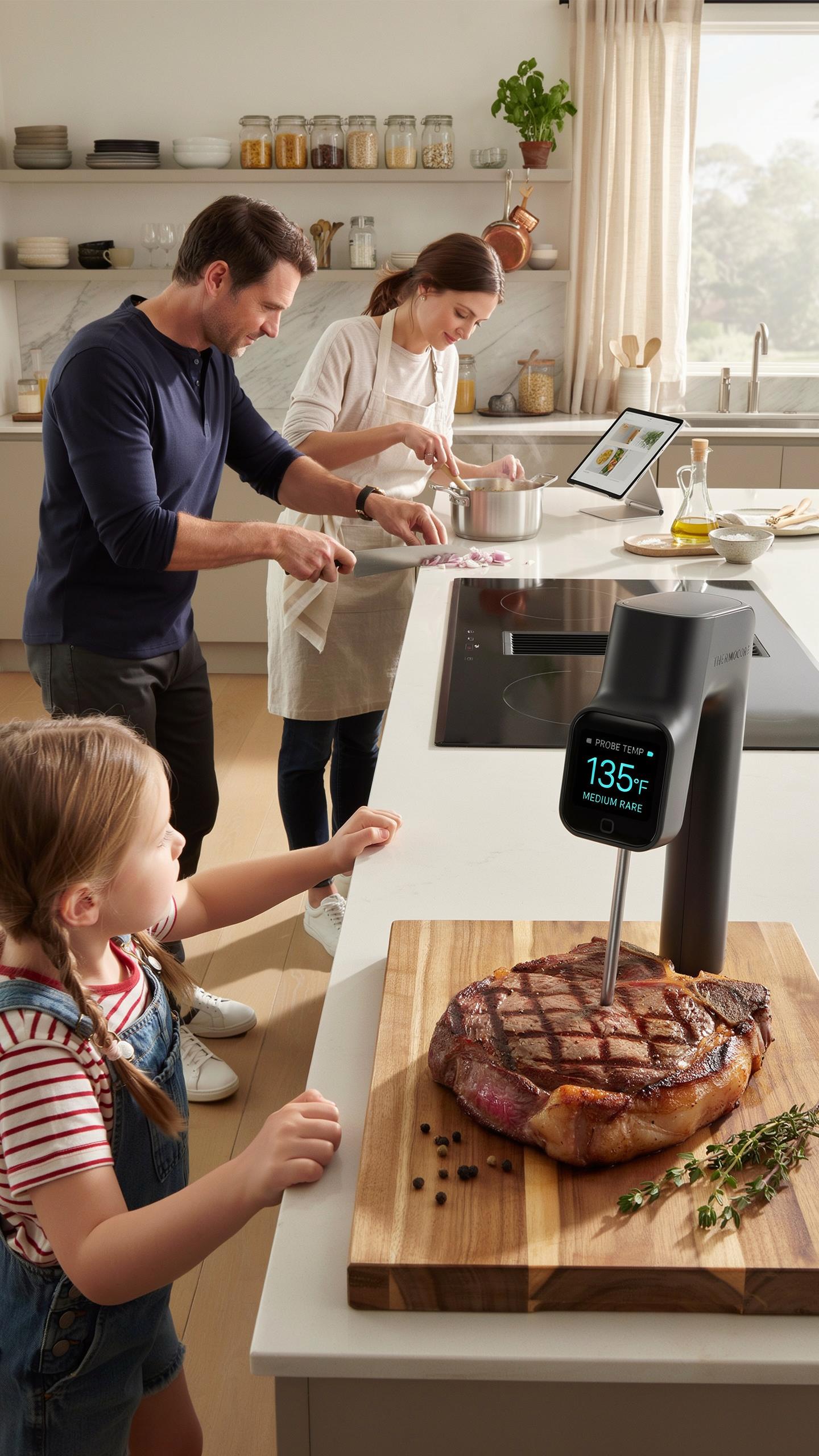
AI Powered Cooking And Predictive Analytics
Machine learning algorithms now power smart meat thermometers to predict doneness based on cooking patterns. These systems analyze temperature curves, ambient conditions, and meat type to forecast when food reaches target temperatures. The technology eliminates guesswork by learning from thousands of cooking sessions. Users receive accurate time estimates before reaching the finish line.
Current smart thermometer apps use historical data to optimize cooking strategies. The system identifies which cuts cook fastest under specific conditions and adjusts recommendations accordingly. This reduces overcooked meals and wasted protein. Predictive alerts notify users minutes before target temperature, giving them time to prepare plates or sides.
Integration With Smart Home Ecosystems
Smart meat thermometers now connect with broader home automation platforms like Amazon Alexa and Google Home. This integration allows voice commands to check temperature, receive alerts through speakers, and trigger connected appliances simultaneously. A thermometer can signal your smart oven to lower heat or notify your smart display with real time data. Seamless connection eliminates the need to check your phone constantly.
These integrated systems create coordinated cooking workflows across multiple devices. When your thermometer detects meat nearing target temperature, it can trigger smart lights, adjust speakers for timer notifications, or alert kitchen displays. The ecosystem approach transforms individual cooking tools into a unified operation. This coordination saves time and reduces mental load during complex meal preparation.
Frequently Asked Questions

What exactly is a smart meat thermometer and how does it improve my grilling experience?
A smart meat thermometer with app takes the guesswork out of grilling! It connects to your phone or tablet, letting you monitor your food’s internal temperature in real-time, often with preset temperatures for various meats. This ensures perfectly cooked results every time, preventing over or undercooking, and ultimately making your grilling more enjoyable and stress-free.
How do I actually use a smart meat thermometer with the accompanying app during a BBQ?
Simply insert the probe into the thickest part of your meat, avoiding bone. Open the accompanying app on your smartphone, select your desired meat and doneness, and place your food on the grill. The app will then display the current temperature and notify you when your food reaches optimal doneness, allowing you to relax while it cooks.
Are smart meat thermometers with apps expensive, or are there affordable options for home cooks?
While some advanced models can be pricier, there’s a wide range of smart meat thermometers with apps available to fit various budgets. Many reputable brands offer excellent entry-level options that provide accurate temperature readings and app connectivity without breaking the bank, making perfectly cooked meals accessible to everyone.