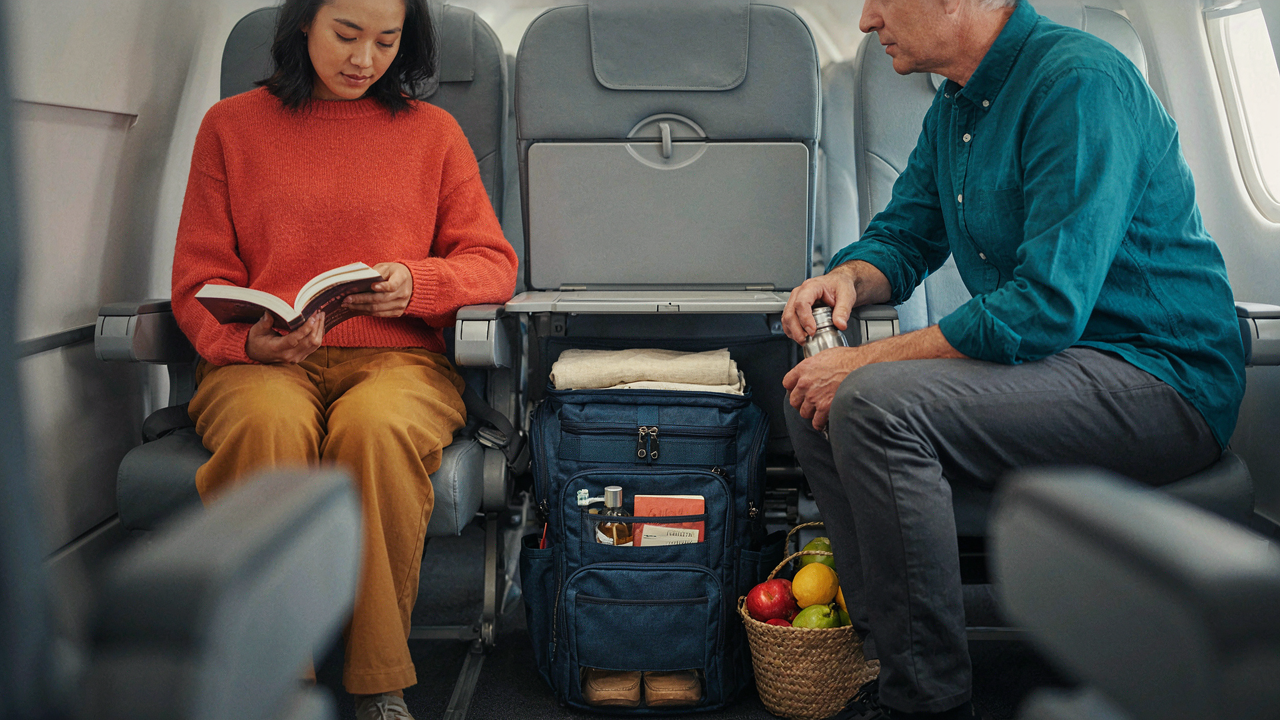
The Illusion Of Essentials: What Most Lists Get Wrong
What Everyone Gets Wrong About Necessity
You want to feel prepared because unprepared feels like failure. The real mechanism is this: most under seat bag lists confuse frequency with importance. Something you use once every flight gets ranked equal to something you need once every ten flights. Airlines don’t change cabin pressure mid-route. Your phone battery doesn’t drain at a fixed rate. Neither does your comfort. You pack based on fear, not on actual cabin conditions and actual flight duration.
Generic lists treat the under seat bag like a static checklist instead of a variable system. A two-hour domestic flight and a nine-hour international flight have zero overlap in what you actually need access to. Most advice ignores this. It bundles everything into one imaginary scenario where you’re trapped on a plane with every possible problem occurring simultaneously. That’s not a packing strategy. That’s insurance fraud thinking applied to carry-on gear.
Why Generic Advice Crumbles In Practice
The advice fails because it’s built on consensus, not on aircraft realities. Cabin humidity sits around 10 to 20 percent on most commercial flights. Your skin dries. Your throat dries. Generic lists say “bring moisturizer.” They don’t specify that a single-use packet works better than a jar because you won’t use half a jar and jar containers take up dead weight space. The mechanism is economic: generic advice maximizes the chance it’s useful to someone, which means it’s optimized for nobody.
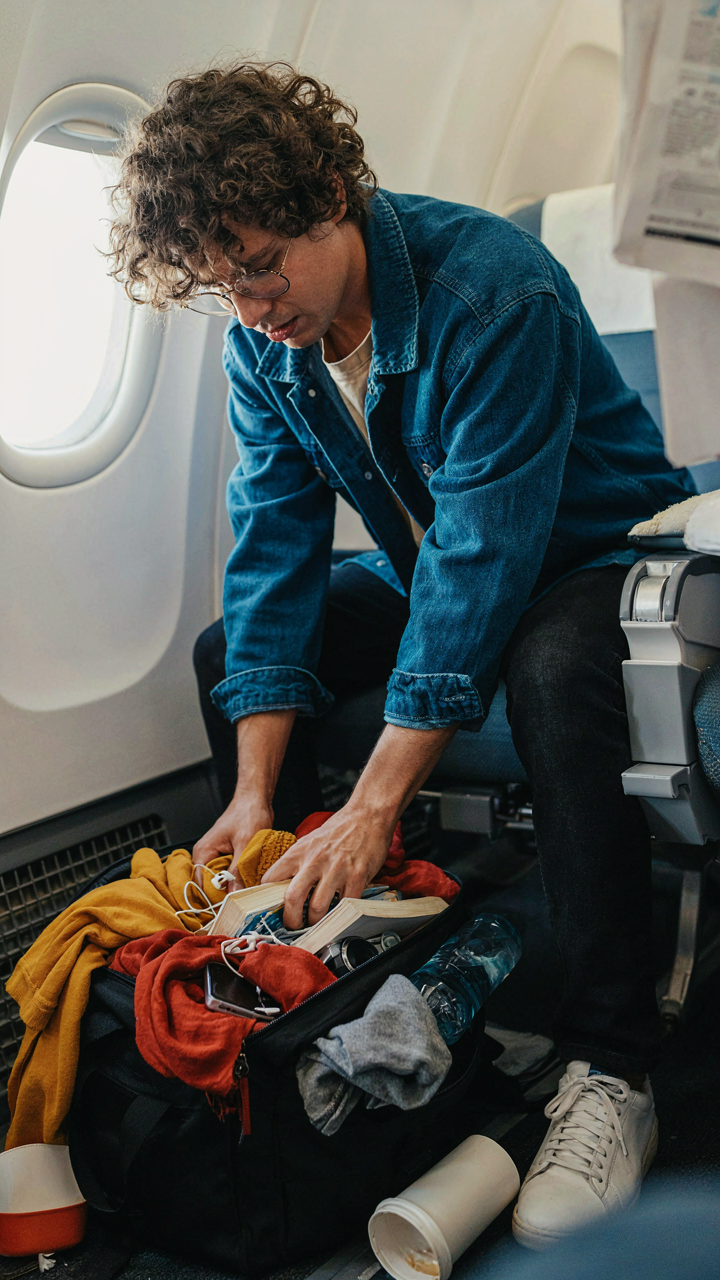
The other failure mode is motion. Most people sit still for three hours then stand and move. Your under seat bag needs to accommodate that rhythm. You grab something, use it, return it. Generic advice stacks items based on category, not based on access sequence. You end up excavating your bag like an archaeological site to find what you need now, not in two hours. Real packing strategy arranges items by the moment you’ll need them. First item accessed determines your entire architecture. Everything else follows.
The Red Zone Protocol: Prioritizing Immediate Need Items
What Actually Goes On Top
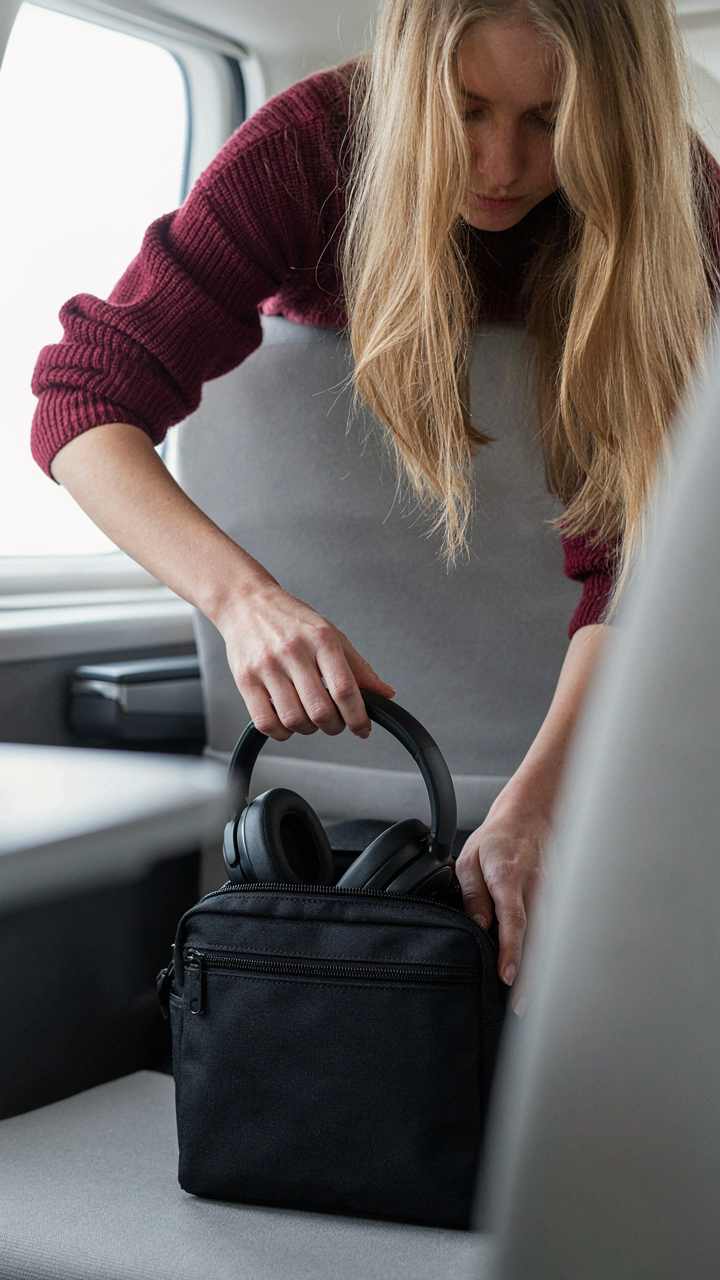
You want this section because you’re afraid of fumbling around in your bag mid-flight like an amateur while the person next to you watches. The mechanism is simple: airline seat geometry forces you to choose between reaching down (slow, awkward) or reaching sideways (fast, invisible). Top-layer items exploit the sideways reach. This isn’t preference. It’s physics applied to a 17-inch space.
Items that live on the top layer solve problems that happen in the first two hours or during turbulence when you can’t stand up. Noise-canceling headphones, a phone, gum, and medications sit here because retrieving them from deep storage means disturbing your neighbor or missing the cabin crew service window. The top layer is your reactive zone. Everything below it is insurance.
Depth Strategy: What Each Zone Does
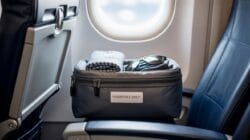
Military logistics uses the term “supply line accessibility.” Your under seat bag uses the same principle: items you need now sit in the forward access zone, items you might need occupy middle storage, and backup items live at the back wall. This hierarchy isn’t about organization. It’s about friction reduction.
Front-access items (headphones, phone charger, medications, gum) require zero bending. Middle storage (book, extra layer, compression socks) requires a quick reach. Deep storage (backup phone charger, sealed toiletries, documents) sits behind everything because you rarely touch it mid-flight. The bag’s placement matters too: angle it so the opening faces toward you, not the aisle. This cuts retrieval time in half and keeps your movements contained.
Personal Item Packing List: The Digital Nomad’s Command Center
Devices And Power: The Non Negotiable Stack
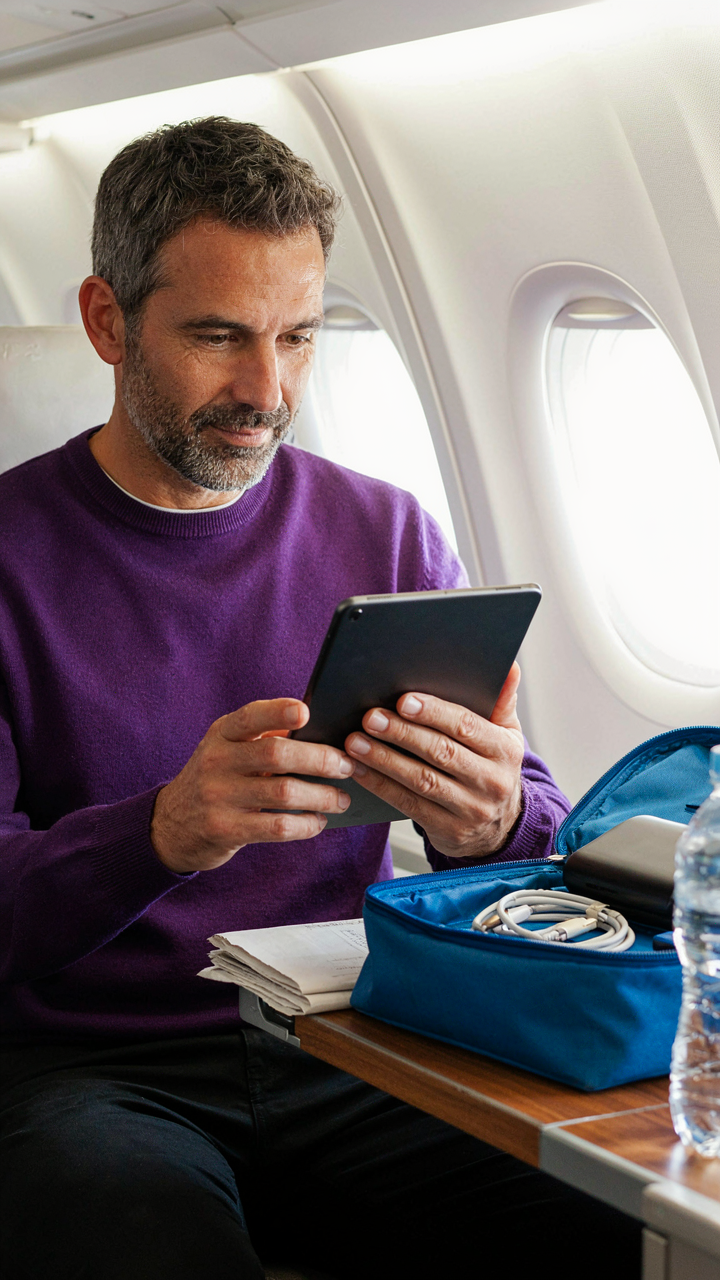
You want to look capable. That’s the real reason this section matters to you. But the mechanism is simpler: a dead device isn’t a backup, it’s dead weight. Think of power management like electrical circuit redundancy in engineering—you need primary load, secondary load, and failsafe. Your under seat bag is the failsafe tier.

Carry your phone and one secondary device. A laptop if you work. A tablet if you consume content. Anything beyond two creates decision fatigue and steals bag space. The devices themselves are commodities now. What matters is that you can power them at hour eight of a fourteen hour flight when the seat back port doesn’t exist or outputs nothing.
Cable Architecture And Charging Protocol
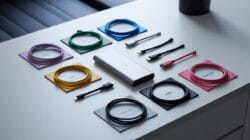
Most advice says “bring all your cables.” That’s lazy. You need one cable per device type, one universal adapter that matches your destination’s outlet standard, and one power bank rated for at least two full charges of your primary device. Don’t buy the thinnest cable you find. Buy the one with the reinforced connector, because the failure point is always the connection point, not the wire.
Coil your cables tight. Use velcro strips or a small cable organizer. Stack them in one corner of your bag so you find them in thirty seconds, not five minutes of searching. Charge your power bank fully before boarding. Test your adapter in the airport lounge if available. The step you skip is the step that fails at thirty thousand feet when you need it.
Encryption Layers And Offline Access
Airport networks are open doors. Anyone on the same wifi can intercept unencrypted traffic in seconds. This isn’t paranoia, it’s basic network architecture. Store your passwords in an offline password manager on your device, not in your browser, not in notes. Use a VPN application that works offline mode or pre-cache your connection settings so you can reconnect without relying on airport infrastructure.
Download your boarding pass as a PDF to your device before you lose cell signal. Download offline maps of your destination. Download the airline app itself. Proximity to an airport doesn’t guarantee you’ll have signal when you land. The person who arrives with local maps already loaded beats the person searching for wifi in baggage claim by two hours.
Carry On Essentials: Comfort Is Not A Luxury
Sleep Architecture Beats Random Pillows
You think you need comfort items because sitting still for eight hours sounds miserable. The real mechanism is circadian disruption. Your body doesn’t know it’s nighttime when the cabin lights stay on and the sun position contradicts your internal clock. Sleep hygiene borrows from neurobiology: environmental control determines output. A neck pillow isn’t luxury—it’s a structural anchor that prevents your head from dropping into unnatural angles that activate your trapezius and disrupt REM cycles.
Pack a pillow that supports the cervical spine without forcing your chin down. Memory foam collapses too quickly; structured pillows maintain their shape across multiple sleep cycles. A compression bag reduces volume to under seat dimensions while preserving support. The goal isn’t feeling pampered. It’s preventing the muscle tension that wakes you at 35,000 feet and destroys the sleep debt you’re trying to recover.
Temperature Control Stops Muscular Shutdown
Most advice says “bring a light jacket.” That’s incomplete. Temperature regulation directly impacts vasoconstriction and muscle recovery. Airplane cabins maintain 68-72 degrees Fahrenheit, but air circulation concentrates cold near your lower legs and feet, creating localized hypothermia that stiffens your legs and lower back.
A merino wool blanket or thermal layer occupies minimal space and regulates without bulk. Cotton absorbs sweat and loses insulating properties. Synthetics trap moisture. Merino maintains temperature stability regardless of humidity and packs into a space smaller than a paperback book. Position it strategically over your lap and legs, not draped across your shoulders—heat loss happens fastest where blood vessels sit close to skin. This single item prevents the stiffness that makes standing after landing feel like your joints locked overnight.
Posture Maintenance Prevents Deep Vein Issues
Sitting motionless for hours compresses your hip flexors and reduces circulation in your lower extremities. A lumbar support pillow maintains the natural curve of your spine and prevents anterior pelvic tilt, which is the position that shuts down blood flow to your legs. Economy seats force you backward into lumbar flexion—the exact spinal position that correlates with deep vein thrombosis risk.

A thin, firm pillow or rolled towel placed behind your lower back restores lumbar lordosis and keeps your pelvis neutral. This positioning maintains muscle activation in your core and glutes, which prevents the complete deactivation that causes circulation stagnation. Pair this with 90-degree hip and knee angles by adjusting your seat recline. Your under seat bag should carry a small inflatable lumbar support or a dense microfiber pillow—something that holds shape without requiring constant adjustment every hour.
Dehydration Compounds Every Physical Stressor
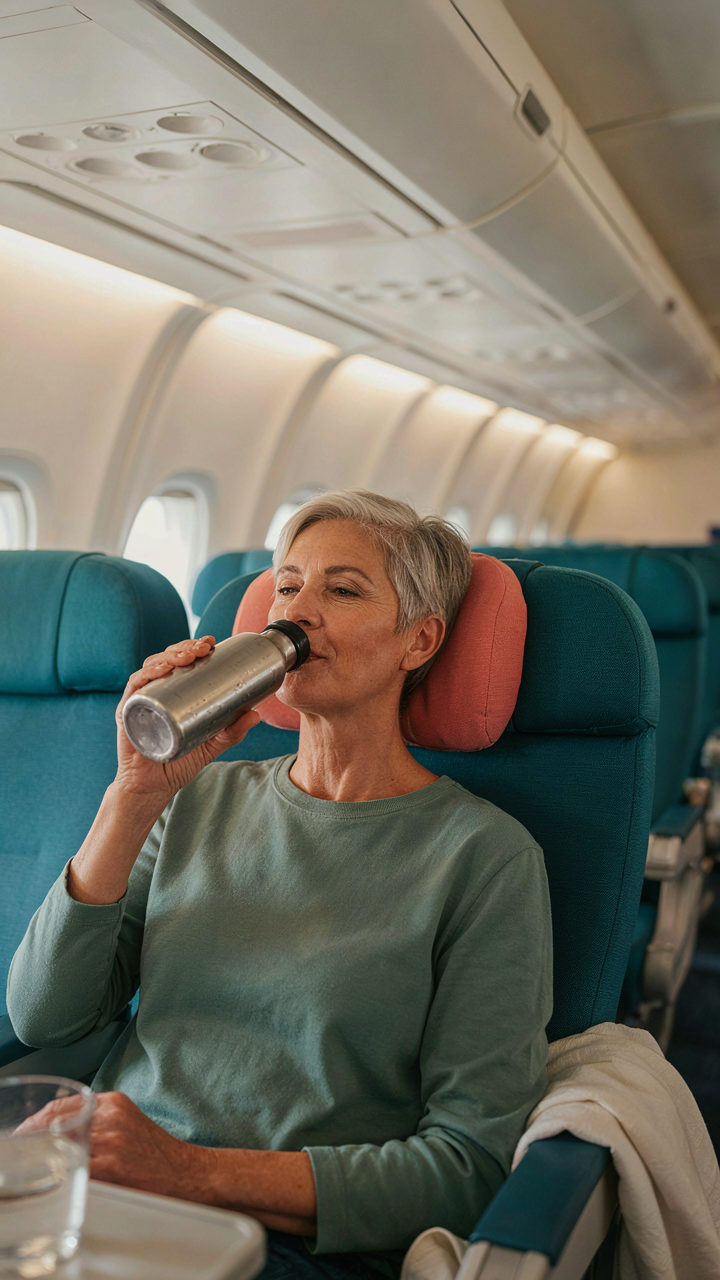
Airplane cabins maintain humidity between 10 and 20 percent. Your mucous membranes dry out, your blood thickens, and your joints lose synovial fluid cushioning. Dehydration doesn’t just make you thirsty—it increases the work your cardiovascular system must perform to maintain circulation, which is exactly what you don’t need when you’re already stationary.
Pack an empty water bottle to fill after security, or refill it at airport water stations mid-flight. Electrolyte packets weigh nothing and restore sodium balance faster than plain water. Avoid alcohol and caffeine in your under seat bag strategy—both accelerate dehydration. Drink 8 ounces of water every two hours without exception, regardless of whether you feel thirsty. This single protocol prevents the headache, muscle cramps, and circulation slowdown that most travelers blame on the flight itself.
The “Marginal Gains” Method: Small Wins, Big Impact
What Cycling Teams Know About Packing
You want to feel prepared without admitting you’re anxious about wasting space. That’s the real issue. Cycling teams like Sky (now Team Ineos) built dominance not through one breakthrough but through 1% improvements stacked across every variable—nutrition timing, bike weight, tire pressure, sleep position. The principle transfers directly to under seat bags: marginal gains compound. You don’t need one perfect item. You need five items that each solve one micro-problem better than the alternative.
The mechanism is simple. On a 6-hour flight, your comfort erodes in layers: neck strain, dehydration, blood pooling, restlessness, then cabin air friction on your skin. Each degrades differently. Most travelers pack one oversized pillow and call it done. The winning move is identifying which layer breaks first for you, then placing a targeted item under your seat to intercept it. That’s the difference between surviving a flight and actually resting during one.
Small Optimizations Most People Miss
Common advice tells you to pack a neck pillow and compression socks. That’s incomplete. The overlooked micro-optimizations live in the gaps between obvious choices. A small silicone foot rest (6 inches tall) prevents your legs from dangling and cutting off circulation at the thighs. A thin microfiber compression sleeve on one arm stops the armrest from pressing into your triceps. A moisture-wicking ear band keeps sweat from pooling where headphones sit. These items weigh almost nothing and solve problems nobody talks about.
The protocol is ruthless specificity. Before packing, identify your two weakest points during previous flights (lower back, neck, legs, hydration retention, ear pressure). Then find one under-seat item that targets each one directly. Don’t pack items that solve multiple problems generically. Pack items that solve one problem specifically. Measure success not by how full your bag is, but by how many layers of discomfort you’ve eliminated through precision. That’s the real marginal gain.
Carry On Packing Tips: Maximizing Space Without Compromise
The Compression Principle That Actually Works
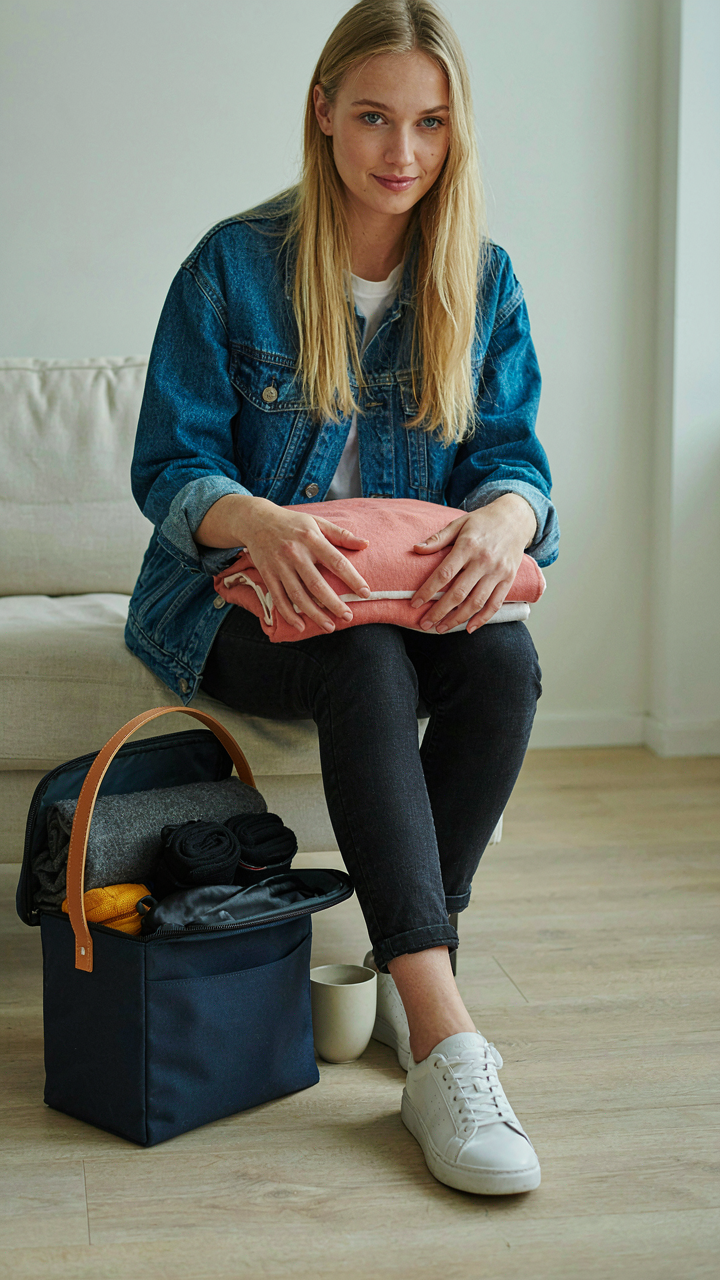
You want to look like someone who travels smart, not like someone who overpacks and sweats through security. The real mechanism here is density management: compression doesn’t create space, it removes air from the equation. Rolling clothes trades gravity’s vertical waste for lateral stacking. Vacuum storage is overkill for flight bags. Instead, fold items into rectangles, stack them tight, and use every corner of your under seat bag as load-bearing real estate.
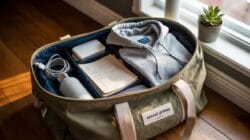
Most people compress haphazardly, which defeats the purpose. Electronics, documents, and fragile items need dedicated zones within your bag structure. Shoes go on the perimeter, heel-to-toe. Socks and underwear fill gaps between rigid items. Cables coil into small pouches, not loose in pockets. Toiletries live in a waterproof case that sits low and stable. The goal is a bag that feels dense and organized, not puffy and uncertain.
Wear Your Layers, Don’t Pack Them
The wardrobe trap catches most travelers: they pack clothing for every scenario instead of packing items that work across scenarios. This is an economics problem, not a fashion problem. You’re trying to maximize utility per ounce. A neutral base layer worn on the flight eliminates the need to pack it. A merino blend shirt handles both warm cabins and cold terminals without taking up meaningful space.
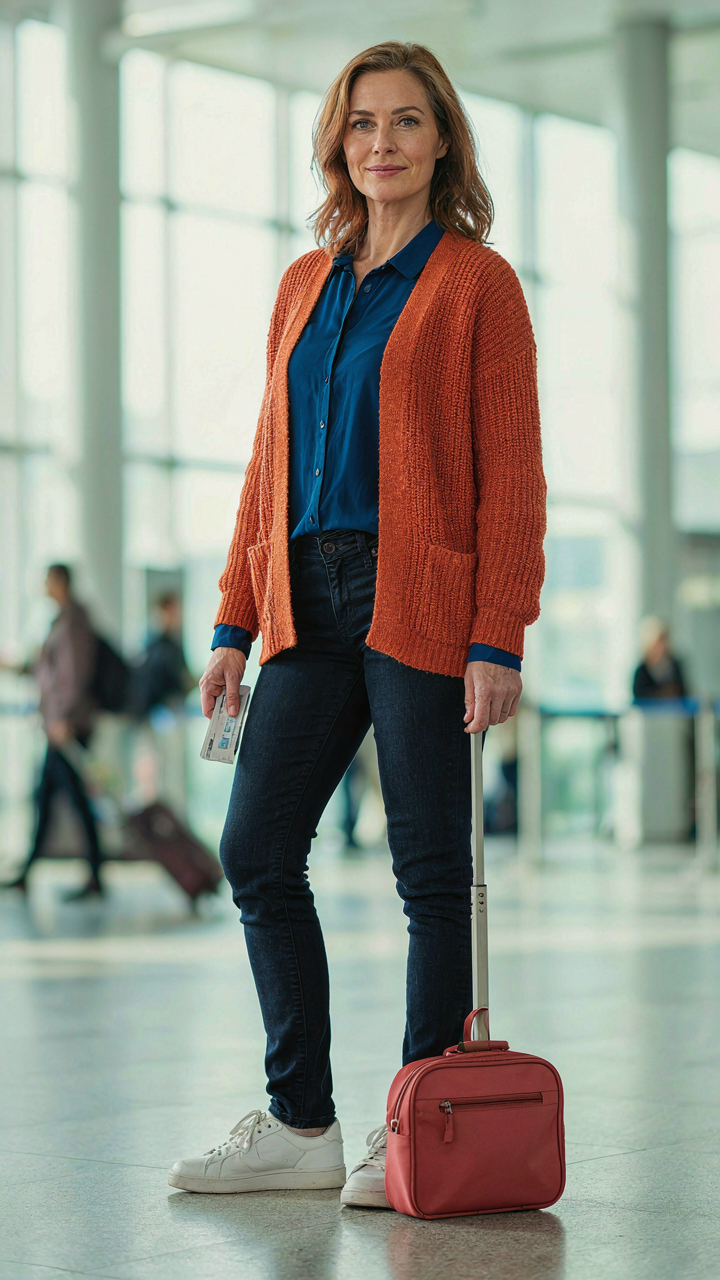
Choose bottoms that don’t wrinkle or wrinkles that don’t matter. Dark jeans, chinos, or joggers that transition from plane to terminal to destination. Bring one extra top. One. Underwear and socks for the flight length plus one spare set. A cardigan or light jacket layers on top and takes minimal space when folded. Wear your bulkiest shoes on the plane. This cuts under seat bag volume and eliminates footwear packing entirely.
Travel Life Hacks: Beyond The Obvious Gadgets
Things That Do Multiple Jobs
You want to feel smart for packing light, but you’re actually just afraid of looking unprepared in front of strangers. The mechanism is simple: items with compound utility reduce decision fatigue and space consumption simultaneously. Under seat bag real estate is finite. Every object must earn its placement by solving more than one problem.
- Compression socks: Prevent blood clots on long flights while functioning as an extra layer in cold cabins. They pack to almost nothing and address two distinct discomforts economy passengers face.
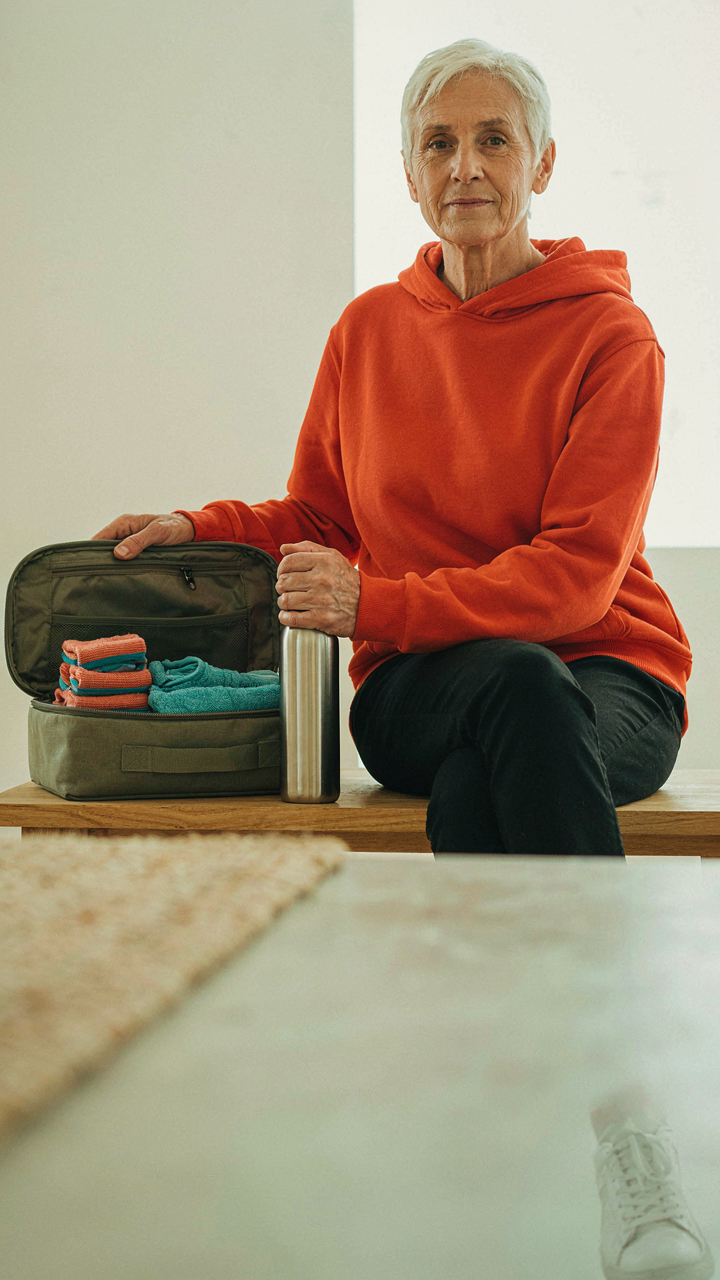
- Microfiber towel: Dries hands, wipes spills, doubles as a makeshift neck pillow if rolled properly. Most airlines provide napkins, not towels. This fills a gap they leave open.
- Empty water bottle: TSA clears it, you fill it post-security to avoid 8 dollar airport markup. Stays useful the entire trip for hydration and refilling on layovers where fountains are scarce.
- Ear plugs with carrying case: Blocks cabin noise while the case stores small cables or medications. A single ounce replaces both noise cancellation and a separate organizer pouch.
- Flat nylon pouch: Stores documents, holds tablet at an angle when propped open, serves as a makeshift lap desk. Collapses when empty but expands to organize scattered items instantly.
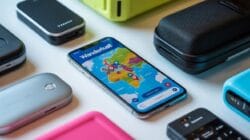
The best multi-use items solve problems that airlines create intentionally. They don’t sell you towels. They don’t offer hydration. They expect you to buy solutions or suffer. Your under seat bag becomes the correction to their business model when it holds tools that address their deliberate gaps.
Fixing Problems Before They Happen
Most travel advice tells you to “stay organized” or “pack smart.” That’s incomplete. The real mechanism comes from systems thinking: prevent the condition rather than treat the symptom. A five-hour flight doesn’t make you uncomfortable. Poor positioning, dehydration, and boredom create that discomfort. Your under seat bag solves this by removing friction before pain starts.
Ear plugs prevent sleep disruption before it damages your rest cycle. A neck pillow with proper cervical support stops the forward head drop that causes neck strain. A small container of electrolyte powder mixed into water addresses dehydration faster than waiting until you feel thirsty. You don’t pack these items after experiencing the problem. You pack them because you understand the sequence of events that leads to that problem, then interrupt it at the earliest stage.
Personal Bag Packing List: Health, Hygiene, And Emergency Preparedness
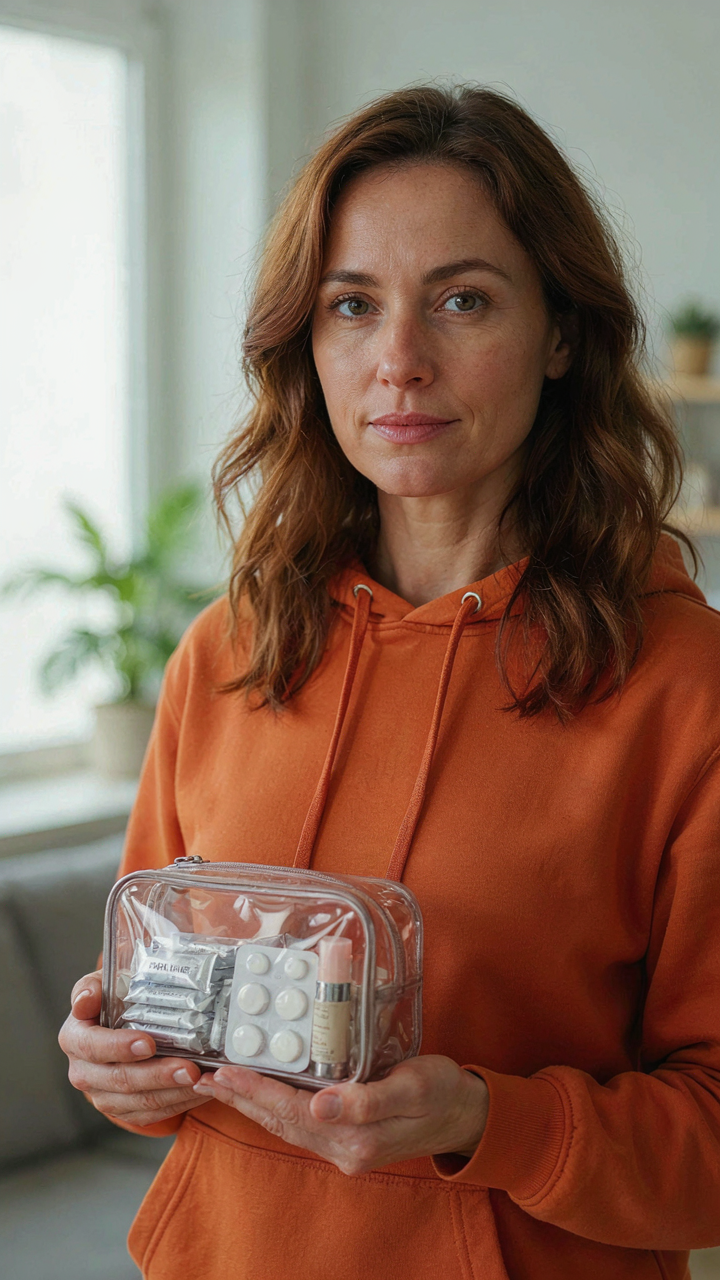
First Aid Kit Customization For Long Flights
You want to feel prepared so you don’t spiral into worst-case thinking at 35,000 feet. The mechanism is simple: a flight-specific first aid kit doesn’t mirror what you’d pack for home because the constraints are different. You have no pharmacy access, limited space, and a captive medical environment where flight attendants carry basic supplies. Build your kit around problems that actually happen on planes: dehydration headaches, ear pressure, motion sickness, minor cuts from galley turbulence, and digestive issues.

Pack acetaminophen or ibuprofen in individual packets, not bottles. Include antihistamine tablets for allergic reactions and decongestant for sinus pressure during descent. Add anti-diarrheal medication and antacid tablets since cabin pressure and irregular meal timing trigger digestive trouble. Bring antibiotic ointment, sterile gauze pads, and blister treatment. A small tube of hydrocortisone cream handles minor skin irritation. Skip the thermometer and blood pressure cuff. They serve no function at cruising altitude and waste bag real estate.
Hygiene Products: What Actually Matters
The consensus says “bring travel sizes of everything.” That’s wrong. You don’t need to replicate your full bathroom routine in an under seat bag. The real game is managing discomfort during the flight itself, not maintaining your weekend grooming standards at 30,000 feet. Flights dehydrate skin and dry out mucous membranes. That’s the mechanism you’re fighting, not some vague idea of staying “fresh.”
Bring face wipes for hands and face before eating and after the lavatory. Lip balm with SPF prevents cracked lips from cabin air recirculation. Moisturizing lotion the size of a credit card handles dry skin patches. Pack a travel toothbrush and small toothpaste. Deodorant wipes work better than spray in a confined cabin. Skip full shower products, makeup, and hair tools entirely. Bring contact lens solution only if you wear contacts. The hygiene win on a flight is about preventing irritation and infection, not grooming enhancement.
Travel Bags: Choosing Your Under Seat Weapon
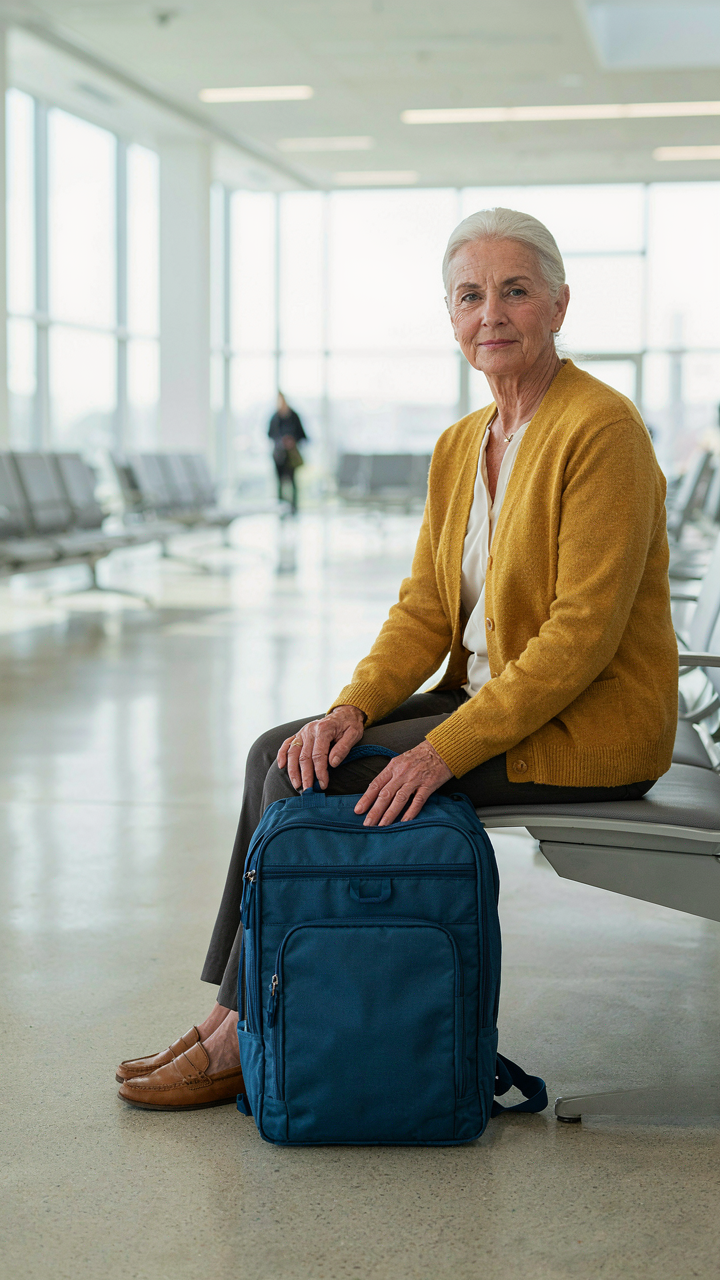
What Actually Matters In Bag Design
You want the right bag because you’re afraid of looking unprepared or watching your stuff get crushed. The real mechanism is this: a bag’s functionality depends on how its compartments force you to organize, not on how many pockets it claims to have. Most bags fail because they create friction between what you need to access and where you actually stored it during a flight.
Compartmentalization is borrowed from logistics and warehouse design, where the principle of “zone efficiency” determines how fast you move goods. In bag terms, zone efficiency means your most-needed items sit in zones you can reach without unpacking the entire bag. A water bottle, phone, or medication shouldn’t require you to dig past layers of clothing. The bag’s internal architecture either serves this or fights it. Test this before buying by simulating a real scenario: pack the bag, sit down, and try accessing your phone and water without moving more than one item.
Steel Over Comfort: The Weight Trade Off
Everyone says “lightweight is always better.” It’s incomplete advice. Weight and durability operate on a physics principle called material resilience, which in bag terms means: lighter materials compromise protection under compression. On long flights, your bag sits under a seat where it absorbs pressure from armrests, passenger feet, and luggage shifting above. A 2-pound ultralight bag filled with your essentials will compress, crease, and fail faster than a 3.5-pound bag built with ballistic nylon or reinforced polyester.
The actual trade off isn’t light versus heavy. It’s fragility versus longevity. Choose a bag that weighs under 4 pounds but uses materials rated for abrasion and puncture resistance. Ballistic nylon, Cordura, or high-denier polyester all cost more per pound but survive repeated flights without splitting seams or developing leaks. Your under seat bag needs to survive being shoved into tight spaces dozens of times. Test the material by running your fingernail across it hard. If it scratches or feels thin, it won’t last a year of regular travel.
The Post Flight Re Evaluation: Refining Your System
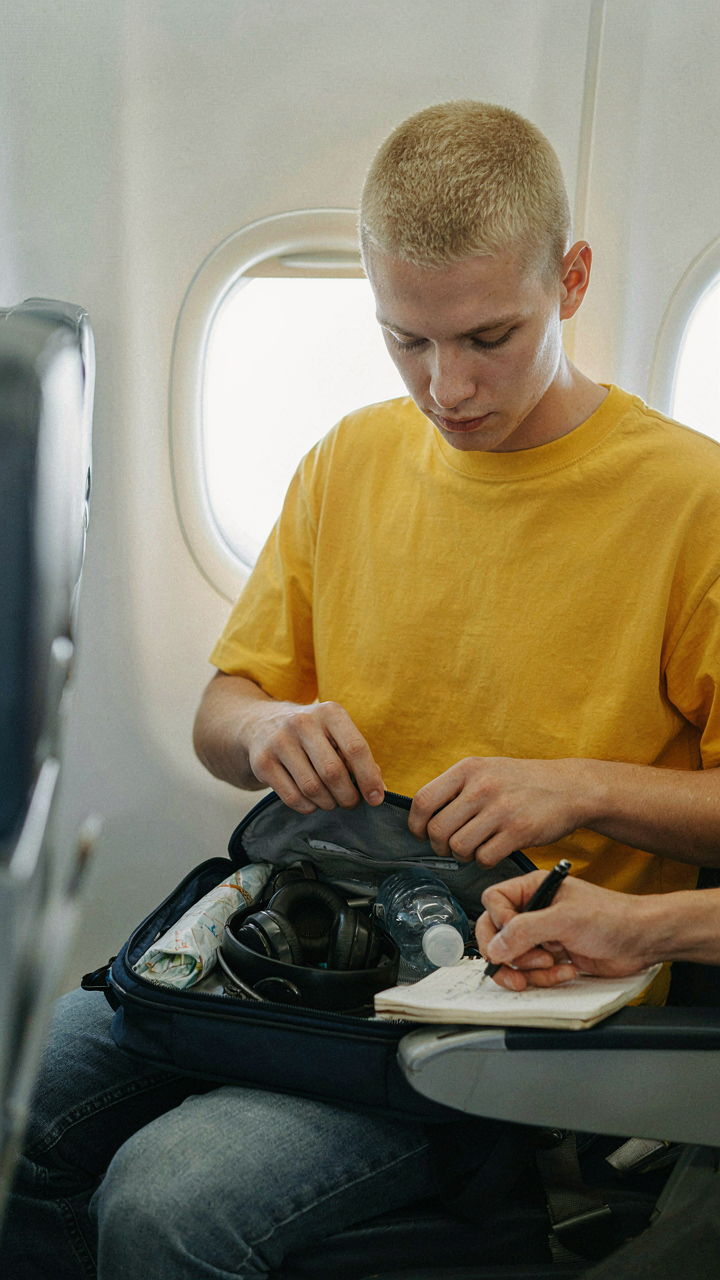
What Actually Got Used
You want to believe your packing was perfect because admitting waste means admitting you don’t know yourself. Here’s what matters: immediately after landing, before you unpack, mark which items you never touched. Not items you forgot existed. Items you had access to and chose not to use. That distinction reveals whether you packed for anxiety or for reality.
The mechanism is simple. Your brain files things into “seemed useful” and “proved useful” categories only when the event ends. During the flight, you’re in survival mode. After it, you’re in analysis mode. Spend fifteen minutes listing what stayed in the bag untouched. Don’t overthink it. If you didn’t reach for it during a six hour flight, you won’t reach for it on a twelve hour one either.
Patterns Across Multiple Flights
Most travel writing treats each trip as standalone. Wrong. You need data from at least three flights to spot your actual patterns versus your imagined ones. A single flight teaches you nothing. Three flights teach you what you always pack but never use, what you always need but forgot, and what genuinely varies by destination or flight length.
Create a simple spreadsheet. List items down one column. Mark yes or no for whether you used each item on flights one, two, and three. Items with three zeroes get removed from your standard setup. Items with three ones become non negotiable. Items that vary get flagged for a pre flight decision protocol instead of automatic inclusion. This replaces guessing with evidence.
Your Fear Of Missing Out Isn’t About Items; It’s About Failing To Engineer Your Own Advantage
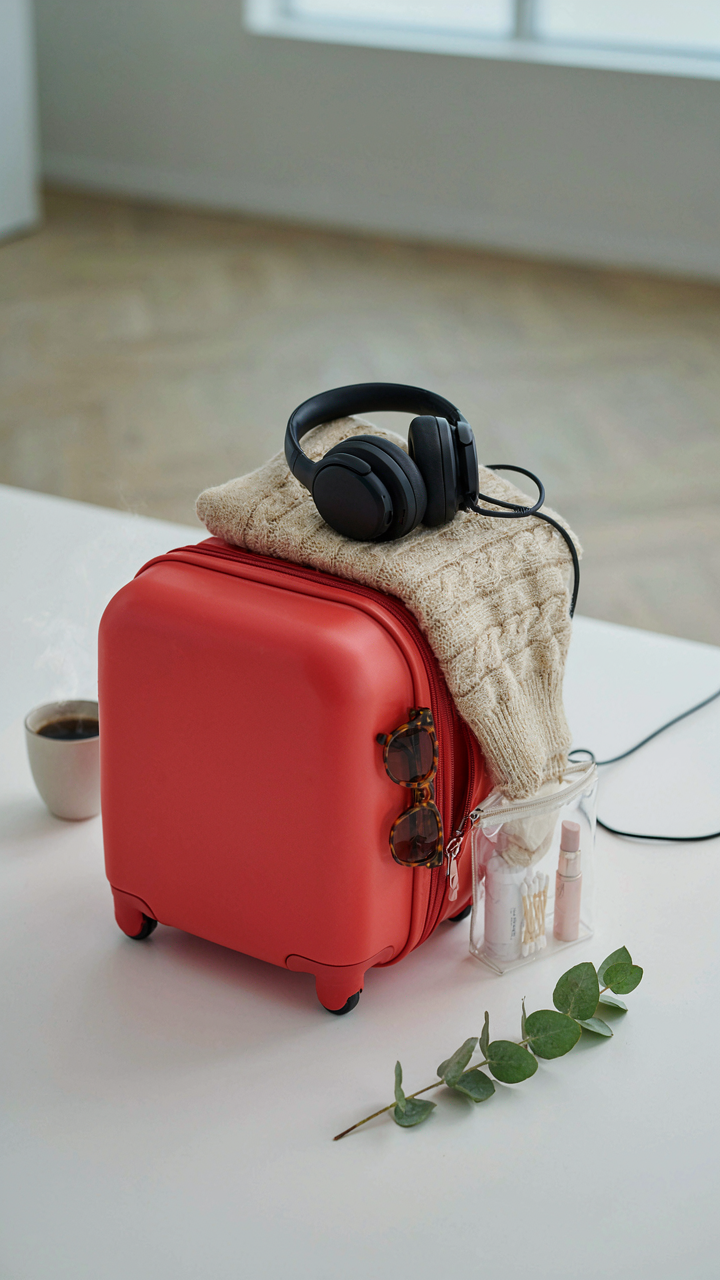
Most people pack the same garbage everyone else packs. They land exhausted, dehydrated, uncomfortable. You’re going to reverse-engineer your flight. Pull out your phone right now. Write down three specific problems you faced on your last long flight. Not generic ones. Your problems. Then build your under seat bag around solving those three things first. Everything else is noise. The person who controls their comfort controls the flight.