
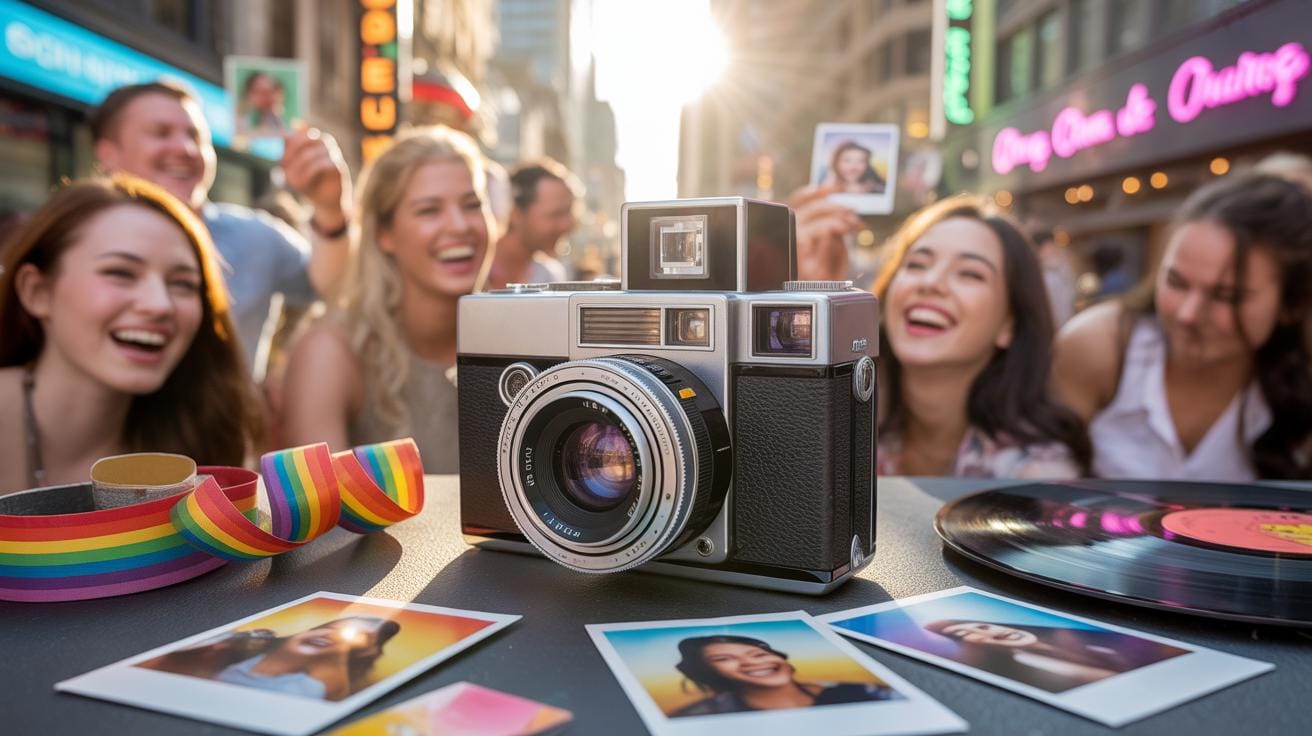
The Allure Of The Retro Camera Icon In Modern Design
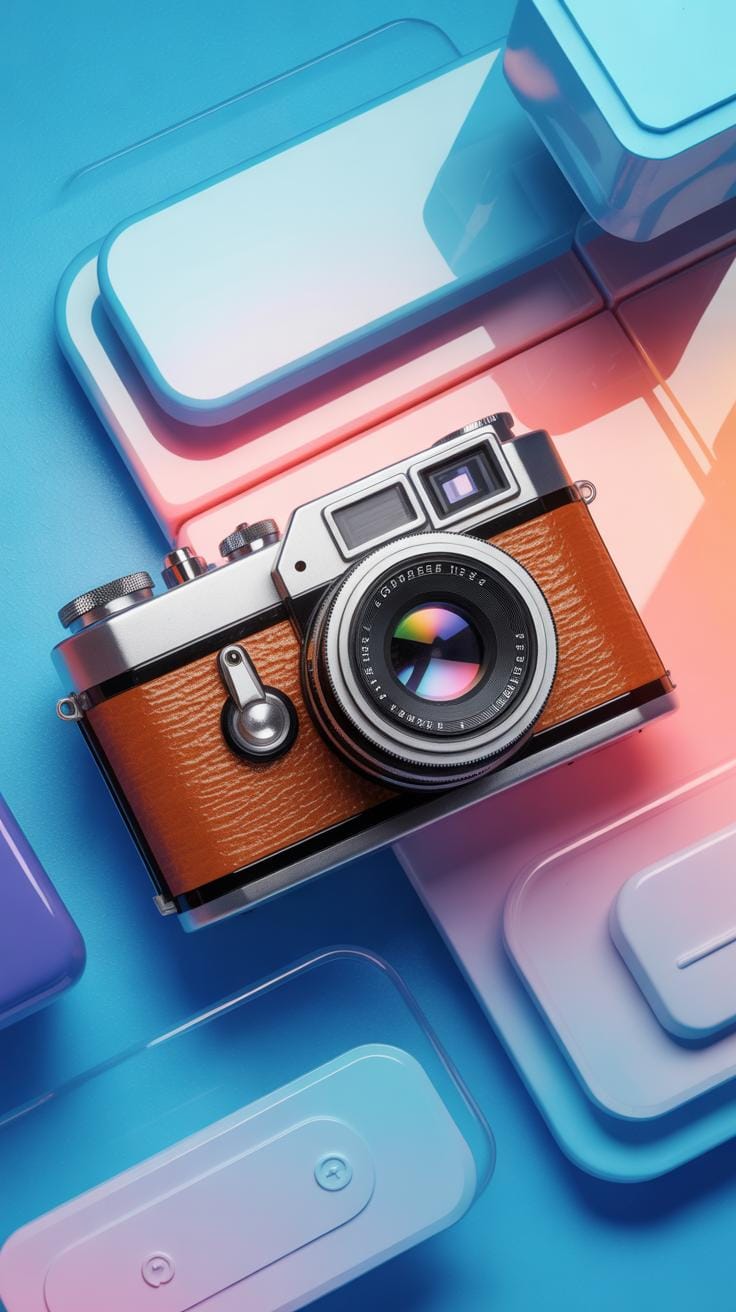
Nostalgia Factor
The retro camera icon has become a powerful symbol in contemporary design, tapping into our collective longing for simpler times. This vintage imagery evokes memories of film photography’s golden era, when cameras were mechanical marvels requiring intentional skill and patience. The retro camera icon resonates deeply with users who appreciate tactile, purposeful technology. In an age of instant digital gratification, the aesthetic represents authenticity and craftsmanship that feels increasingly rare in our hyperconnected world.
Modern smartphone users gravitate toward retro camera icons because they offer emotional comfort amidst technological overwhelm. The familiar silhouette of vintage cameras like the Leica or Pentax film models triggers positive associations with creativity, adventure, and analog warmth. Design elements like leather textures, metal knobs, and optical glass details found in retro camera imagery provide visual richness that modern minimalism sometimes lacks. This nostalgia factor transforms a simple functional icon into a gateway for experiencing design philosophy rooted in intentionality rather than rapid obsolescence.
Visual Identity
The retro camera icon serves as a distinctive visual anchor for brands seeking to establish personality and differentiation. Companies across photography, lifestyle, and creative industries leverage this symbol to communicate heritage, reliability, and artistic credibility. The retro camera icon immediately signals that a brand values quality, precision, and the human element in creative work. When incorporated thoughtfully into logos and interfaces, it creates memorable visual identity that distinguishes companies from competitors relying solely on contemporary minimalist aesthetics.

Retro symbols build emotional connections between brands and their audiences by representing shared values around authenticity and nostalgia. The camera icon specifically appeals to creative professionals and enthusiasts who view photography as art rather than mere documentation. By adopting the retro camera icon, brands communicate that they understand their customers’ aesthetic preferences and cultural values. This visual language transforms functional design into storytelling, making the brand experience more immersive and personally meaningful to users who appreciate vintage sensibilities.
A Brief History Of Skeuomorphism And Digital Icons

Origins Of Design
Apple’s early iOS interface fundamentally transformed how we interact with digital devices through thoughtfully crafted skeuomorphic design. When the iPhone launched in 2007, Steve Jobs and his design team, led by Jonathan Ive, created icons that mimicked real-world objects with remarkable detail. The retro camera icon exemplified this approach perfectly, featuring a glossy lens and authentic camera body that users instantly recognized from their physical experiences with photography equipment.
Skeuomorphism emerged from the need to make unfamiliar digital interfaces feel approachable and intuitive. By translating tangible objects into pixel-perfect representations, Apple created a bridge between physical and digital worlds. Users felt comfortable tapping a camera icon that looked like an actual camera, making navigation instinctive. This design philosophy dominated the mobile revolution’s early years, establishing visual language that influenced countless applications and making the retro camera icon an enduring symbol of digital photography.
Twelve significant photographs in black-and-white are produced in a darkroom. The special prints are made only after all the work has been done in the negative.
— Ansel Adams
The Shift To Flat
By the early 2010s, a significant design movement began challenging skeuomorphism’s reign. Designers and tech companies started questioning whether realistic textures and dimensional effects truly enhanced user experience or simply added unnecessary visual clutter. iOS 7’s 2013 redesign marked a watershed moment, introducing flat design principles that stripped away gradients, shadows, and textured backgrounds in favor of clean lines and bold colors.
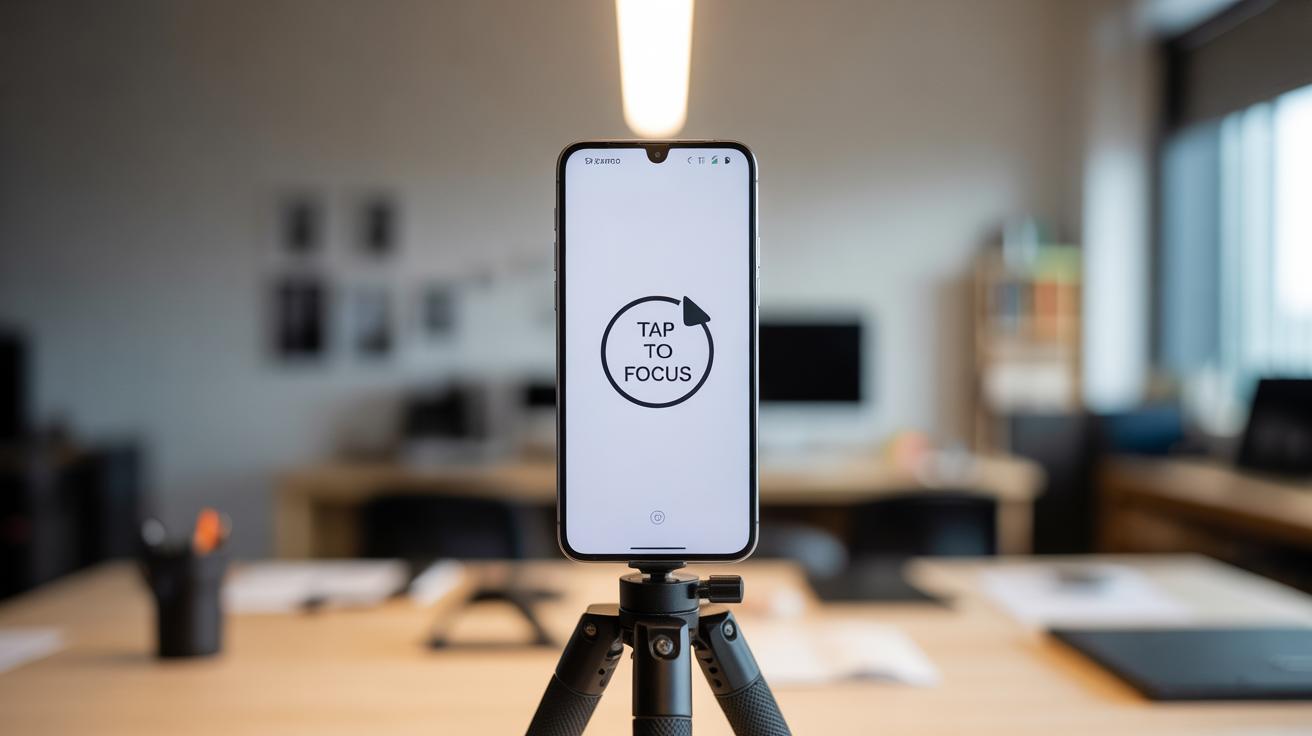
This transition reflected broader changes in how users understood digital interfaces—skeuomorphic training wheels were no longer necessary. The retro camera icon evolved from a detailed, textured representation into a minimalist symbol, reducing the camera to its essential geometric form. Despite losing photorealistic qualities, the flat design camera icon remained instantly recognizable, proving that emotional connection to beloved symbols transcended visual complexity. Today’s design landscape embraces both approaches, with nostalgic retro camera icons experiencing renewed appreciation as designers and consumers celebrate digital design history.
Why The Classic Camera Silhouette Is Timeless
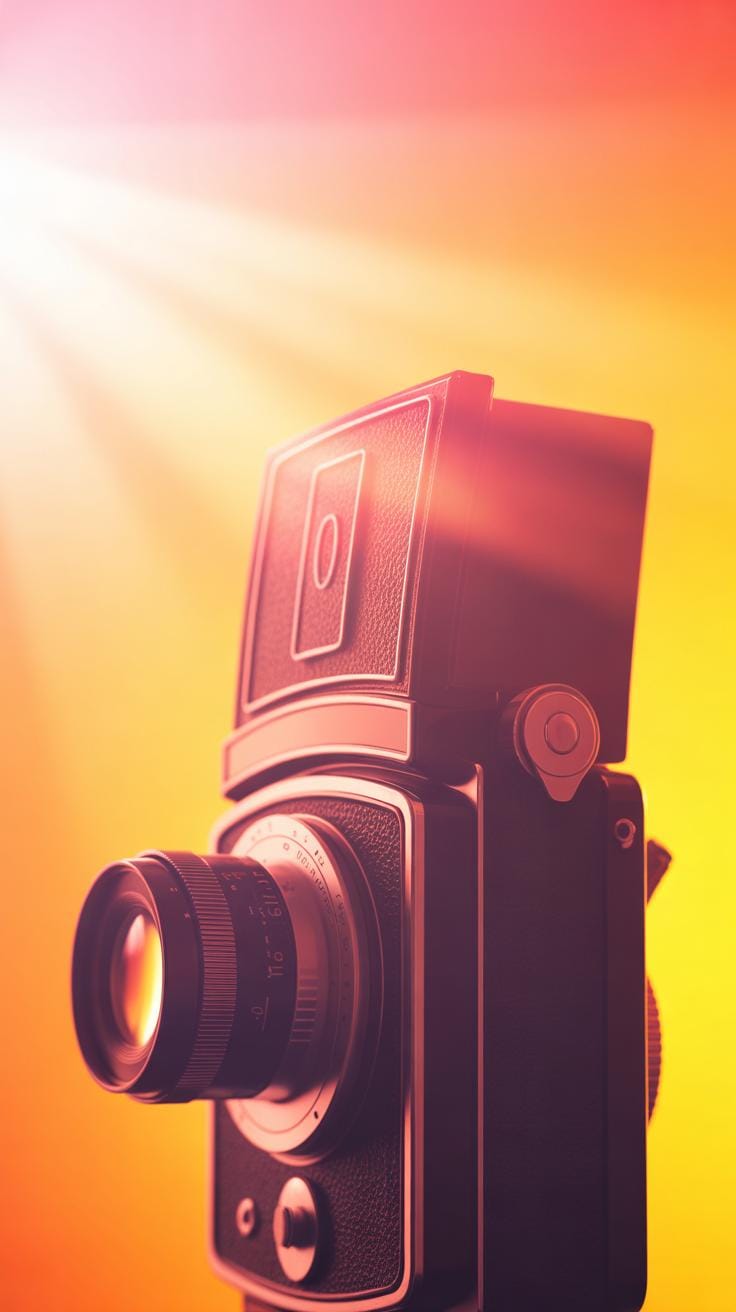
Universal Recognition
The rangefinder camera shape has become synonymous with photography itself, transcending language and cultural boundaries. This retro camera icon appears consistently across digital interfaces, signage, and branding worldwide, instantly communicating the concept of image capture. The distinctive profile—featuring a rectangular body, prominent lens, and viewfinder window—requires no explanation. People from diverse backgrounds immediately recognize its purpose, making it perhaps the most universally understood design symbol in visual communication.
This remarkable clarity stems from decades of real-world familiarity with film cameras. The rangefinder design dominated photography from the 1930s through the 1980s, creating generations of users intimately acquainted with these physical forms. When designers needed a visual metaphor for photography in the digital age, they naturally drew from this collective memory. The retro camera icon maintains its communicative power precisely because it references genuine mechanical devices that shaped how millions experienced visual storytelling and personal documentation.
Design Continuity
Maintaining user familiarity represents a crucial principle in interface and product design, where the retro camera icon serves as a masterclass. Designers deliberately preserve traditional hardware imagery because audiences instinctively understand established visual language. Rather than inventing abstract representations, this approach honors what users already know, creating immediate recognition and reducing cognitive friction. The persistence of camera iconography demonstrates how honoring historical forms strengthens modern communication and brand identity across platforms.

Incorporating vintage camera aesthetics into contemporary design creates a bridge between nostalgia and functionality. This continuity reassures users while lending products authentic character that purely digital symbols cannot achieve. The retro camera icon embodies this principle beautifully—evoking tangible mechanical heritage while serving modern purposes. By maintaining these traditional references, designers preserve cultural touchstones that resonate emotionally, making interfaces feel more approachable and trustworthy than purely minimalist alternatives.
The Psychological Impact Of Retro Camera Icons
Trust And Reliability
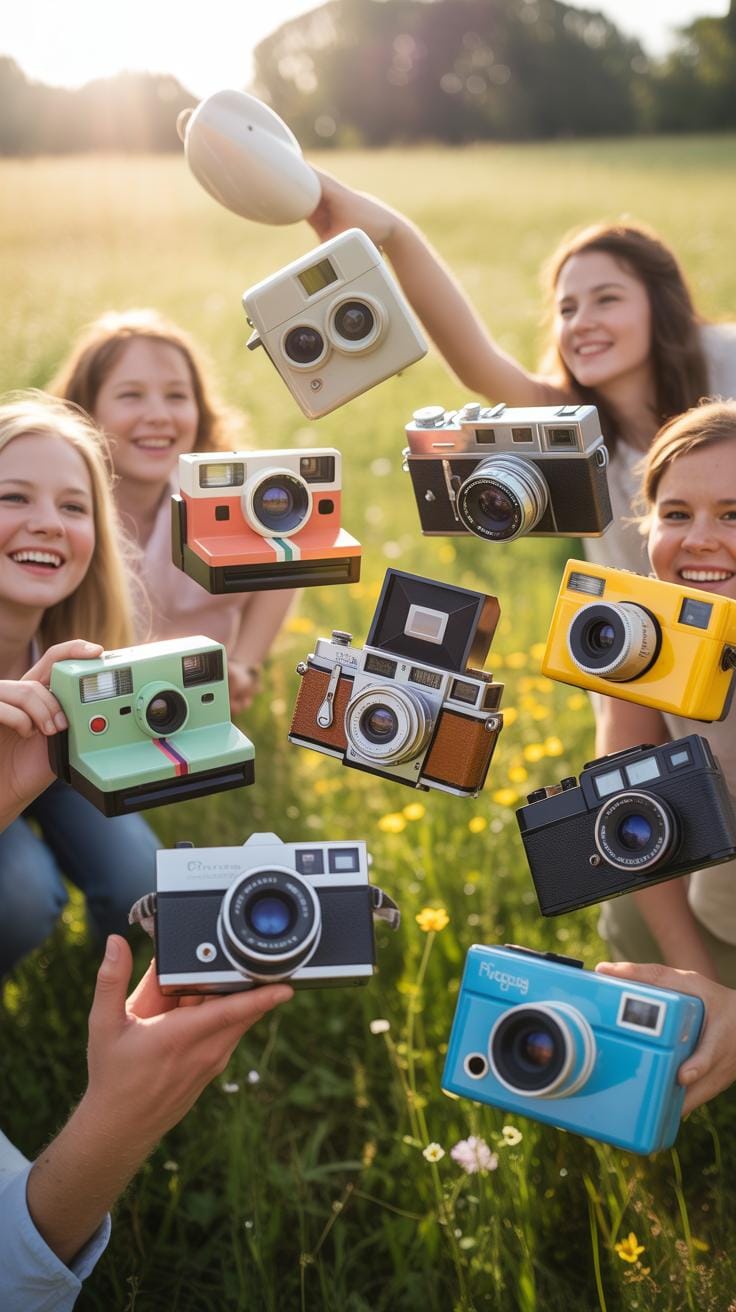
The retro camera icon symbolizes an era when craftsmanship and durability were paramount values in product design. These vintage instruments were built with mechanical precision, creating an association between analog technology and dependable quality that persists today. When brands incorporate retro camera imagery into their visual identity, they tap into this deep-seated perception of authenticity and reliability. The retro camera icon conveys a message of intentionality and expertise, suggesting that a product has been thoughtfully designed rather than hastily produced. This psychological connection makes consumers more likely to trust brands that leverage nostalgic camera aesthetics in their marketing.
Professional photographers and creative industries frequently adopt retro camera iconography to reinforce their credentials and expertise. The mechanical cameras of the mid-twentieth century required technical knowledge and artistic vision to operate effectively, attributes that modern professionals wish to communicate about their work. Vintage camera designs appear in portfolios, studio logos, and creative agency branding because they immediately signal competence and serious artistic intent. This association has become so powerful that even digital-first industries use retro camera icons to establish legitimacy. The visual language of classic cameras has become shorthand for quality, suggesting that those who use such imagery understand their craft at a foundational level.
Emotional Connection
Retro camera icons evoke powerful nostalgic responses rooted in personal and collective memories of analog photography. For generations who grew up using film cameras, these symbols trigger vivid recollections of childhood moments, family gatherings, and the tactile experience of holding a real camera. The deliberate process of framing shots, advancing film, and anticipating results created a mindfulness that digital photography often lacks. A retro camera icon instantly reconnects viewers with these emotionally rich experiences, creating a warm sense of longing for simpler technological times. This emotional resonance makes retro camera imagery particularly effective in home decor and lifestyle contexts where comfort and meaning matter deeply.
The physicality and mechanical nature of vintage cameras contribute significantly to their emotional appeal in contemporary design. Unlike digital devices that feel impersonal and standardized, vintage cameras possessed individual character through their materials, weight, and operational feedback. Holding a film camera required engagement; users felt the mechanism wind, heard the shutter click, and witnessed the world through an actual optical lens. These sensory memories remain dormant until triggered by a retro camera icon, awakening feelings of authenticity and presence. Today’s design enthusiasts display vintage camera imagery as visual anchors to these meaningful experiences, transforming everyday spaces into galleries celebrating analog heritage and human-centered creativity.
Artistic Techniques For Creating A Retro Camera Icon
Lighting And Shadow
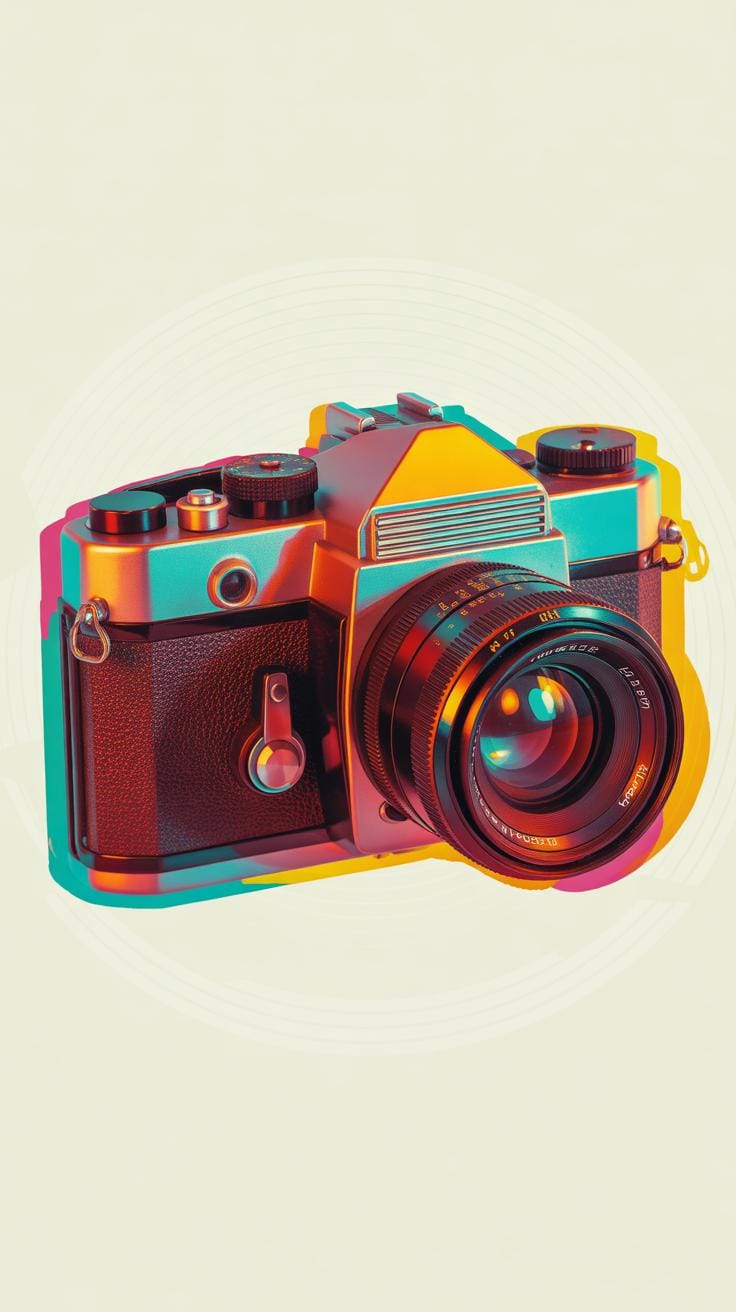
Creating a convincing retro camera icon requires mastering the interplay between light and shadow. Subtle gradients provide depth that transforms flat designs into dimensional representations of vintage photography equipment. By carefully positioning light sources, designers can emphasize the camera’s lens barrel, viewfinder, and body curves, making the retro camera icon feel tangible and inviting. Realistic reflections on glass elements and metallic surfaces enhance authenticity while maintaining the stylized quality that makes icons effective across digital platforms and print media.
Strategic shadow placement beneath and around the camera body grounds the design, preventing it from appearing to float aimlessly. Soft, diffused shadows rather than harsh contrasts maintain the nostalgic warmth essential to retro camera icon design. This technique mirrors how vintage cameras were historically photographed in product catalogs and promotional materials, creating visual continuity with the era being celebrated. The interplay of light and shadow becomes a storytelling device, evoking memories of film photography and the mechanical precision these beloved devices represented.
Texture Implementation Key
Leather and chrome textures form the foundation of an authentic vintage camera aesthetic. Designers can replicate worn leather straps by incorporating subtle grain patterns and slight color variations that suggest years of use and handling. Chrome surfaces require careful attention to highlight and shadow placement, creating the signature gleam associated with mid-century camera bodies. These material elements transform a simple retro camera icon from abstract concept into a tangible representation of craftsmanship and heritage.
Layering texture creates visual interest while maintaining usability across different sizes and resolutions. A retro camera icon benefits from understated fabric weave suggestions on leather components and realistic metallic patina on chrome elements, avoiding over-texturing that obscures detail. Designers should reference historical camera specifications—such as the textured grip panels on vintage SLR cameras—to ensure authenticity. Balancing detailed texture with functional simplicity ensures the icon remains recognizable whether displayed large on a poster or small within a user interface.
Balancing Vintage Aesthetics With Modern UI Glassmorphism
Modern Adaptation
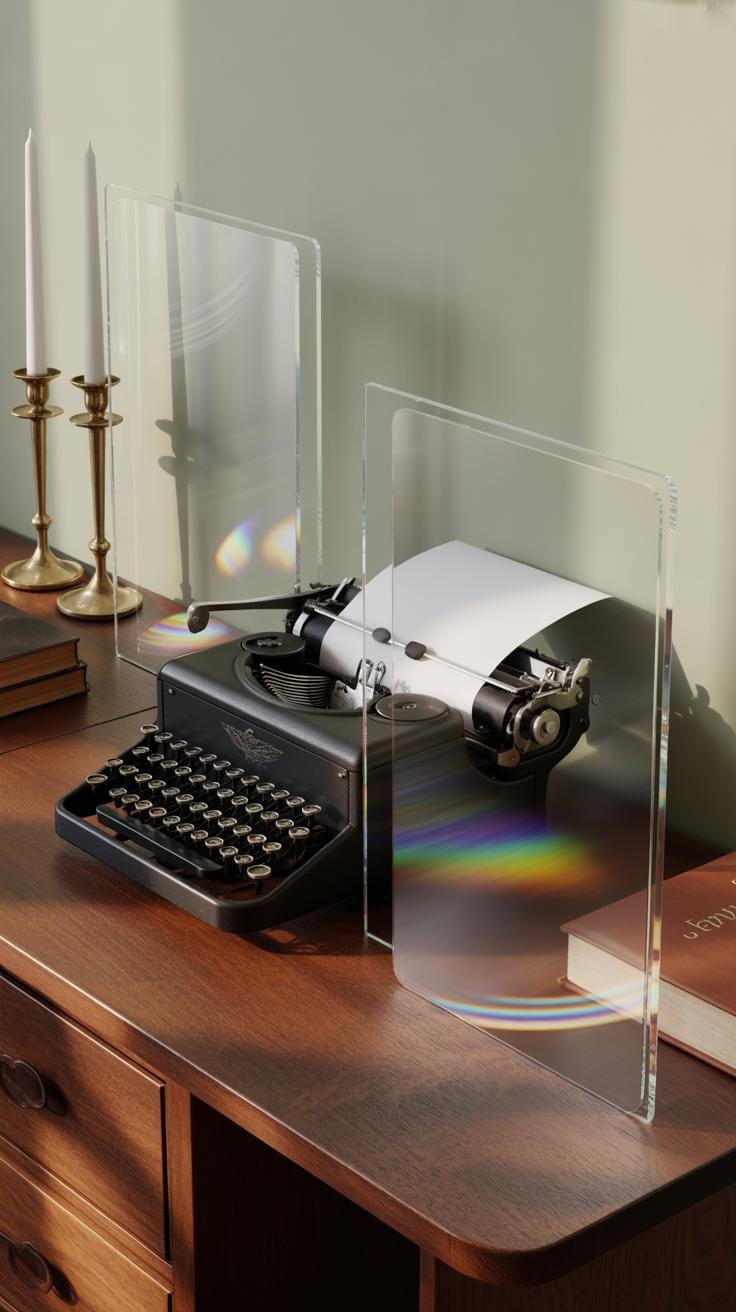
The retro camera icon represents a fascinating intersection where nostalgic design meets contemporary digital interfaces. Glassmorphism, a modern UI design trend featuring semi-transparent frosted glass effects, offers unexpected harmony with vintage aesthetics. By layering translucent elements over a retro camera icon, designers create depth while maintaining the charm of classic film photography equipment. This approach respects the historical significance of mechanical cameras while embracing current design sensibilities.
Integrating semi-transparent layers transforms how users perceive vintage imagery in modern applications. The retro camera icon gains visual sophistication through subtle frosted overlays and blur effects that suggest physical glass surfaces. These contemporary techniques allow the timeless appeal of film cameras to resonate with audiences accustomed to sleek, polished interfaces. When executed thoughtfully, glassmorphism enhances rather than overshadows the nostalgic qualities that make retro camera iconography compelling and recognizable across digital platforms.
Vector Precision
Creating scalable vector renditions of retro camera icons ensures flawless reproduction across all device resolutions, from mobile screens to desktop displays. Vector-based designs maintain crisp edges and consistent line weights regardless of enlargement, essential for the detailed mechanisms present in a retro camera icon. High-resolution Retina displays demand mathematical precision in anchor points and curve definitions. Professional design software allows creators to preserve intricate details like shutter buttons, viewfinder edges, and lens rings while maintaining clean appearance at any scale.
The technical challenge of scaling detailed retro icons involves strategic simplification without sacrificing character. A retro camera icon must communicate its mechanical nature through careful path construction and stroke optimization. Designers employ techniques like anchor point reduction and intelligent curve distribution to prevent pixelation and distortion. This precision ensures that whether displayed at 16 pixels or 1000 pixels, the vintage camera retains its distinctive silhouette and recognizable features that spark nostalgia while functioning effectively within modern interface design systems.
Influential Apps Leading The Retro Revolution
Instagram Heritage
Instagram’s visual identity has undergone a remarkable transformation that mirrors broader design trends in digital culture. Originally launched in 2010, the app featured a skeuomorphic retro camera icon with a prominent lens and flash, directly inspired by vintage Polaroid aesthetics. This retro camera icon became instantly recognizable, symbolizing the app’s commitment to photography and nostalgic visual storytelling in the smartphone era.
The evolution toward Instagram’s current minimalist logo reflects contemporary design philosophy while maintaining nostalgic undertones. The company simplified its branding, transitioning from the detailed retro camera icon to a gradient-based, geometric approach. However, this shift sparked significant backlash from users who cherished the original design, demonstrating how deeply the retro camera icon had embedded itself in popular consciousness and digital heritage.
Niche Apps Keep Traditional Icons Alive
Hipstamatic emerged as a specialized photography app dedicated to preserving vintage camera aesthetics and analog photography traditions. The application prominently features a retro camera icon interface reminiscent of classic film cameras, allowing users to apply distinctive vintage filters and effects. By maintaining authentic retro camera icon design language, Hipstamatic carved a dedicated niche among photography enthusiasts seeking genuine analog-inspired digital experiences.
VSCO has similarly championed the retro camera icon aesthetic within its minimalist design framework. The platform integrates vintage photography principles through its curated filter collections and film-inspired editing tools:
- Classic film stock emulation with authentic color grading
- Vintage grain and texture applications
- Retro preset collections named after iconic film types
- User interface inspired by traditional camera controls
- Community features celebrating analog photography heritage
These apps demonstrate that the retro camera icon remains culturally significant beyond nostalgic decoration, representing a genuine appreciation for traditional photographic methods and their artistic possibilities in contemporary digital spaces.
The Role Of Skeuomorphs In Tactile Digital Experiences

Haptic Feedback

The mechanical satisfaction of pressing a camera’s shutter button has inspired digital designers to recreate that tactile sensation through haptic feedback technology. When you tap the retro camera icon on modern smartphones, subtle vibrations mimic the physical resistance and click of vintage film cameras. This sensory bridge connects users to the authentic experience of analog photography, making the digital interaction feel substantial and intentional rather than ethereal.
- Vibration patterns that replicate mechanical shutter mechanisms
- Pressure-sensitive responses that vary with tap intensity
- Haptic layers that simulate film advance mechanisms
- Temporal delays that echo traditional camera operation
- Textured feedback distinguishing between preview and capture modes
The retro camera icon’s design flourishes when paired with haptic elements that remind users of weighted equipment and deliberate actions. Professional photographers often miss the physicality of manual controls, and thoughtful haptic implementation transforms touchscreen interactions into emotionally resonant experiences that honor analog craftsmanship.
Visual Affordance
The retro camera icon functions as a visual affordance—a design element that intuitively communicates its purpose through appearance alone. Users immediately recognize its function because the design mirrors real-world objects they’ve encountered or seen historically, eliminating the need for labels or explanations. This universality makes camera interfaces accessible across different ages and cultures, bridging generational gaps through shared visual language.
Skeuomorphic design choices embedded in the retro camera icon reveal functions through familiar shapes: the lens suggests focus capabilities, the viewfinder indicates composition tools, and the shutter button signals image capture. This approach reduces cognitive load, allowing users to interact confidently without instruction manuals. The aesthetic nostalgia enhances usability, making photography applications feel intuitive and welcoming rather than intimidating or overly technical.
Designing For The Future Neumorphism And Beyond

Neumorphic Trends

The soft-UI approach represents a fascinating evolution in how designers reimagine the retro camera icon for contemporary digital spaces. Neumorphism blends skeuomorphism’s tactile qualities with minimalism’s clean aesthetics, creating subtle depth through shadows and highlights rather than bold textures. This design philosophy softens the hard edges traditionally associated with vintage camera representations, transforming them into gentle, almost clay-like forms that feel inviting and modern while maintaining nostalgic essence.
The retro camera icon gains fresh relevance through neumorphic interpretation, where raised and recessed surfaces create visual interest without overwhelming the interface. Designers employ carefully calibrated lighting to suggest dimension, mimicking how light naturally plays across rounded surfaces. This approach honors the mechanical charm of analog cameras while making them feel contemporary and touchable, bridging the gap between past and present through refined, sophisticated visual language that appeals to users seeking comfort in digital environments.
Future Minimalism
Retro elements, including the beloved retro camera icon, will continue evolving within next-generation operating systems through stripped-down, essence-focused design language. Future interfaces will likely emphasize the core characteristics that make vintage cameras iconic—the shutter button, viewfinder, and film advance mechanism—while eliminating unnecessary ornamentation. This distilled approach allows nostalgic symbols to maintain cultural significance without cluttering increasingly intelligent and voice-activated systems where visual clarity becomes paramount.
As operating systems become more AI-integrated and context-aware, retro camera icons will transform into flexible design components that adapt across devices and interaction modes. The enduring appeal of vintage photography will drive their continued presence, but their presentation will become more conceptual and abstracted. Designers will preserve the emotional resonance of analog aesthetics while ensuring these elements function seamlessly within AR interfaces, spatial computing environments, and emerging technologies that future users will navigate intuitively and naturally.
Best Practices For Using A Retro Camera Icon Today
Color Palette Choice
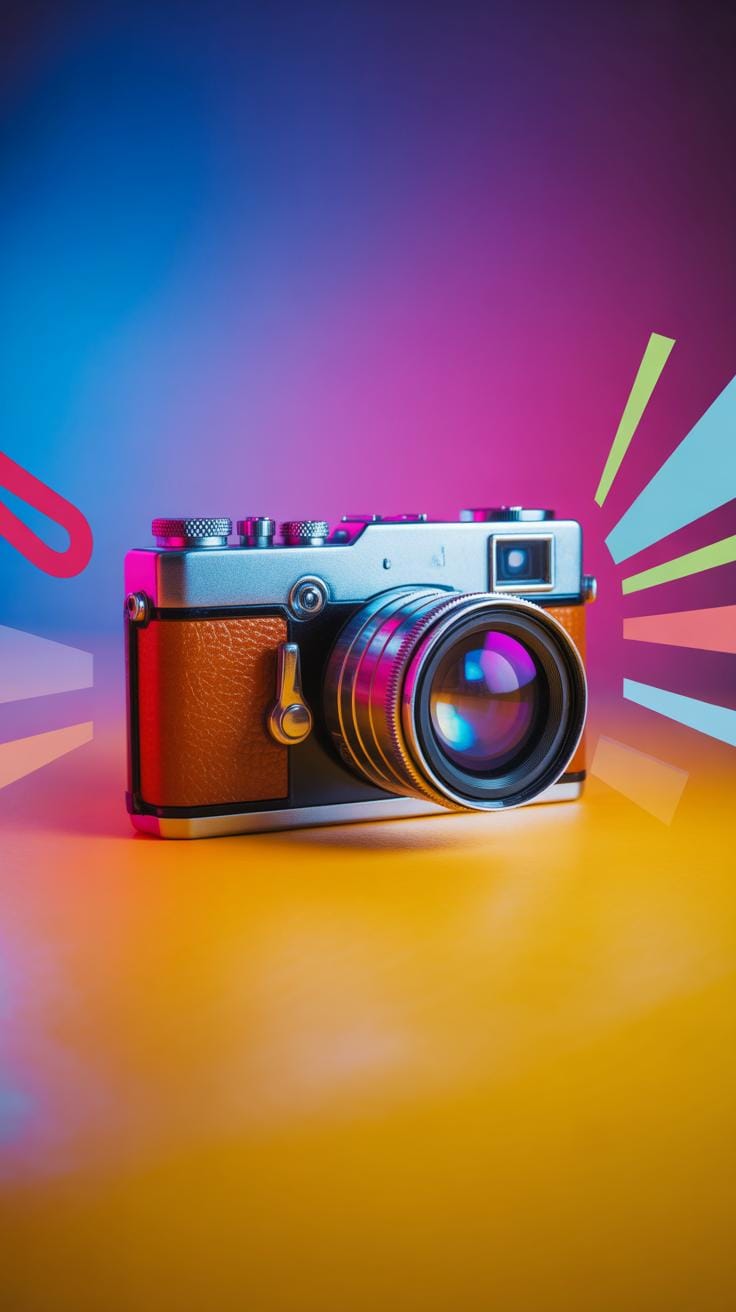
When designing a retro camera icon, selecting the right color palette establishes its visual identity and nostalgic appeal. Organic earth tones—warm browns, creams, blacks, and muted greens—evoke the authentic materials of vintage cameras from the mid-twentieth century. These natural hues create emotional resonance with audiences who appreciate analog photography’s tactile, unpretentious aesthetic. The retro camera icon rendered in such colors feels grounded and genuine, honoring the mechanical craftsmanship that defined classic camera design.
Alternatively, metallic accents can enhance your retro camera icon with subtle sophistication and visual interest. Chrome, brass, and silver tones reference the durable metal components found on authentic vintage cameras, adding depth and dimension to flat design applications. Balancing metallic highlights with earthy base colors creates dynamic contrast while maintaining the nostalgic atmosphere. This hybrid approach works particularly well in modern web and app design, where metallic elements catch light and draw user attention to interactive elements.
Accessibility Considerations
High contrast and legibility are essential when implementing a retro camera icon in skeuomorphic graphics, ensuring all users can recognize and interact with the design effectively. Skeuomorphic designs mimic real-world textures and dimensions, which can sometimes obscure important visual details at smaller scales. Your retro camera icon should maintain clear outlines and distinct color separation between foreground and background elements. Testing the icon at various sizes—thumbnail, medium, and large—reveals whether details remain visible and the overall form remains immediately identifiable.
When designing skeuomorphic retro camera icons, ensure sufficient contrast ratios meet WCAG accessibility standards, particularly for users with low vision or color blindness. Avoid relying solely on color differentiation; incorporate textural variations, line weight differences, and strategic shadowing to communicate depth and detail. The three-dimensional quality of skeuomorphic design should enhance rather than hinder comprehension. A well-executed retro camera icon maintains its communicative power whether viewed in full color or converted to grayscale.
Frequently Asked Questions

What is a retro camera icon?
A retro camera icon is a stylish graphic design inspired by vintage cameras from the mid-20th century, like old Polaroids or SLRs, capturing that nostalgic charm in digital form. It’s part of the retro revolution sweeping home decor and lifestyle, where old-school aesthetics meet modern vibes. Perfect for adding a timeless touch to apps, websites, or wall art without the bulk of real cameras. Embrace it to infuse your space with vintage flair effortlessly.
How can I incorporate a retro camera icon into my home decor?
Start by downloading free retro camera icon vectors online and printing them large for canvas prints or framing behind glass for a gallery wall. Use vinyl stickers on laptops or furniture for subtle accents, or customize throw pillows and mugs via print-on-demand sites. In the retro revolution, this icon pairs beautifully with mid-century modern pieces, creating cohesive, nostalgic vignettes that elevate your living space warmly.
Are there budget-friendly ways to get retro camera icons?
Yes! Plenty of free resources like Freepik and Flaticon offer downloadable retro camera icons in SVG or PNG formats—no cost involved. For premium options under $10, check Etsy for unique bundles or generate custom ones with Canva’s free tools. This makes joining the retro revolution accessible, letting you style your home or digital projects affordably while enjoying that vintage appeal.