
The Art Of Steganography Ways To Hide Secret Messages In Photos

Steganography Basics
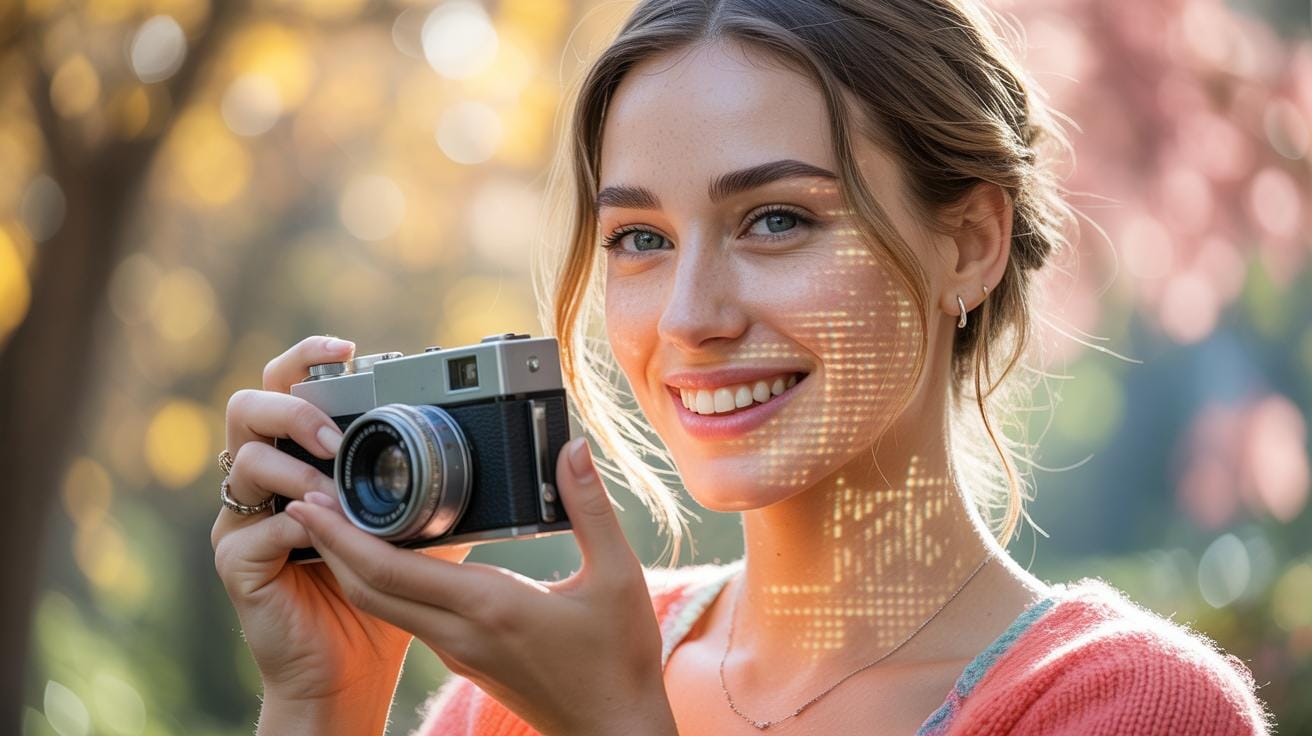
Steganography hides data inside a physical or digital file without changing its appearance. Unlike encryption, which scrambles data, steganography conceals the existence of the message itself. This makes it an excellent Secret Message Activity for those wanting to keep information private. You can use software to swap out the least significant bits of a digital image. This process ensures the portrait looks normal to any casual viewer.
Modern tools allow you to embed text directly into the pixels of a portrait. This serves as a digital Secret Message Game where only people with the right key can find the data. This method far exceeds any Paper Secret Message in terms of security. Experts use these Word Brain Teasers to test data integrity. It provides a technical challenge similar to Brain Gym For Kids but with serious real-world applications.
Privacy Security
Protecting sensitive information requires Good Hiding Spots within digital assets. Visual art offers a unique way to mask data from prying eyes. You can hide your Secret Message Ideas within the metadata or the color layers of a high-resolution photo. This is not just a Secret Message Printable for fun or a simple Secret Messages For Kids project. Professional operators use these tactics to transfer data across open networks safely and securely.
Security through obscurity works best when combined with standard encryption methods. Hiding messages in portraits keeps your data away from automated scanners and mass surveillance tools. You should treat every digital image as a potential container for critical information. This tactical approach turns a standard photograph into a covert communication tool. It ensures your private data remains hidden from anyone who does not have the specific extraction software or password.

Secret Message Ideas For Encoding Portraits With Meaning

Creative Coding
Digital portraits offer technical ways to hide data. You can map text to specific color values. Shift the red or blue channel by one digit to encode characters. This is a digital Secret Message Activity that remains invisible to the human eye. Changing the hex codes in a gradient allows you to embed strings of text. Use these tactical Secret Message Ideas to secure your private data within plain sight.
This technique builds focus like Brain Gym For Kids by requiring precision. You can simulate this offline with a Paper Secret Message by using subtle watercolor shades. Variations in tone act as Good Hiding Spots for letters. This method serves as a Word Brain Teasers challenge for the recipient. Professionals use these shifts to verify image authenticity without ruining the visual aesthetic of the portrait or distracting the viewer.
Metadata Hiding
Every digital photo contains Exchangeable Image File Format data. This EXIF data stores the camera model and GPS location. You can edit the “Description” or “Copyright” fields to include a Secret Message Game for your audience to solve. Most viewers never look at this hidden layer. This provides a reliable way to hide secret messages within a file without altering the actual pixels or the visual image quality.
Teaching students to find this data works as a Secret Messages For Kids lesson in digital literacy. If you need a physical version, use a Secret Message Printable that points to these digital coordinates. This activity functions as a Brain Gym For Kids task by teaching them how to look behind the surface. Experts treat the metadata field as one of the most effective Good Hiding Spots for sensitive tactical information today.
Physical And Paper Secret Message Options For Photo Props
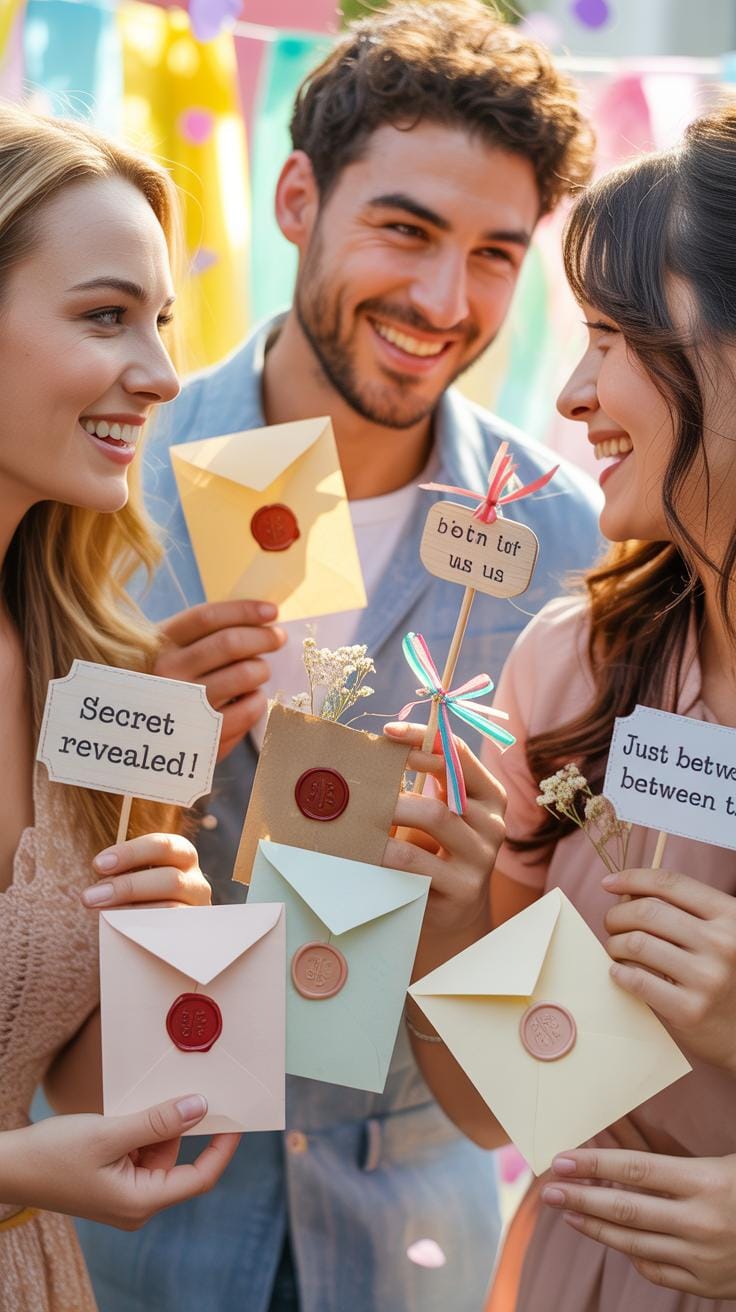
Photo Props List
Physical props turn a standard portrait into a functional Secret Message Activity. You must choose materials that blend into the background or appear as decorative elements to avoid detection by casual viewers. A Paper Secret Message hidden in plain sight requires specific textures and lighting to remain legible only to the intended recipient. Use these items to build effective Good Hiding Spots within your frame.
- Acid-Free Cardstock: Use heavy paper to prevent ink bleed when creating a Secret Message Printable for your shoot. This material maintains sharp edges under high-resolution lenses. It provides a stable surface for Word Brain Teasers that require precise alignment to decode properly.
- Polarizing Filters: These lens attachments allow you to hide or reveal messages reflected off glass or water surfaces. You can control glare to mask text printed on glossy props. This technique adds a layer of technical security to your Secret Message Game.
- Micro-Printing Pens: Use fine-tip technical pens to write messages that appear as texture or fabric patterns. This creates a Brain Gym For Kids where they must zoom into the digital file to read. High-contrast ink ensures the letters remain sharp at extreme magnifications.
- Vellum Overlays: Semi-transparent paper can obscure text until you apply specific backlighting during the photo session. This material works well for Secret Messages For Kids because it looks like a simple design element. It masks the message through light diffusion.
- Steganographic Grids: Physical templates with cutouts can be held by the subject to reveal hidden words on a background poster. This creates a dynamic Secret Message Ideas platform. The grid acts as a physical key that only works when positioned at the correct angle.
Strategic placement ensures the message survives the digital compression of modern cameras. You should integrate these tools into the clothing or hand-held items of your subject. This approach transforms a static image into a cognitive challenge. Proper material selection prevents the message from being lost in the depth of field. Focus on high-contrast pairings to ensure the text remains recoverable during post-processing.
Invisible Ink Photography
Capturing ultraviolet sensitive ink requires specific lighting hardware and camera settings. You must use a dedicated UV lamp to excite the fluorescent compounds in the ink during the exposure. This technique allows you to embed data that remains invisible under standard white light. Use this method for a high-tech Secret Message Game where the solution only appears under specific wavelengths.

Standard digital sensors can detect certain UV fluctuations if you remove the internal cut filters. You should position the light source at a forty-five-degree angle to minimize surface glare on the paper. This setup is perfect for Brain Gym For Kids as it rewards scientific curiosity. Keep the ambient light low to maximize the contrast of the glowing text. Strategic shadows provide the best backdrop for these hidden signals.
Creating A Secret Message Game For Interactive Gallery Displays
Audience Engagement
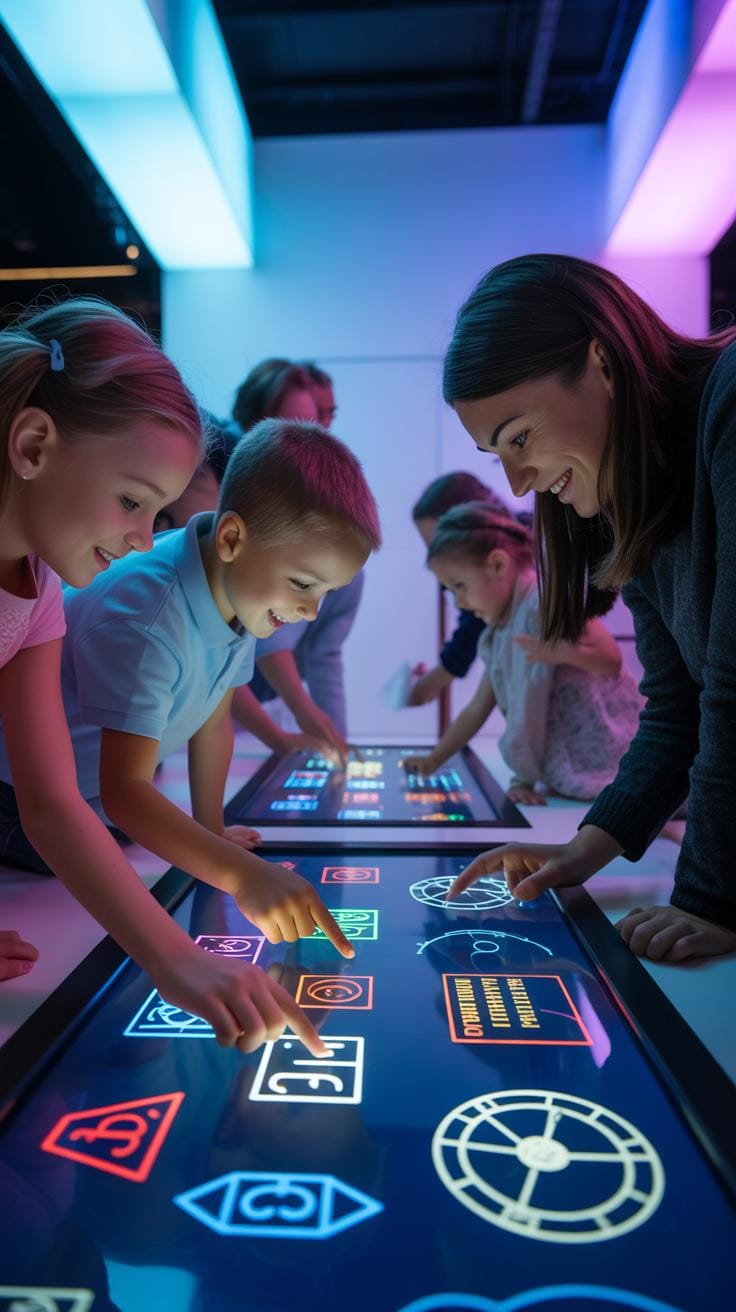
Gamifying a portrait gallery increases the time visitors spend analyzing your work. You turn a passive viewing into a Secret Message Game by embedding small visual cues in the background. Place specific symbols or text in shadows or textures. This method mimics a Secret Message Activity where the viewer must hunt for anomalies. It forces the eye to scan every inch of the frame for Good Hiding Spots.
Strategic placement is the core of this tactic. Use jewelry reflections or pattern breaks in clothing to hide your data. This creates a high level of engagement similar to Brain Gym For Kids because it requires intense focus. If you are hosting a physical event, provide a Secret Message Printable to guide the participants. This ensures they know how to look for the Secret Message Ideas hidden within.
Deciphering Clues
Digital watermarks provide a more advanced layer for hiding data. You hide information in the pixels that is invisible to the naked eye. To help your audience find it, you must provide clear clues. Use Word Brain Teasers at the bottom of the frame to point toward the correct digital tool. This turns your professional portrait into a Paper Secret Message that bridges the physical and digital worlds.

Effective clues act as Secret Messages For Kids and adults alike. They guide the user to download a specific app or scan a certain area of the photo. You can use QR codes blended into the set design as a pivot point. This layout keeps the game moving and provides instant results. High quality execution makes the reveal feel earned rather than forced. It is a tactical win for your brand.
Educational Secret Messages For Kids Through Visual Storytelling
Visual Literacy
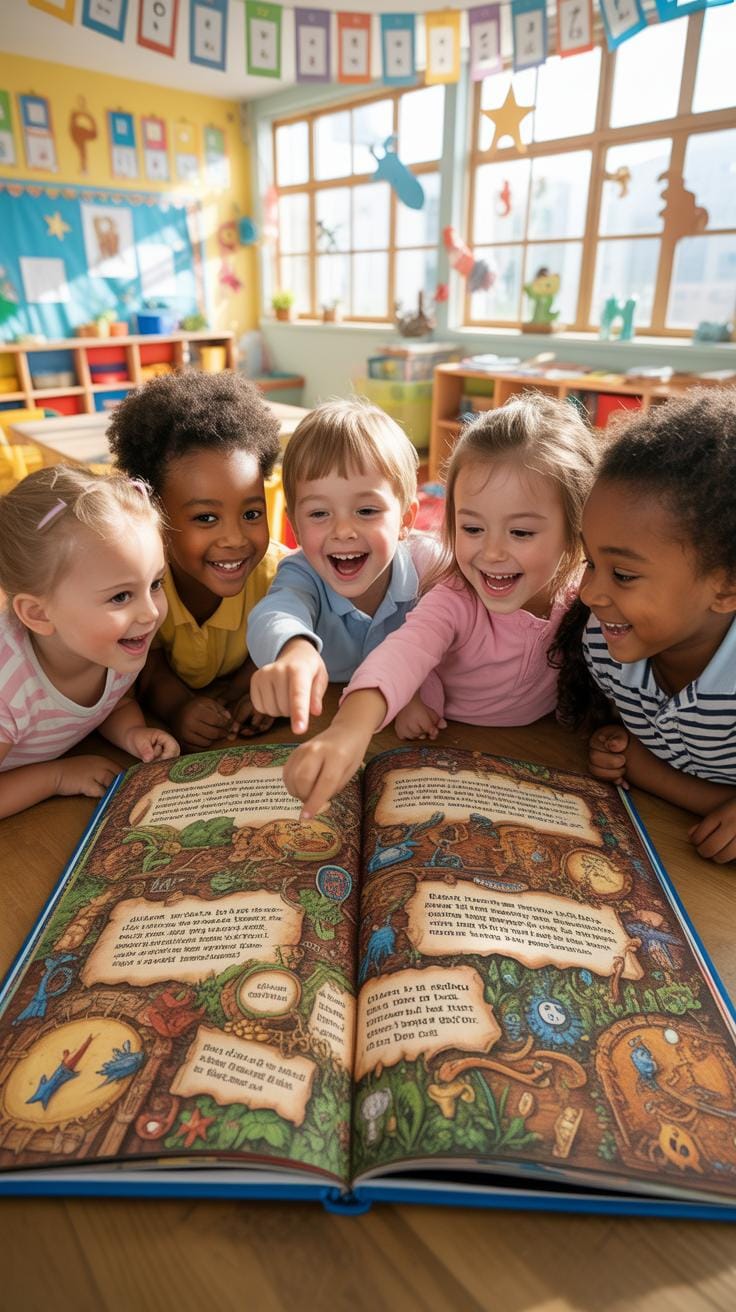
Modern art movements like Dadaism and Surrealism use objects to represent hidden meanings. You can apply these concepts to portrait photography to create a Secret Message Activity for students. Place specific objects in the frame that stand out against the background. Each item acts as a symbol. This method teaches children how to decode visual information. It builds critical thinking skills by turning a simple photo into a Word Brain Teasers challenge.
Effective visual literacy training requires children to look for anomalies in a portrait. Use a Secret Message Game to help them identify why certain props do not fit the scene. This practice serves as a Brain Gym For Kids by improving observation skills. By embedding symbols into a photo, you create Secret Messages For Kids that require no external tools. This tactical approach turns photography into a functional tool for cognitive development.
Every portrait stores a story within its shadows, waiting like a whispered secret for the right heart to hear it. Behind every gaze lies a hidden world that only love can truly decode.
Kid Friendly Steganography
Steganography is the art of hiding information in plain sight. You can teach this using simple pattern recognition in digital or physical photos. Arrange buttons, blocks, or colors in a specific sequence to encode a message. These Secret Message Ideas bypass digital filters because the data is visual. Kids learn that Good Hiding Spots are often right in front of the viewer. This technique mimics historical methods used by intelligence officers.

Physical media adds another layer of engagement for young learners. You can design a Secret Message Printable that teaches how to spot hidden patterns. This leads to creating a Paper Secret Message that works even without a screen. Using these methods transforms a standard photo into a Secret Message Activity. It reinforces data security concepts early. Teaching these skills prepares children for more complex digital security and encryption challenges in the future.
Developing A Secret Message Activity For Aspiring Young Photographers
Activity Steps
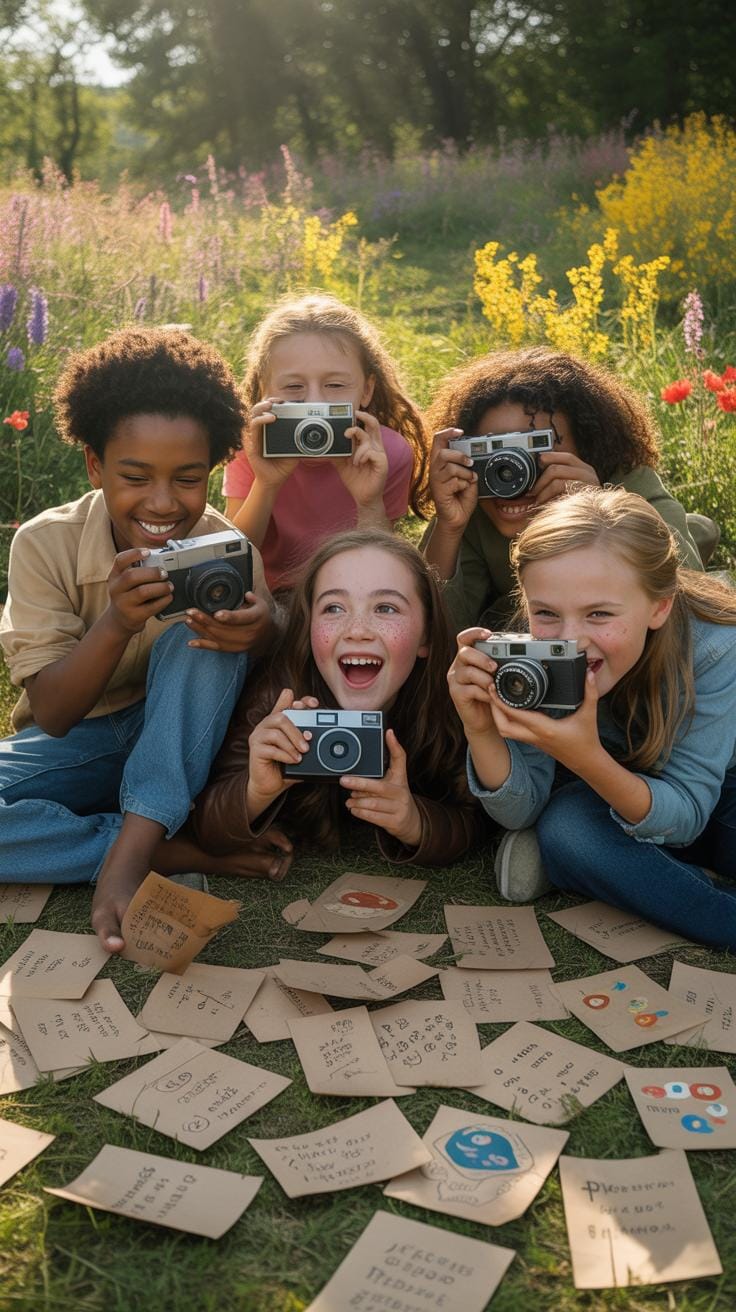
Teaching children to embed data starts with physical concepts before moving to digital pixels. Use a Secret Message Activity to show how visual patterns hide information. Students learn that a portrait is not just an image but a grid of data points. This exercise introduces the basics of steganography by using a Secret Message Game format to engage their logical thinking skills.
- Visual Selection: Choose a portrait with high-contrast areas like hair or clothing textures. These complex patterns serve as Good Hiding Spots for manual data entry. Avoid flat backgrounds where edits are easily visible to the naked eye.
- Grid Mapping: Overlay the photo with a fine grid to identify specific coordinate points for data insertion. This mimics how computers address individual pixels. It turns a standard image into a Secret Message Printable for manual decoding practice.
- Color Encoding: Use a specific color shift or dot pattern to represent letters of the alphabet. Students apply these marks to the portrait in subtle locations. This method bypasses traditional Word Brain Teasers by using visual logic instead.
- Message Encryption: Convert your text into a numerical code before placing it within the photo layers. This adds a layer of security to the Paper Secret Message. It ensures that casual observers cannot immediately decipher the hidden contents without the key.
- Verification Process: Exchange the coded portraits with a partner to test the legibility of the hidden data. This step confirms that the information survived the embedding process. It functions as a Brain Gym For Kids by testing their pattern recognition.
Digital literacy requires understanding that every file has a hidden layer. Using Secret Messages For Kids helps demystify how metadata and steganography work in professional photography. This tactical approach ensures students view images as containers for information. Once they master the manual grid, they can transition to software-based LSB encoding techniques to hide more complex files within high-resolution portrait photos.
Workshop Ideas
Workshops must focus on the mechanics of data concealment to build real-world skills. Use Secret Message Ideas that challenge participants to hide data within the shadows of a digital portrait. This tactical training moves beyond simple puzzles. It teaches students how to manipulate image files without corrupting the visual output or altering the file size in a suspicious manner.
Group sessions should include a competitive Secret Message Game where teams attempt to detect hidden alterations in images. This develops their forensic eyes for spotting digital anomalies and noise. Incorporating a Brain Gym For Kids through visual analysis builds critical thinking. These exercises prove that information security is a foundational skill in the modern digital landscape for any serious young photographer.
Finding Good Hiding Spots Within Complex Portrait Compositions

Background Textures
High contrast shadows and rough clothing textures provide Good Hiding Spots for stenography. Use fabric weaves like tweed or burlap to mask low opacity text strings. This method mimics a Secret Message Game where the viewer must look closer to find meaning. Professional portraits often have busy backgrounds that act as natural camouflage. These areas serve as a Brain Gym For Kids because they require intense visual focus to decode information.
Embed your data into the noise and grain of the photo. Digital sensors create random patterns that hide alterations well. You can use these areas for a Secret Message Activity by slightly adjusting the luminosity of specific pixels. This is more effective than any Paper Secret Message because digital layers are harder to spot. It keeps the Secret Messages For Kids safe from casual observers who only see a standard studio portrait.
Micro Details
Corneal reflections allow for the ultimate concealment of hidden graphics. Use the tiny white catchlights in the eyes of the subject to embed small icons or codes. This technique works like Word Brain Teasers where the answer is hidden in plain sight. It is a high level Secret Message Activity that requires zooming in at five hundred percent. Most viewers will never check the reflections during a standard visual scan.

Digital artists utilize these micro details to provide Secret Message Ideas for scavenger hunts. You can link a QR code or a Word Brain Teasers clue directly into the iris pattern. Using the eye is more secure than a Secret Message Printable because it remains purely digital. It serves as an excellent Secret Message Game for tech savvy users. Stick to the sharpest parts of the image to ensure the data remains readable.
Using Word Brain Teasers And Brain Gym For Kids In Visual Puzzles
Cognitive Development
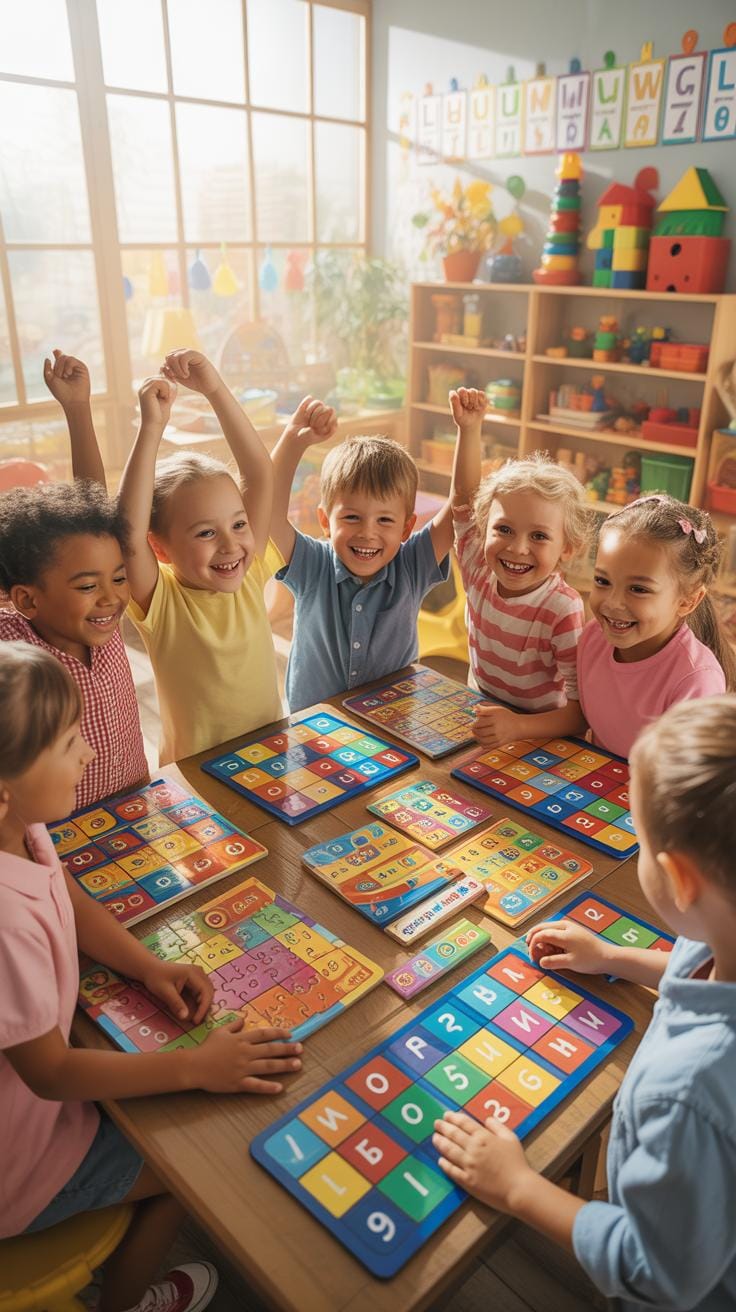
Effective portrait photography utilizes Word Brain Teasers as a form of Brain Gym For Kids to improve neural plasticity. Designers embed text units into shadows or hair textures to create a Secret Message Game within the image. This method forces the viewer to shift their focal point from the subject to the structural details of the frame. It builds pattern recognition while functioning as a Secret Message Activity that engages the viewer longer than a standard image.
Educators and parents often use these visual puzzles as a Paper Secret Message substitute for classroom learning. Integrating these elements into a Secret Message Printable allows for portable cognitive training. This technique identifies Good Hiding Spots in plain sight by using contrast and negative space. High contrast areas serve as the best locations for Secret Messages For Kids because they provide the legibility needed for developing minds to decode hidden content.
Anagram Integration
Strategists use anagrams in clothing textures to hide data without altering the aesthetic of the portrait. This method derives from historical steganography where patterns on fabric conveyed specific ranks or affiliations. You can manipulate the folds of a shirt to distort letters until seen from a specific angle. These Secret Message Ideas rely on the natural geometry of textiles. Weave these scrambled letters into plaid or floral prints to keep the information secure.

A well executed anagram functions like a Secret Message Activity for the audience. The viewer must mentally rearrange the visual fragments to solve the puzzle. This process turns a static portrait into an interactive experience. Use the vertical lines of a pinstripe suit as Good Hiding Spots for elongated characters. This approach ensures the Paper Secret Message remains invisible to casual observers while remaining accessible to those trained to look for specific typographic anomalies.
Frequently Asked Questions
What exactly does it mean to hide secret messages in a portrait photo?
Hiding secret messages within a portrait involves using steganography or creative visual placement to embed hidden meaning into an image. Instead of being obvious, the message is woven into the details—like a tiny reflection in the subject’s eyes or encoded data within the digital file pixels. This allows you to hide secret messages that only someone specifically looking for them would ever be able to find or decode.
What is the easiest way for a beginner to hide secret messages in their photos?
The most practical method for beginners is using digital steganography software or hidden text layers in editing apps. You can hide secret messages by slightly adjusting the color values of specific pixels or by overlaying text with very low opacity that only becomes visible with high-contrast filters. Another simple way is to include physical props, like a book title or a handwritten note in the blurred background.
Do I need expensive professional software to start hiding messages in my pictures?
Not at all! You can achieve great results using free online steganography tools or basic mobile editing apps. Many affordable or open-source programs allow you to encrypt data directly into your image metadata or layers without needing a high-end studio setup. Accessibility is high, as even simple creative choices in your composition can act as a hidden code, making this a budget-friendly hobby for any aspiring storyteller.